
Nutrition comparison
Pomegranate vs Blueberries: Antioxidant Powerhouse vs Daily Superfruit
Pomegranate delivers more antioxidants per serving and stronger heart benefits, but blueberries win on convenience, brain health, and daily consistency. Which should you choose?
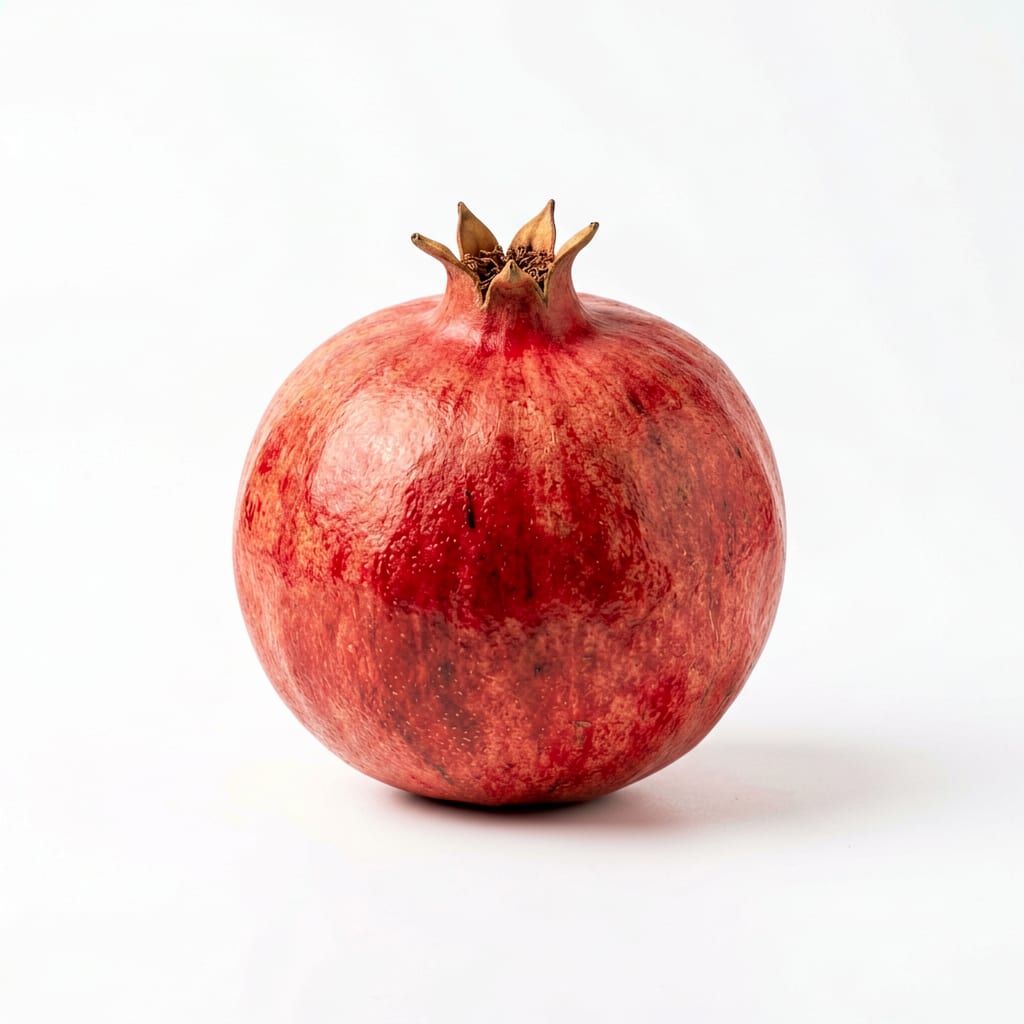
Pomegranate
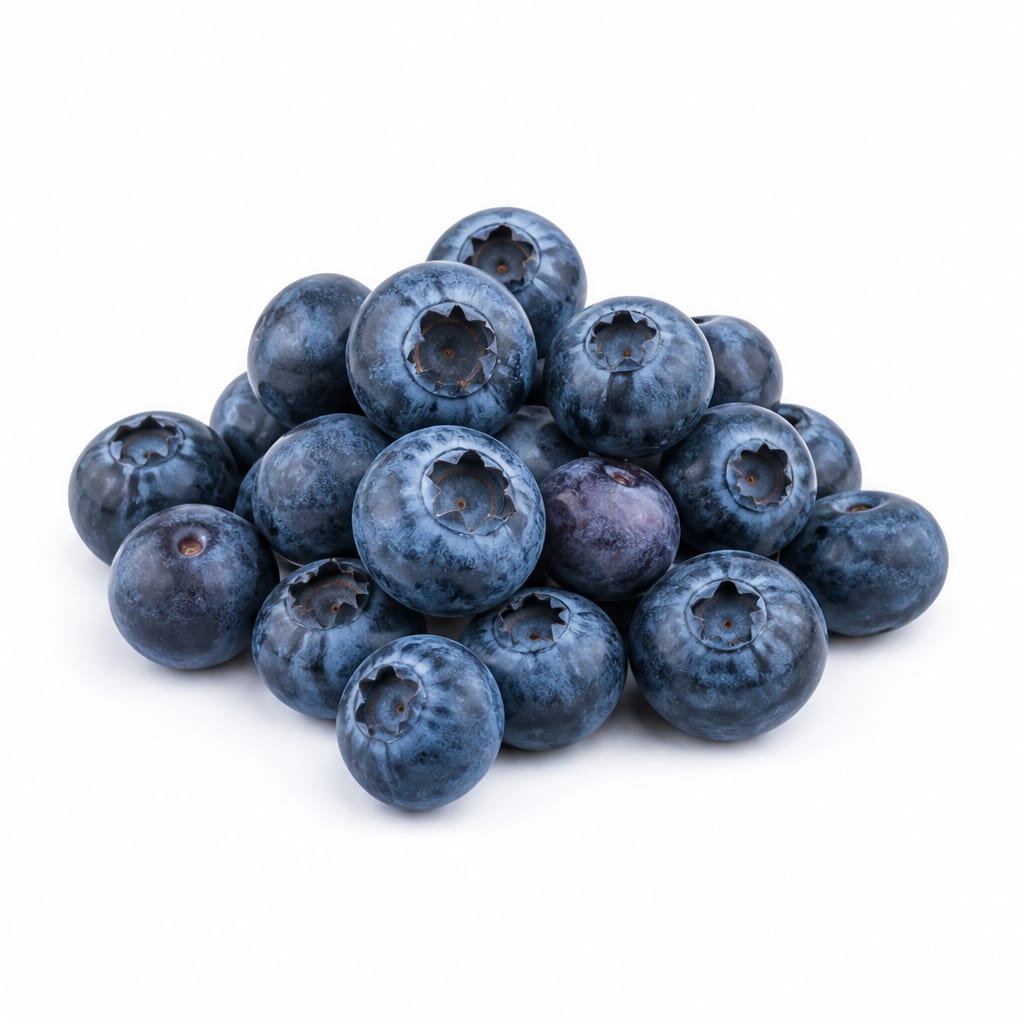
Blueberries
Blueberries win on convenience and daily consistency; pomegranate wins on sheer antioxidant potency and heart-specific benefits.
Blueberries score higher overall because their ease of use translates to better long-term adherence. Pomegranate is nutritionally superior in several targeted ways but its preparation barrier reduces real-world consistency dramatically.
Pomegranate delivers more concentrated protective compounds but demands effort and seasonal planning, while blueberries offer excellent benefits you can actually stick with every day.
At a glance
Executive summary
Overall
It depends
Healthier
Pomegranate
More practical
Blueberries
Daily use
Blueberries
Key comparison lenses
antioxidant superiority
Both are renowned antioxidant powerhouses, so users want to know which delivers more protective compounds
daily practicality
Pomegranates require significant prep while blueberries are grab-and-go, heavily influencing real-world consistency
heart health benefits
Pomegranate has strong clinical evidence for cardiovascular protection, a key differentiator
blood sugar management
Sugar content differs meaningfully between these fruits, important for diabetic and low-carb users
anti inflammatory effects
Both reduce inflammation through different pathways, users want to know which is more effective
Best choice for
Pomegranate
- Cardiovascular protection and arterial health
- Maximum antioxidant concentration per serving
- Post-workout inflammation reduction
- People who enjoy ritualistic food preparation
Blueberries
- Effortless daily fruit intake
- Brain health and cognitive longevity
- Low-sugar snacking and weight management
- Families needing quick kid-friendly options
Least suitable for
Pomegranate
- Busy mornings requiring grab-and-go food
- People managing strict carbohydrate intake
- Anyone with limited hand dexterity or arthritis
- Those who dislike messy food preparation
Blueberries
- Situations demanding the highest single-serving antioxidant dose
- Those specifically targeting blood pressure reduction
- People seeking a substantial filling snack
Deep comparison
Dimension by dimension
Each lens scores both foods and breaks down who each option suits.
- Dimension 1 · Priority 95Pomegranate
antioxidant_density
Pomegranate · 92Blueberries · 82Pomegranate delivers a higher concentration of antioxidants per serving, particularly punicalagins which are unique to this fruit.
Tradeoff
You get more antioxidant firepower from pomegranate, but blueberries offer anthocyanins that cross the blood-brain barrier more effectively.
Why it matters
Higher antioxidant density means more cellular protection per bite, especially against oxidative stress from exercise, pollution, or aging.
Real-world impact
A single pomegranate can deliver roughly 3x the antioxidant activity of a cup of blueberries, but you have to actually eat it.
Pomegranate
- Maximizing antioxidant intake per calorie
- Combating exercise-induced oxidative stress
- People who eat fruit as targeted medicine
Better for
- Anyone unlikely to prep pomegranate regularly enough to accumulate benefits
Worse for
Blueberries
- Brain-specific antioxidant protection
- Consistent daily antioxidant intake without effort
- Older adults focused on cognitive preservation
Better for
- Situations demanding peak single-serving antioxidant delivery
Worse for
- Dimension 2 · Priority 90Blueberries
convenience_and_daily_usability
Pomegranate · 45Blueberries · 94Blueberries are among the most convenient fruits available; pomegranates require significant time and effort to prepare.
Tradeoff
Pomegranate rewards patience with superior nutrition, but blueberries remove every barrier to consistent daily consumption.
Why it matters
The healthiest food only works if you actually eat it. Convenience often determines whether a habit sticks or fades within weeks.
Real-world impact
You can toss blueberries into yogurt, oatmeal, or a bag in seconds. Pomegranate demands 5-10 minutes of careful extraction and stained fingers.
Pomegranate
- Weekend meal prep when time is available
- Intentional eating rituals and mindful consumption
Better for
- Anyone with arthritis or hand strength issues
- People who eat while commuting or working
Worse for
Blueberries
- Rushed weekday mornings
- Office snacking and on-the-go fuel
- Children who need easy finger foods
- Meal prep batch additions without extra work
Better for
- Situations where the act of preparing food is part of the enjoyment
Worse for
- Dimension 3 · Priority 85Pomegranate
heart_and_vascular_health
Pomegranate · 90Blueberries · 74Pomegranate has stronger clinical evidence for protecting arteries, reducing blood pressure, and slowing plaque buildup.
Tradeoff
Pomegranate is more targeted for cardiovascular outcomes, while blueberries offer broader but milder circulatory support.
Why it matters
Heart disease remains the leading cause of death globally, and dietary choices that specifically protect vascular function are disproportionately valuable.
Real-world impact
Regular pomegranate consumption has been shown to reduce systolic blood pressure by 5-10% in some studies, a meaningful clinical effect from food alone.
Pomegranate
- People with family history of heart disease
- Those managing borderline high blood pressure
- Anyone with existing arterial plaque concerns
Better for
- Those who cannot maintain regular consumption due to seasonal availability
Worse for
Blueberries
- General cardiovascular maintenance without specific conditions
- People already on blood pressure medication who want gentle support
Better for
- People needing the most potent food-based heart intervention available
Worse for
- Dimension 4 · Priority 80Blueberries
blood_sugar_and_metabolic_impact
Pomegranate · 68Blueberries · 82Blueberries have less sugar per serving and a gentler effect on blood glucose, making them safer for metabolic concerns.
Tradeoff
Pomegranate's higher sugar content comes with more antioxidants, creating a tension between metabolic caution and cellular protection.
Why it matters
For the growing population managing insulin resistance or prediabetes, even natural fruit sugar requires strategic consideration.
Real-world impact
A cup of pomegranate arils contains roughly 24g of sugar versus 15g in a cup of blueberries, a meaningful difference for daily tracking.
Pomegranate
- Active individuals who burn through carbohydrates quickly
- Athletes needing natural sugar for performance fuel
Better for
- Diabetics counting every gram of carbohydrate
- Keto or very-low-carb adherents
Worse for
Blueberries
- People with insulin resistance or prediabetes
- Low-carb diet followers staying under sugar limits
- Those monitoring glycemic load at every meal
Better for
- Endurance athletes needing quick natural energy
Worse for
- Dimension 5 · Priority 75Blueberries
brain_and_cognitive_protection
Pomegranate · 76Blueberries · 86Blueberries have more direct research linking them to memory improvement and cognitive longevity, especially in older adults.
Tradeoff
Pomegranate protects the brain indirectly through vascular improvement, while blueberries deliver anthocyanins that accumulate directly in brain tissue.
Why it matters
Cognitive decline is one of the most feared aspects of aging, and food choices made decades earlier shape that trajectory.
Real-world impact
Older adults eating blueberries daily have shown measurable improvements in memory tests within 12 weeks in multiple studies.
Pomegranate
- Brain protection driven by better blood flow
- People whose cognitive concerns stem from vascular issues
Better for
- Those specifically targeting brain tissue antioxidant levels
Worse for
Blueberries
- Direct neuroprotective compound delivery
- Older adults wanting to preserve memory function
- Students and professionals seeking mental edge
Better for
- People whose primary cognitive risk is poor circulation rather than oxidative damage
Worse for
- Dimension 6 · Priority 65Blueberries
digestive_comfort_and_tolerance
Pomegranate · 62Blueberries · 80Blueberries are gentler on digestion for most people; pomegranate seeds and tannins can irritate sensitive stomachs.
Tradeoff
Pomegranate's astringent tannins provide unique gut benefits but can cause discomfort in those with sensitive digestive systems.
Why it matters
A food that causes bloating or irritation undermines its own nutritional value by reducing absorption and discouraging regular consumption.
Real-world impact
Some people experience mild stomach upset from pomegranate's tannins, especially on an empty stomach, while blueberries rarely cause digestive issues.
Pomegranate
- People wanting astringent compounds that may reduce gut pathogens
- Those with robust digestion who tolerate tannins well
Better for
- Those with gastritis or sensitive stomach lining
- People who struggle with seedy textures
Worse for
Blueberries
- People with IBS or sensitive stomachs
- Anyone prone to acid reflux triggered by tart foods
- Gentle daily fiber without irritation
Better for
- Situations where antimicrobial tannin properties would be beneficial
Worse for
Timeline
Health impact over time
Short-term
Hours to days
Pomegranate
- Noticeable energy boost from natural sugars with moderate fiber to slow absorption
- Mild diuretic effect from potassium content
- Temporary teeth sensitivity from acidic tannins in some people
- Satisfying fullness from the physical act of eating seeds slowly
Blueberries
- Gentle blood sugar rise without crash due to balanced fiber-to-sugar ratio
- Quick hydration from high water content
- Immediate antioxidant absorption within hours of eating
- Light snacking satisfaction without heaviness
Long-term
Months to years
Pomegranate
- Reduced arterial plaque progression with consistent intake over months
- Lower systolic blood pressure readings in regular consumers
- Enhanced exercise recovery from reduced muscle inflammation
- Potential dental enamel wear if consumed excessively due to acidity
Blueberries
- Measurably slower cognitive decline in aging populations
- Improved insulin sensitivity with daily consumption over weeks
- Reduced DNA damage markers from consistent antioxidant exposure
- Better vascular flexibility supporting healthy circulation long-term
Risk profile
Safety & processing
Both fruits are consumed in their natural state with minimal processing. The main concern is that pomegranate juice, often marketed as the convenient option, strips away fiber and concentrates sugar dramatically, negating many whole-fruit benefits.
Pomegranate
Pesticide residue on outer peel
lowSince you discard the peel and eat only the arils, pesticide exposure is minimal even with conventional pomegranates.
Mold inside fruit
mediumPomegranates can develop internal mold that is not visible from outside. Always check arils for discoloration before eating.
Staining and cross-contamination
lowThe deep red juice stains surfaces and hands, creating minor hygiene concerns during preparation in shared kitchens.
Blueberries
Pesticide residue
mediumBlueberries consistently rank in the Environmental Working Group's Dirty Dozen for pesticide residue. Organic is strongly recommended when possible.
Mold and spoilage
mediumBlueberries spoil quickly and mold spreads rapidly through a container. Inspect and remove damaged berries immediately to prevent waste.
Frozen packaging microplastics
lowMost frozen blueberries come in plastic bags. Long-term frozen storage may contribute microplastic exposure, though evidence is still emerging.
Who wins for whom
Audience fit
Same foods, different winners depending on your goal.
children
BlueberriesKids eat blueberries willingly as finger food. Pomegranate seeds are a choking hazard for toddlers and too much work for most children.
daily consumption
BlueberriesThe food you can actually eat every day without friction always beats the theoretically superior option that sits untouched.
diabetes
BlueberriesLess sugar per serving and proven improvements in insulin sensitivity give blueberries the edge for blood glucose management.
elderly
BlueberriesBrain protection, easy chewing, no preparation difficulty, and lower sugar make blueberries ideal for older adults.
muscle gain
PomegranateMore antioxidants per serving help reduce exercise-induced muscle damage and speed recovery between training sessions.
weight loss
BlueberriesLower sugar, fewer calories per cup, and easier portion control make blueberries more weight-loss friendly.
Your move
Decision guide
Choose Pomegranate
- Heart health or blood pressure is your primary concern
- You enjoy food preparation as a mindful ritual
- You want the most concentrated antioxidant dose per serving
- You exercise intensely and need superior recovery support
- You have access to fresh pomegranates in season or pre-extracted arils
Choose Blueberries
- You need a fruit you will actually eat every single day
- Brain health and memory preservation are your top priorities
- You are managing blood sugar, insulin resistance, or weight
- Convenience determines whether you eat fruit at all
- You want a kid-friendly option the whole family will consume
Either works if
- You simply want to increase daily fruit variety and antioxidant intake
- You are generally healthy and optimizing long-term disease prevention
- You can rotate seasonally between both fruits
Avoid both if
- You have a severe salicylate sensitivity, as both contain moderate levels
- You are on blood-thinning medications and have not consulted your doctor about high-antioxidant fruit intake
- You are strictly limiting all fruit sugar for a ketogenic protocol
Final recommendation
Eat blueberries daily as your reliable antioxidant foundation, and add pomegranate when you can as a targeted cardiovascular boost. The best strategy is not choosing one, but using blueberries for consistency and pomegranate for intensity. If you must pick only one, blueberries win because the fruit you actually eat always outperforms the fruit you intend to eat.
Practical
Consumer tips
- 1
Buy pre-extracted pomegranate arils if preparation is your main barrier. The cost premium is worth it if it means you actually eat them.
- 2
Choose organic blueberries whenever possible. They consistently test high for pesticide residue, and frozen organic blueberries are often affordable year-round.
- 3
Freeze blueberries at peak freshness. They retain nearly all their antioxidant capacity when frozen, making off-season consumption just as beneficial.
- 4
Open pomegranates underwater in a bowl to prevent juice splatter and easily separate arils from membrane.
- 5
Add pomegranate arils to savory dishes like salads and grain bowls. Their tartness replaces dressing acidity and reduces added sugar from bottled dressings.
- 6
Avoid pomegranate juice as a health shortcut. It strips away fiber and delivers a concentrated sugar hit that undermines most of the whole fruit's benefits.
- 7
Mix both fruits together in yogurt or oatmeal for complementary antioxidant coverage without having to choose.