
Nutrition comparison
Pomegranate vs Bananas: Which Fruit Is Healthier for You?
Compare Pomegranate and Bananas on antioxidants, blood sugar impact, convenience, and cost. Find out which fruit fits your health goals and daily routine better.
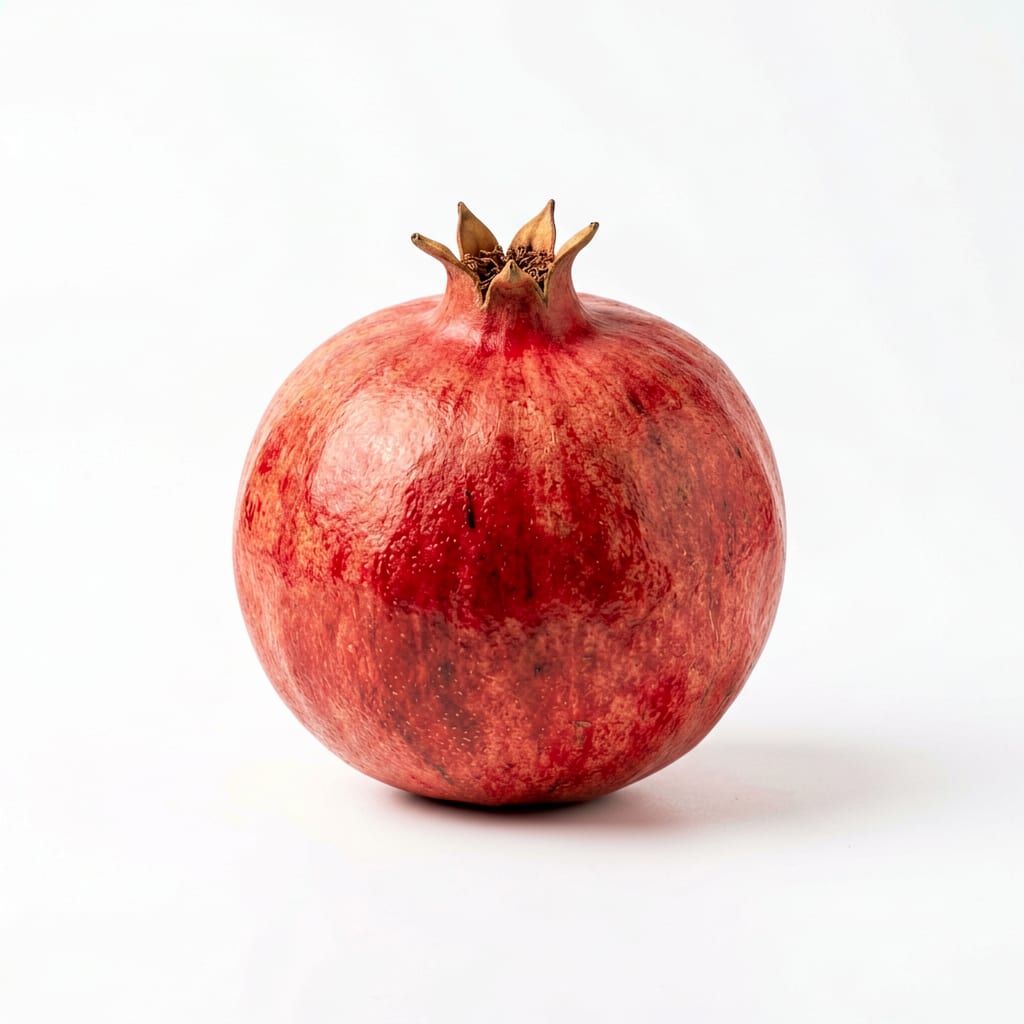
Pomegranate
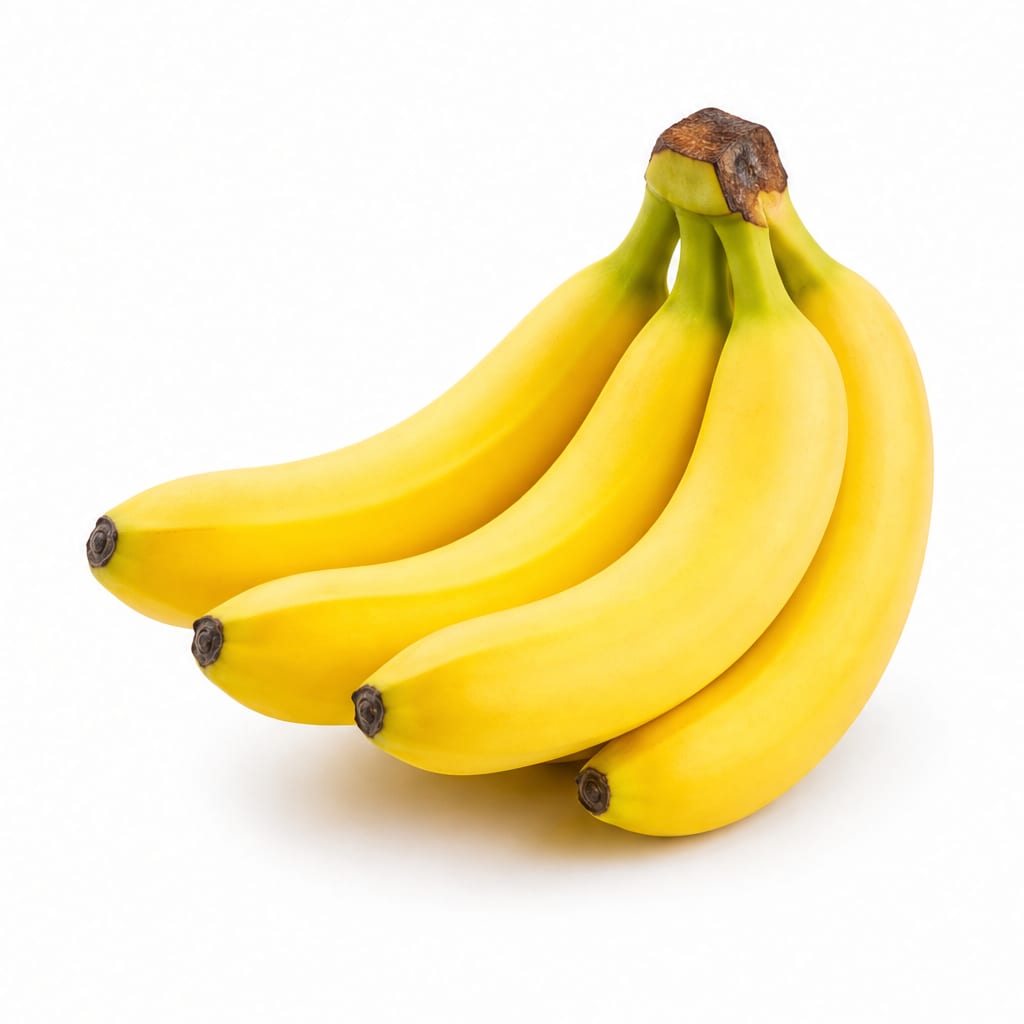
Bananas
Pomegranate wins on antioxidants and blood sugar control; Bananas win on convenience, cost, and quick energy.
Pomegranate scores slightly higher for its exceptional antioxidant profile and blood sugar friendliness, but Bananas close the gap through superior convenience, affordability, and everyday usability.
Maximum nutritional firepower versus effortless daily practicality.
At a glance
Executive summary
Overall
It depends
Healthier
Pomegranate
More practical
Bananas
Daily use
Bananas
Key comparison lenses
antioxidant and anti inflammatory superiority
Pomegranate is one of the most antioxidant-rich fruits available, making this the starkest contrast between the two
blood sugar management
Bananas are known for rapid sugar release while pomegranates have a notably lower glycemic impact, a key decision factor for many
convenience and daily practicality
Bananas are grab-and-go; pomegranates require effort to eat, creating a major real-world tradeoff
energy and workout fuel
Bananas are a classic pre-workout choice while pomegranates serve a different energy role
cost and accessibility
Bananas are among the cheapest fruits worldwide; pomegranates are premium-priced and seasonal
Best choice for
Pomegranate
- People managing blood sugar or insulin resistance
- Anyone seeking maximum antioxidant and anti-inflammatory benefits
- Those who value nutrient density over convenience
- People looking for heart-protective polyphenols
Bananas
- Athletes needing quick pre-workout fuel
- Busy people who need grab-and-go nutrition
- Budget-conscious shoppers
- Anyone needing easily digestible calories
Least suitable for
Pomegranate
- People who need fast, convenient snacks on the run
- Tight grocery budgets
- Anyone frustrated by fiddly food prep
Bananas
- People with diabetes or significant insulin resistance
- Those on strict low-carb or keto diets
- Anyone seeking high-antioxidant intake from fruit alone
Deep comparison
Dimension by dimension
Each lens scores both foods and breaks down who each option suits.
- Dimension 1 · Priority 95Pomegranate
Antioxidant and Anti-Inflammatory Power
Pomegranate · 96Bananas · 38Pomegranate is in a different league entirely, packing punicalagins and anthocyanins that Bananas simply cannot match.
Tradeoff
You gain massive cellular protection with Pomegranate but sacrifice the instant eatability of a Banana.
Why it matters
Chronic inflammation drives aging, heart disease, and joint pain. Pomegranate is one of the most potent natural anti-inflammatories you can eat.
Real-world impact
Regular Pomegranate consumption may meaningfully reduce inflammatory markers over months, while Bananas offer minimal contribution here.
Pomegranate
- Fighting chronic inflammation
- Cardiovascular protection
- Skin health and aging
- Recovery from oxidative stress
Better for
- Immediate post-workout refueling speed
Worse for
Bananas
- Quick potassium replenishment after sweating
Better for
- Long-term disease risk reduction through antioxidants
- Meaningful anti-inflammatory intake
Worse for
- Dimension 2 · Priority 90Pomegranate
Blood Sugar Stability
Pomegranate · 82Bananas · 48Pomegranate has a glycemic index around 35; Bananas sit at 51-60 depending on ripeness. The difference is significant for metabolic health.
Tradeoff
Pomegranate keeps blood sugar steadier but provides less immediate energy when you need a quick boost.
Why it matters
Blood sugar spikes drive cravings, energy crashes, and long-term metabolic damage. This matters enormously for daily wellbeing.
Real-world impact
A Banana at 3pm can leave you hungrier by 4pm. Pomegranate arils provide a steadier, calmer energy curve.
Pomegranate
- People with prediabetes or diabetes
- Avoiding afternoon energy crashes
- Sustained energy without cravings
- Metabolic syndrome management
Better for
- Situations demanding instant fuel
Worse for
Bananas
- Rapid carbohydrate replenishment during endurance activity
- Quick energy before a workout
Better for
- Blood sugar management
- Satiety between meals
- Insulin-sensitive individuals
Worse for
- Dimension 3 · Priority 88Bananas
Convenience and Practicality
Pomegranate · 32Bananas · 95Bananas are nature's perfect portable snack. Pomegranates require scoring, cracking open, and extracting arils — a messy, time-consuming process.
Tradeoff
You trade nutritional superiority for real-world friction. Many people buy Pomegranates but rarely get around to eating them.
Why it matters
The healthiest food only works if you actually eat it. Convenience often determines what reaches your mouth daily.
Real-world impact
A Banana takes 5 seconds to start eating. A Pomegranate takes 5-10 minutes of active prep and stained fingers.
Pomegranate
- Leisurely weekend breakfasts
- Mindful eating rituals
Better for
- Busy mornings
- Eating at your desk
- Any situation with no sink nearby
Worse for
Bananas
- Commuting and travel
- Office desk snacks
- Pre-workout timing
- Packing in lunch bags
- Eating one-handed
Better for
- Culinary experiences where effort feels worthwhile
Worse for
- Dimension 4 · Priority 80Bananas
Energy and Workout Fuel
Pomegranate · 45Bananas · 88Bananas deliver fast-digesting carbs and potassium exactly when muscles need them. Pomegranate is too slow and fiddly for workout nutrition.
Tradeoff
Bananas fuel performance today; Pomegranate supports recovery and cellular health over time.
Why it matters
If you exercise regularly, what you eat before and after matters for results and enjoyment.
Real-world impact
A Banana 30 minutes before a run feels energizing. Pomegranate arils before a run feel like eating jewelry.
Pomegranate
- Post-workout anti-inflammatory recovery
- Reducing exercise-induced oxidative stress
Better for
- Any time-sensitive fueling window
Worse for
Bananas
- Pre-workout energy
- During long endurance events
- Post-workout potassium replenishment
- Cramp prevention
Better for
- Long-term recovery optimization through antioxidants
Worse for
- Dimension 5 · Priority 82Pomegranate
Nutrient Density Per Calorie
Pomegranate · 89Bananas · 62Pomegranate delivers more vitamins, minerals, and phytonutrients per calorie than Bananas, which are carb-heavy with fewer micronutrients overall.
Tradeoff
Pomegranate gives you more nutritional value per bite but fewer total calories when you actually need energy.
Why it matters
If you are watching calories, maximizing nutrient density helps you get more health benefit from less food.
Real-world impact
A cup of Pomegranate arils feels like a concentrated vitamin supplement. A Banana feels like pleasant, filling sustenance.
Pomegranate
- Maximizing micronutrient intake
- Getting more from fewer calories
- Vitamin K and folate needs
Better for
- Situations where you need substantial calories
Worse for
Bananas
- Meeting daily calorie needs affordably
- Potassium intake
- Vitamin B6 needs
Better for
- Getting broad-spectrum phytonutrients
Worse for
- Dimension 6 · Priority 75Bananas
Cost and Accessibility
Pomegranate · 35Bananas · 94Bananas are consistently one of the cheapest fruits globally. Pomegranates are premium, seasonal, and often unavailable.
Tradeoff
Superior nutrition comes at a real financial cost that makes daily Pomegranate consumption impractical for many households.
Why it matters
Budget determines actual eating patterns more than nutritional knowledge ever will.
Real-world impact
A week of Bananas costs roughly what a single Pomegranate costs. That gap adds up fast over a year.
Pomegranate
- Special occasion nutrition
- Investment in specific health goals
Better for
- Weekly grocery budgets under pressure
- Food deserts or limited store options
Worse for
Bananas
- Daily fruit on any budget
- Feeding a family affordably
- Consistent year-round access
- Buying in bulk without waste risk
Better for
- Situations where cost is no object and health optimization is priority
Worse for
Timeline
Health impact over time
Short-term
Hours to days
Pomegranate
- Steady, calm energy without a sugar rush
- Satiety from fiber and chewing effort
- Potential mild digestive adjustment if unused to high polyphenol intake
Bananas
- Quick energy lift within 15-20 minutes
- Noticeable fullness from starch and fiber
- Possible blood sugar dip an hour after eating, especially with ripe Bananas
Long-term
Months to years
Pomegranate
- Meaningful reduction in inflammatory markers with regular consumption
- Cardiovascular benefits from polyphenols supporting arterial health
- Potential memory and cognitive protection from ellagitannins
- Improved antioxidant capacity measurable in blood tests
Bananas
- Consistent potassium intake supporting blood pressure regulation
- Steady B6 intake for brain and nerve function
- Risk of excessive sugar intake if Bananas replace lower-sugar fruits entirely
- Possible contribution to metabolic issues if consumed in large quantities by insulin-resistant individuals
Risk profile
Safety & processing
Both are whole, unprocessed fruits as typically consumed. Neither raises processing concerns unless purchased as juice or dried with added sugar.
Pomegranate
Pesticide residue on non-organic Pomegranates
mediumConventional Pomegranates frequently appear on EWG's higher pesticide lists. The thick skin offers some protection, but arils can still carry residue. Washing thoroughly helps.
Mold inside stored Pomegranates
lowOnce cracked open, arils can develop mold quickly if not consumed or refrigerated promptly.
Bananas
Pesticide residue on conventional Bananas
lowThe thick peel protects the edible portion significantly. Bananas are generally considered lower risk for pesticide exposure to the consumer.
Choking hazard for young children
mediumWhole or large pieces of Banana can obstruct airways in children under 4. Always slice lengthwise for toddlers.
Who wins for whom
Audience fit
Same foods, different winners depending on your goal.
children
BananasKids love the sweet taste and soft texture. Bananas are easy to pack, safe when sliced, and affordable for growing appetites.
daily consumption
BananasAffordability, availability, and zero-prep convenience make Bananas realistic as a true daily habit for most people.
diabetes
PomegranateSignificantly lower glycemic index and load. Pomegranate causes a gentler, more manageable blood sugar response.
elderly
PomegranateAnti-inflammatory and cognitive-protective compounds are especially valuable for aging bodies. The blood sugar stability also matters more with age.
muscle gain
BananasBananas provide faster carbs around workouts and more total energy, which supports training intensity and recovery in a muscle-building context.
weight loss
PomegranateLower sugar, higher antioxidant content, and more chewing effort make Pomegranate more satisfying per calorie and less likely to trigger overeating.
Your move
Decision guide
Choose Pomegranate
- You want maximum antioxidant and anti-inflammatory impact from your fruit
- Blood sugar management is a personal health priority
- You enjoy the ritual of preparing food and eating mindfully
- Budget is not the primary constraint
- You are focused on longevity and cellular health
Choose Bananas
- You need affordable, daily fruit that you will actually eat consistently
- Quick energy before or after exercise matters to you
- Convenience is non-negotiable in your routine
- You are feeding children who need easy, appealing snacks
- You want reliable year-round fruit without seasonal gaps
Either works if
- You simply want more whole fruit in your diet and enjoy both
- You are rotating fruits for dietary variety
- Neither poses a specific health risk for your situation
Avoid both if
- You have a strict very-low-carb medical protocol
- You have specific fructose intolerance that limits all fruit
- You are allergic to either fruit specifically
Final recommendation
Eat both for different reasons. Keep Bananas as your daily driver for convenience and quick energy. Add Pomegranate a few times per week when you have time to enjoy it — the antioxidant payoff is worth the effort. If you must pick only one for health outcomes, Pomegranate wins. If you must pick only one for realistic daily use, Bananas win.
Practical
Consumer tips
- 1
Buy pre-extracted Pomegranate arils if prep time is the barrier — they cost more but dramatically increase the chance you will actually eat them
- 2
Choose Bananas with some green on the stem for slower sugar release; fully yellow or spotted Bananas digest faster and spike blood sugar more
- 3
Freeze Pomegranate arils for adding to yogurt, oatmeal, or smoothies — they last months and add crunch
- 4
Freeze overripe Bananas for smoothies or baking rather than discarding them
- 5
Organic Pomegranates matter more than organic Bananas due to pesticide residue differences — spend your organic budget on Pomegranate if you eat both
- 6
A 100ml Pomegranate juice shot gives you many of the same polyphenols with zero prep, but watch the concentrated sugar content