
Nutrition comparison
Pomegranate vs Pomegranate Juice: Which Is Actually Better for You?
Whole pomegranate and pomegranate juice both deliver antioxidants, but fiber loss in juice changes everything. Compare blood sugar impact, satiety, and real-world health tradeoffs.
Overall winner · Pomegranate
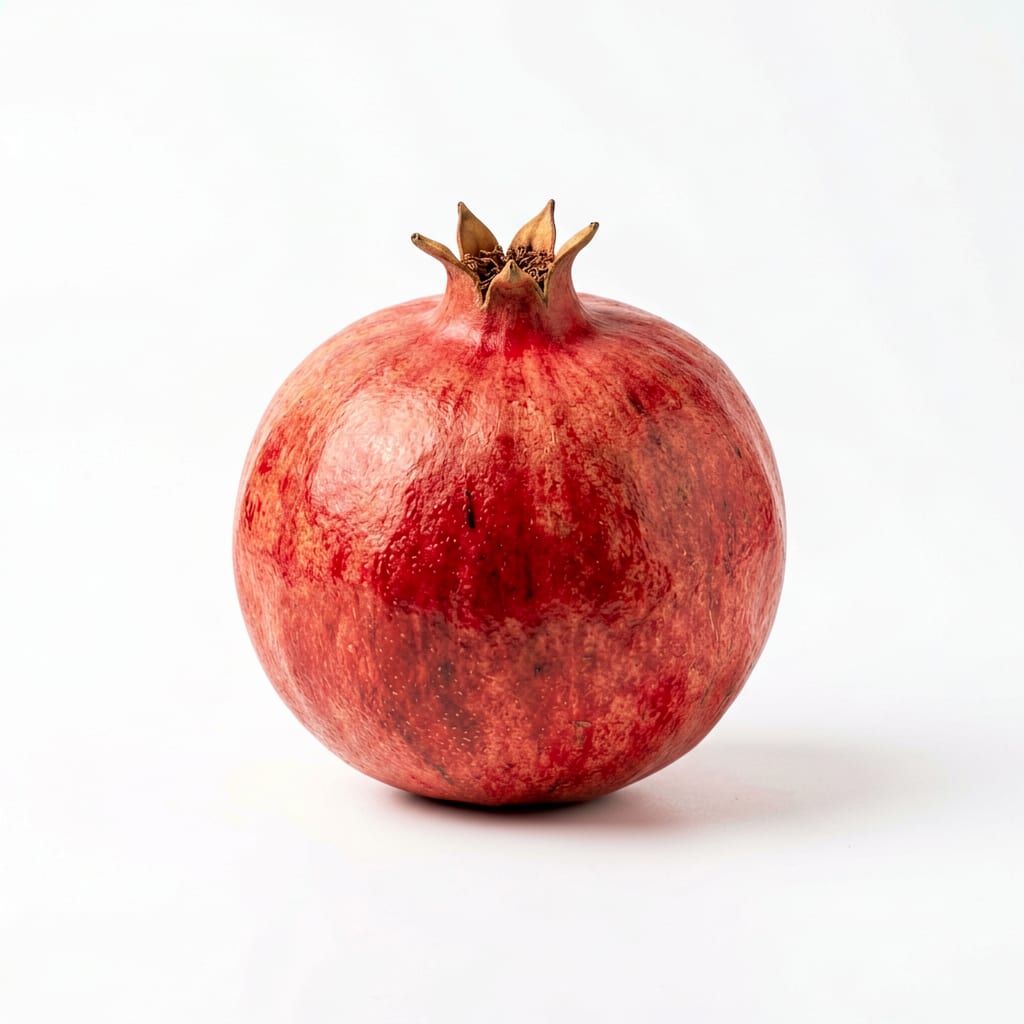
Pomegranate
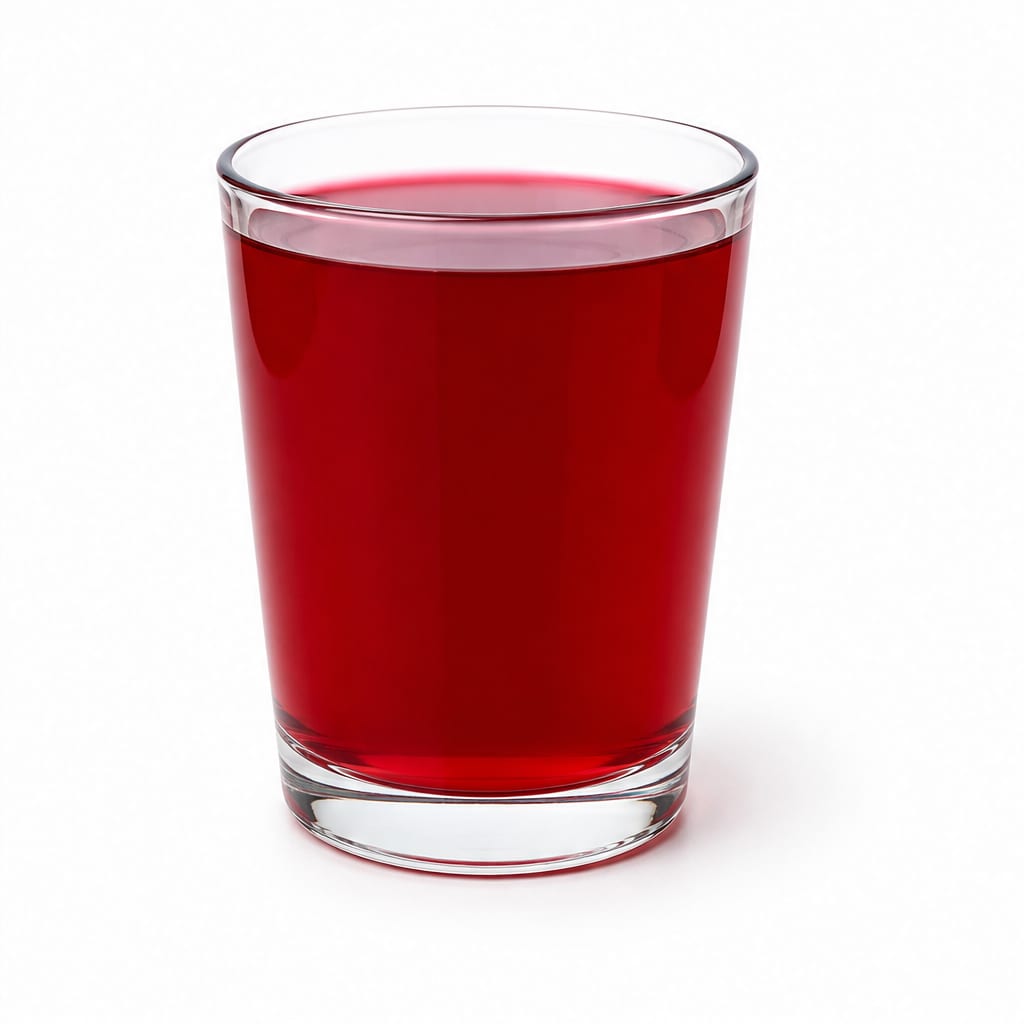
Pomegranate Juice
Whole pomegranate delivers the same antioxidants with built-in fiber that slows sugar absorption and keeps you full. Juice is convenient but behaves more like a sweet beverage than a health food.
Pomegranate scores notably higher because fiber transforms the same nutrients into a slower, more satisfying experience. Pomegranate juice remains a decent source of antioxidants but loses critical structural benefits that matter for daily health decisions.
Convenience and faster antioxidant delivery versus fiber, satiety, and blood sugar stability
At a glance
Executive summary
Overall
Pomegranate
Healthier
Pomegranate
More practical
Pomegranate Juice
Daily use
Pomegranate
Key comparison lenses
whole fruit vs juice fiber loss
The single biggest difference: juicing strips nearly all fiber, transforming a slow-digesting fruit into a rapid-sugar beverage
blood sugar impact comparison
Pomegranate juice delivers concentrated sugar without fiber brakes, making glycemic response a central concern
overconsumption and calorie stealth
Liquid calories are far easier to overconsume than whole fruit that requires effort to eat
antioxidant retention after processing
Users often assume juice retains all benefits, but processing and storage degrade some polyphenols
convenience vs nutrition tradeoff
Pomegranates are notoriously tedious to open; juice offers instant access at a nutritional cost
Best choice for
Pomegranate
- People managing blood sugar or insulin resistance
- Anyone tracking calories or trying to lose weight
- Those who want sustained energy without crashes
- Fiber-focused diets and gut health optimization
Pomegranate Juice
- Busy mornings when prep time is zero
- Post-workout when rapid antioxidant delivery matters more than fiber
- People with digestive issues who struggle with seeds
- Older adults with chewing or swallowing difficulties
Least suitable for
Pomegranate
- People with diverticulitis or seed sensitivity
- Anyone needing quick calorie intake on the go
- Those who find the prep too frustrating to eat regularly
Pomegranate Juice
- People with diabetes or prediabetes
- Anyone prone to liquid calorie overconsumption
- Those avoiding concentrated sugar even from natural sources
Deep comparison
Dimension by dimension
Each lens scores both foods and breaks down who each option suits.
- Dimension 1 · Priority 95Pomegranate
Blood Sugar Stability
Pomegranate · 82Pomegranate Juice · 38Whole pomegranate releases sugar gradually thanks to fiber. Pomegranate juice hits the bloodstream fast, similar to other fruit juices.
Tradeoff
You gain convenience with juice but lose the fiber that prevents sugar spikes and the energy crash that follows.
Why it matters
Steady blood sugar means fewer cravings, better focus, and less fat storage over time.
Real-world impact
A glass of pomegranate juice on an empty stomach can cause a noticeable energy dip within an hour. Eating the whole fruit feels steadier and more sustaining.
Pomegranate
- People with insulin resistance or metabolic syndrome
- Anyone trying to avoid afternoon energy crashes
- Those monitoring fasting blood sugar
Better for
- Situations requiring rapid energy delivery
Worse for
Pomegranate Juice
- Athletes immediately post-workout who want fast carb replenishment
- People with hypoglycemia needing quick sugar
Better for
- Sedentary mornings with no activity to use the sugar
- Anyone pairing it with other carbs compounding the spike
Worse for
- Dimension 2 · Priority 90Pomegranate
Satiety and Fullness
Pomegranate · 85Pomegranate Juice · 25Chewing pomegranate arils with their seeds slows eating and signals fullness. Juice bypasses all of that entirely.
Tradeoff
Juice takes seconds to consume but leaves you hungry again quickly. Whole pomegranate takes effort but actually satisfies.
Why it matters
Foods that fail to fill you up lead to more snacking and higher total calorie intake throughout the day.
Real-world impact
A whole pomegranate can serve as a filling afternoon snack. A glass of juice often leaves you reaching for something else within 30 minutes.
Pomegranate
- Weight management and calorie control
- People who snack mindlessly and need foods that enforce pacing
- Replacing a full snack rather than just a drink
Better for
- When you want light refreshment without feeling stuffed
Worse for
Pomegranate Juice
- When you need calories without feeling full, such as during illness recovery
Better for
- Anyone trying to reduce overall food intake
- Emotional eaters who consume liquids without registering fullness
Worse for
- Dimension 3 · Priority 92Pomegranate
Fiber Content
Pomegranate · 88Pomegranate Juice · 8A whole pomegranate provides roughly 7g of fiber per fruit. Most commercial pomegranate juice contains less than 1g per serving.
Tradeoff
Fiber is the single most lost nutrient in juicing. You keep the vitamins but discard the structure that makes them work better.
Why it matters
Fiber feeds gut bacteria, slows digestion, lowers cholesterol, and helps maintain healthy bowel habits.
Real-world impact
Eating pomegranate regularly supports digestive regularity. Drinking the juice offers almost no digestive benefit.
Pomegranate
- Gut microbiome health
- Cholesterol management
- Preventing constipation
Better for
- Diverticulitis flare-ups where seeds are problematic
Worse for
Pomegranate Juice
- People on low-residue diets before medical procedures
- Those with acute digestive inflammation who need to avoid seeds
Better for
- Anyone relying on it as a significant fiber source
Worse for
- Dimension 4 · Priority 78It depends
Antioxidant Density
Pomegranate · 80Pomegranate Juice · 76Both deliver impressive polyphenols, especially punicalagins. Juice may have slightly higher concentration per fluid ounce, but some antioxidants degrade during pasteurization and storage.
Tradeoff
Juice offers a quick antioxidant dose in concentrated form, but heat processing and shelf time reduce certain compounds. Whole fruit has slightly less concentration but better preservation of delicate polyphenols.
Why it matters
Antioxidants reduce oxidative stress and inflammation, which underlie most chronic diseases.
Real-world impact
For antioxidant purposes, both work. The difference is modest and unlikely to matter unless juice is your only source daily.
Pomegranate
- Maximizing intact heat-sensitive polyphenols
- People who value nutrient synergy from eating the whole seed and membrane
Better for
- Situations where you need a fast large dose of polyphenols
Worse for
Pomegranate Juice
- Quick concentrated antioxidant loading post-exercise
- People who will not eat the whole fruit but will drink juice
Better for
- Long-term storage where antioxidant degradation accumulates
Worse for
- Dimension 5 · Priority 70Pomegranate Juice
Convenience and Practicality
Pomegranate · 30Pomegranate Juice · 90Pomegranates are messy, time-consuming, and stain-prone to prepare. Juice is open and drink in seconds.
Tradeoff
You pay for convenience with nutritional quality. The easier option is almost always the less beneficial one here.
Why it matters
If a food is too inconvenient, people simply will not eat it regardless of health benefits.
Real-world impact
Many people buy pomegranates and let them rot on the counter because the prep feels like too much work. Juice gets consumed consistently.
Pomegranate
- Weekend meal prep when you have time
- Mindful eating rituals where slowing down is a benefit
Better for
- People with limited hand dexterity or arthritis
- Busy parents who cannot spare 10 minutes to deseed a fruit
Worse for
Pomegranate Juice
- Rushed weekday mornings
- Travel or office situations
- Anyone whose realistic choice is juice or nothing
Better for
- People trying to build whole-food eating habits
Worse for
- Dimension 6 · Priority 85Pomegranate
Overconsumption Risk
Pomegranate · 88Pomegranate Juice · 30Eating two whole pomegranates takes effort and time. Drinking the juice of four pomegranates takes seconds.
Tradeoff
Juice makes it dangerously easy to consume far more sugar than you realize. Whole fruit has built-in portion control.
Why it matters
Hidden liquid calories are one of the most common reasons people fail to lose weight despite eating healthy foods.
Real-world impact
An 8oz glass of pomegranate juice contains about 32g of sugar. That is comparable to a can of soda, even if the source is natural.
Pomegranate
- Calorie counters and portion-conscious eaters
- People who tend to overdrink calories
Better for
- People who need to gain weight and struggle with volume
Worse for
Pomegranate Juice
- Underweight individuals needing easy calorie surplus
- Endurance athletes with high caloric needs
Better for
- Anyone cutting sugar while assuming juice is harmless
- Children who already consume too much sugar from beverages
Worse for
Timeline
Health impact over time
Short-term
Hours to days
Pomegranate
- Steady energy release without a sugar rush
- Satisfying fullness that reduces snacking for hours
- Minor digestive stimulation from fiber and seeds
Pomegranate Juice
- Quick blood sugar rise within 15 to 30 minutes
- Rapid antioxidant absorption but transient effect
- Thirst quenching without lasting fullness
Long-term
Months to years
Pomegranate
- Improved gut microbiome diversity from regular fiber intake
- Better blood sugar regulation with consistent consumption
- Lower risk of overconsumption-related weight gain
Pomegranate Juice
- Potential increased triglycerides if consumed frequently in large amounts
- Antioxidant benefits partially offset by consistent sugar loading
- Risk of contributing to daily liquid calorie surplus
Risk profile
Safety & processing
Whole pomegranate is exactly as nature delivers it. Pomegranate juice undergoes extraction, pasteurization, and often filtration. Some brands add preservatives or blend with cheaper juices. Always check labels for added sugars or fillers.
Pomegranate
Pesticide residue on peel
lowYou discard the peel, so exposure is minimal. Washing further reduces any concern.
Seed-related digestive discomfort
lowSeeds are safe for most people but can bother those with diverticulitis or sensitive digestion.
Pomegranate Juice
Added sugars in commercial brands
mediumMany store-bought pomegranate juices contain added sugar or are blended with apple or grape juice to cut costs.
Pasteurization nutrient loss
lowHeat treatment extends shelf life but degrades some heat-sensitive polyphenols and vitamin C.
Lack of quality regulation for juice claims
mediumNot all bottles labeled pomegranate juice contain 100 percent pomegranate. Some are mostly cheaper juice blends with minimal actual pomegranate.
Who wins for whom
Audience fit
Same foods, different winners depending on your goal.
children
PomegranateWhole fruit builds better eating habits and avoids training kids to drink calories. Juice should be an occasional treat, not a staple.
daily consumption
PomegranateDaily juice adds significant sugar to your diet over time. Whole pomegranate adds fiber, satiety, and antioxidants without the sugar burden.
diabetes
PomegranateFiber dramatically reduces glycemic impact. Juice can spike blood sugar significantly and should be limited or avoided.
elderly
It dependsWhole pomegranate is better nutritionally, but seeds can be challenging for those with dental issues or swallowing difficulties. Juice may be more practical.
muscle gain
It dependsNeither is a protein source. Juice may offer slightly faster post-workout carb replenishment, but the difference is minor.
weight loss
PomegranateFiber and chewing slow intake naturally. Juice delivers concentrated calories without fullness signals.
Your move
Decision guide
Choose Pomegranate
- You want the full nutritional package with fiber, satiety, and blood sugar stability
- You are managing weight, diabetes, or metabolic health
- You eat mindfully and enjoy the ritual of preparing food
- You want a snack that actually keeps you full between meals
Choose Pomegranate Juice
- Convenience is non-negotiable and you would otherwise skip pomegranate entirely
- You need quick post-workout antioxidants and carbs
- You have difficulty chewing seeds or digesting them
- You drink small amounts and pair it with protein or fat to blunt the sugar spike
Either works if
- You are primarily interested in antioxidant intake and consume moderate portions
- You rotate between whole fruit and juice depending on schedule
Avoid both if
- You have a pomegranate allergy, which is rare but possible
- You are on a very low-carb or ketogenic diet, as both contain significant carbohydrates
Final recommendation
Eat whole pomegranate when you can. It delivers the same celebrated antioxidants with fiber that transforms how your body handles the sugar. Keep juice as an occasional convenience, not a daily habit, and always choose 100 percent pure pomegranate juice with no added sugars. If the only way you will get pomegranate benefits is through juice, a small daily glass is still better than none, but portion control matters more than you think.
Practical
Consumer tips
- 1
Choose 100 percent pure pomegranate juice with no added sugar or other juice blends as the first ingredient
- 2
Limit juice to 4 to 6 ounces per serving to keep sugar intake reasonable
- 3
Pair pomegranate juice with a protein or fat source like nuts to slow sugar absorption
- 4
To deseed pomegranates faster, score the skin and tap the back with a spoon over a bowl
- 5
Pre-packaged pomegranate arils cost more but eliminate the mess and prep time entirely
- 6
Frozen arils retain most nutrients and are a practical middle ground between whole fruit and juice
- 7
Refrigerate whole pomegranates to extend shelf life up to two months