
Nutrition comparison
Pomegranate vs Red Grapes: Which Is Healthier for You?
Compare pomegranate and red grapes on antioxidants, sugar, fiber, pesticide risk, and convenience. Find out which fruit fits your health goals and lifestyle better.
Overall winner · Pomegranate
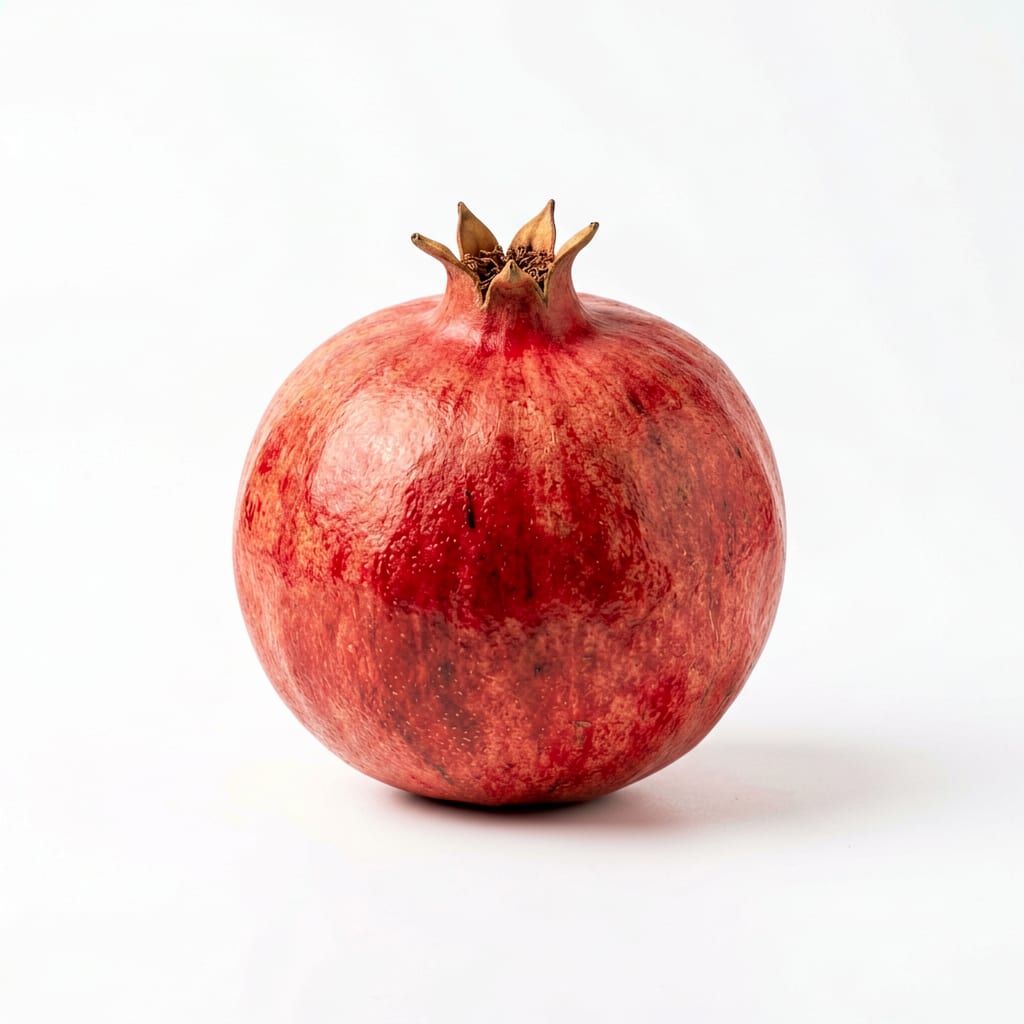
Pomegranate
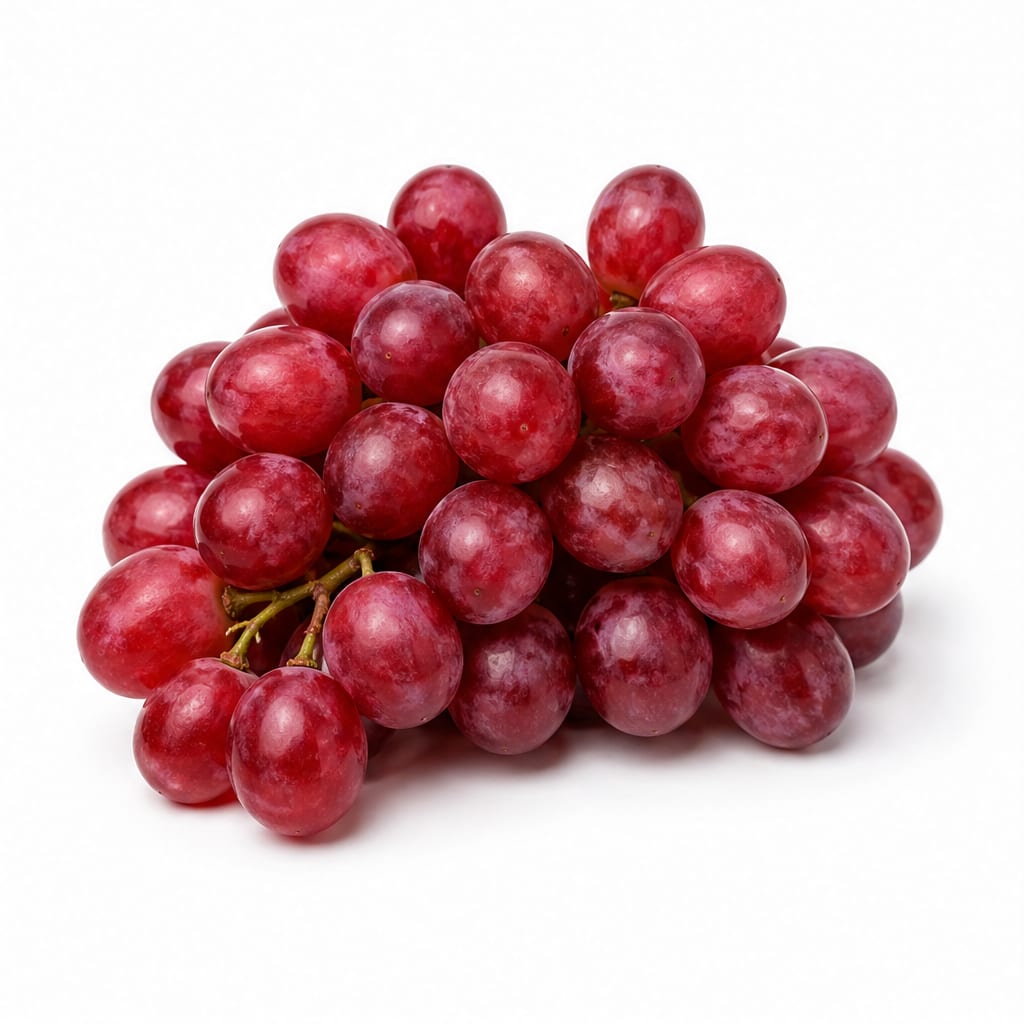
Red Grapes
Pomegranate delivers far more antioxidant firepower and fiber per calorie, but Red Grapes win on convenience and everyday eatability.
Pomegranate scores notably higher due to superior antioxidant density, fiber content, and lower sugar load. Red Grapes remain solid but their higher sugar, pesticide risk, and lower polyphenol diversity narrow the gap less than expected.
Maximum nutrition versus minimum effort — pomegranate is the stronger health investment while grapes are the easier habit to sustain.
At a glance
Executive summary
Overall
Pomegranate
Healthier
Pomegranate
More practical
Red Grapes
Daily use
Red Grapes
Key comparison lenses
antioxidant potency and anti-inflammatory benefits
Both foods are prized for polyphenols but pomegranate's punicalagins are uniquely potent
blood sugar and metabolic impact
Grapes are significantly sweeter and easier to overconsume, affecting glucose response
convenience and everyday practicality
Pomegranate requires effort to prepare while grapes are grab-and-go
pesticide exposure risk
Grapes consistently rank on the Dirty Dozen list for pesticide residues
heart and cardiovascular protection
Both support heart health but through different mechanisms and strengths
Best choice for
Pomegranate
- people seeking maximum antioxidant and anti-inflammatory benefits
- those managing blood sugar who want lower glycemic fruit
- anyone focused on heart health and arterial protection
- people who enjoy mindful eating rituals
Red Grapes
- busy people who need instant grab-and-go fruit
- families with children who prefer sweet easy snacks
- athletes needing quick natural sugar before training
- anyone who finds pomegranate prep too frustrating
Least suitable for
Pomegranate
- people with limited hand strength or arthritis who struggle with prep
- anyone needing instant snack convenience
- those on tight budgets since pomegranates cost more per serving
Red Grapes
- people strictly limiting sugar intake
- those concerned about pesticide exposure who cannot buy organic
- anyone prone to mindless snacking on sweet foods
Deep comparison
Dimension by dimension
Each lens scores both foods and breaks down who each option suits.
- Dimension 1 · Priority 95Pomegranate
Antioxidant and Polyphenol Power
Pomegranate · 94Red Grapes · 68Pomegranate is in a different league for antioxidant potency, especially punicalagins which are rarely found elsewhere.
Tradeoff
You get dramatically more cell protection from pomegranate but must work for it.
Why it matters
Stronger antioxidant intake translates to better aging, less inflammation, and improved recovery over years.
Real-world impact
Regular pomegranate consumption is linked to measurable improvements in arterial health that grapes simply cannot match.
Pomegranate
- fighting chronic inflammation
- cardiovascular protection
- skin aging defense
- post-illness recovery
Better for
- consistency — hard to eat enough if prep is a barrier
Worse for
Red Grapes
- quick resveratrol boost
- casual antioxidant top-up without effort
Better for
- lower total polyphenol diversity and concentration
Worse for
- Dimension 2 · Priority 88Pomegranate
Blood Sugar and Metabolic Impact
Pomegranate · 79Red Grapes · 58Pomegranate has a lower glycemic load and more fiber to slow sugar absorption. Grapes are easy to overeat and spike glucose faster.
Tradeoff
Grapes taste sweeter and feel more rewarding immediately but cost you metabolically.
Why it matters
Steadier blood sugar means fewer energy crashes, less cravings, and better long-term metabolic health.
Real-world impact
A bowl of grapes can disappear in minutes pushing 30+ grams of sugar. A pomegranate forces pacing.
Pomegranate
- diabetics and pre-diabetics
- anyone avoiding afternoon energy crashes
- people managing PCOS or insulin resistance
Better for
- people who need quick energy mid-workout
Worse for
Red Grapes
- endurance athletes needing fast carbs
- underweight individuals seeking easy calories
Better for
- anyone watching sugar intake
- people prone to binge eating sweet fruit
Worse for
- Dimension 3 · Priority 85Red Grapes
Convenience and Daily Habit Sustainability
Pomegranate · 42Red Grapes · 91Red Grapes are among the easiest fruits to eat regularly. Pomegranate requires scoring, cracking open, and extracting arils.
Tradeoff
The best nutrition only works if you actually eat it. Grapes make daily consumption effortless.
Why it matters
Consistency beats perfection. A fruit you eat daily outperforms one you buy but avoid preparing.
Real-world impact
Grapes can be packed in lunch bags, eaten during commutes, or shared at parties with zero prep.
Pomegranate
- weekend meal prep when you have time
- ritualistic mindful eating moments
Better for
- any situation requiring speed or portability
Worse for
Red Grapes
- busy weekday mornings
- office snacking
- kids lunchboxes
- road trips and travel
Better for
- occasions where you want to slow down and savor
Worse for
- Dimension 4 · Priority 80Pomegranate
Pesticide and Contamination Risk
Pomegranate · 78Red Grapes · 45Grapes are consistently on the EWG Dirty Dozen list with high pesticide residues. Pomegranates have thick protective rinds that shield edible portions.
Tradeoff
Conventional grapes carry real pesticide risk while pomegranate's armor naturally protects the fruit inside.
Why it matters
Chronic low-dose pesticide exposure affects hormonal health and neurological function over time.
Real-world impact
If you cannot afford organic, pomegranate is the safer bet. With grapes, organic matters significantly more.
Pomegranate
- budget-conscious shoppers buying conventional produce
- anyone reducing cumulative pesticide exposure
Better for
- no significant downside here
Worse for
Red Grapes
- people who always buy organic and can afford it
Better for
- conventional grape consumers accumulating pesticide exposure
Worse for
- Dimension 5 · Priority 75Pomegranate
Fiber and Digestive Satisfaction
Pomegranate · 80Red Grapes · 52Pomegranate arils provide roughly 4g of fiber per 100g versus about 0.9g in grapes. That is a dramatic difference for fullness and gut health.
Tradeoff
Pomegranate fills you up meaningfully. Grapes are light and easy to overeat without feeling satisfied.
Why it matters
Fiber slows digestion, feeds gut bacteria, and prevents the hollow feeling that leads to more snacking.
Real-world impact
Half a pomegranate feels like a substantive snack. The same calories in grapes leave you reaching for more food.
Pomegranate
- anyone increasing daily fiber intake
- people who want fruit that actually satisfies hunger
- gut microbiome optimization
Better for
- those with IBS who react to seeds
Worse for
Red Grapes
- people with sensitive digestion who need low-fiber options
- pre-workout when you want light easily digestible fuel
Better for
- anyone using fruit as a meal component rather than a garnish
Worse for
- Dimension 6 · Priority 78Pomegranate
Heart and Vascular Health
Pomegranate · 90Red Grapes · 70Pomegranate has stronger clinical evidence for reducing arterial plaque and lowering blood pressure. Grapes offer resveratrol but in smaller practical amounts.
Tradeoff
If cardiovascular protection is your priority, pomegranate is the more evidence-backed choice.
Why it matters
Heart disease develops silently over decades. Small daily dietary advantages compound enormously.
Real-world impact
Studies show pomegranate juice can slow carotid artery thickening. Grape resveratrol benefits are real but require larger quantities.
Pomegranate
- people with family history of heart disease
- those with elevated blood pressure
- anyone with existing arterial plaque concerns
Better for
- none significant for heart health
Worse for
Red Grapes
- people already consuming other resveratrol sources like red wine
Better for
- relying on grapes alone for cardiovascular protection is insufficient
Worse for
Timeline
Health impact over time
Short-term
Hours to days
Pomegranate
- Sustained energy without sugar crash due to fiber slowing absorption
- Mild blood pressure lowering within hours of consumption
- Staining risk for clothing and countertops during prep
Red Grapes
- Quick energy boost from readily available natural sugars
- Rapid blood sugar rise especially if eating large quantities
- Refreshing hydration from high water content
Long-term
Months to years
Pomegranate
- Reduced arterial plaque progression and improved endothelial function
- Lower systemic inflammation markers over months of regular consumption
- Better glycemic control from consistent fiber intake
- Potential medication interactions at very high intakes due to CYP enzyme effects
Red Grapes
- Moderate cardiovascular benefit from resveratrol and flavonoids
- Possible weight gain if consumed in large quantities due to sugar content
- Accumulated pesticide exposure if eating conventional grapes daily
Risk profile
Safety & processing
Both are whole fresh fruits with no additives. The only processing concern is that pomegranate juice and grape juice are common but vastly different products — juice strips fiber and concentrates sugar, removing much of what makes these fruits valuable.
Pomegranate
Pesticide residue on rind
lowThe thick inedible rind shields arils from most pesticide exposure. Even conventional pomegranates test well for edible portion residues.
Mold inside fruit
lowOccasionally pomegranates can harbor internal mold that is not visible from outside. Check for unusually soft spots.
Red Grapes
High pesticide residue
highGrapes consistently rank in the top 10 on the EWG Dirty Dozen list. Thin skins and growing methods lead to significant residue. Organic is strongly recommended.
Mold and fungal contamination
mediumGrapes spoil quickly and can develop botrytis or other molds. Inspect clusters carefully and refrigerate promptly.
Who wins for whom
Audience fit
Same foods, different winners depending on your goal.
children
Red GrapesKids love the sweet taste and easy eating of grapes. Pomegranate arils can be a choking hazard for very young children and the prep deters parents.
daily consumption
Red GrapesPracticality wins for daily habits. Grapes are easy to incorporate every day while pomegranate often becomes an occasional purchase.
diabetes
PomegranateLower glycemic load and significantly more fiber help stabilize blood sugar. Grapes can spike glucose quickly when eaten in typical portions.
elderly
PomegranateSuperior cardiovascular protection and anti-inflammatory benefits matter more with age. The fiber also helps with common constipation issues in older adults.
muscle gain
Red GrapesGrapes provide faster-digesting carbs that can fuel training more immediately, though neither fruit is a muscle-building staple.
weight loss
PomegranateHigher fiber and lower sugar per serving make pomegranate more satiating with fewer calories consumed before feeling full.
Your move
Decision guide
Choose Pomegranate
- You prioritize maximum nutritional return per calorie
- Blood sugar management or diabetes prevention matters to you
- You want the strongest antioxidant and anti-inflammatory food you can eat
- Heart health runs in your family and you want every edge
- You enjoy the ritual of preparing food mindfully
Choose Red Grapes
- You need fruit that fits into a hectic lifestyle with zero prep
- You are feeding kids who reject complicated fruits
- You want pre-workout or mid-run fuel that digests quickly
- You can consistently buy organic and want an easy daily fruit habit
- You find pomegranate too messy or frustrating to bother with
Either works if
- You simply want more fruit variety in your diet
- You are healthy and active with no specific metabolic concerns
- You rotate fruits seasonally and both are available
Avoid both if
- You are on a strict very-low-carb or ketogenic diet
- You have fructose intolerance or malabsorption issues
- You are eliminating all fruit sugar for a defined protocol
Final recommendation
Eat pomegranate when you have the time and intention to invest in your health — weekends, meal prep days, or when cardiovascular protection is a priority. Keep grapes around for everyday convenience, but buy organic whenever possible to avoid pesticide exposure. The ideal approach is rotating both: pomegranate for targeted nutrition, grapes for sustainable habit consistency.
Practical
Consumer tips
- 1
If prepping pomegranate feels daunting, score the skin in quarters and open underwater in a bowl — arils sink, membrane floats, and staining is minimized
- 2
Buy pre-extracted pomegranate arils for convenience but check the harvest date since antioxidants degrade after extraction
- 3
Always buy organic grapes or wash conventional grapes thoroughly with a baking soda soak to reduce surface pesticide residues
- 4
Freeze grapes for a refreshing summer snack that also slows down eating speed naturally
- 5
Combine both in a fruit salad — pomegranate arils add tart crunch while grapes provide sweet juiciness