
Nutrition comparison
Pomegranate vs Oranges: Which Fruit Is Healthier for You?
Compare Pomegranate and Oranges on antioxidants, vitamin C, convenience, heart health, and daily practicality. Find out which fruit fits your goals better.
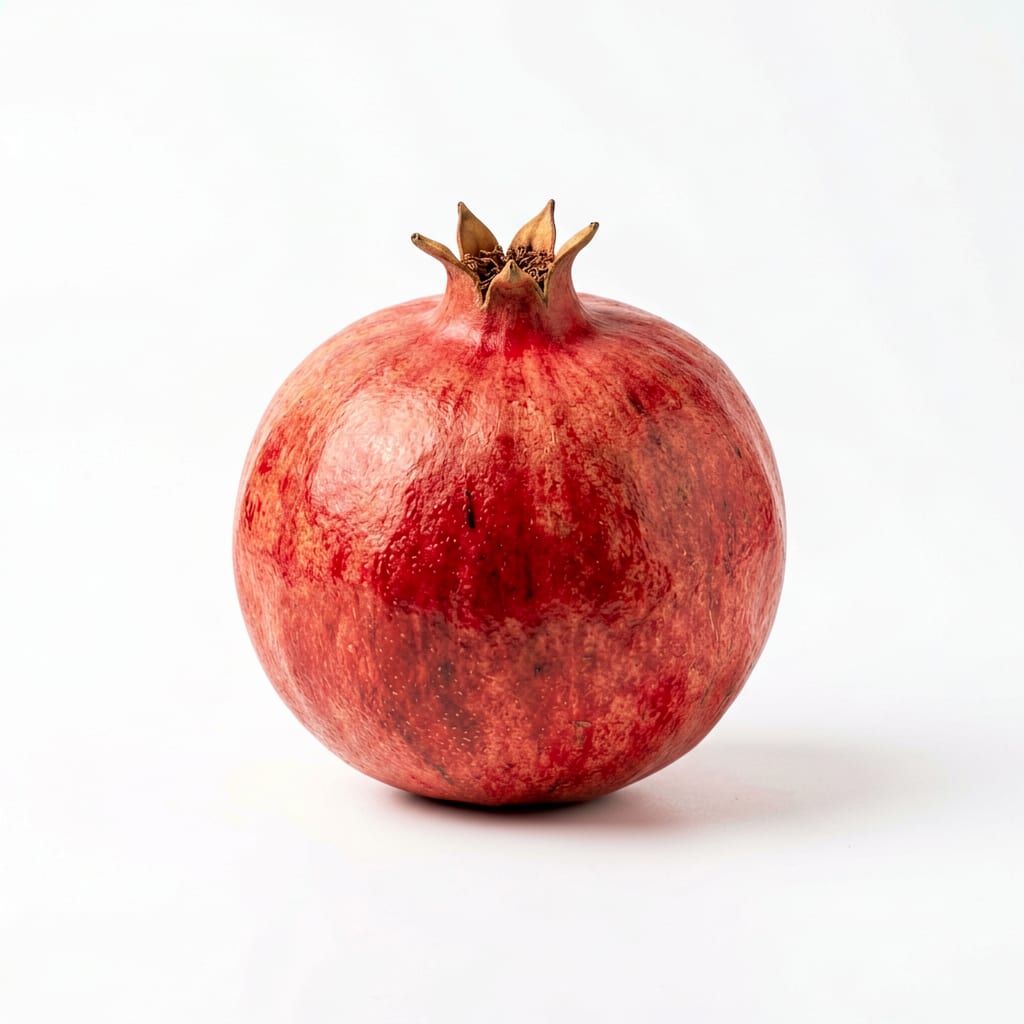
Pomegranate
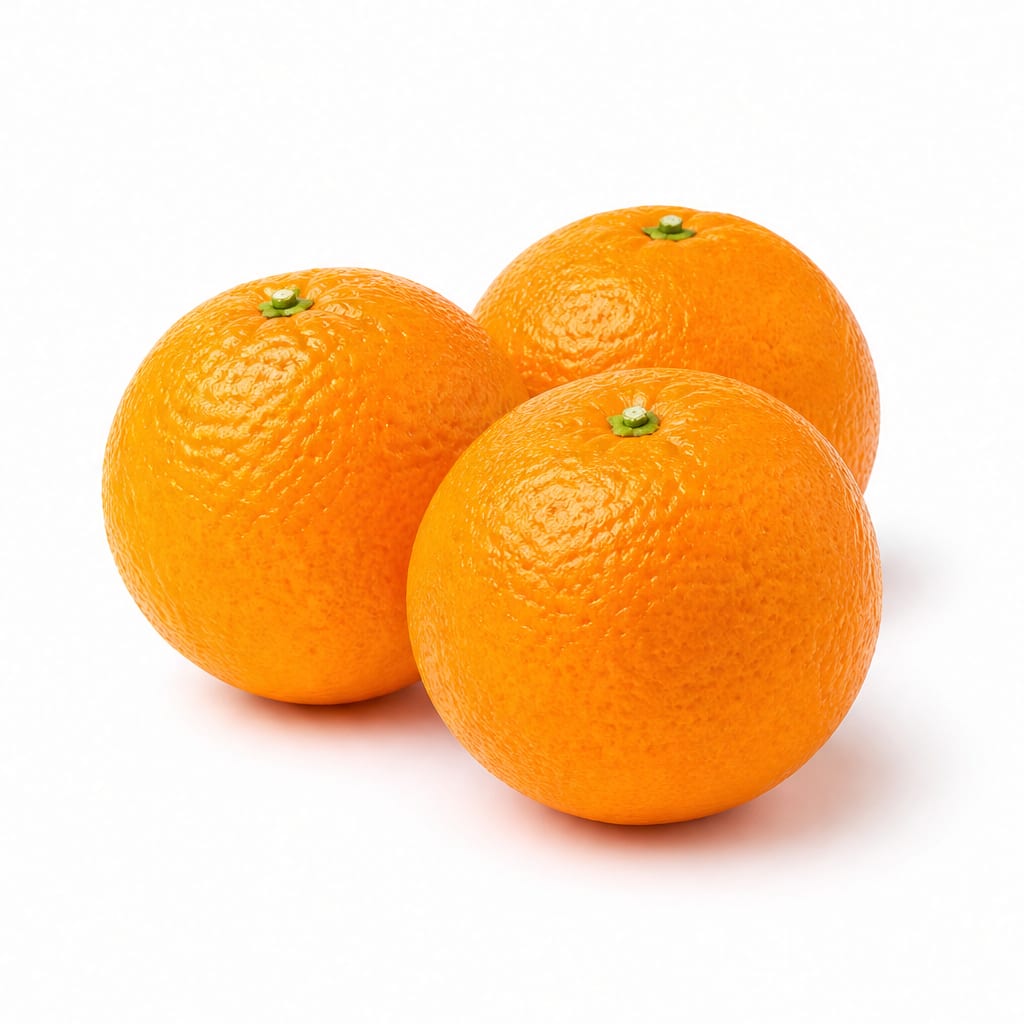
Oranges
Pomegranate delivers deeper antioxidant and anti-inflammatory benefits, while Oranges win on convenience, vitamin C, and daily practicality.
Pomegranate scores slightly higher for its superior antioxidant profile and anti-inflammatory potency, but Oranges stay close thanks to unmatched convenience, higher vitamin C, and easier daily integration. The small gap reflects that most people will benefit more from the fruit they actually eat consistently.
Maximum cellular protection and heart benefits versus easy everyday nutrition and immune support.
At a glance
Executive summary
Overall
It depends
Healthier
Pomegranate
More practical
Oranges
Daily use
Oranges
Key comparison lenses
antioxidant superiority and cellular protection
Pomegranate is renowned for its punicalagins and anthocyanins, making antioxidant comparison the most defining dimension of this matchup
immune support and vitamin C intake
Oranges are the iconic vitamin C source, and users comparing these fruits almost always care about immunity
everyday convenience and eating practicality
Pomegranates require significant effort to eat while oranges are grab-and-go, making convenience a major real-world decision factor
anti-inflammatory and heart health benefits
Pomegranate has strong clinical evidence for cardiovascular and anti-inflammatory effects that oranges cannot match
blood sugar impact and satiety
Both are sweet fruits, but their fiber structure and sugar release patterns differ meaningfully
Best choice for
Pomegranate
- People prioritizing antioxidant intake and cellular defense
- Those concerned about inflammation or heart health
- Anyone wanting a nutrient-dense garnish or topping
- People who enjoy slower, mindful eating experiences
Oranges
- People needing quick, portable daily fruit
- Anyone focused on vitamin C and immune support
- Busy individuals who want zero-prep nutrition
- Families with children who need easy snacks
Least suitable for
Pomegranate
- People with limited hand strength or arthritis who struggle with seed extraction
- Anyone needing a quick on-the-go snack
- Those watching their budget closely
Oranges
- People with citrus allergies or acid sensitivity
- Those taking medications that interact with grapefruit and citrus
- Anyone seeking deep anti-inflammatory or cardiovascular benefits from fruit alone
Deep comparison
Dimension by dimension
Each lens scores both foods and breaks down who each option suits.
- Dimension 1 · Priority 92Pomegranate
Antioxidant Power
Pomegranate · 95Oranges · 58Pomegranate dominates with punicalagins, anthocyanins, and ellagic acid — compounds barely present in Oranges.
Tradeoff
You get far more cellular protection from Pomegranate, but it costs more and takes effort to eat.
Why it matters
Higher antioxidant intake correlates with reduced oxidative stress, slower cellular aging, and lower chronic disease risk over time.
Real-world impact
Regular Pomegranate consumption is like adding a shield to your cells that Oranges simply cannot match.
Pomegranate
- Long-term cellular health
- Reducing oxidative stress from pollution or stress
- Supporting skin health from the inside
Better for
- People who only eat fruit occasionally and need simple options
Worse for
Oranges
- Basic free radical defense through vitamin C
Better for
- Anyone seeking deep antioxidant coverage beyond vitamin C
Worse for
- Dimension 2 · Priority 85Oranges
Vitamin C and Immune Support
Pomegranate · 52Oranges · 93Oranges deliver roughly 2-3 times more vitamin C per serving than Pomegranate, making them the clear immune-support choice.
Tradeoff
Oranges give you a strong daily vitamin C boost, but lack the broader antioxidant diversity Pomegranate offers.
Why it matters
Vitamin C is essential for immune function, collagen synthesis, and iron absorption — and most people do not get enough.
Real-world impact
One Orange at lunch covers most of your daily vitamin C needs. You would need multiple Pomegranates to match that.
Pomegranate
- People already getting vitamin C from other sources
Better for
- Anyone relying on fruit as their primary vitamin C source
Worse for
Oranges
- Cold and flu season immune support
- Post-workout recovery
- Improving iron absorption from plant meals
Better for
- People who already supplement vitamin C or eat lots of bell peppers and kiwi
Worse for
- Dimension 3 · Priority 80Oranges
Convenience and Daily Practicality
Pomegranate · 30Oranges · 90Oranges peel in seconds and travel well. Pomegranates require scoring, cracking open, and extracting seeds — a messy, time-consuming process.
Tradeoff
Pomegranate rewards patience with superior nutrition. Oranges reward immediacy with solid nutrition you will actually consume.
Why it matters
The healthiest food is the one you eat consistently. Convenience often determines whether a food becomes a habit or a rare treat.
Real-world impact
You can eat an Orange at your desk, in the car, or walking to work. Pomegranate is a kitchen-sink activity.
Pomegranate
- Weekend meal prep when you have time
- Garnishing salads and grain bowls for nutrient density
Better for
- Anyone with limited prep time
- People with hand mobility issues
Worse for
Oranges
- Busy mornings
- Office snacks
- Kids' lunchboxes
- Travel and commuting
Better for
- Situations where you want a visually impressive dish
Worse for
- Dimension 4 · Priority 78Pomegranate
Anti-Inflammatory and Heart Health
Pomegranate · 90Oranges · 55Pomegranate has strong clinical evidence for reducing blood pressure, improving lipid profiles, and fighting chronic inflammation. Oranges offer mild benefits through vitamin C and potassium.
Tradeoff
Pomegranate is a targeted anti-inflammatory tool. Oranges provide general cardiovascular support but are not in the same league.
Why it matters
Chronic inflammation drives heart disease, arthritis, and metabolic decline. Food choices that actively reduce inflammation are rare and valuable.
Real-world impact
Drinking Pomegranate juice regularly has shown measurable blood pressure reductions in studies. Oranges help, but more modestly.
Pomegranate
- People with elevated blood pressure
- Those managing inflammatory conditions
- Anyone with family history of heart disease
Better for
- People who only consume Pomegranate occasionally — consistency matters for anti-inflammatory effects
Worse for
Oranges
- General potassium intake for blood pressure maintenance
Better for
- Anyone needing targeted anti-inflammatory nutrition
Worse for
- Dimension 5 · Priority 70Pomegranate
Blood Sugar and Satiety
Pomegranate · 72Oranges · 60Pomegranate seeds provide more fiber per calorie and release sugar more slowly. Oranges are sweeter and easier to overconsume, especially as juice.
Tradeoff
Pomegranate keeps you fuller longer with less sugar spike. Oranges are more satisfying in the moment but less satiating overall.
Why it matters
Fruit that stabilizes blood sugar helps prevent energy crashes and unnecessary snacking between meals.
Real-world impact
A bowl of Pomegranate arils with yogurt feels like a complete snack. An Orange alone may leave you hungry again within an hour.
Pomegranate
- Sustained energy without crashes
- Pairing with protein for a balanced snack
- People monitoring blood sugar closely
Better for
- People who find the seeds annoying to chew
Worse for
Oranges
- Quick pre-workout energy
- Immediate hunger relief
Better for
- People prone to sugar cravings after eating sweet fruit
- Anyone drinking orange juice instead of whole fruit
Worse for
- Dimension 6 · Priority 65Oranges
Cost and Accessibility
Pomegranate · 35Oranges · 85Oranges are cheap, available everywhere, and sold year-round. Pomegranates are expensive, seasonal, and harder to find in good condition.
Tradeoff
Oranges deliver reliable nutrition on any budget. Pomegranate is a premium food that may not be sustainable daily for many households.
Why it matters
Cost determines whether a health food becomes a lifestyle or a luxury. Accessibility matters more than most people admit.
Real-world impact
A bag of Oranges costs a few dollars and lasts a week. A single Pomegranate can cost two to four dollars and feeds one person once.
Pomegranate
- Special occasions and nutrient-dense treats
- People with higher grocery budgets
Better for
- Anyone on a tight grocery budget
- People living in areas with limited produce selection
Worse for
Oranges
- Families feeding multiple people
- Students and budget-conscious shoppers
- Year-round consistency
Better for
- Situations where you want something special or impressive
Worse for
Timeline
Health impact over time
Short-term
Hours to days
Pomegranate
- Provides a satisfying, fiber-rich snack that stabilizes blood sugar for 1-2 hours
- Anti-inflammatory compounds begin working within hours of consumption
- May cause temporary staining of fingers and clothing during preparation
Oranges
- Delivers a quick vitamin C boost that supports immune activity within hours
- Hydrating and refreshing, especially after exercise or in hot weather
- Acidic content may cause mild heartburn in sensitive individuals
Long-term
Months to years
Pomegranate
- Regular consumption associated with improved blood pressure and arterial health
- Powerful antioxidant intake may slow cellular aging and reduce chronic disease risk
- Anti-inflammatory effects compound over time, particularly for joint and cardiovascular health
Oranges
- Consistent vitamin C intake supports collagen production and skin elasticity over decades
- Potassium and fiber contribute to long-term blood pressure and digestive health
- May reduce cold frequency and duration when consumed regularly during vulnerable seasons
Risk profile
Safety & processing
Both Pomegranate and Oranges are whole, unprocessed fruits with no artificial additives when eaten fresh. The main concern is juice versions — pomegranate juice and orange juice both strip away fiber and concentrate sugar, eliminating many of the whole fruit advantages.
Pomegranate
Pesticide residue on outer skin
mediumPomegranates are not on the highest-risk pesticide lists, but conventional farming uses pesticides on the thick rind. Since you do not eat the rind, exposure is lower than many fruits.
Mold inside fruit
lowPomegranates can develop internal mold that is not visible from outside. Always check arils for discoloration before eating.
Oranges
Pesticide residue
mediumOranges frequently appear on moderate pesticide concern lists. Washing helps, but choosing organic reduces exposure, especially if you use the zest.
Citrus allergy or intolerance
lowCitrus allergies are uncommon but can cause mouth itching, hives, or digestive upset. Citric acid also aggravates reflux in sensitive people.
Who wins for whom
Audience fit
Same foods, different winners depending on your goal.
children
OrangesOranges are easy for kids to hold, peel, and eat. Pomegranate seeds are a choking hazard for very young children and require adult preparation.
daily consumption
OrangesOranges are affordable, accessible, and effortless to eat daily. Pomegranate is better as a few-times-per-week addition rather than a daily staple for most people.
diabetes
PomegranatePomegranate has a lower glycemic impact and more fiber to slow sugar absorption. Both are acceptable in moderation, but Pomegranate is gentler on blood sugar.
elderly
OrangesOranges are easier to peel and eat for aging hands. Pomegranate extraction can be difficult for anyone with arthritis or reduced grip strength.
muscle gain
OrangesOranges provide quicker carbohydrates and more vitamin C for post-workout recovery. Neither fruit is a protein source, but Oranges fit better around training windows.
weight loss
PomegranatePomegranate arils provide more fiber and satiety per calorie, making it easier to feel full without overeating. Oranges are still fine but their sweetness can trigger cravings for some.
Your move
Decision guide
Choose Pomegranate
- You want maximum antioxidant and anti-inflammatory benefits from fruit
- Heart health or inflammation reduction is a top priority
- You enjoy the ritual of preparing food and do not mind the mess
- You use fruit as a topping for salads, oatmeal, or yogurt where seeds add texture
Choose Oranges
- You need a quick, portable fruit for busy days
- Vitamin C and immune support are your primary goals
- Budget and year-round availability matter to you
- You want a kid-friendly or elderly-friendly fruit option
Either works if
- You simply want more whole fruit in your diet and enjoy both
- You are rotating fruits for nutrient diversity throughout the week
- Neither fruit is a dietary staple for you — both are occasional healthy additions
Avoid both if
- You have fructose intolerance or strict low-sugar dietary requirements
- You are on medications that interact with citrus or fruit compounds
- You primarily drink juice versions of either fruit — both lose their main benefits when stripped of fiber
Final recommendation
Eat Oranges daily for reliable vitamin C and convenience. Add Pomegranate a few times per week for the antioxidant and anti-inflammatory boost Oranges cannot provide. Together they cover far more nutritional ground than either alone. If you must pick only one, choose Oranges for sustainability and Pomegranate for targeted health benefits.
Practical
Consumer tips
- 1
If Pomegranate prep is too tedious, buy pre-extracted arils — they cost more but dramatically increase the chance you will actually eat them
- 2
Freeze Pomegranate arils for a refreshing summer snack that takes zero daily prep
- 3
Roll Oranges on the counter before peeling to release juice and make them easier to open
- 4
Avoid both as juice unless you are deliberately choosing to consume concentrated sugar without fiber
- 5
Mix Pomegranate arils into Oranges slices with mint for a simple fruit salad that gives you the best of both
- 6
If budget is tight, save Pomegranate for when it is in season and prices drop — typically fall and winter