
Nutrition comparison
Pomegranate vs Apples: Which Fruit Is Healthier for You?
Compare pomegranate and apples on antioxidants, blood sugar, heart health, convenience, and cost. Find out which fruit fits your health goals and lifestyle best.
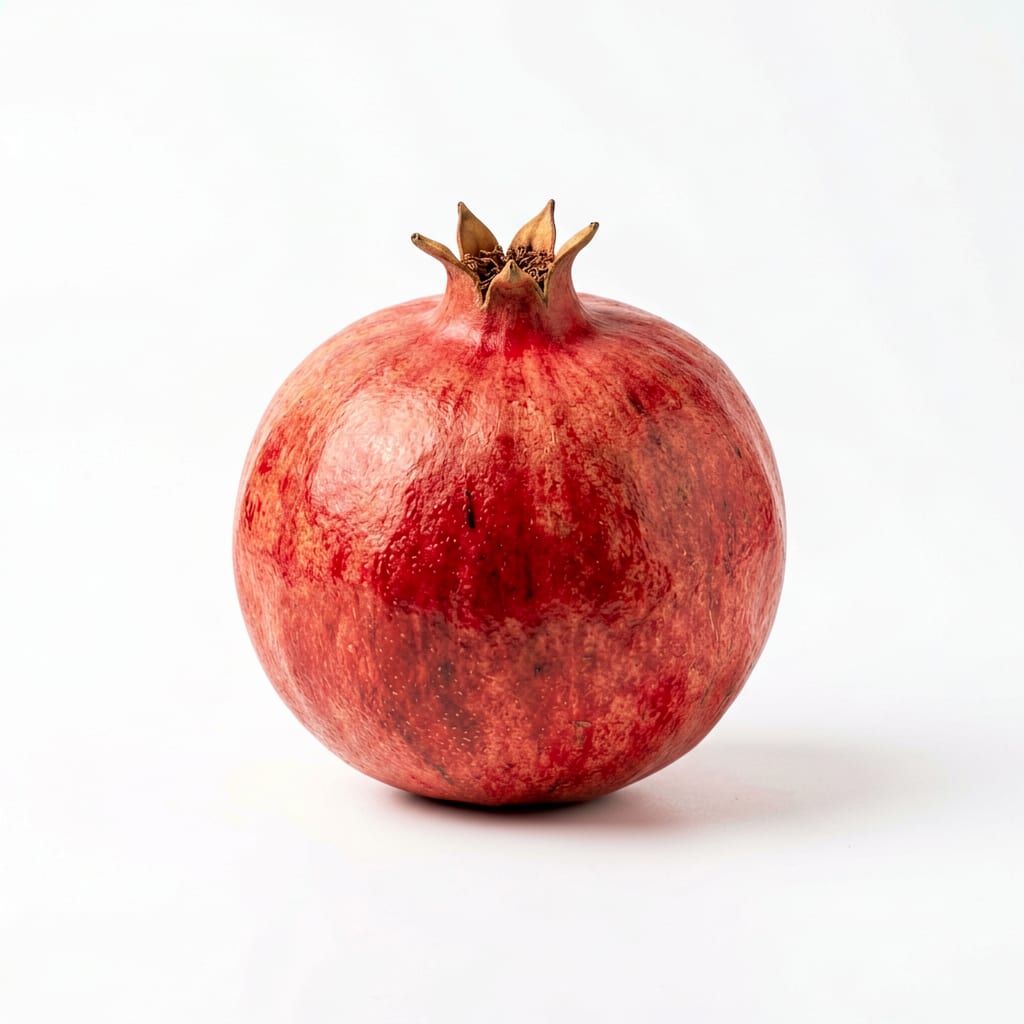
Pomegranate
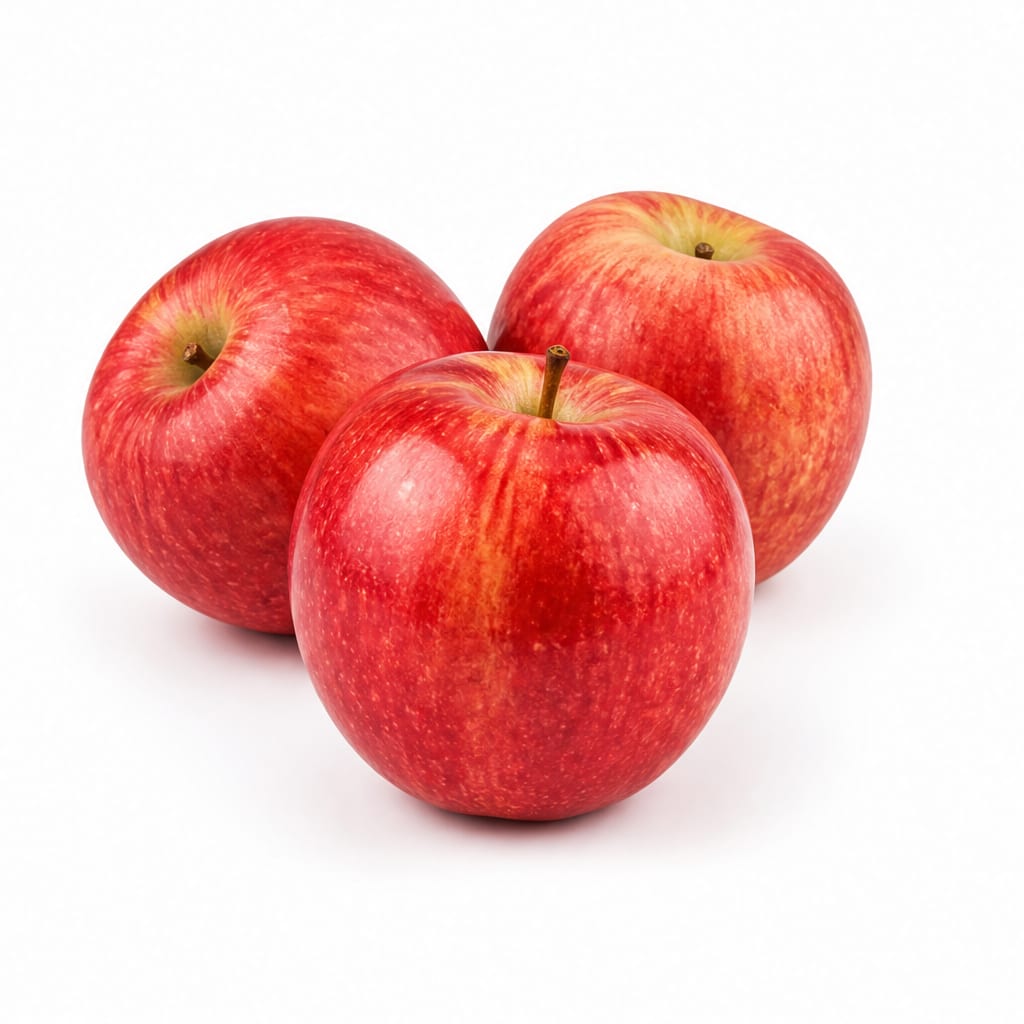
Apples
Pomegranate wins on antioxidants and anti-inflammatory power, but apples win on convenience, cost, and daily sustainability.
Pomegranate scores slightly higher for its exceptional antioxidant and anti-inflammatory profile, but apples stay close due to superior convenience, affordability, and daily sustainability. The small gap reflects that the best fruit is the one you actually eat regularly.
Maximum nutritional potency versus everyday practicality — pomegranate delivers more per bite, but apples are far easier to actually eat consistently.
At a glance
Executive summary
Overall
It depends
Healthier
Pomegranate
More practical
Apples
Daily use
Apples
Key comparison lenses
antioxidant superiority and inflammation reduction
Pomegranate is renowned for its punicalagins and anthocyanins, making this the most clinically meaningful difference between these two fruits
everyday convenience and practicality
Apples are grab-and-go while pomegranates require significant prep time, which heavily influences real-world consumption patterns
blood sugar management and diabetes risk
Both fruits contain natural sugars but differ in glycemic impact and fiber delivery, critical for metabolic health decisions
heart health and cardiovascular protection
Pomegranate has strong evidence for arterial health and blood pressure, while apples offer cholesterol-lowering fiber
pesticide exposure and food safety
Apples consistently rank on the Dirty Dozen list for pesticide residues, while pomegranates have thicker protective rinds
Best choice for
Pomegranate
- People fighting chronic inflammation or joint pain
- Those focused on heart health and arterial protection
- Anyone wanting maximum antioxidant density per calorie
- Post-workout recovery when inflammation is a concern
Apples
- Busy people who need a portable no-prep snack
- Families wanting an affordable everyday fruit
- Anyone managing blood sugar who needs steady energy
- People who value consistency over peak nutrition
Least suitable for
Pomegranate
- People who need quick grab-and-go options
- Those on tight grocery budgets
- Anyone with limited hand dexterity or arthritis
- Kids who find seed-spitting frustrating
Apples
- Those seeking maximum anti-inflammatory impact
- People wanting the highest antioxidant concentration
- Anyone bored with mild flavors who craves intensity
Deep comparison
Dimension by dimension
Each lens scores both foods and breaks down who each option suits.
- Dimension 1 · Priority 94Pomegranate
Antioxidant Density
Pomegranate · 96Apples · 62Pomegranate is in a different league for antioxidant power, particularly punicalagins which are rarely found in other foods.
Tradeoff
You get far more antioxidant protection from pomegranate, but you have to consume the arils, not just the juice, to get the full benefit.
Why it matters
Antioxidants protect cells from daily damage that accumulates into aging and disease over decades.
Real-world impact
Regular pomegranate consumption is like adding premium armor to your cells — apples offer protection too, but pomegranate is the heavy-duty version.
Pomegranate
- Reducing oxidative stress from intense exercise
- Supporting brain health and memory as you age
- Protecting skin from UV-related damage
Better for
- Nothing meaningful — this is pomegranate's strongest dimension
Worse for
Apples
- Mild everyday cellular maintenance without commitment
Better for
- Preventing age-related cognitive decline
- Competing with berries and dark fruits for antioxidant impact
Worse for
- Dimension 2 · Priority 90Apples
Convenience and Daily Sustainability
Pomegranate · 35Apples · 95Apples are the ultimate convenience fruit — wash and eat. Pomegranates require scoring, breaking open, and extracting arils, which takes 5-10 minutes.
Tradeoff
Pomegranate rewards effort with superior nutrition, but apples remove all friction from healthy eating.
Why it matters
The healthiest food only works if you actually eat it. Friction kills consistency.
Real-world impact
An apple you grab on your way out the door beats a pomegranate sitting untouched in your fridge every time.
Pomegranate
- Weekend meal prep when you have time
- Impressive dinner party garnishes
Better for
- Busy weekday mornings
- Eating at your desk
- Any situation where stained fingers are a problem
Worse for
Apples
- Commuting and on-the-go snacking
- Office desk fruit bowls
- Packing school lunches
- Late-night snacking without mess
Better for
- Occasions where visual appeal and uniqueness matter
Worse for
- Dimension 3 · Priority 82Pomegranate
Heart Health and Cardiovascular Protection
Pomegranate · 90Apples · 74Pomegranate has stronger clinical evidence for arterial health, blood pressure reduction, and slowing plaque buildup. Apples help through soluble fiber that lowers cholesterol.
Tradeoff
Pomegranate acts more directly on blood vessels and inflammation, while apples work indirectly through fiber-driven cholesterol reduction.
Why it matters
Heart disease develops silently over decades — small daily choices compound enormously.
Real-world impact
If cardiovascular risk runs in your family, pomegranate is worth the extra effort. For general maintenance, apples do solid preventive work.
Pomegranate
- People with family history of heart disease
- Those with elevated blood pressure
- Anyone with early signs of arterial plaque
Better for
- Situations where you need heart-healthy food multiple times daily conveniently
Worse for
Apples
- General cholesterol management
- Everyday heart-healthy snacking without thinking
Better for
- Active cardiovascular disease management
Worse for
- Dimension 4 · Priority 80Apples
Blood Sugar Stability
Pomegranate · 68Apples · 82Apples have a lower glycemic index and their fiber slows sugar absorption more effectively. Pomegranate juice in particular can spike blood sugar faster than whole arils.
Tradeoff
Whole pomegranate arils are decent for blood sugar, but apples provide steadier energy with less risk of spikes.
Why it matters
Blood sugar crashes drive cravings, fatigue, and long-term metabolic damage.
Real-world impact
An apple at 3pm gives you calmer energy through the afternoon. Pomegranate arils work too, but the sugar hits slightly faster.
Pomegranate
- Post-workout when faster carbohydrate uptake is acceptable
Better for
- Insulin-resistant individuals who need slow sugar release
- Late-night snacking
Worse for
Apples
- Mid-afternoon energy slumps
- Pre-diabetes management
- Anyone tracking glycemic load carefully
Better for
- Nothing significant — apples are reliable for steady energy
Worse for
- Dimension 5 · Priority 85Pomegranate
Anti-Inflammatory Impact
Pomegranate · 94Apples · 60Pomegranate is one of the most potent anti-inflammatory foods available. Its punicalagins actively suppress inflammatory markers. Apples have quercetin but at much lower concentrations.
Tradeoff
Pomegranate is almost therapeutic in its anti-inflammatory strength, while apples offer gentle background support.
Why it matters
Chronic inflammation drives joint pain, fatigue, brain fog, and nearly every age-related disease.
Real-world impact
If your joints ache or you feel chronically puffy, pomegranate is the fruit that might actually make a noticeable difference.
Pomegranate
- Arthritis and joint pain sufferers
- Post-exercise inflammation recovery
- Autoimmune condition management
- Chronic low-grade inflammation
Better for
- Nothing — this is pomegranate's signature strength
Worse for
Apples
- Mild everyday inflammation maintenance
Better for
- Any condition where inflammation is the primary concern
Worse for
- Dimension 6 · Priority 72Apples
Cost and Accessibility
Pomegranate · 40Apples · 90Apples are affordable year-round and available everywhere. Pomegranates are seasonal, more expensive, and harder to find in some regions.
Tradeoff
Pomegranate costs 2-4 times more per serving than apples, which limits how often most people can realistically eat them.
Why it matters
Nutrition only works when it fits your budget. An expensive superfruit you buy once a month matters less than an affordable staple you eat daily.
Real-world impact
A bag of apples costs less than two pomegranates and feeds a family for a week.
Pomegranate
- Special occasions and intentional health investments
Better for
- Tight grocery budgets
- Consistent daily consumption
Worse for
Apples
- Weekly grocery budgets
- Feeding a family affordably
- Food deserts with limited produce options
Better for
- Nothing — apples are among the most accessible fruits globally
Worse for
- Dimension 7 · Priority 76Apples
Fiber Quality and Satiety
Pomegranate · 70Apples · 85Apples provide more total fiber per serving and their pectin content is particularly effective at creating fullness. Pomegranate arils offer fiber too, but less per typical serving.
Tradeoff
Apples keep you fuller for longer with less effort. Pomegranate satisfies differently — the intense flavor and chewing experience feel more indulgent.
Why it matters
Satiety determines whether a snack actually holds you or leaves you hunting for more food 30 minutes later.
Real-world impact
An apple at 10am can carry you to lunch. Pomegranate arils are satisfying in the moment but hunger returns sooner.
Pomegranate
- Flavor satisfaction and treating yourself healthfully
Better for
- Situations where you need sustained fullness for hours
Worse for
Apples
- Bridging long gaps between meals
- Weight management through natural appetite control
- A snack that actually prevents overeating later
Better for
- Nothing significant — apples are excellent for satiety
Worse for
Timeline
Health impact over time
Short-term
Hours to days
Pomegranate
- Noticeable antioxidant boost within hours of consumption
- Messy eating experience that can stain fingers and clothes
- Mild blood sugar rise that resolves faster than expected due to fiber
Apples
- Quick satiety that reduces hunger for 1-2 hours
- Steady energy without crashes when eaten with the skin
- Immediate hydration from high water content
Long-term
Months to years
Pomegranate
- Reduced inflammatory markers with regular consumption over weeks
- Potential improvement in blood pressure and arterial flexibility
- Better skin appearance from concentrated polyphenols
- Possible protection against age-related cognitive decline
Apples
- Consistent cholesterol improvement from daily pectin intake
- Stable blood sugar patterns that reduce diabetes risk over years
- Gut microbiome diversity supported by steady fiber intake
- Reliable weight management from habitual low-calorie snacking
Risk profile
Safety & processing
Both fruits are whole foods in their natural state. The main concern is that pomegranate juice and apple juice are often sold with added sugars or as concentrates — always choose whole fruit over juice versions of either.
Pomegranate
Pesticide residue on outer rind
lowThe thick rind protects the edible arils from most pesticide exposure, making pomegranate one of the safer conventional fruits to eat.
Mold inside from improper storage
mediumPomegranates can develop internal mold that is not visible from outside. Always check arils for off-smells or discoloration before eating.
Apples
Pesticide residue on skin
highApples consistently rank in the top 5 of the EWG Dirty Dozen list. Most pesticide residue is on the skin, which is also where most nutrients and fiber are. Choose organic when possible.
Wax coatings on conventional apples
mediumMany conventional apples are coated with shellac or carnauba wax to improve shelf appearance. While generally recognized as safe, some consumers prefer to avoid these. Washing with baking soda water helps.
Who wins for whom
Audience fit
Same foods, different winners depending on your goal.
children
ApplesApples are easier for kids to hold, eat, and enjoy without mess. Pomegranate arils can be a choking hazard for very young children and the seed-spitting is frustrating for picky eaters.
daily consumption
ApplesApples win on consistency — affordable, portable, no-prep, and gentle on the digestive system for daily repeated consumption.
diabetes
ApplesApples have a lower glycemic index and more reliable blood sugar stabilization, making them the safer everyday choice for glucose management.
elderly
PomegranatePomegranate's superior anti-inflammatory and cognitive protection benefits matter more for aging bodies, and the arils are soft enough for those with dental issues if seeds are swallowed.
muscle gain
It dependsNeither fruit is a protein source. Apples offer slightly better pre-workout energy, while pomegranate supports post-workout inflammation recovery.
weight loss
ApplesApples provide more fiber and satiety per calorie, making them better at preventing overeating throughout the day.
Your move
Decision guide
Choose Pomegranate
- You want maximum antioxidant and anti-inflammatory impact per serving
- Heart disease or inflammation runs in your family
- You enjoy the ritual of preparing food and find it meditative
- You are willing to meal-prep arils in batches for the week
- Joint pain or chronic inflammation affects your daily comfort
Choose Apples
- You need a reliable grab-and-go fruit for busy days
- Budget is a significant factor in your food choices
- You want a snack that keeps you full between meals
- You are feeding kids who need easy, appealing fruit options
- You care more about consistency than peak nutritional density
Either works if
- You simply want more whole fruit variety in your diet
- You are generally healthy and focusing on basic prevention
- You enjoy rotating fruits based on season and availability
Avoid both if
- You have a severe fructose intolerance or FODMAP sensitivity
- You are on a strict very-low-carb ketogenic protocol
- You have oral allergy syndrome triggered by raw fruits
Final recommendation
Eat apples daily for reliable, effortless nutrition. Add pomegranate 2-3 times per week as a targeted anti-inflammatory boost. This combination gives you the consistency of apples with the therapeutic power of pomegranate — and the contrast keeps both fruits interesting long-term.
Practical
Consumer tips
- 1
Prep pomegranate arils in bulk on Sunday — store them in an airtight container in the fridge for up to 5 days of easy access
- 2
Score pomegranate under water in a bowl to prevent juice splatter and easily separate arils from the membrane
- 3
Buy organic apples whenever possible — they top the Dirty Dozen list and you lose key nutrients if you peel to avoid pesticides
- 4
Freeze extra pomegranate arils for adding to smoothies, oatmeal, or yogurt throughout the month
- 5
Pair apple slices with nut butter to add protein and fat, which slows sugar absorption and extends satiety significantly
- 6
Choose heavier apples and pomegranates — weight indicates juiciness and ripeness
- 7
Avoid pre-packaged pomegranate juice which often strips out the fiber and concentrates the sugar