
Nutrition comparison
Pomegranate vs Grapefruit: Which Is Healthier for You?
Compare pomegranate and grapefruit on antioxidants, sugar, drug interactions, and weight loss. Find out which fruit is safer and better for your health goals.
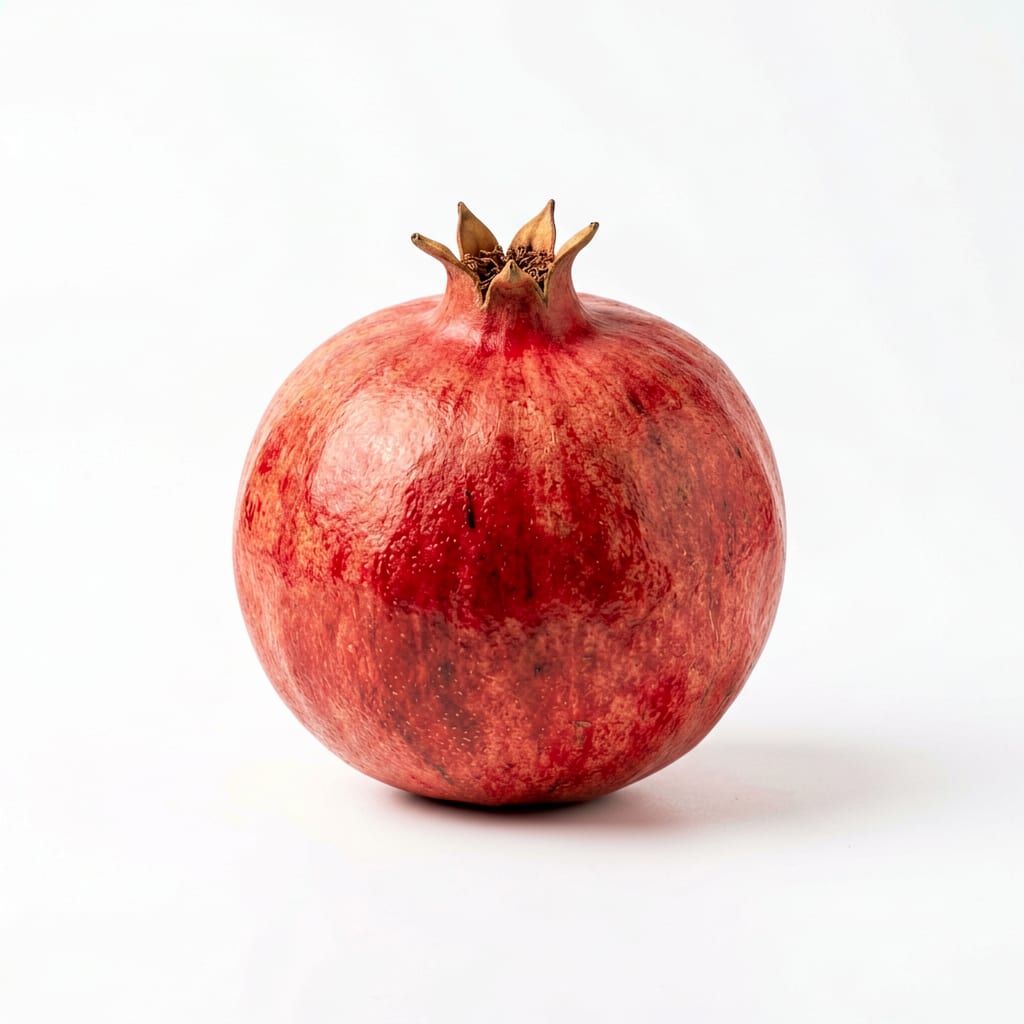
Pomegranate
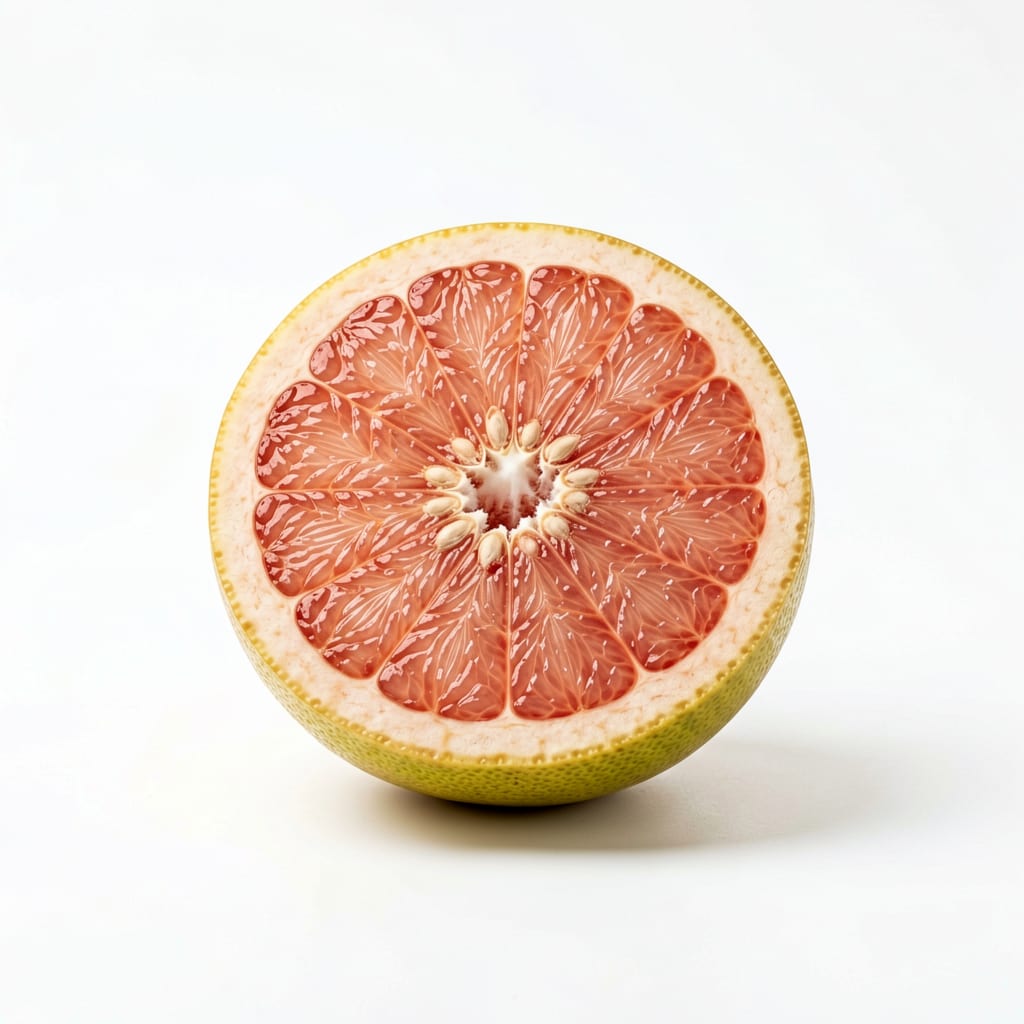
Grapefruit
Pomegranate wins on antioxidants and heart protection; grapefruit wins on low sugar and weight management — but grapefruit's drug interactions make it dangerous for millions of people on common medications.
Pomegranate edges ahead on antioxidant potency and fiber, but grapefruit's lower sugar and easier eating keep it close. The drug interaction issue pulls grapefruit's score down significantly for medicated populations.
Pomegranate delivers more potent antioxidants but at higher sugar and effort; grapefruit is lighter and easier but carries serious medication interaction risks.
At a glance
Executive summary
Overall
It depends
Healthier
It depends
More practical
Grapefruit
Daily use
Grapefruit
Key comparison lenses
drug interaction safety
Grapefruit's well-documented interference with statins and other medications is a critical real-world concern that can override all nutritional benefits
antioxidant power
Both fruits are antioxidant superstars but through completely different compounds — pomegranate's punicalagins vs grapefruit's naringenin
heart health
Both fruits have strong cardiovascular credentials but through different mechanisms — pomegranate protects LDL from oxidation, grapefruit improves lipid profiles
sugar and calorie management
Grapefruit is significantly lower in sugar and calories, making it the go-to for weight-conscious users
convenience and eating experience
Pomegranate is notoriously messy and time-consuming to eat, while grapefruit is simple to portion and consume
Best choice for
Pomegranate
- People not taking statins or blood pressure meds who want maximum antioxidant protection
- Those focused on heart health and LDL oxidation resistance
- Anyone wanting a satisfying, fiber-rich fruit snack
- Post-workout recovery with natural anti-inflammatory benefits
Grapefruit
- People watching sugar intake or managing weight
- Anyone on medications that allow grapefruit consumption
- Those wanting a quick, low-effort breakfast fruit
- People seeking vitamin C with minimal calories
Least suitable for
Pomegranate
- Anyone who finds food prep frustrating — extracting arils is slow and messy
- People strictly limiting sugar who want the lowest-sugar fruit option
- Those who need a grab-and-go fruit for commuting or travel
Grapefruit
- Anyone taking statins, blood pressure medications, anti-anxiety drugs, or immunosuppressants
- People with GERD or acid sensitivity — grapefruit is highly acidic
- Those prone to heartburn, especially when eaten on an empty stomach
Deep comparison
Dimension by dimension
Each lens scores both foods and breaks down who each option suits.
- Dimension 1 · Priority 92Pomegranate
antioxidant_power
Pomegranate · 93Grapefruit · 72Pomegranate is one of the most antioxidant-rich fruits on earth, with punicalagins that are three times more potent than red wine or green tea polyphenols.
Tradeoff
Grapefruit's naringenin is still valuable but operates at a lower potency tier. Pomegranate costs more and takes longer to eat for that antioxidant payoff.
Why it matters
Higher antioxidant intake correlates with reduced oxidative stress, slower cellular aging, and better recovery from exercise-induced inflammation.
Real-world impact
Regular pomegranate eaters may notice less post-exercise soreness and steadier energy, while grapefruit's benefits are more subtle and cumulative.
Pomegranate
- Reducing exercise-induced inflammation
- Maximum cellular protection against oxidative damage
- Supporting skin health from within
Better for
- Cost per serving is significantly higher for that antioxidant dose
Worse for
Grapefruit
- Gentle daily antioxidant maintenance without high sugar load
- People who want some antioxidant benefit with fewer calories
Better for
- Lower total antioxidant capacity per serving
Worse for
- Dimension 2 · Priority 78Grapefruit
sugar_and_calorie_density
Pomegranate · 55Grapefruit · 85Grapefruit has roughly half the sugar and 40% fewer calories per serving than pomegranate, making it the clear choice for sugar-conscious eaters.
Tradeoff
Pomegranate's sugar comes with more fiber, which slows absorption — but the total sugar load is still meaningfully higher.
Why it matters
For anyone monitoring blood sugar, managing weight, or following a low-carb approach, this difference compounds over daily consumption.
Real-world impact
A half grapefruit feels light and refreshing after a meal. A full pomegranate can feel like a significant snack that adds up if eaten daily.
Pomegranate
- More sustained energy from fiber-slowed sugar absorption
- Better satiety — the seeds and fiber keep you fuller longer
Better for
- Higher total sugar can be problematic for diabetics counting carbs
- More calories per serving adds up with daily consumption
Worse for
Grapefruit
- Lower glycemic impact per serving
- Easier to fit into calorie-restricted eating
- Less sugar for those monitoring intake closely
Better for
- Less filling — you may be hungry sooner after eating grapefruit
Worse for
- Dimension 3 · Priority 95Pomegranate
drug_interaction_safety
Pomegranate · 95Grapefruit · 30Grapefruit's furanocoumarins block CYP3A4 enzymes, dangerously amplifying the effects of statins, blood pressure drugs, anxiety medications, and immunosuppressants.
Tradeoff
Pomegranate has minor, less clinically significant interactions. Grapefruit's interaction risk is well-documented and affects millions of people.
Why it matters
This is not theoretical — grapefruit-medication interactions cause real hospitalizations. Anyone on affected medications must avoid grapefruit entirely.
Real-world impact
If your doctor prescribed atorvastatin or amlodipine, eating grapefruit can cause muscle breakdown or dangerously low blood pressure. Pomegranate does not carry this risk.
Pomegranate
- Safe for people taking statins, blood pressure meds, or anti-anxiety drugs
- No need to coordinate fruit consumption with medication schedules
Better for
- Minor potential interactions with some blood thinners — worth discussing with a doctor
Worse for
Grapefruit
- For medication-free individuals, this concern is irrelevant
Better for
- Dangerous for anyone on statins, many antihypertensives, benzodiazepines, cyclosporine, and dozens of other drugs
- Risk persists for 24+ hours after consumption — not just while eating it
Worse for
- Dimension 4 · Priority 72Grapefruit
convenience_and_eating_experience
Pomegranate · 40Grapefruit · 78Grapefruit is slice-and-eat. Pomegranate requires scoring, cracking open, and extracting arils — a messy, stain-prone process.
Tradeoff
Pomegranate's eating ritual can feel rewarding and mindful, but it is objectively inconvenient for busy mornings or on-the-go snacking.
Why it matters
Convenience determines whether a healthy food actually gets eaten regularly or sits in the fridge until it spoils.
Real-world impact
Grapefruit can be eaten at your desk in two minutes. Pomegranate demands a cutting board, a bowl, and stained fingers — not commuter-friendly.
Pomegranate
- The ritual of extracting seeds can be meditative and satisfying for some
- Arils store well once extracted and can be batch-prepped
Better for
- Juice stains are notoriously difficult to remove from clothing and countertops
- Time investment deters daily consumption for most people
Worse for
Grapefruit
- Ready to eat with just a spoon
- No special technique or cleanup required
- Portable and mess-free compared to pomegranate
Better for
- Segmenting with a spoon can feel wasteful if you leave flesh behind
Worse for
- Dimension 5 · Priority 80Pomegranate
heart_health
Pomegranate · 88Grapefruit · 75Pomegranate directly protects LDL cholesterol from oxidation and may slow atherosclerosis progression. Grapefruit improves lipid profiles but carries the statin interaction paradox.
Tradeoff
Grapefruit's lipid benefits are most relevant for people not on statins — but those are exactly the people who may need heart-protective foods most.
Why it matters
Oxidized LDL is a primary driver of plaque buildup. Pomegranate's punicalagins are uniquely effective at preventing this oxidation.
Real-world impact
For someone with family history of heart disease, pomegranate offers more targeted protection without conflicting with standard cardiac medications.
Pomegranate
- Directly prevents LDL oxidation — a key step in artery plaque formation
- Safe alongside statins and other heart medications
- Studies show potential to slow carotid artery thickening
Better for
- Higher sugar content is a secondary concern for metabolic health
Worse for
Grapefruit
- May lower triglycerides and improve HDL in medication-free individuals
- Lower calorie load supports weight management, indirectly helping heart health
Better for
- Cannot be combined with statins — the most common heart medication — making it counterproductive for many cardiac patients
Worse for
- Dimension 6 · Priority 68Grapefruit
vitamin_C_and_immune_support
Pomegranate · 62Grapefruit · 88Grapefruit delivers roughly 64mg of vitamin C per half — over 70% of daily needs. Pomegranate provides about 10mg per half, a much smaller contribution.
Tradeoff
Pomegranate compensates with vitamin K and folate, but for immune-focused vitamin C intake, grapefruit is far more efficient.
Why it matters
Vitamin C is the most commonly sought immune nutrient, and grapefruit delivers it in a low-calorie package.
Real-world impact
During cold season, a daily half grapefruit meaningfully contributes to vitamin C targets. You would need to eat several pomegranates for the same effect.
Pomegranate
- More vitamin K for blood clotting and bone health
- Higher folate content supports cell repair
Better for
- Vitamin C content is modest relative to other fruits
Worse for
Grapefruit
- Significantly more vitamin C per serving
- Better for immune support during cold and flu season
- More efficient vitamin C delivery with fewer calories
Better for
- Lower in folate and vitamin K compared to pomegranate
Worse for
Timeline
Health impact over time
Short-term
Hours to days
Pomegranate
- Provides satisfying, fiber-rich energy that keeps hunger at bay for 2-3 hours
- Natural anti-inflammatory effect may reduce post-exercise muscle soreness
- High water content from arils supports hydration
- Staining juice can be a nuisance if not handled carefully
Grapefruit
- Refreshing, light feeling that works well as a morning or pre-meal palate cleanser
- Vitamin C boost supports immediate immune function
- Acidity can trigger heartburn in sensitive individuals, especially on an empty stomach
- Grapefruit scent and bitterness may reduce appetite — helpful or unpleasant depending on context
Long-term
Months to years
Pomegranate
- Consistent antioxidant intake may slow cellular aging and reduce chronic inflammation
- Potential reduction in arterial plaque progression based on clinical studies
- Higher daily sugar intake if consumed frequently without adjustment elsewhere
- Fiber contribution supports gut microbiome diversity over time
Grapefruit
- Lower calorie and sugar intake supports sustainable weight management
- Vitamin C contribution strengthens collagen and skin integrity long-term
- Drug interaction risks could cause serious health events if medications are added without reassessing grapefruit consumption
- Naringenin may offer cumulative anti-inflammatory and metabolic benefits
Risk profile
Safety & processing
Both fruits are whole, unprocessed foods in their natural state. Pomegranate arils sold pre-packaged may have slight quality loss but remain minimally processed. Grapefruit segments in syrup or canned products are a different category — always choose whole fruit.
Pomegranate
Minor blood thinner interaction
lowPomegranate may mildly enhance the effect of warfarin and other anticoagulants. If you take blood thinners, discuss with your doctor, but the risk is far lower than grapefruit's interactions.
Choking hazard for young children
mediumWhole arils can be a choking risk for children under 4. The seeds inside arils are also hard and may be difficult for some people to digest comfortably.
Grapefruit
Serious drug interactions
highFuranocoumarins in grapefruit inhibit CYP3A4 enzymes, causing dangerous accumulation of statins, calcium channel blockers, benzodiazepines, immunosuppressants, and over 85 other medications. Effects last 24+ hours after consumption.
Acid erosion of tooth enamel
mediumGrapefruit's high acidity can erode enamel over time, especially when consumed daily. Rinsing with water afterward and avoiding brushing for 30 minutes helps mitigate this.
GERD and acid reflux aggravation
mediumThe high acid content triggers heartburn in susceptible individuals, particularly when eaten on an empty stomach or before lying down.
Who wins for whom
Audience fit
Same foods, different winners depending on your goal.
children
PomegranatePomegranate arils are fun to eat and packed with nutrients kids need. Grapefruit's bitterness is often rejected by children, and its acidity can upset young stomachs.
daily consumption
GrapefruitFor medication-free individuals, grapefruit's lower sugar and easy preparation make it more sustainable as a daily habit. Pomegranate's prep effort discourages consistent daily use.
diabetes
GrapefruitGrapefruit's lower sugar and glycemic impact make it safer for blood sugar management. Pomegranate's fiber helps, but the total carb load is higher.
elderly
PomegranateOlder adults are more likely to be on medications that interact with grapefruit. Pomegranate's anti-inflammatory and heart-protective benefits are especially relevant for aging bodies.
muscle gain
It dependsNeither fruit is a muscle-building food. Pomegranate's anti-inflammatory effects may slightly aid recovery, but protein sources matter far more.
weight loss
GrapefruitGrapefruit's lower calorie and sugar content make it easier to fit into a deficit. Its bitterness also naturally limits overconsumption.
Your move
Decision guide
Choose Pomegranate
- You take any medications that interact with grapefruit — this alone makes pomegranate the safe choice
- Heart health and antioxidant protection are your top priorities
- You enjoy the eating ritual and do not mind the prep time
- You want a fruit that fights inflammation and supports exercise recovery
- You are feeding children who would enjoy the sweet, crunchy arils
Choose Grapefruit
- You take no interacting medications and want a low-calorie, low-sugar fruit
- Weight management or sugar reduction is your primary goal
- You need a quick, no-prep fruit for busy mornings
- You want maximum vitamin C per calorie
- You find the bitterness refreshing and appetite-suppressing
Either works if
- You simply want more whole fruit variety in your diet
- You are medication-free and have no acid sensitivity issues
- You rotate fruits seasonally and enjoy both for different reasons
Avoid both if
- You have severe acid reflux or GERD that flares with any citrus or acidic fruit
- You are on a very strict low-carb or ketogenic diet — both contain more carbs than berries
- You have oral allergy syndrome triggered by either fruit
Final recommendation
If you take any prescription medications, pomegranate is the safer and smarter choice — grapefruit's drug interactions are not worth the risk. For medication-free individuals focused on weight and sugar, grapefruit is the more practical daily fruit. The best approach for most people is alternating both: grapefruit for light, low-sugar mornings and pomegranate when you have time to enjoy its deeper antioxidant benefits.
Practical
Consumer tips
- 1
Extract pomegranate arils underwater in a bowl — the seeds sink and the white membrane floats, making separation easy and reducing stains
- 2
Batch-extract pomegranate arils and refrigerate for up to 5 days to eliminate daily prep friction
- 3
If you take medications, ask your pharmacist specifically about grapefruit interactions — many people are unaware of risks with their prescriptions
- 4
Choose ruby red grapefruit over white varieties for more lycopene and a sweeter flavor that needs less added sugar
- 5
Rinse your mouth with water after eating grapefruit to protect tooth enamel from acid erosion — wait 30 minutes before brushing
- 6
Frozen pomegranate arils are a convenient middle ground — slightly softer texture but all the nutritional benefits without the mess
- 7
Avoid grapefruit juice if you are concerned about drug interactions — it is more concentrated than the whole fruit and poses even higher risk