
Nutrition comparison
Pomegranate vs Strawberries: Antioxidants, Sugar, and Which Fruit to Eat Daily
Compare pomegranate and strawberries on antioxidants, sugar, heart health, pesticide risk, and convenience. Find out which fruit fits your goals best.
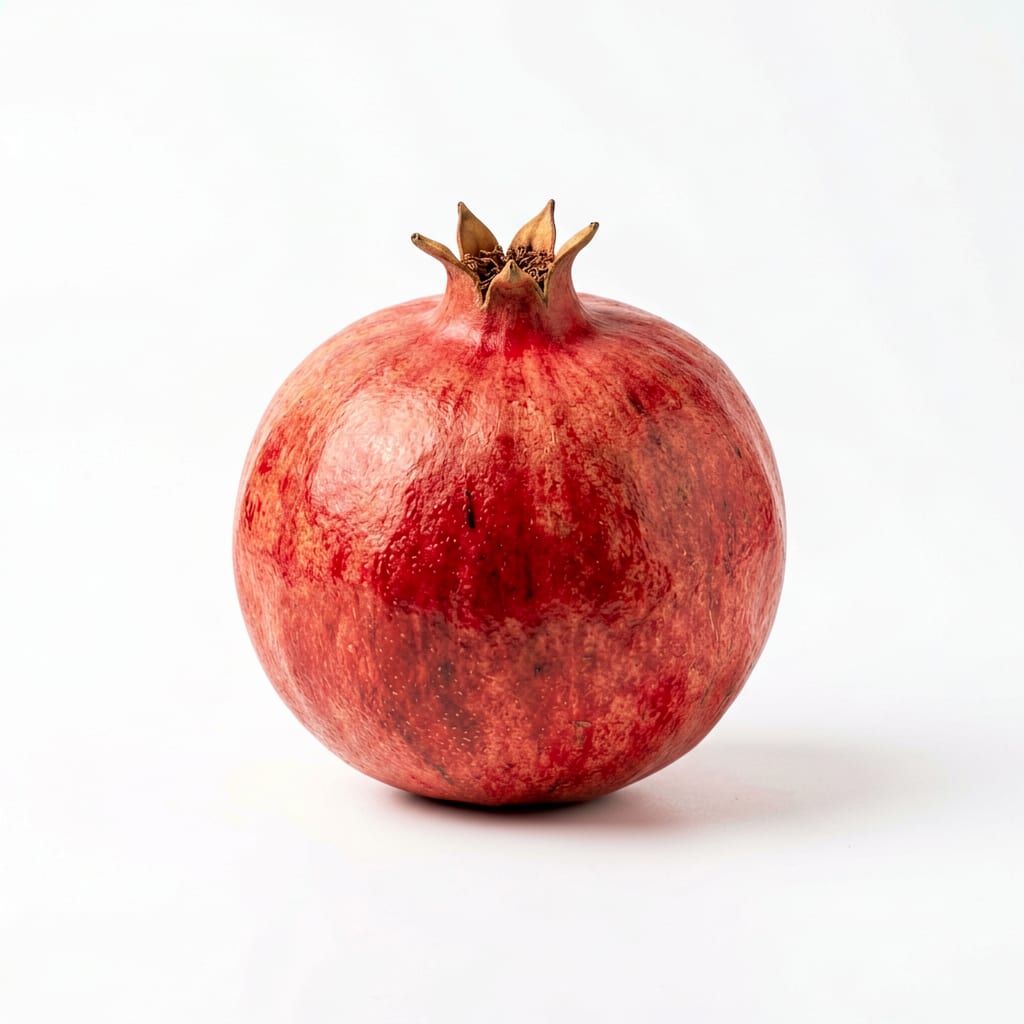
Pomegranate
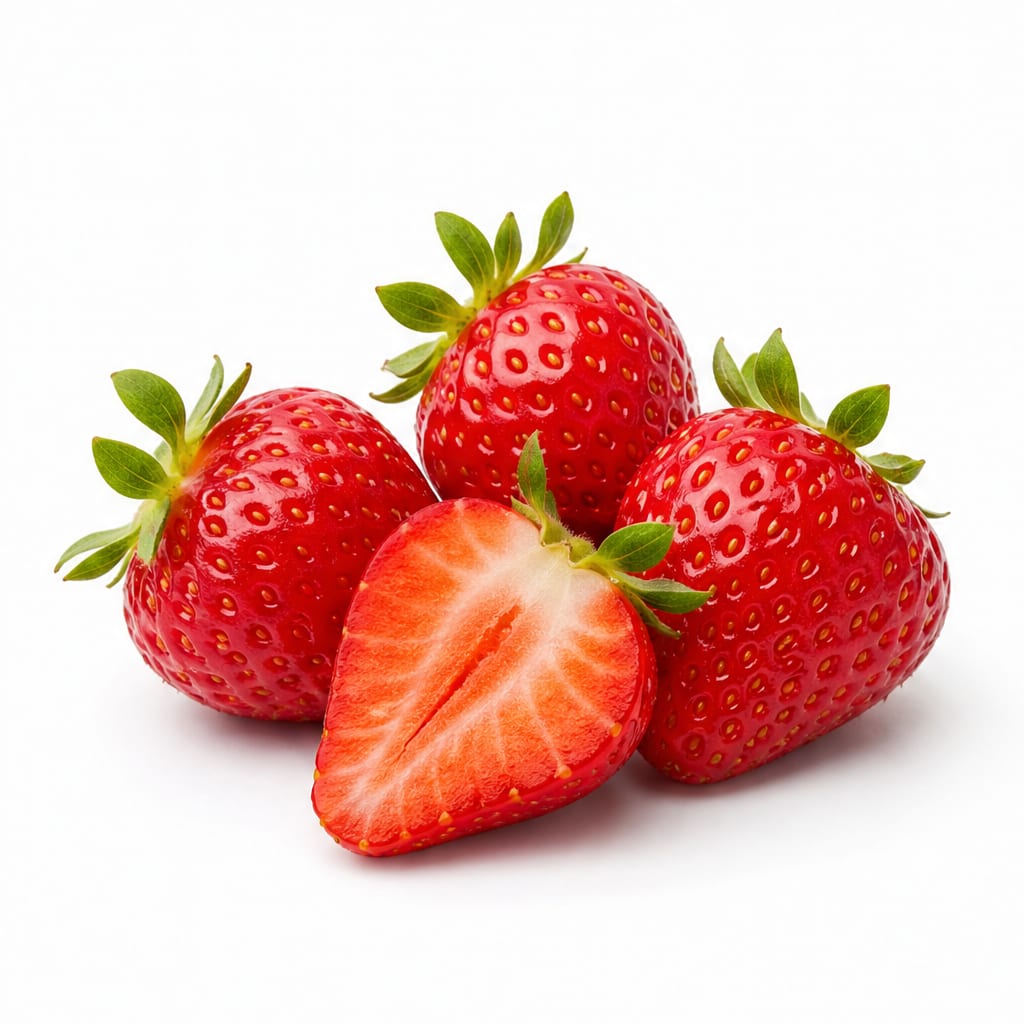
Strawberries
Pomegranate delivers unmatched antioxidants and heart benefits but demands effort. Strawberries are the practical daily fruit with less sugar and more convenience.
Strawberries edge ahead due to superior practicality, lower sugar, and daily usability. Pomegranate wins on raw nutritional potency but loses points for inconvenience and higher sugar per serving. The gap is small because both are genuinely excellent fruits.
Maximum nutritional potency versus everyday usability — pomegranate is the supplement-like superfruit, strawberries are the reliable staple.
At a glance
Executive summary
Overall
It depends
Healthier
Pomegranate
More practical
Strawberries
Daily use
Strawberries
Key comparison lenses
antioxidant density and anti aging
Pomegranate is legendary for punicalagins and anti-aging research; strawberries offer vitamin C and ellagic acid but less total antioxidant firepower
everyday convenience and ease of eating
Strawberries are grab-and-go; pomegranates require scoring, seeding, and messy prep that deters daily use
blood sugar and weight management
Strawberries are lower in sugar and calories per serving, making them a more flexible choice for carb-conscious eaters
heart health and inflammation
Pomegranate has stronger clinical evidence for blood pressure and arterial health; strawberries help but less dramatically
pesticide exposure risk
Strawberries consistently rank #1 on the EWG Dirty Dozen list; pomegranates have thick rinds that shield edible portions
Best choice for
Pomegranate
- People focused on heart health and blood pressure
- Those seeking maximum antioxidant intake
- Anyone wanting anti-aging and cellular protection benefits
- People who enjoy ritualistic food preparation
Strawberries
- People managing blood sugar or low-carb diets
- Busy individuals needing quick snacks
- Families with children who want easy finger food
- Anyone counting calories or watching sugar intake
Least suitable for
Pomegranate
- People with limited hand dexterity or arthritis
- Those who need on-the-go portable snacks
- Anyone impatient with food prep and cleanup
- People strictly limiting sugar per serving
Strawberries
- People highly concerned about pesticide exposure who cannot afford organic
- Those wanting a calorie-dense pre-workout fruit
- Anyone seeking the highest possible antioxidant concentration per serving
Deep comparison
Dimension by dimension
Each lens scores both foods and breaks down who each option suits.
- Dimension 1 · Priority 92Pomegranate
antioxidant_power
Pomegranate · 95Strawberries · 72Pomegranate is in a different league for total antioxidant capacity, driven by punicalagins found nowhere else in nature.
Tradeoff
You get far more antioxidant bang per bite with pomegranate, but you pay for it in prep time and sugar content.
Why it matters
Higher antioxidant intake correlates with reduced oxidative stress, slower cellular aging, and lower chronic disease risk over decades.
Real-world impact
Regular pomegranate consumption is like taking a natural supplement — measurable effects on inflammation markers that strawberries cannot match at equal servings.
Pomegranate
- Reducing chronic inflammation
- Supporting cellular longevity
- Protecting against oxidative stress from pollution or intense exercise
Better for
- People who need quick antioxidant sources without prep hassle
Worse for
Strawberries
- Getting a moderate antioxidant boost without extra sugar
- Maintaining decent antioxidant intake as part of a varied diet
Better for
- Those specifically targeting maximum ORAC scores for therapeutic purposes
Worse for
- Dimension 2 · Priority 85Strawberries
sugar_and_calorie_density
Pomegranate · 58Strawberries · 88Strawberries deliver big flavor and volume with roughly half the sugar and calories of pomegranate per cup.
Tradeoff
Pomegranate's sugar is natural and paired with fiber, but the total load adds up faster — especially if you eat the whole fruit.
Why it matters
Lower sugar per serving means more flexibility for diabetics, easier portion control, and less blood sugar spiking.
Real-world impact
You can eat a generous bowl of strawberries for under 50 calories and 7g sugar. The same volume of pomegranate arils roughly doubles both.
Pomegranate
- Athletes needing natural carbohydrate fuel before training
- People trying to gain healthy weight
Better for
- Strict low-carb or keto dieters
- People monitoring sugar for diabetes management
Worse for
Strawberries
- Managing blood sugar levels
- Staying within calorie budgets without feeling deprived
- Late-night snacking with minimal metabolic impact
Better for
- Endurance athletes needing dense carb sources
Worse for
- Dimension 3 · Priority 88Strawberries
convenience_and_daily_usability
Pomegranate · 35Strawberries · 92Strawberries are rinse-and-eat. Pomegranates require scoring, seeding, and stain-prone cleanup that most people skip after the first try.
Tradeoff
The effort barrier for pomegranate is real — even pre-packaged arils cost significantly more and lose freshness faster.
Why it matters
The best healthy food is the one you actually eat consistently. Convenience directly determines long-term adherence.
Real-world impact
Strawberries make it into lunchboxes, smoothies, and snack rotations effortlessly. Pomegranates tend to be occasional purchases, not habits.
Pomegranate
- Weekend meal prep when you have time to seed multiple fruits
- Special occasions where the ritual adds value
Better for
- Anyone with hand pain or limited dexterity
- People who eat while working or commuting
Worse for
Strawberries
- Busy weekday mornings
- Office snacks and lunchboxes
- Travel and on-the-go eating
- Quick smoothie additions without cleanup
Better for
- Situations where you want a food experience, not just fuel
Worse for
- Dimension 4 · Priority 78Pomegranate
heart_health_and_circulation
Pomegranate · 90Strawberries · 68Pomegranate has stronger clinical evidence for improving blood pressure, arterial plaque reduction, and nitric oxide production.
Tradeoff
Heart benefits require consistent intake — which conflicts with pomegranate's inconvenience. Strawberries offer modest heart support with easier consistency.
Why it matters
Cardiovascular disease remains the leading cause of death globally, and dietary intervention is the most sustainable prevention strategy.
Real-world impact
Studies show daily pomegranate juice or arils can measurably lower systolic blood pressure within weeks. Strawberries improve lipid markers but less dramatically.
Pomegranate
- People with hypertension or family history of heart disease
- Those wanting to improve arterial flexibility
- Men concerned about erectile function as a circulatory marker
Better for
- Anyone unable to maintain daily consumption due to cost or effort
Worse for
Strawberries
- Maintaining general cardiovascular wellness without intensive effort
- People already eating a heart-healthy diet who want variety
Better for
- Those needing therapeutic-level cardiovascular intervention from food
Worse for
- Dimension 5 · Priority 72Strawberries
vitamin_c_and_immune_support
Pomegranate · 52Strawberries · 90Strawberries are a vitamin C powerhouse, delivering over 100% of daily needs per cup. Pomegranate provides respectable but lower amounts.
Tradeoff
If immune support is your priority, strawberries deliver more vitamin C per calorie and per dollar spent.
Why it matters
Vitamin C supports immune function, collagen synthesis, and iron absorption — daily adequacy matters more than occasional high doses.
Real-world impact
A morning bowl of strawberries covers your vitamin C needs for the day. Pomegranate alone would not reach the same threshold.
Pomegranate
- Getting some vitamin C alongside other unique polyphenols
Better for
- Relying on it as a primary vitamin C source
Worse for
Strawberries
- Preventing cold-season deficiencies
- Supporting skin collagen and wound healing
- Enhancing plant-based iron absorption at meals
Better for
- None significant — strawberries excel here
Worse for
- Dimension 6 · Priority 75Pomegranate
pesticide_and_contamination_risk
Pomegranate · 85Strawberries · 40Strawberries are the #1 most pesticide-contaminated fruit according to EWG testing. Pomegranate's thick rind shields the edible portion from most spray exposure.
Tradeoff
You can mitigate strawberry risk by buying organic, but that increases cost substantially. Pomegranate is naturally protected by its peel.
Why it matters
Chronic low-dose pesticide exposure is linked to hormonal disruption, neurological effects, and cancer risk — especially concerning for children.
Real-world impact
Conventional strawberries routinely test positive for 10+ pesticide residues. Pomegranate arils are largely shielded, making even conventional options relatively safe.
Pomegranate
- People who cannot afford organic but want to minimize pesticide intake
- Parents feeding young children with developing systems
Better for
- Mold risk on interior if the rind is cracked or damaged
Worse for
Strawberries
- Only when organic strawberries are accessible and affordable
Better for
- Anyone eating conventional strawberries regularly without washing thoroughly
- Children and pregnant women eating non-organic strawberries frequently
Worse for
- Dimension 7 · Priority 70Pomegranate
fiber_and_digestive_health
Pomegranate · 80Strawberries · 65Pomegranate arils provide more fiber per serving, especially if you chew the seeds rather than spitting them out.
Tradeoff
The seed texture is polarizing — some people love the crunch, others find it unpleasant. Strawberry fiber goes down easy every time.
Why it matters
Fiber regulates digestion, feeds gut bacteria, and slows sugar absorption. Small daily differences compound over years.
Real-world impact
A full pomegranate delivers about 7g fiber versus 3g for the same weight of strawberries. That gap matters for gut health goals.
Pomegranate
- People needing to increase daily fiber intake
- Those who enjoy the crunchy seed texture
- Supporting gut microbiome diversity with unique prebiotic fibers
Better for
- People with diverticulitis or seed sensitivity concerns
- Those who find the seed texture unpleasant and spit them out
Worse for
Strawberries
- People with sensitive digestion who prefer gentle, soft fiber
- Anyone who dislikes seedy or crunchy fruit textures
Better for
- Anyone relying on fruit as a primary fiber source
Worse for
Timeline
Health impact over time
Short-term
Hours to days
Pomegranate
- Noticeable energy from natural sugars, especially if eating a full pomegranate
- Staining of fingers and clothing during prep is nearly guaranteed
- Mild blood sugar rise that is moderated by fiber but still significant
Strawberries
- Quick refreshing hydration with minimal caloric load
- Rapid vitamin C absorption supporting immediate immune activity
- Very gentle on blood sugar — unlikely to cause energy crashes
Long-term
Months to years
Pomegranate
- Consistent intake linked to improved blood pressure and arterial health
- Unique polyphenols may slow cellular aging and reduce chronic inflammation
- High antioxidant intake supports skin health and UV damage protection
Strawberries
- Regular consumption associated with lower inflammatory markers and improved lipid profiles
- Sustained vitamin C intake supports collagen integrity and joint health over decades
- Low calorie density makes long-term weight management easier when eaten habitually
Risk profile
Safety & processing
Both fruits are whole foods in their natural state. The main concern is not processing but pesticide exposure — strawberries are heavily sprayed conventionally, while pomegranate's rind provides natural protection. Choose organic strawberries when possible; pomegranate is safer in conventional form.
Pomegranate
Interior mold from cracked rinds
lowIf the outer shell is damaged, mold can develop inside. Inspect before purchasing and avoid fruits with soft spots or cracks.
Choking hazard for young children
mediumIndividual arils are small and firm. Children under 4 should be supervised, though the risk is lower than whole grapes.
Strawberries
Pesticide residue contamination
highStrawberries consistently rank #1 on the EWG Dirty Dozen. Conventional samples frequently contain 10+ pesticide residues including known endocrine disruptors.
Mold and spoilage
mediumStrawberries spoil rapidly — often within 2-3 days. Mold can develop overnight and spread through the container quickly.
Foodborne illness from surface contamination
lowClose ground contact during growth increases exposure to soil pathogens. Always wash thoroughly before eating.
Who wins for whom
Audience fit
Same foods, different winners depending on your goal.
children
StrawberriesStrawberries are easier for small hands to hold, softer to chew, and more kid-friendly — though organic is strongly recommended for children.
daily consumption
StrawberriesConvenience wins for daily habits. Strawberries are easy to incorporate every day; pomegranate tends to be an occasional addition for most people.
diabetes
StrawberriesLower glycemic load and sugar content per serving make strawberries easier to fit into carb-managed meal plans.
elderly
PomegranatePomegranate's superior cardiovascular and anti-inflammatory benefits are especially valuable for aging bodies, and the fiber supports common constipation issues.
muscle gain
StrawberriesNeither fruit is a muscle-building food, but strawberries provide vitamin C which supports collagen formation in connective tissue during training.
weight loss
StrawberriesLower calories and sugar per serving mean you can eat more volume for fewer calories, making strawberries more sustainable for calorie-restricted diets.
Your move
Decision guide
Choose Pomegranate
- You prioritize maximum antioxidant and anti-aging benefits over convenience
- Heart health or blood pressure management is a top personal concern
- You enjoy food preparation rituals and find them meditative
- You want a fruit with low pesticide risk even in conventional form
- You are willing to buy pre-packaged arils and accept the higher cost
Choose Strawberries
- You need a quick, everyday fruit that fits into busy routines
- Blood sugar management or low-carb eating is your priority
- You want more volume and satisfaction per calorie
- You can access organic strawberries or accept the pesticide tradeoff
- You are feeding children who need easy, appealing fruit options
Either works if
- You simply want to eat more fruit and both sound good today
- You rotate fruits for dietary diversity — both offer unique polyphenol profiles
- You are building a smoothie and either would work nutritionally
Avoid both if
- You have a severe allergy to either fruit — cross-reactivity exists in some berry allergy profiles
- You are on a very strict ketogenic diet with minimal carb allowance
- You have fructose intolerance and cannot tolerate any significant fruit sugar
Final recommendation
Eat strawberries daily for practical, low-sugar fruit intake — choose organic when possible. Add pomegranate 2-3 times per week for its unmatched antioxidant and heart benefits. You do not have to pick one. The best approach is using strawberries as your reliable base and pomegranate as your high-impact booster.
Practical
Consumer tips
- 1
Buy organic strawberries whenever your budget allows — the pesticide difference is the single most important purchasing decision between these two fruits
- 2
Pomegranate arils freeze well — seed a batch of 3-4 fruits at once and freeze portions for easy daily additions to yogurt or oatmeal
- 3
To seed a pomegranate with minimal mess, score the rind and submerge it in a bowl of water while breaking sections apart — the arils sink and the membrane floats
- 4
Strawberries lose vitamin C rapidly after cutting — eat them whole or cut right before consuming
- 5
Pre-packaged pomegranate arils are convenient but cost 3-4x more per serving and spoil faster than whole pomegranates
- 6
Wash strawberries with a baking soda soak (1 tablespoon per 2 cups water) for 5 minutes to reduce surface pesticide residues more effectively than water alone
- 7
Pomegranate juice gives you the antioxidants without the fiber — whole arils are nutritionally superior if you can manage the prep