
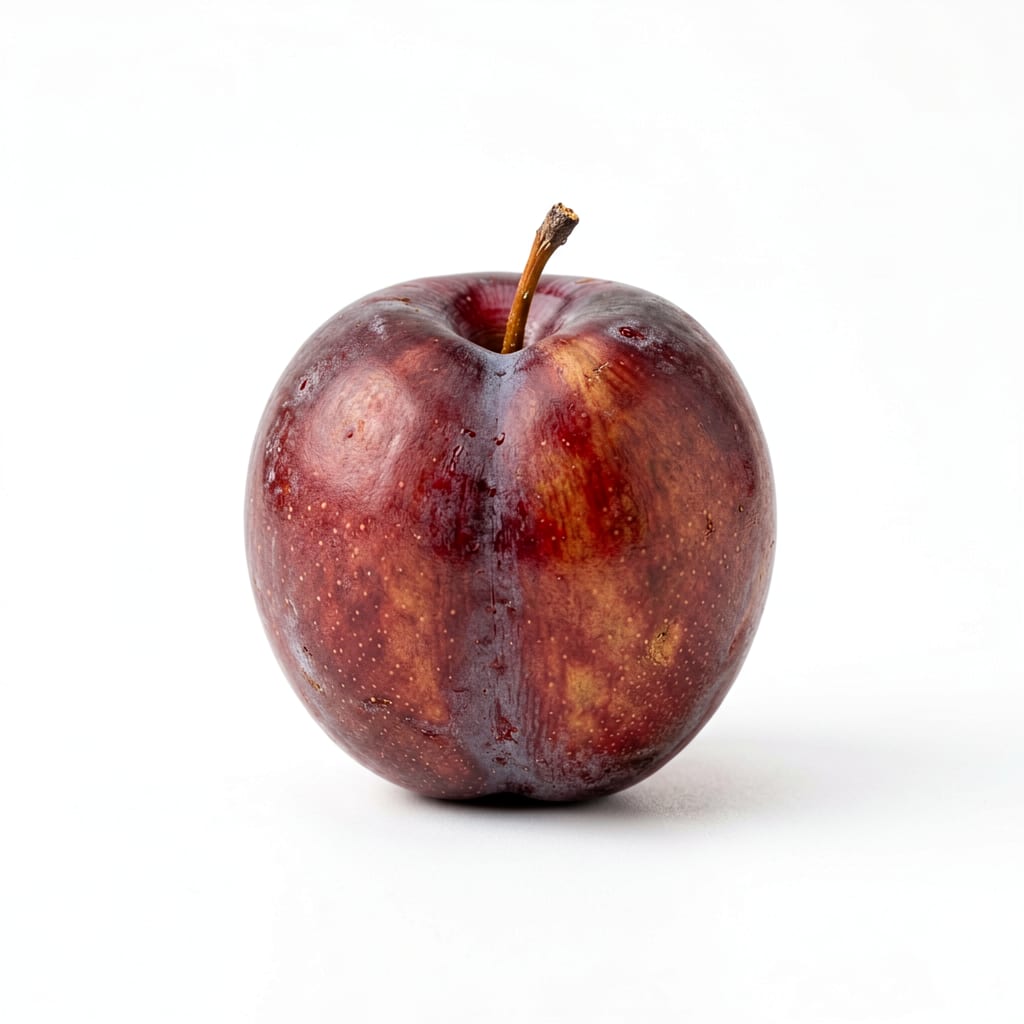
Fruit
Plum
A low-calorie stone fruit rich in antioxidants and digestive-supporting compounds.
A sweet and tart stone fruit with juicy flesh and smooth skin, available in a variety of colors ranging from yellow to deep purple.
low-calorie high-water fruit
Typical serving · 150g
Common varieties · Santa Rosa, Damson, Black, Red, Green Gage +1 more
Overall context score across nutrition, safety, and diet fit
At a glance
Quick facts
Simple indicators based on nutrition, processing, and diet fit.
The story
What makes it unique
Plums are low-calorie, water-rich fruits with moderate fiber and natural sugars. They digest moderately fast due to high water content, but fiber and sorbitol slow the glycemic response. Satiety is moderate. Minimally processed when consumed fresh.
Varieties: Santa Rosa · Damson · Black · Red · Green Gage · Italian Prune
Per 100g
Nutrition breakdown
Macro balance and key metrics at a glance.
Energy
Density 0.46 kcal/g
Protein
Carbs
Fat
Fiber
Sugar
9.9 g
Sodium
0 mg
Potassium
157 mg
Glycemic index
40
Glycemic load
5
Water content
87%
Standout compounds
Nutrient highlights
Vitamin C
moderateSupports immune function and collagen synthesis
Vitamin K
moderateEssential for blood clotting and bone metabolism
Anthocyanins
highReduces oxidative stress and inflammation
Sorbitol
moderateNatural sugar alcohol that promotes digestive regularity
Fiber
moderateSlows digestion and supports gut microbiome health
Wellness map
Health scores & processing
NOVA processing scale
minimally processed · Whole food
Fresh plums are raw, unprocessed whole foods straight from nature.
Diet compatibility
- Weight loss
- Muscle gain
- Diabetes
- Gut health
- Low carb
- High protein
- Heart health
Relative standing
Food rankings
Qualitative ranks compared to similar whole foods.
- Satietygood
- Blood sugarexcellent
- Nutrient densitygood
- Fitness fuelmoderate
- Processing qualityexcellent
Eat with confidence
Food safety profile
Plums are generally safe, but conventional varieties may carry pesticide residues on the skin. Washing thoroughly reduces this risk significantly.
Evidence confidence 90%
- Pesticidesmoderate
- Antibioticslow
- Heavy metalslow
- Contaminationlow
Watch for
- pesticide residues on skin
Safer choices
Organic plums to avoid skin pesticide exposure.
Prep tips
Rinse under running water and gently rub the skin to remove residues and dirt before eating.
Conventional plums frequently test positive for pesticide residues on the skin.
Deep dive
Health analysis
How this food may fit different goals and preparation choices.
Weight loss
Low energy density and high water content allow for larger portions with fewer calories, promoting fullness.
Blood sugar
Low glycemic index means plums cause a slow, steady rise in blood sugar, making them suitable for glucose management.
Fitness & energy
Provides a quick natural sugar boost with minimal fat, useful for light pre-workout fuel.
Gut health
Contains dietary fiber and sorbitol which support healthy digestion and prevent constipation.
Processing quality
Whole, unprocessed food with intact cellular structure and nutrient matrix.
Food safety
Primary concern is pesticide residue on the skin; washing or choosing organic mitigates this.
Common mistakes
Confusing fresh plums with prunes which have vastly different calorie and sugar densities per serving.
Best preparation
Eaten raw with the skin on to maximize fiber and antioxidant intake.
Practical guide
Best use cases
When and how this food fits real eating patterns.
Low-calorie sweet snack
Satisfies sweet cravings with minimal calories and natural sugars.
Pre-workout light fuel
Provides easily digestible carbohydrates for a quick energy boost.
Digestive aid
Fiber and sorbitol help promote regular bowel movements and relieve bloating.
Balance sheet
Pros & cons
Upsides
- Low in calories and energy density
- Rich in antioxidants, especially in dark varieties
- Low glycemic index supports stable blood sugar
- Contains sorbitol for natural digestive relief
- Convenient portable whole food snack
Trade-offs
- Moderate fiber content compared to berries
- Sorbitol can cause bloating or gas in sensitive individuals
- Pesticide residues often concentrate on the skin
Fit check
Who is it for?
Great match
- weight loss diets
- blood sugar management
- light pre-workout snacking
- improving digestive regularity
Consider alternatives
- strict ketogenic diets
- fructose malabsorption
- high-protein diets
Side by side
How it compares
Open the full head-to-head analysis for nutrition, safety, and practical tradeoffs.
This food
Plum
VS95% alike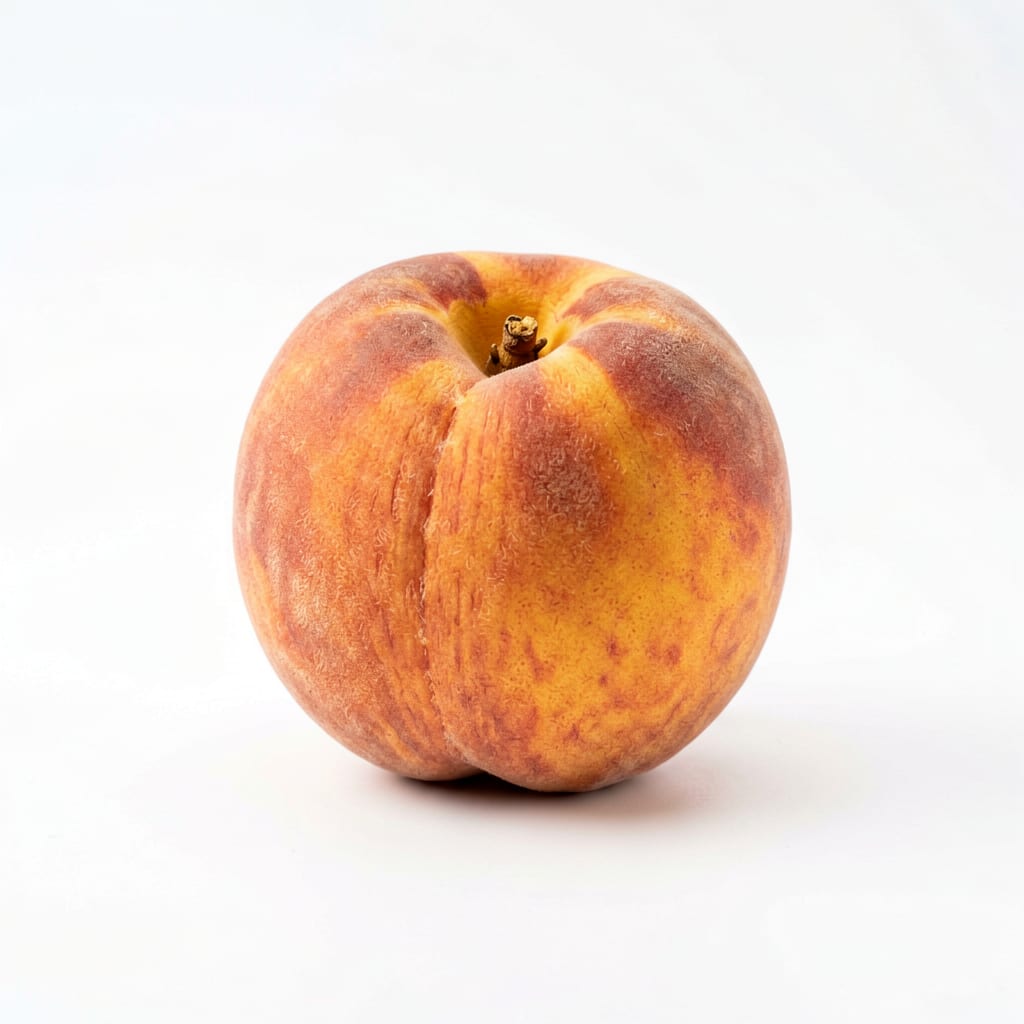
Compare with
Peach
Peaches are slightly higher in calories and potassium, while plums offer more antioxidants in darker skin varieties.
Plums are slightly lower in calories than peaches, but both are excellent low-glycemic fruit choices.
This food
Plum
VS90% alike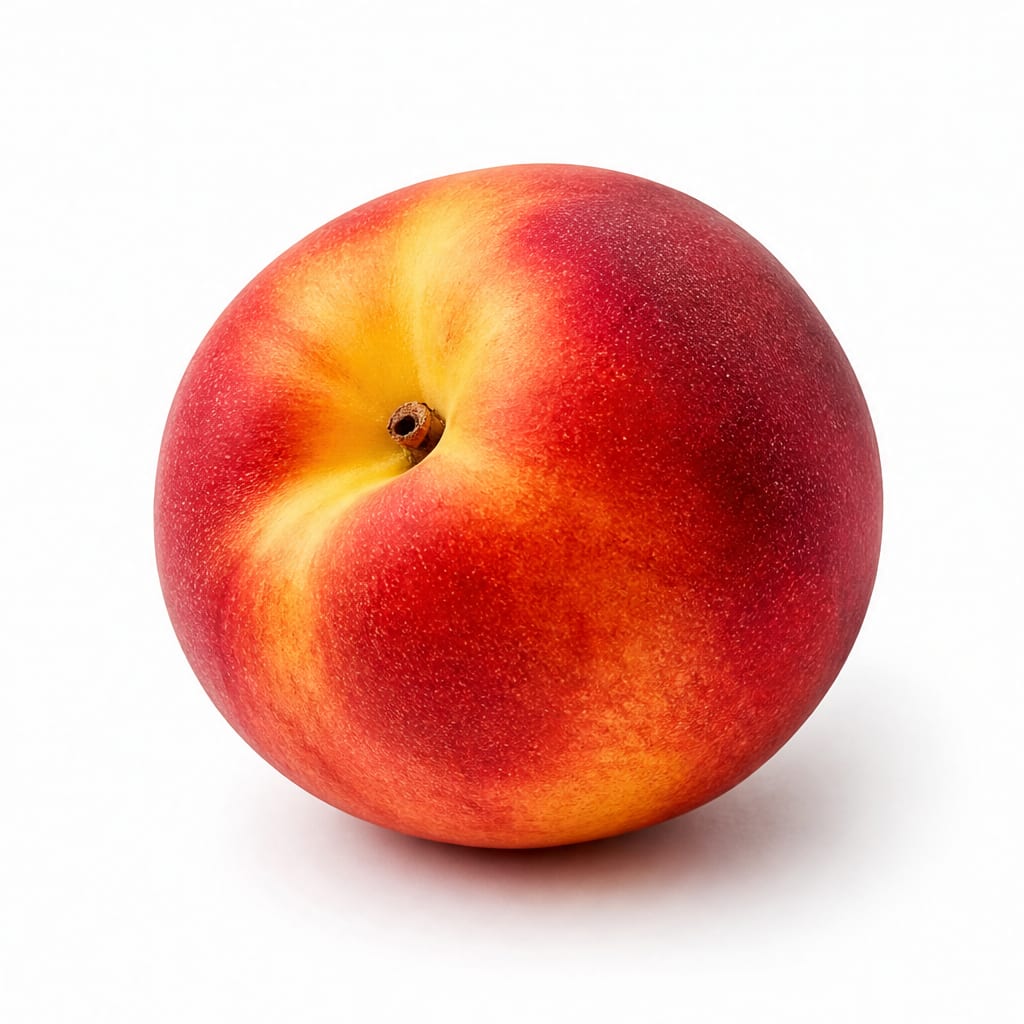
Compare with
Nectarine
Nectarines are slightly higher in fiber, but plums have a lower glycemic index.
Nectarines offer more fiber, but plums are slightly lower in calories and better for blood sugar control.
This food
Plum
VS85% alike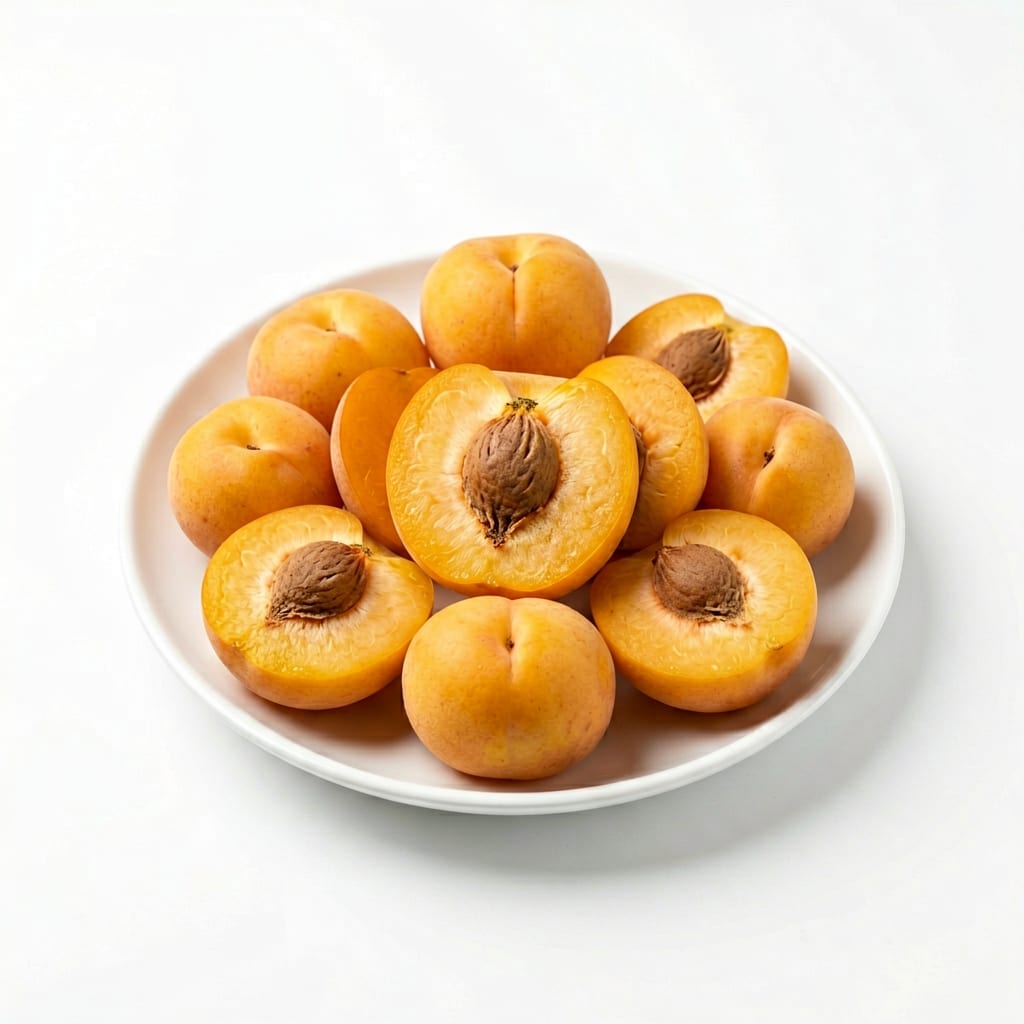
Compare with
Apricot
Apricots are lower in calories and higher in potassium, but plums provide more volume per calorie.
Apricots are lower in calories, but plums offer more water volume for fullness.
This food
Plum
VS80% alike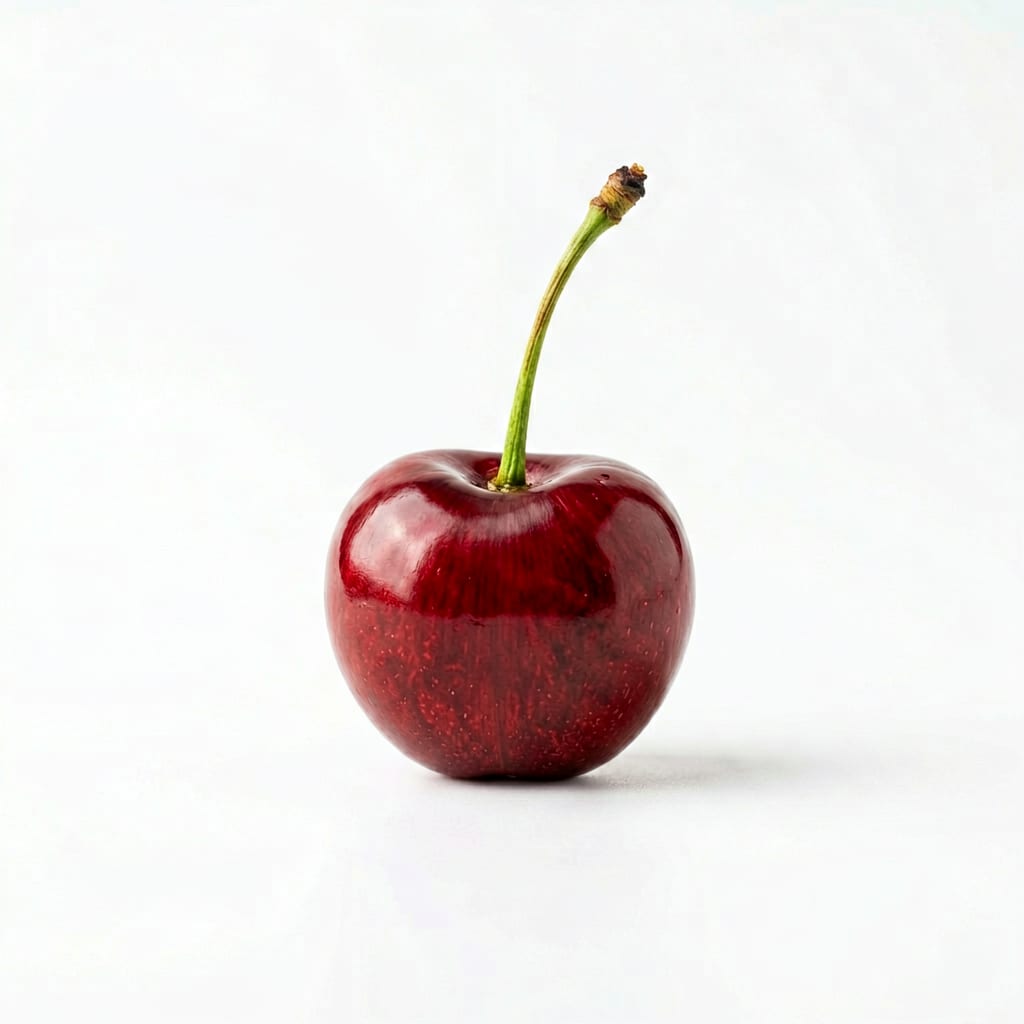
Compare with
Cherry
Cherries are higher in sugar and calories but offer stronger anti-inflammatory benefits; plums are better for weight loss.
Plums are lower in sugar and calories than cherries, making them better for weight loss.
This food
Plum
VS75% alike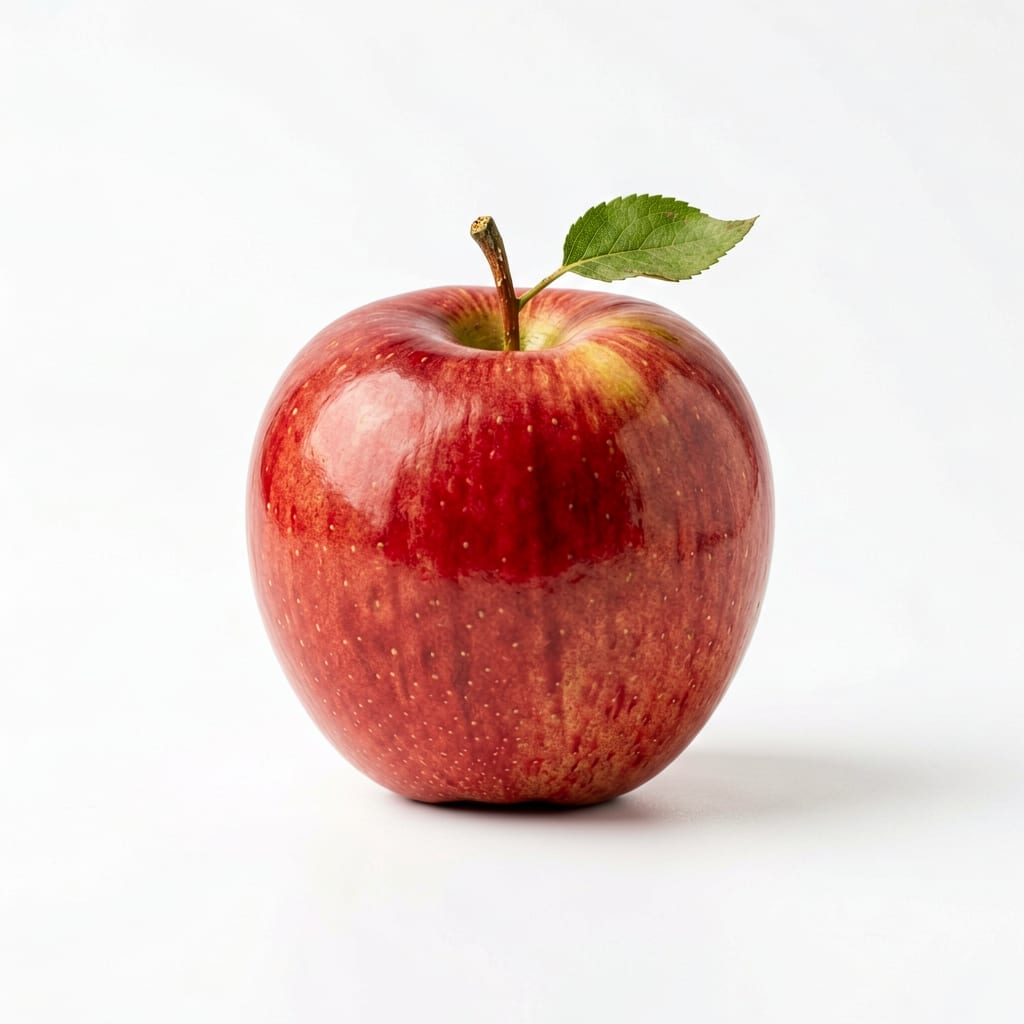
Compare with
Apple
Apples are higher in fiber and satiety, while plums are lower in calories and have a lower glycemic load.
Apples provide more fiber and satiety, but plums are lower in calories and better for blood sugar.
This food
Plum
VS70% alike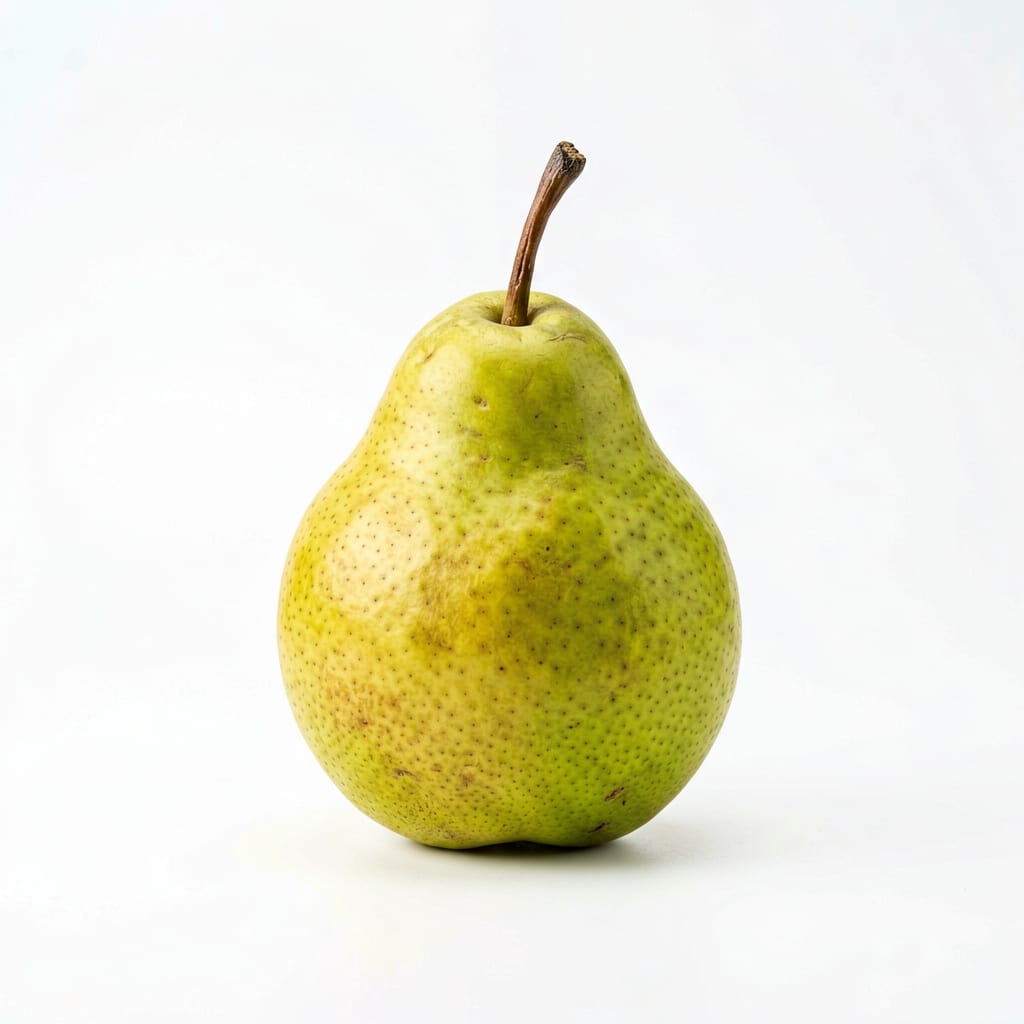
Compare with
Pear
Pears are significantly higher in fiber, but plums contain fewer calories and carbohydrates.
Pears are higher in fiber for fullness, but plums are a lighter, lower-calorie choice.
This food
Plum
VS65% alike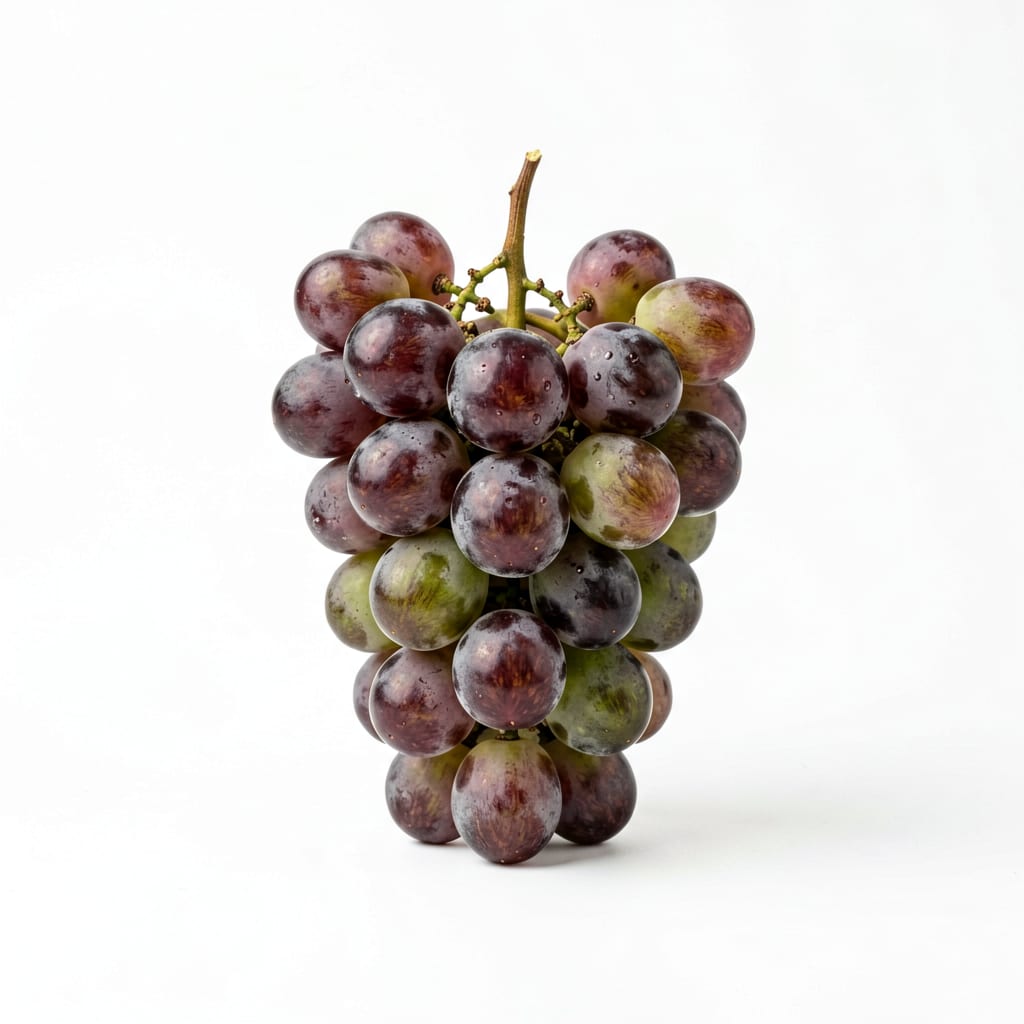
Compare with
Grape
Grapes are much higher in sugar and glycemic load; plums are superior for blood sugar control and weight loss.
Plums are far lower in sugar and calories than grapes, offering better blood sugar control.
This food
Plum
VS60% alike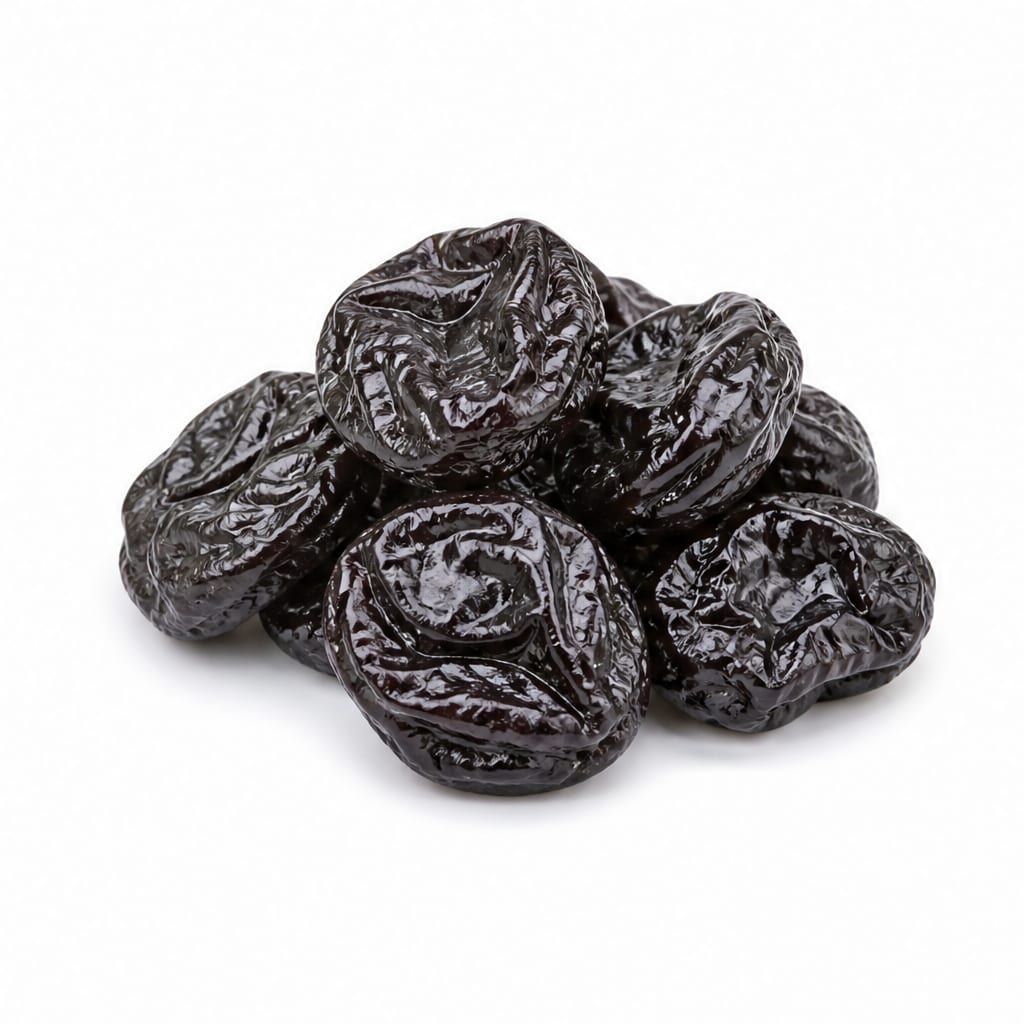
Compare with
Prune
Prunes concentrate the fiber and sugar, making them higher in calories but better for digestion; fresh plums are better for weight loss.
Fresh plums are low in calories and high in water, while prunes are calorie-dense and better for constipation relief.
This food
Plum
VS70% alike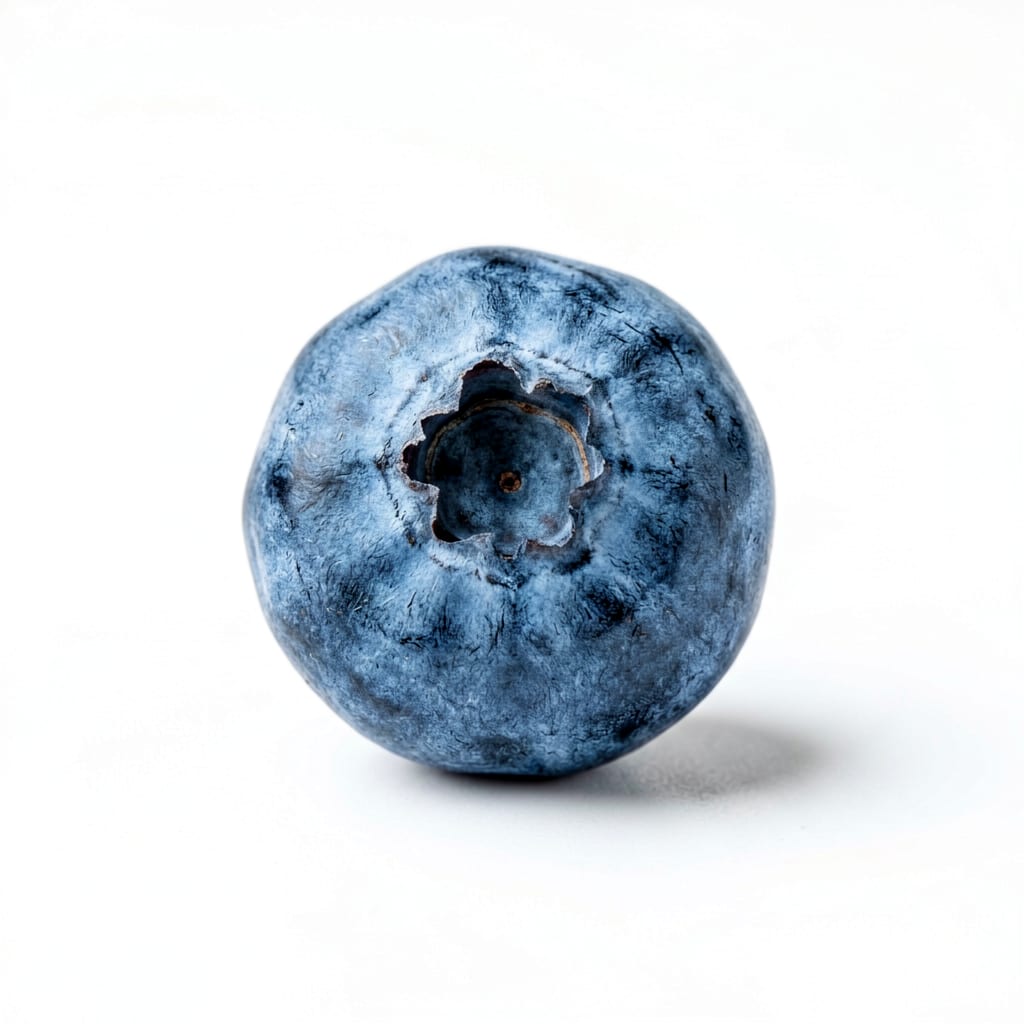
Compare with
Blueberry
Blueberries are higher in sugar and calories but slightly richer in some antioxidants; plums are better for low-calorie diets.
Plums are lower in sugar and calories than blueberries, making them a better weight loss snack.
This food
Plum
VS65% alike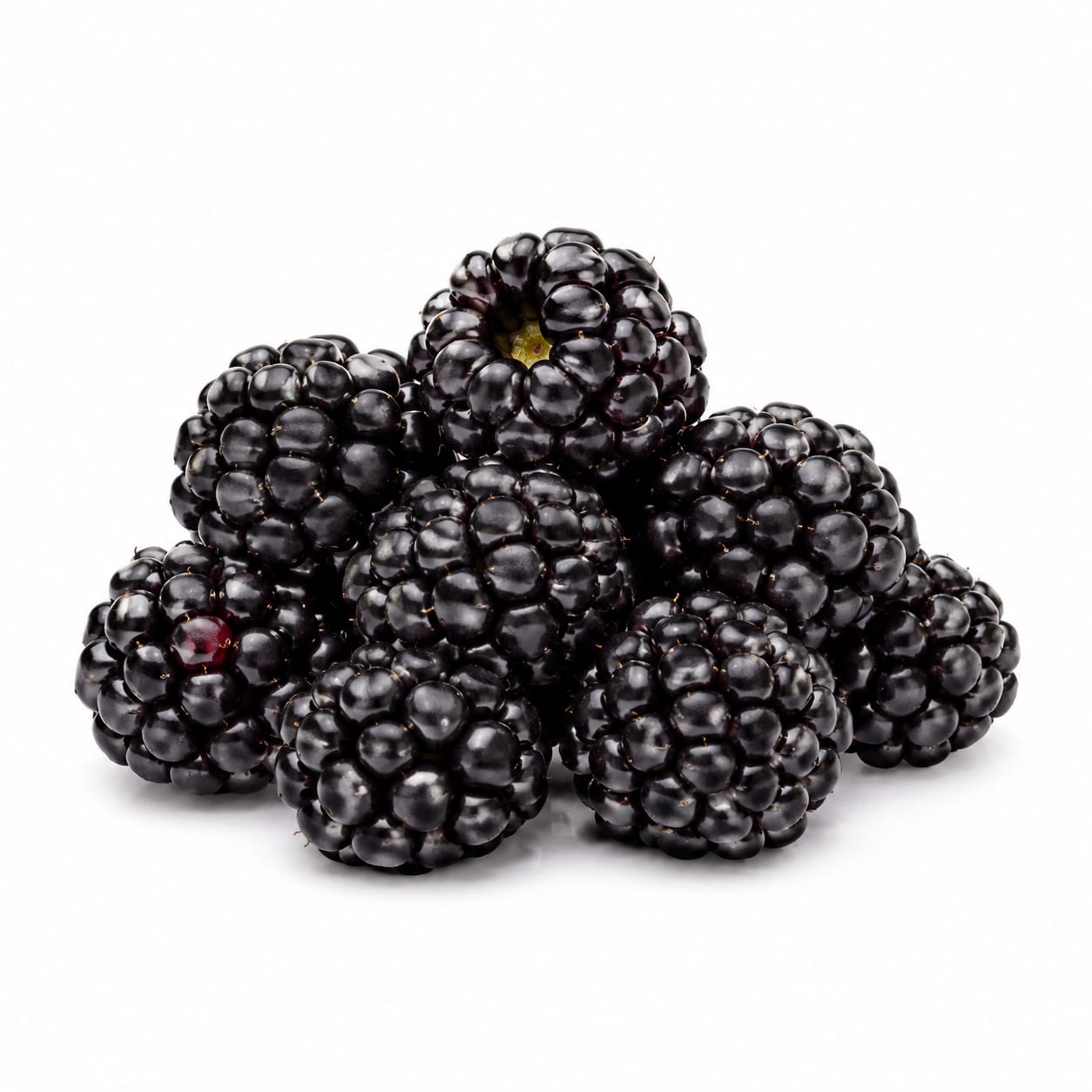
Compare with
Blackberry
Blackberries are much higher in fiber and lower in sugar, making them superior for satiety and blood sugar, though plums are cheaper.
Blackberries offer more fiber and less sugar than plums, providing better satiety and blood sugar control.
Common questions
FAQ
Answers aligned with how people search for this food.
Are plums good for weight loss?
Yes, plums are excellent for weight loss. They are very low in calories and high in water, which helps you feel full without consuming excess energy.
Do plums spike blood sugar?
No, plums have a low glycemic index of about 40. They cause a slow, steady rise in blood sugar rather than a sharp spike.
Are plums good for constipation?
Yes, plums contain both dietary fiber and sorbitol, a natural laxative, which help promote regular bowel movements.
What is the difference between a plum and a prune?
A prune is simply a dried plum. Prunes have a much higher concentration of fiber, sugar, and calories per gram compared to fresh plums.
Should I eat plum skin?
Yes, the skin contains a large portion of the fruit's fiber and antioxidants. Just be sure to wash it thoroughly to remove pesticide residues.
Can diabetics eat plums?
Yes, diabetics can safely eat fresh plums in moderation due to their low glycemic load, which helps manage blood sugar levels.
Are plums anti-inflammatory?
Yes, plums are rich in antioxidants like anthocyanins, particularly in darker varieties, which help reduce inflammation in the body.
How many calories are in a medium plum?
One medium plum (about 66 grams) contains roughly 30 calories, making it a very light snack.
Transparency
Data confidence
Estimated confidence for nutrition data, interpretation, safety notes, and comparisons.
Nutrition data
Health analysis
Food safety
Comparisons