
Nutrition comparison
Plum vs Prune: Which is Healthier for Digestion, Sugar, and Bones?
Compare Plum vs Prune to see which is better for weight loss, constipation, and bone health. Learn the nutritional tradeoffs between fresh and dried fruit.
Overall winner · Prune
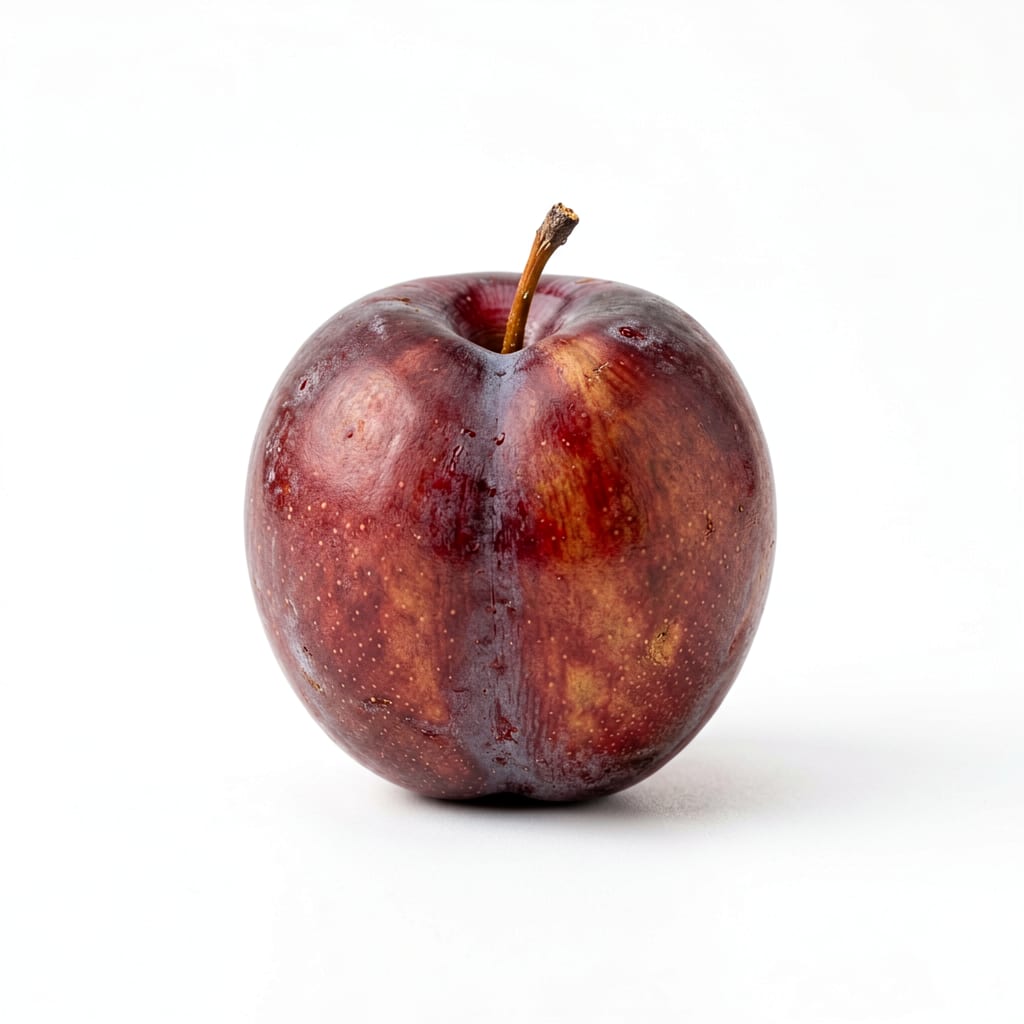
Plum
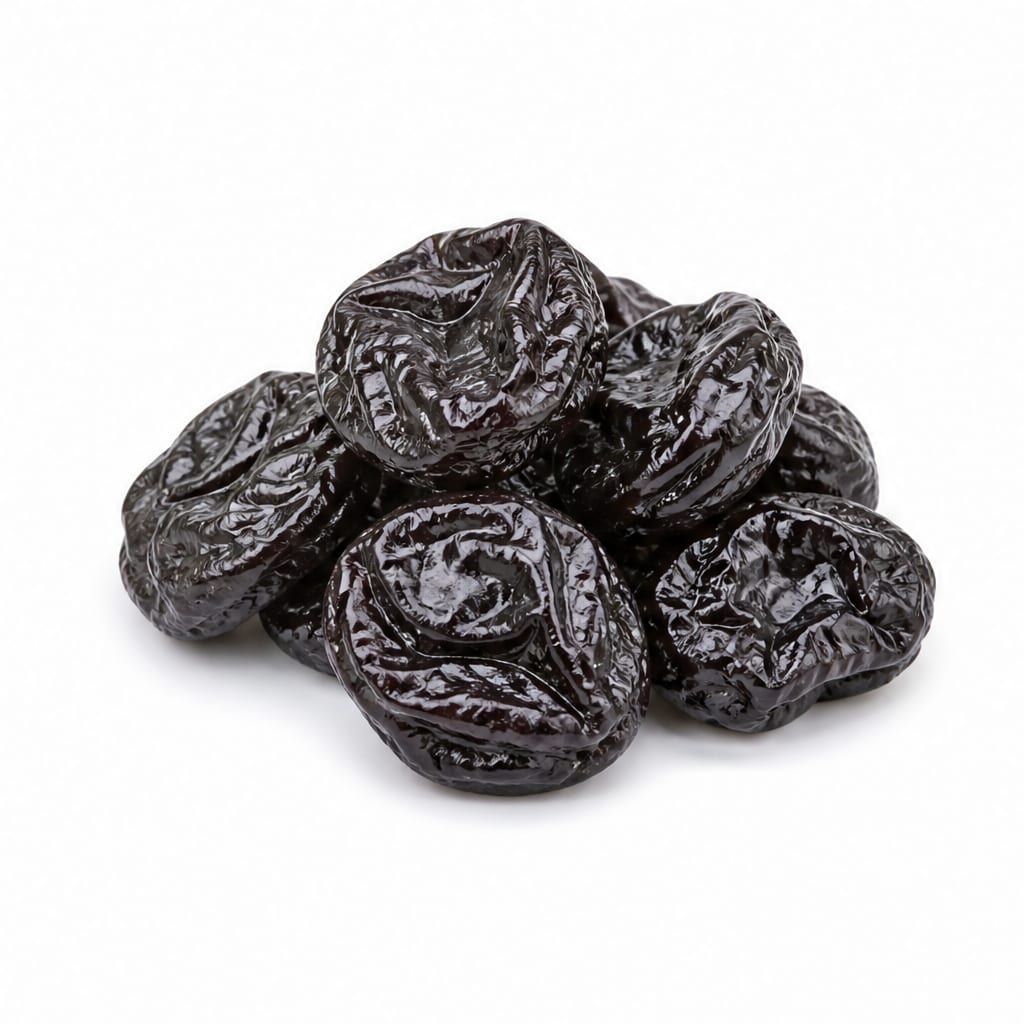
Prune
Prunes win for gut health and nutrient density, but Plums are the better everyday snack if you want something light and hydrating without the sugar spike.
Prune scores higher due to its exceptional fiber, sorbitol, and antioxidant density. Plum scores well for low calorie density and hydration but lacks the targeted health benefits of Prune.
You are choosing between the refreshing, low-calorie bite of a Plum and the concentrated, digestion-boosting power of a Prune.
At a glance
Executive summary
Overall
Prune
Healthier
Prune
More practical
Prune
Daily use
It depends
Key comparison lenses
Digestive regularity and constipation relief
Prunes are famously used as a natural laxative due to high fiber and sorbitol, making this the primary reason people choose them over Plums.
Sugar density and calorie control
Drying concentrates the sugars, making Prunes much higher in calories and sugar per serving than fresh Plums.
Snack convenience and shelf stability
Prunes are portable and last months, while Plums bruise easily and spoil within days.
Best choice for
Plum
- Staying hydrated during hot weather
- Satisfying sweet cravings with minimal calories
- A light, refreshing afternoon snack
Prune
- Relieving constipation naturally
- Boosting bone density in older adults
- A portable, non-perishable hiking snack
Least suitable for
Plum
- Managing severe constipation
- Long-term storage without refrigeration
Prune
- Strict low-carb or low-sugar diets
- People prone to overeating dried fruit
Deep comparison
Dimension by dimension
Each lens scores both foods and breaks down who each option suits.
- Dimension 1 · Priority 95Prune
Digestive Regularity
Plum · 40Prune · 98Prunes are a powerhouse for digestion, while Plums offer only mild support.
Tradeoff
You get unmatched constipation relief from Prunes, but their concentrated sorbitol can cause bloating or gas if you eat too many.
Why it matters
Chronic constipation affects quality of life, and Prunes are one of the most effective natural remedies available.
Real-world impact
Eating 3-4 Prunes a day keeps things moving smoothly; eating the same amount of Plums barely moves the needle.
Plum
- Gentle, everyday fiber intake
Better for
- Resolving digestive sluggishness
Worse for
Prune
- Relieving acute constipation
- Increasing stool frequency
Better for
- Avoiding bloating or loose stools
Worse for
- Dimension 2 · Priority 85Plum
Blood Sugar & Calorie Control
Plum · 88Prune · 55Plums are light and low in sugar per serving; Prunes pack a dense, concentrated sugar hit.
Tradeoff
Prunes give you quick energy and more nutrients per bite, but it is very easy to overeat them and spike your blood sugar.
Why it matters
Dried fruit removes water, shrinking the physical size of the food, which makes it far easier to consume too many calories before feeling full.
Real-world impact
You can comfortably eat three Plums for about 100 calories, but three Prunes feel like barely a handful while packing a much heavier sugar load.
Plum
- Controlling portion sizes
- Managing blood sugar spikes
Better for
- Providing dense, lasting energy
Worse for
Prune
- Quick energy replenishment after exercise
Better for
- Avoiding accidental calorie surplus
Worse for
- Dimension 3 · Priority 75Prune
Convenience & Shelf Life
Plum · 45Prune · 95Prunes are a pantry staple that lasts months; Plums are delicate and spoil fast.
Tradeoff
Prunes sacrifice the fresh, juicy eating experience in exchange for being able to sit in your desk drawer or backpack indefinitely.
Why it matters
If a healthy snack isn't convenient and durable, it often gets replaced by processed junk food.
Real-world impact
A Plum gets mushy and bruised in a lunchbox by noon, while a Prune stays perfectly intact for weeks in a bag.
Plum
- No sticky fingers while eating
Better for
- Last-minute packing
Worse for
Prune
- Travel and hiking snacks
- Emergency pantry storage
Better for
- A refreshing, thirst-quenching bite
Worse for
- Dimension 4 · Priority 70Prune
Bone Health
Plum · 35Prune · 85Prunes have unique compounds linked to preventing bone loss, an area where fresh Plums fall short.
Tradeoff
You would need to eat a lot of fresh Plums to get the bone-protective antioxidants found in a small serving of Prunes.
Why it matters
Osteoporosis is a major risk for aging adults, and Prunes are one of the only fruits with clinical evidence supporting bone density preservation.
Real-world impact
Eating 5-6 Prunes daily has been shown to slow bone breakdown in older adults, making them a smart daily habit for long-term mobility.
Plum
- Providing vitamin C which aids collagen formation for joints
Better for
- Providing therapeutic bone benefits
Worse for
Prune
- Supporting aging bones
- Delivering concentrated antioxidants
Better for
- Getting enough hydration for overall tissue health
Worse for
Timeline
Health impact over time
Short-term
Hours to days
Plum
- Quick hydration and a light, refreshing feeling
- Mild blood sugar rise without a heavy crash
Prune
- Noticeable relief from constipation within hours
- Potential for gas or bloating if you overeat them
Long-term
Months to years
Plum
- Supports healthy skin from vitamin C and hydration
- Easier weight maintenance due to low calorie density
Prune
- Improved bone mineral density
- Better long-term digestive regularity
Risk profile
Safety & processing
Plums are raw and straight from the tree. Prunes are simply dried Plums, which is a natural preservation method, though some brands add preservatives like potassium sorbate.
Plum
Pesticide residue
mediumConventional Plums often have pesticide residues on their delicate skin, so washing thoroughly or choosing organic is advisable.
Prune
Sulfite sensitivity
mediumSome dried fruits are treated with sulfites to preserve color, which can trigger asthma or allergies in sensitive people. Look for unsulphured Prunes.
Dental caries
lowThe sticky, concentrated sugar in Prunes can cling to teeth, increasing cavity risk if you don't rinse or brush after eating.
Who wins for whom
Audience fit
Same foods, different winners depending on your goal.
children
PlumKids love the juicy sweetness of fresh Plums, and they are less likely to cause sticky tooth decay or tummy aches from overeating.
daily consumption
It dependsA Plum a day is great for hydration and light snacking; a Prune a day is better if you need digestive support or bone protection.
diabetes
PlumPlums have a lower glycemic load per serving and are easier to portion control than the concentrated sugars in Prunes.
elderly
PrunePrunes directly address two major elderly health concerns: constipation and bone density loss.
muscle gain
It dependsNeither is a protein source, but Prunes offer quicker, denser carbs for post-workout glycogen replenishment.
weight loss
PlumPlums provide more volume and water for fewer calories, making them far more satisfying when cutting calories.
Your move
Decision guide
Choose Plum
- You want a refreshing, hydrating snack on a hot day
- You are watching your calorie or sugar intake closely
- You need a fresh fruit that won't cause bloating
Choose Prune
- You struggle with irregularity or constipation
- You need a durable, non-perishable snack for travel
- You are an older adult focused on preserving bone density
Either works if
- You just want a whole-food sweet treat after dinner
- You are looking for antioxidants and general fruit intake
Avoid both if
- You are on a strict very-low-carb or ketogenic diet
Final recommendation
Keep both on hand: Plums in the fruit bowl for fresh, low-calorie snacking, and Prunes in the pantry for digestion and bone support. If you must pick one for overall health impact, Prune edges out Plum due to its proven long-term benefits for bones and gut health.
Practical
Consumer tips
- 1
Buy unsulphured Prunes to avoid potential sulfite reactions and unnecessary preservatives.
- 2
If Plums aren't perfectly ripe, leave them on the counter at room temperature until they soften slightly.
- 3
Limit Prunes to 3-5 per day to get the digestive benefits without triggering bloating or excess sugar intake.
- 4
Wash Plums thoroughly under running water to remove pesticide residues from the delicate skin.