
Nutrition comparison
Plum vs Cherry: Which Is Healthier for You?
Plums offer better fiber, digestion support, and portion control. Cherries deliver more antioxidants, anti-inflammatory benefits, and natural melatonin. See which fits your goals.
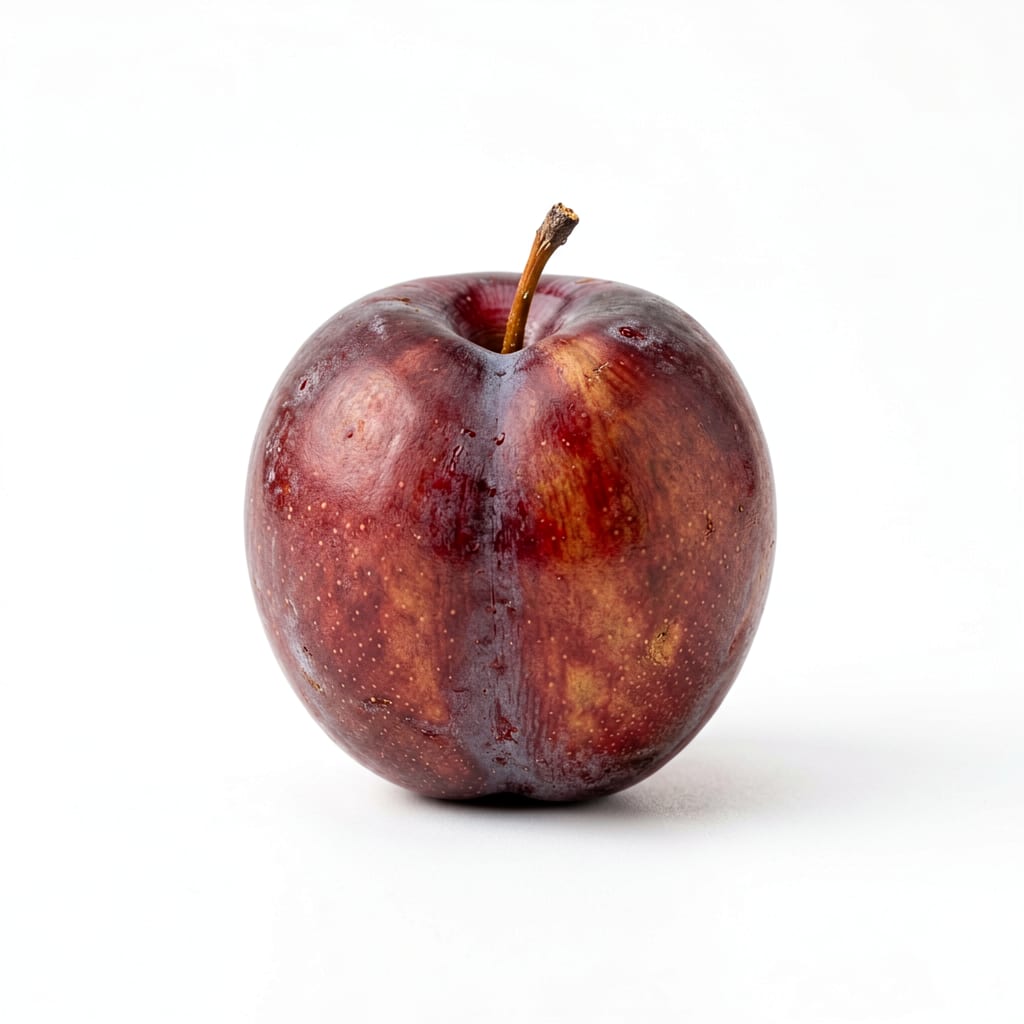
Plum
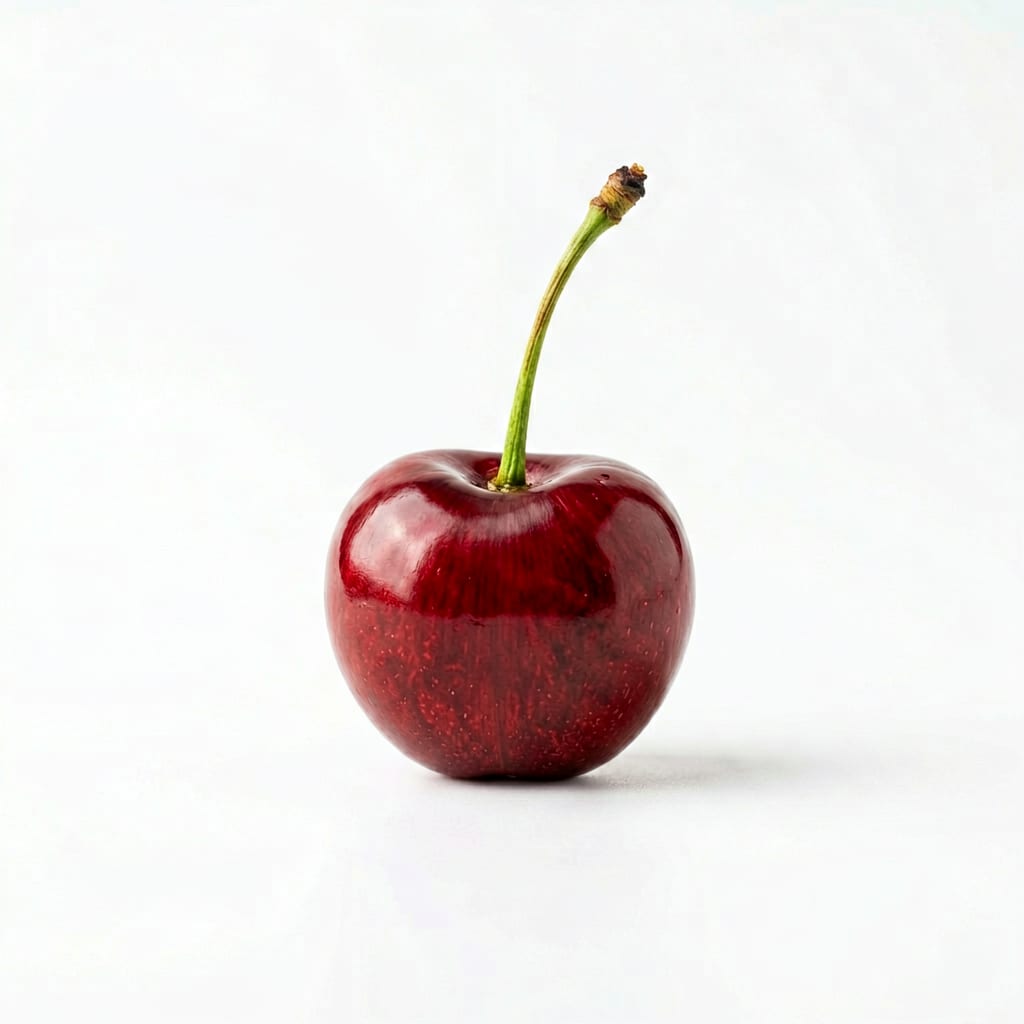
Cherry
Cherries win on antioxidants and recovery; plums win on fiber, digestion, and lower sugar per serving.
Plums edge ahead slightly for everyday eating due to better portion control, lower sugar, and digestive benefits. Cherries are more potent per gram for specific health goals but their small size and high palatability make overconsumption likely.
Cherries offer more anti-inflammatory power and sleep support but are easier to overeat due to size. Plums provide better digestive support and steadier blood sugar with built-in portion control.
At a glance
Executive summary
Overall
It depends
Healthier
It depends
More practical
Plum
Daily use
Plum
Key comparison lenses
antioxidant and anti inflammatory benefits
Both fruits are prized for their polyphenol content, but cherries—especially tart varieties—are heavily researched for inflammation and recovery
sugar and blood sugar management
Users comparing stone fruits often care about sugar load, especially for snacking or diabetes management
portion control and overeating risk
Cherries are small and easy to eat by the handful; plums are larger and naturally self-limiting
digestive health
Plums are known for their laxative effect and sorbitol content, which matters for digestion-sensitive users
sleep and recovery
Cherries contain natural melatonin, making them unique among fruits for sleep and athletic recovery
Best choice for
Plum
- People managing blood sugar or watching sugar intake
- Anyone needing digestive regularity
- Those who struggle with portion control
- Budget-conscious snackers
Cherry
- Athletes focused on recovery and reducing inflammation
- People with sleep difficulties
- Those seeking maximum antioxidant density
- Joint pain or gout sufferers
Least suitable for
Plum
- People with sorbitol sensitivity or IBS
- Those seeking maximum anti-inflammatory impact
Cherry
- People strictly limiting sugar who struggle to stop eating
- Those on tight grocery budgets
- Anyone with fructose malabsorption issues
Deep comparison
Dimension by dimension
Each lens scores both foods and breaks down who each option suits.
- Dimension 1 · Priority 92Cherry
antioxidant_and_anti_inflammatory_power
Plum · 62Cherry · 88Cherries deliver significantly more anthocyanins and are one of the best-studied fruits for reducing inflammation and muscle soreness.
Tradeoff
You get more antioxidant bang per bite with cherries, but you need to eat more of them to feel the effect, which means more sugar.
Why it matters
Chronic inflammation drives joint pain, heart disease, and aging. Cherries are one of the few fruits with clinical evidence for reducing markers like CRP and uric acid.
Real-world impact
Tart cherry juice or a bowl of cherries after exercise can meaningfully reduce next-day soreness. Plums offer mild benefits but nothing comparable.
Plum
- General fruit intake without a specific anti-inflammatory goal
Better for
- Targeted anti-inflammatory protocols
Worse for
Cherry
- Post-workout recovery
- Gout and uric acid management
- Chronic inflammation reduction
Better for
- Those who assume all fruit is equally anti-inflammatory
Worse for
- Dimension 2 · Priority 85Plum
sugar_and_blood_sugar_impact
Plum · 78Cherry · 58A single plum has roughly 7g of sugar versus a cup of sweet cherries at 18g. Plums are easier on blood sugar per typical serving.
Tradeoff
Cherries taste sweeter and are more rewarding to eat, but a handful quickly becomes two or three handfuls, pushing sugar intake past what you'd get from a plum.
Why it matters
Blood sugar spikes from concentrated sugar—even natural—can trigger cravings, energy crashes, and fat storage, especially when eaten alone.
Real-world impact
Eating one plum feels like a snack. Eating one cup of cherries feels like a taste—most people keep going until they've had 2-3 cups.
Plum
- Steadier afternoon energy
- Diabetes-friendly snacking
- Controlling total daily sugar
Better for
- Those wanting a sweet treat that feels indulgent
Worse for
Cherry
- Quick pre-exercise fuel when you want natural sugar
Better for
- Mindless snacking while watching TV or working
- Anyone tracking sugar carefully
Worse for
- Dimension 3 · Priority 78Plum
fiber_and_digestive_health
Plum · 82Cherry · 55Plums provide more fiber per serving and contain sorbitol, a natural compound that stimulates bowel movements. Cherries offer modest fiber.
Tradeoff
Plums are genuinely helpful for constipation but can cause bloating or loose stools in sensitive people. Cherries are gentler on digestion but less effective for regularity.
Why it matters
Digestive regularity affects energy, mood, and comfort daily. A food that actively helps is more valuable than one that merely doesn't hurt.
Real-world impact
One or two plums in the morning can reliably get things moving. Cherries would require a large quantity for a similar effect.
Plum
- Morning digestive routine
- Occasional constipation relief
- Getting more fiber without supplements
Better for
- People prone to diarrhea or sorbitol intolerance
- Those with FODMAP sensitivities
Worse for
Cherry
- Those with IBS or sorbitol sensitivity
- Gentle snacking without digestive surprises
Better for
- Anyone relying on fruit for digestive regularity
Worse for
- Dimension 4 · Priority 72Cherry
sleep_and_recovery
Plum · 35Cherry · 85Cherries—especially tart varieties—are one of the few natural food sources of melatonin and have been shown to improve sleep duration and quality.
Tradeoff
The sleep benefit is real but requires consistent intake. Sweet cherries have less melatonin than tart, and you need a meaningful serving, not just a few.
Why it matters
Sleep quality affects everything from appetite regulation to immune function. A food that actively supports sleep is rare and valuable.
Real-world impact
A handful of tart cherries or tart cherry juice in the evening can help you fall asleep faster and sleep more soundly. Plums offer no comparable benefit.
Plum
- Not applicable—plums have no meaningful sleep benefit
Better for
- Those specifically seeking sleep-supportive foods
Worse for
Cherry
- Evening snacking with a purpose
- Athletes needing better recovery sleep
- Anyone with mild insomnia looking for food-based support
Better for
- People who assume all cherries are equal—sweet cherries have much less melatonin than tart
Worse for
- Dimension 5 · Priority 75Plum
portion_control_and_practicality
Plum · 80Cherry · 50One plum is a satisfying, self-contained snack. Cherries are bite-sized and nearly impossible to stop eating once you start.
Tradeoff
Plums feel like a complete snack experience. Cherries are more fun to eat but rarely stop at a reasonable portion without conscious effort.
Why it matters
The healthiest food in the world won't help if you eat three servings without noticing. Portion design matters for long-term adherence.
Real-world impact
A plum is grab-and-go—one item, done. A bag of cherries disappears during one episode of a show, and suddenly you've had 60g of sugar.
Plum
- Lunchbox packing
- Mindful snacking
- Controlling calorie and sugar intake effortlessly
Better for
- Those wanting a snack that lasts longer
Worse for
Cherry
- Social snacking and sharing
- Grazing situations where you want something light
Better for
- Anyone who struggles with stopping eating palatable foods
- Calorie or sugar tracking without a food scale
Worse for
- Dimension 6 · Priority 65Plum
value_and_accessibility
Plum · 75Cherry · 50Plums are generally cheaper per pound and available most of the year. Cherries—especially quality ones—are expensive and have a short season.
Tradeoff
Cherries cost more but feel more special and indulgent. Plums are a practical everyday fruit that won't strain your grocery budget.
Why it matters
A healthy food only works if you can afford to eat it regularly. Cost determines whether a food becomes a habit or an occasional treat.
Real-world impact
A pound of plums typically costs half what a pound of cherries costs. For daily fruit intake, that difference adds up over weeks and months.
Plum
- Weekly meal prep on a budget
- Consistent daily fruit habits
Better for
- Those wanting a premium fruit experience
Worse for
Cherry
- Special occasions and seasonal enjoyment
- When cost is not a concern
Better for
- Families feeding multiple people
- Anyone building a sustainable daily fruit habit on a budget
Worse for
Timeline
Health impact over time
Short-term
Hours to days
Plum
- Provides steady energy without a sugar crash due to moderate sugar and decent fiber
- Can stimulate bowel movement within hours due to sorbitol content
- Mildly hydrating with high water content
Cherry
- Delivers a quicker sugar boost that can feel energizing but may lead to a crash if eaten in large quantities
- Anti-inflammatory effects begin within hours of consumption, especially tart varieties
- May promote drowsiness if eaten in the evening due to melatonin content
Long-term
Months to years
Plum
- Improved digestive regularity with consistent intake
- Moderate antioxidant support for cellular health
- Better blood sugar management compared to higher-sugar fruits
Cherry
- Reduced markers of inflammation with regular consumption
- Potential improvement in sleep quality and duration over time
- Possible reduction in gout flare frequency for susceptible individuals
Risk profile
Safety & processing
Both plums and cherries are whole, unprocessed fruits you can eat straight from the tree. Neither typically contains additives in fresh form. The main concern is pesticide residue—both appear on the EWG's Dirty Dozen list, so organic matters more here than for thicker-skinned fruits.
Plum
pesticide_residue
mediumPlums rank moderately for pesticide residue. Thin skin allows more absorption. Washing helps but doesn't eliminate all residues. Organic is worthwhile if affordable.
sorbitol_intolerance
lowSorbitol is safe for most people but can cause gas, bloating, or diarrhea in sensitive individuals, especially in larger amounts.
Cherry
pesticide_residue
highCherries consistently rank high for pesticide residue on the EWG Dirty Dozen list. Thin skin and small size make thorough washing difficult. Organic is strongly recommended.
pit_choking_hazard
mediumCherry pits pose a real choking risk for young children and can crack teeth if bitten accidentally. Always pit cherries before serving to kids.
Who wins for whom
Audience fit
Same foods, different winners depending on your goal.
children
PlumPlums are easier to portion, have no pit choking hazard, and their mild sweetness is kid-friendly without excess sugar.
daily consumption
PlumPlums are more affordable, easier to portion, and gentler on daily sugar totals. Cherries are better as a targeted supplement than a daily staple.
diabetes
PlumLower sugar per serving, more fiber, and better portion predictability make plums the safer choice for blood sugar management.
elderly
PlumDigestive regularity becomes more important with age, and plums actively support this. Lower sugar is also beneficial for metabolic health in older adults.
muscle gain
CherryCherries' anti-inflammatory and recovery benefits support training adaptation. The sugar also provides useful post-workout carbs.
weight loss
PlumPlums have fewer calories per serving and built-in portion control. One plum is satisfying; a handful of cherries rarely is.
Your move
Decision guide
Choose Plum
- You want a reliable everyday fruit that won't blow your sugar budget
- Digestive regularity is a priority
- You struggle with portion control and need a self-limiting snack
- You're feeding kids and want something safe and simple
- You're watching your grocery spending
Choose Cherry
- You're an athlete focused on recovery and reducing inflammation
- Sleep quality is a concern and you want food-based support
- You have gout or high uric acid and need dietary management
- You want the most antioxidant-dense fruit option
- You can afford organic and can eat them mindfully
Either works if
- You just want a healthy whole fruit snack and have no specific health goal
- You enjoy variety and can rotate both seasonally
- Blood sugar and digestion are not concerns for you
Avoid both if
- You have a severe fructose intolerance or FODMAP sensitivity
- You're on a very low-carb or ketogenic diet and can't spare the carbs
- You have a stone fruit allergy (birch pollen syndrome)
Final recommendation
Keep plums as your daily driver and treat cherries as a targeted tool. Eat a plum when you want a satisfying, low-sugar snack that supports digestion. Reach for cherries—ideally tart—after exercise, during gout flare prevention, or in the evening when their melatonin content can help you wind down. Both are excellent whole fruits; the key is matching each to its real strength rather than treating them as interchangeable.
Practical
Consumer tips
- 1
Buy organic for both fruits if possible—they both have thin skins that absorb pesticides, and cherries especially rank high for residue
- 2
If organic cherries are too expensive, soak conventional ones in a baking soda solution for 12-15 minutes to reduce surface pesticides
- 3
Tart cherries have far more melatonin and anthocyanins than sweet cherries—if you're eating them for recovery or sleep, go tart
- 4
Freeze cherries when they're in season and cheap; they retain most of their antioxidant content and work great in smoothies
- 5
Don't eat more than 2-3 plums at once if you're sensitive to sorbitol—bloating and bathroom urgency can hit fast
- 6
Pit cherries before giving them to children under 5—a cherry pitter costs under $10 and takes seconds per batch