
Nutrition comparison
Pear vs Plum: Which Fruit Is Healthier for You?
Compare pear and plum nutrition including fiber, antioxidants, blood sugar impact, and satiety. Find out which fruit fits your health goals better.
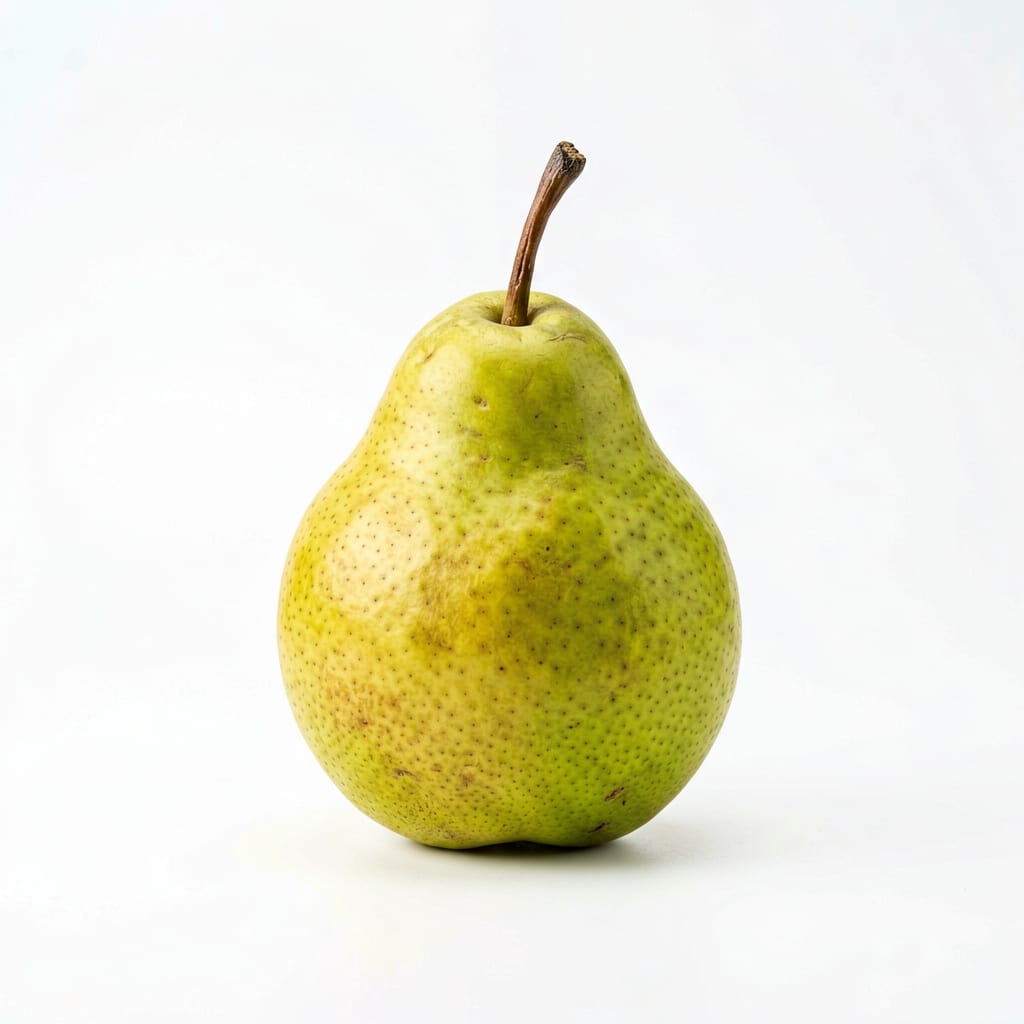
Pear
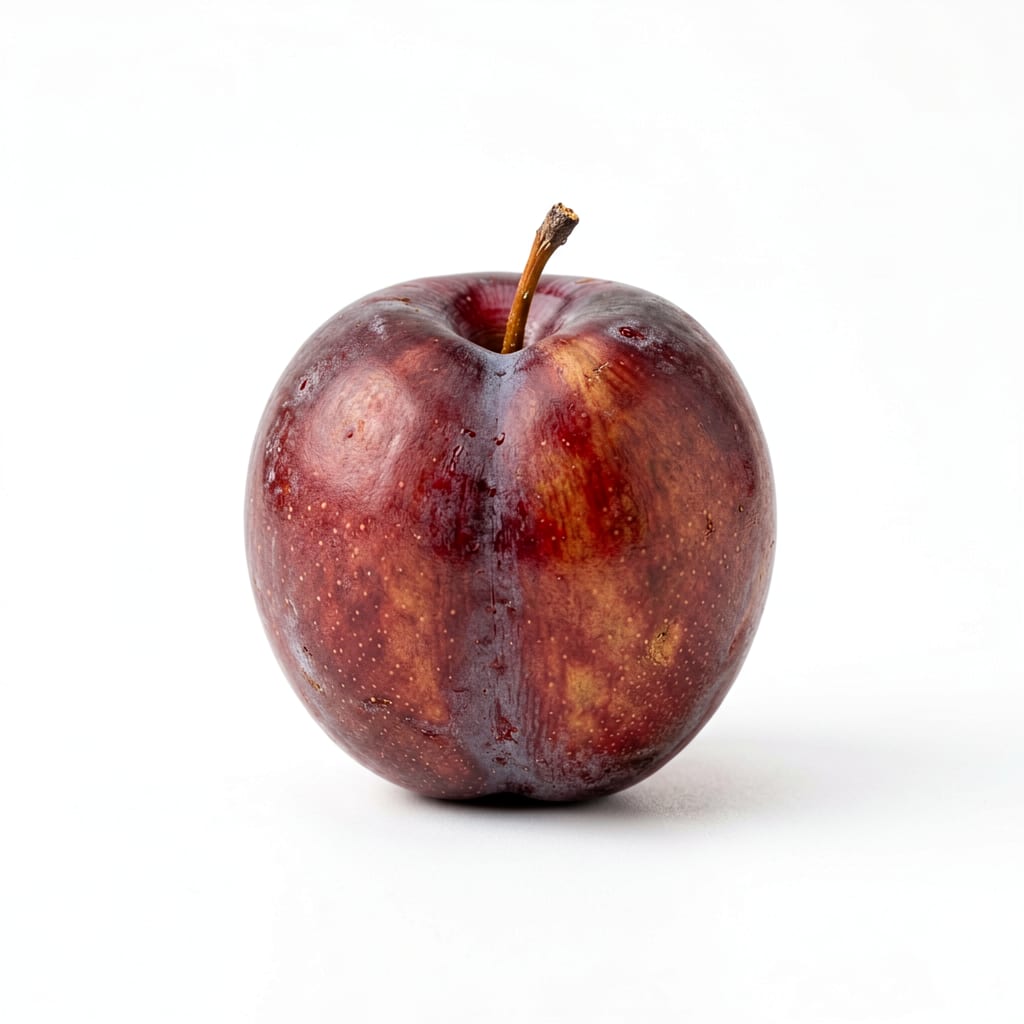
Plum
Pears win on fiber and fullness; plums win on antioxidants and calorie efficiency. Pick based on what your body needs most.
Pears edge ahead on fiber, satiety, and blood sugar stability. Plums compete strongly with antioxidants and lower calories. The gap is small because both are genuinely healthy whole fruits.
You choose between sustained satiety and gut support with pears, or a lighter antioxidant-rich bite with plums.
At a glance
Executive summary
Overall
It depends
Healthier
It depends
More practical
Plum
Daily use
Pear
Key comparison lenses
digestive health and fiber
Pears are notably higher in fiber, making gut health the most meaningful differentiator between these two fruits
blood sugar management
Both are sweet fruits, so understanding their glycemic impact matters for daily snacking decisions
antioxidant and antiaging benefits
Plums deliver concentrated anthocyanins that pears lack, making this a key tradeoff
weight management and satiety
Calorie density and fullness differ enough to influence snacking behavior
portability and convenience
Size and durability differences affect real-world eating habits
Best choice for
Pear
- People managing constipation or irregular digestion
- Anyone needing a filling afternoon snack to avoid overeating
- Those seeking steadier blood sugar from fruit
- Active individuals wanting longer-lasting energy
Plum
- People prioritizing antioxidant and anti-aging benefits
- Those counting calories who want a sweet treat with less impact
- Anyone wanting a portable, low-mess snack
- People who prefer smaller portion sizes
Least suitable for
Pear
- People with fructose malabsorption or IBS triggers
- Those wanting a very low-calorie snack option
- Anyone needing something pocket-sized and durable
Plum
- People who need something filling to bridge long gaps between meals
- Those with sorbitol sensitivity or loose stools
- Anyone wanting significant fiber per serving
Deep comparison
Dimension by dimension
Each lens scores both foods and breaks down who each option suits.
- Dimension 1 · Priority 92Pear
Fiber and Digestive Health
Pear · 88Plum · 62A medium pear delivers roughly 6 grams of fiber versus 2 grams in two plums. That difference is felt within hours of eating.
Tradeoff
Pears keep you regular and full longer, but their higher fructose load can bother sensitive stomachs. Plums offer gentler fiber but rely more on sorbitol, which stimulates digestion differently.
Why it matters
Most people fall short on daily fiber. Choosing pears closes that gap faster and more consistently.
Real-world impact
Eating a pear at lunch means you are less likely to crave a snack by 3pm. Two plums might leave you hungry again within an hour.
Pear
- Constipation relief
- Sustained fullness between meals
- Feeding beneficial gut bacteria with soluble fiber
Better for
- Fructose-sensitive individuals may experience bloating
Worse for
Plum
- Gentle stimulation of bowel movements via sorbitol
- Lighter digestive feel after eating
Better for
- Sorbitol can cause loose stools in larger quantities
- Insufficient fiber for those relying on fruit as a primary source
Worse for
- Dimension 2 · Priority 85Pear
Blood Sugar Stability
Pear · 78Plum · 70Pears have a lower glycemic index around 36, while plums sit closer to 40. Both are low, but pears provide a slower energy release.
Tradeoff
Pears release energy more gradually thanks to their fiber-to-sugar ratio. Plums digest faster, which can feel refreshing but may trigger sooner hunger.
Why it matters
For anyone watching blood sugar, the difference between a slow burn and a quicker spike matters across dozens of snacks per month.
Real-world impact
A pear at 10am carries you to lunch more smoothly. Plums give a quicker lift that fades faster, potentially leading to a second snack.
Pear
- Steadier energy without the crash
- Better for prediabetics choosing fruit
- More predictable blood sugar response
Better for
- Larger portion means more total carbs if you eat the whole pear
Worse for
Plum
- Quick light energy before a short workout
- Less total sugar per serving for strict low-carb approaches
Better for
- Faster digestion can mean quicker return of hunger
Worse for
- Dimension 3 · Priority 78Plum
Antioxidant and Anti-Aging Power
Pear · 58Plum · 84Dark-skinned plums are packed with anthocyanins and phenolic compounds that pears simply do not match. Dried plums amplify this further.
Tradeoff
Plums deliver concentrated cell-protecting compounds in a small package. Pears offer some antioxidants but are comparatively mild in this department.
Why it matters
Daily antioxidant intake compounds over years. Small consistent choices like choosing plums can meaningfully reduce oxidative stress.
Real-world impact
Eating plums regularly is like adding a small daily shield against cellular aging. Pears contribute less here despite their other strengths.
Pear
- Mild anti-inflammatory contribution from vitamin C and copper
Better for
- Lacks the deep pigment compounds linked to longevity benefits
Worse for
Plum
- Anthocyanins for brain and heart protection
- Chlorogenic acid for anti-inflammatory benefits
- Better oxidative stress defense per calorie consumed
Better for
- Antioxidant content varies significantly by variety and ripeness
Worse for
- Dimension 4 · Priority 75Pear
Satiety and Calorie Efficiency
Pear · 80Plum · 68A medium pear costs about 100 calories and keeps you full for hours. Two plums cost roughly 60 calories but leave you wanting more sooner.
Tradeoff
Pears give more fullness per fruit. Plums give fewer calories per serving but require portion discipline since they are easy to overeat.
Why it matters
If a snack does not satisfy, you end up eating again sooner. Total daily intake often ends up higher with less filling options.
Real-world impact
One pear at 3pm often prevents dinner overeating. A handful of plums might turn into four or five before you feel satisfied.
Pear
- One fruit is usually enough to feel satisfied
- Higher fiber slows gastric emptying
- Better for preventing late-afternoon binge patterns
Better for
- Higher calorie per fruit may not suit very low-calorie plans
Worse for
Plum
- Lower calorie count per serving for strict tracking
- Easier to fit into small calorie budgets
Better for
- Easy to overeat due to small size and low per-piece satiety
- May not bridge long gaps between meals
Worse for
- Dimension 5 · Priority 60Plum
Convenience and Portability
Pear · 55Plum · 82Plums are small, durable, and easy to toss in a bag. Pears bruise easily and take more space.
Tradeoff
Plums travel well and require less careful handling. Pears demand gentler treatment and are messier to eat on the go.
Why it matters
The best snack is the one you actually bring with you. Fragility reduces real-world consumption.
Real-world impact
You can throw plums in a backpack without thinking. Pears need careful packing or they turn to mush by lunchtime.
Pear
- More substantial feel when you want a real snack break
Better for
- Bruises easily in bags and lunchboxes
- Juicier and messier to eat at a desk
Worse for
Plum
- Pocket-sized for commuting or hiking
- Less mess and juice when eating
- No delicate handling required
Better for
- Small size may feel unsatisfying as a standalone snack
Worse for
Timeline
Health impact over time
Short-term
Hours to days
Pear
- Noticeable fullness within 20 minutes of eating
- Improved bowel movement regularity within a day
- Possible bloating if you have fructose sensitivity
Plum
- Light refreshing energy lift shortly after eating
- Gentle digestive stimulation from sorbitol within hours
- Possible loose stools if eating several at once
Long-term
Months to years
Pear
- Better sustained fiber intake supports gut microbiome diversity
- Consistent blood sugar patterns from low-GI snacking
- Lower risk of constipation-related issues over years
Plum
- Higher antioxidant intake protects against cellular aging
- Anthocyanin consumption linked to better cardiovascular markers
- Sorbitol exposure may maintain bowel regularity long-term
Risk profile
Safety & processing
Both pears and plums are whole fruits with no processing required. Fresh is ideal for both. Canned versions in syrup or dried plums change the nutritional profile significantly and introduce added sugars.
Pear
Pesticide residue on skin
mediumPears rank moderately on the EWG pesticide list. Peeling reduces exposure but removes significant fiber. Washing thoroughly or choosing organic mitigates this.
Plum
Pesticide residue on skin
mediumPlums also carry moderate pesticide residue. Their thin skin makes peeling impractical, so washing or buying organic is the best defense.
Who wins for whom
Audience fit
Same foods, different winners depending on your goal.
children
PlumPlums are smaller, sweeter, and easier for small hands to hold. Their size matches kid portions better than a large pear.
daily consumption
PearPears provide more consistent fiber and satiety benefits day after day. Their digestive support compounds with regular consumption.
diabetes
PearPears have a lower glycemic index and more fiber to slow sugar absorption, making them the safer choice for blood sugar management.
elderly
PearOlder adults benefit more from the higher fiber in pears for digestion regularity, and the softer texture of ripe pears is easy to chew.
muscle gain
It dependsNeither fruit is a protein source. Both serve as carb energy around workouts. Plums are lighter pre-workout; pears are better for sustained energy after.
weight loss
PlumPlums offer fewer calories per serving and their smaller size supports portion control, though pears provide better satiety which prevents overeating later.
Your move
Decision guide
Choose Pear
- You struggle with constipation or irregular digestion
- You need a snack that actually keeps you full for hours
- You are managing blood sugar and want the safest fruit option
- You tend to overeat when snacks do not satisfy you
Choose Plum
- You want maximum antioxidants per bite
- You are counting calories and prefer a lighter fruit
- You need a durable portable snack for busy days
- You enjoy eating multiple small fruits rather than one large one
Either works if
- You simply want a healthy whole fruit snack
- You rotate fruits throughout the week for variety
- You have no specific digestive or blood sugar concerns
Avoid both if
- You have severe fructose intolerance or FODMAP sensitivity
- You are on a strict very-low-carb ketogenic protocol
Final recommendation
Keep both in your fruit rotation. Start your day with a plum for a light antioxidant boost, and reach for a pear in the afternoon when you need something that actually holds you over. If you must pick one, pears give you more functional nutrition per fruit, but plums are the smarter choice when convenience and calorie control matter more.
Practical
Consumer tips
- 1
Wash both fruits thoroughly under running water to reduce pesticide residue, even if you plan to peel the pear
- 2
Choose slightly firm pears and let them ripen at home for better texture control, since overripe pears turn grainy
- 3
Look for plums with deep uniform color and slight give, avoiding any with wrinkled skin or soft spots
- 4
If buying organic is a priority, focus on these two fruits since both carry moderate pesticide residues on their skins
- 5
Freeze sliced plums for a refreshing summer snack, but eat pears fresh since freezing ruins their texture
- 6
Avoid canned pears or plums in heavy syrup, as the added sugar negates much of the blood sugar advantage