
Nutrition comparison
Plum vs Nectarine: Nutrition, Sugar, and Digestion Compared
Discover the key differences between Plums and Nectarines. Learn which fruit is better for digestion, lower in sugar, and best for your daily snack.
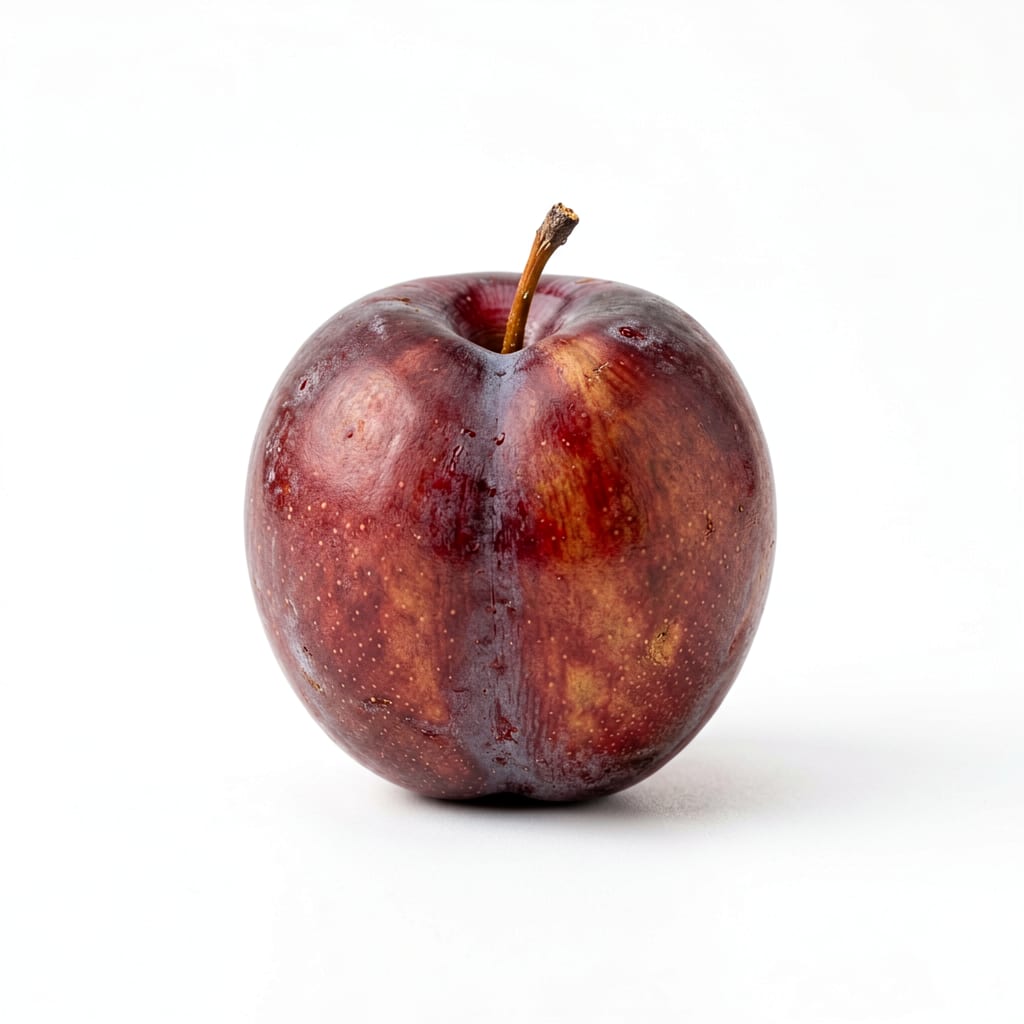
Plum
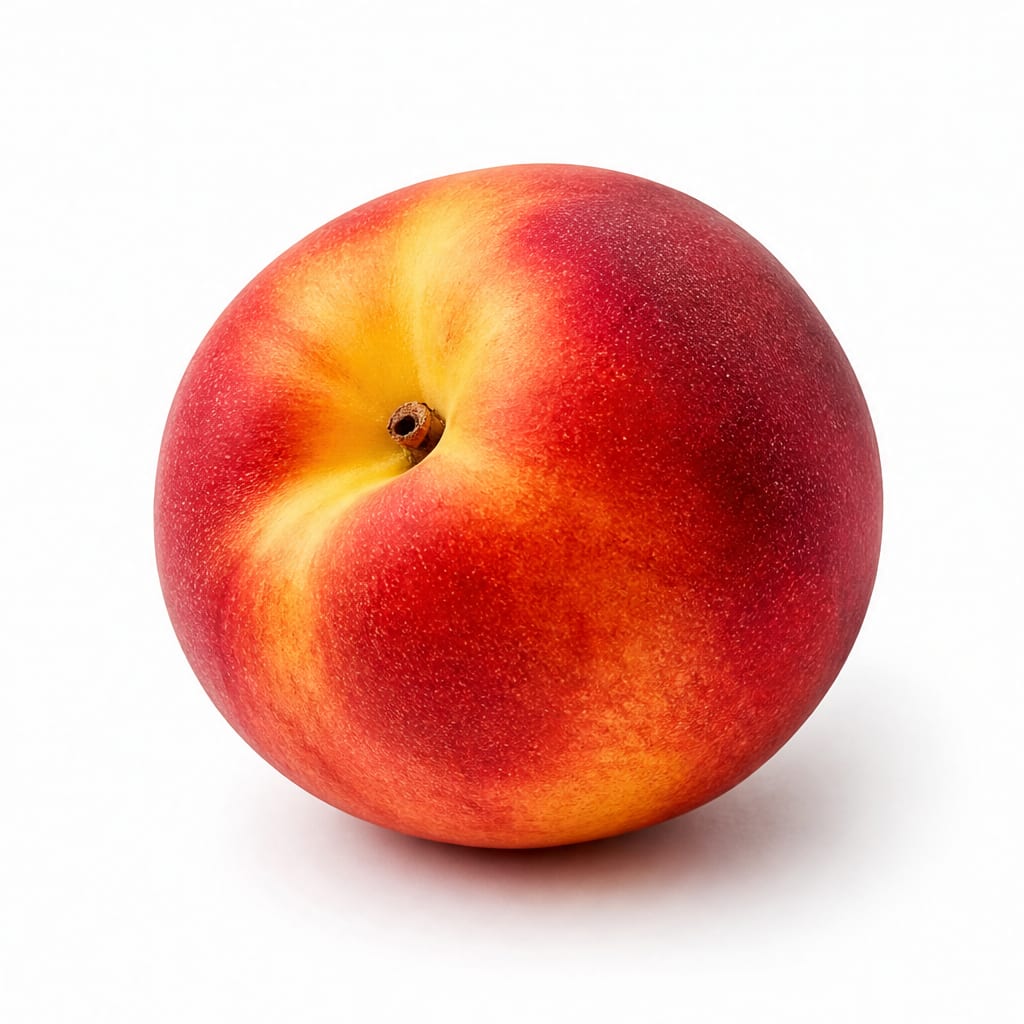
Nectarine
Nectarines are a safer, more practical daily snack with gentler digestion, but Plums offer superior antioxidants and constipation relief when you need it.
Nectarine scores slightly higher for daily use due to better gut tolerance and lower sugar, though Plum wins on specific antioxidant metrics.
You trade the digestive safety and portability of a Nectarine for the deeper antioxidant power and laxative effect of a Plum.
At a glance
Executive summary
Overall
It depends
Healthier
It depends
More practical
Nectarine
Daily use
Nectarine
Key comparison lenses
Digestive tolerance and gut effects
Plums contain sorbitol which acts as a natural laxative, while Nectarines are generally much gentler on the stomach.
Sugar content and blood sugar stability
Nectarines have slightly less sugar and more fiber, making them a steadier choice for energy.
Antioxidant density and cellular protection
Dark-skinned Plums are rich in anthocyanins, offering deeper antioxidant benefits than Nectarines.
Snacking convenience and portability
Nectarines are firmer and less prone to bruising in a lunch bag compared to delicate, juicy Plums.
Best choice for
Plum
- Boosting antioxidant intake
- Relieving occasional constipation
- Enjoying a juicy, low-calorie dessert
Nectarine
- Steady energy without a sugar crash
- Sensitive stomachs and IBS management
- Packing a mess-free snack for work or travel
Least suitable for
Plum
- People with severe IBS or sorbitol intolerance
- Those needing a mess-free commuting snack
Nectarine
- Those specifically seeking high anthocyanin intake
- People who need a natural laxative effect
Deep comparison
Dimension by dimension
Each lens scores both foods and breaks down who each option suits.
- Dimension 1 · Priority 85Plum
Antioxidant Density
Plum · 88Nectarine · 72Dark-skinned Plums pack significantly more anthocyanins than Nectarines, giving them a stronger cellular defense profile.
Tradeoff
You get more antioxidant power from Plums, but their darker pigments mean they can stain fingers and clothes more easily.
Why it matters
Anthocyanins protect cells from daily wear and tear, supporting long-term brain and heart health.
Real-world impact
Eating Plums regularly is like adding a shield against aging, though you might need a napkin handy.
Plum
- Fighting oxidative stress
- Anti-aging benefits
Better for
- Stain risk
- Messy on the go
Worse for
Nectarine
- Avoiding messy snacking
Better for
- Lower cellular defense
Worse for
- Dimension 2 · Priority 90Nectarine
Sugar and Blood Sugar Impact
Plum · 70Nectarine · 82Nectarines have slightly less sugar and a bit more fiber, leading to a steadier blood sugar response.
Tradeoff
Plums taste sweeter and juicier, but that extra sugar can cause a quicker energy spike and dip.
Why it matters
Steadier blood sugar means fewer afternoon crashes and more consistent focus throughout the day.
Real-world impact
A Nectarine is a safer mid-morning snack that will not leave you reaching for coffee an hour later.
Plum
- Satisfying a sweet tooth naturally
Better for
- Higher sugar load
- Potential crash risk
Worse for
Nectarine
- Avoiding energy crashes
- Managing sugar intake
Better for
- Less sweet satisfaction
Worse for
- Dimension 3 · Priority 92Nectarine
Digestive Comfort
Plum · 55Nectarine · 88Plums contain sorbitol, a natural sugar alcohol that acts as a laxative, while Nectarines are much gentler on the gut.
Tradeoff
Plums are great if you are constipated, but risky if you have a sensitive stomach or IBS.
Why it matters
Unpredictable digestion can ruin a workday or a workout, making gut tolerance a key daily factor.
Real-world impact
Eating a few Plums might send you to the bathroom, whereas a Nectarine is a safe bet before a meeting.
Plum
- Relieving constipation
- Quick bowel movement
Better for
- Bloating risk
- Urgency issues
Worse for
Nectarine
- Sensitive stomachs
- IBS-friendly snacking
Better for
- No laxative benefit
Worse for
- Dimension 4 · Priority 75Nectarine
Snacking Convenience
Plum · 60Nectarine · 85Nectarines have a firmer flesh that holds up better in lunchboxes, while Plums can bruise and leak easily.
Tradeoff
Plums are juicier and more refreshing, but they require more care when transporting.
Why it matters
A snack you can easily throw in a bag is a snack you will actually eat instead of grabbing junk food.
Real-world impact
A Nectarine survives a backpack commute; a Plum might turn into a messy surprise at the bottom of your bag.
Plum
- Refreshing on a hot day
- High juiciness
Better for
- Easy bruising
- Messy to eat at a desk
Worse for
Nectarine
- Packing in lunches
- Commuting with fruit
Better for
- Less juice burst
Worse for
Timeline
Health impact over time
Short-term
Hours to days
Plum
- Quick hydration from high water content
- Potential laxative effect within hours
Nectarine
- Steady, light energy
- Gentle on the digestive tract
Long-term
Months to years
Plum
- Enhanced cellular protection from anthocyanins
- Risk of chronic bloating if overconsumed due to sorbitol
Nectarine
- Consistent fiber intake for heart health
- Stable blood sugar management
Risk profile
Safety & processing
Both Plums and Nectarines are whole, raw fruits with no artificial additives when purchased fresh.
Plum
Sorbitol sensitivity
mediumThe natural sorbitol in Plums can cause severe bloating, gas, or diarrhea in sensitive individuals.
Pesticide residue
mediumConventional Plums often retain pesticide residue on their delicate skin; washing thoroughly is essential.
Nectarine
Pesticide residue
highNectarines consistently rank on the Dirty Dozen list, meaning they have high pesticide residue unless organic.
Fruit flies and spoilage
lowSweet Nectarines can attract pests quickly once ripe and develop mold faster than firmer fruits.
Who wins for whom
Audience fit
Same foods, different winners depending on your goal.
children
NectarineNectarines are firmer, easier to bite into without making a mess, and lack the sorbitol that can upset a child's stomach.
daily consumption
NectarineNectarines are more gut-friendly and portable, making them an easier habit to sustain without digestive surprises.
diabetes
NectarineNectarines have a lower sugar load and more fiber, resulting in a gentler blood sugar curve.
elderly
PlumThe natural sorbitol in Plums helps combat common age-related constipation, and their soft texture is easy to chew.
muscle gain
It dependsNeither fruit is a significant protein source, but both offer decent post-workout carbs for glycogen replenishment.
weight loss
NectarineNectarines offer slightly better satiety per calorie with more fiber and less sugar, making them easier to fit into a calorie budget.
Your move
Decision guide
Choose Plum
- You want a powerful antioxidant boost
- You need natural help with constipation
- You prefer a softer, juicier texture
Choose Nectarine
- You have a sensitive stomach or IBS
- You need a sturdy snack for your lunchbox
- You are watching your sugar intake closely
Either works if
- You just want a hydrating, whole-food snack
- You are craving something sweet instead of candy
Avoid both if
- You have a severe fructose intolerance
- You are on a strict very-low-carb diet
Final recommendation
Keep Nectarines in your daily rotation for a reliable, gut-friendly snack, but bring in Plums when you need an antioxidant upgrade or digestive relief.
Practical
Consumer tips
- 1
Buy organic Nectarines whenever possible, as they are heavily sprayed with pesticides conventionally.
- 2
Limit Plums to one or two at a time to avoid sorbitol-induced stomach upset.
- 3
Let Nectarines ripen on the counter until they yield slightly to pressure, then refrigerate to preserve texture.
- 4
Wash both fruits thoroughly under running water even if you plan to peel them.