
Nutrition comparison
Plum vs Grape: Which Fruit Is Healthier for Blood Sugar, Snacking, and Daily Use?
Plums beat grapes for blood sugar stability, fiber, and portion control, but grapes win on convenience. Compare nutritional tradeoffs, pesticide risk, and best use cases for each fruit.
Overall winner · Plum
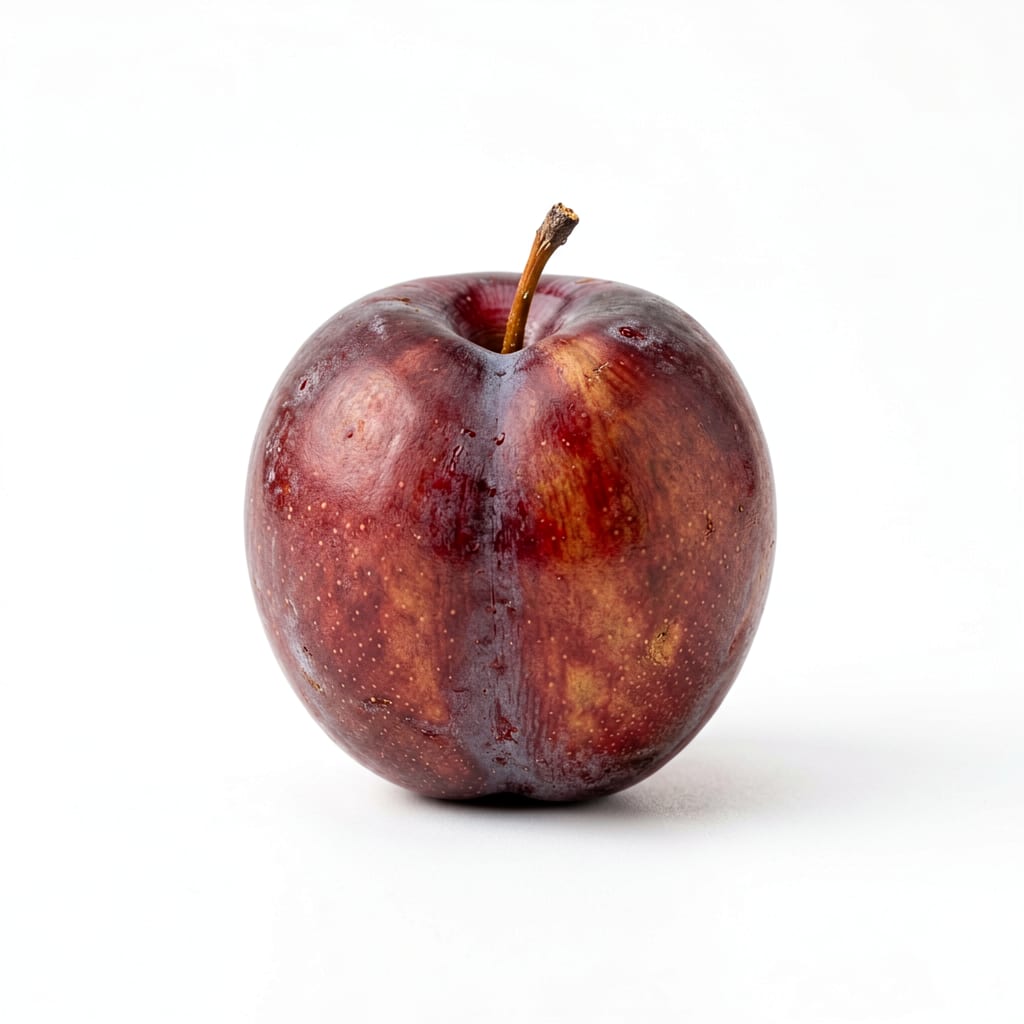
Plum
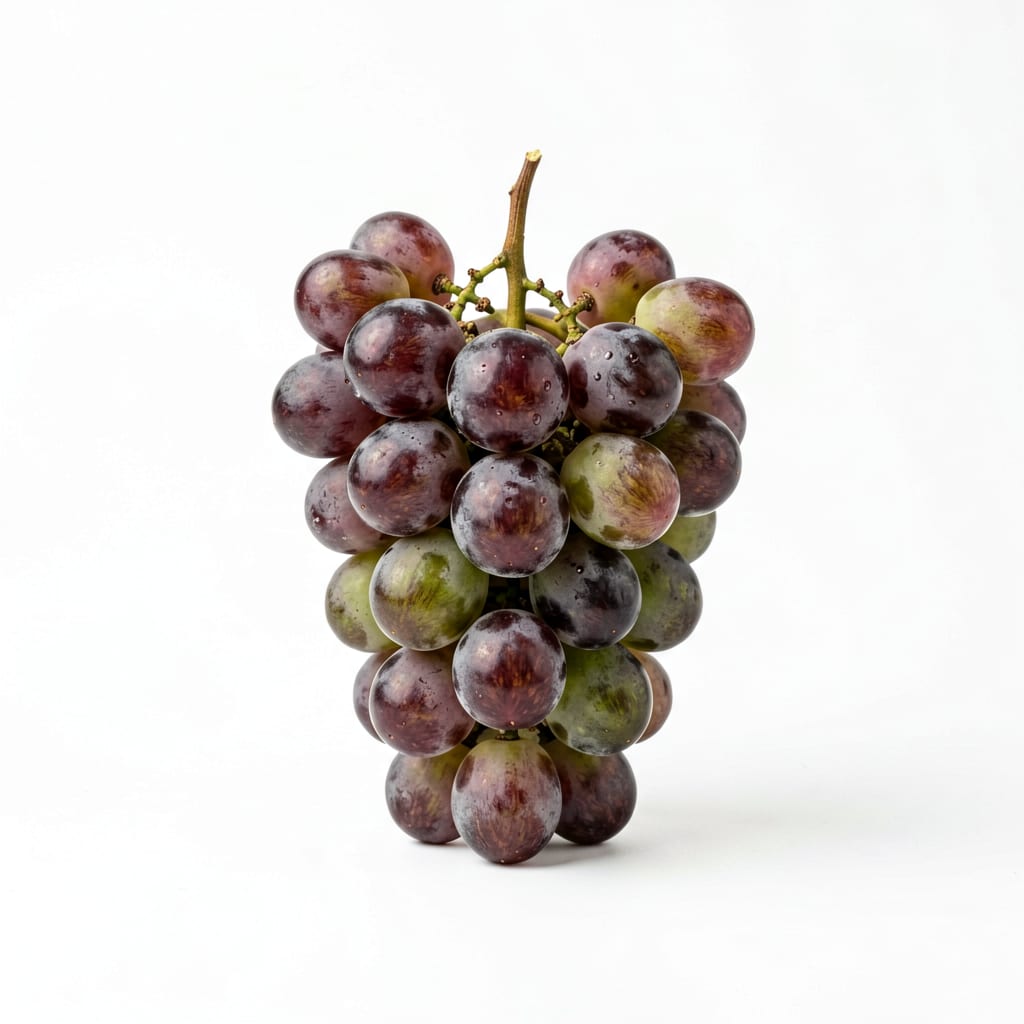
Grape
Plums edge out grapes thanks to better blood sugar control, higher fiber, natural portion limits, and lower pesticide risk — though grapes win on convenience and resveratrol content.
Plums score noticeably higher due to superior fiber, lower sugar impact, built-in portion control, and lower pesticide risk. Grapes lose ground mainly because their high sugar and low fiber combination makes overeating likely, which undermines their otherwise decent nutrient profile.
Grapes are more convenient and pack resveratrol, but their high sugar and low fiber make them easy to overeat. Plums keep you fuller longer and are gentler on blood sugar, but require a pit and are less available year-round.
At a glance
Executive summary
Overall
Plum
Healthier
Plum
More practical
Grape
Daily use
Plum
Key comparison lenses
blood sugar management
Grapes are notoriously easy to overeat and spike blood sugar quickly due to high sugar and low fiber, while plums offer steadier energy
portion control and snacking behavior
Grapes are bite-sized and mindless to eat by the handful; plums require more deliberate consumption and are naturally self-limiting
pesticide exposure
Grapes consistently rank on the EWG Dirty Dozen list for pesticide residues, while plums have lower concern
digestive health
Plums are well-known for digestive benefits due to fiber and sorbitol content, grapes offer less in this area
antioxidant and longevity benefits
Both offer polyphenols but through different compounds — resveratrol in red grapes versus diverse anthocyanins in plums
Best choice for
Plum
- People managing blood sugar or insulin resistance
- Anyone trying to control portions and avoid mindless snacking
- Those seeking digestive regularity
- People concerned about pesticide exposure who cannot buy organic
Grape
- Busy people needing grab-and-go fruit with zero prep
- Those specifically seeking resveratrol for cardiovascular benefits
- Children who struggle with fruit that has pits
- Athletes needing quick natural sugar after intense exercise
Least suitable for
Plum
- People with sorbitol sensitivity or IBS who react to stone fruit
- Anyone needing a no-prep snack for commuting or travel
- Those wanting year-round consistent availability
Grape
- People with diabetes or prediabetes who struggle with portion control
- Anyone prone to mindless snacking or sugar cravings
- Those avoiding high-pesticide produce when organic is unavailable
Deep comparison
Dimension by dimension
Each lens scores both foods and breaks down who each option suits.
- Dimension 1 · Priority 92Plum
Blood Sugar Stability
Plum · 78Grape · 48Plums have a lower glycemic index and more fiber to slow sugar absorption. Grapes deliver a faster, sharper blood sugar rise.
Tradeoff
Grapes provide quicker energy, which is useful post-workout but problematic for sedentary snacking.
Why it matters
A handful of grapes can cause a blood sugar spike followed by a crash, leaving you hungry again within an hour. Plums provide steadier, longer-lasting energy.
Real-world impact
That 3pm grape snack may leave you reaching for more food by 4pm. A plum is more likely to hold you over until dinner.
Plum
- Steady energy without afternoon crashes
- Better for insulin-resistant individuals
- Less likely to trigger sugar cravings after eating
Better for
- Not ideal when you need rapid carbohydrate replenishment
Worse for
Grape
- Quick fuel after intense exercise
- Fast energy when you feel lightheaded or low
Better for
- Rapid blood sugar rise in sedentary contexts
- Can trigger a cycle of cravings and overeating
Worse for
- Dimension 2 · Priority 88Plum
Satiety and Portion Control
Plum · 82Grape · 38Plums are naturally self-limiting — you eat one or two and stop. Grapes are easy to consume by the bagful without realizing it.
Tradeoff
Grapes are effortless to eat, which is convenient but dangerous for portion control. Plums require more deliberate eating, which naturally slows consumption.
Why it matters
A standard grape snack can easily become 300+ calories of sugar before you notice. Plums make overconsumption much harder.
Real-world impact
Sitting at your desk with a bowl of grapes often means emptying it. Sitting with two plums means eating exactly two plums.
Plum
- Built-in portion control from pit and size
- Higher fiber keeps you full longer
- Slower eating pace reduces total intake
Better for
- Pit can be inconvenient in some settings
Worse for
Grape
- No pit means faster, easier consumption when genuinely hungry
Better for
- Extremely easy to overeat without awareness
- Low fiber means minimal satiety signal
- Calories add up fast — a large bunch can match a candy bar
Worse for
- Dimension 3 · Priority 78Plum
Digestive Health
Plum · 85Grape · 45Plums are famous for promoting bowel regularity thanks to fiber and sorbitol. Grapes offer modest fiber but lack the same digestive effect.
Tradeoff
Plums are a natural remedy for constipation, but their sorbitol can cause bloating or discomfort in sensitive people. Grapes are gentler on the gut but less helpful for regularity.
Why it matters
If digestion is sluggish, plums are one of the most effective whole-food solutions. Grapes simply do not offer the same benefit.
Real-world impact
Two plums in the morning can reliably improve digestion within hours. Grapes are unlikely to have any noticeable digestive effect.
Plum
- Reliable help for constipation and irregularity
- Sorbitol draws water into the colon for easier passage
- Higher fiber supports gut microbiome diversity
Better for
- Sorbitol can cause gas, bloating, or loose stools in sensitive individuals
- Not ideal for people with IBS who react to FODMAPs
Worse for
Grape
- Gentler on sensitive digestive systems
- Lower risk of sorbitol-related bloating or gas
Better for
- Minimal fiber means limited digestive benefit
- Does not help with regularity
Worse for
- Dimension 4 · Priority 68It depends
Antioxidant and Longevity Benefits
Plum · 70Grape · 72Both fruits offer valuable but different antioxidants. Red and purple grapes provide resveratrol linked to heart health, while plums deliver diverse anthocyanins and phenolic compounds.
Tradeoff
Resveratrol in grapes has strong cardiovascular research behind it, but you would need to eat large quantities — and all that sugar — to get meaningful amounts. Plums offer broader antioxidant diversity at a lower sugar cost.
Why it matters
For real-world antioxidant intake, both are solid choices. The difference matters most if you are specifically targeting heart health versus general cellular protection.
Real-world impact
A few plums daily give you a broad antioxidant boost without much sugar. Getting meaningful resveratrol from grapes means consuming a lot of sugar alongside it.
Plum
- Broader mix of polyphenols per calorie consumed
- Antioxidant benefits without high sugar load
- Dried plums (prunes) concentrate these benefits further
Better for
- Lacks the specific resveratrol compound found in grapes
Worse for
Grape
- Resveratrol specifically linked to cardiovascular and longevity benefits
- Red and purple grapes have well-studied heart health compounds
Better for
- High sugar intake offsets some antioxidant benefit if overconsumed
- Meaningful resveratrol dose requires eating more grapes than is wise
Worse for
- Dimension 5 · Priority 75Plum
Pesticide and Contamination Risk
Plum · 75Grape · 40Grapes are consistently on the EWG Dirty Dozen list with high pesticide residue. Plums have thicker skin and lower pesticide concern.
Tradeoff
Organic grapes solve the pesticide issue but cost significantly more. Plums are safer in conventional form if organic is not available or affordable.
Why it matters
If you eat fruit daily, pesticide exposure accumulates. Choosing lower-risk conventional fruit matters when organic is not an option.
Real-world impact
Buying conventional grapes means ingesting multiple pesticide residues regularly. Conventional plums carry meaningfully less risk.
Plum
- Thicker skin reduces pesticide penetration
- Not on the Dirty Dozen list
- Safer conventional option when organic is unavailable
Better for
- Still warrants washing thoroughly
Worse for
Grape
- Organic grapes are widely available if budget allows
Better for
- Thin skin absorbs and retains more pesticide residue
- Consistently ranks among top 12 most contaminated fruits
- Multiple pesticide types detected per sample in testing
Worse for
- Dimension 6 · Priority 60Grape
Convenience and Practicality
Plum · 45Grape · 88Grapes are the ultimate no-prep snack — wash and eat. Plums require dealing with a pit, can be messy, and are more seasonal.
Tradeoff
Convenience makes grapes more likely to actually get eaten, which matters for fruit intake. But that same convenience enables overeating.
Why it matters
The best fruit is the one you will actually eat. If plums sit rotting in the fridge because they are less convenient, grapes may be the pragmatically healthier choice.
Real-world impact
Throwing grapes in a lunch bag takes two seconds. Packing plums means checking ripeness, dealing with potential bruising, and managing the pit later.
Plum
- More satisfying eating experience when you have time to enjoy it
Better for
- Pit is inconvenient in many settings
- Shorter seasonal availability
- Bruise easily during transport
- Ripeness window is narrow — too firm or too soft
Worse for
Grape
- Zero prep — just wash and eat
- No pit makes them kid-friendly and office-friendly
- Available year-round in most stores
- Easy to pack, share, and portion into bags
Better for
- Convenience can lead to mindless overconsumption
Worse for
Timeline
Health impact over time
Short-term
Hours to days
Plum
- Steadier energy without a sugar crash
- Possible digestive stimulation within a few hours
- Mild satiety that reduces between-meal hunger
Grape
- Quick energy boost from natural sugars
- Possible blood sugar spike followed by hunger return within an hour
- Easy to accidentally consume a large calorie amount
Long-term
Months to years
Plum
- Better blood sugar regulation with regular consumption
- Improved digestive regularity and gut health
- Lower cumulative pesticide exposure compared to grapes
- Broader antioxidant intake supporting cellular health
Grape
- Potential cardiovascular benefit from resveratrol if consumed moderately
- Risk of excess sugar intake if portion control is poor
- Higher cumulative pesticide exposure with conventional grapes
- Possible contribution to insulin resistance if overconsumed regularly
Risk profile
Safety & processing
Both plums and grapes are whole, unprocessed fruits in their natural state. Neither typically contains added ingredients when sold fresh. The main concern is pesticide residues rather than processing — and grapes carry significantly more risk there.
Plum
Pesticide residue
lowPlums have thicker skin that limits pesticide absorption and are not on the Dirty Dozen list. Washing reduces risk further.
Sorbitol sensitivity
mediumPlums contain sorbitol that can cause bloating, gas, or diarrhea in sensitive individuals, especially those with IBS or FODMAP intolerance.
Grape
Pesticide residue
highGrapes consistently rank on the EWG Dirty Dozen list with multiple pesticide types detected per sample. Thin skin offers little protection. Organic is strongly recommended.
Choking hazard for young children
mediumWhole grapes are a leading choking hazard for children under 4. Always cut grapes lengthwise before serving to young kids.
Who wins for whom
Audience fit
Same foods, different winners depending on your goal.
children
It dependsGrapes are easier for kids to eat but must be cut to prevent choking. Plums are safer from a choking standpoint but the pit and texture may reduce appeal. It depends on the child's age and preferences.
daily consumption
PlumPlums offer a better nutritional tradeoff for daily eating — more fiber, less sugar, lower pesticide risk, and natural portion control. Grapes are fine in moderation but risk becoming a daily sugar habit.
diabetes
PlumLower glycemic impact, more fiber, and built-in portion control make plums significantly safer for blood sugar management. Grapes can spike glucose quickly, especially in larger portions.
elderly
PlumPlums support digestive regularity, which is a common concern for older adults. Their lower sugar content is also beneficial for managing age-related insulin resistance.
muscle gain
GrapeGrapes provide faster-digesting carbohydrates useful post-workout, and their convenience makes them easy to eat alongside protein for recovery.
weight loss
PlumHigher fiber and natural portion limits make plums far easier to control. Grapes are calorie-dense per volume and easy to overeat, which undermines weight loss efforts.
Your move
Decision guide
Choose Plum
- You want better blood sugar control and steadier energy
- You tend to snack mindlessly and need a fruit that self-limits portions
- Digestive regularity is a priority for you
- You buy conventional produce and want lower pesticide exposure
- You find that sweet snacks trigger cravings and want something more satiating
Choose Grape
- You need quick post-workout carbohydrates
- Convenience is your top priority and you will not eat fruit if it requires effort
- You specifically want resveratrol and can afford organic grapes
- You are packing snacks for kids who reject fruit with pits
- You have no trouble controlling portions and want an easy everyday fruit
Either works if
- You simply want more whole fruit in your diet and will eat whichever is available
- You vary your fruit intake across the week and do not rely on one type
- You buy organic and pesticide risk is not a differentiator
Avoid both if
- You are on a strict very-low-carb or ketogenic diet and cannot afford the sugar content
- You have a severe fructose intolerance that reacts to both fruits
Final recommendation
Make plums your default fruit when available — they give you more satiety, better blood sugar control, and lower pesticide risk per serving. Keep grapes as an occasional convenience option, buy them organic when possible, and pre-portion them into small containers to avoid the handful trap. If you find grapes disappearing too fast, switch to plums and notice the difference in how satisfied you feel.
Practical
Consumer tips
- 1
If you buy conventional grapes, wash them thoroughly with a baking soda soak to reduce surface pesticide residue — plain water is not enough
- 2
Pre-portion grapes into small bags or containers immediately after buying to prevent mindless overeating
- 3
Choose darker plum and grape varieties for higher antioxidant content — deep purple and red skins carry the most polyphenols
- 4
If plums are not in season, prunes (dried plums) retain most of the digestive and antioxidant benefits with even more fiber per serving
- 5
Freeze grapes for a slower-eating snack that takes longer to consume and feels more like a treat
- 6
Avoid grapes that look wrinkled or have white powdery coating that wipes off easily — this can indicate age or fungal growth, not natural bloom
- 7
Ripen plums at room temperature, then refrigerate once soft — they last only 2-3 days at peak ripeness