
Nutrition comparison
Peach vs Plum: Which Stone Fruit Is Healthier for You?
Compare peach and plum nutrition, antioxidants, sugar content, and health benefits. Find out which fruit is better for weight loss, diabetes, and daily snacking.
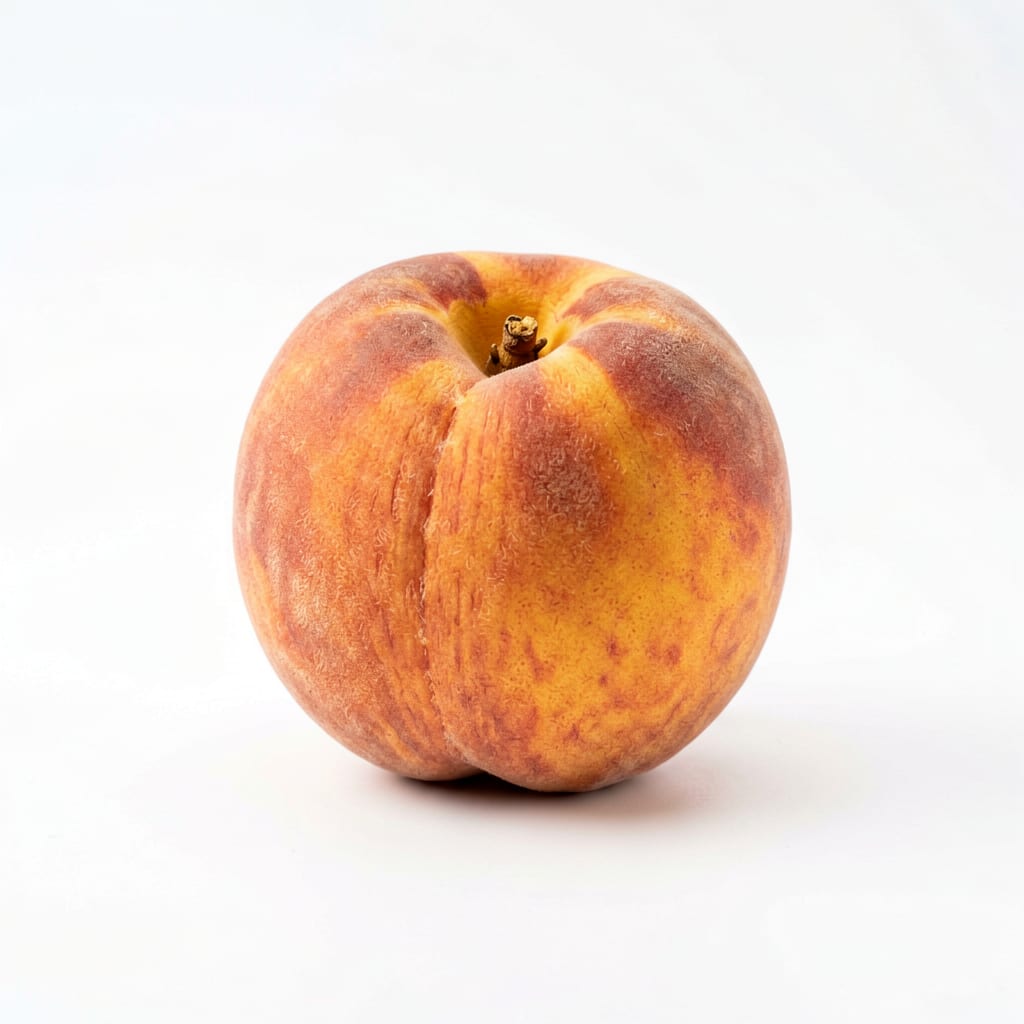
Peach
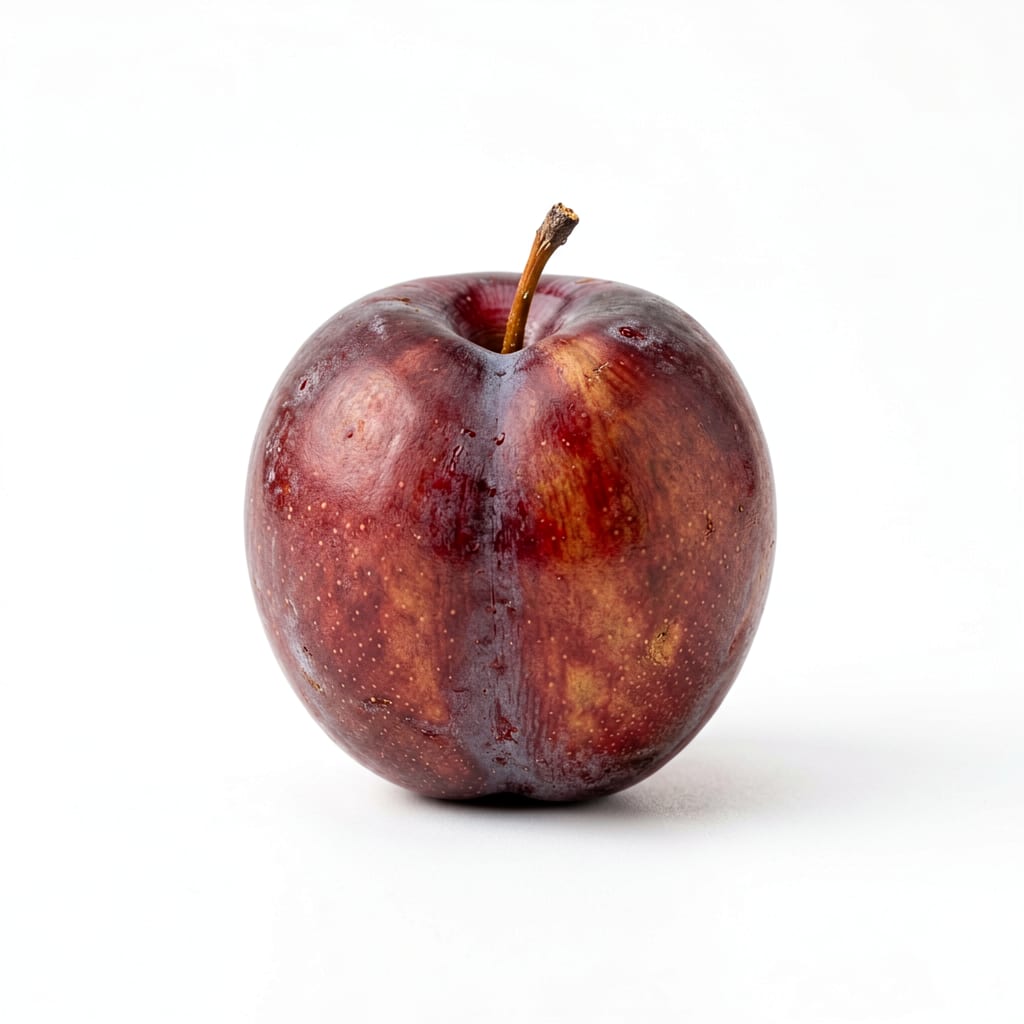
Plum
Plums edge ahead for antioxidants and blood sugar control, while peaches win on hydration and satisfying sweetness. Neither is a bad choice.
Plums score moderately higher due to superior antioxidant density, better fiber-to-calorie ratio, and lower sugar content. Peaches remain strong for hydration and satisfaction but offer less nutritional bang per bite.
Plums give you more antioxidants and steadier blood sugar per calorie, but peaches feel more filling and refreshing due to higher water content.
At a glance
Executive summary
Overall
It depends
Healthier
Plum
More practical
Peach
Daily use
Plum
Key comparison lenses
Which stone fruit is better for weight management and daily snacking?
Both are low-calorie fruits often chosen as snacks, so calorie efficiency and satiety matter most
Antioxidant and anti-inflammatory comparison
Plums are notably rich in anthocyanins while peaches offer different phytonutrients, making this a key differentiator
Blood sugar impact and diabetes suitability
Stone fruits vary in sugar content and fiber ratios, critical for glucose-sensitive users
Digestive health and gut benefits
Plums have a well-known reputation for digestive regularity due to sorbitol and fiber content
Hydration and refreshing quality
Peaches are significantly juicier, making them more satisfying in hot weather or as a hydrating snack
Best choice for
Peach
- People wanting a hydrating, juicy snack in hot weather
- Those who find small fruits unsatisfying and prefer larger portions
- Anyone seeking gentle vitamin A support for skin and eyes
- Smoothie makers wanting creamier texture and natural sweetness
Plum
- People prioritizing antioxidant intake and anti-inflammatory benefits
- Those monitoring blood sugar who want lower glycemic load per serving
- Anyone seeking digestive regularity without supplements
- Meal preppers wanting a fruit that stores longer without bruising
Least suitable for
Peach
- People strictly limiting sugar who want the most nutrient density per calorie
- Those who find very juicy fruits messy for on-the-go snacking
Plum
- People with sorbitol sensitivity or IBS who react to stone fruits
- Those wanting a large, filling snack from a single fruit serving
Deep comparison
Dimension by dimension
Each lens scores both foods and breaks down who each option suits.
- Dimension 1 · Priority 92Plum
Antioxidant Density
Peach · 60Plum · 88Plums deliver significantly more antioxidants, especially anthocyanins in darker-skinned varieties, which peaches largely lack.
Tradeoff
Peaches provide more beta-carotene and vitamin C, but the overall antioxidant firepower favors plums by a meaningful margin.
Why it matters
Higher antioxidant intake correlates with reduced inflammation and better long-term cellular health.
Real-world impact
Eating plums regularly may help with post-exercise recovery and reducing everyday inflammatory stress more effectively than peaches.
Peach
- Vitamin A and skin health support
Better for
- Lower total antioxidant capacity per calorie
Worse for
Plum
- Anthocyanin intake for anti-inflammatory benefits
- Dark-pigmented fruit antioxidant diversity
Better for
- Less beta-carotene for vision and skin
Worse for
- Dimension 2 · Priority 88Plum
Blood Sugar Stability
Peach · 65Plum · 78Plums have slightly less sugar and a better fiber-to-sugar ratio, resulting in a gentler blood sugar response.
Tradeoff
Peaches are sweeter and more satisfying to eat, but their higher sugar content means a slightly larger glucose uptick.
Why it matters
Even small differences in glycemic impact matter for people managing diabetes, insulin resistance, or energy crashes.
Real-world impact
A plum as an afternoon snack is less likely to trigger a sugar crash 30 minutes later compared to a peach.
Peach
- Quick natural energy before exercise
Better for
- Higher sugar per serving may spike glucose faster
Worse for
Plum
- Steadier energy without the crash
- Diabetes-friendly snacking
- Intermittent fasting windows where lower sugar is preferred
Better for
- Less immediate energy boost from natural sugars
Worse for
- Dimension 3 · Priority 80Peach
Hydration and Satiety
Peach · 85Plum · 62Peaches are significantly juicier and larger per fruit, making them more filling and hydrating.
Tradeoff
That water weight means fewer nutrients per calorie, but the eating experience is more satisfying.
Why it matters
Feeling full and hydrated from a snack reduces the urge to overeat later.
Real-world impact
A single peach feels like a complete snack. A single plum often leaves you reaching for something else.
Peach
- Hot weather hydration
- Replacing higher-calorie desserts with something that feels substantial
- Feeling full on fewer calories through volume eating
Better for
- Lower nutrient density per calorie due to high water content
Worse for
Plum
- Compact nutrition when you need portability over volume
Better for
- Less satisfying as a standalone snack for bigger appetites
Worse for
- Dimension 4 · Priority 78Plum
Digestive Health
Peach · 65Plum · 84Plums contain more sorbitol and fiber per serving, both of which promote digestive regularity.
Tradeoff
For people with IBS or sorbitol intolerance, plums can cause bloating and discomfort, while peaches are gentler.
Why it matters
Digestive regularity affects energy, mood, and comfort throughout the day.
Real-world impact
Two plums can help resolve mild constipation naturally. Peaches offer mild fiber support without the laxative effect.
Peach
- Gentle fiber for sensitive digestive systems
- Lower sorbitol content reduces bloating risk
Better for
- Less effective for constipation relief
Worse for
Plum
- Natural support for bowel regularity
- Prebiotic fiber for gut microbiome diversity
Better for
- Can trigger IBS symptoms in sorbitol-sensitive individuals
Worse for
- Dimension 5 · Priority 72Plum
Calorie Efficiency
Peach · 68Plum · 80Plums pack more nutrients into fewer calories, making them slightly more efficient for weight-conscious eating.
Tradeoff
Peaches give you more food volume per calorie, which helps with satiety even if the nutrient density is lower.
Why it matters
When calories are limited, getting more vitamins and antioxidants per bite matters.
Real-world impact
Three plums cost roughly the same calories as two peaches but deliver more total antioxidants and fiber.
Peach
- Volume eating strategies where feeling full matters more than nutrient density
Better for
- Fewer nutrients per calorie consumed
Worse for
Plum
- Calorie-restricted diets where nutrient density per calorie is prioritized
- Tracking macros and wanting more nutrition per unit
Better for
- Smaller serving size may not feel like enough food
Worse for
- Dimension 6 · Priority 70It depends
Vitamin and Mineral Profile
Peach · 74Plum · 76Peaches excel in vitamin A and potassium, while plums lead in vitamin K and vitamin C. The profiles complement each other well.
Tradeoff
Neither fruit is a nutritional powerhouse on its own. Both contribute modestly to daily vitamin needs.
Why it matters
Different vitamins serve different functions, so the better choice depends on what your diet already provides.
Real-world impact
If you already eat leafy greens for vitamin K, peaches add more value with vitamin A. If not, plums help fill that gap.
Peach
- Vitamin A for skin, vision, and immune support
- Potassium for blood pressure regulation
Better for
- Less vitamin K contribution
Worse for
Plum
- Vitamin K for bone health and blood clotting
- Vitamin C for immune function and collagen synthesis
Better for
- Less vitamin A and potassium per serving
Worse for
Timeline
Health impact over time
Short-term
Hours to days
Peach
- Quick hydration boost from high water content
- Mild blood sugar rise from natural sugars within 15-30 minutes
- Immediate satisfaction from sweet, juicy flavor profile
Plum
- Gentle digestive stimulation within a few hours
- More stable energy with less pronounced sugar spike
- Possible mild bloating in sorbitol-sensitive people
Long-term
Months to years
Peach
- Consistent vitamin A intake supports skin and eye health over time
- Potassium contribution helps maintain healthy blood pressure with regular consumption
- Hydration habit supports kidney function
Plum
- Regular antioxidant intake from anthocyanins may reduce chronic inflammation
- Consistent fiber and sorbitol intake supports digestive regularity long-term
- Vitamin K accumulation supports bone density maintenance
Risk profile
Safety & processing
Both peaches and plums are whole, unprocessed fruits with no additive concerns when eaten fresh. The only processing consideration is canned or dried versions, which often add sugar or preservatives.
Peach
Pesticide residue on skin
mediumPeaches consistently appear on the EWG Dirty Dozen list due to pesticide residues on conventionally grown fruit. Washing helps but does not eliminate all residues.
Bruising and mold development
lowPeaches bruise easily and mold can develop quickly on damaged areas, potentially producing mycotoxins.
Plum
Pesticide residue on skin
mediumPlums also carry pesticide residues, though typically less than peaches. Still worth buying organic if budget allows.
Sorbitol overload from large consumption
lowEating many plums at once can cause diarrhea, gas, and abdominal discomfort due to sorbitol content. Moderate intake avoids this.
Who wins for whom
Audience fit
Same foods, different winners depending on your goal.
children
PeachPeaches are sweeter, juicier, and more fun for kids to eat. Their larger size feels more like a complete snack for active children.
daily consumption
PlumPlums offer slightly better nutritional consistency with lower sugar and higher antioxidant density, making them a more reliable daily staple.
diabetes
PlumLower sugar content and better fiber-to-sugar ratio make plums gentler on blood glucose levels.
elderly
PlumPlums support digestive regularity, which is a common concern in older adults, and their vitamin K content helps with bone health.
muscle gain
It dependsNeither fruit is relevant for muscle gain. Both provide minimal protein. Choose based on personal preference for carb timing.
weight loss
PlumPlums offer more nutrients and fiber per calorie with less sugar, making them slightly more efficient for calorie-controlled diets.
Your move
Decision guide
Choose Peach
- You want a refreshing, hydrating snack that feels substantial
- You are less concerned about sugar and more about enjoyment and satisfaction
- You need quick natural energy before a workout
- You find small fruits unsatisfying and end up eating multiple servings anyway
Choose Plum
- You want maximum antioxidant benefit per calorie
- You are managing blood sugar or following a low-sugar approach
- Digestive regularity is a priority for you
- You prefer compact, portable fruit for commuting or desk snacking
Either works if
- You simply want a healthy whole-food snack and enjoy both
- You are rotating fruits for dietary diversity, which is ideal
- Neither fruit is a make-or-break decision in an otherwise balanced diet
Avoid both if
- You have a confirmed stone fruit allergy or birch pollen oral allergy syndrome
- You are on a very strict very-low-carb or ketogenic diet and cannot spare the carbs
Final recommendation
Eat both, but lean toward plums for daily use and peaches when you want something more refreshing and satisfying. Rotating between them gives you the broadest vitamin and antioxidant coverage. If budget allows, buy organic for both since they carry pesticide residues on their skins.
Practical
Consumer tips
- 1
Buy organic when possible for both fruits, as their thin skins absorb and retain pesticides
- 2
Wash thoroughly even if organic, as both fruits are hand-picked and handled frequently
- 3
Choose firmer plums and slightly soft peaches for the best eating texture
- 4
Freeze sliced peaches for smoothies — they add creaminess that plums cannot match
- 5
Keep plums on the counter until ripe, then refrigerate to extend shelf life by several days
- 6
If you react to plums with bloating, limit to one at a time and pair with a protein or fat source to slow digestion