
Nutrition comparison
Plum vs Apple: Which Fruit Is Better for Your Health Goals?
Compare plum vs apple on sugar, fiber, blood sugar impact, and weight loss. Find out which fruit fits your diet better with practical nutrition tradeoffs.
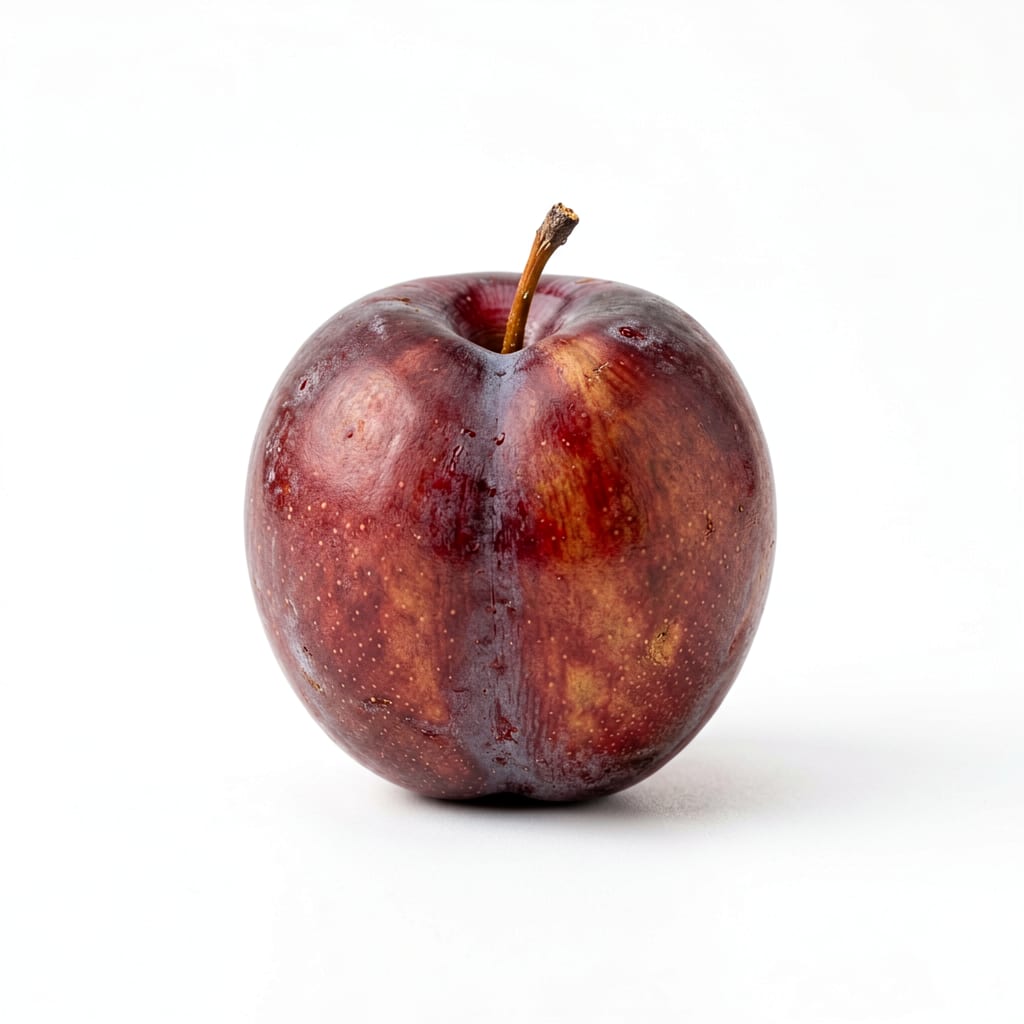
Plum
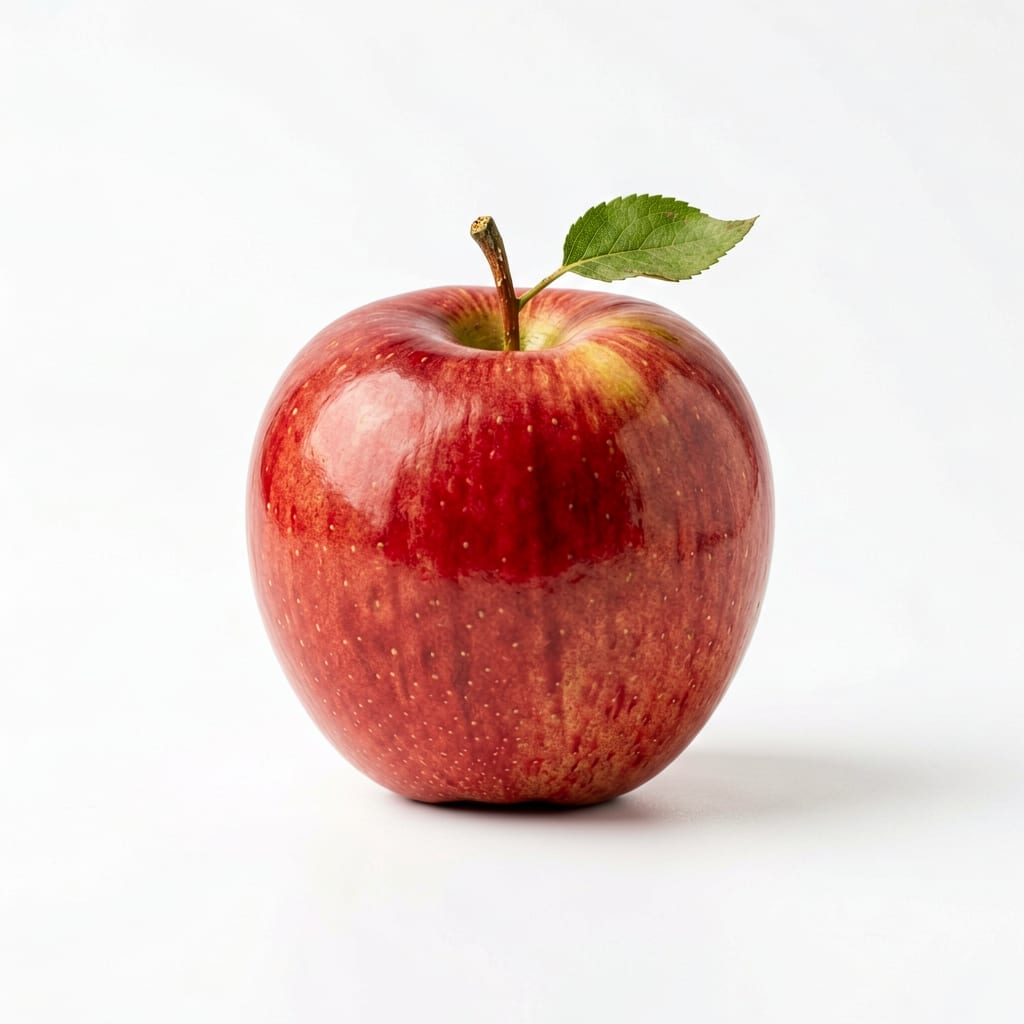
Apple
Apples win on satiety and fiber; plums win on lower sugar and antioxidant density. Your pick depends on what your body needs most.
Apples score higher overall due to superior satiety, fiber content, and everyday practicality. Plums excel in specific niches like lower sugar and unique antioxidants but are less versatile as a daily staple.
Apples keep you fuller longer but carry more sugar and calories. Plums are lighter and lower in sugar but less satisfying on their own.
At a glance
Executive summary
Overall
It depends
Healthier
It depends
More practical
Apple
Daily use
Apple
Key comparison lenses
blood sugar management
Both are common snack fruits with different sugar loads and glycemic impacts, a key concern for many consumers
daily snacking suitability
Users choosing between these fruits are likely deciding what to grab as a routine snack
digestive health and regularity
Plums are known for digestive effects while apples are prized for fiber content
antioxidant and anti-inflammatory benefits
Both offer distinct antioxidant profiles that matter for long-term health
weight management
Calorie and sugar differences make this relevant for weight-conscious snackers
Best choice for
Plum
- People managing blood sugar who want a lower-sugar fruit option
- Those seeking digestive regularity from natural sorbitol
- Anyone wanting a light, low-calorie snack that won't feel heavy
- People focused on anthocyanin antioxidants for anti-aging benefits
Apple
- People who need a filling snack that actually curbs hunger
- Those wanting steady, long-lasting energy between meals
- Anyone prioritizing heart health through soluble fiber
- People who value shelf-stable fruit for meal prep and busy schedules
Least suitable for
Plum
- People with irritable bowel syndrome sensitive to sorbitol
- Those needing a substantial snack to bridge long gaps between meals
- Anyone frustrated by fruit that bruises and spoils quickly
Apple
- People strictly limiting sugar intake who find one apple too sweet
- Those with oral allergy syndrome triggered by raw apples
- Anyone wanting variety in antioxidants beyond quercetin
Deep comparison
Dimension by dimension
Each lens scores both foods and breaks down who each option suits.
- Dimension 1 · Priority 88Plum
blood sugar stability
Plum · 82Apple · 70Plums have a lower glycemic index and less total sugar per serving, making them gentler on blood sugar.
Tradeoff
A single plum is much smaller than an apple, so you may eat more plums to feel satisfied, which narrows the sugar gap.
Why it matters
If you're prediabetic or monitoring glucose, the lower sugar load of plums gives you more room in your daily budget.
Real-world impact
A plum as an afternoon snack is less likely to cause an energy crash 30 minutes later compared to a full apple.
Plum
- People with insulin resistance or prediabetes
- Those tracking daily sugar grams carefully
Better for
- Those who eat multiple plums at once, negating the sugar advantage
Worse for
Apple
- Active people who need sustained energy from natural carbs
Better for
- People who experience sugar spikes from larger fruit servings
Worse for
- Dimension 2 · Priority 85Apple
satiety and fullness
Plum · 55Apple · 88Apples are significantly more filling due to larger size, more fiber, and the crunch factor that slows eating.
Tradeoff
That fullness comes with more calories and sugar, which may not suit someone wanting a light bite.
Why it matters
A snack that actually satisfies you prevents grazing on less healthy options an hour later.
Real-world impact
An apple at 3pm can carry you to dinner. A plum might leave you reaching for something else within 45 minutes.
Plum
- People who prefer small, light snacks between meals
- Those who find large fruit servings too filling before a meal
Better for
- Those who need one snack to last several hours
Worse for
Apple
- Anyone trying to reduce between-meal snacking
- People replacing a processed snack with something that actually satisfies
Better for
- People who feel uncomfortably full from dense fruit
Worse for
- Dimension 3 · Priority 75Plum
antioxidant density
Plum · 85Apple · 68Plums, especially dark-skinned varieties, deliver more anthocyanins per calorie. Apples offer quercetin but mostly in the skin.
Tradeoff
Apple antioxidants concentrate in the peel, so peeled apples lose much of their edge. Plum antioxidants are more evenly distributed.
Why it matters
Anthocyanins support brain health and reduce inflammation. Quercetin supports immune function and allergy relief.
Real-world impact
If you regularly peel your apples, you're throwing away most of the antioxidant benefit. Plums deliver their goodness regardless of how you eat them.
Plum
- People focused on anti-aging and cognitive health
- Those who may not always eat fruit with the skin on
Better for
- Anyone eating only green or yellow plums, which have fewer anthocyanins
Worse for
Apple
- People seeking immune and allergy support from quercetin
- Those who consistently eat apples with the peel
Better for
- People who peel their apples, losing most antioxidant value
Worse for
- Dimension 4 · Priority 80It depends
digestive health
Plum · 78Apple · 80Apples provide more total fiber for regularity. Plums offer sorbitol, a natural compound that specifically stimulates bowel movements.
Tradeoff
Sorbitol can cause gas or bloating in sensitive people, while apple fiber is generally better tolerated but works more gradually.
Why it matters
If constipation is your main concern, plums work faster. For overall gut health maintenance, apples are more consistent.
Real-world impact
Three plums can relieve constipation within hours. An apple a day supports long-term digestive regularity without urgency.
Plum
- People dealing with occasional constipation
- Those wanting a gentle, natural laxative effect
Better for
- People with IBS or sorbitol intolerance
- Those prone to diarrhea
Worse for
Apple
- People building consistent daily fiber intake
- Those with sensitive digestion who want to avoid sorbitol
Better for
- People needing quick constipation relief
Worse for
- Dimension 5 · Priority 72Apple
convenience and shelf life
Plum · 50Apple · 90Apples last weeks in the fridge and travel well. Plums bruise easily and spoil within days.
Tradeoff
Plums are seasonal and more exciting when fresh, but you'll waste money if you don't eat them quickly.
Why it matters
A fruit you always have on hand beats a fruit you rarely buy because it goes bad too fast.
Real-world impact
You can toss an apple in a bag on Monday and eat it Friday. A plum needs to be eaten within 2-3 days or it turns mushy.
Plum
- People who shop frequently and eat fruit immediately
- Those who enjoy seasonal eating at peak ripeness
Better for
- Busy people who can't monitor fruit ripeness daily
- Those who hate food waste from spoilage
Worse for
Apple
- Meal preppers who buy groceries once a week
- Anyone who packs fruit for work or school
Better for
- People who find apples boring and crave variety
Worse for
- Dimension 6 · Priority 72Plum
weight management
Plum · 82Apple · 70Plums are lower in calories per serving, making them easier to fit into a calorie budget without overthinking portions.
Tradeoff
Lower calories also mean less satiety, so you might eat more overall if plums don't fill you up.
Why it matters
For strict calorie counters, every calorie matters. For intuitive eaters, satiety per calorie matters more.
Real-world impact
Two plums cost you about 60 calories. One apple runs 95 calories but may keep you satisfied longer per calorie spent.
Plum
- Calorie counters who want maximum flavor for minimum calories
- People who graze on fruit throughout the day
Better for
- Anyone who compensates for the light snack by eating more later
Worse for
Apple
- People who do better eating one substantial snack than multiple small ones
- Those who find that high-satiety foods naturally reduce overall intake
Better for
- Strict calorie counters who find 95 calories per apple adds up
Worse for
Timeline
Health impact over time
Short-term
Hours to days
Plum
- Quick natural laxative effect within hours due to sorbitol content
- Light energy boost without a sugar crash thanks to lower glycemic load
- Possible bloating or gas if you eat several plums at once
Apple
- Sustained energy for 1-2 hours from slower-digesting fiber and natural sugars
- Noticeable fullness that reduces urge to snack again quickly
- Possible throat itchiness for those with birch pollen allergy (oral allergy syndrome)
Long-term
Months to years
Plum
- Consistent anthocyanin intake may support cognitive health and reduce age-related decline
- Regular sorbitol consumption maintains bowel regularity without dependency
- Lower lifetime sugar exposure compared to sweeter fruits
Apple
- Daily pectin intake from apples supports cholesterol reduction and heart health
- Consistent fiber intake lowers colorectal cancer risk and supports gut microbiome diversity
- Quercetin from apple skins may reduce chronic inflammation and allergy severity over time
Risk profile
Safety & processing
Both fruits are whole foods with minimal processing concerns. The main consideration is that conventional apples consistently rank high for pesticide residue, so buying organic matters more for apples than plums.
Plum
Pesticide residue on conventional plums
lowPlums have moderate pesticide residue compared to other fruits. Washing helps but doesn't eliminate all residue.
Sorbitol sensitivity causing digestive distress
mediumEating 3 or more plums at once can cause significant gas, bloating, or diarrhea in sorbitol-sensitive individuals.
Apple
High pesticide residue on conventional apples
highApples consistently appear on the EWG Dirty Dozen list. Non-organic apples frequently test positive for multiple pesticide residues even after washing.
Oral allergy syndrome from birch pollen cross-reactivity
lowSome people with hay fever experience itching or swelling in the mouth when eating raw apples. Cooking denatures the allergen.
Who wins for whom
Audience fit
Same foods, different winners depending on your goal.
children
AppleApples are more filling, widely accepted by kids, and less likely to cause digestive upset. Their firm texture also supports dental development.
daily consumption
AppleApples' long shelf life, consistent availability, and reliable satiety make them a more sustainable daily habit for most people.
diabetes
PlumLower glycemic load and less sugar per serving make plums a safer choice for blood sugar management, though portion control still matters.
elderly
It dependsPlums help with common constipation issues in older adults, but apples provide more consistent fiber and are easier to keep stocked. Choose based on the individual's primary concern.
muscle gain
AppleApples provide more carbs for glycogen replenishment after training and more sustained energy for longer workouts.
weight loss
PlumPlums offer fewer calories per serving and less sugar, making them easier to fit into a calorie deficit without triggering cravings.
Your move
Decision guide
Choose Plum
- You're watching your blood sugar or daily sugar intake closely
- You struggle with occasional constipation and want a natural solution
- You prefer lighter snacks that don't make you feel stuffed
- You enjoy seasonal eating and can use them within a few days
Choose Apple
- You need a snack that actually keeps you full until your next meal
- You want a fruit you can buy in bulk without it spoiling quickly
- You're focused on heart health and cholesterol management
- You pack snacks for work, school, or travel regularly
Either works if
- You simply want a whole-food snack instead of processed options
- You're meeting general daily fruit intake goals
- You have no specific digestive or blood sugar concerns
Avoid both if
- You're on a very low-carb or ketogenic diet and need to limit all fruit sugar
- You have fructose intolerance that triggers symptoms from most fruits
Final recommendation
Keep both in rotation. Apples are your reliable daily staple — filling, convenient, and always available. Plums are your strategic addition when you want lower sugar, a digestive boost, or a lighter snack. The best fruit choice is the one you'll actually eat consistently, and variety beats repetition for both nutrition and enjoyment.
Practical
Consumer tips
- 1
Buy organic apples whenever possible — they top pesticide residue lists year after year
- 2
Don't peel apples — you lose half the fiber and nearly all the quercetin
- 3
Choose dark purple or red plums over green or yellow varieties for maximum anthocyanins
- 4
Store plums at room temperature until ripe, then refrigerate and eat within 2 days
- 5
If apples cause mouth itching, try them cooked or baked — heat destroys the birch pollen allergen
- 6
Pair either fruit with a handful of nuts or spoonful of nut butter to stabilize blood sugar and increase satiety