
Nutrition comparison
Plum vs Blueberry: Nutrition, Antioxidants, and Health Benefits Compared
Compare plum vs blueberry nutrition, antioxidants, sugar, and health benefits. Find out which fruit is better for weight loss, diabetes, and brain health.
Overall winner · Blueberry
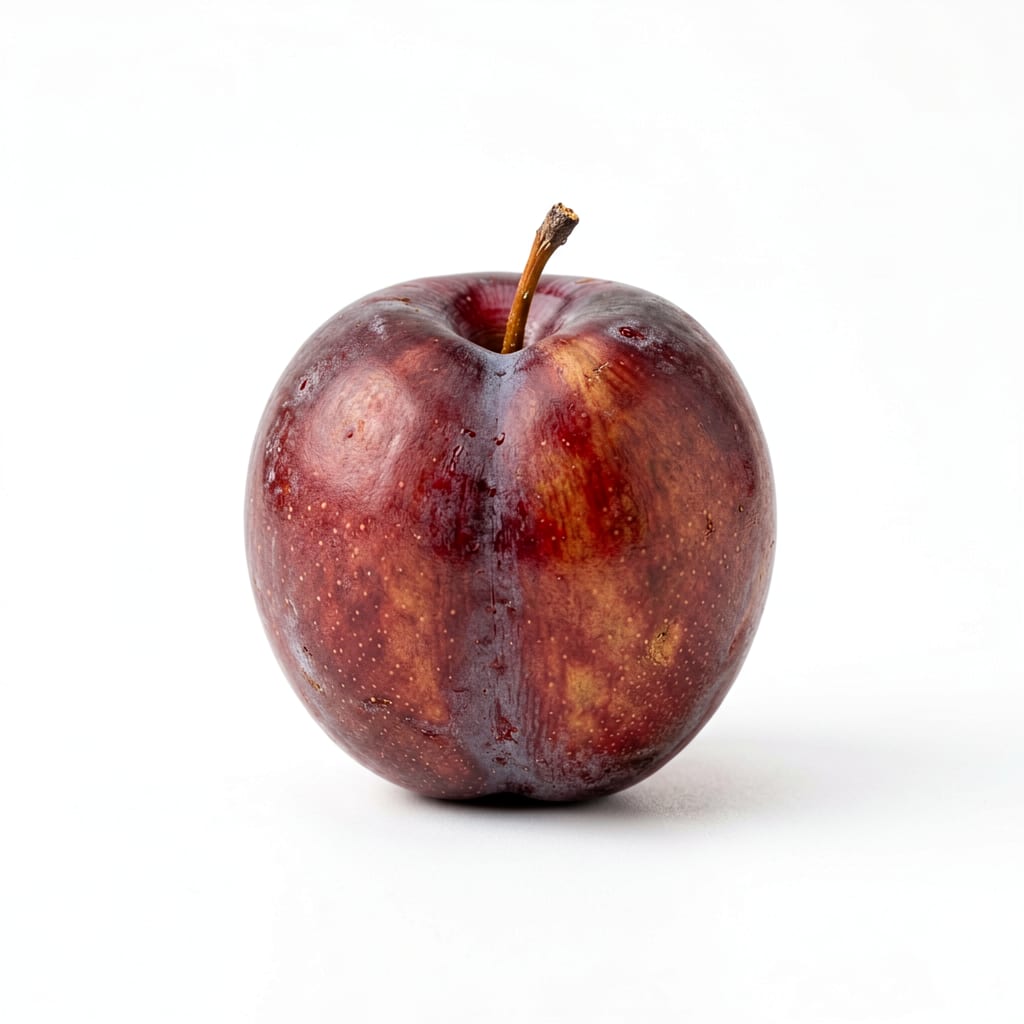
Plum
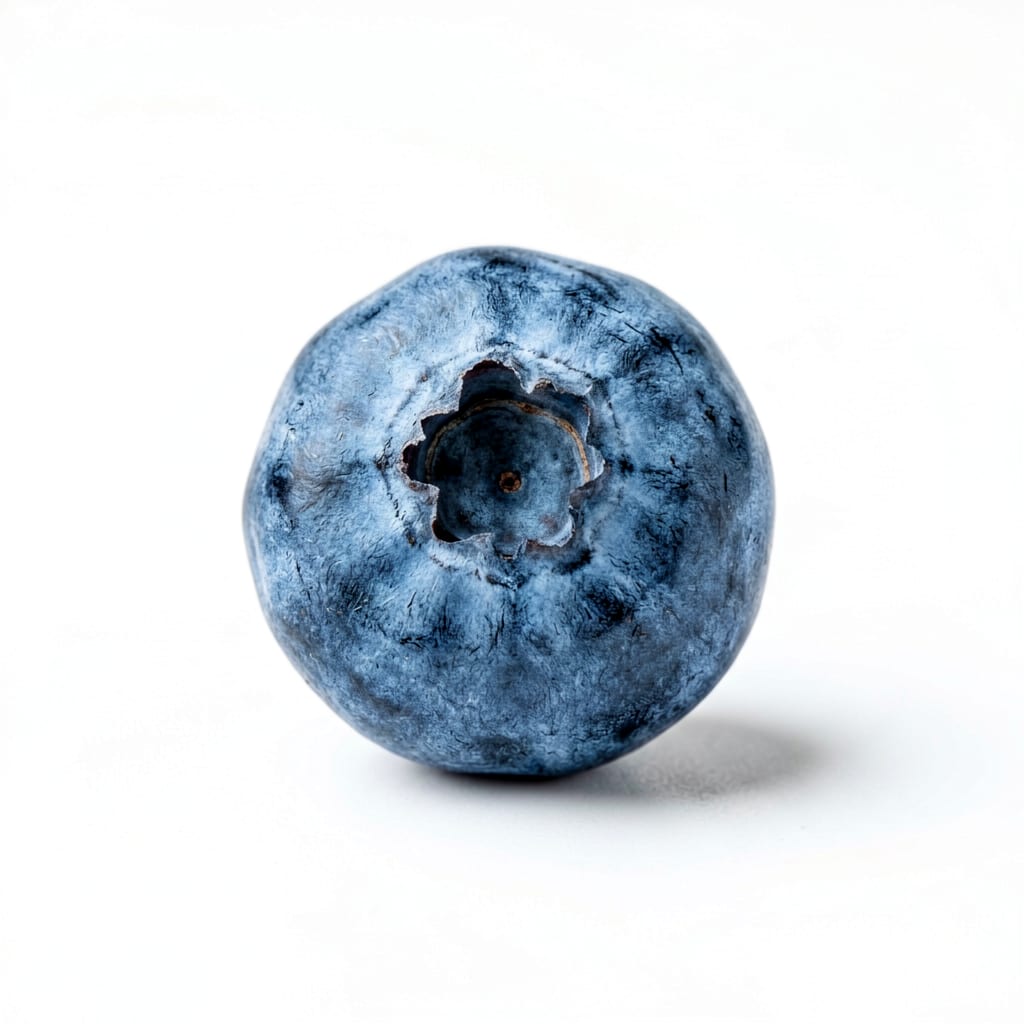
Blueberry
Blueberries edge out plums for their exceptional antioxidant density and lower sugar, but plums offer a more filling, vitamin C-rich bite.
Blueberries score higher due to their unmatched antioxidant profile and lower glycemic impact, though plums remain a highly nutritious and satisfying option.
Concentrated brain-boosting antioxidants and lower sugar in blueberries versus greater physical satiety and higher vitamin C in plums.
At a glance
Executive summary
Overall
Blueberry
Healthier
Blueberry
More practical
Plum
Daily use
Blueberry
Key comparison lenses
Antioxidant density and brain health
Blueberries are famous for cognitive benefits, making this the most critical differentiator.
Blood sugar impact and diabetes suitability
Both are fruits with natural sugars, but their glycemic loads differ significantly.
Satiety and snacking convenience
Plums offer a larger physical bite, while blueberries are small and easy to overeat.
Gut health and digestion
Plums are well-known for digestive regularity, adding a practical everyday comparison point.
Best choice for
Plum
- People wanting a large, filling whole-fruit snack
- Those needing a quick vitamin C boost
- Budget-conscious shoppers looking for affordable fresh fruit
Blueberry
- People focused on cognitive longevity and brain health
- Those strictly monitoring daily sugar intake
- Anyone looking to easily mix fruit into yogurt or oatmeal
Least suitable for
Plum
- People on very low-carb diets due to higher sugar per piece
- Smoothie drinkers who find the pit inconvenient
Blueberry
- Those who find them too expensive to eat in large quantities
- People seeking a physically large, filling snack on the go
Deep comparison
Dimension by dimension
Each lens scores both foods and breaks down who each option suits.
- Dimension 1 · Priority 95Blueberry
Antioxidant Power & Brain Health
Plum · 65Blueberry · 95Blueberries are an antioxidant powerhouse, specifically rich in anthocyanins linked to better memory, while plums offer decent but less concentrated antioxidants.
Tradeoff
You get significantly more brain-protective compounds in blueberries, but plums provide a different class of antioxidants that support cell repair.
Why it matters
Daily antioxidant intake compounds over time, protecting against cognitive decline and cellular aging.
Real-world impact
Eating blueberries regularly is like a long-term investment in your memory, whereas plums are more of a general health maintenance fruit.
Plum
- General cellular maintenance
- Variety in your antioxidant profile
Better for
- Targeted brain health support
- Maximum antioxidant density per calorie
Worse for
Blueberry
- Cognitive longevity
- Reducing oxidative stress from intense workouts
Better for
- Budget-friendly daily antioxidant sourcing
Worse for
- Dimension 2 · Priority 88Blueberry
Blood Sugar & Glycemic Load
Plum · 72Blueberry · 88Blueberries have a lower sugar content and glycemic load per serving, making them gentler on blood sugar than plums.
Tradeoff
Plums provide quicker energy from natural sugars, but blueberries offer steadier, crash-free energy.
Why it matters
Stable blood sugar prevents the afternoon energy slump and reduces cravings later in the day.
Real-world impact
A bowl of blueberries won't give you the subtle sugar rush and dip that a large plum might.
Plum
- Pre-workout quick energy
- Athletes needing fast-digesting carbs
Better for
- Sitting at a desk all day
- Insulin-resistant individuals
Worse for
Blueberry
- Steady desk-job energy
- Diabetics managing glucose spikes
Better for
- Immediate fuel before a run
Worse for
- Dimension 3 · Priority 82Plum
Satiety & Snack Convenience
Plum · 85Blueberry · 70A single plum is physically larger and more satisfying to bite into, whereas blueberries are small and easy to overeat by the handful without feeling full.
Tradeoff
Plums offer built-in portion control and chewing satisfaction, while blueberries are less satiating per piece but easier to incorporate into meals.
Why it matters
Feeling physically satisfied after a snack prevents you from reaching for more food an hour later.
Real-world impact
Grabbing a plum feels like eating a real snack; eating blueberries often feels like a light garnish unless you eat a whole pint.
Plum
- Curbing afternoon hunger
- A satisfying standalone snack
Better for
- Adding to smoothies or baking
- Eating discretely at your desk
Worse for
Blueberry
- Mixing into breakfast bowls
- Light grazing
Better for
- Stopping a rumbling stomach
- Portion control without measuring
Worse for
- Dimension 4 · Priority 78Plum
Vitamin C & Immune Support
Plum · 90Blueberry · 60Plums are a surprisingly good source of vitamin C, supporting immunity and skin health, while blueberries contain minimal vitamin C.
Tradeoff
Choosing plums gives you a solid immune-boosting vitamin hit, whereas blueberries rely on other compounds for their health benefits.
Why it matters
Vitamin C is essential for collagen production and immune defense, and it must be consumed daily since the body cannot store it.
Real-world impact
Eating a plum helps you hit your daily vitamin C needs much faster than a handful of blueberries.
Plum
- Immune support during cold season
- Skin health and collagen synthesis
Better for
- None significant for this dimension
Worse for
Blueberry
- Recovery from oxidative stress
- Long-term cellular health
Better for
- Meeting daily vitamin C requirements
Worse for
- Dimension 5 · Priority 75Plum
Gut Health & Digestion
Plum · 85Blueberry · 75Plums contain more fiber per serving and are known for their natural laxative effect, promoting regularity better than blueberries.
Tradeoff
Plums are superior for keeping things moving in your digestive tract, while blueberries offer a gentler, milder fiber contribution.
Why it matters
Good digestion is the foundation of nutrient absorption and comfortable daily living.
Real-world impact
If you are feeling backed up, a plum will work much faster than a bowl of blueberries.
Plum
- Relieving occasional constipation
- Increasing daily fiber intake easily
Better for
- Those with loose stools or IBS-D
Worse for
Blueberry
- Gentle daily fiber maintenance
- Soothing gut inflammation
Better for
- Immediate constipation relief
Worse for
Timeline
Health impact over time
Short-term
Hours to days
Plum
- Quick, refreshing energy from natural sugars
- Can stimulate a bowel movement within hours
Blueberry
- Light, crash-free snacking
- Minimal impact on blood sugar levels
Long-term
Months to years
Plum
- Improved digestive regularity
- Better skin elasticity from vitamin C
Blueberry
- Preserved cognitive function and memory
- Reduced risk of chronic inflammatory conditions
Risk profile
Safety & processing
Both plums and blueberries are whole, raw fruits with no artificial additives when purchased fresh or frozen.
Plum
Pesticide residue
mediumPlum skins can hold pesticide residues; washing thoroughly or choosing organic is advisable.
Choking hazard
mediumThe hard pit poses a choking risk for young children and must be removed before serving.
Blueberry
Pesticide residue
highBlueberries frequently appear on the EWG Dirty Dozen list due to high pesticide residues; organic is strongly recommended.
Who wins for whom
Audience fit
Same foods, different winners depending on your goal.
children
It dependsBlueberries are safer for toddlers due to the choking hazard of plum pits, but older kids often find a whole plum more satisfying as a snack.
daily consumption
BlueberryThe lower sugar content and exceptional antioxidant profile make blueberries a more sustainable daily staple.
diabetes
BlueberryBlueberries have a lower glycemic load and less sugar per serving, making them safer for blood sugar management.
elderly
BlueberryBlueberries support brain health and are easy to eat without worrying about a pit, which is crucial for aging adults.
muscle gain
It dependsNeither is a primary muscle-building food, but plums offer slightly more carbs for glycogen replenishment, while blueberries help reduce workout-induced oxidative stress.
weight loss
BlueberryBlueberries are lower in calories and sugar per serving, making them easier to fit into a calorie deficit, though plums offer more physical fullness.
Your move
Decision guide
Choose Plum
- You want a satisfying, filling mid-afternoon snack
- You need help with digestive regularity
- You are looking for a budget-friendly, vitamin C-rich fruit
Choose Blueberry
- You want to maximize your antioxidant and brain-health intake
- You are watching your sugar or managing diabetes
- You love adding fruit to oatmeal, yogurt, or smoothies
Either works if
- You just want a refreshing, whole-food snack
- You are trying to increase your daily fruit intake
Avoid both if
- You are on a strict very-low-carb or keto diet
Final recommendation
Keep both in your rotation, but lean toward blueberries for daily brain-protective benefits and lower sugar, while using plums when you need a more filling, digestion-friendly snack.
Practical
Consumer tips
- 1
Buy organic blueberries whenever possible to avoid high pesticide exposure.
- 2
Freeze fresh blueberries; they retain their antioxidants perfectly for smoothies.
- 3
Wash plums right before eating, not before storing, to prevent mold.
- 4
Remove plum pits before giving to children to eliminate choking risks.