
Nutrition comparison
Apricot vs Plum: Which Stone Fruit Is Healthier for You?
Compare apricot and plum nutrition, antioxidants, and health benefits. Learn which fruit is better for eye health, digestion, blood sugar, and daily snacking.

Apricot
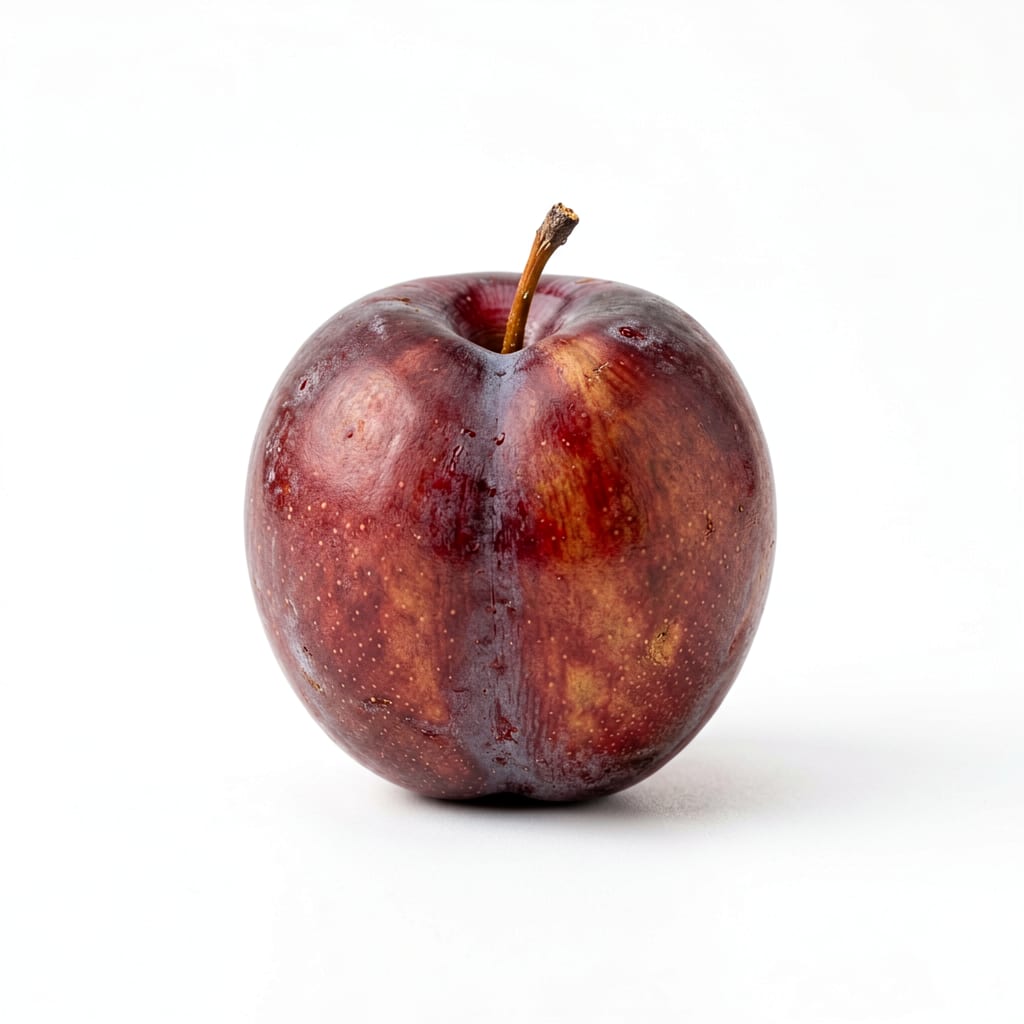
Plum
Apricots win for vitamin A, eye health, and iron. Plums win for hydration, anthocyanins, and digestive comfort. Both are excellent low-calorie fruits with different strengths.
Apricots edge ahead slightly due to superior vitamin A content and iron density, but plums match or exceed in other areas. The near-tie reflects how personal health goals should drive the choice.
Beta-carotene and eye-protecting nutrients in apricots versus deeper antioxidant diversity and gut-friendly compounds in plums.
At a glance
Executive summary
Overall
It depends
Healthier
It depends
More practical
Plum
Daily use
It depends
Key comparison lenses
antioxidant and vitamin comparison
Apricots dominate in vitamin A and beta-carotene while plums offer anthocyanins — users want to know which antioxidant profile matters more for them
eye health and skin benefits
Apricots are uniquely rich in lutein and zeaxanthin, making eye health a key differentiator
digestive health and regularity
Plums are famous for digestive benefits, especially when dried as prunes, making gut health a natural comparison point
blood sugar and diabetes friendliness
Both are stone fruits with moderate sugar, so glycemic impact is a common concern
snacking convenience and portability
Both are grab-and-go fruits but differ in size, messiness, and eating experience
Best choice for
Apricot
- People focused on eye health and vision protection
- Anyone needing more iron from fruit sources
- Those wanting maximum vitamin A from a whole food
- Snackers who prefer smaller, neater portions
Plum
- People prioritizing digestive regularity
- Anyone wanting more hydrating fruit during hot weather
- Those seeking anthocyanin antioxidants for inflammation
- Snackers who prefer juicier, more filling fruit
Least suitable for
Apricot
- People watching beta-carotene intake due to supplementation
- Those wanting a very hydrating post-workout fruit
- Anyone who dislikes slightly tart flavors
Plum
- People strictly limiting fructose who want lower sugar per gram
- Those wanting concentrated vitamin A from fruit
- Anyone bothered by juicier, messier snacking
Deep comparison
Dimension by dimension
Each lens scores both foods and breaks down who each option suits.
- Dimension 1 · Priority 90Apricot
vitamin_and_mineral_density
Apricot · 82Plum · 65Apricots deliver significantly more vitamin A, iron, and potassium per calorie than plums.
Tradeoff
You gain vision-supporting nutrients and iron with apricots but lose some vitamin C and hydration that plums provide.
Why it matters
Vitamin A is harder to get from most fruits, making apricots unusually valuable for covering that gap.
Real-world impact
Eating apricots regularly can meaningfully contribute to your daily vitamin A needs — something few other fruits can claim.
Apricot
- Meeting vitamin A needs without supplements
- Boosting iron intake from a fruit source
- Supporting night vision and eye comfort
Better for
- Relying on fruit as a primary vitamin C source
Worse for
Plum
- Getting slightly more vitamin C per serving
- Staying hydrated through food in summer
Better for
- Covering vitamin A needs through fruit alone
Worse for
- Dimension 2 · Priority 88It depends
antioxidant_diversity_and_quality
Apricot · 78Plum · 80Apricots concentrate beta-carotene and lutein. Plums offer anthocyanins and chlorogenic acid. Different antioxidants, different benefits.
Tradeoff
Apricots protect eyes and skin more directly. Plums fight inflammation and oxidative stress through a broader pigment range.
Why it matters
Antioxidant diversity matters more than total amount — eating both gives you complementary protection.
Real-world impact
If you eat lots of orange vegetables already, plums add more antioxidant variety. If you rarely eat orange foods, apricots fill a bigger gap.
Apricot
- Eye-specific antioxidant protection
- Skin health from beta-carotene
- Complementing a diet low in orange vegetables
Better for
- Total antioxidant variety from a single fruit
Worse for
Plum
- Anti-inflammatory anthocyanin intake
- Broader pigment-based antioxidant coverage
- Complementing a diet already rich in orange foods
Better for
- Targeted eye-health antioxidant concentration
Worse for
- Dimension 3 · Priority 85Plum
digestive_health_and_gut_friendliness
Apricot · 68Plum · 82Plums contain sorbitol and mild laxative compounds that support regularity. Dried plums (prunes) are legendary for digestion.
Tradeoff
Plums are gentler on digestion and actively promote regularity. Apricots provide decent fiber but lack the gut-stimulating compounds.
Why it matters
Digestive regularity affects energy, comfort, and mood daily — this is a practical advantage people actually feel.
Real-world impact
If you struggle with occasional constipation or sluggish digestion, plums offer a food-first solution that works gently.
Apricot
- Getting fiber without any laxative effect
- Those with sensitive digestion who want neutral fiber
Better for
- Active digestive support beyond basic fiber
Worse for
Plum
- Supporting digestive regularity naturally
- Gentle relief from occasional constipation
- Post-travel or post-illness digestive reset
Better for
- Anyone who needs to avoid sorbitol or laxative compounds
Worse for
- Dimension 4 · Priority 78Apricot
blood_sugar_impact
Apricot · 76Plum · 70Both are moderate-glycemic stone fruits, but apricots have slightly less sugar per gram and more fiber relative to their sugar content.
Tradeoff
Apricots cause a marginally gentler blood sugar response. Plums have more sugar but also more water, which dilutes the effective glycemic load per whole fruit.
Why it matters
For most people the difference is small. For those monitoring blood sugar closely, every gram of sugar and fiber ratio counts.
Real-world impact
A single apricot feels lighter on blood sugar than a single plum, but portion size matters more than the fruit choice itself.
Apricot
- Tighter blood sugar management
- Pairing with protein for a balanced snack
- Smaller, more portion-controlled eating
Better for
- Situations where you want a larger, more satisfying fruit serving
Worse for
Plum
- Post-exercise fruit when faster sugar uptake is fine
Better for
- Careful carb counting or diabetes meal planning
Worse for
- Dimension 5 · Priority 75Plum
hydration_and_satiety
Apricot · 62Plum · 80Plums are significantly juicier and more filling per fruit due to higher water content and larger average size.
Tradeoff
Plums satisfy thirst and hunger better as a standalone snack. Apricots are lighter and less filling, which can be either an advantage or disadvantage.
Why it matters
On hot days or after exercise, a plum feels more refreshing and substantial. Apricots work better as a light addition to a meal.
Real-world impact
One plum feels like a complete snack. One apricot feels like a few bites — you may reach for more food sooner.
Apricot
- Light snacking without feeling full
- Adding to oatmeal or yogurt without overwhelming it
- Controlling portions more easily
Better for
- Satiety as a standalone snack
- Feeling refreshed and hydrated after eating
Worse for
Plum
- Standalone satisfying snack
- Post-workout hydration and refreshment
- Hot weather fruit choice
Better for
- Neat, mess-free portable snacking
- Adding to recipes without excess moisture
Worse for
- Dimension 6 · Priority 70Plum
convenience_and_versatility
Apricot · 68Plum · 74Plums are easier to eat on the go due to firmer flesh and less stickiness. Apricots can be delicate and bruise easily when ripe.
Tradeoff
Apricots dry beautifully and are more versatile in cooking. Fresh plums are more durable and pleasant to eat out of hand.
Why it matters
A fruit you actually enjoy eating consistently beats a nutritionally superior fruit that sits in your fridge.
Real-world impact
Dried apricots are a pantry staple for trail mix and baking. Fresh plums are a better desk snack and lunchbox fruit.
Apricot
- Dried fruit for hiking and trail mix
- Baking and cooking applications
- Long-term pantry storage as dried fruit
Better for
- Transporting fresh ripe apricots without damage
- Eating neatly at a desk or in the car
Worse for
Plum
- Fresh eating on the go
- Lunchbox and desk snacking
- Less mess and handling care needed
Better for
- Dried fruit applications and long storage
Worse for
Timeline
Health impact over time
Short-term
Hours to days
Apricot
- Quick light energy from natural sugars without feeling heavy
- Moderate blood sugar rise that stabilizes relatively fast
- Mild satiety — may want to pair with protein or fat to feel full
Plum
- More hydrating and refreshing, especially on warm days
- Gentle digestive stimulation within hours of eating
- More filling per fruit, reducing urge to snack again quickly
Long-term
Months to years
Apricot
- Meaningful contribution to vitamin A status and eye health over months
- Iron intake support, especially valuable for plant-based eaters
- Skin health benefits from consistent beta-carotene intake
Plum
- Improved digestive regularity with consistent consumption
- Anti-inflammatory benefits from anthocyanins accumulating over time
- Better hydration habits from choosing water-rich fruit regularly
Risk profile
Safety & processing
Both are whole, unprocessed fruits when eaten fresh. Dried apricots sometimes contain sulfur dioxide as a preservative to maintain color — look for unsulfured varieties if this concerns you.
Apricot
Sulfur dioxide in dried apricots
lowConventional dried apricots often use sulfites to preserve color. Unsulfured varieties are brownish but preservative-free. Sulfites can trigger reactions in sensitive individuals.
Pesticide residue on conventional apricots
mediumApricots are not on the Dirty Dozen list but do carry measurable pesticide residues. Washing helps. Organic reduces exposure significantly.
Plum
Pesticide residue on conventional plums
mediumPlums tested positive for multiple pesticide residues in USDA data. Peeling reduces exposure but removes beneficial skin antioxidants. Organic is worthwhile if you eat them frequently.
Sorbitol sensitivity
lowPlums contain sorbitol, which is beneficial for most people but can cause gas or diarrhea in sensitive individuals, especially in larger amounts.
Who wins for whom
Audience fit
Same foods, different winners depending on your goal.
children
PlumPlums are juicier, sweeter, and more fun to eat for most kids. Their digestive benefits also help with common childhood constipation.
daily consumption
It dependsRotating both gives the best antioxidant coverage. If choosing one, pick based on your biggest health priority: eyes (apricots) or digestion (plums).
diabetes
ApricotApricots have a slightly better fiber-to-sugar ratio and smaller portion size, giving more predictable blood sugar responses per serving.
elderly
PlumPlums support digestive regularity, which becomes more important with age. Their hydration content also helps older adults who often under-hydrate.
muscle gain
It dependsNeither fruit is significant for muscle gain. Both provide marginal potassium for cramp prevention. Choice should follow overall diet preference.
weight loss
ApricotApricots are slightly lower in calories per gram and easier to portion control due to their smaller size, making mindful snacking simpler.
Your move
Decision guide
Choose Apricot
- You want to boost vitamin A and support eye health through food
- Iron intake matters to you, especially on a plant-based diet
- You prefer smaller, lighter snacks that do not feel heavy
- You enjoy dried fruit for hiking, trail mix, or baking
- You want a fruit that pairs easily with oatmeal or yogurt
Choose Plum
- Digestive regularity is a daily concern for you
- You want a more hydrating and refreshing fruit for warm weather
- You prefer a juicier, more satisfying standalone snack
- You are interested in anthocyanin antioxidants for inflammation
- You want a lunchbox fruit that travels well without bruising
Either works if
- You simply want a low-calorie whole fruit snack
- You are rotating fruits for antioxidant diversity anyway
- Neither fruit is a dietary staple for you — just occasional variety
Avoid both if
- You have a stone fruit allergy or birch pollen sensitivity
- You are on a very strict low-fructose diet prescribed by a doctor
- You have severe IBS and are in an active elimination phase
Final recommendation
Eat both across the week for complementary benefits. Reach for apricots when eye health and iron matter most. Choose plums when digestion and hydration are the priority. If you must pick one daily, let your personal health focus decide — there is no wrong answer between these two nutritious stone fruits.
Practical
Consumer tips
- 1
Choose organic for both fruits if you eat them regularly — pesticide residues are measurable on conventional versions of each
- 2
Look for unsulfured dried apricots to avoid preservative exposure — they will be brown instead of bright orange
- 3
Ripe plums should yield slightly to pressure but not feel mushy — firmer plums ripen on the counter over 2-3 days
- 4
Fresh apricots bruise easily — transport them carefully and eat within 2 days of ripening for best texture
- 5
Freeze sliced plums for smoothies — they blend well and add natural sweetness and thickness
- 6
Dried apricots make an excellent pre-workout energy source with less sugar spike than dates or raisins
- 7
Pair either fruit with a handful of nuts or cheese for a balanced snack that steadies blood sugar