
Nutrition comparison
Plum vs Blackberry: Which Fruit Is Healthier?
Compare plum vs blackberry nutrition including sugar, fiber, antioxidants, and blood sugar impact. Find out which fruit is better for weight loss, diabetes, and daily snacking.
Overall winner · Blackberry
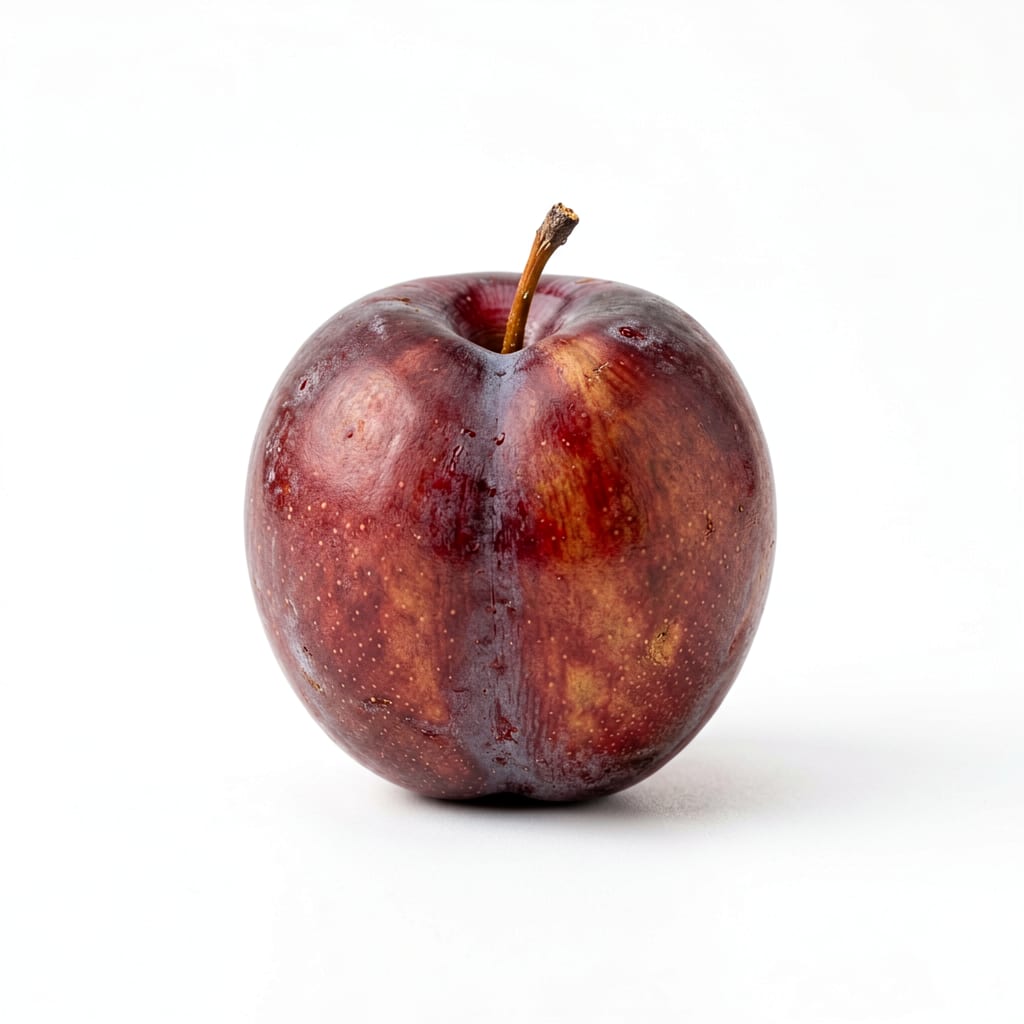
Plum
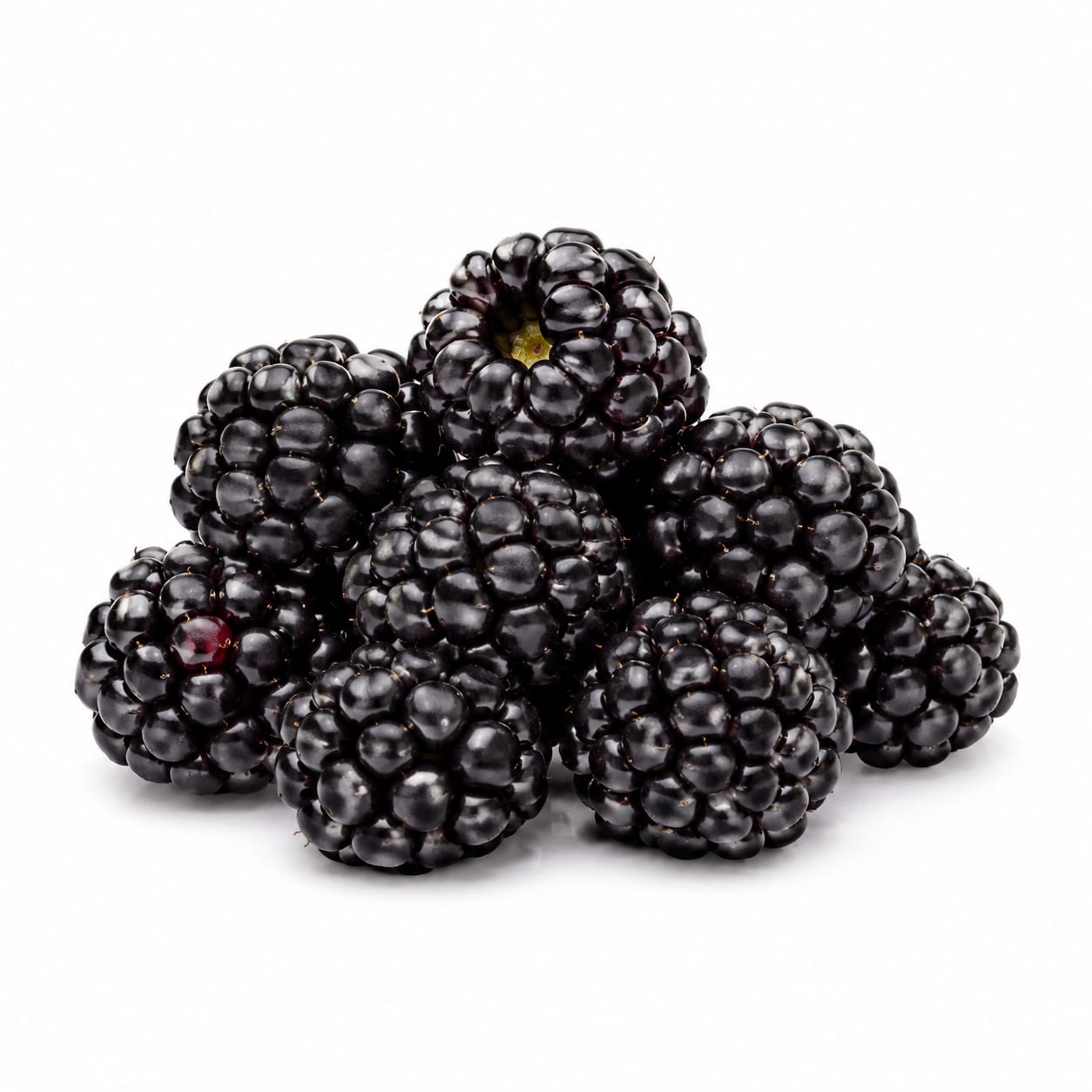
Blackberry
Blackberries win on nutrition almost across the board—more fiber, less sugar, far more antioxidants—but plums are cheaper, easier to snack on, and still a solid fruit choice.
Blackberries score significantly higher due to superior fiber, dramatically more antioxidants, and lower sugar. Plums remain a good choice but cannot match the nutrient density or blood sugar profile of blackberries.
You trade convenience and sweetness for a massive upgrade in fiber, antioxidants, and blood sugar stability.
At a glance
Executive summary
Overall
Blackberry
Healthier
Blackberry
More practical
Plum
Daily use
Blackberry
Key comparison lenses
antioxidant density
Blackberries are among the highest-antioxidant fruits available, while plums are moderate—this is the starkest nutritional difference between them
sugar and blood sugar management
Plums carry nearly double the sugar of blackberries, making glycemic impact a key decision factor
fiber and satiety
Blackberries deliver roughly 4x the fiber per serving, dramatically affecting fullness and digestive health
everyday snacking convenience
Plums are easier to grab and eat on the go; blackberries are delicate and require careful handling
digestive tolerance
Plums contain sorbitol which can trigger digestive issues in sensitive people, while blackberry seeds may irritate some
Best choice for
Plum
- Busy people needing a portable, no-prep snack
- Anyone craving sweetness without turning to candy
- Budget-conscious shoppers wanting affordable fruit
- People who find berries too tart
Blackberry
- People managing blood sugar or insulin resistance
- Anyone wanting maximum antioxidants per calorie
- Those prioritizing digestive health and regularity
- Weight-loss seekers needing high-satiety, low-sugar fruit
Least suitable for
Plum
- People with IBS or sorbitol sensitivity
- Those strictly limiting sugar intake
- Anyone seeking peak antioxidant density
Blackberry
- People with diverticulitis or seed sensitivity
- Those on a tight produce budget
- Anyone needing durable fruit for travel or lunchboxes
Deep comparison
Dimension by dimension
Each lens scores both foods and breaks down who each option suits.
- Dimension 1 · Priority 92Blackberry
Antioxidant Density
Plum · 45Blackberry · 95Blackberries are antioxidant powerhouses, ranking among the top fruits for total antioxidant capacity. Plums offer decent antioxidants but fall far short.
Tradeoff
You would need to eat roughly 3-4 plums to approach the antioxidant content of a single cup of blackberries.
Why it matters
Antioxidants protect cells from daily wear and tear, support brain health, and reduce inflammation—this is where blackberries truly shine.
Real-world impact
Regular blackberry eaters get more long-term protective benefits per bite, which adds up meaningfully over years.
Plum
- Casual fruit eaters who just want something tasty
Better for
- People specifically eating fruit for antioxidant benefits
Worse for
Blackberry
- Anyone concerned about aging and cellular health
- People with inflammatory conditions
- Those wanting maximum benefit from limited fruit intake
Better for
- Those who cannot tolerate tart flavors and would simply eat less fruit
Worse for
- Dimension 2 · Priority 88Blackberry
Sugar Content and Blood Sugar Impact
Plum · 50Blackberry · 85Blackberries contain roughly half the sugar of plums per serving, making them far gentler on blood sugar.
Tradeoff
Plums taste sweeter and more dessert-like, but that sweetness comes with nearly 10g of sugar per 100g versus blackberries' 5g.
Why it matters
Lower sugar fruit means steadier energy, fewer cravings later, and better metabolic markers over time.
Real-world impact
A plum as an afternoon snack might leave you hungry again in 45 minutes. Blackberries keep you steadier for longer.
Plum
- Athletes needing quick natural sugar after exercise
- People who find low-sugar fruit unsatisfying
Better for
- People monitoring blood sugar closely
Worse for
Blackberry
- People with prediabetes or diabetes
- Anyone trying to reduce sugar cravings
- Those following low-carb or keto approaches
Better for
- Those who need quick energy replenishment
Worse for
- Dimension 3 · Priority 85Blackberry
Fiber and Satiety
Plum · 35Blackberry · 90Blackberries deliver roughly 4 times more fiber than plums, making them dramatically more filling and better for digestion.
Tradeoff
A cup of blackberries provides about 8g of fiber versus only 2g from a similar amount of plum. That difference is felt in how long you stay full.
Why it matters
Fiber is the single most underrated nutrient for weight management, gut health, and blood sugar control.
Real-world impact
Blackberries as a snack feel substantial and satisfying. Plums disappear quickly and may leave you reaching for more food.
Plum
- People who prefer light, easy-to-eat fruit without texture
Better for
- People relying on fruit as a satiating snack
Worse for
Blackberry
- Anyone trying to eat less by staying fuller longer
- People with sluggish digestion needing more roughage
- Those not hitting daily fiber targets
Better for
- Those who find seedy textures unpleasant
Worse for
- Dimension 4 · Priority 72Plum
Convenience and Eating Experience
Plum · 82Blackberry · 55Plums are sturdy, portable, and easy to eat whole. Blackberries are fragile, perishable, and require careful handling.
Tradeoff
You can toss a plum in a bag and eat it hours later. Blackberries bruise easily and mold quickly, demanding refrigeration and gentle treatment.
Why it matters
The best fruit is one you actually eat. If blackberries spoil before you finish them, their nutritional edge vanishes.
Real-world impact
Plums are a reliable commuter snack. Blackberries demand planning—buy them, refrigerate them, eat them within 2 days.
Plum
- Busy professionals needing grab-and-go fruit
- Parents packing school lunches
- Hikers and outdoor snackers
Better for
- Those wanting to top dishes with fruit
Worse for
Blackberry
- Home cooks adding fruit to yogurt, oatmeal, or smoothies
- People who eat fruit immediately after purchase
Better for
- Anyone needing durable fruit for on-the-go
Worse for
- Dimension 5 · Priority 68It depends
Digestive Tolerance
Plum · 55Blackberry · 60Both have digestive caveats. Plums contain sorbitol, a natural laxative that causes bloating in sensitive people. Blackberry seeds can irritate diverticulitis or sensitive bowels.
Tradeoff
Plums help with constipation but can cause urgency or gas. Blackberries are gentler for most, but their seeds are a real problem for some.
Why it matters
Digestive discomfort can override any nutritional benefit—tolerance is personal and matters more than nutrient charts.
Real-world impact
If you have IBS, a plum might cause bloating within an hour. If you have diverticulitis, blackberry seeds might trigger a flare.
Plum
- People with occasional constipation who benefit from sorbitol
Better for
- People with IBS or sorbitol malabsorption
- Anyone prone to diarrhea
Worse for
Blackberry
- Most people with general digestive sensitivity
- Those who tolerate seeds well
Better for
- People with diverticulitis or seed intolerance
- Those with strict low-residue diets
Worse for
- Dimension 6 · Priority 60Plum
Cost and Accessibility
Plum · 80Blackberry · 50Plums are widely available, inexpensive, and have a long season. Blackberries are pricier, more seasonal, and often sold in smaller containers.
Tradeoff
You pay a premium for blackberries' nutrient density. Plums deliver solid nutrition at a fraction of the cost per serving.
Why it matters
Budget constraints shape real eating patterns. A fruit you can afford to eat daily beats a superior fruit you only buy occasionally.
Real-world impact
A bag of plums might cost $3-4 for a week of snacking. The same money gets you one or two small containers of blackberries that vanish in two days.
Plum
- Families feeding multiple people affordably
- Anyone on a grocery budget
- People without access to specialty produce stores
Better for
- Those willing to spend more for maximum nutrition
Worse for
Blackberry
- Those who prioritize quality over quantity in produce
- People with flexible grocery budgets
Better for
- Budget-constrained households
- People in areas with limited berry availability
Worse for
Timeline
Health impact over time
Short-term
Hours to days
Plum
- Quick natural sugar boost for energy
- Possible digestive urgency due to sorbitol content
- Mild satiety that fades within an hour
Blackberry
- Steady, sustained energy without sugar spike
- Noticeable fullness from high fiber content
- Minimal digestive upset for most people
Long-term
Months to years
Plum
- Moderate antioxidant protection from regular consumption
- Consistent sorbitol intake supports bowel regularity
- Higher cumulative sugar intake compared to berries
Blackberry
- Substantial anti-inflammatory and cellular protection from anthocyanins
- Improved gut microbiome diversity from high polyphenol and fiber intake
- Better long-term blood sugar regulation and metabolic markers
Risk profile
Safety & processing
Both plums and blackberries are whole, unprocessed fruits you can eat exactly as nature delivers them. Neither raises processing concerns when purchased fresh or frozen.
Plum
Pesticide residue on conventional plums
mediumPlums frequently appear on EWG's expanded pesticide watch lists. The skin is thin and edible, so residues are hard to wash off completely. Buying organic reduces this significantly.
Sorbitol-induced digestive distress
mediumPlums contain natural sorbitol that can cause gas, bloating, and diarrhea in sensitive individuals, especially when eaten in quantities of 3 or more at a time.
Blackberry
Pesticide residue on conventional blackberries
highBlackberries rank among the most pesticide-contaminated fruits due to their delicate, porous structure. Their many crevices trap residues that washing cannot fully remove. Organic is strongly recommended.
Mold and spoilage
mediumBlackberries spoil rapidly and can harbor mold within 1-2 days of purchase. Inspect containers carefully and discard any berries showing fuzz or mushiness.
Who wins for whom
Audience fit
Same foods, different winners depending on your goal.
children
PlumKids prefer the sweet taste and easy-to-hold shape of plums. Blackberry seeds and tartness often lead to rejection, and the choking risk from small berries is higher for toddlers.
daily consumption
BlackberryIf you can manage the cost and perishability, blackberries deliver more health benefits per serving and are gentler on blood sugar for everyday eating.
diabetes
BlackberryLower sugar, higher fiber, and a lower glycemic load make blackberries significantly safer for blood sugar management.
elderly
BlackberryBlackberries' superior fiber helps with common constipation in aging, and their high vitamin K supports bone health. The seeds are manageable for most older adults.
muscle gain
It dependsNeither fruit is a muscle-building food. Plums offer slightly more quick carbs post-workout, but the difference is negligible. Choose based on taste preference.
weight loss
BlackberryHalf the sugar, four times the fiber, and more antioxidants per calorie make blackberries the clear choice for feeling full on fewer calories.
Your move
Decision guide
Choose Plum
- You need a durable, portable snack for work or travel
- You are on a budget and want affordable fresh fruit
- You find berries too tart and prefer sweeter fruit
- You want a natural remedy for occasional constipation
- You are packing fruit for kids who reject berries
Choose Blackberry
- You want maximum nutrition per calorie consumed
- You are managing blood sugar, insulin resistance, or diabetes
- You are willing to pay more for superior antioxidant intake
- You need a high-fiber fruit that keeps you full for hours
- You add fruit to yogurt, oatmeal, or smoothies at home
Either works if
- You just want a healthy whole fruit and both are available
- You are rotating fruits for dietary variety
- You are eating fruit as part of a balanced meal where differences matter less
Avoid both if
- You have severe fructose intolerance or FODMAP sensitivity
- You are on a strict very-low-carb diet and cannot spare the carbs
- You have known allergies to stone fruits or berries
Final recommendation
Eat blackberries whenever budget and practicality allow—they are one of the most nutrient-dense fruits you can buy. Keep plums as your reliable backup: cheaper, sturdier, and still a genuinely healthy choice. The best strategy is rotating both, leaning toward blackberries when you are at home and plums when you are on the move.
Practical
Consumer tips
- 1
Buy organic blackberries whenever possible—their porous structure makes them one of the most pesticide-prone fruits
- 2
Wash blackberries right before eating, not before storing, to prevent mold acceleration
- 3
Freeze blackberries that are about to spoil—they blend beautifully into smoothies and retain most nutrients
- 4
If plums cause bloating, try eating just one at a time instead of two or three
- 5
Dried plums (prunes) concentrate the sorbitol effect dramatically—do not assume they are equivalent to fresh plums
- 6
Look for plums that yield slightly to pressure but are not mushy for the best flavor and texture balance
- 7
Blackberries pair exceptionally well with high-protein foods like Greek yogurt—the fiber and protein combination is very satiating