
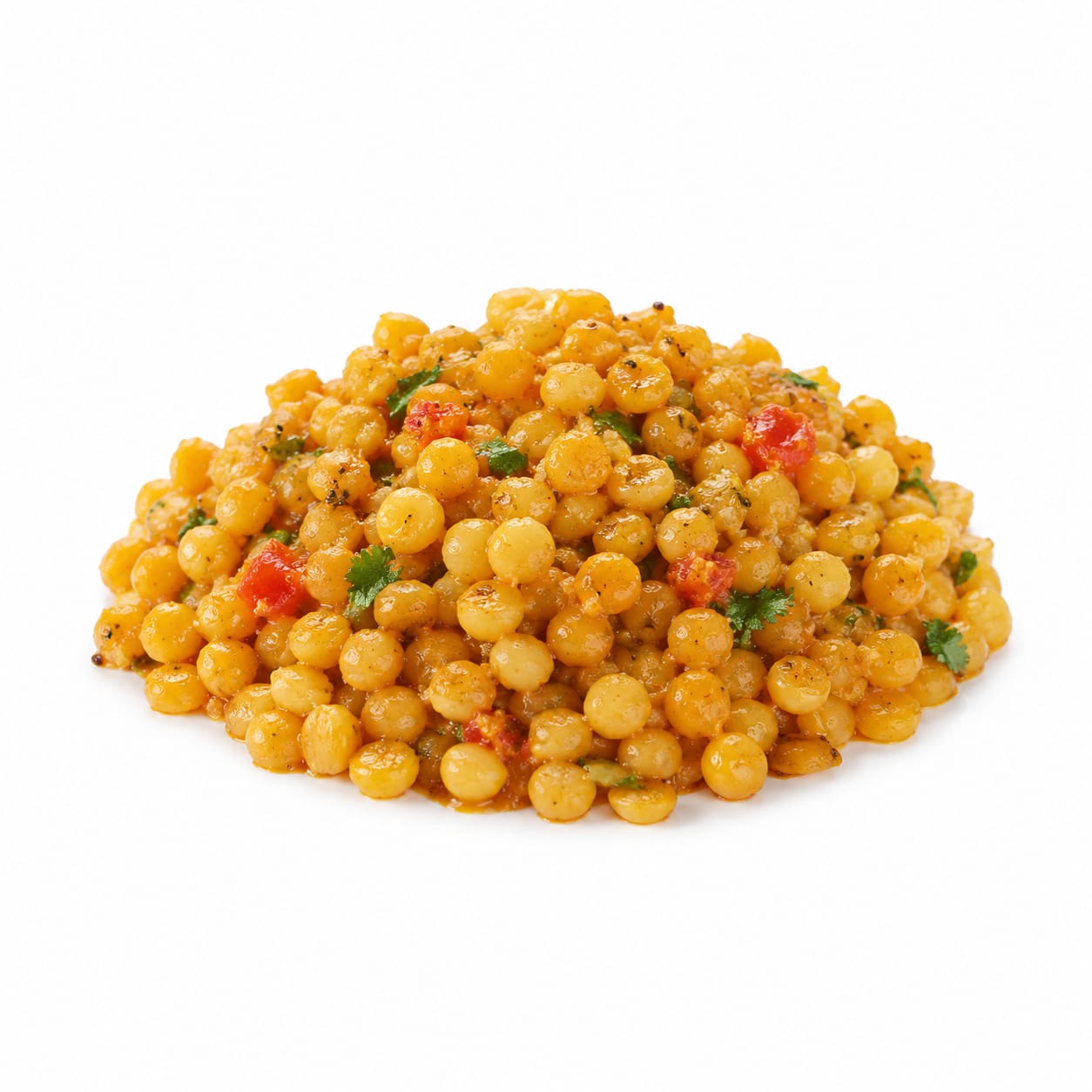
Legume
Pigeon Pea
A nutrient-dense tropical legume high in protein and fiber, commonly eaten as split peas or dal.
Pigeon peas are a tropical legume commonly consumed in Asia, Africa, and Latin America, known for their high protein and fiber content, often sold dried and split as toor dal.
high-fiber plant-based protein source
Typical serving · 160g
Common varieties · Toor Dal, Arhar Dal, Gungo Pea, Congo Pea, Red Gram
Overall context score across nutrition, safety, and diet fit
At a glance
Quick facts
Simple indicators based on nutrition, processing, and diet fit.
The story
What makes it unique
Pigeon peas are a slow-digesting, high-fiber legume that provides sustained satiety and moderate protein. Their low glycemic index and resistant starch content support stable blood sugar and feed beneficial gut bacteria. As a whole food pulse, they require cooking to neutralize anti-nutrients like lectins.
Varieties: Toor Dal · Arhar Dal · Gungo Pea · Congo Pea · Red Gram
Per 100g
Nutrition breakdown
Macro balance and key metrics at a glance.
Energy
Density 1.21 kcal/g
Protein
Carbs
Fat
Fiber
Sugar
3 g
Sodium
3 mg
Potassium
387 mg
Glycemic index
22
Glycemic load
5
Water content
65%
Standout compounds
Nutrient highlights
Folate
highSupports cell division and DNA synthesis
Dietary Fiber
highPromotes satiety and feeds gut bacteria
Magnesium
moderateAids muscle function and blood pressure regulation
Potassium
moderateHelps maintain fluid balance and nerve signals
Resistant Starch
highEscapes digestion to fuel colon cells
Wellness map
Health scores & processing
NOVA processing scale
Minimally processed · Whole food
Dried pigeon peas are whole, unprocessed seeds that may be split (dal) but retain their natural macronutrient and fiber profile without added ingredients.
Diet compatibility
- Weight loss
- Muscle gain
- Diabetes
- Gut health
- Low carb
- High protein
- Heart health
Relative standing
Food rankings
Qualitative ranks compared to similar whole foods.
- Satietyexcellent
- Blood sugarexcellent
- Nutrient densitygood
- Fitness fuelgood
- Processing qualityexcellent
Eat with confidence
Food safety profile
Raw pigeon peas contain lectins that are neutralized by proper cooking. Phytic acid can reduce mineral absorption but is mitigated by soaking and sprouting.
Evidence confidence 90%
- Pesticideslow
- Antibioticslow
- Heavy metalslow
- Contaminationlow
Watch for
- Lectins (inactivated by cooking)
- Phytic acid
Safer choices
Organic dried pulses to minimize pesticide residue, though risk is generally low.
Prep tips
Rinse dried peas thoroughly, soak for several hours, and boil until fully tender to ensure lectin destruction and improve digestibility.
None significant; standard agricultural monitoring applies.
Deep dive
Health analysis
How this food may fit different goals and preparation choices.
Weight loss
High fiber and protein content create prolonged satiety, reducing overall calorie intake by slowing gastric emptying.
Blood sugar
Low glycemic index and high resistant starch prevent rapid glucose spikes, making them ideal for insulin resistance management.
Fitness & energy
Provide a slow-release carbohydrate source paired with muscle-supporting protein, suitable for sustained endurance activities.
Gut health
Soluble fiber and resistant starch act as prebiotics, fueling microbiome diversity and strengthening the gut barrier.
Processing quality
A whole-food pulse with minimal processing; splitting into dal does not degrade its nutritional integrity.
Food safety
Safe when properly cooked; raw pulses contain phytohaemagglutinin (lectins) that are completely destroyed by boiling.
Common mistakes
Failing to soak or adequately cook dried peas, leading to digestive discomfort and reduced nutrient absorption.
Best preparation
Soaking overnight, then boiling or pressure cooking until tender; sprouting further enhances bioavailability of minerals.
Practical guide
Best use cases
When and how this food fits real eating patterns.
Blood sugar friendly meals
Replacing refined carbs with pigeon peas to stabilize post-meal glucose.
Plant-based protein pairing
Combining with rice or quinoa for a complete amino acid profile in vegan diets.
High-volume eating
Using cooked pigeon peas in soups and stews to add bulk and satiety without excess calories.
Prebiotic gut support
Regular consumption to feed beneficial gut microbiota through resistant starch.
Balance sheet
Pros & cons
Upsides
- Excellent source of satiety-promoting dietary fiber
- Low glycemic index prevents blood sugar spikes
- Rich in resistant starch for prebiotic gut benefits
- Good plant-based protein source when paired with grains
- Naturally gluten-free and low in fat
- High in folate for cellular health
Trade-offs
- Contains phytic acid which can inhibit mineral absorption
- Requires long soaking and cooking times for proper digestion
- Not suitable for strict low-carb or ketogenic diets
- Incomplete protein requiring grain pairing for full amino acids
- Can cause bloating or gas if consumed in large quantities unaccustomed
Fit check
Who is it for?
Great match
- plant-based eaters seeking protein
- blood sugar management and diabetes prevention
- high-volume low-calorie meals
- gut microbiome support
Consider alternatives
- strict ketogenic diets
- those with severe IBS sensitive to high FODMAP foods
- individuals needing rapid post-workout protein synthesis
Side by side
How it compares
Open the full head-to-head analysis for nutrition, safety, and practical tradeoffs.
This food
Pigeon Pea
VS85% alike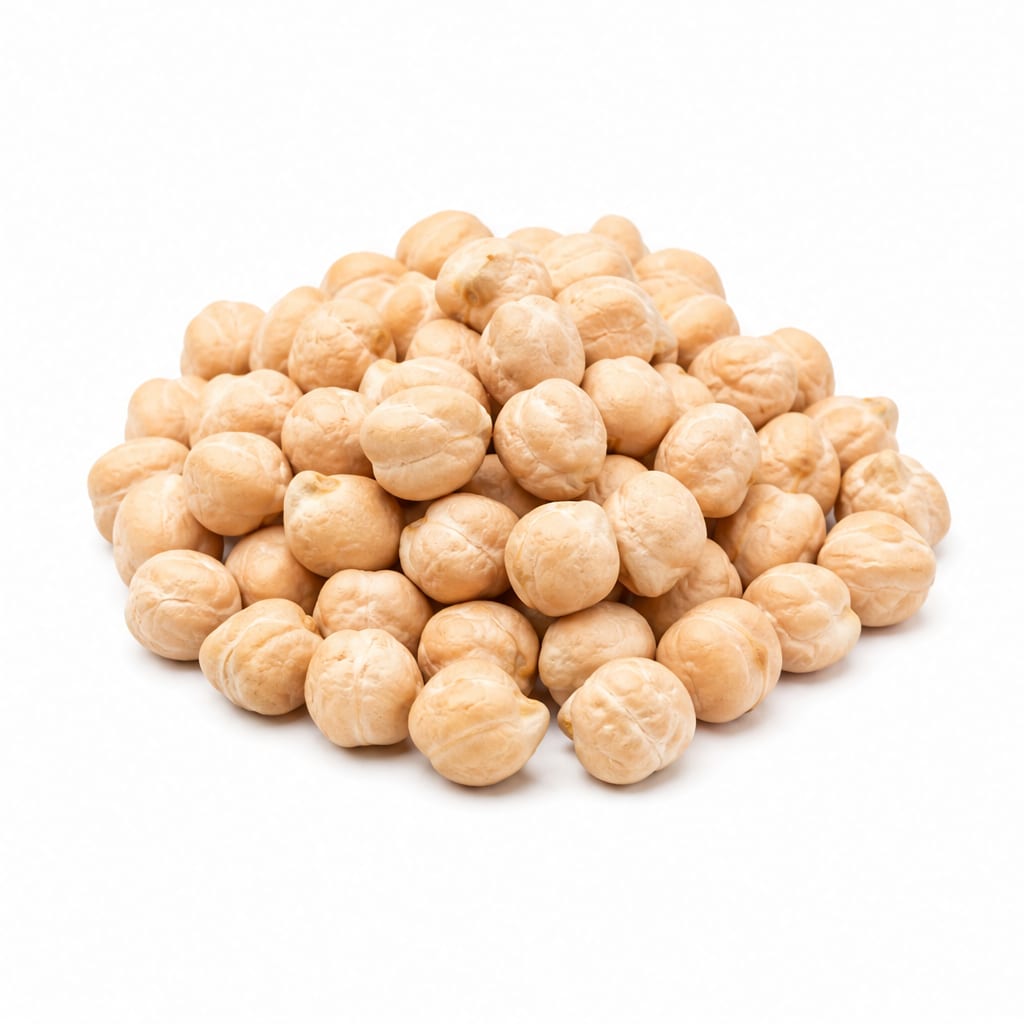
Compare with
Chickpeas
Pigeon peas are lower in calories and fat but similar in protein; chickpeas are slightly higher in folate.
Pigeon peas are lower in calories and better for blood sugar control, while chickpeas offer slightly more protein and satiety.
This food
Pigeon Pea
VS90% alike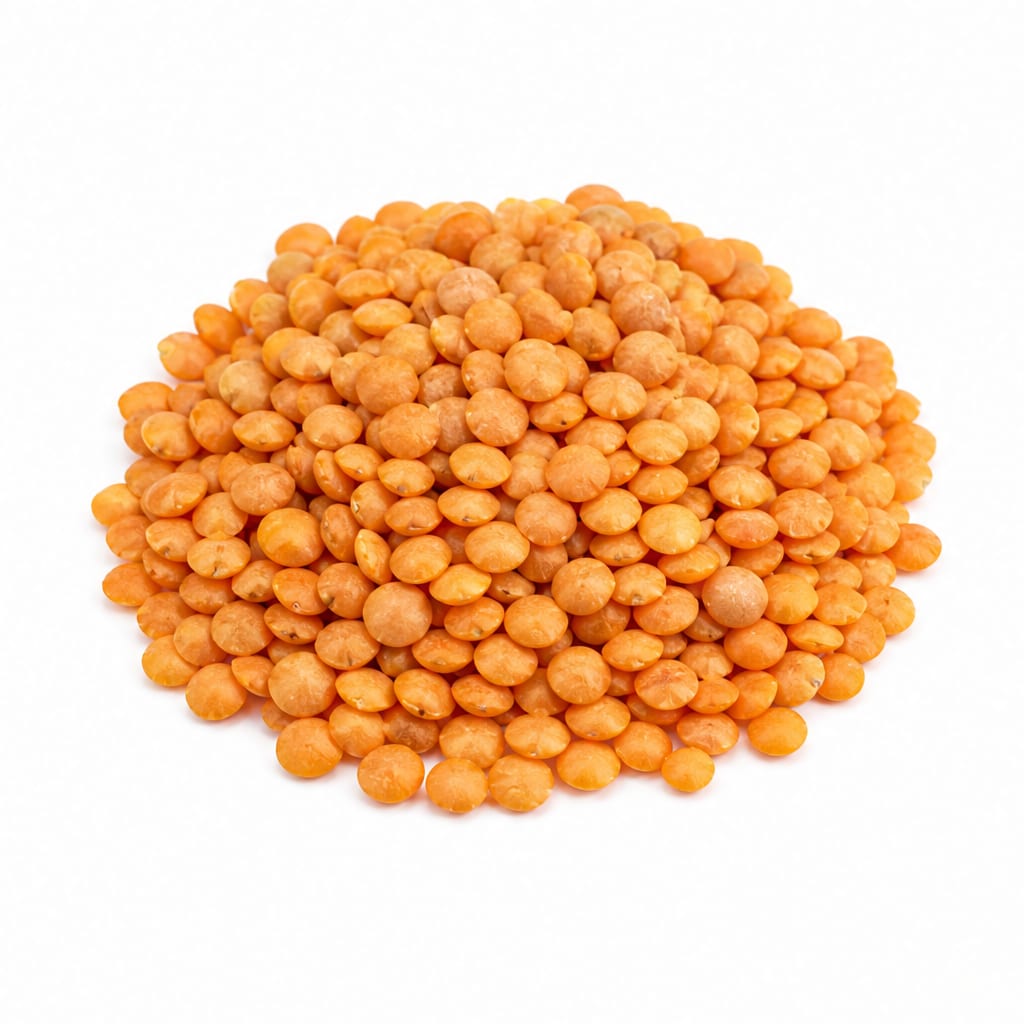
Compare with
Lentils
Lentils cook faster and have slightly more protein; pigeon peas offer more resistant starch.
Lentils provide more protein and cook faster, but pigeon peas are slightly better for blood sugar stability due to resistant starch.
This food
Pigeon Pea
VS80% alike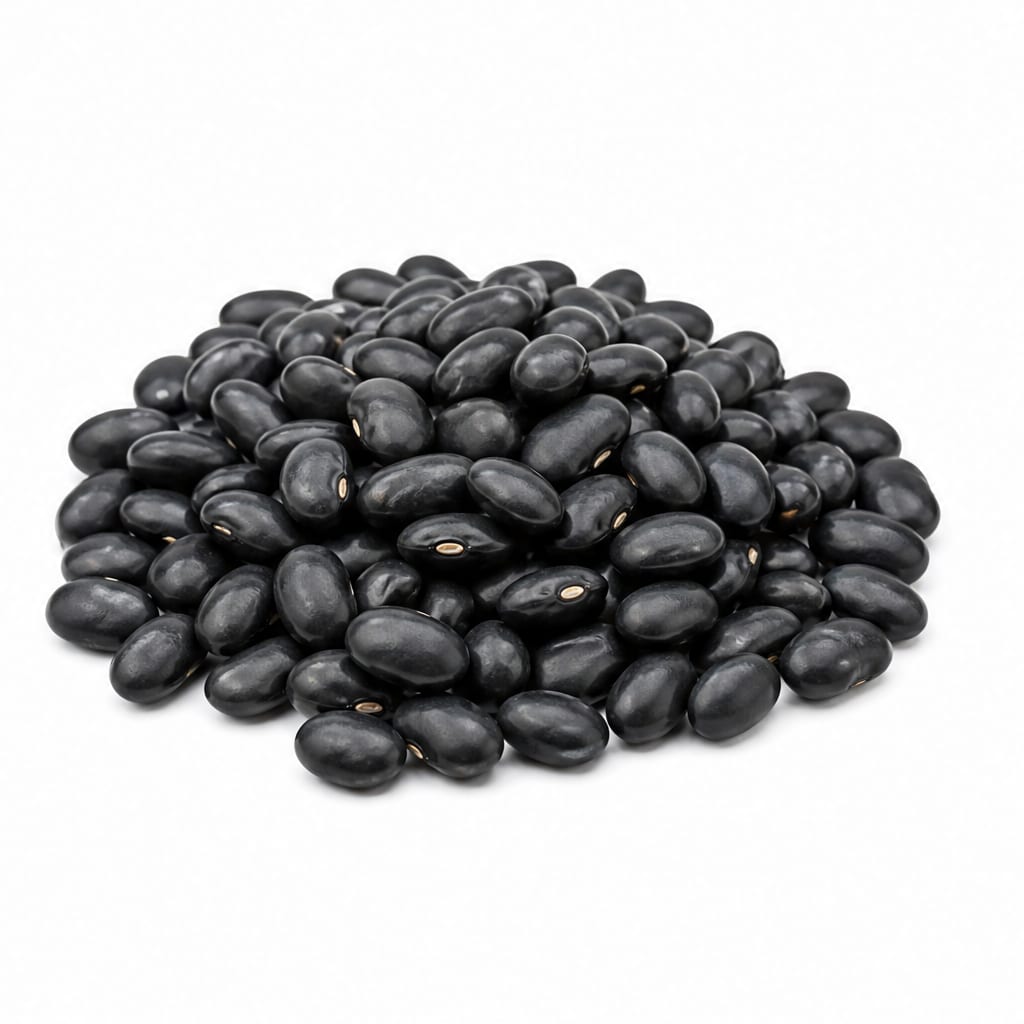
Compare with
Black Beans
Black beans are higher in antioxidants and slightly higher in protein; pigeon peas are lighter in texture.
Black beans offer more protein and antioxidants, while pigeon peas are lower in calories and better for strict blood sugar control.
This food
Pigeon Pea
VS95% alike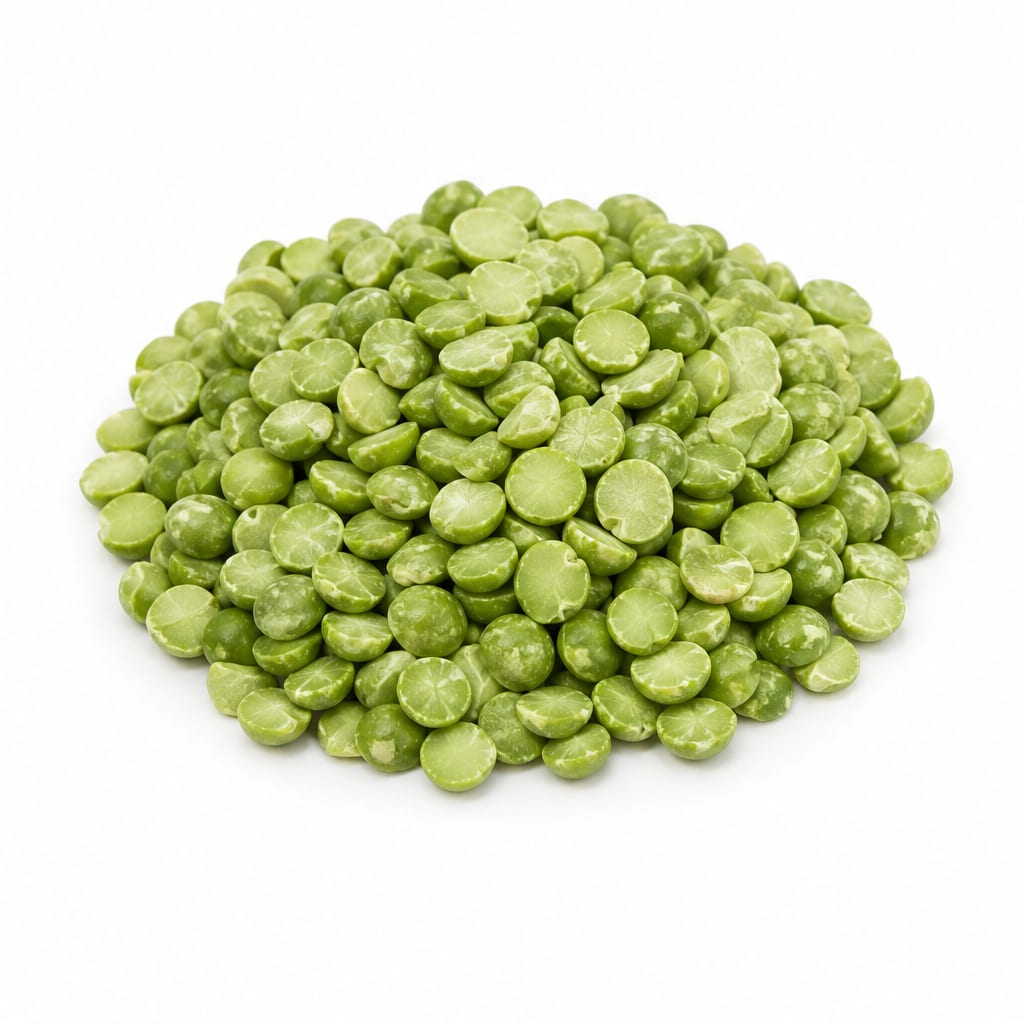
Compare with
Split Peas
Split peas are denser and cook down creamier; pigeon peas hold their shape better and are slightly lower in starch.
Pigeon peas are lower in starch and calories than split peas, making them better for blood sugar, while split peas provide thicker texture for soups.
This food
Pigeon Pea
VS85% alike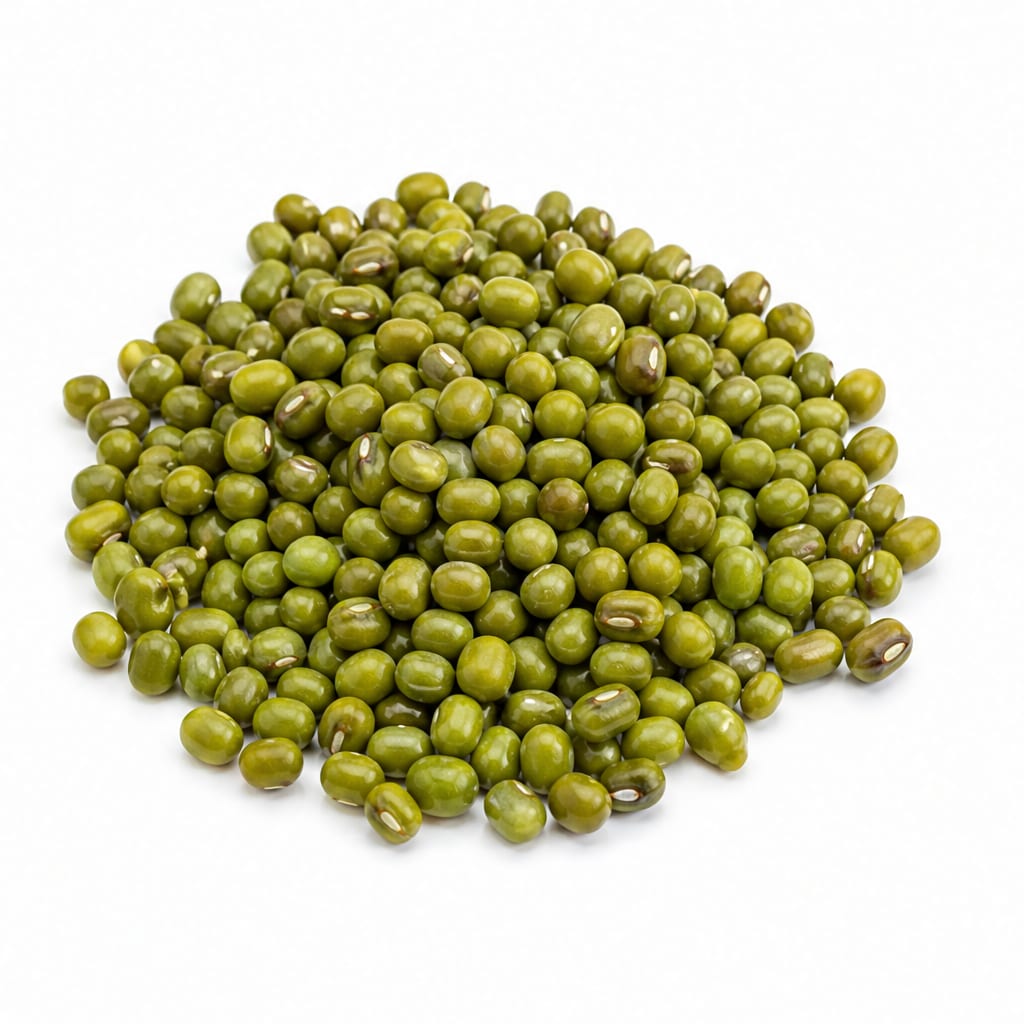
Compare with
Mung Beans
Mung beans are easier to digest and lower in FODMAPs; pigeon peas are higher in certain B vitamins.
Mung beans are gentler on digestion, while pigeon peas offer a slight edge in blood sugar management and B vitamin content.
This food
Pigeon Pea
VS80% alike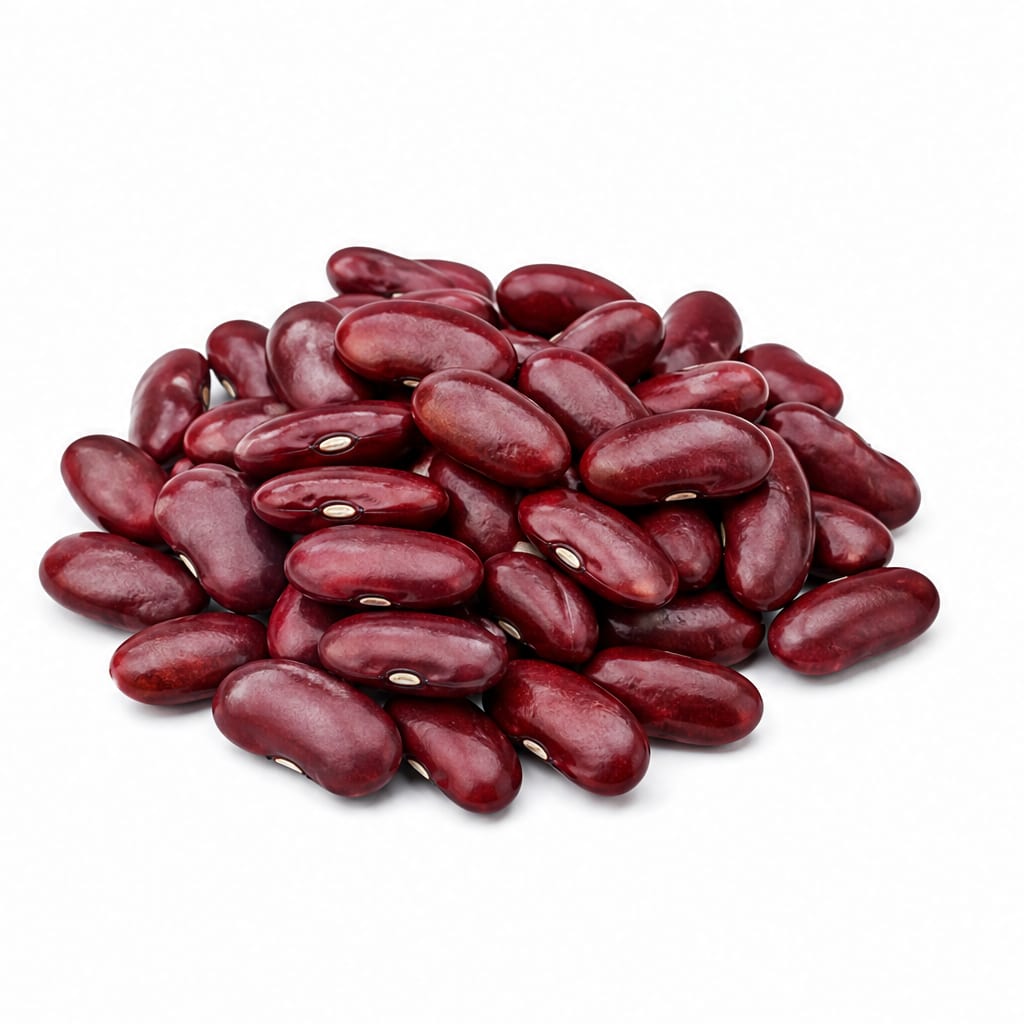
Compare with
Kidney Beans
Kidney beans are higher in iron and slightly denser in calories; pigeon peas have a milder flavor and lower glycemic load.
Kidney beans provide more iron and protein for fitness, whereas pigeon peas are lower in calories and better for blood sugar regulation.
This food
Pigeon Pea
VS90% alike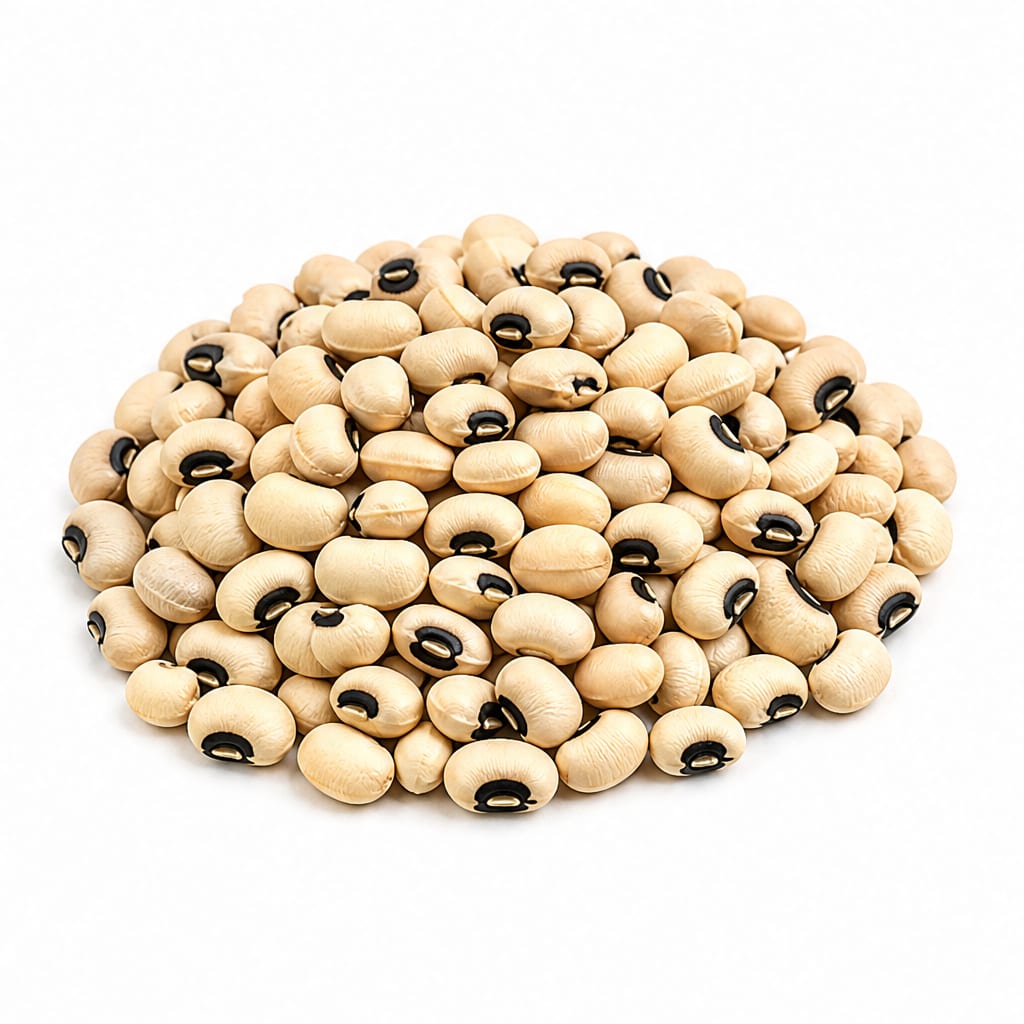
Compare with
Black-eyed Peas
Very similar nutritionally; pigeon peas have a nuttier flavor and slightly more fiber.
Pigeon peas and black-eyed peas are nutritionally comparable, but pigeon peas edge ahead with slightly more fiber and better blood sugar control.
This food
Pigeon Pea
VS70% alike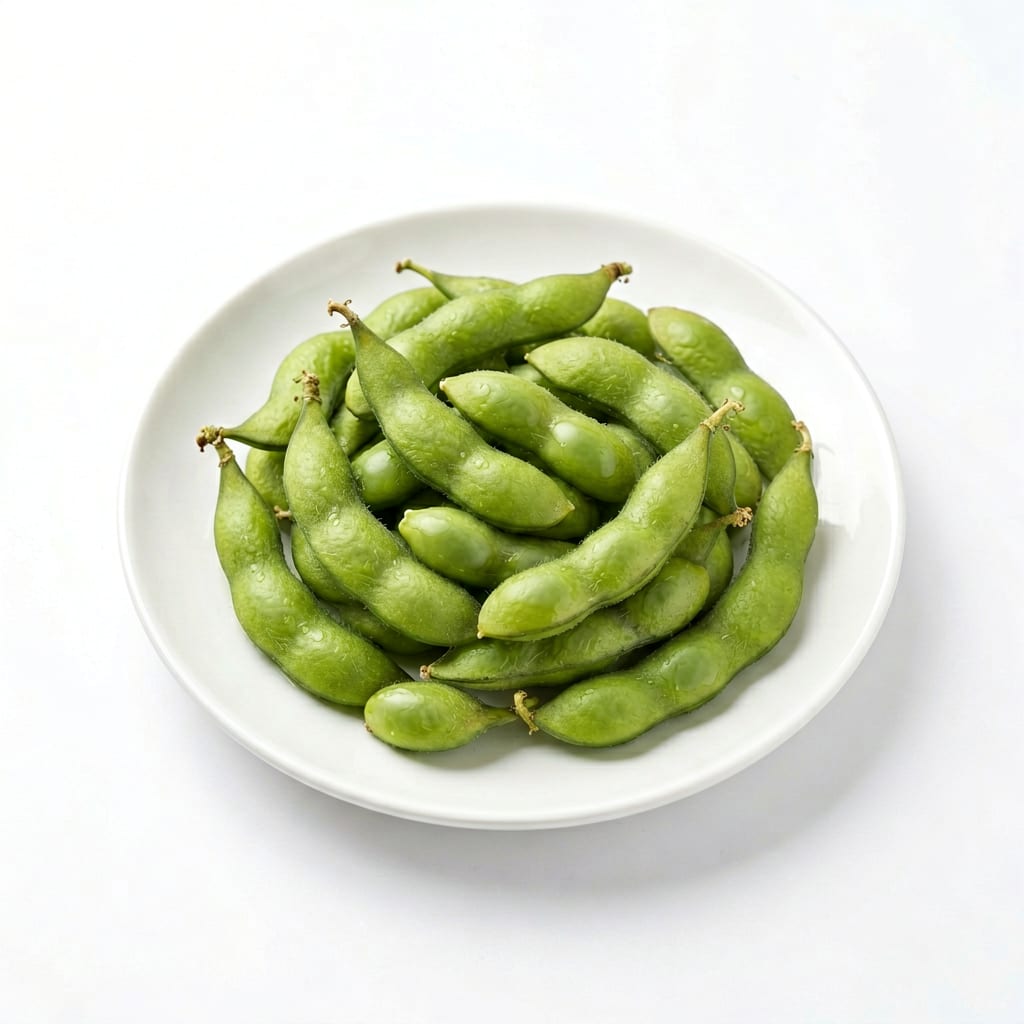
Compare with
Edamame
Edamame is much higher in protein and fat; pigeon peas are lower in calories and higher in complex carbs.
Edamame provides significantly more protein for muscle building, while pigeon peas offer fewer calories and more slow-digesting carbs for energy.
This food
Pigeon Pea
VS65% alike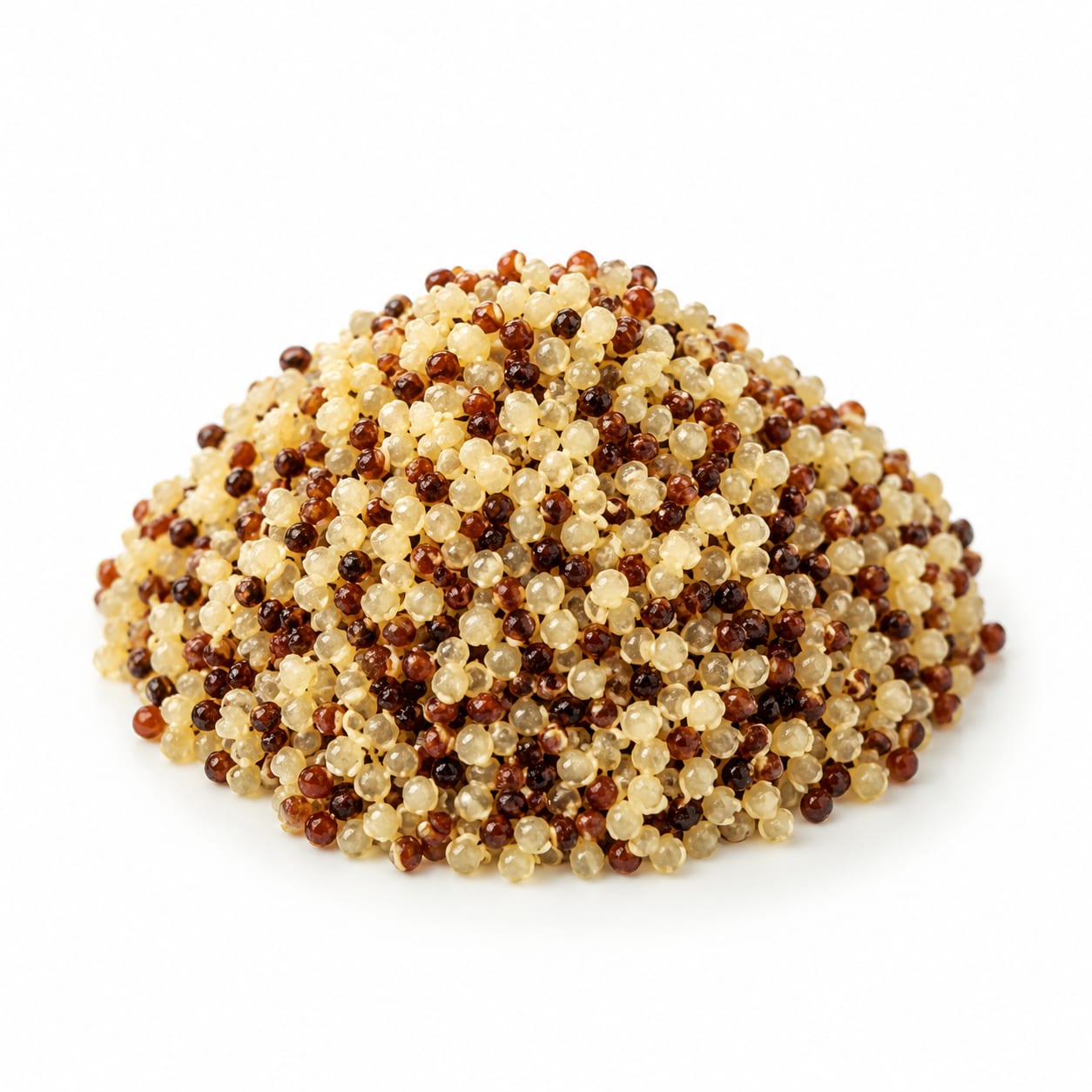
Compare with
Quinoa
Quinoa is a complete protein and cooks faster; pigeon peas offer significantly more fiber per serving.
Quinoa is a faster-cooking complete protein, but pigeon peas are far superior for fiber, satiety, and blood sugar control.
This food
Pigeon Pea
VS60% alike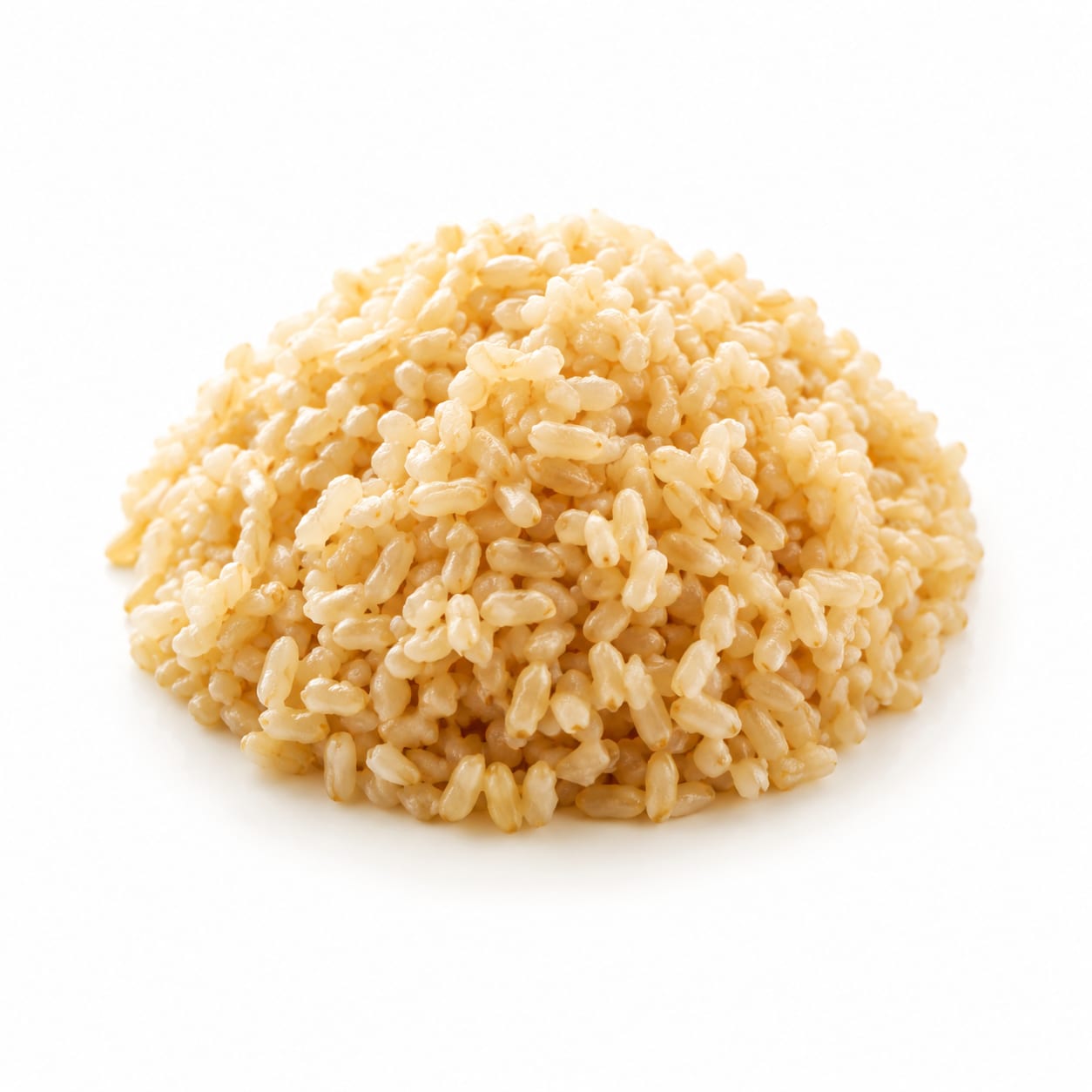
Compare with
Brown Rice
Brown rice is lower in protein and fiber; pigeon peas provide a much stronger satiety response and nutrient density.
Pigeon peas dramatically outperform brown rice in protein, fiber, and blood sugar stability, making them the healthier carb choice.
Common questions
FAQ
Answers aligned with how people search for this food.
Are pigeon peas good for weight loss?
Yes, pigeon peas are excellent for weight loss due to their high fiber and protein content, which promotes fullness and reduces overall calorie consumption.
Do pigeon peas spike blood sugar?
No, pigeon peas have a low glycemic index and are rich in resistant starch, resulting in a slow, steady release of glucose into the bloodstream.
What is the difference between pigeon peas and toor dal?
Toor dal is simply the split and skinned version of the pigeon pea, commonly used in Indian cooking. Nutritionally, they are very similar, though toor dal cooks faster.
Are pigeon peas hard to digest?
They can be if not properly prepared. Soaking and thoroughly cooking pigeon peas breaks down hard-to-digest fibers and lectins, making them gentle on the gut.
Can you eat pigeon peas on a keto diet?
No, pigeon peas are relatively high in carbohydrates and are not suitable for a strict ketogenic diet, though they fit well into moderate low-carb eating.
Do pigeon peas need to be soaked before cooking?
Yes, soaking dried pigeon peas for 4-8 hours reduces cooking time, improves digestibility, and decreases phytic acid which can block mineral absorption.
Are pigeon peas a complete protein?
No, like most legumes, pigeon peas are low in methionine. Pairing them with grains like rice creates a complete amino acid profile.
What are the gut health benefits of pigeon peas?
Pigeon peas contain resistant starch and soluble fiber that act as prebiotics, feeding beneficial gut bacteria and supporting a healthy microbiome.
Transparency
Data confidence
Estimated confidence for nutrition data, interpretation, safety notes, and comparisons.
Nutrition data
Health analysis
Food safety
Comparisons