
Nutrition comparison
Pigeon Peas vs Kidney Beans: Nutrition, Safety, and Which to Choose
Compare Pigeon Peas and Kidney Beans on protein, fiber, safety, and digestion. Find out which legume is better for weight loss, diabetes, muscle gain, and daily eating.
Overall winner · Kidney Beans
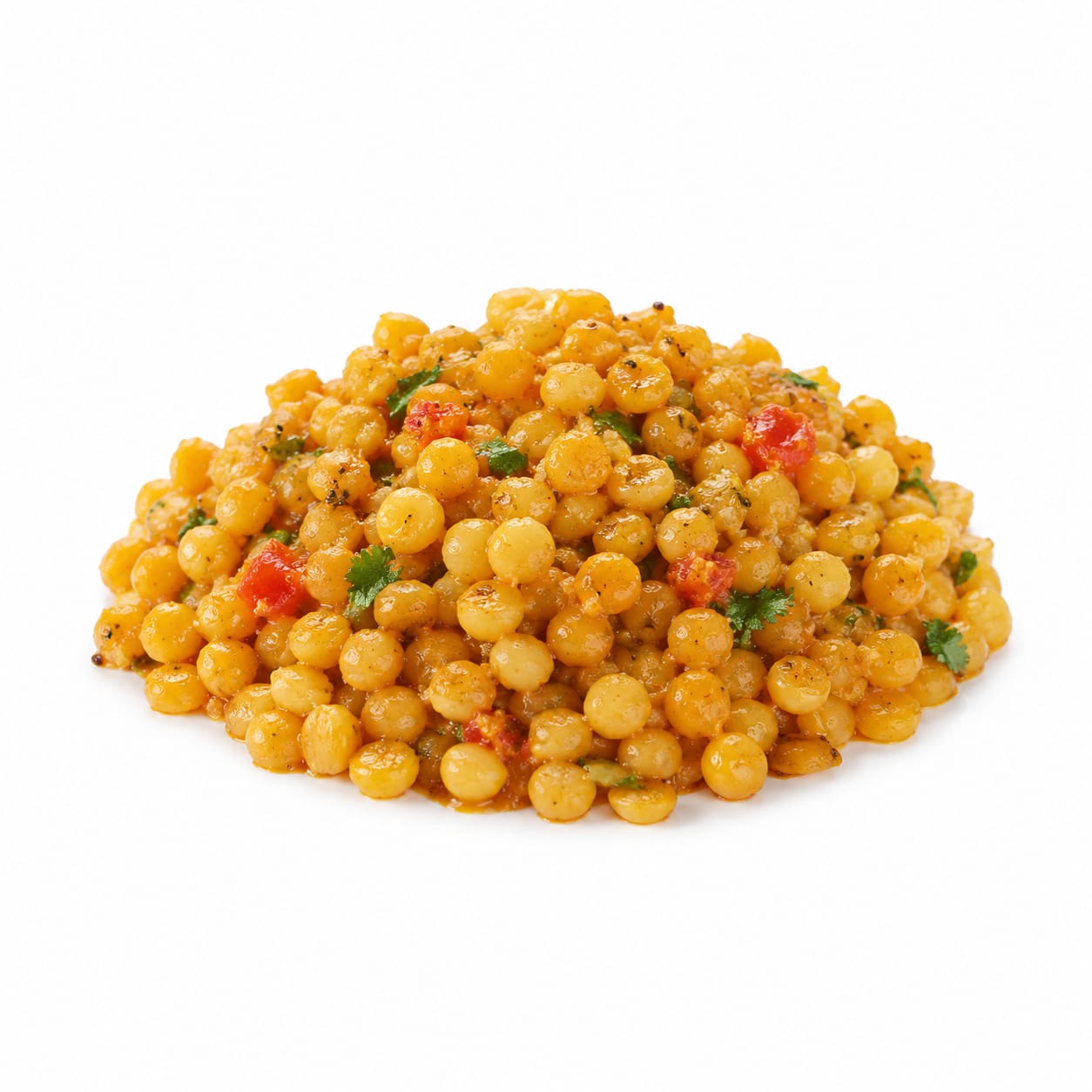
Pigeon Pea
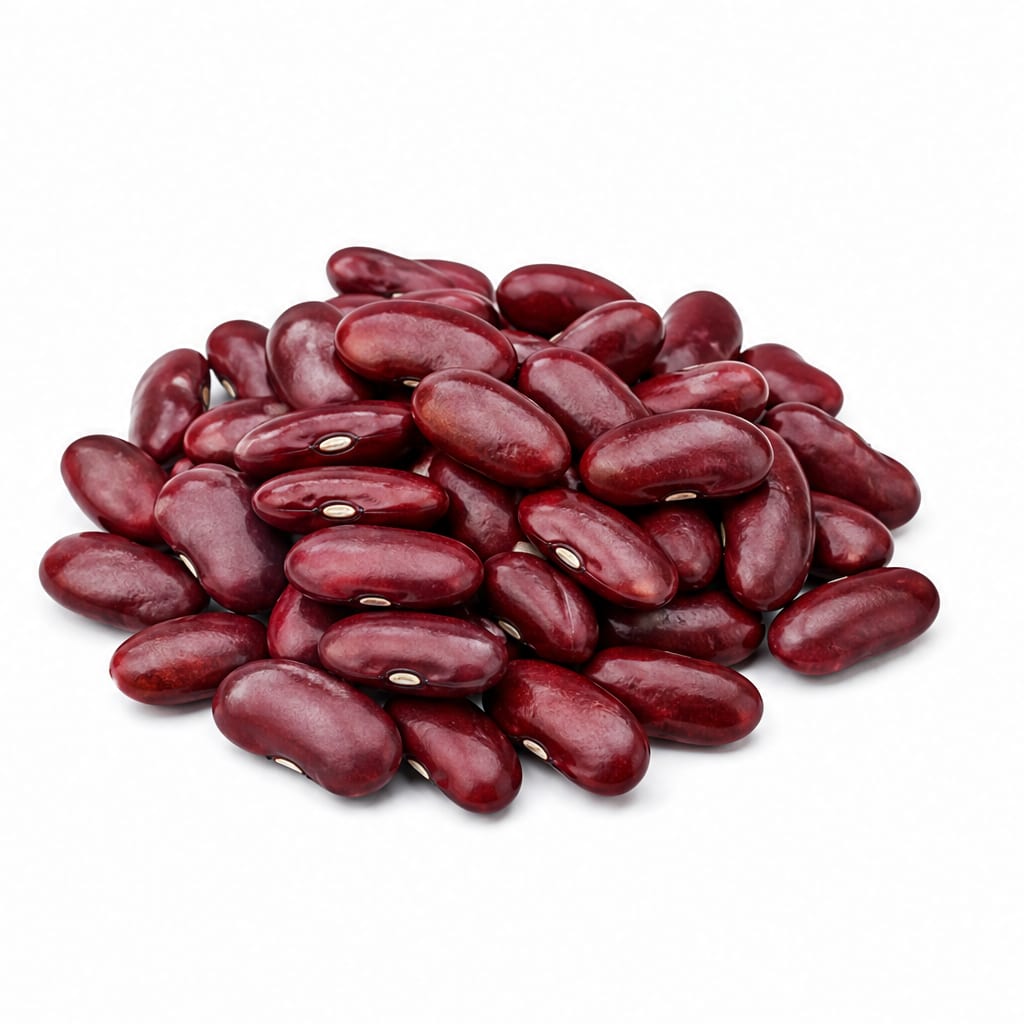
Kidney Beans
Kidney Beans edge ahead with more protein, higher fiber, and richer mineral content, but Pigeon Peas win on safety and digestive comfort
Kidney Beans score higher due to superior protein, fiber, and mineral density, but the gap narrows because Pigeon Peas are safer, easier to digest, and more convenient for daily use
Kidney Beans deliver superior nutrition per serving but carry a real toxin risk if undercooked, whereas Pigeon Peas are safer and gentler on digestion with slightly less nutritional punch
At a glance
Executive summary
Overall
Kidney Beans
Healthier
Kidney Beans
More practical
Pigeon Pea
Daily use
Pigeon Pea
Key comparison lenses
protein quality and quantity
Both are staple legumes primarily chosen for plant protein, so protein content and bioavailability are the top decision drivers
digestive tolerance and gas
Legumes are notorious for causing bloating and gas; differences in oligosaccharide content and fiber type directly affect everyday comfort
safety and toxin risk
Kidney beans contain phytohaemagglutinin, a dangerous toxin if undercooked, while pigeon peas have no such risk
blood sugar management
Both are low-glycemic staples, but subtle differences in fiber profile and starch composition matter for diabetics
mineral density
Iron, folate, magnesium, and potassium content vary meaningfully between these two legumes
cooking convenience
Pigeon peas cook faster and are commonly available split, while kidney beans require longer soaking and boiling
Best choice for
Pigeon Pea
- People with sensitive digestion or IBS
- Families wanting a safer legume with no toxin risk
- Anyone short on cooking time
- Those who eat legumes daily and want gentler repetition
Kidney Beans
- Athletes and muscle-builders needing more protein
- People with anemia needing higher iron intake
- Diabetics wanting maximum fiber for blood sugar control
- Anyone comfortable with proper soaking and cooking
Least suitable for
Pigeon Pea
- Those needing maximum protein per serving
- People with severe iron deficiency
- Athletes in heavy training phases
Kidney Beans
- Impatient or inexperienced cooks who might undercook
- People prone to bloating and gas
- Anyone meal-prepping in a rush without soaking time
Deep comparison
Dimension by dimension
Each lens scores both foods and breaks down who each option suits.
- Dimension 1 · Priority 92Kidney Beans
Protein Content and Quality
Pigeon Pea · 72Kidney Beans · 86Kidney Beans provide roughly 24g protein per 100g dry versus Pigeon Peas at 21g, with a more complete amino acid profile
Tradeoff
The 3g difference per serving adds up over weeks, but Pigeon Peas still deliver solid protein for most needs
Why it matters
For vegetarians relying on legumes as a primary protein source, every gram counts toward meeting daily targets
Real-world impact
A single cup of Kidney Beans gets you closer to your protein goal than the same amount of Pigeon Peas, which matters most for active people
Pigeon Pea
- Casual protein intake for sedentary adults
Better for
- Heavy training days when protein needs spike
Worse for
Kidney Beans
- Post-workout recovery meals
- Vegetarians needing to maximize every serving
- Athletes in caloric surplus
Better for
- People who already exceed protein needs from other sources
Worse for
- Dimension 2 · Priority 88Kidney Beans
Fiber and Satiety
Pigeon Pea · 73Kidney Beans · 87Kidney Beans pack more total fiber per serving, keeping you fuller longer and supporting better gut health
Tradeoff
More fiber means more satiety but also more potential for gas and bloating, especially if your gut is not adapted
Why it matters
Fiber is the single most underrated nutrient for weight management and metabolic health
Real-world impact
A Kidney Bean lunch will likely keep you satisfied until dinner, while Pigeon Peas may leave you snacking sooner
Pigeon Pea
- People ramping up fiber intake gradually
- Those who find high-fiber meals too heavy at lunch
Better for
- People who need maximum fullness from fewer calories
Worse for
Kidney Beans
- Weight loss diets where satiety is critical
- Anyone trying to reduce between-meal snacking
- Gut microbiome optimization
Better for
- Sudden fiber increases can cause discomfort if unaccustomed
Worse for
- Dimension 3 · Priority 80Kidney Beans
Blood Sugar Stability
Pigeon Pea · 76Kidney Beans · 83Both are excellent low-glycemic choices, but Kidney Beans have a slight edge due to higher fiber and resistant starch content
Tradeoff
The difference is modest; both are far superior to refined carbs for blood sugar control
Why it matters
For diabetics, even small glycemic advantages compound over thousands of meals
Real-world impact
Either legume will prevent the afternoon energy crash that rice or bread would cause, but Kidney Beans may give slightly steadier energy
Pigeon Pea
- Diabetics who also have digestive sensitivity
- Lighter evening meals where lower fiber is preferred
Better for
- Those wanting every possible advantage for glycemic control
Worse for
Kidney Beans
- Strict blood sugar management in type 2 diabetes
- Pre-diabetics wanting maximum glycemic benefit
Better for
- Large evening servings may feel too heavy before bed
Worse for
- Dimension 4 · Priority 85Pigeon Pea
Safety and Toxin Risk
Pigeon Pea · 93Kidney Beans · 62Pigeon Peas have no significant toxin risk, while raw or undercooked Kidney Beans contain phytohaemagglutinin, which can cause severe food poisoning
Tradeoff
Kidney Beans are perfectly safe when properly cooked, but the consequences of a mistake are genuinely unpleasant
Why it matters
Even a single undercooked Kidney Bean experience can cause nausea, vomiting, and diarrhea within hours
Real-world impact
If you have ever rushed cooking Kidney Beans in a slow cooker on low, you may have already experienced this
Pigeon Pea
- Families with children helping in the kitchen
- Slow cooker users on low settings
- Anyone who occasionally cuts cooking corners
Better for
- No meaningful safety downside
Worse for
Kidney Beans
- Experienced cooks who always soak and boil thoroughly
Better for
- Slow cookers on low do not reach safe temperatures
- Distracted or rushed cooking
- Canned beans are safe but dried beans require vigilance
Worse for
- Dimension 5 · Priority 82Pigeon Pea
Digestive Comfort
Pigeon Pea · 84Kidney Beans · 65Pigeon Peas are gentler on the stomach, producing less gas and bloating than Kidney Beans
Tradeoff
The same compounds that cause gas are also prebiotics feeding beneficial gut bacteria, so some discomfort is a sign of microbiome nourishment
Why it matters
If legumes make you avoid legumes, the healthiest bean is the one you actually eat regularly
Real-world impact
Pigeon Peas in dal feel light and comforting; a big bowl of Kidney Bean chili can leave you bloated for hours
Pigeon Pea
- IBS sufferers and sensitive stomachs
- People new to eating legumes regularly
- Workday lunches where afternoon comfort matters
Better for
- People wanting maximum prebiotic fiber for gut bacteria
Worse for
Kidney Beans
- Those with well-adapted gut microbiomes who tolerate fiber easily
Better for
- First dates, important meetings, or any situation where bloating is socially costly
Worse for
- Dimension 6 · Priority 75Kidney Beans
Mineral Density
Pigeon Pea · 70Kidney Beans · 84Kidney Beans deliver more iron, potassium, and manganese per serving, while Pigeon Peas are notably richer in folate
Tradeoff
If iron is your priority, Kidney Beans are clearly superior; if folate matters more, especially during pregnancy, Pigeon Peas have the edge
Why it matters
Iron deficiency is the world's most common nutrient shortfall, and plant-based eaters need every advantage
Real-world impact
A cup of Kidney Beans provides about 5mg iron versus roughly 3.5mg from Pigeon Peas, a meaningful gap for vegetarians
Pigeon Pea
- Pregnant women needing extra folate
- People with adequate iron from other sources
Better for
- Those relying on a single legume for iron intake
Worse for
Kidney Beans
- Vegetarians and vegans at risk for iron deficiency
- Athletes losing iron through sweat
- Anyone with diagnosed low ferritin
Better for
- People with hemochromatosis who must limit iron
Worse for
- Dimension 7 · Priority 70Pigeon Pea
Cooking Convenience
Pigeon Pea · 85Kidney Beans · 60Split Pigeon Peas cook in 20-30 minutes without soaking, while Kidney Beans require overnight soaking plus 60-90 minutes of boiling
Tradeoff
Canned Kidney Beans solve the time problem but add sodium and cost more per serving
Why it matters
The legume you can cook on a Tuesday night is the legume you will actually eat
Real-world impact
Pigeon Pea dal is a realistic weeknight dinner; dried Kidney Beans require planning ahead or using canned
Pigeon Pea
- Weeknight cooking with no prep foresight
- People who prefer cooking from scratch over using canned
- Smaller households wanting faster meals
Better for
- Those who prefer the firm texture of whole beans in salads
Worse for
Kidney Beans
- Weekend meal prep sessions
- Anyone comfortable using canned beans
Better for
- Spontaneous cooking without soaking
- Anyone trying to reduce canned food consumption
Worse for
Timeline
Health impact over time
Short-term
Hours to days
Pigeon Pea
- Gentle on digestion with minimal bloating
- Quick-cooking form allows lighter, more frequent meals
- Steady energy without heaviness after eating
Kidney Beans
- More filling and satisfying after a single serving
- Higher fiber may cause gas in unaccustomed eaters
- Undercooked beans can cause acute nausea and vomiting within 1-3 hours
Long-term
Months to years
Pigeon Pea
- Consistent daily consumption supports heart health without digestive burnout
- High folate intake benefits cardiovascular and cognitive health over decades
- Easier sustainability as a daily staple encourages long-term legume habits
Kidney Beans
- Superior fiber intake reduces colorectal cancer risk and supports longevity
- Higher iron stores prevent fatigue and immune weakness in plant-based eaters
- Regular consumption lowers LDL cholesterol more effectively due to soluble fiber content
Risk profile
Safety & processing
Both are whole-food legumes with minimal processing when bought dried. Canned Kidney Beans may contain added sodium and trace BPA from can linings, while split Pigeon Peas are almost always sold in simple bags with no additives
Pigeon Pea
Minimal toxin risk
lowPigeon Peas contain no significant natural toxins and are safe even if slightly undercooked
Kidney Beans
Phytohaemagglutinin poisoning
highRaw or undercooked Kidney Beans contain a lectin that causes severe gastrointestinal illness. Just 4-5 raw beans can trigger symptoms. Slow cookers on low do not reach safe temperatures. Always soak for 5+ hours and boil vigorously for at least 10 minutes
Canned bean sodium content
mediumCanned Kidney Beans often contain 400-500mg sodium per serving. Rinsing removes about 40% but not all
Who wins for whom
Audience fit
Same foods, different winners depending on your goal.
children
Pigeon PeaNo toxin risk from undercooking, easier to digest, and the soft dal texture is more kid-friendly than firm beans
daily consumption
Pigeon PeaBetter digestive tolerance day after day, faster cooking, and no toxin anxiety makes Pigeon Peas more sustainable as a daily staple
diabetes
Kidney BeansGreater fiber and resistant starch content provides slightly better glycemic control, though both are excellent choices
elderly
Pigeon PeaGentler digestion, softer texture when cooked, and no safety concerns from potential undercooking
muscle gain
Kidney BeansMore protein per serving and higher iron content support muscle repair and oxygen delivery
weight loss
Kidney BeansHigher fiber and protein per calorie make Kidney Beans more satiating, reducing the urge to overeat later
Your move
Decision guide
Choose Pigeon Pea
- You want a daily legume that never causes digestive trouble
- You cook in a slow cooker or tend to rush cooking times
- You are feeding children or elderly family members
- You prefer quick-cooking dal over long-simmered beans
- You are pregnant and prioritizing folate intake
Choose Kidney Beans
- You want maximum protein and iron from a plant source
- You are comfortable soaking beans overnight and boiling thoroughly
- Blood sugar control is a top health priority
- You are an athlete or building muscle on a plant-based diet
- You already use canned beans and rinse them regularly
Either works if
- You simply want a healthy plant-based protein source
- You rotate between different legumes weekly for nutrient diversity
- You are eating a balanced diet with protein from multiple sources
Avoid both if
- You have a diagnosed legume allergy
- You are in the acute phase of a severe FODMAP elimination diet
- You have gout and are restricting purine intake heavily
Final recommendation
Keep both in your pantry. Use Pigeon Peas for everyday meals when you want something gentle and quick, and Kidney Beans when you need a protein and iron boost and have time to cook them properly. Variety between legumes gives you broader nutrition than relying on either one alone.
Practical
Consumer tips
- 1
Soak Kidney Beans for at least 5 hours, discard the soaking water, and boil vigorously for 10-15 minutes before reducing heat. Never cook them in a slow cooker on low without boiling first
- 2
Rinse canned Kidney Beans thoroughly to remove about 40% of the added sodium
- 3
Split Pigeon Peas (toor dal) cook in about 25 minutes without any soaking, making them ideal for weeknight dinners
- 4
If Kidney Beans cause you gas, try starting with small portions and increasing gradually over two weeks as your gut adapts
- 5
Pair either legume with vitamin C sources like tomatoes or lemon juice to boost iron absorption by 2-3x
- 6
Spices like cumin, ginger, and asafoetida traditionally added to Pigeon Pea dal are not just for flavor; they genuinely reduce gas production