
Nutrition comparison
Pigeon Peas vs Chickpeas: Nutrition, Protein, and Health Comparison
Compare pigeon peas and chickpeas side by side. Find out which legume has more protein, better blood sugar control, and which is best for your diet goals.
Overall winner · Chickpeas
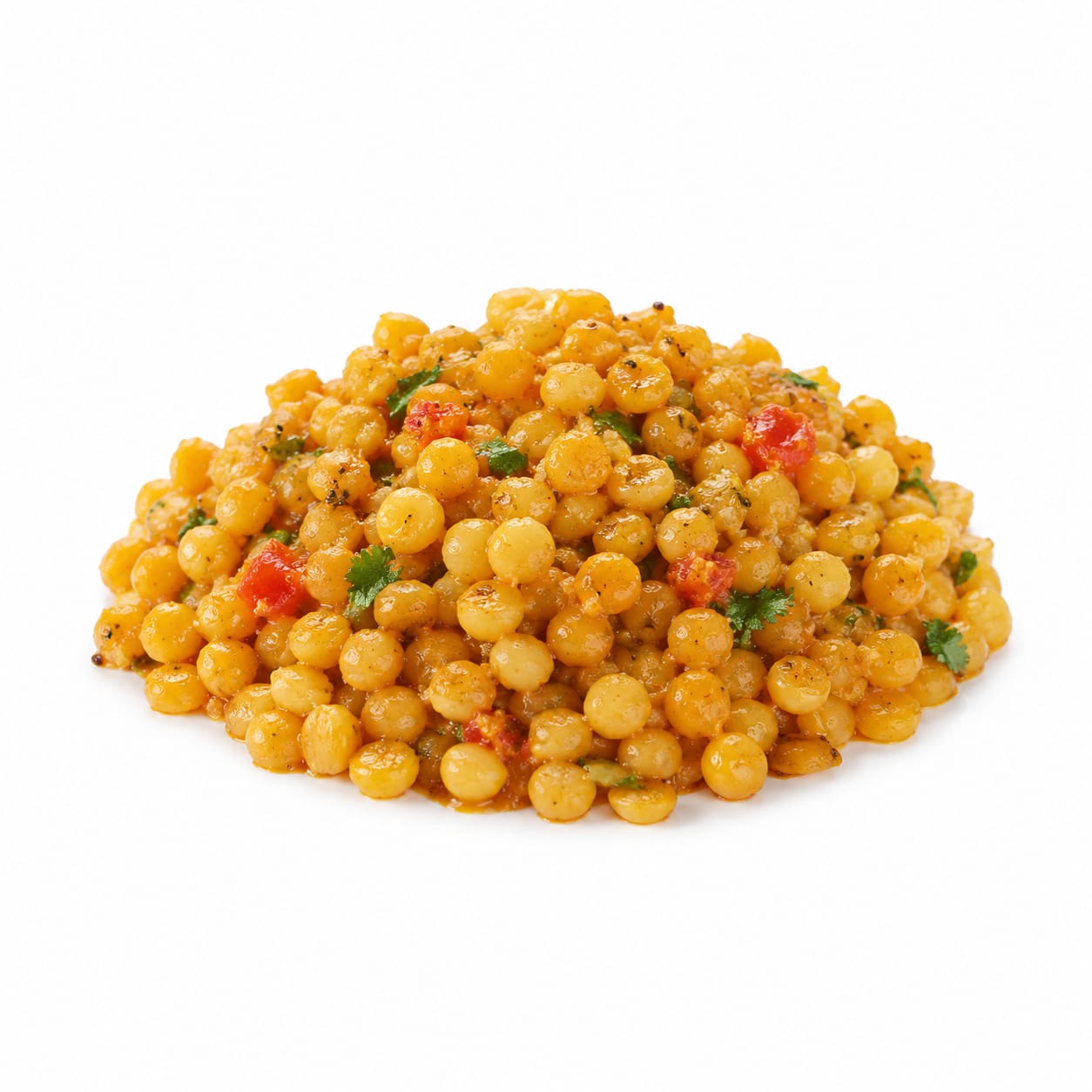
Pigeon Pea
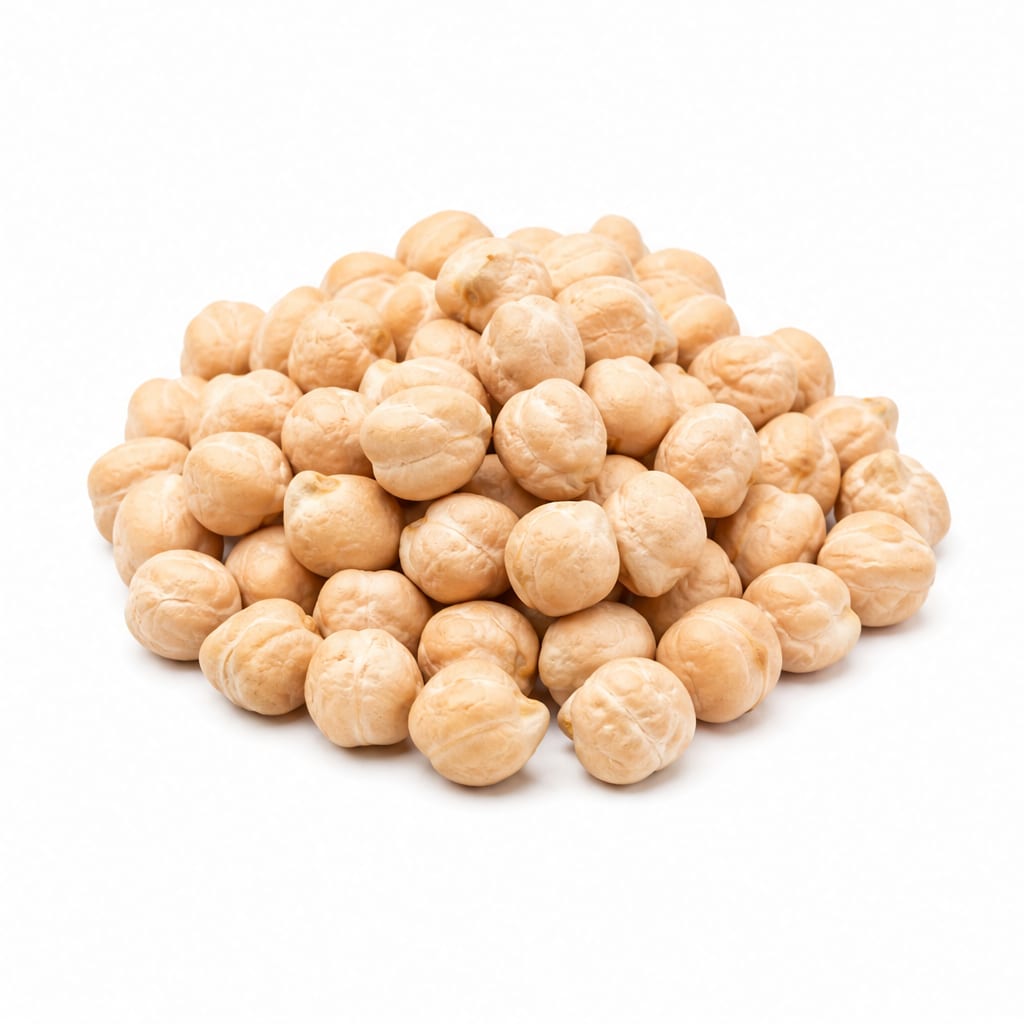
Chickpeas
Chickpeas win on protein, fiber, and versatility, but pigeon peas are the lighter, lower-glycemic option for calorie-conscious eaters.
Chickpeas score higher due to superior protein, fiber, micronutrient density, and global availability. Pigeon peas remain competitive for calorie-sensitive and blood-sugar-aware contexts.
More protein and nutrients in chickpeas versus fewer calories and steadier blood sugar from pigeon peas.
At a glance
Executive summary
Overall
Chickpeas
Healthier
Chickpeas
More practical
Chickpeas
Daily use
Chickpeas
Key comparison lenses
protein quality and quantity for plant-based diets
Both are staple plant proteins, but chickpeas deliver significantly more protein per serving
blood sugar management and glycemic impact
Pigeon peas have a lower glycemic index, making them relevant for diabetes-conscious users
calorie efficiency and weight management
Pigeon peas are less calorie-dense, which matters for portion-aware eating
culinary versatility and availability
Chickpeas are far more accessible globally and adapt to more recipes
digestive tolerance and gut comfort
Both can cause bloating but differ in fiber type and fermentability
Best choice for
Pigeon Pea
- People managing diabetes or blood sugar spikes
- Those seeking lower-calorie plant protein
- Anyone on calorie-restricted diets
- Traditional Caribbean, Indian, or African cuisine cooks
Chickpeas
- Plant-based eaters needing more protein
- Athletes and active individuals
- Meal preppers wanting versatile ingredients
- Anyone prioritizing iron and folate intake
Least suitable for
Pigeon Pea
- Those needing high protein per meal
- People who cannot find pigeon peas locally
- Anyone unfamiliar with cooking tropical legumes
Chickpeas
- People strictly limiting calories
- Those sensitive to higher fiber loads
- Individuals with severe chickpea allergies
Deep comparison
Dimension by dimension
Each lens scores both foods and breaks down who each option suits.
- Dimension 1 · Priority 95Chickpeas
Protein Content and Quality
Pigeon Pea · 58Chickpeas · 82Chickpeas deliver roughly 37% more protein per cooked serving, making them more reliable for hitting daily protein targets.
Tradeoff
Pigeon peas still provide decent plant protein but require larger portions to match chickpeas.
Why it matters
For plant-based eaters, every gram of protein counts. Chickpeas get you there faster with less volume.
Real-world impact
A single cup of chickpeas covers about 30% of daily protein needs versus roughly 20% from pigeon peas.
Pigeon Pea
- Lighter meals where lower protein is acceptable
Better for
- Muscle-building phases requiring high protein
Worse for
Chickpeas
- Post-workout recovery meals
- Vegan and vegetarian daily protein goals
- Building satisfying grain bowls
Better for
- Small appetites that struggle with denser portions
Worse for
- Dimension 2 · Priority 90Pigeon Pea
Blood Sugar Stability
Pigeon Pea · 85Chickpeas · 72Pigeon peas have a lower glycemic index and fewer carbohydrates per serving, leading to steadier blood sugar responses.
Tradeoff
Chickpeas are still a low-glycemic food, just not as gentle as pigeon peas for sensitive individuals.
Why it matters
Even small glycemic differences matter for people with insulin resistance or diabetes.
Real-world impact
Pigeon peas are less likely to cause that subtle post-meal energy dip some people feel after carb-heavy legumes.
Pigeon Pea
- Diabetics managing post-meal glucose
- People prone to afternoon energy crashes
- Low-glycemic diet followers
Better for
- Endurance athletes needing faster carb availability
Worse for
Chickpeas
- Active individuals who benefit from slightly more available carbs
Better for
- Those tracking every glycemic point carefully
Worse for
- Dimension 3 · Priority 85Pigeon Pea
Calorie Efficiency
Pigeon Pea · 88Chickpeas · 68Pigeon peas pack fewer calories per cup while still delivering solid nutrition, making them ideal for calorie-aware eating.
Tradeoff
You get more total nutrients per cup of chickpeas, but also more calories.
Why it matters
For weight loss or maintenance, calorie density often determines whether a food feels sustainable.
Real-world impact
A cup of pigeon peas runs about 115 calories versus roughly 164 for chickpeas — a meaningful difference over multiple servings per week.
Pigeon Pea
- Calorie-counting dieters
- Volume eaters who want larger portions
- People replacing higher-calorie staples
Better for
- Growing children who need calorie density
Worse for
Chickpeas
- Underweight individuals needing calorie density
- Athletes in caloric surplus phases
Better for
- Strict portion controllers
Worse for
- Dimension 4 · Priority 82Chickpeas
Fiber and Digestive Health
Pigeon Pea · 70Chickpeas · 84Chickpeas provide more fiber per serving, supporting gut health and regularity more effectively.
Tradeoff
More fiber can also mean more bloating if your gut is not adapted to high-fiber foods.
Why it matters
Fiber intake is chronically low in most diets. Chickpeas are one of the easiest ways to close that gap.
Real-world impact
A cup of chickpeas delivers about 12g of fiber versus roughly 9g from pigeon peas — getting you closer to the 25-30g daily target.
Pigeon Pea
- People with sensitive digestion who need moderate fiber
- Those transitioning to high-fiber diets gradually
Better for
- Those relying on a single legume for most of their fiber
Worse for
Chickpeas
- Anyone struggling to hit daily fiber goals
- Gut microbiome optimization
- Chronic constipation management
Better for
- People with IBS or severe bloating triggers
Worse for
- Dimension 5 · Priority 80Chickpeas
Micronutrient Density
Pigeon Pea · 65Chickpeas · 83Chickpeas offer more iron, folate, phosphorus, and manganese per serving, giving them a clear micronutrient edge.
Tradeoff
Pigeon peas still provide respectable B vitamins and minerals, just in smaller quantities.
Why it matters
Iron and folate are common deficiencies, especially for women and plant-based eaters.
Real-world impact
Chickpeas provide about 26% of daily iron needs per cup versus roughly 15% from pigeon peas — a significant gap for anyone at risk of anemia.
Pigeon Pea
- Those who get iron and folate from other sources already
Better for
- Anyone relying heavily on a single legume for iron
Worse for
Chickpeas
- Women of reproductive age needing iron and folate
- Plant-based eaters at risk for mineral deficiencies
- Pregnant women seeking natural folate sources
Better for
- People with hemochromatosis who limit iron intake
Worse for
- Dimension 6 · Priority 78Chickpeas
Culinary Versatility and Availability
Pigeon Pea · 52Chickpeas · 90Chickpeas are available in nearly every grocery store and work in hummus, curries, salads, roasted snacks, and baking. Pigeon peas are harder to find and less adaptable.
Tradeoff
Pigeon peas shine in specific traditional dishes but lack the global recipe flexibility of chickpeas.
Why it matters
The best healthy food is the one you can actually find and enjoy cooking regularly.
Real-world impact
Chickpeas can be turned into 50+ distinct dishes. Pigeon peas are mostly limited to stews, dals, and rice dishes.
Pigeon Pea
- Cooks specializing in Caribbean or South Indian cuisine
- Those wanting authentic traditional recipes
Better for
- People without access to specialty or international markets
Worse for
Chickpeas
- Meal preppers needing one ingredient for multiple recipes
- Home cooks wanting maximum versatility
- Anyone shopping at standard grocery stores
Better for
- Those seeking traditional regional authenticity
Worse for
- Dimension 7 · Priority 76Chickpeas
Satiety and Fullness
Pigeon Pea · 68Chickpeas · 82Chickpeas keep you fuller for longer due to higher protein and fiber working together.
Tradeoff
Pigeon peas are satisfying but the lighter calorie load means hunger returns sooner for some people.
Why it matters
Satiety determines whether you snack between meals or stay comfortably full.
Real-world impact
A chickpea-based lunch typically carries you 4-5 hours. Pigeon pea meals may need a snack bridge around hour 3.
Pigeon Pea
- People who prefer lighter, less heavy meals
- Those eating more frequent small meals
Better for
- People who need one meal to last 5+ hours
Worse for
Chickpeas
- Anyone trying to reduce between-meal snacking
- Long workdays without meal breaks
- One-pot meal builders
Better for
- Those who feel uncomfortably full from dense meals
Worse for
Timeline
Health impact over time
Short-term
Hours to days
Pigeon Pea
- Steady energy without blood sugar spikes
- Moderate fullness without heaviness
- Possible mild bloating if not accustomed to legumes
Chickpeas
- Strong satiety that reduces snacking urges
- Slightly higher initial fullness sensation
- More noticeable gas and bloating in legume-sensitive individuals
Long-term
Months to years
Pigeon Pea
- Better glycemic control with regular consumption
- Supports weight maintenance through lower calorie intake
- Contributes to heart health via moderate fiber and plant protein
Chickpeas
- Improved gut microbiome diversity from higher fiber
- Better iron status and anemia prevention
- Stronger cardiovascular protection from combined protein, fiber, and mineral intake
Risk profile
Safety & processing
Both pigeon peas and chickpeas are whole, minimally processed legumes when bought dried or plain canned. Watch for added sodium in canned versions of either.
Pigeon Pea
Sodium in canned varieties
mediumCanned pigeon peas often contain 300-500mg sodium per serving. Rinsing helps but does not eliminate it entirely.
Undercooking toxicity
lowLike all legumes, raw or undercooked pigeon peas contain lectins that can cause digestive distress. Thorough cooking eliminates this risk.
Chickpeas
Sodium in canned varieties
mediumCanned chickpeas frequently pack 400-600mg sodium per cup. Low-sodium and no-salt-added options are widely available.
Undercooking toxicity
lowRaw chickpeas contain phytohaemagglutinin, which can cause nausea and vomiting. Proper soaking and cooking fully neutralizes this.
Allergen potential
lowChickpea allergy exists and can cross-react with other legumes like lentils and peas. It is uncommon but worth noting.
Who wins for whom
Audience fit
Same foods, different winners depending on your goal.
children
ChickpeasChickpeas offer more iron and folate for growing bodies and are easier to find in kid-friendly forms like hummus.
daily consumption
ChickpeasChickpeas provide more balanced daily nutrition with higher protein, fiber, and key minerals, plus easier availability.
diabetes
Pigeon PeaLower glycemic index and fewer carbohydrates per serving give pigeon peas a meaningful edge for blood sugar control.
elderly
ChickpeasHigher protein and iron content help counter age-related muscle loss and anemia risk, though both are gentle when well-cooked.
muscle gain
ChickpeasChickpeas deliver more protein per serving and more calories to support muscle-building needs.
weight loss
Pigeon PeaFewer calories per cup make pigeon peas easier to fit into a calorie deficit while still providing protein and fiber.
Your move
Decision guide
Choose Pigeon Pea
- You are managing diabetes or insulin resistance
- You prefer lighter meals that do not sit heavy
- You are counting calories carefully
- You cook Caribbean, Indian, or African dishes regularly
- You want steadier energy without any post-meal dip
Choose Chickpeas
- You need more plant protein in your diet
- You want one versatile legume for many recipes
- You are building muscle or recovering from exercise
- You are concerned about iron or folate intake
- You want maximum fiber for gut health
Either works if
- You are simply trying to eat more legumes overall
- You want affordable, shelf-stable plant protein
- You are transitioning away from meat-based meals
- You enjoy variety and want to rotate legumes weekly
Avoid both if
- You have a diagnosed legume allergy
- You are in an acute IBS flare and cannot tolerate fermentable fibers
- Your doctor has placed you on a low-fiber temporary diet
Final recommendation
Keep both in your pantry if possible. Use chickpeas as your daily workhorse for protein, fiber, and recipe flexibility. Rotate in pigeon peas when you want lighter meals, steadier blood sugar, or traditional regional dishes. Variety between legumes gives you broader nutrient coverage than relying on just one.
Practical
Consumer tips
- 1
Buy dried legumes when possible — they are cheaper, lower in sodium, and store for over a year.
- 2
Always soak dried pigeon peas and chickpeas for 8-12 hours before cooking to reduce cooking time and improve digestibility.
- 3
Rinse canned versions thoroughly to remove about 30-40% of the added sodium.
- 4
If chickpeas cause bloating, start with smaller portions and increase gradually over two weeks as your gut adapts.
- 5
Pigeon peas cook faster than chickpeas, making them more convenient for weeknight meals when using dried legumes.
- 6
Add a piece of kombu seaweed to the cooking water — it helps break down gas-causing compounds in both legumes.
- 7
Freeze cooked batches in portioned containers so you always have ready-to-use legumes without the wait.