
Nutrition comparison
Pigeon Pea vs Black Beans: Protein, Digestion, and Nutrition Compared
Compare pigeon peas vs black beans for protein, fiber, digestion, and weight loss. Discover which legume is better for your gut and health goals.
Overall winner · Black Beans
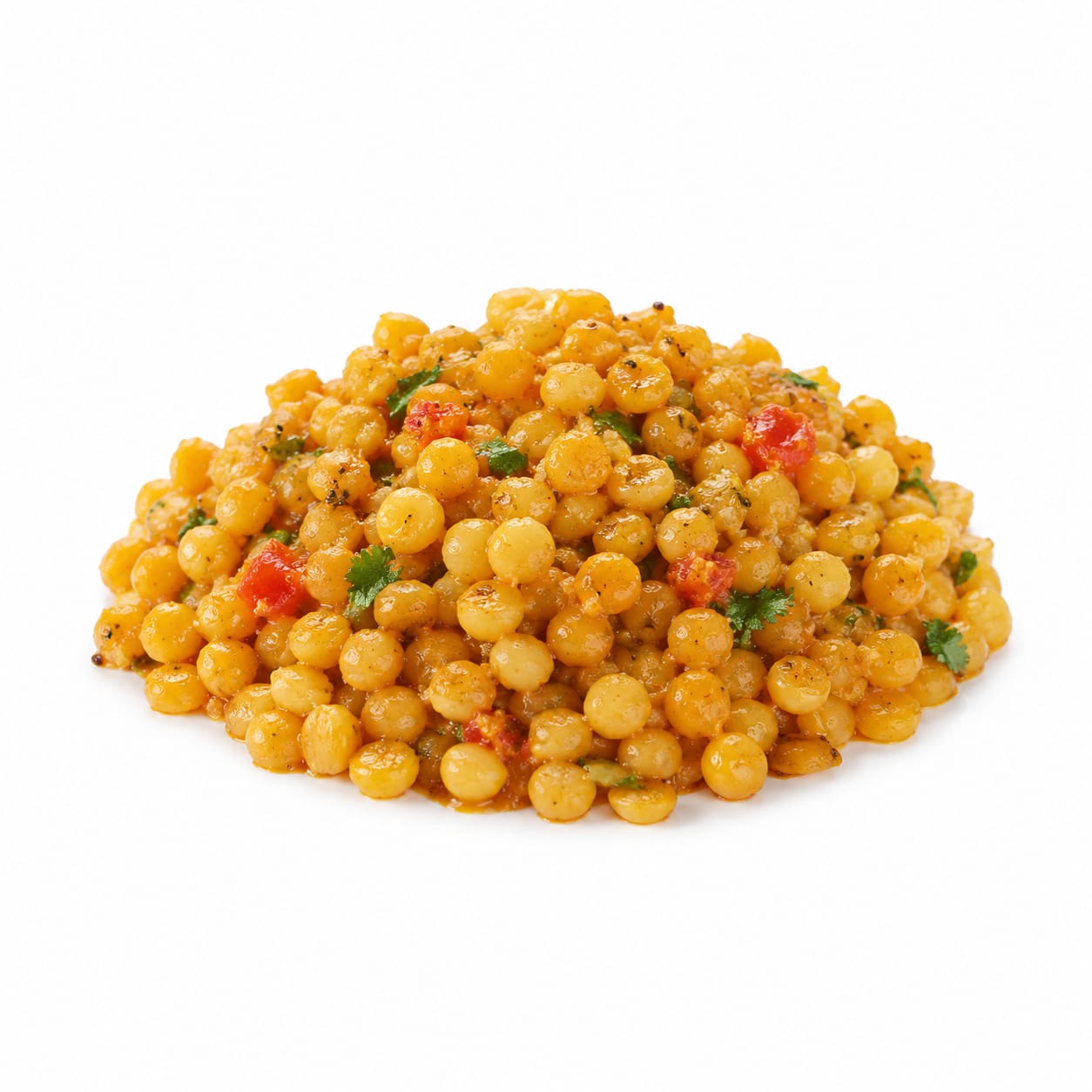
Pigeon Pea
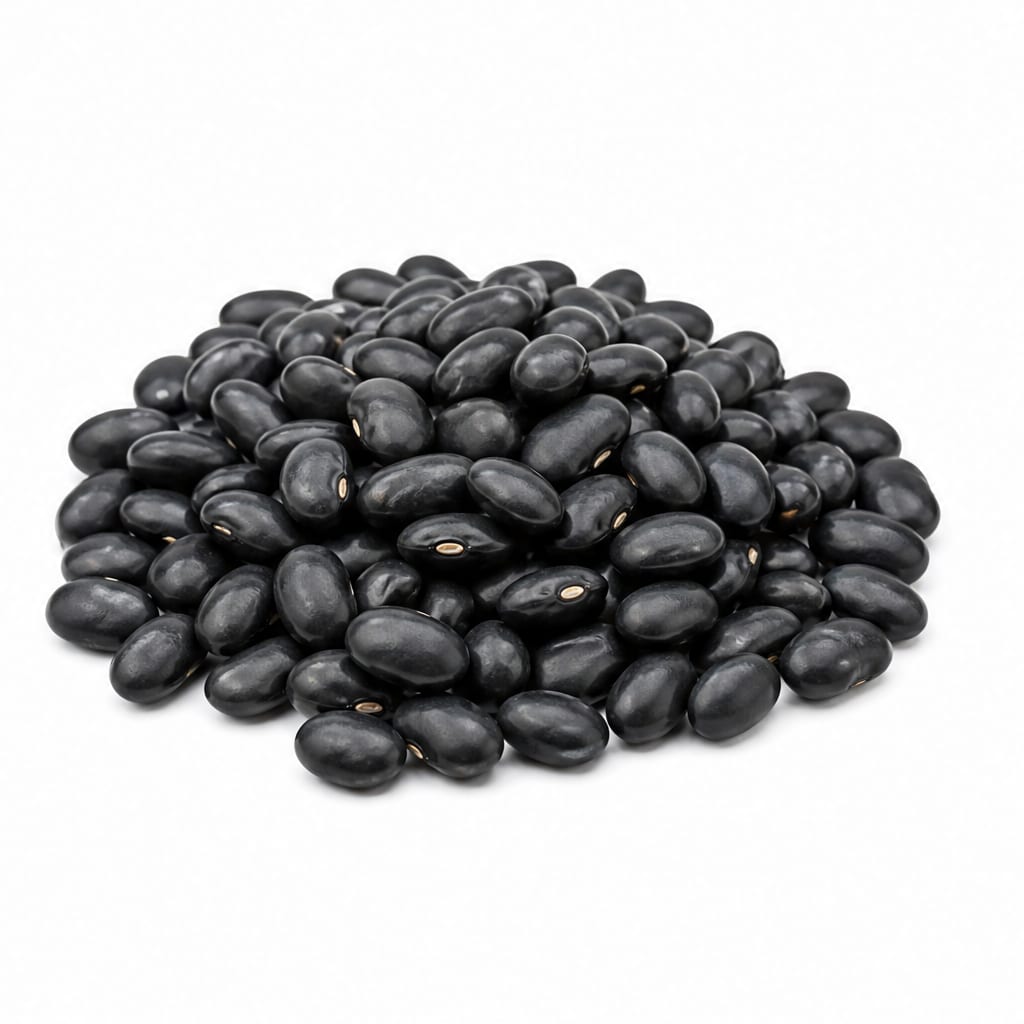
Black Beans
Black beans deliver more protein and fiber per serving, making them more filling and nutritionally robust, but pigeon peas are significantly easier to digest and faster to cook.
Black beans score higher due to superior protein and fiber content, which drives satiety and metabolic health. Pigeon peas remain a strong choice, particularly for digestive comfort and convenience, keeping the gap moderate.
You trade the higher protein and satiety of black beans for the lighter, faster-cooking, and gentler-on-the-gut nature of pigeon peas.
At a glance
Executive summary
Overall
Black Beans
Healthier
Black Beans
More practical
Pigeon Pea
Daily use
Black Beans
Key comparison lenses
Protein and fiber density for satiety and muscle maintenance
Legumes are primarily valued for their plant-based protein and fiber, making this the most critical differentiator.
Digestive tolerance and gas production
Beans are notorious for causing bloating, so identifying the gentler option is a major everyday concern.
Blood sugar management
Both are complex carbohydrates, but fiber content differences impact glycemic response.
Cooking convenience and weeknight practicality
Dried legumes require varying cook times, heavily influencing which one people actually bother to make.
Best choice for
Pigeon Pea
- People with sensitive stomachs or IBS
- Quick weeknight dinners using split dal
- Those who find heavy legumes too bloating
- Infants and toddlers transitioning to solid foods
Black Beans
- Athletes needing higher plant protein
- Weight loss diets requiring maximum fullness
- Blood sugar management and diabetes meal prep
- Hearty, filling meal bases like burritos and stews
Least suitable for
Pigeon Pea
- High-protein diet followers needing dense protein sources
- Those wanting maximum satiety from a single meal
- People looking for robust texture in hearty dishes
Black Beans
- People with severe bloating or digestive sensitivities to legumes
- Last-minute cooking without a pressure cooker or canned option
- Those wanting a light, summery side dish
Deep comparison
Dimension by dimension
Each lens scores both foods and breaks down who each option suits.
- Dimension 1 · Priority 95Black Beans
Protein Density
Pigeon Pea · 65Black Beans · 85Black beans offer significantly more protein per calorie, making them a better muscle-fueling option.
Tradeoff
Choosing pigeon peas means accepting less protein per serving, requiring larger portions or protein pairing to match black beans.
Why it matters
Protein is crucial for preserving muscle, staying full, and keeping your metabolism active throughout the day.
Real-world impact
A bowl of black beans keeps you satisfied for hours after lunch, whereas pigeon peas might leave you hunting for a snack sooner.
Pigeon Pea
- Lighter meals where you want less heavy protein
Better for
- Body recomposition phases
- High-protein diet plans
Worse for
Black Beans
- Post-workout recovery meals
- Vegans needing concentrated plant protein
Better for
- Those trying to reduce overall protein intake for kidney health
Worse for
- Dimension 2 · Priority 90Black Beans
Satiety and Fullness
Pigeon Pea · 70Black Beans · 88The higher fiber and protein in black beans create a much stronger feeling of fullness that lasts longer.
Tradeoff
Pigeon peas feel lighter in the stomach, which is great for comfort but less effective at stopping cravings.
Why it matters
Staying full between meals prevents energy crashes and unnecessary snacking.
Real-world impact
Black beans in a salad will easily carry you to dinner; pigeon peas might require adding nuts or cheese to bridge the gap.
Pigeon Pea
- Days when you want a light dinner before bed
Better for
- Long work shifts without meal breaks
Worse for
Black Beans
- Busy days with limited time for snacks
- Weight loss phases requiring appetite control
Better for
- Pre-workout meals where you need a light stomach
Worse for
- Dimension 3 · Priority 85Pigeon Pea
Digestive Tolerance
Pigeon Pea · 88Black Beans · 65Pigeon peas, especially when split and hulled as toor dal, are far gentler on the digestive system and produce less gas.
Tradeoff
Black beans are notorious for causing bloating and flatulence, requiring careful soaking and spice pairing to digest comfortably.
Why it matters
Chronic bloating makes healthy eating miserable and can disrupt sleep, social comfort, and daily energy.
Real-world impact
A pigeon pea dal is a comforting, soothing meal even on a sensitive stomach, while a black bean bowl might cause discomfort hours later.
Pigeon Pea
- IBS sufferers
- Recovering from stomach illness
- Elderly with slowed digestion
Better for
- Those wanting maximum prebiotic fiber for gut microbiome diversity
Worse for
Black Beans
- Those with ironclad digestion who tolerate legumes well
Better for
- First dates
- Long flights or cramped offices
Worse for
- Dimension 4 · Priority 80Black Beans
Blood Sugar Stability
Pigeon Pea · 75Black Beans · 86Black beans have a lower glycemic load thanks to their dense fiber matrix, slowing sugar absorption more effectively.
Tradeoff
Pigeon peas still stabilize blood sugar well compared to grains, but their slightly higher glycemic load means a slightly faster energy rise and fall.
Why it matters
Steady blood sugar prevents the afternoon energy crash and reduces cravings for sugary foods.
Real-world impact
Black beans provide a steadier, longer-burning energy source, while pigeon peas offer a slightly quicker energy lift.
Pigeon Pea
- Pre-workout fuel needing slightly faster energy availability
Better for
- Strict glycemic control diets
Worse for
Black Beans
- Type 2 diabetes management
- Preventing the 3 PM office energy crash
Better for
- Immediate post-hypoglycemia recovery where faster sugar is needed
Worse for
- Dimension 5 · Priority 75Pigeon Pea
Cooking Convenience
Pigeon Pea · 85Black Beans · 60Split pigeon peas cook in about 20-30 minutes without soaking, while black beans require overnight soaking and over an hour of cooking.
Tradeoff
The convenience of pigeon peas means you can decide to cook them at the last minute, whereas black beans require forethought or canned shortcuts.
Why it matters
Inconvenient cooking times often lead to abandoning healthy foods for faster, processed alternatives.
Real-world impact
You can whip up a pigeon pea dal on a busy Tuesday night; black beans usually need Sunday meal prep planning.
Pigeon Pea
- Weeknight cooking
- Spontaneous meals
- Minimal meal prep lifestyles
Better for
- Those who prefer the firm texture of whole beans for salads
Worse for
Black Beans
- Batch cooking and weekend meal prep
- Slow cooker recipes
Better for
- Last-minute dinner emergencies
Worse for
Timeline
Health impact over time
Short-term
Hours to days
Pigeon Pea
- Provides quick, comforting energy without heaviness
- Minimal bloating or gas when cooked with digestive spices
- Feels soothing and light in the stomach
Black Beans
- Delivers long-lasting fullness that curbs snacking
- Can cause noticeable gas and bloating if not soaked properly
- Provides sustained energy for hours without crashing
Long-term
Months to years
Pigeon Pea
- Supports gentle, consistent nourishment for sensitive digestive systems
- Helps maintain steady energy without stressing the gut
- Lower protein intake might require dietary compensation over time
Black Beans
- Excellent for long-term heart health and cholesterol management
- High fiber supports a diverse, healthy gut microbiome
- Superior protein intake helps preserve muscle mass as you age
Risk profile
Safety & processing
Both pigeon peas and black beans are whole, natural foods. The only processing is the potential splitting and hulling of pigeon peas into toor dal, which is a mechanical process that removes some outer fiber but remains entirely natural.
Pigeon Pea
Phytic acid interfering with mineral absorption
lowLike all legumes, pigeon peas contain phytic acid. Soaking or sprouting minimizes this, and the impact is negligible in a balanced diet.
Black Beans
Undercooked lectin toxicity
mediumBlack beans contain phytohaemagglutinin, a lectin that can cause gastrointestinal distress if beans are eaten raw or undercooked. Boiling thoroughly destroys this toxin.
BPA exposure from canned varieties
mediumMost canned black beans are lined with BPA. Choosing dried beans or BPA-free cans avoids this endocrine disruptor.
Who wins for whom
Audience fit
Same foods, different winners depending on your goal.
children
Pigeon PeaPigeon peas are softer, milder, and much easier for developing digestive systems to handle without gas or discomfort.
daily consumption
Black BeansFor healthy adults with normal digestion, black beans offer a more robust nutritional profile for everyday use.
diabetes
Black BeansThe denser fiber matrix in black beans slows glucose absorption more effectively, leading to better glycemic control.
elderly
Pigeon PeaAs digestion slows with age, the gentle nature of pigeon peas makes them a more comfortable and reliable protein source.
muscle gain
Black BeansBlack beans provide substantially more protein per serving, which is essential for muscle repair and growth.
weight loss
Black BeansHigher protein and fiber in black beans create stronger satiety, naturally reducing overall calorie intake.
Your move
Decision guide
Choose Pigeon Pea
- You struggle with bloating or gas from other beans
- You want a quick-cooking legume for weeknight dinners
- You prefer lighter meals that do not sit heavily in your stomach
- You are cooking for young children or elderly family members
Choose Black Beans
- You want maximum protein and fiber from a plant source
- You are meal prepping for the week and can soak beans in advance
- You need a food that keeps you full for hours without snacking
- You are managing diabetes or trying to lose weight
Either works if
- You just need a healthy, plant-based carb and protein base
- You are making a stew or soup where either bean works texturally
- You are rotating legumes for gut microbiome diversity
Avoid both if
- You have a severe legume allergy
- You are on a very low-carb or strict keto diet
Final recommendation
Keep both in your pantry. Use black beans as your nutritional workhorse for hearty meals and meal prep, and rely on pigeon peas when you need something gentle, fast, and comforting. Rotating between them gives you the protein benefits of black beans and the digestive ease of pigeon peas.
Practical
Consumer tips
- 1
Always soak black beans overnight and boil thoroughly to destroy lectins and reduce gas-producing oligosaccharides.
- 2
Cook pigeon peas with ginger, cumin, or asafoetida to further enhance digestibility and reduce bloating.
- 3
If using canned black beans, rinse them thoroughly to remove excess sodium and reduce starchy liquid that causes gas.
- 4
Buy dried pigeon peas split (toor dal) for the fastest cooking times and easiest digestion.
- 5
Add a piece of kombu seaweed when boiling black beans to help break down gas-causing compounds.