
Nutrition comparison
Pigeon Pea vs Brown Rice: Protein, Blood Sugar, and Nutrition Compared
Pigeon Pea delivers 3x more protein and steadier blood sugar than Brown Rice. Compare nutrition, arsenic risk, and which staple is better for your health goals.
Overall winner · Pigeon Pea
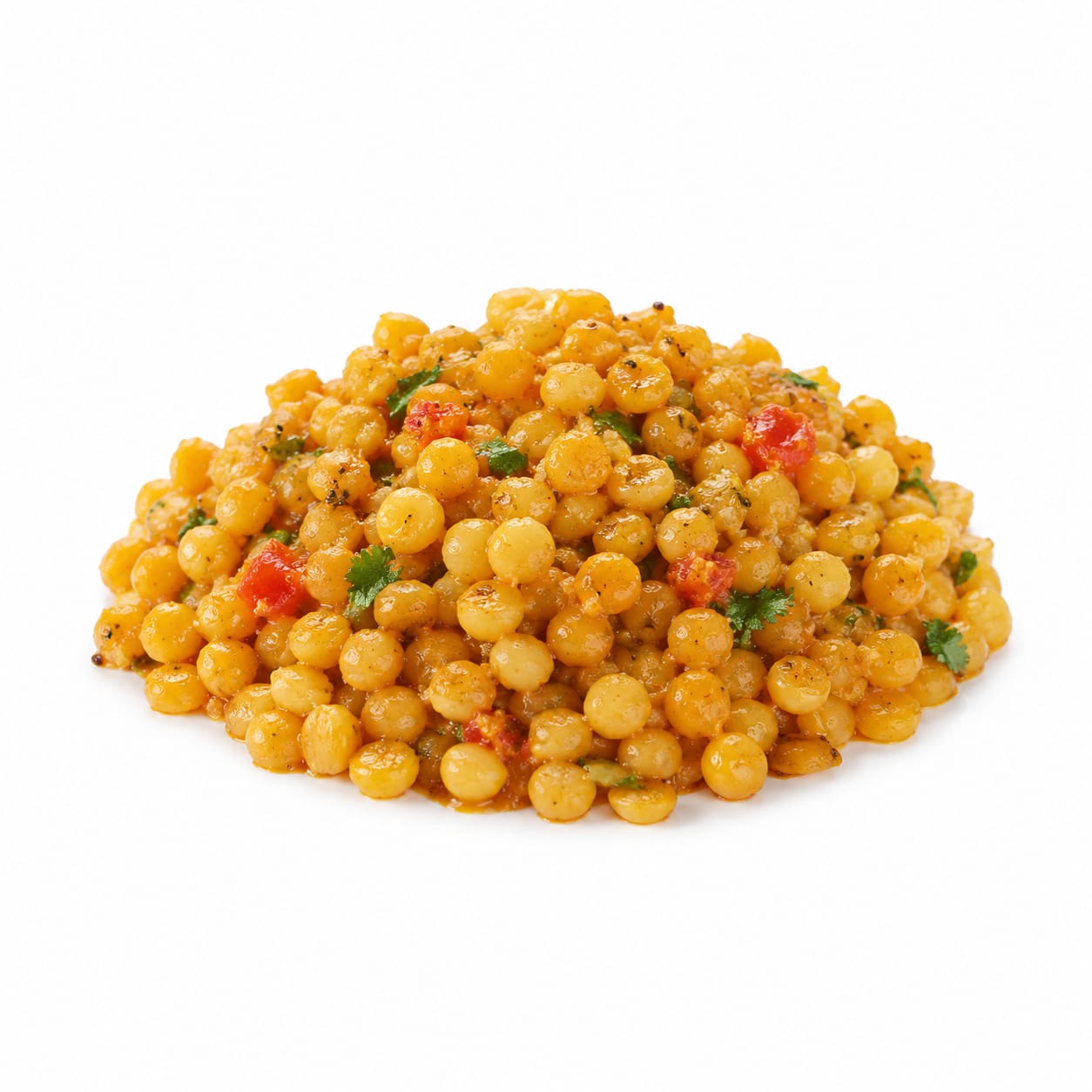
Pigeon Pea
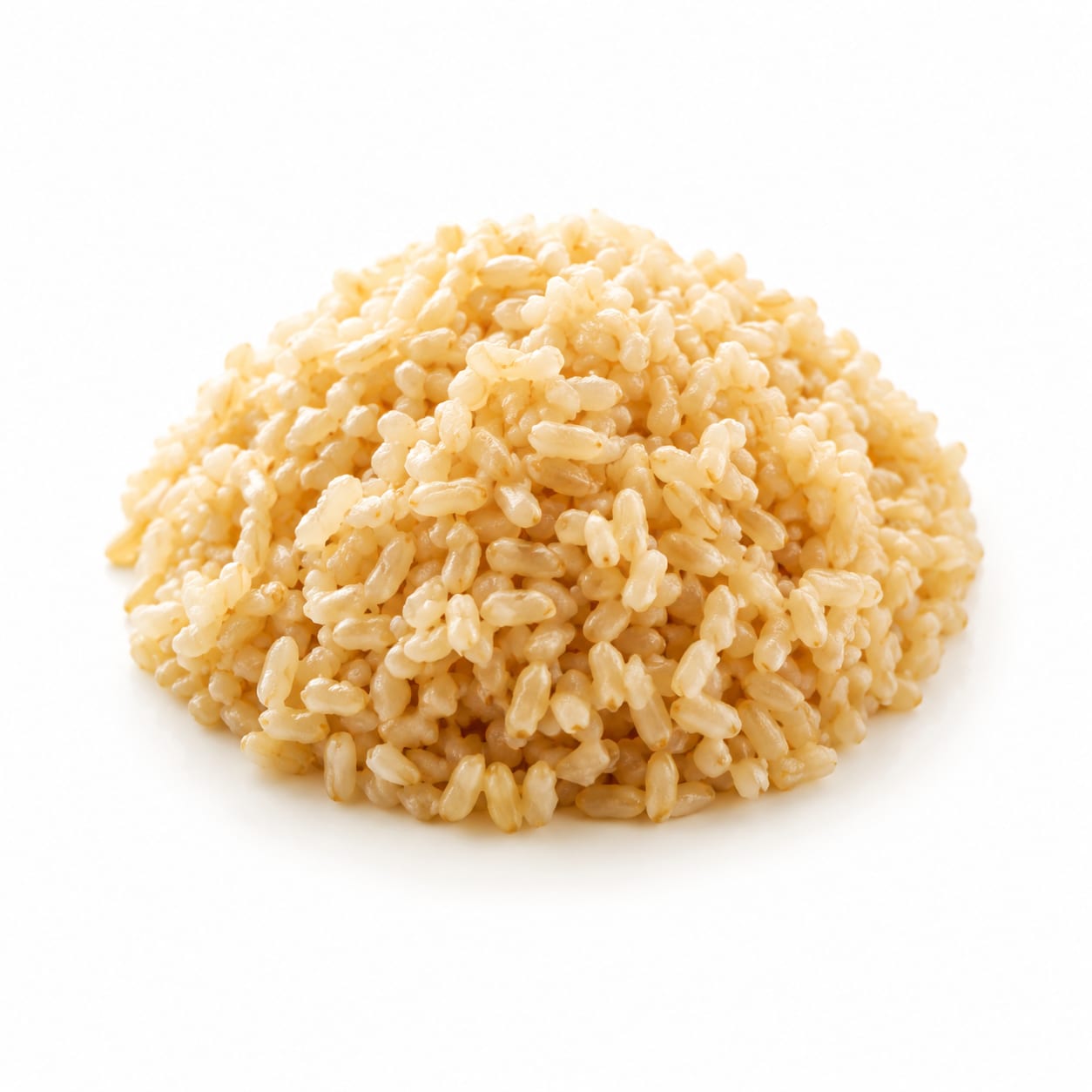
Brown Rice
Pigeon Pea wins on protein, fiber, blood sugar control, and mineral density. Brown Rice offers cheaper energy and easier digestion for sensitive stomachs.
Pigeon Pea scores notably higher due to its superior protein, fiber, and micronutrient profile. Brown Rice remains a solid energy source but falls behind on satiety and blood sugar stability. The gap is meaningful but not overwhelming—Brown Rice still has legitimate use cases.
You gain far more protein and steadier energy with Pigeon Pea, but sacrifice the mild digestibility and quick energy that Brown Rice provides.
At a glance
Executive summary
Overall
Pigeon Pea
Healthier
Pigeon Pea
More practical
Brown Rice
Daily use
Pigeon Pea
Key comparison lenses
protein and satiety comparison
Pigeon Pea delivers roughly 3x the protein of Brown Rice, making this the most dramatic difference between the two
blood sugar management
Users comparing a legume and a grain are often concerned about glycemic impact and energy stability
staple food pairing decision
These foods are commonly eaten together in South Asian and African cuisines, so users may be deciding proportions or substitutions
weight management
Calorie density and satiety differ significantly, affecting portion control and fullness
arsenic and contamination concern
Brown Rice carries unique heavy metal risks that Pigeon Pea does not
Best choice for
Pigeon Pea
- People managing diabetes or insulin resistance
- Vegetarians and vegans needing plant protein
- Anyone seeking longer-lasting fullness between meals
- Those concerned about arsenic in rice
- Iron-deficient individuals needing non-heme iron sources
Brown Rice
- Athletes needing quick carbohydrate refueling after training
- People with sensitive digestion who struggle with legumes
- Budget-conscious eaters needing affordable calories
- Those recovering from illness who need gentle, easy-to-digest food
Least suitable for
Pigeon Pea
- People with severe legume allergies or sensitivities
- Those prone to bloating and gas from high-fiber legumes
- Anyone needing rapid carbohydrate replenishment post-workout
Brown Rice
- People strictly managing blood sugar
- Those with arsenic exposure concerns
- Anyone seeking high protein from a single staple food
Deep comparison
Dimension by dimension
Each lens scores both foods and breaks down who each option suits.
- Dimension 1 · Priority 95Pigeon Pea
protein_content_and_quality
Pigeon Pea · 88Brown Rice · 38Pigeon Pea provides roughly 21g of protein per 100g dry versus Brown Rice's 7-8g—a 3x advantage that significantly impacts meal satisfaction.
Tradeoff
Pigeon Pea protein is incomplete (low in methionine) while Brown Rice protein is also incomplete (low in lysine), but combining them creates a complete amino acid profile.
Why it matters
If you rely on a single staple for protein, Pigeon Pea gets you far closer to daily targets without needing additional protein sources.
Real-world impact
A bowl of Pigeon Pea dal feels like a real meal. A bowl of Brown Rice alone leaves you hunting for protein within an hour.
Pigeon Pea
- Vegetarians meeting protein needs
- Anyone trying to reduce meat consumption
- People who want one dish to do more nutritional heavy lifting
Better for
- People with gout who limit purine-rich legumes
Worse for
Brown Rice
- Those combining with complete protein sources already
- Situations where protein isn't the priority
Better for
- Anyone relying on rice as a primary protein source
Worse for
- Dimension 2 · Priority 90Pigeon Pea
blood_sugar_stability
Pigeon Pea · 85Brown Rice · 52Pigeon Pea has a glycemic index around 22-30, while Brown Rice ranges from 50-68. Pigeon Pea delivers noticeably steadier energy with less crash risk.
Tradeoff
Brown Rice provides faster energy availability, which matters for post-exercise recovery or acute low-blood-sugar situations.
Why it matters
Steadier blood sugar means fewer cravings, better focus, and less afternoon energy crashes for most people.
Real-world impact
After Pigeon Pea, you feel grounded and full for hours. After Brown Rice alone, you may feel hungry again within 90 minutes.
Pigeon Pea
- People with prediabetes or type 2 diabetes
- Anyone prone to energy crashes after carb-heavy meals
- Those trying to reduce snacking between meals
Better for
- Situations requiring rapid energy delivery
Worse for
Brown Rice
- Endurance athletes mid-recovery
- Hypoglycemic individuals needing faster glucose
Better for
- Sedentary individuals managing weight
- Late-night eating when blood sugar spikes are undesirable
Worse for
- Dimension 3 · Priority 85Pigeon Pea
fiber_and_digestive_health
Pigeon Pea · 86Brown Rice · 58Pigeon Pea delivers about 15g of fiber per 100g dry versus Brown Rice's 3-4g. This gap meaningfully affects gut health and regularity.
Tradeoff
High fiber from Pigeon Pea can cause bloating and gas in unaccustomed digestive systems, while Brown Rice is gentler and better tolerated during digestive upset.
Why it matters
Most people fall short on fiber. Pigeon Pea closes that gap far more effectively than Brown Rice ever can.
Real-world impact
Regular Pigeon Pea consumption supports smoother digestion and better gut bacteria. Brown Rice helps when your stomach is upset and you need something mild.
Pigeon Pea
- People struggling to hit daily fiber targets
- Those wanting to improve gut microbiome diversity
- Anyone dealing with occasional constipation
Better for
- People not used to high-fiber legumes (gradual introduction needed)
- Those with active IBS flares
Worse for
Brown Rice
- People recovering from gastrointestinal illness
- Those with IBS who are sensitive to legume fiber
- When you need a bland, gentle meal base
Better for
- Anyone relying on it as a primary fiber source
Worse for
- Dimension 4 · Priority 80Pigeon Pea
micronutrient_density
Pigeon Pea · 82Brown Rice · 55Pigeon Pea excels in folate, iron, potassium, and magnesium. Brown Rice offers manganese and selenium but falls short on most other minerals.
Tradeoff
Brown Rice retains more minerals than white rice, but still cannot match the broad micronutrient profile of a legume.
Why it matters
Micronutrient density determines how much nutritional value you extract per calorie consumed.
Real-world impact
Pigeon Pea acts like a natural multivitamin with your meal. Brown Rice provides some minerals but needs pairing with vegetables or legumes to round out nutrition.
Pigeon Pea
- Pregnant women needing folate
- Iron-deficient individuals
- Anyone eating limited food variety who needs more nutrients per bite
Better for
- People with hemochromatosis who must limit iron
Worse for
Brown Rice
- Those specifically needing manganese or selenium
- People already eating a varied, nutrient-rich diet
Better for
- Those at risk of folate or iron deficiency
Worse for
- Dimension 5 · Priority 75Pigeon Pea
contamination_and_safety
Pigeon Pea · 82Brown Rice · 48Brown Rice is a known accumulator of inorganic arsenic, especially when grown in certain regions. Pigeon Pea carries no comparable heavy metal risk.
Tradeoff
Arsenic risk in Brown Rice is manageable through sourcing and preparation, but it remains a unique concern that Pigeon Pea avoids entirely.
Why it matters
Long-term arsenic exposure is linked to cancer and cardiovascular risk. Frequent Brown Rice consumers should be aware of sourcing.
Real-world impact
If you eat rice daily, arsenic exposure accumulates. Swapping some portions for Pigeon Pea reduces this risk meaningfully.
Pigeon Pea
- Daily staple eaters concerned about heavy metals
- Parents feeding young children frequently
- Pregnant women reducing arsenic exposure
Better for
- People with severe legume allergies (rare but serious)
Worse for
Brown Rice
- Occasional rice eaters for whom arsenic risk is minimal
Better for
- Heavy daily consumers of rice-based meals
- Children who eat rice multiple times daily
Worse for
- Dimension 6 · Priority 65Brown Rice
cooking_convenience_and_versatility
Pigeon Pea · 52Brown Rice · 78Brown Rice is easier to cook, more universally paired, and gentler on digestion. Pigeon Pea requires longer cooking and soaking, and causes more digestive adjustment.
Tradeoff
Pigeon Pea rewards the extra effort with far more nutrition per bite. Brown Rice offers convenience and comfort with fewer digestive surprises.
Why it matters
The food you actually prepare consistently beats the food that's theoretically superior but inconvenient.
Real-world impact
Brown Rice can be a weeknight staple with minimal planning. Pigeon Pea often requires soaking or pressure cooking, but batch preparation solves this.
Pigeon Pea
- Meal preppers who cook in bulk
- Anyone with a pressure cooker or Instant Pot
- Cooks comfortable with legume preparation
Better for
- Last-minute meal situations
- People without soaking or pressure cooking capability
Worse for
Brown Rice
- Busy weeknight cooks needing quick sides
- People new to cooking legumes
- Those wanting a neutral base for many cuisines
Better for
- Those seeking a nutritionally complete one-pot meal
Worse for
Timeline
Health impact over time
Short-term
Hours to days
Pigeon Pea
- Strong satiety that reduces between-meal snacking
- Potential bloating or gas if your body isn't used to high-fiber legumes
- Steady energy without the carb crash that follows grain-heavy meals
Brown Rice
- Quick energy availability that satisfies immediate hunger
- Mild blood sugar rise that may trigger cravings within 1-2 hours if eaten alone
- Gentle on the stomach, making it a safe choice during mild digestive upset
Long-term
Months to years
Pigeon Pea
- Better blood sugar regulation and reduced diabetes risk with regular consumption
- Improved gut microbiome diversity from consistent resistant starch and fiber intake
- Lower arsenic exposure compared to rice-heavy diets
- Reduced cardiovascular risk from higher fiber and plant protein intake
Brown Rice
- Potential arsenic accumulation if consumed daily without sourcing awareness
- Moderate fiber intake that supports digestion but may not meet optimal targets alone
- Steady manganese and selenium intake supporting bone and thyroid health
- Possible blood sugar challenges if eaten in large portions without protein pairing
Risk profile
Safety & processing
Both Pigeon Pea and Brown Rice are whole, minimally processed foods. Neither typically contains artificial additives. The main distinction is that Pigeon Pea is sometimes sold split and hulled as toor dal, which slightly reduces fiber but remains a natural product.
Pigeon Pea
Legume allergy or sensitivity
lowTrue legume allergy is uncommon but can cause reactions in sensitive individuals. More commonly, digestive discomfort occurs in people unaccustomed to high-fiber legumes.
Pesticide residue
lowConventionally grown pigeon peas may carry pesticide residues, but washing and cooking reduce exposure significantly. Organic options further minimize this.
Brown Rice
Inorganic arsenic accumulation
mediumBrown Rice accumulates arsenic more than most grains, especially rice grown in the southern United States or regions with contaminated groundwater. Frequent consumption increases long-term exposure risk.
Pesticide residue
lowRice can carry pesticide residues, though cooking and rinsing reduce levels. Brown Rice retains more bran layer where residues may concentrate compared to white rice.
Who wins for whom
Audience fit
Same foods, different winners depending on your goal.
children
It dependsPigeon Pea offers superior nutrition for growth, but Brown Rice is easier for young digestive systems and avoids arsenic concerns that matter more for small bodies. Rotating both is ideal.
daily consumption
Pigeon PeaBetter nutrient density, lower glycemic impact, and no arsenic concern make Pigeon Pea safer and more beneficial as a daily staple, assuming digestive tolerance.
diabetes
Pigeon PeaSignificantly lower glycemic index and higher fiber slow glucose absorption, reducing insulin demand and blood sugar spikes.
elderly
It dependsPigeon Pea supports bone density and blood sugar management common in aging, but Brown Rice is gentler on aging digestive systems that may struggle with legume fiber.
muscle gain
Pigeon PeaThree times more protein per serving supports muscle repair and growth more effectively, though combining both foods post-workout provides ideal carb-to-protein ratio.
weight loss
Pigeon PeaHigher protein and fiber create stronger satiety with fewer calories consumed overall. Pigeon Pea makes it easier to eat less without feeling deprived.
Your move
Decision guide
Choose Pigeon Pea
- You want more protein and fiber from every meal without adding supplements
- You're managing blood sugar, insulin resistance, or diabetes
- You eat rice daily and want to reduce arsenic exposure by substituting some portions
- You're vegetarian or vegan and need a reliable plant protein staple
- You're willing to soak or pressure-cook for better nutritional payoff
Choose Brown Rice
- You need gentle, easy-to-digest energy during illness recovery
- You're an athlete needing quick carbohydrate replenishment after training
- You have IBS or digestive sensitivity that makes legumes uncomfortable
- You want a neutral base that pairs with any cuisine without strong flavor
- You're cooking on a tight budget and need affordable calories fast
Either works if
- You're building a balanced plate and can pair either with vegetables and healthy fats
- You rotate staples weekly to diversify nutrient intake naturally
- You enjoy traditional combinations like rice and dal that leverage both foods together
Avoid both if
- You have both a legume allergy and severe grain sensitivity
- You're on a very low-carb or ketogenic diet that restricts both legumes and grains
Final recommendation
Eat both, but let Pigeon Pea lead. The traditional combination of dal and rice exists for good reason—they complement each other's amino acid gaps and create a nutritionally complete meal. If you must choose one as your primary staple, Pigeon Pea delivers more protein, steadier energy, and better long-term health outcomes. Use Brown Rice as a supporting carb rather than the foundation of your plate.
Practical
Consumer tips
- 1
Rinse Brown Rice thoroughly and cook in extra water (6:1 ratio), then drain to reduce arsenic by up to 50%
- 2
Soak Pigeon Pea for 4-8 hours or overnight to reduce cooking time and improve digestibility
- 3
Introduce Pigeon Pea gradually if you're not used to high-fiber legumes—start with small portions to minimize bloating
- 4
Pair Pigeon Pea and Brown Rice together for a complete protein profile with complementary amino acids
- 5
Buy Brown Rice from California, India, or Pakistan rather than the southern US for lower arsenic levels
- 6
Use a pressure cooker for Pigeon Pea to cut cooking time from 90 minutes to 20 minutes
- 7
Batch-cook Pigeon Pea and freeze portions for weeknight convenience that rivals rice preparation