
Nutrition comparison
Pigeon Peas vs Lentils: Nutrition, Cooking Time, and Which to Choose
Compare Pigeon Peas and Lentils on protein, fiber, cooking convenience, and health benefits. Find out which legume fits your diet, cooking style, and nutritional goals.
Overall winner · Lentils
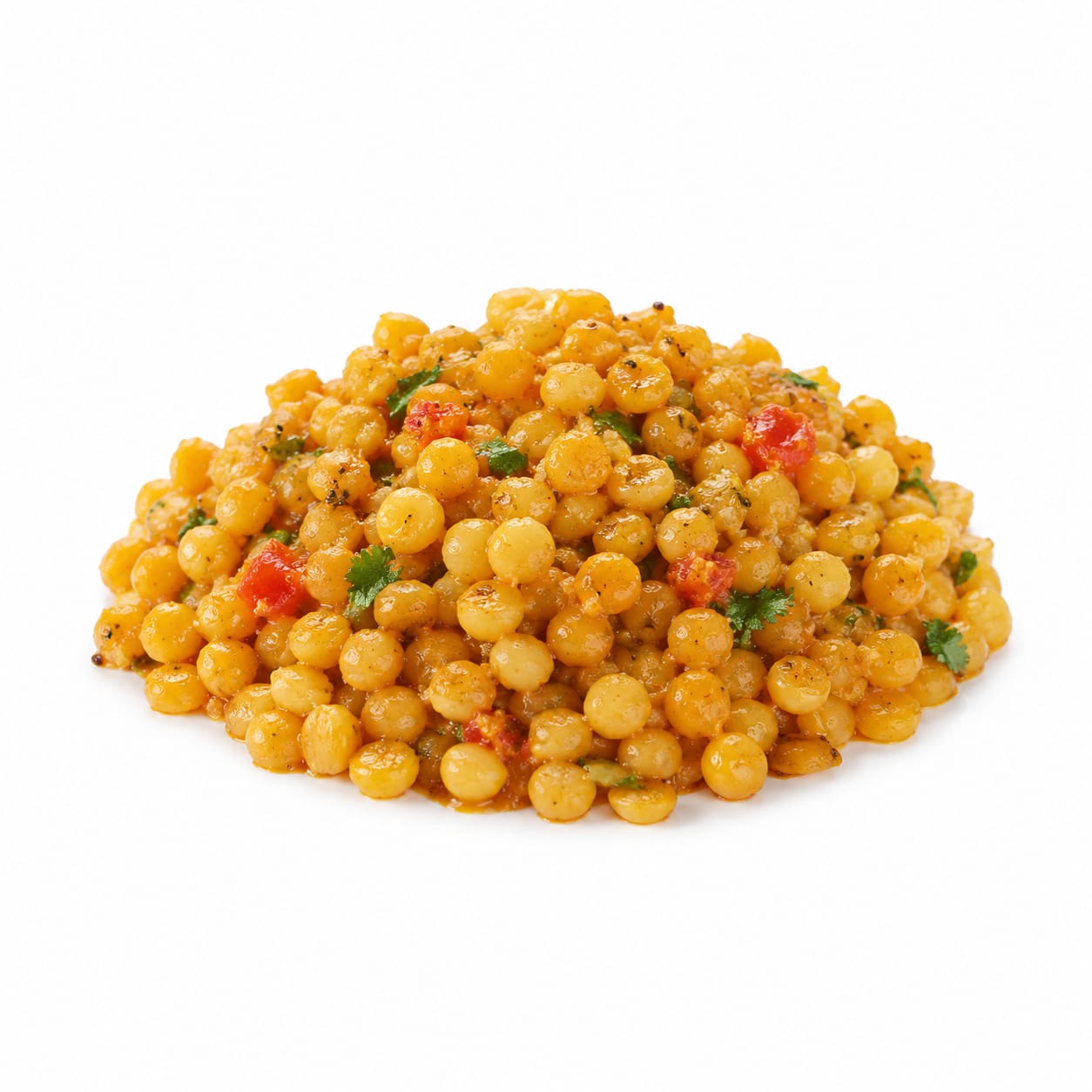
Pigeon Pea
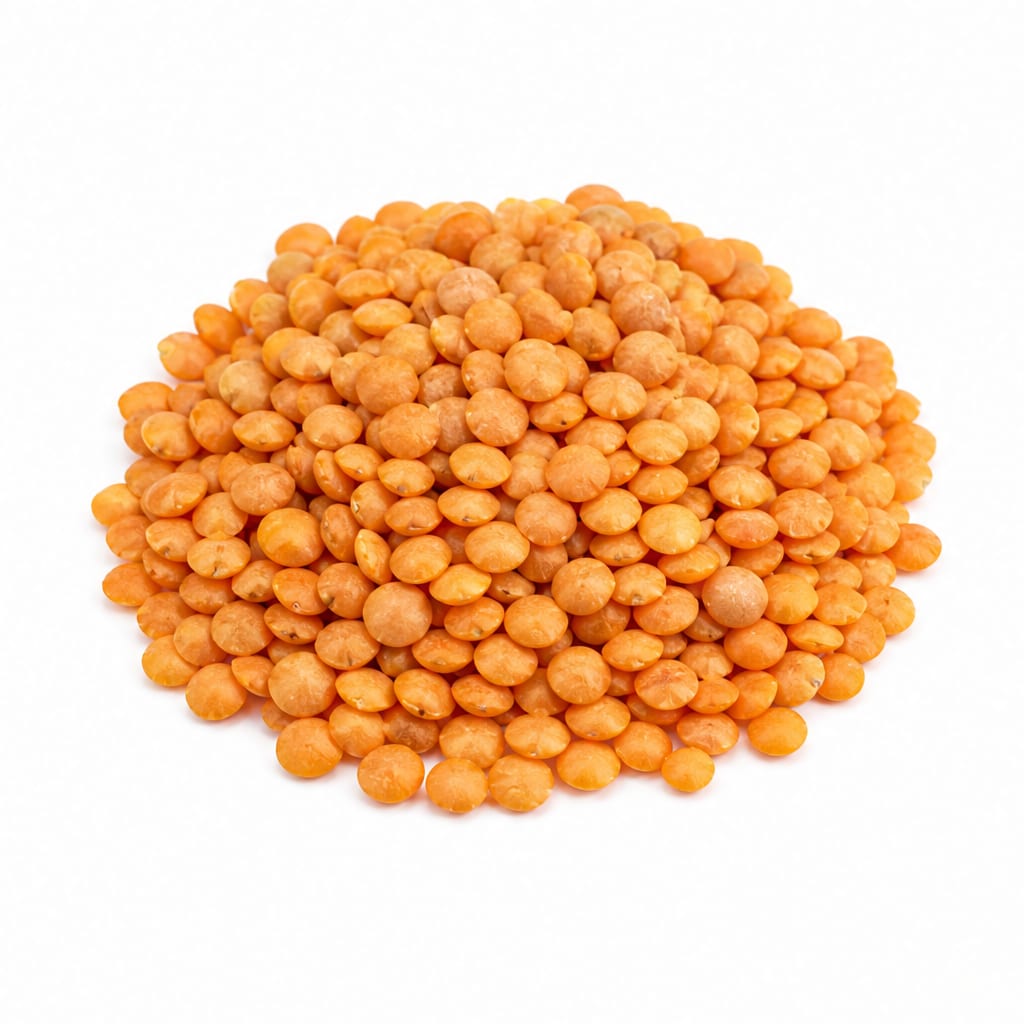
Lentils
Lentils edge out Pigeon Peas thanks to faster cooking, slightly better protein density, and broader availability, though Pigeon Peas hold their own with unique folate and manganese content.
Lentils score higher primarily on practicality and protein density. Pigeon Peas remain nutritionally competitive but lose ground on cooking time and everyday convenience. The gap is meaningful but not dramatic.
Pigeon Peas offer richer micronutrients in some areas but demand significantly more cooking time and planning, while Lentils deliver similar nutrition with far less effort.
At a glance
Executive summary
Overall
Lentils
Healthier
Lentils
More practical
Lentils
Daily use
Lentils
Key comparison lenses
protein quality and quantity for plant-based diets
Both are staple legumes relied on for protein, making amino acid profile and digestibility critical
cooking convenience and weeknight practicality
Lentils cook far faster than Pigeon Peas, which heavily influences daily meal choices
blood sugar management and glycemic impact
Both are carbohydrate-rich legumes where glycemic differences matter for diabetes and energy stability
digestive tolerance and gas production
Legumes are notorious for causing bloating, and tolerance differs significantly between varieties
mineral density and anemia prevention
Iron and folate content is a primary reason people choose legumes, especially vegetarians
Best choice for
Pigeon Pea
- Traditional South Asian and Caribbean cooking
- Those seeking higher folate intake
- Slow-cooked stew and soup recipes
- People wanting more manganese for bone health
Lentils
- Quick weeknight dinners
- Plant-based protein maximization
- Iron-deficient vegetarians
- Meal prep and batch cooking
Least suitable for
Pigeon Pea
- Last-minute meal situations
- People sensitive to longer-cooking legumes
- Those unfamiliar with tropical ingredient sourcing
Lentils
- Traditional toor dal recipes requiring specific texture
- People bored with common legume options
- Cuisines where Pigeon Pea flavor is essential
Deep comparison
Dimension by dimension
Each lens scores both foods and breaks down who each option suits.
- Dimension 1 · Priority 92Lentils
Protein Density and Quality
Pigeon Pea · 72Lentils · 85Lentils deliver more protein per cooked cup and slightly better amino acid balance, making them a more efficient protein source.
Tradeoff
Pigeon Peas still provide solid protein but require eating more volume to match Lentil protein intake.
Why it matters
For plant-based eaters, every gram of protein counts. Lentils make hitting daily targets easier without overeating calories.
Real-world impact
A cup of cooked Lentils gives you roughly 18g protein versus 14g from Pigeon Peas — that difference adds up over a week.
Pigeon Pea
- Recipes where protein isn't the primary goal
- Meals paired with higher-protein grains like quinoa
Better for
- Lean muscle-building phases
- High-protein, low-calorie diets
Worse for
Lentils
- Post-workout recovery meals
- Vegetarians trying to hit 80g+ protein daily
- Replacing meat in familiar dishes
Better for
- Situations where you want softer, creamier texture over firmness
Worse for
- Dimension 2 · Priority 88Lentils
Cooking Convenience and Speed
Pigeon Pea · 45Lentils · 88Lentils, especially red and yellow varieties, cook in 15-25 minutes. Pigeon Peas typically need 45-60 minutes even after soaking.
Tradeoff
Pigeon Peas reward patience with a creamier, earthier texture but demand advance planning that many weeknights cannot accommodate.
Why it matters
The #1 reason people abandon legume cooking is time. Faster cooking means you actually eat them regularly instead of reaching for convenience food.
Real-world impact
Red lentils can go from pantry to plate in 20 minutes. Pigeon Peas need soaking foresight or a pressure cooker to compete.
Pigeon Pea
- Weekend slow-cooking projects
- Pressure cooker owners who batch-cook
Better for
- Impromptu hunger situations
- Anyone without a pressure cooker
Worse for
Lentils
- Weeknight dinners after work
- Spontaneous meal decisions
- Dorm or office cooking with limited time
Better for
- Dishes specifically requiring the starchy creaminess of Pigeon Peas
Worse for
- Dimension 3 · Priority 85Lentils
Blood Sugar Stability
Pigeon Pea · 73Lentils · 82Both have low glycemic indices, but Lentils have a slight edge with more resistant starch and a lower glycemic load per serving.
Tradeoff
Pigeon Peas still perform well for blood sugar — this is not a dramatic difference, but Lentils are slightly steadier.
Why it matters
Steadier blood sugar means fewer afternoon energy crashes and less temptation to snack on refined carbs.
Real-world impact
A lentil soup lunch keeps you satisfied until dinner. Pigeon Peas do nearly as well, but the edge goes to Lentils for consistency.
Pigeon Pea
- Paired with low-glycemic vegetables for balanced meals
- Traditional dal preparations with spices that aid glycemic response
Better for
- Large portions without balancing fiber from vegetables
Worse for
Lentils
- Diabetics seeking the most stable option
- Pre-workout meals needing sustained energy
Better for
- Overcooked red lentils that break down completely can raise glycemic response slightly
Worse for
- Dimension 4 · Priority 80Pigeon Pea
Micronutrient Density
Pigeon Pea · 84Lentils · 78Pigeon Peas pack more folate, manganese, and thiamine per serving, giving them a micronutrient edge despite Lentils leading on iron.
Tradeoff
Lentils win on iron and phosphorus, but Pigeon Peas deliver more B-vitamins and trace minerals that support energy metabolism.
Why it matters
Folate is critical for pregnant women and cellular repair. Manganese supports bone health and wound healing — areas where Pigeon Peas genuinely shine.
Real-world impact
Choosing Pigeon Peas a few times a week can meaningfully boost folate intake, especially for women of childbearing age.
Pigeon Pea
- Prenatal nutrition plans
- Bone health support in older adults
- Energy metabolism optimization
Better for
- Iron-deficient individuals needing maximum iron per bite
Worse for
Lentils
- Combating iron-deficiency anemia
- Vegetarians needing phosphorus for bone mineralization
Better for
- Those already meeting iron needs but falling short on B-vitamins
Worse for
- Dimension 5 · Priority 78Lentils
Digestive Tolerance
Pigeon Pea · 68Lentils · 76Lentils, particularly split and hulled varieties, tend to cause less bloating than whole Pigeon Peas for most people.
Tradeoff
Both can cause gas if you're not used to legumes, but Lentils offer more low-gassiness options like red lentils.
Why it matters
If legumes make you uncomfortably bloated, you avoid them. Easier digestion means you actually eat them consistently.
Real-world impact
Red lentils are often the first legume people tolerate well. Whole Pigeon Peas can be rougher on sensitive digestive systems.
Pigeon Pea
- Those accustomed to whole legumes from traditional diets
- Slow-cooked preparations that break down tough fibers
Better for
- IBS sufferers sensitive to oligosaccharides
- People transitioning from low-fiber diets
Worse for
Lentils
- People new to legumes building tolerance
- Split and hulled varieties for sensitive stomachs
- Anyone prone to bloating from high-fiber foods
Better for
- Whole green or brown Lentils can still be gas-producing for some
Worse for
- Dimension 6 · Priority 75Lentils
Culinary Versatility and Availability
Pigeon Pea · 58Lentils · 87Lentils come in multiple varieties suited to soups, salads, curries, and bakes. Pigeon Peas are more regionally specialized.
Tradeoff
Pigeon Peas have a unique, irreplaceable role in Caribbean and South Asian cooking, but Lentils adapt to virtually any cuisine.
Why it matters
Versatility means you're more likely to find a Lentil recipe you love and actually cook it. Limited uses lead to pantry neglect.
Real-world impact
You can put Lentils in a salad, a soup, a burger patty, or a curry. Pigeon Peas mostly shine in stews and dals.
Pigeon Pea
- Authentic Caribbean rice and pea dishes
- Traditional Indian sambar and toor dal
- West African stew preparations
Better for
- Cooks wanting one legume for everything
- Areas where Pigeon Peas are hard to source
Worse for
Lentils
- Mediterranean and Middle Eastern recipes
- Cold salads and warm grain bowls
- Veggie burger and meatless loaf binders
- Global recipe exploration
Better for
- Recipes where Pigeon Pea's starchy creaminess is essential
Worse for
Timeline
Health impact over time
Short-term
Hours to days
Pigeon Pea
- Provides steady, slow-release energy due to complex carbs and fiber
- Can cause noticeable bloating if consumed in large portions without gradual introduction
- More filling per bite thanks to denser texture and higher starch content
Lentils
- Quick satiety from high protein-to-calorie ratio
- Red and yellow varieties digest easily and feel lighter in the stomach
- Less gas when using split, hulled forms compared to whole legumes
Long-term
Months to years
Pigeon Pea
- Excellent folate support for cellular repair and pregnancy
- Manganese contribution supports long-term bone density
- Consistent fiber intake promotes healthy gut microbiome diversity
- May help lower cholesterol when eaten regularly as part of a legume-rich diet
Lentils
- Superior iron intake reduces anemia risk over time, especially for menstruating vegetarians
- High resistant starch feeds beneficial gut bacteria and may lower colon cancer risk
- Regular consumption linked to reduced cardiovascular disease risk
- Sustained protein intake supports muscle preservation during aging
Risk profile
Safety & processing
Both Pigeon Peas and Lentils are whole, minimally processed foods in their dry form. Canned versions may contain added sodium, so check labels or rinse before eating.
Pigeon Pea
Undercooking
mediumPigeon Peas require thorough cooking to neutralize lectins and protease inhibitors. Undercooked legumes can cause nausea and digestive distress.
Canned sodium content
mediumCanned Pigeon Peas often contain 300-500mg sodium per serving. Rinsing reduces but doesn't eliminate it.
Pesticide residue
lowDried Pigeon Peas typically have low pesticide residue due to their thick seed coat, but organic options are preferable.
Lentils
Undercooking
lowLentils cook faster and more thoroughly than most legumes, making undercooking less likely, but still possible with whole green or brown varieties.
Canned sodium content
mediumSimilar to Pigeon Peas, canned Lentils can be high in sodium. Low-sodium or no-salt-added versions are widely available.
Phytic acid
lowLentils contain phytic acid that can reduce mineral absorption. Soaking or sprouting mitigates this effectively.
Who wins for whom
Audience fit
Same foods, different winners depending on your goal.
children
LentilsSofter, milder red and yellow Lentils are easier for kids to eat and digest. Their quicker cooking also fits busy family schedules.
daily consumption
LentilsVariety, quick cooking, and broad recipe compatibility make Lentils easier to eat every day without fatigue. Pigeon Peas are great but feel more repetitive.
diabetes
LentilsLower glycemic index and more resistant starch give Lentils a slight edge for blood sugar control, though both are excellent choices compared to refined carbs.
elderly
LentilsEasier digestion, higher iron for anemia prevention, and softer texture when cooked make Lentils more suitable for aging digestive systems.
muscle gain
LentilsHigher protein content per serving makes Lentils more efficient for muscle repair and growth, especially when paired with grains for complete amino acids.
weight loss
LentilsLentils provide more protein and slightly fewer calories per cooked cup, keeping you fuller on less. Red lentils in particular create voluminous, satisfying meals.
Your move
Decision guide
Choose Pigeon Pea
- You cook traditional Caribbean, West African, or South Indian recipes regularly
- You own a pressure cooker and batch-cook legumes weekly
- Folate intake is a priority, especially during pregnancy planning
- You want a creamier, starchier texture in stews and dals
- You're seeking dietary variety beyond common legumes
Choose Lentils
- You need dinner on the table in under 30 minutes
- You're building a plant-based protein strategy
- Iron deficiency is a concern
- You want one versatile legume for soups, salads, curries, and burgers
- You're new to cooking legumes and want the easiest entry point
Either works if
- You're simply trying to eat more legumes for heart health
- You alternate between varieties to keep meals interesting
- Both are available at your local store at similar prices
- You're meal-prepping for the week and can cook both in bulk
Avoid both if
- You have a diagnosed legume allergy
- You're in an acute IBS flare and need low-fiber foods temporarily
- You cannot tolerate lectins even after thorough cooking
Final recommendation
Keep both in your pantry but let Lentils be your daily driver. Their speed, protein density, and versatility make them the more sustainable choice for everyday eating. Save Pigeon Peas for traditional recipes and weekend cooking when you can enjoy their unique texture and richer folate content. Variety always wins over choosing just one.
Practical
Consumer tips
- 1
Buy dried Lentils in bulk — they're one of the cheapest protein sources available and store for over a year
- 2
Soak Pigeon Peas overnight to cut cooking time in half and improve digestibility
- 3
Rinse canned varieties thoroughly to remove up to 40% of added sodium
- 4
Add a pinch of asafoetida or ginger when cooking either legume to reduce gas production
- 5
Red and yellow Lentils break down during cooking, making them perfect for thickening soups without cream
- 6
Sprout Lentils for 2-3 days to boost vitamin C and reduce phytic acid — they're great raw in salads
- 7
Store both in airtight containers away from light and moisture to prevent rancidity of natural oils
- 8
If switching from low-fiber to high-fiber eating, introduce legumes gradually — start with a quarter cup per meal