
Nutrition comparison
Pigeon Peas vs Split Peas: Nutrition, Protein, Fiber, and Health Comparison
Compare pigeon peas and split peas side by side. Discover which legume has more protein, better fiber, lower glycemic index, and which is best for weight loss, diabetes, and daily meals.
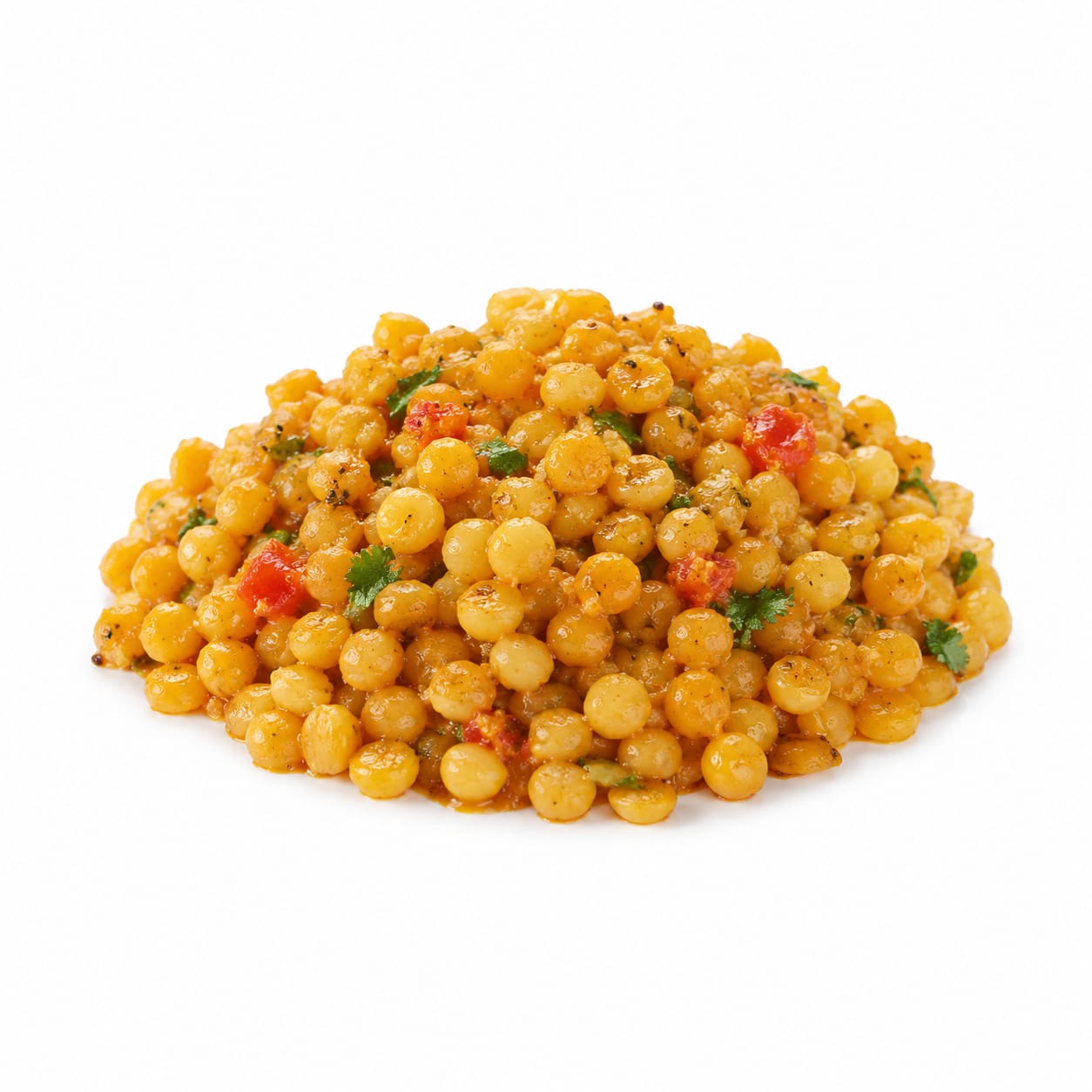
Pigeon Pea
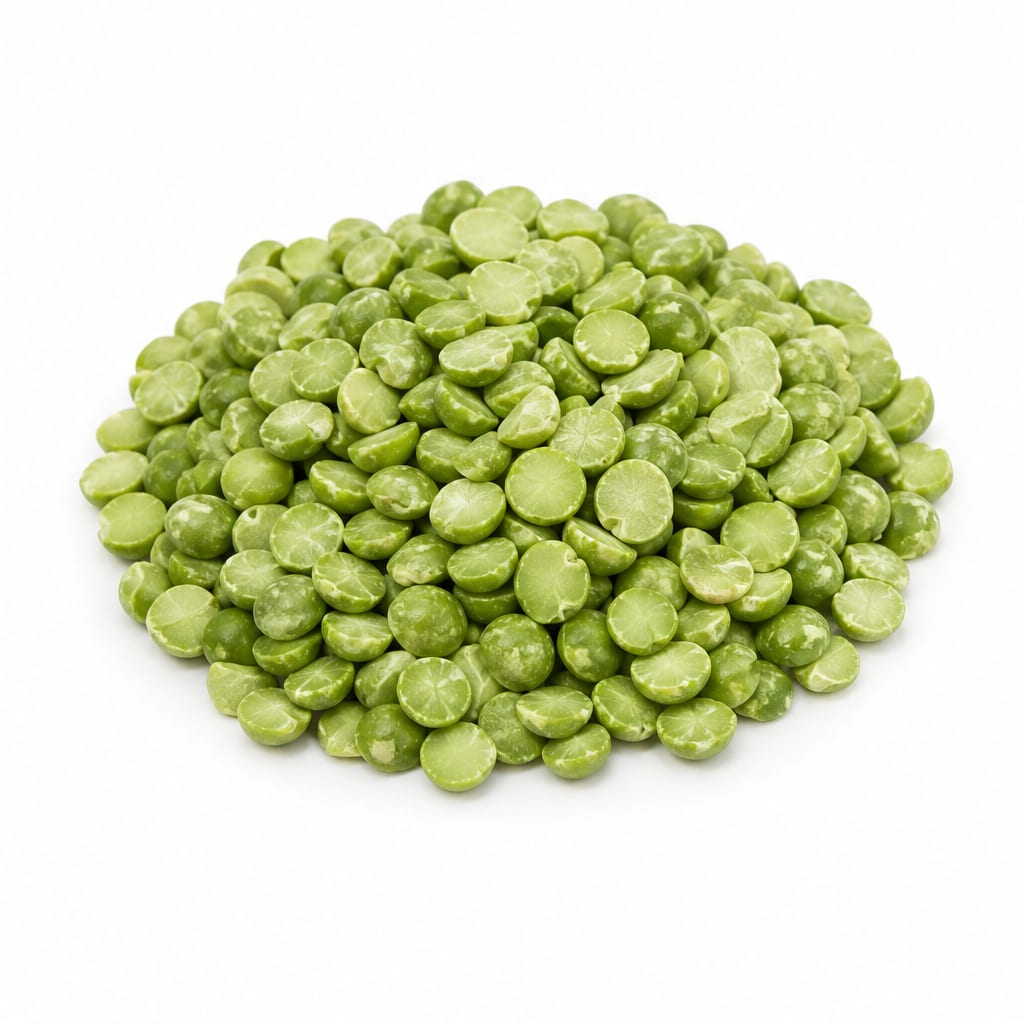
Split Peas
Split peas win on fiber, satiety, and blood sugar stability. Pigeon peas offer slightly more protein per calorie and unique folate benefits. Choose based on your primary health goal.
Split peas score higher due to stronger fiber content, better blood sugar control, and faster cooking convenience. Pigeon peas remain nutritionally solid but lose on practicality and gut health impact.
Split peas deliver superior fullness and gut health benefits, while pigeon peas provide a protein edge and are richer in folate for cellular repair and pregnancy support.
At a glance
Executive summary
Overall
It depends
Healthier
Split Peas
More practical
Split Peas
Daily use
Split Peas
Key comparison lenses
protein quality and quantity for plant-based diets
Both are key plant protein sources, so users likely want to know which delivers better muscle support and satiety
digestive health and fiber benefits
Both are high-fiber legumes but differ significantly in soluble vs insoluble fiber ratios, affecting gut health differently
blood sugar management
Legume choice matters greatly for diabetics and those tracking glycemic impact
cooking convenience and everyday practicality
Split peas cook faster and require no soaking, while pigeon peas need more prep time
weight loss and satiety
Users comparing legumes often want to know which keeps them fuller longer with fewer calories
Best choice for
Pigeon Pea
- Pregnant women needing extra folate
- People prioritizing higher protein per calorie
- Those seeking tropical and South Asian recipe variety
- Anyone wanting more iron per serving
Split Peas
- Weight loss seekers needing maximum satiety
- Diabetics managing blood sugar spikes
- People with high cholesterol needing soluble fiber
- Busy cooks wanting faster meal prep
Least suitable for
Pigeon Pea
- Anyone short on cooking time
- People sensitive to gassiness from insoluble fiber
- Those wanting the simplest meal prep
Split Peas
- People who dislike mushy textures in cooked dishes
- Those needing maximum folate intake
- Anyone bored by limited recipe variety
Deep comparison
Dimension by dimension
Each lens scores both foods and breaks down who each option suits.
- Dimension 1 · Priority 92Pigeon Pea
Protein Content and Quality
Pigeon Pea · 82Split Peas · 78Pigeon peas deliver slightly more protein per calorie, making them marginally better for muscle maintenance on a plant-based diet.
Tradeoff
The protein difference is modest, so both work well. Pigeon peas edge ahead if protein density is your top priority.
Why it matters
For vegetarians and vegans, every gram of protein counts. Pigeon peas give a small but real advantage in hitting daily targets without extra calories.
Real-world impact
A cup of pigeon peas gives you roughly 2-3 more grams of protein than the same portion of split peas — noticeable over a week of meals.
Pigeon Pea
- Plant-based athletes tracking protein per calorie
- Anyone trying to hit high protein targets without supplements
Better for
- Slow cooking means less convenient post-workout meals
Worse for
Split Peas
- Those who prioritize overall fullness over protein density
- People getting enough protein from other sources
Better for
- Slightly lower protein may matter for strict plant-based eaters
Worse for
- Dimension 2 · Priority 88Split Peas
Fiber and Digestive Health
Pigeon Pea · 72Split Peas · 90Split peas are a fiber powerhouse, especially rich in soluble fiber that feeds gut bacteria and lowers cholesterol.
Tradeoff
Pigeon peas offer good fiber too, but split peas deliver nearly double the total fiber per serving, with more of the heart-protective soluble kind.
Why it matters
Soluble fiber from split peas actively lowers LDL cholesterol and stabilizes blood sugar. This makes a real difference for heart and metabolic health over months.
Real-world impact
Regular split pea consumption can meaningfully improve cholesterol numbers and keep you regular. Pigeon peas help too, but the effect is noticeably weaker.
Pigeon Pea
- People who find very high fiber uncomfortable or gas-producing
Better for
- Less effective at lowering cholesterol
- May not keep you full as long between meals
Worse for
Split Peas
- Anyone managing high cholesterol
- People needing better gut regularity
- Those wanting maximum fullness from meals
Better for
- Can cause bloating if you increase intake too quickly
Worse for
- Dimension 3 · Priority 85Split Peas
Blood Sugar Stability
Pigeon Pea · 74Split Peas · 86Split peas have a lower glycemic index and more soluble fiber, making them superior for preventing blood sugar spikes.
Tradeoff
Both legumes are far better than grains or refined carbs for blood sugar. But split peas slow glucose absorption more effectively.
Why it matters
For diabetics or anyone avoiding afternoon energy crashes, split peas provide steadier energy for longer after eating.
Real-world impact
A split pea soup lunch will likely keep your blood sugar flatter than a pigeon pea curry, meaning less fatigue and fewer cravings hours later.
Pigeon Pea
- People who tolerate pigeon peas well and prefer their taste
Better for
- Higher glycemic impact compared to split peas
- May cause quicker blood sugar rise in sensitive individuals
Worse for
Split Peas
- Diabetics seeking the most glucose-friendly legume
- Anyone prone to energy crashes after meals
Better for
- Large portions can still spike blood sugar if eaten alone without vegetables or fat
Worse for
- Dimension 4 · Priority 80Split Peas
Cooking Convenience and Practicality
Pigeon Pea · 58Split Peas · 84Split peas cook faster and require no soaking, while pigeon peas need longer cooking times or overnight soaking.
Tradeoff
If you value quick weeknight meals, split peas are far more convenient. Pigeon peas reward patience with different flavors but demand more planning.
Why it matters
Convenience determines whether you actually eat healthy food regularly. The easier legume to cook is the one you will reach for more often.
Real-world impact
Split pea soup can be ready in 45 minutes with no prep. Pigeon peas need soaking plus an hour or more of cooking unless you use a pressure cooker.
Pigeon Pea
- Home cooks who meal prep on weekends
- Anyone with a pressure cooker who can speed up cooking
Better for
- Longer cooking time discourages spontaneous meals
- Requires advance planning for soaking
Worse for
Split Peas
- Busy professionals needing fast weeknight dinners
- People who forget to soak beans overnight
Better for
- Limited culinary traditions compared to pigeon peas in some cuisines
Worse for
- Dimension 5 · Priority 75Pigeon Pea
Micronutrient Density
Pigeon Pea · 83Split Peas · 76Pigeon peas are notably richer in folate and iron, while split peas provide more thiamine and slightly more potassium.
Tradeoff
For pregnancy and cellular repair, pigeon peas are the clear winner on folate. For general B-vitamin support, split peas hold their own.
Why it matters
Folate is critical for DNA repair, red blood cell formation, and fetal development. Pigeon peas deliver substantially more of this essential nutrient.
Real-world impact
A serving of pigeon peas covers a much larger portion of your daily folate needs than split peas, which matters especially for women of childbearing age.
Pigeon Pea
- Pregnant women or those planning pregnancy
- People with iron deficiency concerns
- Anyone needing extra folate for cellular health
Better for
- Lower thiamine content compared to split peas
Worse for
Split Peas
- Those focused on B-vitamin intake broadly
- People wanting more potassium for blood pressure management
Better for
- Significantly less folate, which is a notable nutritional gap
Worse for
- Dimension 6 · Priority 78Split Peas
Weight Management and Satiety
Pigeon Pea · 70Split Peas · 84Split peas keep you fuller for longer due to their exceptional fiber content, making them the better choice for weight management.
Tradeoff
Pigeon peas are still filling and slightly lower in calories per serving, but split peas win on sustained satiety that prevents overeating later.
Why it matters
The fiber in split peas slows digestion dramatically, which means fewer hunger pangs between meals and less temptation to snack.
Real-world impact
A bowl of split pea soup at lunch can easily keep you satisfied until dinner. Pigeon peas are filling too, but the hunger returns sooner.
Pigeon Pea
- Those counting calories who want slightly fewer per serving
Better for
- Less effective at preventing late-day hunger
- May require larger portions to feel equally satisfied
Worse for
Split Peas
- Emotional eaters needing maximum fullness
- Anyone trying to reduce between-meal snacking
Better for
- Higher fiber can feel too heavy for some people at large portions
Worse for
- Dimension 7 · Priority 72It depends
Culinary Versatility and Enjoyment
Pigeon Pea · 78Split Peas · 72Pigeon peas shine in Indian, Caribbean, and African dishes with bold spice profiles. Split peas excel in soups and comfort food but have narrower recipe range.
Tradeoff
Pigeon peas offer more diverse global recipe options and hold their texture better. Split peas break down into creamy textures that work beautifully in soups but limit other uses.
Why it matters
Eating the same food daily gets boring. More recipe variety means you are more likely to stick with healthy eating long-term.
Real-world impact
Pigeon peas let you explore toor dal, arroz con gandules, and Ethiopian stews. Split peas mostly lead to soup or hummus-style dips.
Pigeon Pea
- Adventurous cooks wanting global recipe variety
- People who prefer legumes that hold their shape in dishes
Better for
- Harder to find in standard American grocery stores
Worse for
Split Peas
- Fans of creamy, comforting soups and stews
- People who prefer simple, familiar recipes
Better for
- Texture limits use in salads or grain bowls
Worse for
Timeline
Health impact over time
Short-term
Hours to days
Pigeon Pea
- Provides steady energy with moderate blood sugar impact
- Can cause gas and bloating if you are not used to high-fiber legumes
- More filling than most grains but less than split peas
Split Peas
- Delivers exceptional fullness that reduces snacking urges
- May cause significant gas if you increase portion size too quickly
- Stabilizes blood sugar noticeably within hours of eating
Long-term
Months to years
Pigeon Pea
- Supports healthy pregnancy outcomes through high folate intake
- Contributes to sustained protein intake for muscle maintenance
- Helps maintain iron stores, especially important for menstruating women
Split Peas
- Meaningfully lowers LDL cholesterol through consistent soluble fiber intake
- Reduces long-term diabetes risk by improving glycemic control
- Supports healthy gut microbiome diversity with prebiotic fiber
Risk profile
Safety & processing
Both pigeon peas and split peas are whole, minimally processed legumes. Split peas are simply field peas that have been dried and split along their natural seam, while pigeon peas are dried whole. Neither typically contains additives, preservatives, or artificial ingredients when sold in their basic dried form.
Pigeon Pea
Pesticide residue on conventionally grown crops
lowPigeon peas are often grown in small-scale and subsistence farming systems with lower pesticide use. Still, choosing organic reduces any residual concern.
Undercooking and lectin exposure
mediumLike all legumes, undercooked pigeon peas contain lectins that can cause digestive distress. Thorough cooking eliminates this risk entirely.
Split Peas
Pesticide residue on conventionally grown crops
lowDried split peas are tested regularly and typically show low pesticide residues. Organic options are available for extra caution.
Undercooking and lectin exposure
lowSplit peas cook faster and more thoroughly than whole legumes, making undercooking less likely. Still, ensure they are fully soft before eating.
Who wins for whom
Audience fit
Same foods, different winners depending on your goal.
children
Split PeasSplit peas cook into softer, smoother textures that are easier for kids to eat, and their milder flavor is more child-friendly.
daily consumption
Split PeasFaster cooking, better blood sugar control, and stronger gut health benefits make split peas the more sustainable daily choice for most people.
diabetes
Split PeasLower glycemic index and higher soluble fiber make split peas superior for blood sugar control and insulin sensitivity.
elderly
Split PeasThe creamy texture of cooked split peas is easier to chew and digest, and the soluble fiber supports heart health which is critical for older adults.
muscle gain
Pigeon PeaPigeon peas offer slightly more protein per calorie, giving a small but meaningful edge for plant-based athletes tracking protein density.
weight loss
Split PeasSplit peas deliver significantly more fiber per serving, keeping you fuller longer and reducing the urge to overeat between meals.
Your move
Decision guide
Choose Pigeon Pea
- You are pregnant or planning pregnancy and need maximum folate
- Protein per calorie is your top nutritional priority
- You love cooking Indian, Caribbean, or African cuisines
- You have a pressure cooker and do not mind longer cook times
- You want a legume that holds its shape in grain bowls and stews
Choose Split Peas
- You want the most filling legume for weight management
- You are managing diabetes or blood sugar concerns
- You need quick weeknight meals without soaking or long cooking
- You want to lower your cholesterol through diet
- You prefer creamy, comforting soups and dips
Either works if
- You simply want a healthy plant protein source and enjoy both
- You rotate legumes weekly for dietary variety
- You are meeting protein and fiber needs from multiple food sources
Avoid both if
- You have severe legume allergies or sensitivities
- You are on a very low-fiber diet for digestive recovery
- You experience extreme gas and bloating from all legumes despite gradual introduction
Final recommendation
For most people, split peas are the better everyday legume. They cook faster, keep you fuller, stabilize blood sugar more effectively, and support heart and gut health more powerfully. Choose pigeon peas when folate needs are high, such as during pregnancy, or when you want their unique flavor in specific cultural dishes. Both are excellent choices — the best one is the one you will actually cook and eat regularly.
Practical
Consumer tips
- 1
Always rinse dried legumes thoroughly before cooking to remove dust and debris
- 2
Soak pigeon peas overnight to reduce cooking time and improve digestibility
- 3
Split peas do not require soaking but benefit from a quick rinse
- 4
Introduce either legume gradually if you are not used to high-fiber foods to minimize gas
- 5
Add a piece of kombu seaweed while cooking either legume to help reduce gas-producing compounds
- 6
Cook a large batch and freeze portions for quick meals throughout the week
- 7
Pair either legume with a grain like rice to get complete protein with all essential amino acids
- 8
Spices like cumin, turmeric, and ginger not only add flavor but also aid digestion of legumes
- 9
Choose organic when possible to minimize pesticide exposure, though both legumes are generally low-risk
- 10
Canned versions of both are convenient but check sodium content and rinse before using