
Nutrition comparison
Pigeon Pea vs Quinoa: Protein, Fiber, Cost, and Which Is Better for You
Compare Pigeon Pea and Quinoa on protein quality, blood sugar impact, satiety, cost, and convenience. Find out which plant-based staple fits your diet and budget best.
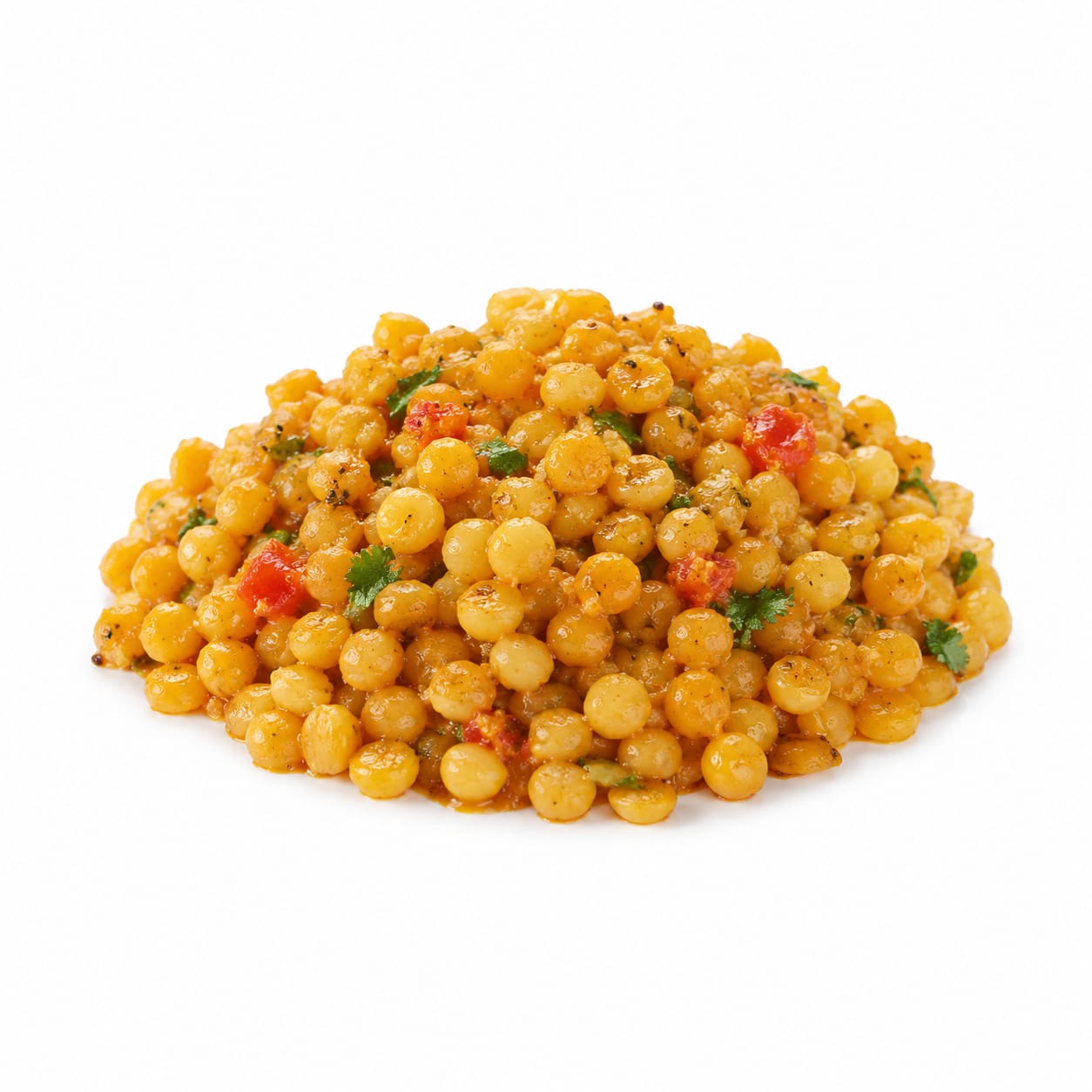
Pigeon Pea
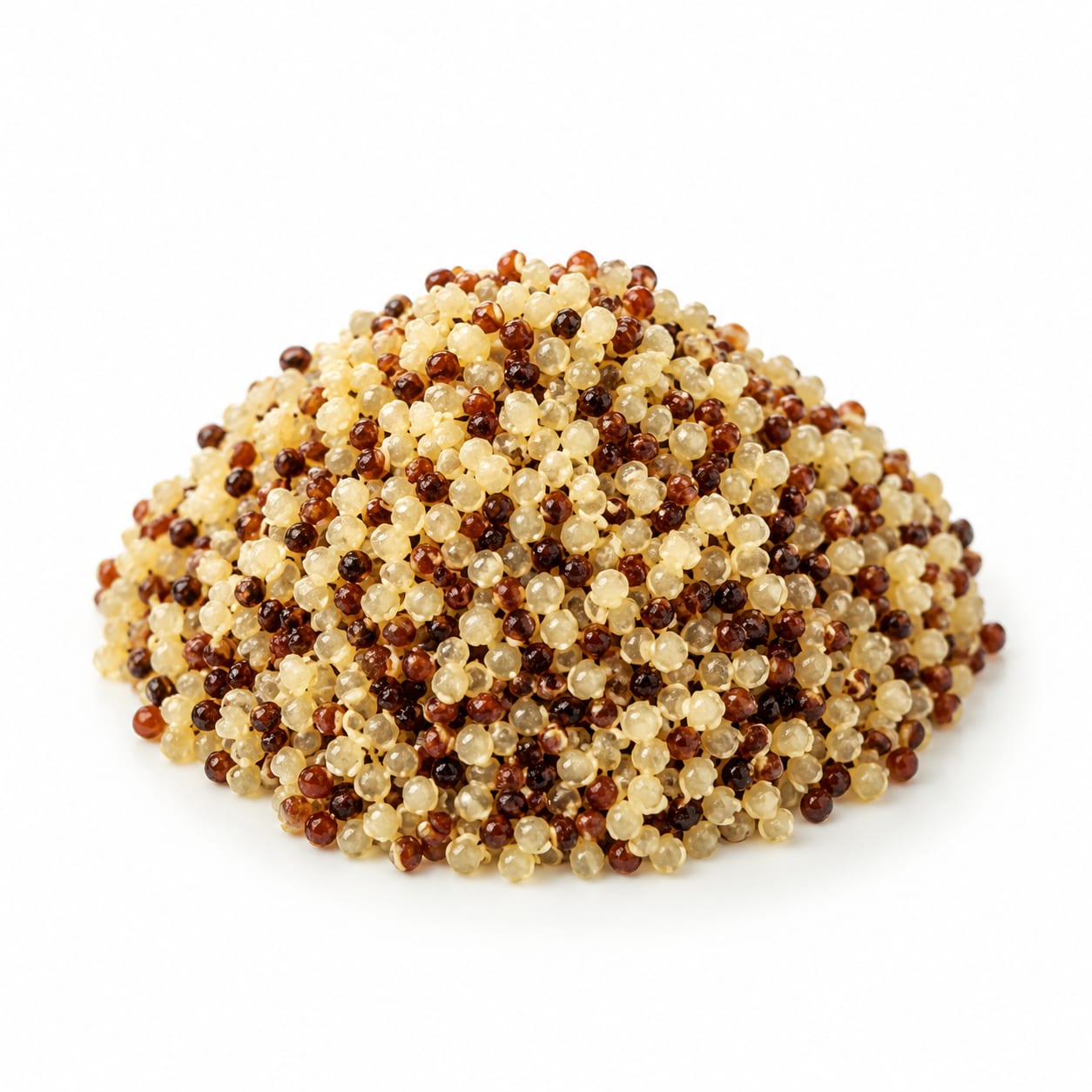
Quinoa
Pigeon Pea delivers far more protein and fiber per serving at a fraction of the cost, while Quinoa offers complete amino acids and far quicker cooking.
Quinoa edges ahead slightly due to complete protein and convenience, but Pigeon Pea's superior protein quantity, fiber, and affordability keep it nearly tied. The right choice depends entirely on your priorities.
Protein quantity and satiety versus protein completeness and convenience — Pigeon Pea fills you up for less, Quinoa nourishes more completely with less effort.
At a glance
Executive summary
Overall
It depends
Healthier
It depends
More practical
Quinoa
Daily use
Pigeon Pea
Key comparison lenses
plant-based protein source selection
Both are popular vegetarian protein sources, but they differ sharply in protein quantity versus completeness
blood sugar management
Both are low-glycemic staples, but their fiber profiles and carb densities affect glucose differently
budget-conscious meal planning
Pigeon Pea is dramatically cheaper than Quinoa, making cost a major decision factor
complete amino acid needs
Quinoa offers all essential amino acids while Pigeon Pea requires pairing for completeness
convenience and weeknight cooking
Quinoa cooks in 15 minutes; dried Pigeon Pea needs soaking and longer simmering
Best choice for
Pigeon Pea
- Budget-focused families needing high protein per dollar
- Anyone managing diabetes or blood sugar spikes
- People seeking maximum satiety from plant-based meals
- Traditional South Asian, African, or Caribbean diets
- Weight loss efforts needing long-lasting fullness
Quinoa
- Those needing complete protein without food combining
- Busy weeknight cooks wanting a 15-minute grain
- Gluten-sensitive individuals wanting a versatile base
- Endurance athletes needing quick-digesting recovery carbs
- People new to plant-based eating who want easy wins
Least suitable for
Pigeon Pea
- Anyone short on time who cannot prep ahead
- Those unfamiliar with cooking dried legumes
- Households wanting quick side dishes on demand
Quinoa
- Tight grocery budgets feeding a family
- Those sensitive to saponins or quinoa bitterness
- People seeking high protein density per serving
Deep comparison
Dimension by dimension
Each lens scores both foods and breaks down who each option suits.
- Dimension 1 · Priority 95It depends
Protein Power & Amino Acid Completeness
Pigeon Pea · 82Quinoa · 78Pigeon Pea packs roughly double the protein per cooked cup, but Quinoa provides all nine essential amino acids while Pigeon Pea falls short on methionine.
Tradeoff
More total protein versus more complete protein — Pigeon Pea wins on raw quantity, Quinoa wins on amino acid coverage.
Why it matters
If you eat varied proteins throughout the day, Pigeon Pea's gap is easily filled. If relying on a single staple, Quinoa's completeness matters more.
Real-world impact
A bowl of Pigeon Pea dal with rice gives you a complete amino acid profile anyway — the traditional pairing exists for a reason.
Pigeon Pea
- Higher total protein intake per meal
- Bodybuilders or athletes eating varied protein sources
- Anyone already pairing legumes with grains
Better for
- Low methionine limits solo protein quality
- Requires complementary grains for full amino acid coverage
Worse for
Quinoa
- Complete protein from a single food
- Simpler meal planning without food combining
- Recovery meals where amino acid availability matters
Better for
- Only 8g protein per cup — modest for a 'protein food'
- Less satisfying for big appetites seeking protein density
Worse for
- Dimension 2 · Priority 88Pigeon Pea
Blood Sugar Stability
Pigeon Pea · 88Quinoa · 75Pigeon Pea's higher fiber and protein content slows glucose absorption more effectively than Quinoa, which has a moderate glycemic index.
Tradeoff
Stronger blood sugar dampening versus faster energy availability — Pigeon Pea stabilizes better, Quinoa fuels quicker.
Why it matters
For diabetes or metabolic syndrome, the slower glucose release from Pigeon Pea reduces insulin demand meaningfully.
Real-world impact
After a Pigeon Pea meal, you are less likely to experience the afternoon energy dip that follows faster-digesting carb sources like Quinoa.
Pigeon Pea
- Diabetics needing tight glucose control
- PCOS management requiring insulin sensitivity
- Sustained energy without crashes
Better for
- Not ideal right before intense exercise when quick energy matters
Worse for
Quinoa
- Pre-workout fuel where quicker carb availability helps
- Active individuals who tolerate moderate GI foods well
Better for
- Moderate GI can spike blood sugar more than legumes
- Less fiber means less glucose-buffering effect
Worse for
- Dimension 3 · Priority 85Pigeon Pea
Satiety & Fullness
Pigeon Pea · 90Quinoa · 68Pigeon Pea's combination of high protein and high fiber makes it significantly more filling than Quinoa per serving.
Tradeoff
Deep lasting fullness versus lighter meal flexibility — Pigeon Pea keeps you satisfied for hours, Quinoa leaves room for more.
Why it matters
If you struggle with snacking between meals, Pigeon Pea's satiety advantage can meaningfully reduce total daily calorie intake.
Real-world impact
A Pigeon Pea lunch typically keeps hunger away until dinner. A Quinoa lunch often needs a protein add-on to match that staying power.
Pigeon Pea
- Weight loss relying on natural appetite suppression
- People who skip snacks between meals
- Large appetites needing satisfying portions
Better for
- Can feel overly heavy in warm weather or small meals
Worse for
Quinoa
- Lighter meals before exercise
- Smaller appetites who find legumes too heavy
- Multi-course meals where you want room for sides
Better for
- Hunger returns sooner without added protein or fat
- Easy to overeat if relying on Quinoa alone for fullness
Worse for
- Dimension 4 · Priority 78Quinoa
Convenience & Cooking Practicality
Pigeon Pea · 45Quinoa · 88Quinoa cooks in about 15 minutes with no soaking. Dried Pigeon Pea requires overnight soaking and 45-60 minutes of simmering, though canned versions close the gap.
Tradeoff
Speed and ease versus cost and tradition — Quinoa fits busy schedules, Pigeon Pea rewards planning and batch cooking.
Why it matters
On a hectic Tuesday night, Quinoa is realistic while dried Pigeon Pea is not — unless you planned ahead or use canned.
Real-world impact
Canned Pigeon Pea solves the time problem but adds sodium and cost. Dried Pigeon Pea is cheapest but demands foresight.
Pigeon Pea
- Batch cookers who prep meals for the week
- Slow cooker and pressure cooker enthusiasts
- Traditional cooking routines with built-in prep time
Better for
- Spontaneous cooking is impractical with dried peas
- Soaking step is easy to forget
Worse for
Quinoa
- Weeknight dinners with 20 minutes to spare
- Meal prep beginners wanting easy wins
- Travel or camping where quick cooking matters
Better for
- Rinsing required to remove bitter saponins
- Can cook up mushy if timing is off
Worse for
- Dimension 5 · Priority 82Pigeon Pea
Affordability & Accessibility
Pigeon Pea · 95Quinoa · 50Pigeon Pea is one of the cheapest protein sources globally, often costing a fraction of Quinoa per serving.
Tradeoff
Dramatic cost savings versus trendy availability — Pigeon Pea feeds families affordably, Quinoa costs a premium for its status.
Why it matters
For households feeding multiple people on a budget, Pigeon Pea can save hundreds of dollars per year compared to Quinoa.
Real-world impact
A pound of dried Pigeon Pea often costs under two dollars and yields many servings. The same amount of Quinoa can cost four to eight dollars.
Pigeon Pea
- Families on tight grocery budgets
- Developing regions where Quinoa is imported and expensive
- Anyone prioritizing cost-per-gram of protein
Better for
- Harder to find in mainstream Western supermarkets
- May require a specialty or international store
Worse for
Quinoa
- Well-stocked grocery stores in Western countries
- Consumers where budget is not the primary concern
Better for
- Premium pricing makes daily use expensive for families
- Cost-prohibitive as a dietary staple in many regions
Worse for
- Dimension 6 · Priority 72It depends
Mineral & Micronutrient Density
Pigeon Pea · 80Quinoa · 82Pigeon Pea excels in folate, iron, and potassium, while Quinoa provides more manganese, magnesium, and phosphorus.
Tradeoff
Blood-building minerals versus bone and metabolism minerals — each shines in different micronutrient niches.
Why it matters
If you are prone to anemia, Pigeon Pea's iron and folate are valuable. If you need metabolic and bone support, Quinoa's magnesium and manganese help more.
Real-world impact
Pregnant women benefit more from Pigeon Pea's folate. Active adults may prefer Quinoa's magnesium for muscle recovery.
Pigeon Pea
- Iron-deficient individuals and pregnant women
- Those needing potassium for blood pressure management
- Folate requirements during early pregnancy
Better for
- Lower magnesium than Quinoa
- Iron absorption limited without vitamin C pairing
Worse for
Quinoa
- Magnesium needs for muscle and nerve function
- Manganese for bone health and metabolism
- Phosphorus for energy production
Better for
- Less folate than Pigeon Pea
- Lower potassium per serving
Worse for
- Dimension 7 · Priority 70Quinoa
Digestive Tolerance
Pigeon Pea · 55Quinoa · 78Pigeon Pea, like all legumes, can cause gas and bloating due to oligosaccharides. Quinoa is gentler on most digestive systems, though saponins can irritate some.
Tradeoff
Gradual gut adaptation versus immediate comfort — Pigeon Pea builds tolerance over time, Quinoa is easier from the start.
Why it matters
If you have IBS or a sensitive gut, Quinoa is the safer first choice. Regular legume eaters often adapt to Pigeon Pea without issues.
Real-world impact
Someone new to legumes might experience bloating with Pigeon Pea for the first week. Spices like cumin and asafoetida in traditional dal recipes specifically help reduce this.
Pigeon Pea
- Regular legume eaters with adapted gut bacteria
- Traditional diets that include digestive spices
Better for
- Oligosaccharides cause gas in unadapted guts
- Can trigger IBS symptoms in sensitive individuals
Worse for
Quinoa
- Sensitive digestion or IBS
- Anyone transitioning to plant-based eating gently
- Gluten-free diets needing a safe grain alternative
Better for
- Saponins can irritate if not rinsed thoroughly
- Rare quinoa intolerance causes digestive discomfort
Worse for
Timeline
Health impact over time
Short-term
Hours to days
Pigeon Pea
- Strong satiety reduces between-meal snacking within hours
- Possible gas and bloating if gut is unaccustomed to legumes
- Steady blood sugar without post-meal crashes
Quinoa
- Lighter meal feel allows physical activity sooner after eating
- Quick energy availability useful for morning or pre-workout meals
- Mild digestive adjustment if saponins are not fully rinsed
Long-term
Months to years
Pigeon Pea
- Consistent high fiber intake supports gut microbiome diversity
- Regular legume consumption linked to lower cardiovascular risk
- Improved insulin sensitivity with habitual intake
Quinoa
- Complete protein intake supports muscle maintenance with aging
- Magnesium and manganese contribute to long-term bone density
- Gluten-free staple reduces inflammation risk for sensitive individuals
Risk profile
Safety & processing
Both foods are whole, minimally processed staples. Dried Pigeon Pea and whole-grain Quinoa are about as natural as food gets. Canned Pigeon Pea adds sodium but remains lightly processed.
Pigeon Pea
Anti-nutritional factors (phytic acid and trypsin inhibitors)
lowSoaking and cooking deactivate most anti-nutrients. Properly prepared Pigeon Pea poses minimal concern.
Canned sodium load
mediumCanned Pigeon Pea can contain 300-500mg sodium per serving. Rinsing helps but does not eliminate it entirely.
Mycotoxin contamination in poor storage
lowDried legumes stored in humid conditions can develop mold. Buying from reputable sources and storing dry eliminates this risk.
Quinoa
Saponin residue causing digestive irritation
lowThorough rinsing before cooking removes most saponins. Pre-rinsed Quinoa further reduces this concern.
Pesticide residue on conventionally grown Quinoa
mediumQuinoa from certain regions may carry pesticide residues. Organic options significantly reduce this risk.
Cross-contamination with gluten grains
mediumQuinoa processed in shared facilities can pick up gluten traces. Certified gluten-free labels matter for celiac patients.
Who wins for whom
Audience fit
Same foods, different winners depending on your goal.
children
QuinoaQuinoa's milder flavor, softer texture, and complete protein make it more kid-friendly and nutritionally reliable for growing bodies.
daily consumption
Pigeon PeaLower cost, higher satiety, and strong blood sugar benefits make Pigeon Pea more sustainable as a daily staple for most people.
diabetes
Pigeon PeaHigher fiber and protein content slows glucose absorption more effectively, reducing post-meal blood sugar spikes.
elderly
QuinoaEasier digestion, complete amino acids for muscle preservation, and simpler cooking make Quinoa more practical for older adults.
muscle gain
It dependsPigeon Pea provides more total protein per serving, but Quinoa's complete amino acid profile supports muscle synthesis more efficiently when eaten alone.
weight loss
Pigeon PeaHigher protein and fiber create stronger satiety, naturally reducing overall calorie intake without feeling deprived.
Your move
Decision guide
Choose Pigeon Pea
- Budget is a primary concern and you need affordable protein
- You want maximum fullness and blood sugar stability from meals
- You already cook legumes regularly and have the prep routine down
- You eat a varied diet that fills Pigeon Pea's methionine gap naturally
- You enjoy traditional dal, stew, or Caribbean-style preparations
Choose Quinoa
- You need a quick-cooking protein base for busy weeknights
- Complete amino acids from a single food matter to your meal planning
- You have digestive sensitivity to legumes but tolerate seeds well
- You want a lighter meal that does not sit heavy
- You are feeding children or elderly who prefer milder textures
Either works if
- You pair grains and legumes anyway, making amino acid completeness automatic
- You rotate between multiple plant proteins throughout the week
- Both are available and affordable in your area
Avoid both if
- You have a severe legume and seed allergy simultaneously
- You require a very low-fiber diet for acute digestive conditions
- You are on an extremely low-carb ketogenic protocol
Final recommendation
Keep both in your kitchen. Use Pigeon Pea when you have time to batch cook and want deep satiety on a budget. Use Quinoa when you need something fast, light, and complete. They complement each other perfectly — Pigeon Pea's methionine gap is filled by Quinoa's amino acid profile, and together they create a more resilient, affordable, and varied plant-based diet than either alone.
Practical
Consumer tips
- 1
Batch cook dried Pigeon Pea on weekends and freeze portions for instant weeknight use
- 2
Rinse Quinoa thoroughly under running water for at least 30 seconds to remove bitter saponins
- 3
Add a pinch of asafoetida or cumin to Pigeon Pea dal to reduce gas-causing compounds
- 4
Pair Pigeon Pea with rice or Quinoa to complete the amino acid profile naturally
- 5
Buy Pigeon Pea from international grocery stores for better prices and variety
- 6
Choose pre-rinsed Quinoa to save prep time, but rinse again if taste seems bitter
- 7
Soak dried Pigeon Pea for at least 4 hours or overnight to cut cooking time in half
- 8
Use a pressure cooker for Pigeon Pea to reduce cooking from 60 minutes to 15