
Nutrition comparison
Pigeon Peas vs Mung Beans: Nutrition, Digestion, and Which Is Better for You
Compare Pigeon Peas and Mung Beans side by side. Learn which legume is easier to digest, higher in protein, better for diabetes, and best for your daily meals.
Overall winner · Mung Beans
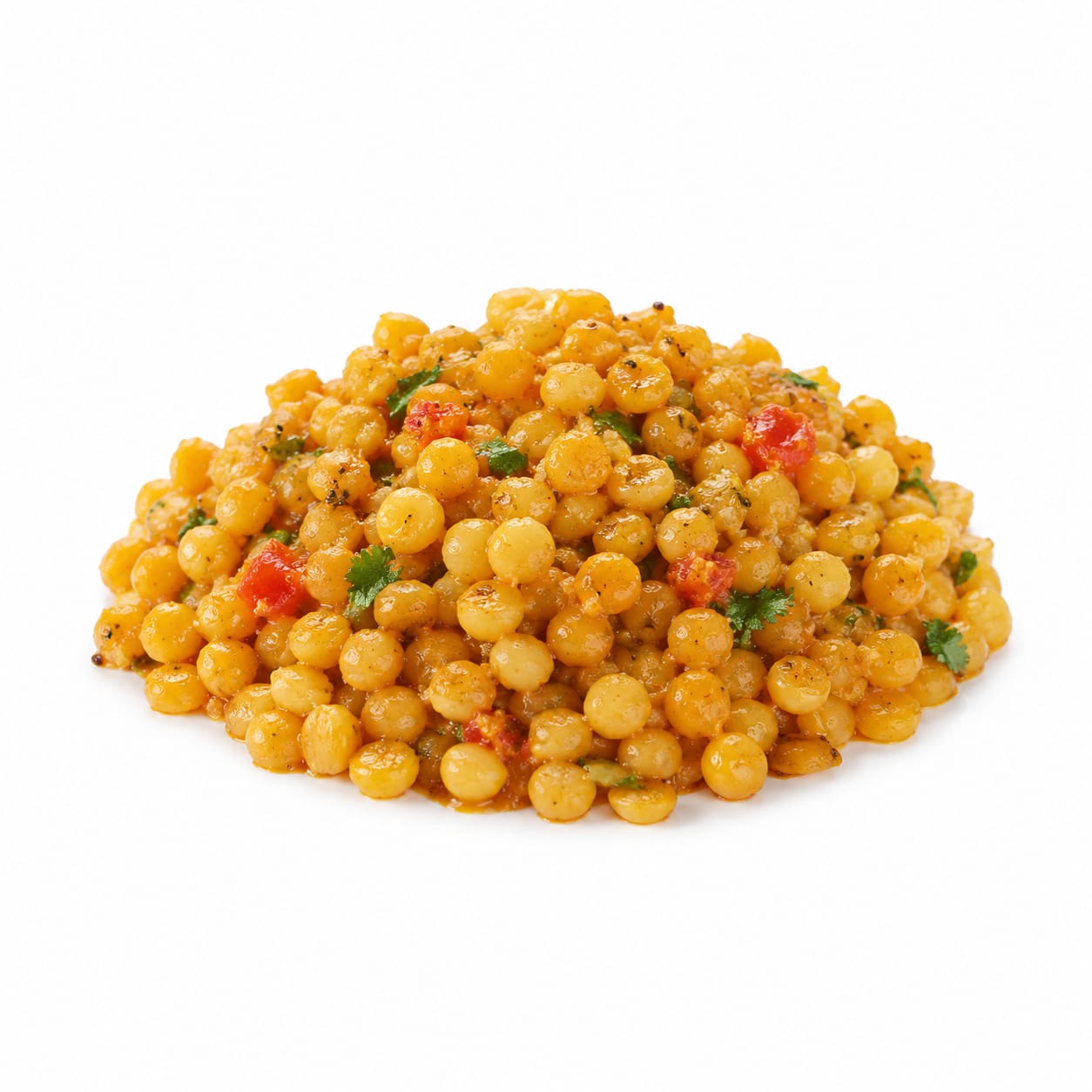
Pigeon Pea
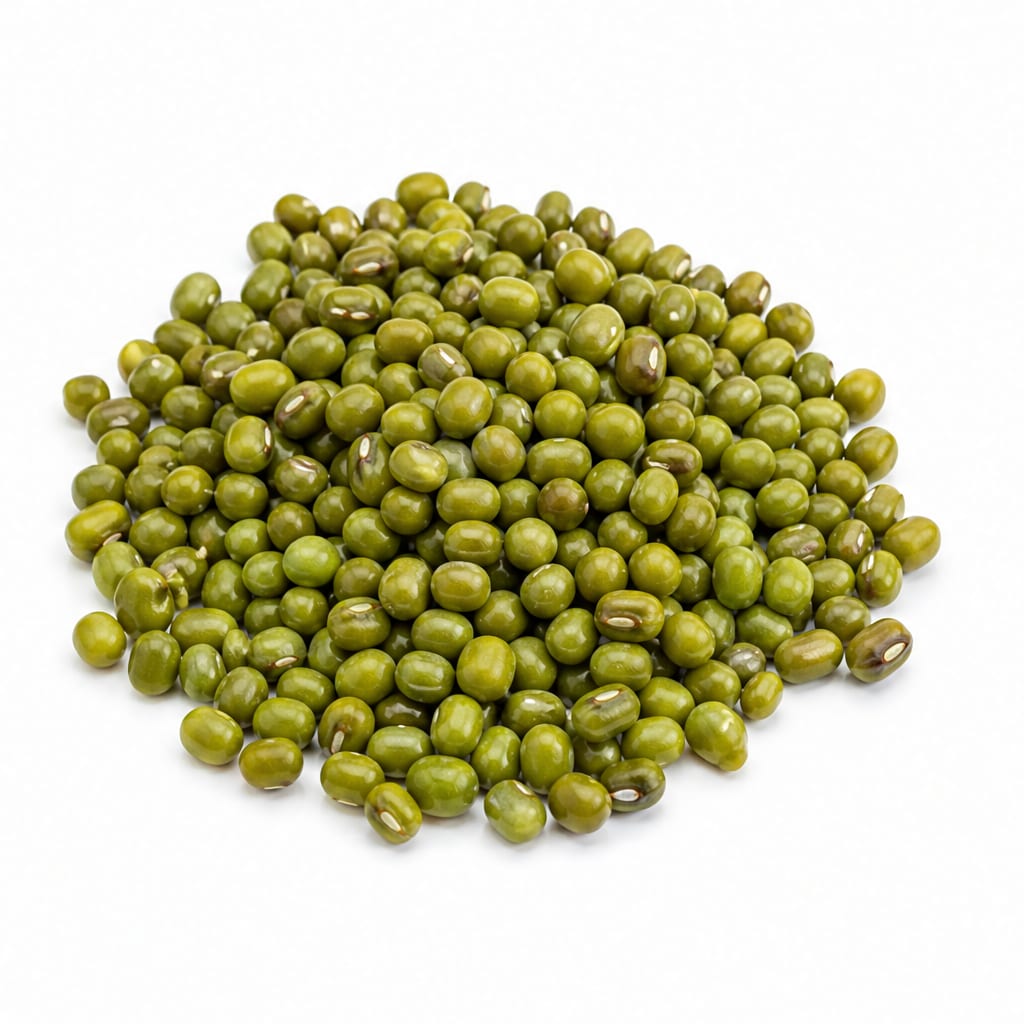
Mung Beans
Mung Beans edge ahead with easier digestion, higher protein, sprouting versatility, and superior folate content, though Pigeon Peas remain an excellent potassium-rich staple.
Mung Beans score higher due to better digestibility, more protein, higher folate, faster cooking, and sprouting versatility. Pigeon Peas remain nutritionally strong but lose points on digestive comfort and convenience.
Pigeon Peas offer more potassium and a heartier texture for stews, but Mung Beans digest more comfortably, cook faster, and provide more protein and folate per serving.
At a glance
Executive summary
Overall
Mung Beans
Healthier
Mung Beans
More practical
Mung Beans
Daily use
Mung Beans
Key comparison lenses
digestive tolerance
Mung beans are famously gentle on the stomach while pigeon peas can cause more bloating, making digestibility a primary decision factor
protein quality and quantity
Both are staple plant proteins, so users want to know which delivers more usable protein per serving
cooking versatility and convenience
Mung beans can be sprouted, quick-soaked, or cooked fast, while pigeon peas require longer cooking and have fewer preparation options
blood sugar management
Both legumes are diabetic-friendly staples, but their glycemic responses differ meaningfully
micronutrient density
Folate, iron, and potassium content vary enough to matter for pregnant women, anemics, and health-conscious eaters
antioxidant and anti inflammatory value
Mung beans contain unique antioxidants like vitexin that pigeon peas lack, relevant for longevity-focused consumers
Best choice for
Pigeon Pea
- People wanting maximum potassium intake
- Hearty stew and dal lovers who prefer a thicker, creamier texture
- Those following Caribbean or West African traditional diets
- Anyone seeking a more calorie-dense legume for physical labor
Mung Beans
- People with sensitive digestion or IBS tendencies
- Pregnant women needing high folate
- Anyone who wants to sprout legumes for raw salads
- Busy cooks wanting faster preparation times
- Diabetics seeking the lowest glycemic legume option
Least suitable for
Pigeon Pea
- People prone to bloating and gas from legumes
- Anyone wanting quick-cooking weeknight meals
- Those who want to sprout their own beans at home
Mung Beans
- People specifically trying to boost potassium intake above all else
- Those who find the mild flavor of mung beans unsatisfying
Deep comparison
Dimension by dimension
Each lens scores both foods and breaks down who each option suits.
- Dimension 1 · Priority 92Mung Beans
digestive_tolerance
Pigeon Pea · 55Mung Beans · 88Mung Beans are one of the easiest legumes to digest, while Pigeon Peas are moderately gas-producing and can cause bloating in sensitive people.
Tradeoff
Pigeon Peas provide a heartier, more satisfying mouthfeel but come with more digestive discomfort, especially if not soaked long enough.
Why it matters
If legumes make you bloated, this difference alone could determine which one you actually eat regularly.
Real-world impact
Mung Beans are far less likely to cause the afternoon belly bloat that makes people abandon legume-based meals.
Pigeon Pea
- Heavy eaters who rarely experience digestive issues from beans
Better for
- First-time legume eaters
- People with known bean sensitivity
Worse for
Mung Beans
- IBS sufferers
- Legume beginners still building gut tolerance
- Anyone who has avoided beans due to gas
Better for
- Rarely a concern, though overconsumption of sprouted mung beans can cause mild discomfort
Worse for
- Dimension 2 · Priority 85Mung Beans
protein_content_and_quality
Pigeon Pea · 72Mung Beans · 82Mung Beans deliver roughly 10% more protein per serving than Pigeon Peas, with a slightly more complete amino acid profile.
Tradeoff
The protein gap is modest, so Pigeon Peas still contribute meaningfully, but Mung Beans are the better choice when protein maximization matters.
Why it matters
For vegetarians and vegans, every gram of protein counts, and the difference adds up over daily meals.
Real-world impact
A cup of cooked Mung Beans gives you about 2 extra grams of protein compared to Pigeon Peas — not dramatic per meal, but meaningful over a week.
Pigeon Pea
- Meals where protein is supplemented from other sources anyway
Better for
- Low-protein vegetarian diets where every gram matters
Worse for
Mung Beans
- Plant-based athletes
- Vegetarians relying heavily on legumes for protein
- Anyone tracking macros closely
Better for
- Not a concern; Mung Beans are the stronger protein source
Worse for
- Dimension 3 · Priority 80Mung Beans
cooking_convenience_and_versatility
Pigeon Pea · 50Mung Beans · 85Mung Beans cook faster, require less soaking, and can be sprouted raw. Pigeon Peas need longer cooking and offer fewer preparation styles.
Tradeoff
Pigeon Peas create a richer, thicker gravy in stews that Mung Beans cannot replicate, but they demand more kitchen time.
Why it matters
Convenience often determines whether a healthy food actually gets eaten or sits in the pantry.
Real-world impact
Mung Beans can go from pantry to plate in 30-40 minutes without soaking. Pigeon Peas typically need overnight soaking plus an hour of cooking.
Pigeon Pea
- Weekend meal prep when time is not a constraint
- Slow-cooker recipes where long cooking is planned anyway
Better for
- Last-minute meal situations
- Anyone without a pressure cooker
Worse for
Mung Beans
- Weeknight dinners
- Meal prep beginners
- Sprouting enthusiasts who want raw bean options
- Instant pot users wanting quick legume meals
Better for
- Recipes specifically requiring a thick, creamy dal base
Worse for
- Dimension 4 · Priority 78Mung Beans
blood_sugar_stability
Pigeon Pea · 72Mung Beans · 84Both legumes have low glycemic indices, but Mung Beans have a slightly lower GI and their unique antioxidants may improve insulin sensitivity.
Tradeoff
The difference is small enough that both are excellent choices for blood sugar management compared to nearly any other carb source.
Why it matters
For diabetics, even small GI differences can affect post-meal energy and long-term glucose control.
Real-world impact
After a Mung Bean meal, you may notice slightly steadier energy with less of a blood sugar dip an hour later.
Pigeon Pea
- Anyone already managing blood sugar well with either legume
Better for
- Those tracking glycemic load closely
Worse for
Mung Beans
- Type 2 diabetics optimizing every GI point
- Prediabetics trying to reverse trends
- Anyone prone to afternoon energy crashes
Better for
- Not a concern in this dimension
Worse for
- Dimension 5 · Priority 75It depends
micronutrient_density
Pigeon Pea · 78Mung Beans · 82Mung Beans win on folate and iron, while Pigeon Peas deliver more potassium. Both are strong mineral sources overall.
Tradeoff
If you need folate — especially during pregnancy — Mung Beans are clearly superior. For potassium-focused diets, Pigeon Peas have the edge.
Why it matters
Folate supports cell repair and fetal development, while potassium regulates blood pressure and fluid balance.
Real-world impact
A serving of Mung Beans provides roughly 37% more folate than Pigeon Peas, which matters significantly for pregnant women or those planning conception.
Pigeon Pea
- People on potassium-focused diets for blood pressure management
- Athletes losing potassium through heavy sweating
Better for
- Prenatal nutrition where folate is critical
Worse for
Mung Beans
- Pregnant women or those trying to conceive
- People with iron-deficiency anemia
- Anyone needing B-vitamin support
Better for
- Low-potassium diets prescribed for kidney conditions
Worse for
- Dimension 6 · Priority 70Mung Beans
antioxidant_and_anti_inflammatory_value
Pigeon Pea · 60Mung Beans · 82Mung Beans contain vitexin and isovitexin, unique antioxidants with anti-inflammatory and potential anti-cancer properties that Pigeon Peas lack.
Tradeoff
Pigeon Peas still provide decent antioxidant activity from their polyphenols, but the specific compounds in Mung Beans are better studied for disease prevention.
Why it matters
Long-term anti-inflammatory dietary patterns are linked to lower risk of chronic diseases, and legume antioxidants contribute meaningfully.
Real-world impact
Regular Mung Bean consumption is associated with measurable reductions in inflammatory markers in clinical studies.
Pigeon Pea
- General healthy eating where antioxidant differences are marginal
Better for
- Anti-inflammatory diet protocols
Worse for
Mung Beans
- Longevity-focused eaters
- People with chronic inflammation conditions
- Those interested in sprouting, which amplifies antioxidant content further
Better for
- Not a concern; Mung Beans are the stronger choice here
Worse for
- Dimension 7 · Priority 72Pigeon Pea
satiety_and_fullness
Pigeon Pea · 80Mung Beans · 72Pigeon Peas are slightly more calorie-dense and create a thicker, more filling texture in meals, keeping you satisfied longer.
Tradeoff
That extra fullness comes with more digestive effort, so the satiety advantage may not feel worth it for sensitive stomachs.
Why it matters
Feeling full after meals prevents snacking and overeating, which is crucial for weight management.
Real-world impact
A bowl of pigeon pea dal tends to feel like a heavier, more complete meal than the same volume of mung bean soup.
Pigeon Pea
- Manual laborers needing sustained energy
- People trying to reduce between-meal snacking
- Those who find light meals unsatisfying
Better for
- Those who feel sluggish after heavy meals
Worse for
Mung Beans
- People preferring lighter meals
- Anyone eating multiple small meals per day
Better for
- Big eaters who find light legume meals insufficient
Worse for
Timeline
Health impact over time
Short-term
Hours to days
Pigeon Pea
- Provides steady, long-lasting energy from complex carbs
- May cause noticeable bloating or gas within hours of eating
- Creates a heavy, comforting fullness that reduces snacking urges
Mung Beans
- Delivers gentle, stable energy without digestive distress
- Light enough to eat before physical activity without discomfort
- Sprouted form offers a refreshing, hydrating crunch as a snack
Long-term
Months to years
Pigeon Pea
- Supports healthy blood pressure through high potassium intake
- Regular consumption improves dietary fiber intake for gut health
- May contribute to sustained healthy weight when replacing refined carbs
Mung Beans
- Anti-inflammatory compounds may reduce chronic disease risk over decades
- High folate intake supports cellular repair and healthy aging
- Superior digestibility makes consistent daily consumption more sustainable
Risk profile
Safety & processing
Both Pigeon Peas and Mung Beans are whole, minimally processed foods typically sold dried with no additives. Choose organic when possible to reduce pesticide exposure, but neither carries significant processing concerns.
Pigeon Pea
Pesticide residue on conventionally grown crops
lowLike most dried legumes, pesticide residues are minimal after drying and cooking, but choosing organic reduces even this small exposure.
Undercooking leading to lectin exposure
mediumPigeon Peas require thorough cooking to neutralize lectins. Undercooked beans can cause nausea and gastrointestinal distress.
Mung Beans
Bacterial contamination during sprouting
mediumHome-sprouted Mung Beans can harbor Salmonella or E. coli if hygiene practices are poor. Use clean equipment and consume sprouts promptly.
Pesticide residue on conventionally grown crops
lowSimilar to Pigeon Peas, residues are minimal after cooking. Sprouting may concentrate some residues, making organic preferable for raw consumption.
Who wins for whom
Audience fit
Same foods, different winners depending on your goal.
children
Mung BeansEasier digestion and milder flavor make Mung Beans more kid-friendly. Sprouted mung beans can also be a fun, crunchy snack children enjoy.
daily consumption
Mung BeansThe combination of easier digestion, faster cooking, and sprouting versatility makes Mung Beans more practical to eat every single day without fatigue.
diabetes
Mung BeansLower glycemic index and insulin-sensitizing antioxidants make Mung Beans the slightly safer choice for blood sugar management.
elderly
Mung BeansGentle digestion, high folate for cellular health, and soft texture when cooked make Mung Beans more suitable for aging digestive systems.
muscle gain
Mung BeansHigher protein content per serving gives Mung Beans a meaningful edge for muscle-building diets, especially when combined with grains for complete amino acids.
weight loss
Mung BeansMung Beans are slightly lower in calories per cooked serving, more digestible, and their lighter texture encourages reasonable portions without discomfort.
Your move
Decision guide
Choose Pigeon Pea
- You prioritize maximum potassium for blood pressure management
- You love thick, hearty stews and dals with a creamy consistency
- You follow Caribbean, West African, or South Indian culinary traditions where pigeon peas are essential
- You rarely experience digestive issues from beans and want a more filling meal base
Choose Mung Beans
- You have any history of bloating or gas from legumes
- You want to sprout beans for salads and raw snacks
- You are pregnant or trying to conceive and need maximum folate
- You want a quick-cooking legume for busy weeknights
- You are managing diabetes or blood sugar concerns
- You eat legumes daily and need the most sustainable option
Either works if
- You simply want a nutritious plant protein and both are available
- You are already eating a varied diet where small nutritional differences average out
- You enjoy rotating between different legumes for dietary diversity
Avoid both if
- You have a diagnosed legume allergy
- You are on a very low-potassium diet for kidney disease without medical clearance
- You experience severe digestive distress from all beans despite proper soaking and cooking
Final recommendation
For most people, Mung Beans are the better everyday legume due to easier digestion, higher protein, faster cooking, and sprouting versatility. Keep Pigeon Peas in rotation for their potassium richness and satisfying texture in hearty meals, but make Mung Beans your daily default.
Practical
Consumer tips
- 1
Soak Pigeon Peas overnight and discard the soaking water to significantly reduce gas-causing compounds
- 2
Mung Beans can be quick-soaked in boiling water for just one hour if you forget to plan ahead
- 3
Sprout Mung Beans at home using a clean jar with a mesh lid — rinse twice daily and harvest in 2-3 days
- 4
Pair either legume with rice or flatbread for a complete protein profile that matches animal protein quality
- 5
Buy organic for both if you plan to sprout Mung Beans raw, as pesticide residues can concentrate in sprouts
- 6
Add asafoetida (hing), cumin, or ginger when cooking either legume — traditional spices that genuinely reduce bloating
- 7
Cook Pigeon Peas in a pressure cooker to cut cooking time from 60+ minutes down to 15-20 minutes
- 8
Freeze cooked portions of both legumes in single-serving bags for instant meal prep throughout the week