
Nutrition comparison
Pigeon Pea vs Edamame: Which Legume Is Better for You?
Compare pigeon pea and edamame on protein quality, fiber, cost, allergens, and convenience. Find out which legume fits your health goals and lifestyle better.
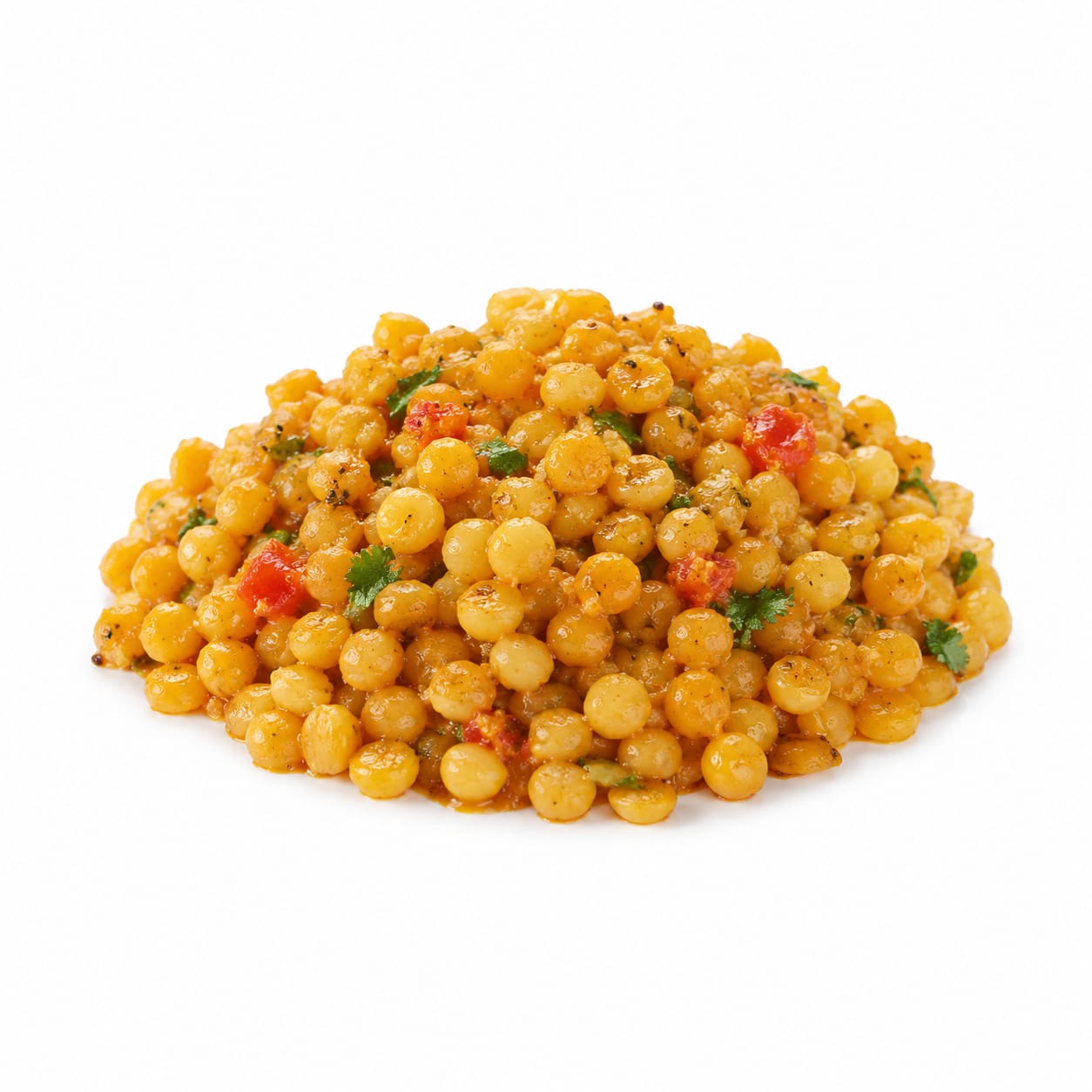
Pigeon Pea
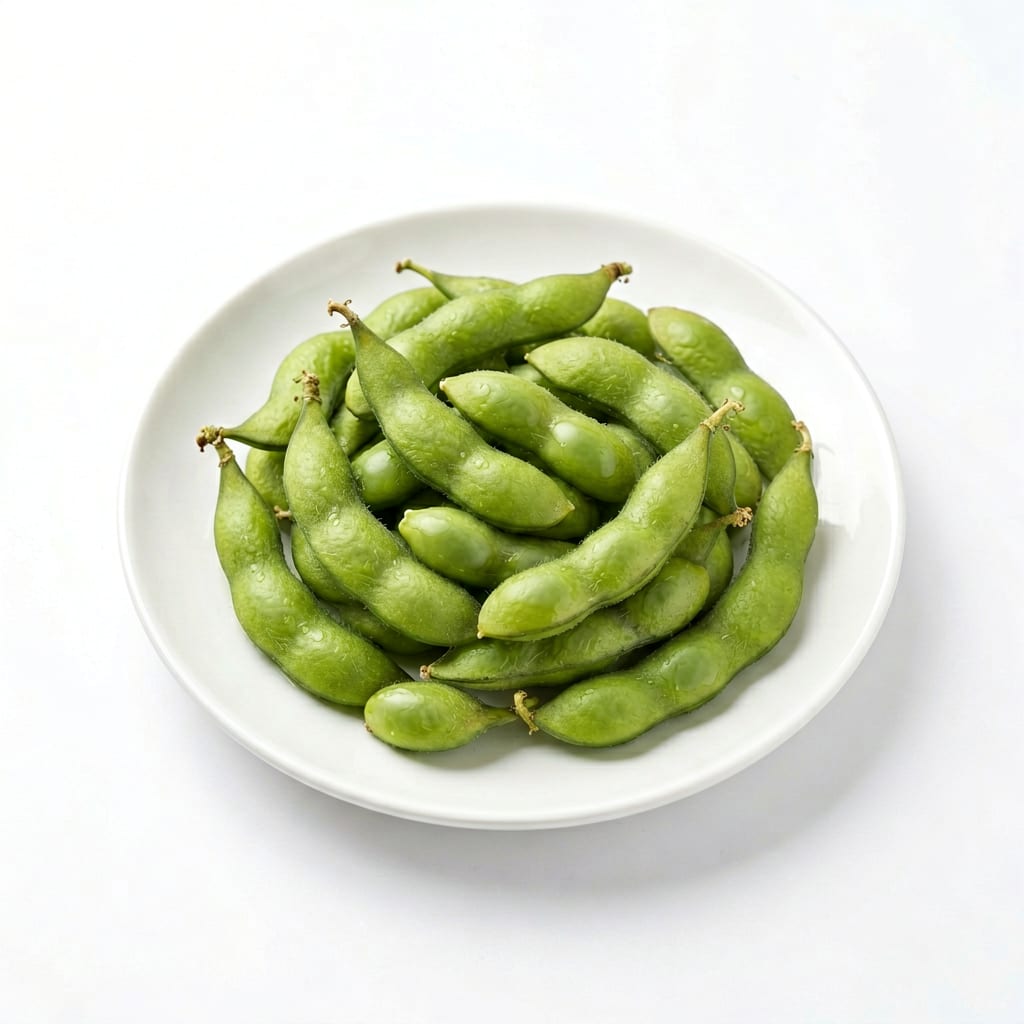
Edamame
Edamame wins on protein quality and convenience as a snack, while pigeon pea wins on fiber, affordability, and avoiding soy-related concerns.
Edamame edges ahead with complete protein and healthy fats, but pigeon pea stays competitive through superior fiber, far lower cost, and absence of soy-related concerns. The gap is small because each excels in different real-life contexts.
Complete protein and healthy fats from edamame versus higher fiber, lower cost, and zero soy risk from pigeon pea.
At a glance
Executive summary
Overall
It depends
Healthier
It depends
More practical
Edamame
Daily use
Pigeon Pea
Key comparison lenses
plant protein quality comparison
Both are legume-based protein sources but differ significantly in amino acid completeness and protein density
everyday snack vs meal staple
Edamame is commonly eaten as a ready snack while pigeon pea is typically a cooked dish base
soy allergy and hormonal concerns
Edamame carries soy allergen risks and isoflavone concerns that pigeon pea completely avoids
budget and accessibility
Pigeon pea is dramatically cheaper and more shelf-stable, making it a staple in many global diets
fiber and digestive health
Both are high-fiber but pigeon pea delivers more fiber per serving with different digestive effects
Best choice for
Pigeon Pea
- Budget-conscious households needing reliable daily protein
- People with soy allergies or avoiding soy for hormonal reasons
- Those prioritizing digestive regularity and gut health
- Anyone meal-prepping stews, curries, or dal weekly
- Long-term pantry stocking and food security
Edamame
- Athletes needing complete protein after workouts
- People wanting a grab-and-go high-protein snack
- Those seeking omega-3 fats from plant sources
- Anyone new to legumes who wants an easy entry point
- Quick lunch additions without cooking
Least suitable for
Pigeon Pea
- People who need instant or no-cook protein options
- Those unfamiliar with cooking dried legumes
- Anyone seeking a complete protein in a single food
Edamame
- People with soy allergies or sensitivities
- Those avoiding phytoestrogens for medical reasons
- Budget-limited shoppers needing bulk calories cheaply
Deep comparison
Dimension by dimension
Each lens scores both foods and breaks down who each option suits.
- Dimension 1 · Priority 95Edamame
protein_quality_and_completeness
Pigeon Pea · 60Edamame · 92Edamame provides all nine essential amino acids in adequate amounts. Pigeon pea is low in methionine and cysteine, requiring grain pairing for completeness.
Tradeoff
Edamame is a standalone complete protein, while pigeon pea needs rice or another grain to fill its amino acid gaps.
Why it matters
If you rely on one food as your main protein source, completeness matters. If you eat varied meals throughout the day, the gap shrinks considerably.
Real-world impact
A bowl of edamame after a workout covers your protein needs alone. Pigeon pea dal with rice does the same but requires the combination.
Pigeon Pea
- Meals already paired with grains like rice or quinoa
- Cultural cuisines where legume-grain combos are standard
Better for
- Standalone protein needs where pairing is inconvenient
Worse for
Edamame
- Post-workout recovery snacks
- Simplified meal planning where one food must cover all amino acids
- Plant-based eaters needing reliable complete protein sources
Better for
- Soy-allergic individuals who cannot consume it at all
Worse for
- Dimension 2 · Priority 80Pigeon Pea
fiber_and_digestive_health
Pigeon Pea · 88Edamame · 72Pigeon pea delivers roughly 50% more fiber per cooked cup than edamame, making it more effective for digestive regularity and gut health.
Tradeoff
More fiber means better fullness and gut health but can cause bloating if your body is not used to high legume intake.
Why it matters
Fiber is the nutrient most people consistently underconsume. Pigeon pea is one of the most fiber-dense foods you can eat regularly.
Real-world impact
A serving of pigeon pea keeps you full longer and supports more consistent digestion compared to the same volume of edamame.
Pigeon Pea
- People struggling with constipation or irregularity
- Those wanting to feel full on fewer calories
- Gut microbiome optimization through prebiotic fiber
Better for
- Anyone prone to bloating or gas from high-fiber legumes
Worse for
Edamame
- People with sensitive digestion who find very high fiber uncomfortable
- Those transitioning to high-fiber diets who need a gentler starting point
Better for
- Those who need maximum fiber per serving for satiety or cholesterol management
Worse for
- Dimension 3 · Priority 78Edamame
healthy_fat_content
Pigeon Pea · 35Edamame · 85Edamame provides meaningful amounts of omega-3 and omega-6 fatty acids. Pigeon pea is nearly fat-free.
Tradeoff
Edamame gives you beneficial fats that support heart and brain health, but also more calories per serving. Pigeon pea is leaner if you are watching fat intake.
Why it matters
Plant-based omega-3s are hard to find. Edamame is one of the more accessible sources for people not eating fish.
Real-world impact
Adding edamame to a salad contributes healthy fats that help absorb fat-soluble vitamins. Pigeon pea would need a separate fat source like oil or avocado.
Pigeon Pea
- Low-fat diet followers who get fats from other sources
- Calorie-conscious eaters who prefer to add fats separately and control portions
Better for
- Meals that need built-in fat for nutrient absorption or flavor
Worse for
Edamame
- Plant-based eaters needing omega-3 sources
- Those wanting a more nutritionally self-contained food
- People who benefit from fat-satiety to avoid overeating later
Better for
- Very low-calorie diets where every fat gram counts against the budget
Worse for
- Dimension 4 · Priority 82Edamame
convenience_and_versatility
Pigeon Pea · 55Edamame · 82Edamame can be steamed in minutes from frozen and eaten as-is. Pigeon pea typically requires soaking and longer cooking unless using canned versions.
Tradeoff
Edamame is ready fast but works best as a side or snack. Pigeon pea takes longer but becomes the foundation of entire meals.
Why it matters
Convenience often determines what you actually eat, not what you plan to eat. The easier food to prepare wins on busy days.
Real-world impact
Frozen edamame goes from freezer to plate in under 5 minutes. Dried pigeon pea needs 30-60 minutes of cooking after soaking, though canned options help.
Pigeon Pea
- Batch cooking and meal prep sessions
- Stews, curries, and soups where long cooking develops flavor
- Pantry storage without refrigeration for months
Better for
- Spontaneous meals when you have no pre-cooked legumes ready
Worse for
Edamame
- Quick weeknight dinners in under 10 minutes
- Office or travel snacks needing no preparation
- Last-minute protein additions to any meal
Better for
- Building hearty meals where you need a substantial base ingredient rather than a side
Worse for
- Dimension 5 · Priority 76Pigeon Pea
cost_and_accessibility
Pigeon Pea · 92Edamame · 55Pigeon pea is one of the cheapest protein sources globally, often costing a fraction of edamame per gram of protein.
Tradeoff
Pigeon pea saves significant money over time but requires more cooking effort. Edamame costs more but saves time.
Why it matters
For households feeding multiple people on a budget, cost per protein gram is one of the most important metrics in food choice.
Real-world impact
A pound of dried pigeon peas costs roughly the same as a small bag of frozen edamame but yields far more servings and total protein.
Pigeon Pea
- Large families needing affordable bulk protein
- People in regions where pigeon pea is a local staple crop
- Anyone prioritizing cost per nutrient over convenience
Better for
- Shoppers in areas where pigeon pea is not commonly stocked
Worse for
Edamame
- Smaller households where convenience justifies higher per-serving cost
- Urban shoppers with easy access to frozen edamame
Better for
- Tight grocery budgets where every dollar per meal matters
Worse for
- Dimension 6 · Priority 80Pigeon Pea
allergen_and_sensitivity_risk
Pigeon Pea · 90Edamame · 55Pigeon pea has virtually no common allergen concerns. Edamame is soy, which is a top-8 allergen and carries phytoestrogen considerations.
Tradeoff
Edamame's soy content is beneficial for some people but problematic for others. Pigeon pea avoids this entirely.
Why it matters
Soy allergy affects millions, and even non-allergic people sometimes avoid soy due to hormonal concerns or digestive sensitivity.
Real-world impact
Pigeon pea works for nearly everyone at the table. Edamame requires checking if anyone has soy allergies or is avoiding soy for medical reasons.
Pigeon Pea
- Soy-allergic individuals
- People avoiding phytoestrogens during pregnancy or with hormone-sensitive conditions
- Shared meals where guest allergies are unknown
Better for
- No significant allergen downside
Worse for
Edamame
- People who tolerate soy well and benefit from isoflavones
- Postmenopausal women who may benefit from moderate soy intake
Better for
- Anyone with soy allergy, intolerance, or medical advice to limit soy
Worse for
- Dimension 7 · Priority 72Edamame
micronutrient_density
Pigeon Pea · 68Edamame · 82Edamame provides more vitamin K, folate, and manganese per serving. Pigeon pea offers more iron and magnesium but less overall vitamin diversity.
Tradeoff
Edamame covers more micronutrient bases in a single serving, while pigeon pea excels at specific minerals that many people lack.
Why it matters
Micronutrient gaps accumulate over time. A food that covers more vitamins and minerals reduces the need for supplementation.
Real-world impact
Regular edamame intake supports bone health through vitamin K and blood health through folate. Pigeon pea better supports energy production through iron and magnesium.
Pigeon Pea
- People with iron deficiency or at risk of anemia
- Those needing more magnesium for muscle recovery or sleep
Better for
- Those relying on a limited number of foods for vitamin diversity
Worse for
Edamame
- Pregnant women needing extra folate
- People concerned about bone density and vitamin K intake
- Anyone wanting broader micronutrient coverage from fewer foods
Better for
- People who specifically need to boost iron or magnesium intake
Worse for
Timeline
Health impact over time
Short-term
Hours to days
Pigeon Pea
- High fiber provides lasting fullness that reduces between-meal snacking
- Complex carbohydrates deliver steady energy without sugar crashes
- May cause gas or bloating if you increase intake too quickly
Edamame
- Protein and fat combination creates satisfying satiety within minutes
- Healthy fats help stabilize blood sugar when eaten with other foods
- Soy can cause mild digestive discomfort in sensitive individuals
Long-term
Months to years
Pigeon Pea
- Consistent fiber intake supports lower cholesterol and healthy gut microbiome
- Regular consumption reduces diabetes risk through improved insulin sensitivity
- Low cost enables sustainable long-term daily consumption without budget strain
Edamame
- Isoflavones may support heart health and reduce menopausal symptoms over time
- Complete protein intake helps preserve muscle mass as you age
- Soy consumption remains debated for certain hormone-sensitive conditions, though moderate intake appears safe for most
Risk profile
Safety & processing
Both foods are whole, minimally processed legumes. Dried pigeon peas are simply harvested and dried. Frozen edamame is typically just steamed and frozen. Canned or seasoned versions of either may add sodium, so check labels.
Pigeon Pea
phytic_acid_interference
lowLike all legumes, pigeon pea contains phytic acid that can reduce mineral absorption. Soaking and cooking significantly reduces this effect.
purine_content
lowModerate purine levels may concern people with severe gout, though most people tolerate pigeon pea without issues.
Edamame
soy_allergy
highSoy is a top-8 allergen. Reactions can range from mild hives to anaphylaxis in sensitive individuals.
phytoestrogen_exposure
mediumSoy isoflavones have weak estrogenic effects. Moderate intake is safe for most people, but those with hormone-sensitive conditions should consult their doctor.
gmo_concerns
lowMost US soy is genetically modified. Choosing organic edamame avoids GMO exposure if that is a concern.
Who wins for whom
Audience fit
Same foods, different winners depending on your goal.
children
It dependsEdamame is fun to eat and provides complete protein for growing bodies, but soy allergy risk is a concern. Pigeon pea is safer allergen-wise but less appealing as a snack for kids.
daily consumption
Pigeon PeaLower cost, no allergen concerns, and higher fiber make pigeon pea more sustainable as a daily staple for most people.
diabetes
Pigeon PeaHigher fiber content slows glucose absorption more effectively, leading to steadier blood sugar responses after meals.
elderly
EdamameComplete protein helps prevent age-related muscle loss, and vitamin K supports bone health. The softer texture of edamame is also easier to chew.
muscle gain
EdamameComplete protein with all essential amino acids supports muscle repair and growth more effectively without needing food pairing.
weight loss
Pigeon PeaHigher fiber and lower calorie density make pigeon pea more filling per calorie, helping control overall intake.
Your move
Decision guide
Choose Pigeon Pea
- You want the most affordable daily protein source you can sustain for years
- You or someone you cook for has a soy allergy or avoids soy
- You regularly cook stews, curries, or soups and want a hearty base
- Maximum fiber and digestive health are your top priorities
- You need shelf-stable pantry protein that lasts months
Choose Edamame
- You need a quick no-cook protein snack for busy days
- Complete protein matters more to you than cost savings
- You want plant-based omega-3 fats in your diet
- You are an athlete or focused on muscle maintenance
- You enjoy the taste and convenience of edamame as a side dish
Either works if
- You eat a varied diet with grains and other protein sources anyway
- You want to rotate between both for nutritional diversity
- Neither food is your sole protein source
Avoid both if
- You have a severe legume allergy that crosses multiple types
- You are on a very low-fiber diet for a medical procedure or condition
Final recommendation
Keep both in your rotation. Use pigeon pea as your affordable, fiber-rich meal foundation a few times a week, and keep frozen edamame on hand for quick protein snacks. This combination gives you the cost efficiency and fiber of pigeon pea alongside the complete protein and healthy fats of edamame, while minimizing the downsides of relying on either one alone.
Practical
Consumer tips
- 1
If buying canned pigeon peas, rinse thoroughly to remove up to 40% of the added sodium
- 2
Choose organic edamame to avoid GMO soy if that matters to you
- 3
Soak dried pigeon peas overnight and discard the water to reduce gas-causing compounds and improve digestibility
- 4
Pair pigeon pea with rice, quinoa, or whole wheat to create a complete protein profile
- 5
Steam edamame for 3-5 minutes from frozen for the best texture and nutrient retention
- 6
If new to high-fiber legumes, start with smaller portions of pigeon pea and increase gradually over two weeks
- 7
Spices like cumin, ginger, and asafoetida can help reduce the gassiness pigeon pea may cause