
Nutrition comparison
Pigeon Pea vs Black-eyed Peas: Nutrition, Digestion, and Best Uses
Compare Pigeon Pea vs Black-eyed Peas to see which legume is better for blood sugar, digestion, and meal prep. Learn the key nutritional differences and cooking tradeoffs.
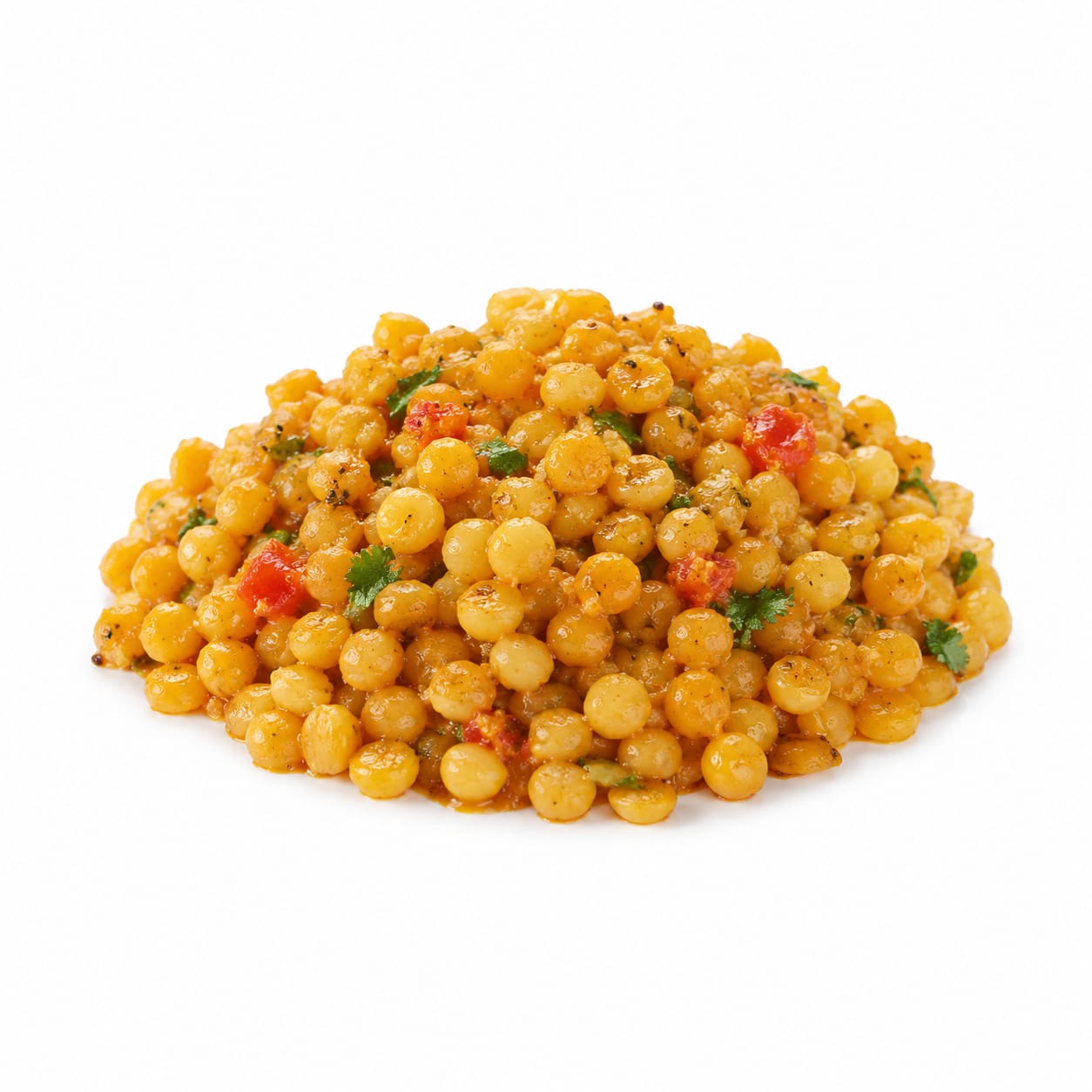
Pigeon Pea
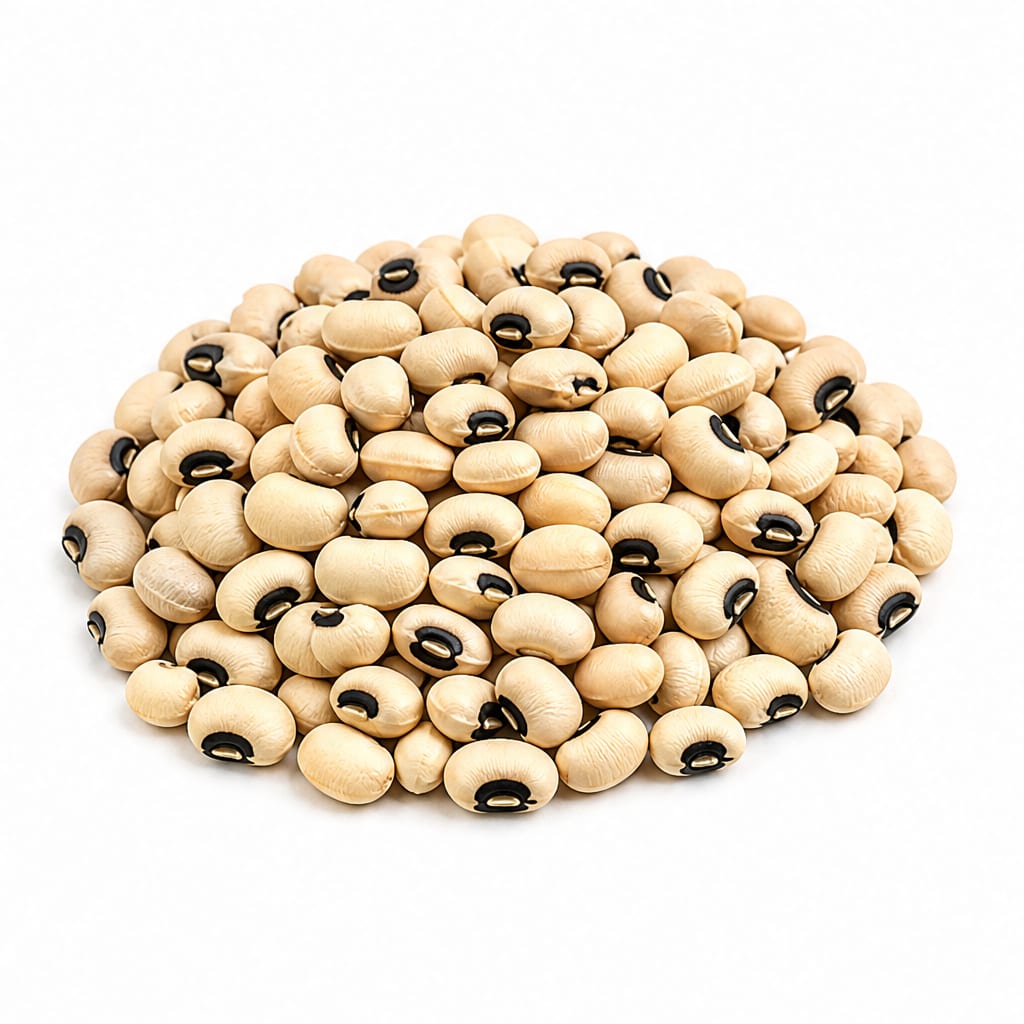
Black-eyed Peas
Pigeon Pea edges ahead for blood sugar control and fiber, while Black-eyed Peas cook faster and are slightly gentler on digestion.
Pigeon Pea scores slightly higher due to its superior fiber content and lower glycemic impact, though both are excellent, nutrient-dense legume choices.
Pigeon Pea offers steadier energy and more fullness, but Black-eyed Peas win on cooking convenience and digestive comfort.
At a glance
Executive summary
Overall
It depends
Healthier
Pigeon Pea
More practical
Black-eyed Peas
Daily use
Pigeon Pea
Key comparison lenses
blood sugar management
Legumes vary significantly in glycemic index and fiber, which directly impacts energy crashes and diabetes risk.
digestive comfort
Beans are notorious for causing bloating, so identifying the gentler option is a top everyday concern.
cooking convenience
Preparation time often dictates whether someone actually cooks legumes or opts for less healthy convenience foods.
weight loss satiety
Fiber and protein content determine how full you feel, directly impacting overeating and snacking habits.
Best choice for
Pigeon Pea
- Managing diabetes and insulin resistance
- Staying full for hours between meals
- Slow-releasing, crash-free energy
Black-eyed Peas
- Quick weeknight meals after a busy day
- Sensitive stomachs prone to bloating
- Budget-friendly fast plant protein
Least suitable for
Pigeon Pea
- People in a rush who need dinner in 20 minutes
- Those highly sensitive to legume-induced gas
Black-eyed Peas
- Strict low-glycemic diets requiring maximum fiber
- Those needing a heavy, filling base for physical labor
Deep comparison
Dimension by dimension
Each lens scores both foods and breaks down who each option suits.
- Dimension 1 · Priority 92Pigeon Pea
Blood Sugar Stability
Pigeon Pea · 88Black-eyed Peas · 78Pigeon Pea has a lower glycemic index and more fiber, leading to slower carb absorption.
Tradeoff
You get steadier energy with Pigeon Pea, but Black-eyed Peas digest a bit faster which can be nice after a heavy workout.
Why it matters
Prevents the afternoon energy crash and keeps unpredictable hunger at bay.
Real-world impact
Eating Pigeon Pea for lunch means you are far less likely to raid the snack cabinet before dinner.
Pigeon Pea
- Diabetics
- Steady energy seekers
Better for
- Quick energy needs after fasting
Worse for
Black-eyed Peas
- Post-workout recovery meals
- Lighter evening dishes
Better for
- Managing severe blood sugar spikes
Worse for
- Dimension 2 · Priority 88Black-eyed Peas
Digestive Comfort
Pigeon Pea · 72Black-eyed Peas · 82Black-eyed Peas are generally easier to digest and cause less bloating than Pigeon Peas.
Tradeoff
You sacrifice a bit of fiber for a much more comfortable stomach experience.
Why it matters
Legumes are notorious for gas; choosing a gentler option makes daily eating far more pleasant.
Real-world impact
Black-eyed Peas are less likely to leave you feeling heavy or gassy during an afternoon meeting.
Pigeon Pea
- Those needing aggressive fiber for constipation
Better for
- Bloating prone individuals
Worse for
Black-eyed Peas
- Sensitive stomachs
- Legume beginners
Better for
- Those needing maximum roughage
Worse for
- Dimension 3 · Priority 85Black-eyed Peas
Convenience and Cooking Time
Pigeon Pea · 68Black-eyed Peas · 85Black-eyed Peas cook significantly faster and do not strictly require overnight soaking.
Tradeoff
You save precious time in the kitchen with Black-eyed Peas, while Pigeon Pea demands longer simmering.
Why it matters
Convenience often dictates whether you actually cook a healthy meal or just order takeout.
Real-world impact
Black-eyed Peas can be thrown into a weeknight soup in under 40 minutes; Pigeon Pea requires planning ahead.
Pigeon Pea
- Weekend meal preppers
- Slow cooker enthusiasts
Better for
- Impatient cooks
Worse for
Black-eyed Peas
- Busy weeknights
- Last-minute meal prep
Better for
- Those who prefer deep, slow-cooked flavors
Worse for
- Dimension 4 · Priority 80It depends
Nutrient Density
Pigeon Pea · 84Black-eyed Peas · 83Pigeon Pea offers more fiber and magnesium, while Black-eyed Peas provide more folate and calcium.
Tradeoff
It is a near tie with slight variations in mineral highlights that support different body functions.
Why it matters
Different micronutrients support different goals, from bone health to cell repair.
Real-world impact
Pigeon Pea supports better bowel regularity, while Black-eyed Peas slightly edge out for prenatal nutrition.
Pigeon Pea
- Bowel regularity
- Muscle relaxation via magnesium
Better for
- Folate-focused diets
Worse for
Black-eyed Peas
- Pregnancy nutrition
- Bone support via calcium
Better for
- Magnesium-deficient diets
Worse for
Timeline
Health impact over time
Short-term
Hours to days
Pigeon Pea
- Prolonged fullness that curbs snacking
- Potential for gas if not soaked adequately
Black-eyed Peas
- Quick satisfaction without feeling overly stuffed
- Easier digestion with less bloating
Long-term
Months to years
Pigeon Pea
- Better long-term blood sugar management
- Improved heart health from high soluble fiber
Black-eyed Peas
- Strong cell repair and DNA synthesis from folate
- Consistent, gentle plant-protein intake for muscle maintenance
Risk profile
Safety & processing
Both Pigeon Pea and Black-eyed Peas are whole food legumes typically sold dried or canned with minimal interference, making them exceptionally clean pantry staples.
Pigeon Pea
Anti-nutrients (phytic acid)
lowCan reduce mineral absorption, but soaking and cooking Pigeon Pea thoroughly largely eliminates this concern.
Black-eyed Peas
Canned sodium load
mediumIf buying canned Black-eyed Peas, the sodium can be very high unless you rinse them thoroughly or buy no-salt-added versions.
Who wins for whom
Audience fit
Same foods, different winners depending on your goal.
children
Black-eyed PeasBlack-eyed Peas are easier to digest, cook into softer textures, and have a milder flavor that picky eaters often prefer.
daily consumption
Pigeon PeaPigeon Pea provides slightly better daily fiber and blood sugar stability, making it an ideal everyday staple for sustained health.
diabetes
Pigeon PeaPigeon Pea's lower glycemic index and higher fiber content prevent sharp blood sugar spikes, making it safer for glucose management.
elderly
Black-eyed PeasGentler digestion and higher folate make Black-eyed Peas a comfortable, supportive choice for aging digestive systems.
muscle gain
It dependsBoth offer comparable plant protein; pairing either with a grain like rice creates a complete amino acid profile for muscle repair.
weight loss
Pigeon PeaPigeon Pea's higher fiber keeps you fuller for longer, naturally reducing overall calorie intake without feeling deprived.
Your move
Decision guide
Choose Pigeon Pea
- You want to stay full for hours without snacking
- You are managing diabetes or insulin resistance
- You have time to simmer a comforting dal or stew
Choose Black-eyed Peas
- You need dinner on the table fast after a long day
- You get bloated easily from heavier beans
- You want a softer, milder-flavored legume for salads or quick soups
Either works if
- You just need a solid, affordable plant-based protein
- You are making a hearty curry or stew
- You want to boost your daily fiber intake over animal protein
Avoid both if
- You have a severe legume allergy
- You are on a strict very-low-carb or keto diet
Final recommendation
Keep both in your pantry for different moods and schedules. Use Pigeon Pea when you have time to simmer a comforting meal and want lasting fullness. Turn to Black-eyed Peas for faster, lighter meals that will not weigh you down.
Practical
Consumer tips
- 1
Soak Pigeon Pea overnight to reduce cooking time and make them much easier to digest.
- 2
Rinse canned Black-eyed Peas thoroughly under cold water to remove up to 40% of the added sodium.
- 3
Add a pinch of asafoetida, ginger, or cumin while cooking either legume to naturally reduce gas and bloating.
- 4
Pair both with rice or flatbread to create a complete protein profile that rivals meat.