
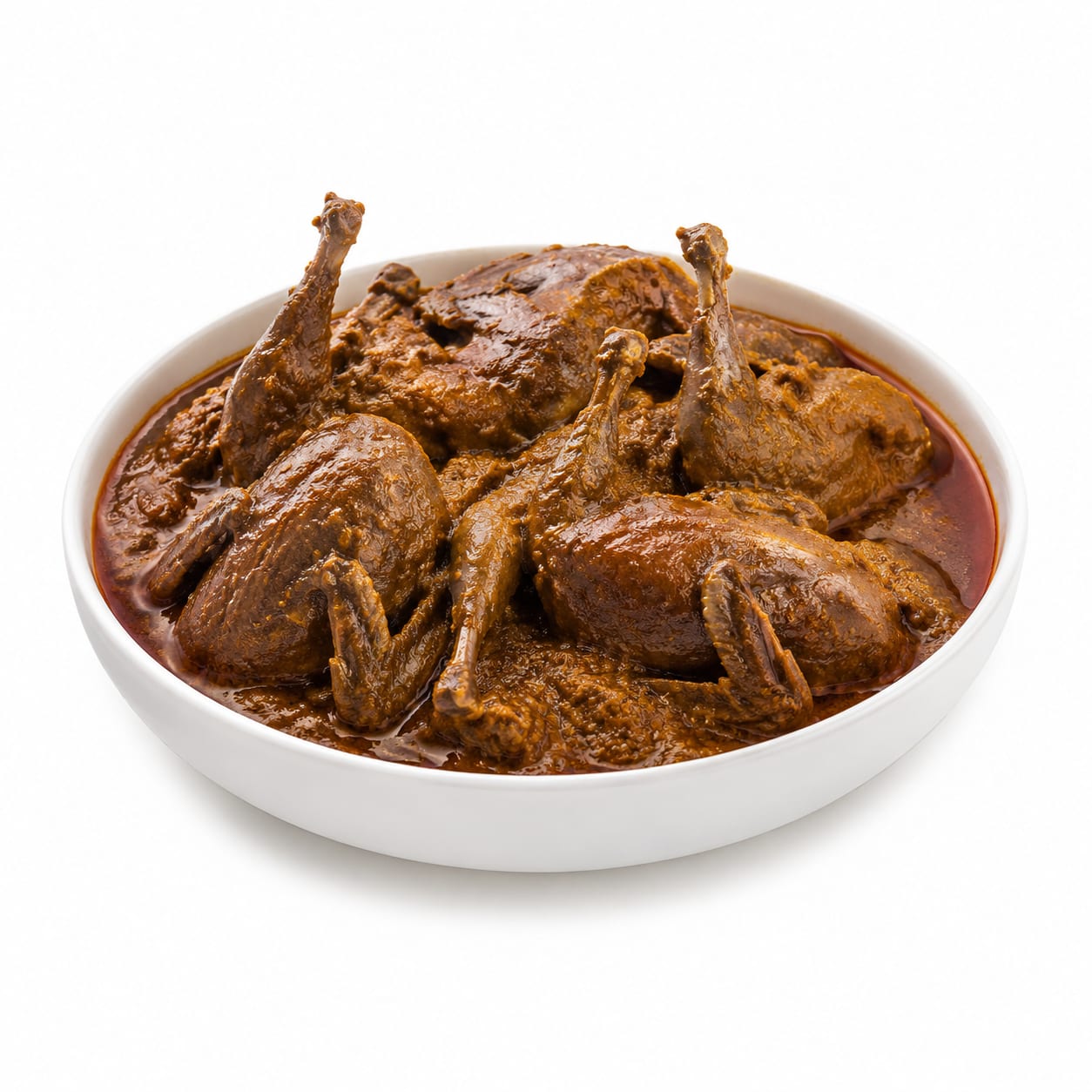
Game Poultry
Pigeon
A nutrient-dense dark-meat game bird high in protein and heme iron.
Pigeon, commonly sold as squab when young, is a dark-meat game bird prized for its rich, intense flavor and tender texture. It is a nutrient-dense protein source popular in various global cuisines.
protein-dense game poultry
Typical serving · 100g
Common varieties · Squab (young pigeon), Wood pigeon, Domestic pigeon, King pigeon
Overall context score across nutrition, safety, and diet fit
At a glance
Quick facts
Simple indicators based on nutrition, processing, and diet fit.
The story
What makes it unique
Pigeon meat is a high-quality animal protein with zero carbohydrates and a moderate fat content primarily found in the skin and dark muscle. Digestion is moderate due to the protein and fat matrix, providing strong and sustained satiety. It is a rich source of highly bioavailable heme iron and B vitamins, particularly B12, supporting oxygen transport and energy metabolism. As a wild or farmed game bird, it is typically consumed as a minimally processed whole food.
Varieties: Squab (young pigeon) · Wood pigeon · Domestic pigeon · King pigeon
Per 100g
Nutrition breakdown
Macro balance and key metrics at a glance.
Energy
Density 1.70 kcal/g
Protein
Carbs
Fat
Fiber
Sugar
0 g
Sodium
70 mg
Potassium
260 mg
Glycemic index
0
Glycemic load
0
Water content
68%
Standout compounds
Nutrient highlights
Protein
highSupports muscle growth, tissue repair, and satiety
Heme Iron
highHighly bioavailable iron for oxygen transport and preventing anemia
Vitamin B12
highEssential for nerve function and red blood cell formation
Zinc
moderateSupports immune function and wound healing
Niacin (B3)
moderateConverts food into energy and supports skin health
Wellness map
Health scores & processing
NOVA processing scale
Minimally processed · Whole food
Typically sold and consumed as whole, unprocessed game meat or poultry.
Diet compatibility
- Weight loss
- Muscle gain
- Diabetes
- Gut health
- Low carb
- High protein
- Heart health
Relative standing
Food rankings
Qualitative ranks compared to similar whole foods.
- Satietygood
- Blood sugarexcellent
- Nutrient densitygood
- Fitness fuelgood
- Processing qualityexcellent
Eat with confidence
Food safety profile
Farm-raised squab carries standard poultry contamination risks. Wild pigeon carries a higher risk of lead shot and environmental toxins depending on its foraging habitat.
Evidence confidence 85%
- Pesticidesmoderate
- Antibioticslow
- Heavy metalsmoderate
- Contaminationmoderate
Watch for
- Lead shot (in wild-caught)
- Salmonella
- Campylobacter
Safer choices
Farm-raised squab to avoid lead shot contamination found in wild game.
Prep tips
Cook thoroughly to an internal temperature of 165°F (74°C) to eliminate poultry pathogens. Carefully inspect wild game for shot fragments before cooking.
Wild-hunted varieties may carry lead shot fragments, presenting a known heavy metal neurotoxin risk.
Deep dive
Health analysis
How this food may fit different goals and preparation choices.
Weight loss
High protein and zero carbohydrates promote satiety and stable blood sugar, though the moderate fat content requires portion awareness.
Blood sugar
Contains zero carbohydrates, resulting in no glycemic impact, making it highly suitable for glucose management.
Fitness & energy
Excellent source of complete protein and B vitamins for muscle repair and energy production post-workout.
Gut health
Lacks dietary fiber, so it does not directly support gut motility or microbiome diversity; pair with fibrous vegetables.
Processing quality
Usually consumed as a whole, unprocessed food with no additives or preservatives.
Food safety
Wild varieties pose a lead shot risk; standard poultry pathogens require thorough cooking.
Common mistakes
Overcooking the lean breast meat while leaving the legs tough; dry-aging or proper roasting is essential for optimal texture.
Best preparation
Roasting, pan-searing, or braising; cooking breast medium-rare to medium prevents dryness, while legs benefit from slow cooking.
Practical guide
Best use cases
When and how this food fits real eating patterns.
Keto diet protein source
Zero carbs and a moderate fat profile fit strict ketogenic macronutrient ratios perfectly.
Iron-deficiency diet
Rich in heme iron, which is highly bioavailable and effective for improving blood iron levels.
Post-workout recovery
Provides a dense source of complete protein and B vitamins to support muscle repair and energy metabolism.
Balance sheet
Pros & cons
Upsides
- Zero carbohydrate content prevents blood sugar spikes
- Highly bioavailable heme iron prevents anemia
- Rich in B vitamins for energy metabolism
- High complete protein supports muscle maintenance
- Naturally unprocessed whole food
Trade-offs
- Higher in saturated fat and cholesterol than white poultry
- Wild-caught varieties risk lead shot contamination
- Can be expensive and hard to find commercially
- Lacks dietary fiber for gut health
- Dark gamey flavor is not universally appealing
Fit check
Who is it for?
Great match
- keto and low-carb diets
- iron-deficiency anemia management
- high-protein muscle-building diets
- gourmet culinary applications
Consider alternatives
- low-cholesterol diets
- plant-based or high-fiber gut protocols
- budget-conscious meal prep
Side by side
How it compares
Open the full head-to-head analysis for nutrition, safety, and practical tradeoffs.
This food
Pigeon
VS85% alike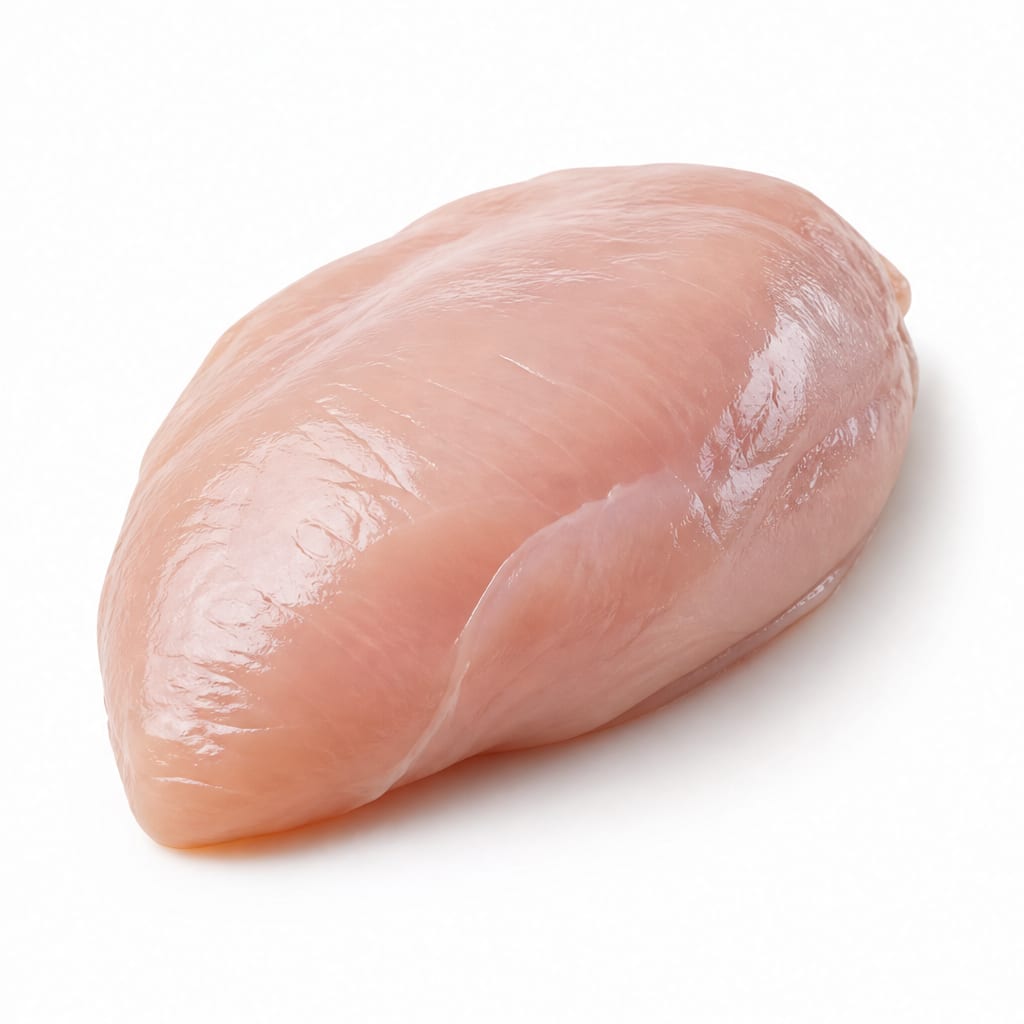
Compare with
Chicken Breast
Chicken breast is lower in calories and fat, making it better for weight loss, while pigeon offers more iron and a richer flavor.
Chicken breast is leaner and better for fat loss, while pigeon provides significantly more iron and B vitamins.
This food
Pigeon
VS90% alike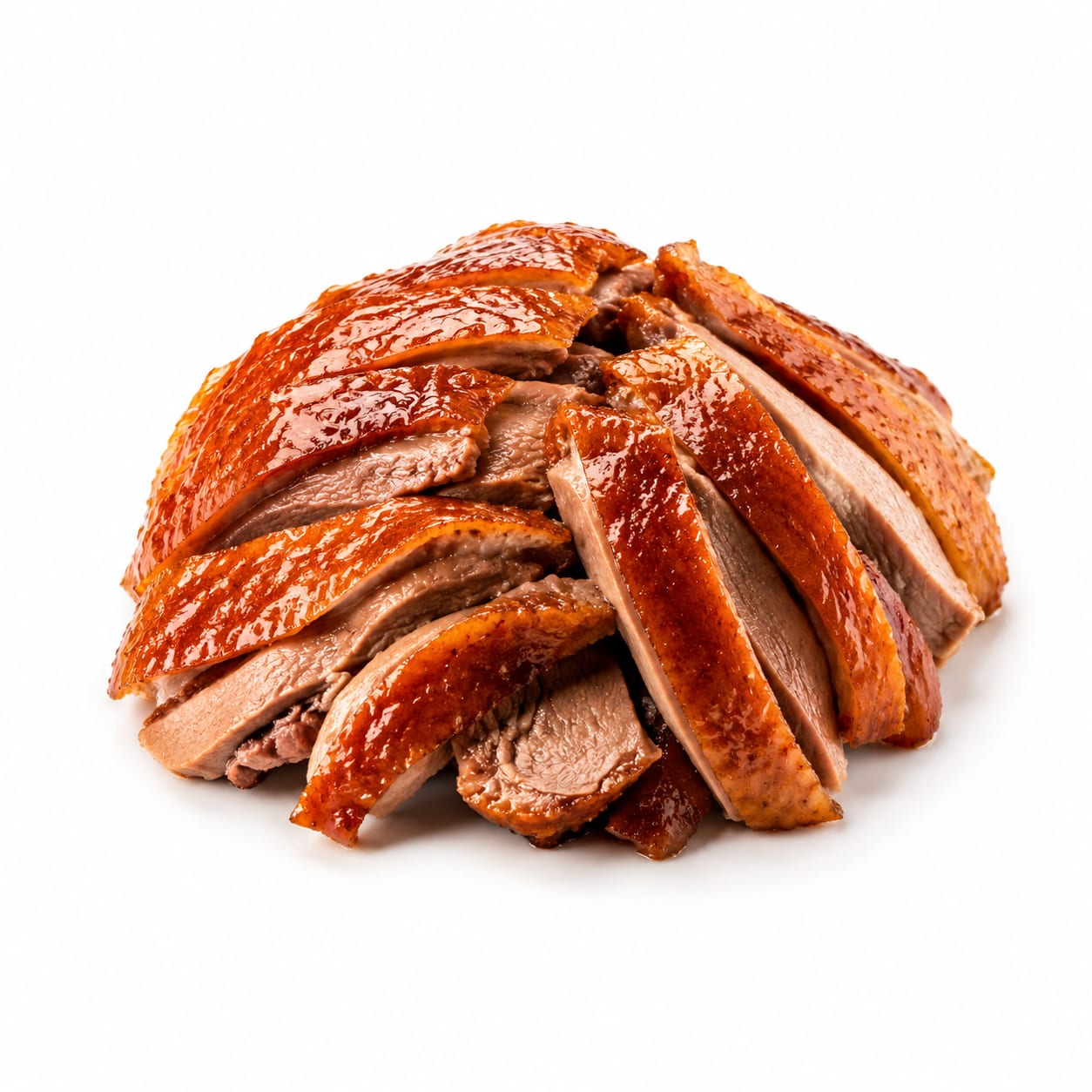
Compare with
Duck
Pigeon is significantly lower in fat and calories than duck, offering a similar rich dark-meat flavor with better weight loss suitability.
Pigeon provides the rich flavor of duck with far fewer calories and less fat, making it superior for weight loss.
This food
Pigeon
VS95% alike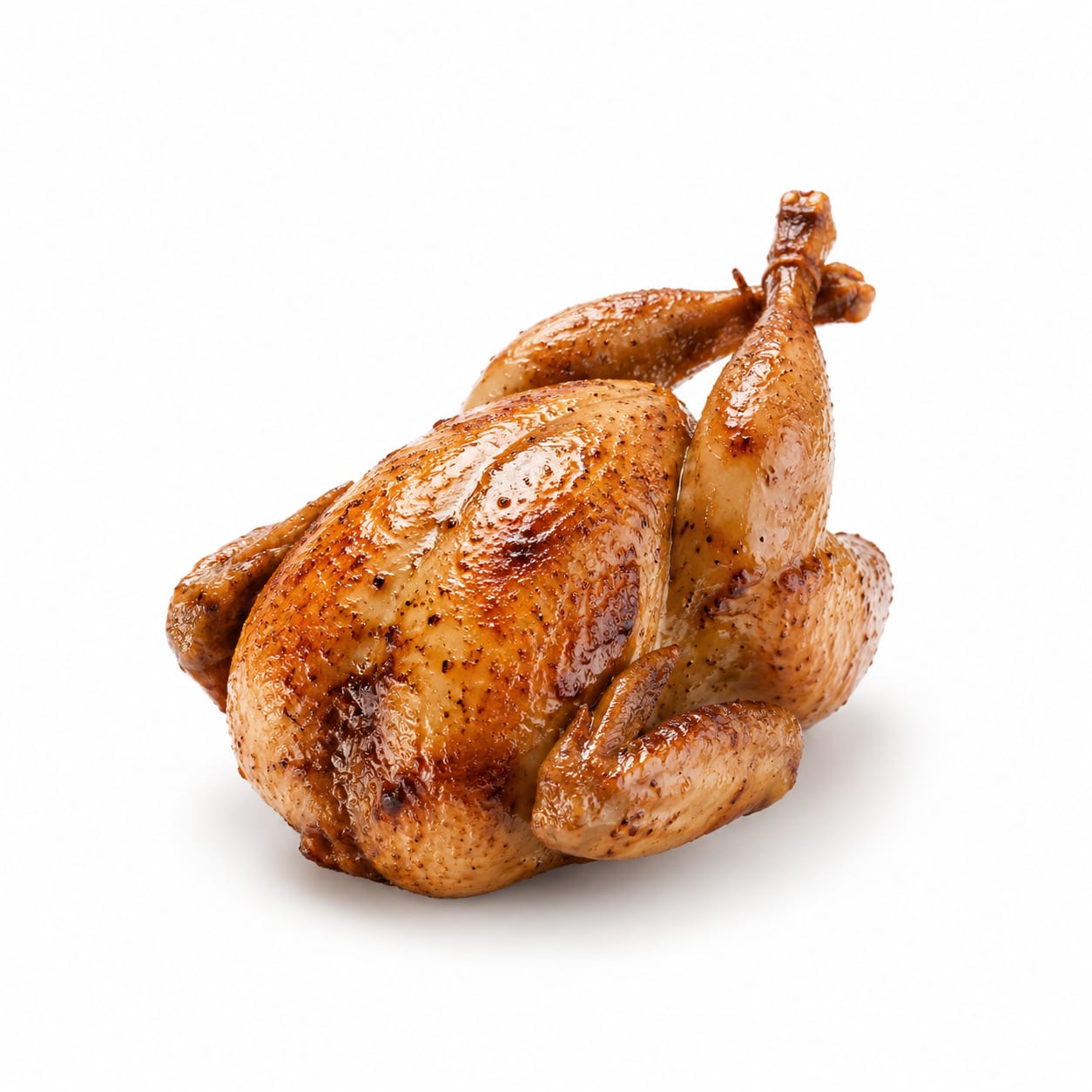
Compare with
Quail
Both are game birds, but pigeon provides more protein and iron per serving, while quail is slightly lower in calories.
Quail is slightly lower in calories, but pigeon offers a denser source of protein and heme iron for fitness recovery.
This food
Pigeon
VS80% alike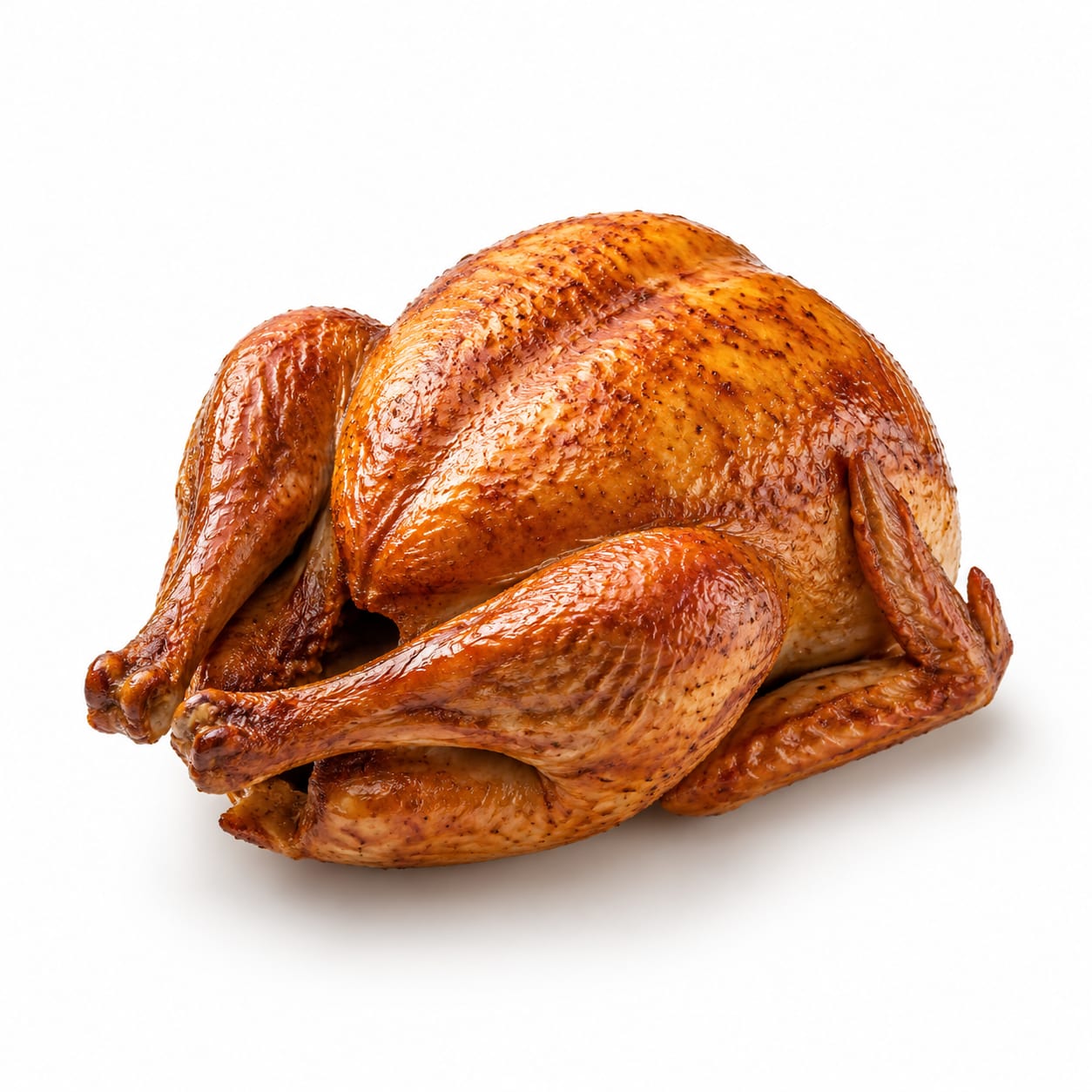
Compare with
Turkey
Turkey breast is leaner and better for strict fat loss, whereas pigeon provides more heme iron and B vitamins.
Turkey is leaner and higher in protein for dieting, while pigeon is a much better source of dietary iron.
This food
Pigeon
VS70% alike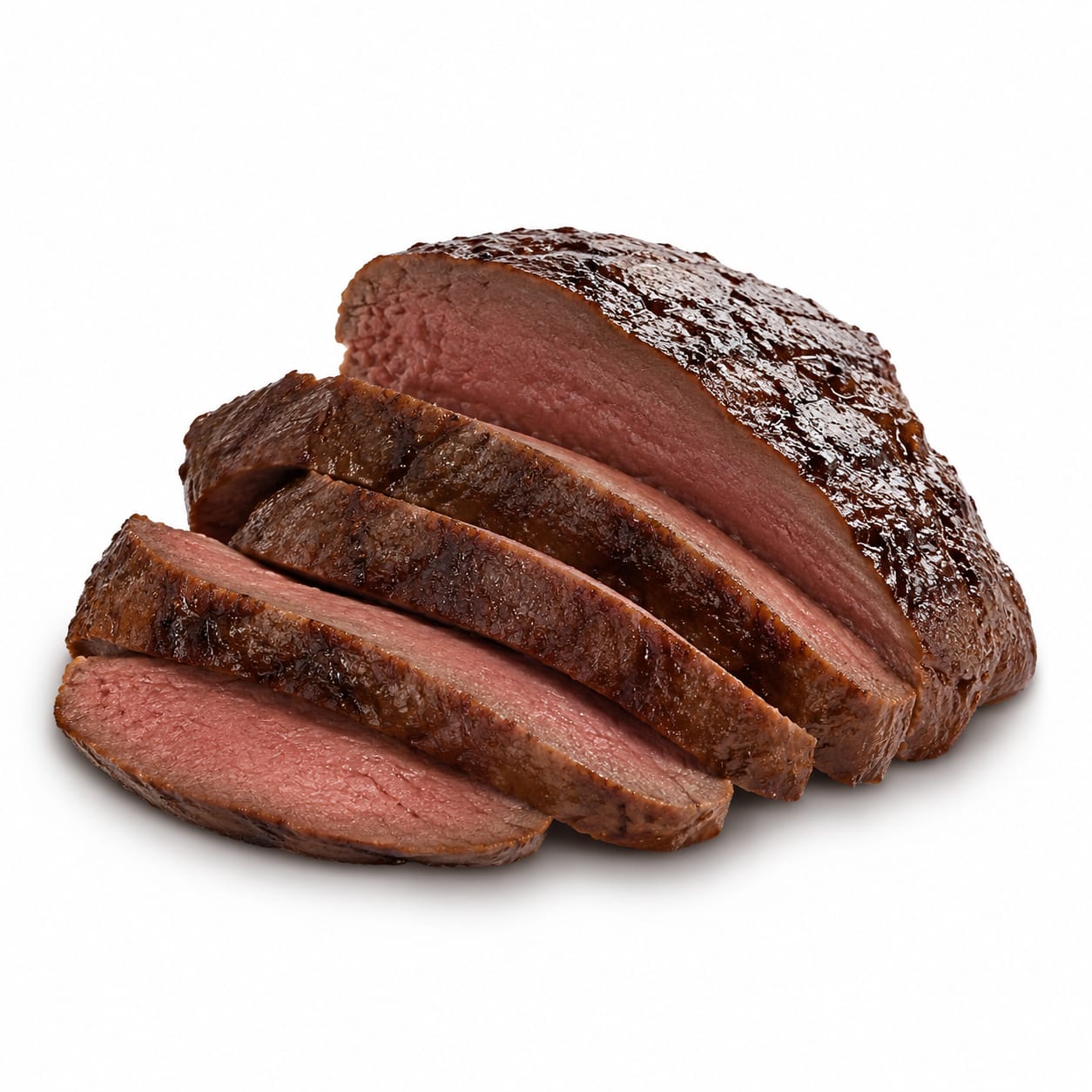
Compare with
Venison
Venison is leaner and higher in protein, but pigeon offers a more accessible poultry option with similar iron benefits.
Venison is lower in fat and higher in protein, but pigeon provides comparable iron with a milder game flavor.
This food
Pigeon
VS65% alike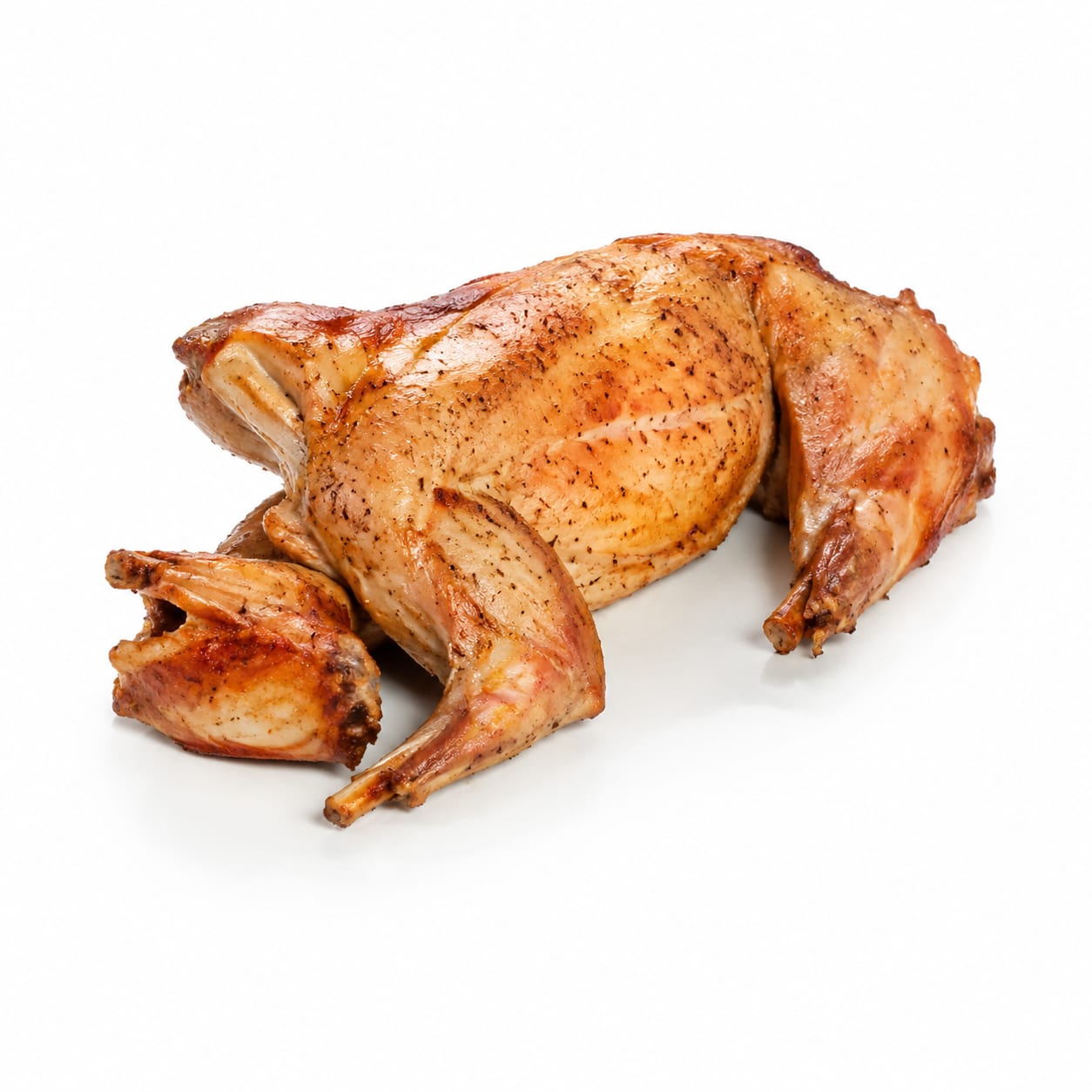
Compare with
Rabbit
Rabbit is lower in fat and calories for weight loss, while pigeon provides slightly more iron and a richer taste.
Rabbit is the leaner choice for weight loss, while pigeon offers more iron and calories for fitness energy.
This food
Pigeon
VS70% alike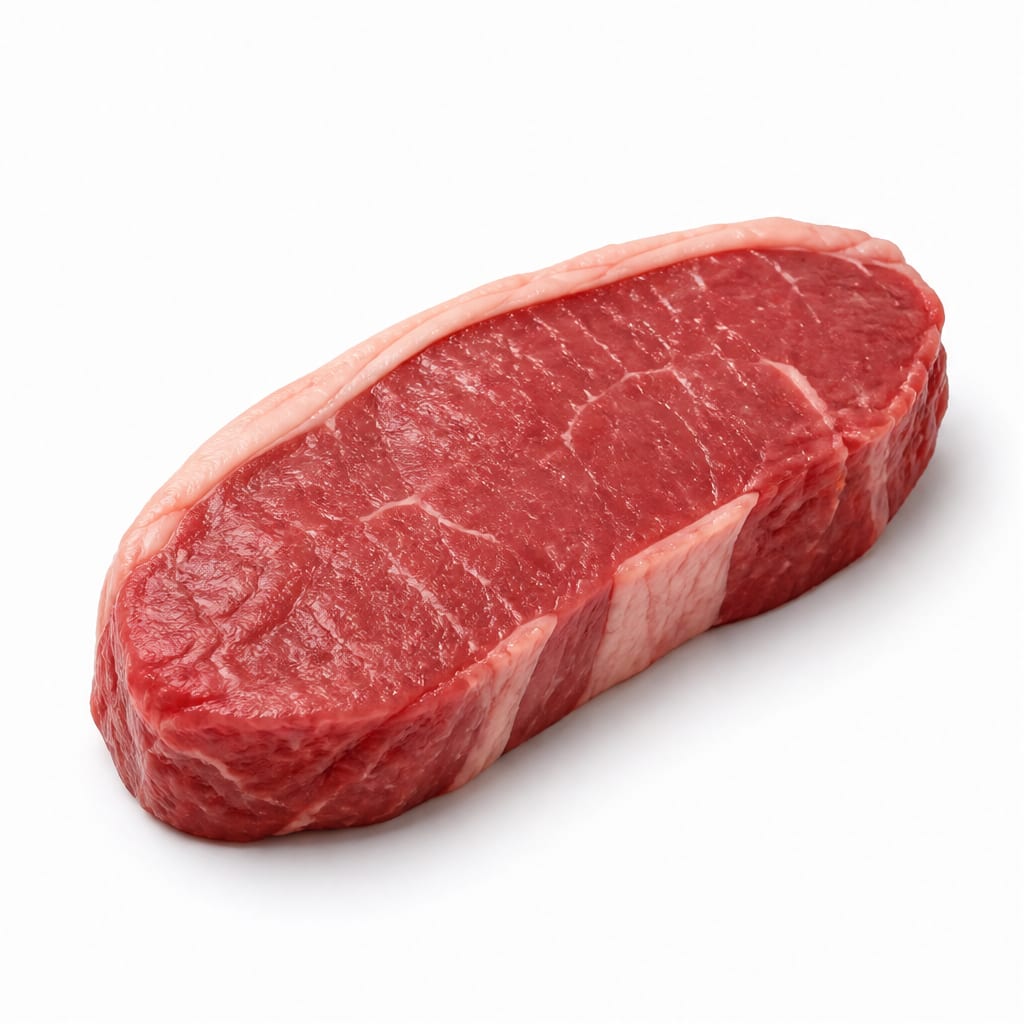
Compare with
Beef Sirloin
Pigeon is lower in total fat than beef sirloin, but beef provides more creatine and zinc for fitness performance.
Pigeon is lower in fat than beef sirloin, but beef provides more creatine and zinc for muscle building.
This food
Pigeon
VS85% alike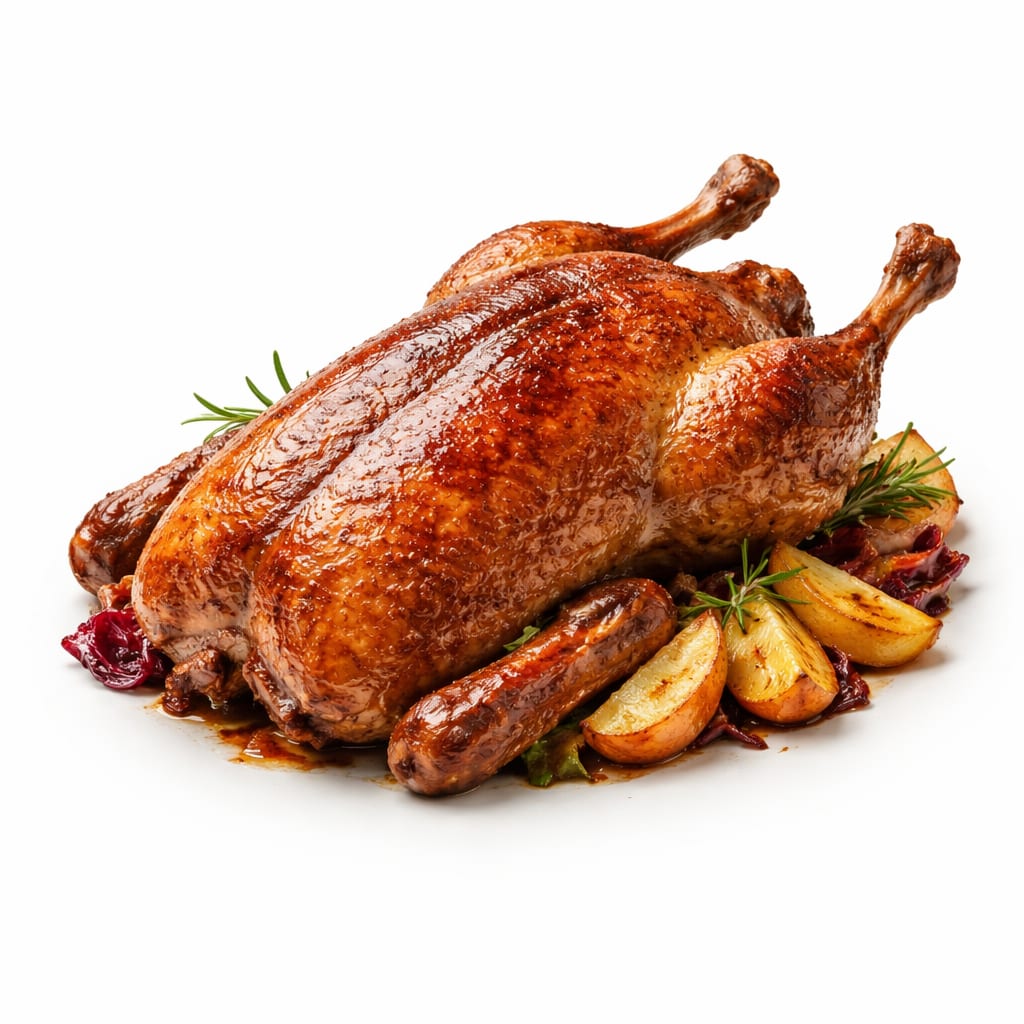
Compare with
Goose
Pigeon is much leaner than goose, providing similar dark-meat nutrients with far fewer calories for weight management.
Pigeon is far lower in calories and fat than goose, making it the better choice for weight loss and fitness.
This food
Pigeon
VS90% alike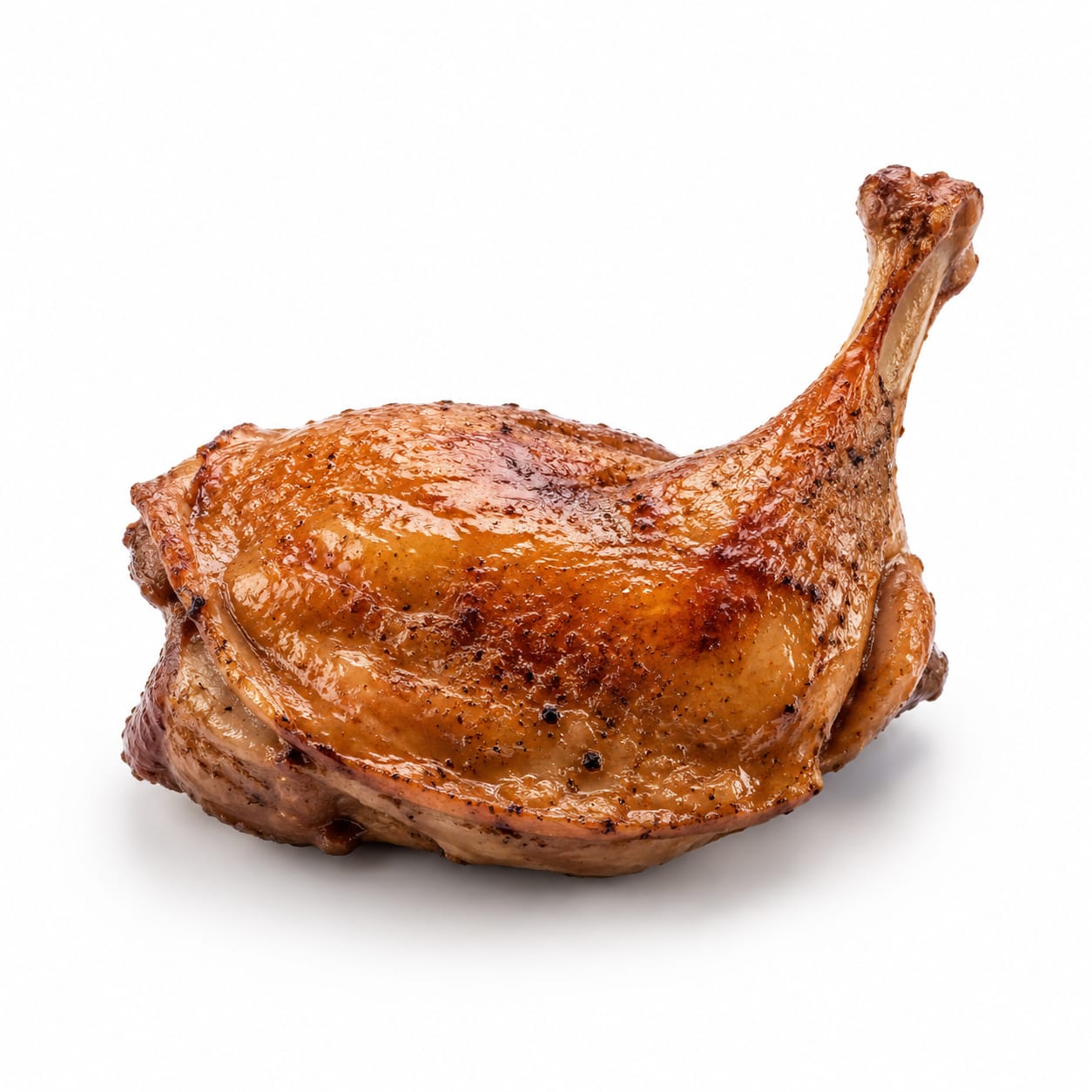
Compare with
Pheasant
Pheasant is lower in fat and calories, while pigeon delivers a more intense iron-rich flavor and slightly more protein.
Pheasant is leaner for weight loss diets, while pigeon offers a richer iron profile and darker meat flavor.
This food
Pigeon
VS85% alike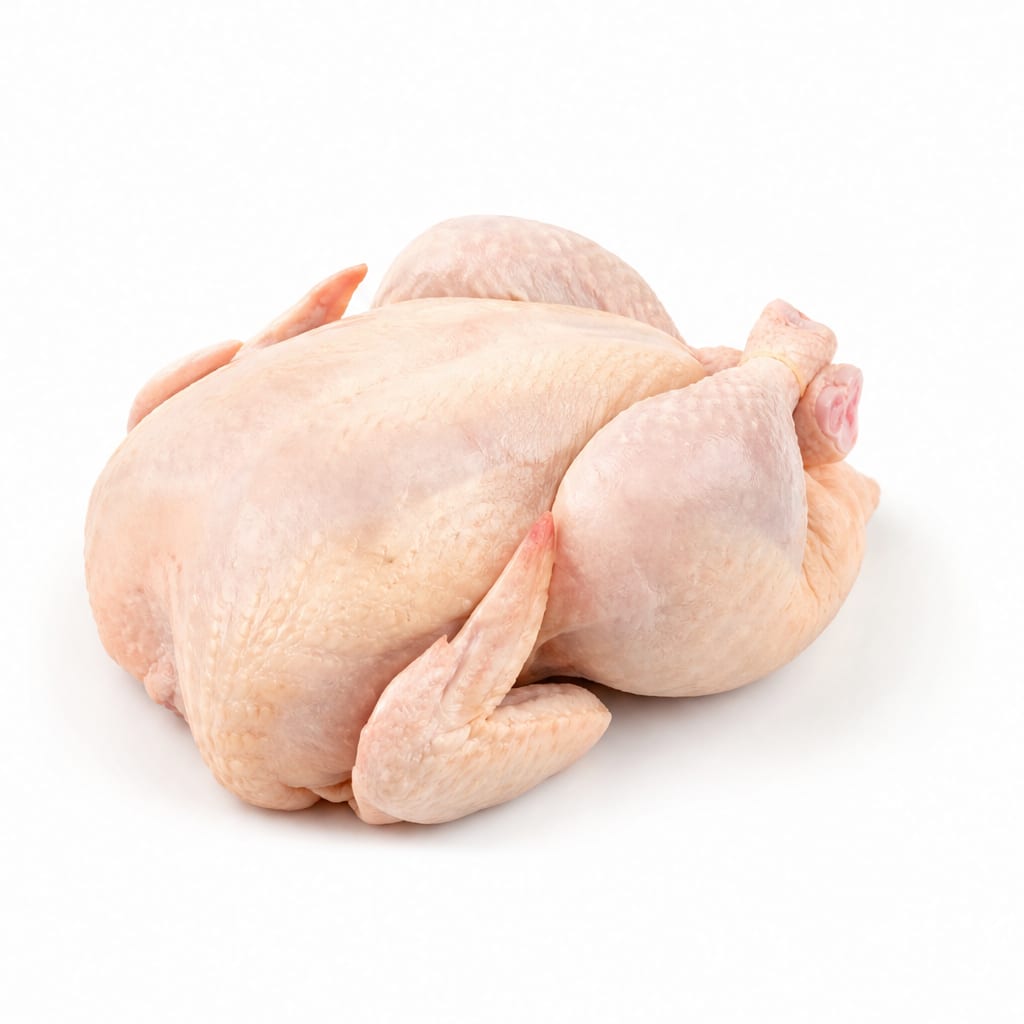
Compare with
Cornish Hen
Cornish hen is lower in fat and better for calorie restriction, while pigeon offers a denser iron and B-vitamin profile.
Cornish hen is lower in fat for dieting, but pigeon provides superior iron and B vitamins for energy metabolism.
Common questions
FAQ
Answers aligned with how people search for this food.
Is pigeon meat healthy?
Yes, pigeon is rich in high-quality protein, highly bioavailable heme iron, and B vitamins, with zero carbohydrates.
What does pigeon taste like?
Pigeon (squab) has a rich, deep flavor similar to duck, but with a slightly less fatty profile and more tender texture when young.
Is squab the same as pigeon?
Yes, squab specifically refers to a young domesticated pigeon raised for food, which is more tender than adult wild pigeon.
Can diabetics eat pigeon meat?
Yes, since it contains zero carbohydrates, it has no glycemic impact and is highly suitable for blood sugar management.
Is pigeon high in cholesterol?
Like most dark meat poultry, pigeon contains moderate cholesterol; it is higher than chicken breast but comparable to duck.
How many calories are in pigeon meat?
There are approximately 170 calories in a 100-gram serving of pigeon meat, primarily from protein and fat.
Does wild pigeon contain lead?
Wild-hunted pigeon can contain lead shot fragments, which pose a toxicity risk; farm-raised squab does not have this issue.
Transparency
Data confidence
Estimated confidence for nutrition data, interpretation, safety notes, and comparisons.
Nutrition data
Health analysis
Food safety
Comparisons