
Nutrition comparison
Pigeon vs Chicken Breast: Nutrition, Protein, and Health Comparison
Compare Pigeon and Chicken Breast side by side. Discover which offers more protein, better iron, lower fat, and the best value for your health goals and budget.
Overall winner · Chicken Breast
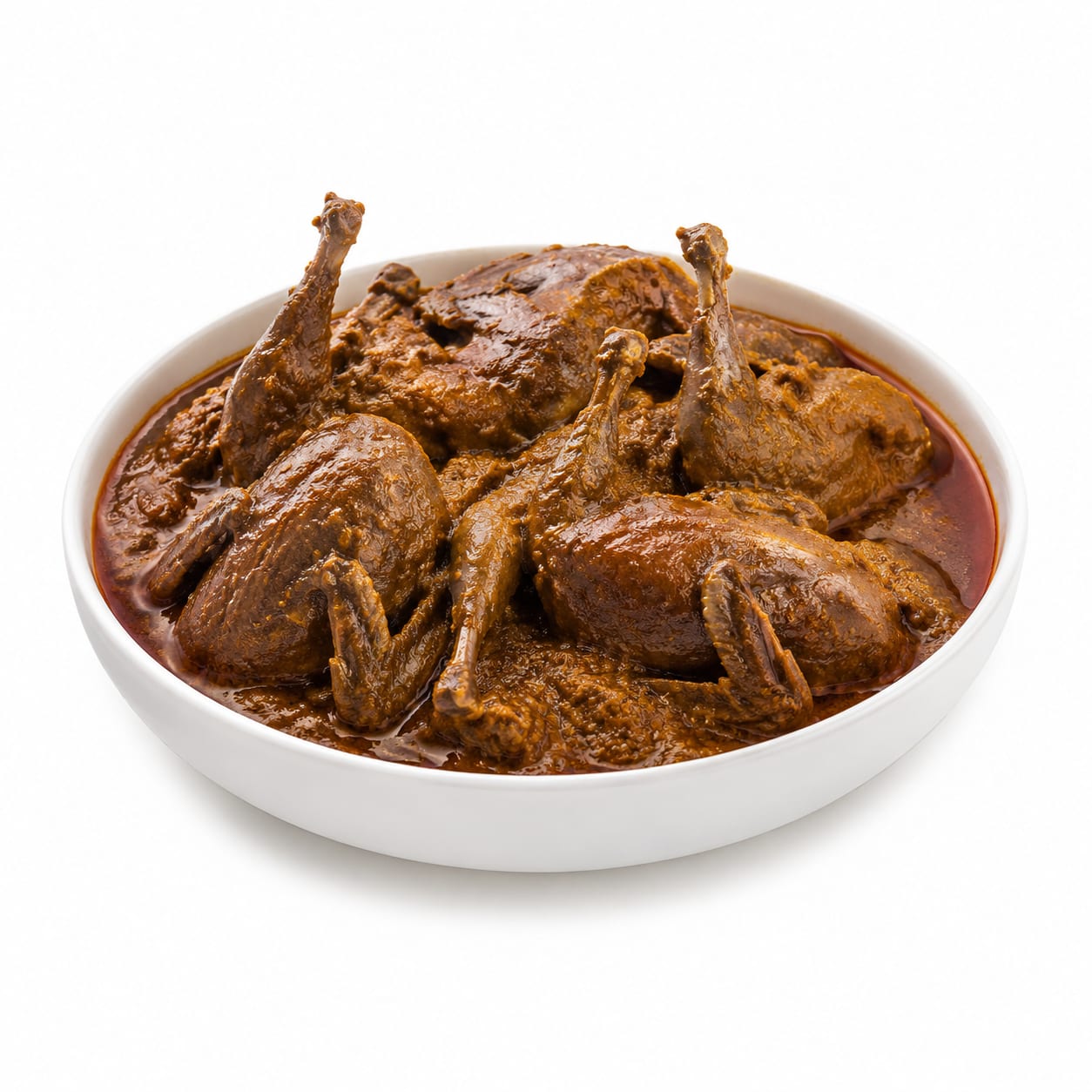
Pigeon
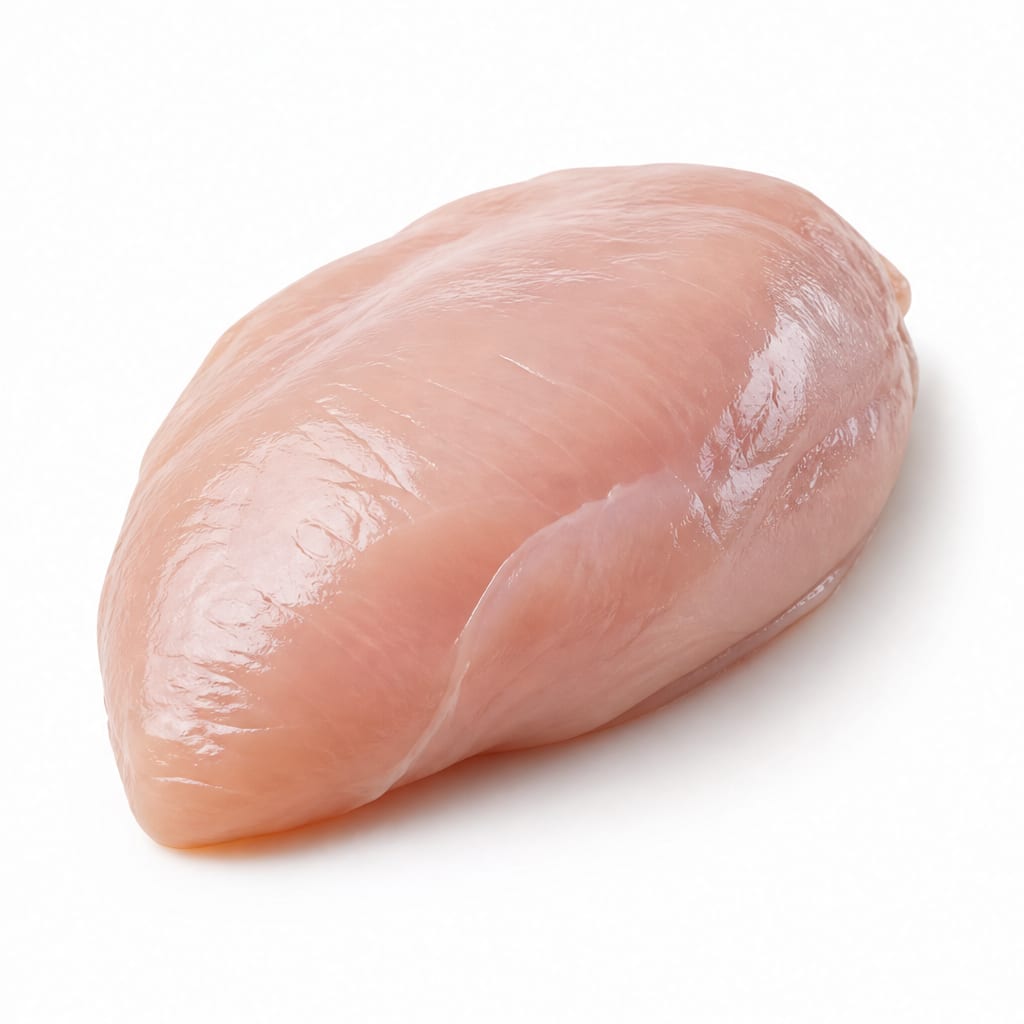
Chicken Breast
Chicken Breast wins for everyday nutrition with its unmatched leanness and practicality, while Pigeon offers a richer micronutrient profile and gourmet experience at a steep cost premium.
Chicken Breast scores substantially higher due to its superior protein-to-calorie ratio, universal availability, affordability, and heart-health profile. Pigeon earns points for micronutrient density and culinary uniqueness but loses ground on fat content, cost, and accessibility.
You trade significantly more fat and cost in Pigeon for deeper flavor and higher iron, versus getting far more protein per calorie with Chicken Breast at a fraction of the price.
At a glance
Executive summary
Overall
Chicken Breast
Healthier
Chicken Breast
More practical
Chicken Breast
Daily use
Chicken Breast
Key comparison lenses
Lean protein source selection
Both are animal proteins but differ dramatically in fat content and leanness, making this the primary decision factor
Micronutrient density comparison
Pigeon offers significantly more iron and B vitamins, while chicken breast is lower in certain minerals
Practicality and everyday accessibility
Chicken breast is universally available and affordable; pigeon is specialty, expensive, and hard to source
Heart health and fat intake
Pigeon is darker meat with higher fat and cholesterol, relevant for cardiovascular-conscious eaters
Culinary experience vs utility eating
Pigeon is a delicacy with rich flavor; chicken breast is a functional protein staple
Best choice for
Pigeon
- People with iron deficiency or anemia risk
- Culinary enthusiasts seeking rich, gamey flavor
- Those wanting B-vitamin density from red-type poultry meat
- Diners at specialty restaurants exploring diverse proteins
Chicken Breast
- Weight loss seekers needing maximum protein with minimal calories
- Athletes tracking macros precisely
- Meal preppers needing affordable, versatile protein
- Anyone managing cholesterol or heart health concerns
Least suitable for
Pigeon
- Budget-conscious households
- People avoiding high-cholesterol foods
- Those who need easy, consistent grocery access
- Meal preppers needing large quantities affordably
Chicken Breast
- People bored with bland protein who need flavor satisfaction
- Those seeking iron-rich foods for anemia management
- Diners wanting a premium or celebratory meal experience
- Anyone looking for higher fat-soluble vitamin content
Deep comparison
Dimension by dimension
Each lens scores both foods and breaks down who each option suits.
- Dimension 1 · Priority 95Chicken Breast
Protein Quality and Leanness
Pigeon · 55Chicken Breast · 95Chicken Breast delivers far more protein per calorie with minimal fat, making it the gold standard for lean animal protein.
Tradeoff
Pigeon provides decent protein but carries significantly more fat per serving, reducing its protein-to-calorie efficiency.
Why it matters
If you are tracking macros or trying to lose weight, the protein density difference directly affects how much you can eat while hitting targets.
Real-world impact
A chicken breast meal leaves more room on your plate for vegetables and carbs. Pigeon fills more of your calorie budget with fat instead.
Pigeon
- Those who prefer higher-fat meats for satiety
- Keto or low-carb eaters who welcome dietary fat
Better for
- Strict calorie counters
- People told to reduce saturated fat intake
Worse for
Chicken Breast
- Cutting phases where every calorie matters
- Anyone counting protein grams per dollar spent
- People who find lean proteins more filling per calorie
Better for
- Those who find very lean meat unsatisfying without added fats
Worse for
- Dimension 2 · Priority 85Pigeon
Micronutrient Density
Pigeon · 82Chicken Breast · 60Pigeon is notably richer in iron, zinc, and several B vitamins due to its darker muscle tissue and higher myoglobin content.
Tradeoff
You gain real mineral advantages with Pigeon, but at the cost of more fat and cholesterol per serving.
Why it matters
Iron deficiency is common, especially in women. Pigeon delivers meaningfully more heme iron than chicken breast.
Real-world impact
If you struggle with low iron or fatigue, Pigeon could help more. For most people eating varied diets, chicken breast still provides adequate minerals.
Pigeon
- Women with heavy menstrual cycles needing iron
- Vegetarians transitioning back to meat who need iron recovery
- Older adults at risk for zinc deficiency
Better for
- People with hemochromatosis or iron overload conditions
Worse for
Chicken Breast
- People who get iron from other sources like legumes and greens
- Those watching cholesterol who prioritize leaner nutrient sources
Better for
- Those relying on a single meat source for all mineral needs
Worse for
- Dimension 3 · Priority 80Chicken Breast
Heart Health Profile
Pigeon · 40Chicken Breast · 88Chicken Breast is one of the most heart-friendly meats available. Pigeon carries considerably more cholesterol and saturated fat.
Tradeoff
Pigeon's richer nutrient package comes with cardiovascular tradeoffs that matter for at-risk individuals.
Why it matters
For anyone with family history of heart disease or elevated cholesterol, this difference is not trivial.
Real-world impact
Eating chicken breast regularly supports heart-healthy eating patterns. Frequent Pigeon consumption would require more careful dietary balancing.
Pigeon
- Healthy individuals eating it occasionally as a treat
Better for
- People with existing heart conditions
- Those on cholesterol-lowering medications
Worse for
Chicken Breast
- People with high LDL cholesterol
- Anyone following a cardiologist-recommended heart diet
- Older adults managing blood pressure and vascular health
Better for
- Very active athletes who tolerate and need more dietary fat
Worse for
- Dimension 4 · Priority 80Chicken Breast
Practicality and Accessibility
Pigeon · 20Chicken Breast · 95Chicken Breast is available in every grocery store worldwide at low cost. Pigeon is a specialty item requiring effort and expense to source.
Tradeoff
You can build consistent meal plans around chicken breast effortlessly. Pigeon requires planning, specialty butchers, or restaurant visits.
Why it matters
The best protein source is the one you can actually buy and cook regularly without friction.
Real-world impact
Chicken breast is a 10-minute grocery run. Pigeon might require visiting a specialty market, ordering online, or dining out.
Pigeon
- Urban dwellers near specialty butchers
- People who treat meals as experiences rather than routines
Better for
- Anyone who needs reliable weekly protein sourcing
- Rural or suburban residents without specialty markets
Worse for
Chicken Breast
- Busy parents meal prepping on weekends
- Anyone living far from specialty food stores
- Students and budget-conscious cooks
Better for
- Those who find routine eating demotivating and need variety
Worse for
- Dimension 5 · Priority 75Chicken Breast
Cost Effectiveness
Pigeon · 15Chicken Breast · 90Chicken Breast offers outstanding protein per dollar. Pigeon is a luxury protein costing several times more per serving.
Tradeoff
Pigeon's premium price reflects scarcity and specialty demand, not nutritional superiority per dollar spent.
Why it matters
For most households, protein affordability determines whether healthy eating is sustainable long-term.
Real-world impact
You could eat chicken breast daily for a week for the cost of one or two Pigeon servings.
Pigeon
- High-income households unconcerned with grocery budgets
- Special occasion diners
Better for
- Anyone on a tight food budget
- Students, retirees, or single-income households
Worse for
Chicken Breast
- Families feeding multiple people affordably
- Anyone tracking cost per gram of protein
- Meal preppers buying in bulk
Better for
- Those who associate cheap food with low quality and avoid it
Worse for
- Dimension 6 · Priority 70It depends
Satiety and Eating Satisfaction
Pigeon · 75Chicken Breast · 72Pigeon's higher fat content provides richer mouthfeel and satisfaction per bite. Chicken Breast fills you through volume and protein but can feel dry.
Tradeoff
Fat makes Pigeon more immediately satisfying, but chicken breast's lean bulk keeps you full longer with fewer calories.
Why it matters
Satiety determines whether you stick to your meal plan or reach for snacks an hour later.
Real-world impact
A small Pigeon portion feels luxurious and satisfying. A larger chicken breast portion fills your stomach more for fewer calories.
Pigeon
- Those who prefer smaller, richer portions
- People who find lean meat unappealing without sauces
Better for
- People who overeat rich foods easily
Worse for
Chicken Breast
- Volume eaters who like larger portions
- Those who feel more satisfied by protein quantity than fat richness
Better for
- Those who find dry chicken breast leaves them craving more flavor
Worse for
- Dimension 7 · Priority 65Chicken Breast
Culinary Versatility
Pigeon · 35Chicken Breast · 88Chicken Breast adapts to virtually every cuisine and cooking method. Pigeon is best prepared in specific traditional ways and offers limited recipe flexibility.
Tradeoff
Chicken breast works in stir-fries, salads, soups, sandwiches, and grilling. Pigeon shines in fewer preparations.
Why it matters
Versatility prevents meal fatigue and makes healthy eating easier to sustain.
Real-world impact
You can eat chicken breast five different ways in a week. Pigeon is more of a one-note experience.
Pigeon
- Adventurous cooks exploring game bird recipes
- Those who enjoy French or Middle Eastern pigeon traditions
Better for
- Beginner cooks unfamiliar with game bird preparation
- People who get bored but lack options to vary preparations
Worse for
Chicken Breast
- Home cooks who need one protein for multiple weekly recipes
- Anyone who meal preps different flavor profiles from one base ingredient
Better for
- Experienced cooks who find chicken breast uninspiring to work with
Worse for
Timeline
Health impact over time
Short-term
Hours to days
Pigeon
- Higher fat content provides longer-lasting satiety after eating
- Richer flavor may reduce the urge to snack later
- More cholesterol per serving could cause post-meal lipid spikes in sensitive individuals
Chicken Breast
- Lean protein stabilizes blood sugar without fat slowdown
- May feel less immediately satisfying without added fats or sauces
- Easy to digest without heaviness or sluggishness after meals
Long-term
Months to years
Pigeon
- Iron and B-vitamin richness supports energy metabolism over time
- Higher cholesterol intake could impact cardiovascular markers if eaten frequently
- Zinc content supports immune function long-term
Chicken Breast
- Consistent lean protein intake supports healthy body composition
- Low saturated fat profile protects cardiovascular health over decades
- Adequate but not exceptional mineral intake may require dietary variety
Risk profile
Safety & processing
Both Pigeon and Chicken Breast are whole, minimally processed meats when purchased raw. The main difference is that commercial chicken may carry more antibiotic and hormone exposure concerns depending on sourcing, while Pigeon is often more naturally raised but less regulated.
Pigeon
Inconsistent regulation and inspection
mediumPigeon is often sourced from specialty or game suppliers with less standardized USDA oversight compared to commercial poultry.
Environmental contaminant exposure
mediumWild or free-range pigeons may accumulate environmental toxins depending on their habitat and feed sources.
Improper handling and cooking
lowLike all poultry, Pigeon requires thorough cooking to eliminate bacterial risks, but home cooks may be less familiar with proper preparation.
Chicken Breast
Antibiotic residue exposure
mediumConventionally raised chicken may carry antibiotic residues, though regulations have tightened. Choosing organic reduces this risk significantly.
Salmonella and Campylobacter
mediumChicken breast is a well-known carrier of foodborne bacteria. Proper handling and cooking to 165°F eliminates this risk.
Processing plant contamination
lowLarge-scale processing increases cross-contamination potential compared to small-batch game birds.
Who wins for whom
Audience fit
Same foods, different winners depending on your goal.
children
Chicken BreastMilder flavor, softer texture when cooked properly, and widespread familiarity make Chicken Breast far more kid-friendly than gamey Pigeon.
daily consumption
Chicken BreastAffordability, availability, leanness, and culinary flexibility make Chicken Breast sustainable as a daily protein staple. Pigeon is better reserved for occasional variety.
diabetes
Chicken BreastLower fat content and zero carbohydrates make Chicken Breast ideal for blood sugar management and insulin sensitivity.
elderly
Chicken BreastEasier to chew when prepared correctly, lower cholesterol, and more digestible. Pigeon's denser texture and higher fat may challenge older digestive systems.
muscle gain
Chicken BreastHigher protein per serving and per calorie makes Chicken Breast more efficient for hitting daily protein targets essential for muscle growth.
weight loss
Chicken BreastChicken Breast provides maximum protein with minimal calories, making it the top choice for creating a caloric deficit while preserving muscle.
Your move
Decision guide
Choose Pigeon
- You have iron deficiency and want a richer heme iron source
- You are dining at a specialty restaurant and want a unique experience
- You follow a higher-fat dietary approach like keto and welcome the fat content
- You have access to a quality source and want occasional culinary adventure
Choose Chicken Breast
- You need affordable, reliable weekly protein
- You are managing weight, cholesterol, or heart health
- You meal prep and need versatile, easy-to-cook protein
- You want maximum protein with minimum calories
- You are feeding a family on a budget
Either works if
- You want high-quality complete protein from poultry
- You avoid red meat and need lean-to-moderate animal protein options
- You value whole, minimally processed foods over processed alternatives
Avoid both if
- You follow a vegetarian or vegan diet
- You have poultry allergies
- You are concerned about antibiotic use in poultry and cannot source organic or verified alternatives
Final recommendation
Make Chicken Breast your everyday protein workhorse for its leanness, affordability, and versatility. Enjoy Pigeon occasionally as a nutrient-dense delicacy when the opportunity arises, but do not rely on it as a staple due to cost, availability, and higher fat content.
Practical
Consumer tips
- 1
Choose organic or antibiotic-free chicken breast when budget allows to reduce exposure to drug residues
- 2
If cooking Pigeon, ensure it reaches an internal temperature of 165°F to eliminate bacterial risks
- 3
Pair chicken breast with healthy fats like olive oil or avocado to improve satisfaction without adding saturated fat
- 4
For iron benefits without Pigeon's cost, pair chicken breast with iron-rich vegetables like spinach and vitamin C to boost absorption
- 5
Marinate chicken breast to prevent dryness and improve flavor without adding significant calories
- 6
If trying Pigeon, start at a reputable restaurant before attempting home preparation to understand the flavor profile