
Nutrition comparison
Pigeon vs Goose: Nutrition, Health Impact, and Which to Choose
Compare pigeon and goose nutrition — protein, fat, calories, and health tradeoffs. Pigeon is dramatically leaner; goose is a rich indulgence best enjoyed occasionally.
Overall winner · Pigeon
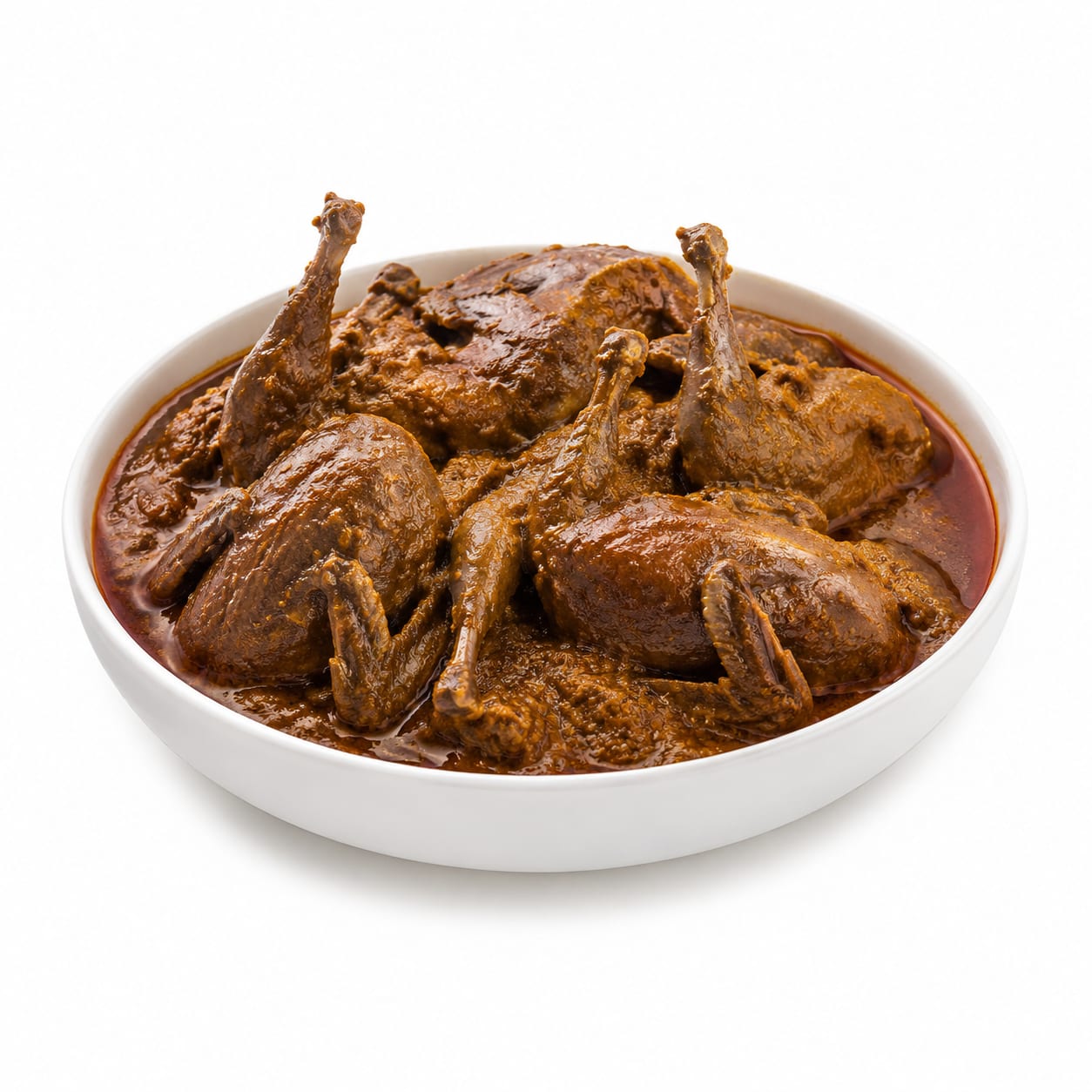
Pigeon
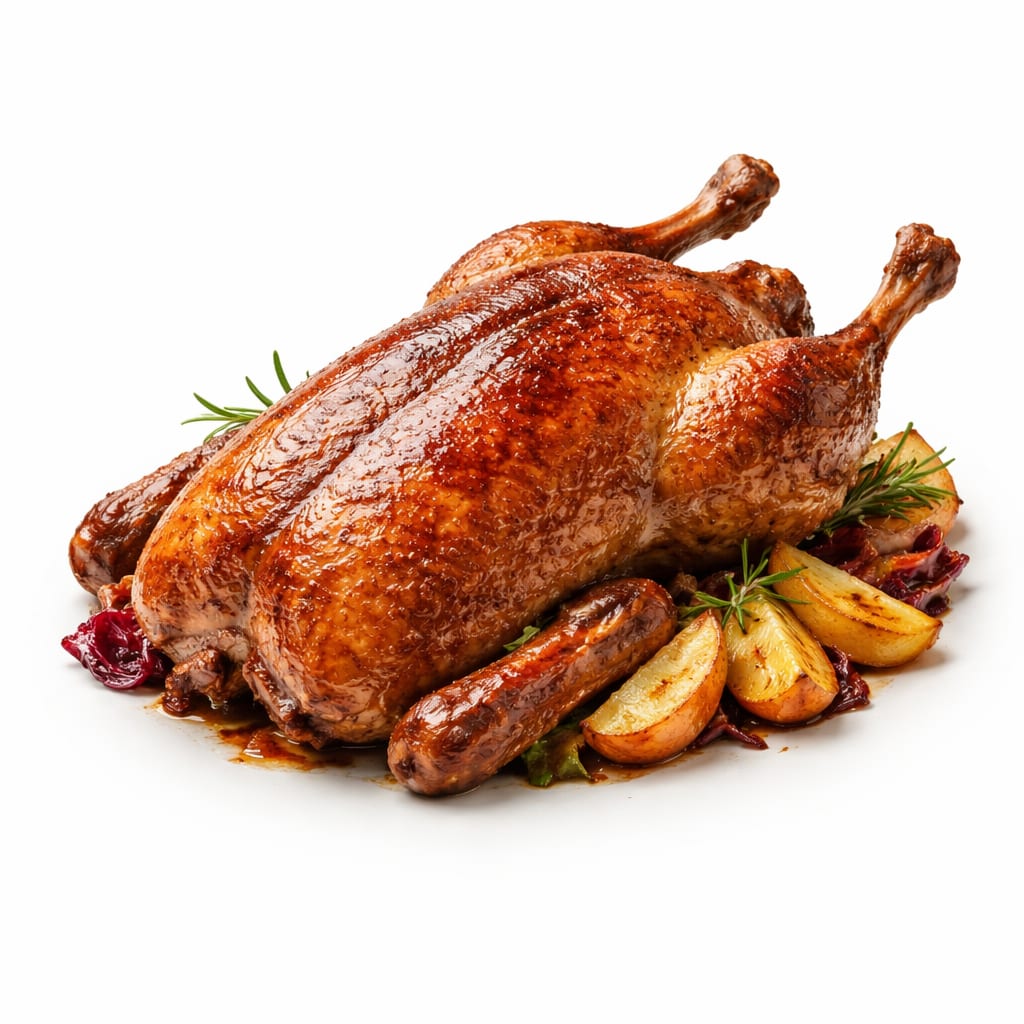
Goose
Pigeon is the clear health winner — dramatically leaner with higher protein density — while goose is a rich, high-fat indulgence best enjoyed occasionally.
Pigeon scores significantly higher due to its lean protein profile and heart-health advantages. Goose loses ground on saturated fat, calorie density, and limited everyday suitability. The gap would narrow if judging purely on culinary richness or special-occasion appeal.
Pigeon gives you lean, efficient protein with minimal fat; goose delivers luxurious flavor and satiety but packs heavy calories and saturated fat.
At a glance
Executive summary
Overall
Pigeon
Healthier
Pigeon
More practical
Goose
Daily use
Pigeon
Key comparison lenses
fat content and heart health
Goose is one of the fattiest poultry options while pigeon is extremely lean — this drives most of the health tradeoff
protein efficiency
Pigeon delivers far more protein per calorie, making it superior for muscle gain and weight management
calorie density and weight management
The calorie gap between these two is massive — critical for anyone watching intake
culinary and cultural context
Goose is a celebratory holiday meat while pigeon is a specialty game bird — usage context matters
satiety and meal satisfaction
Goose fat creates longer-lasting fullness but at a steep caloric cost
Best choice for
Pigeon
- Weight loss and calorie-controlled diets
- Heart-conscious eaters avoiding saturated fat
- Athletes seeking lean protein sources
- People managing cholesterol levels
Goose
- Holiday feasts and special occasions
- Those needing high caloric intake or weight gain
- Cold-weather meals where rich, warming food is desired
- Cooks wanting rendered fat for roasting potatoes and vegetables
Least suitable for
Pigeon
- Those seeking rich, indulgent dining experiences
- People who need high-calorie meals to maintain weight
- Diners unfamiliar with or uncomfortable eating game birds
Goose
- Anyone managing heart disease or high cholesterol
- Weight loss diets of any kind
- Frequent or daily consumption patterns
- People watching saturated fat intake
Deep comparison
Dimension by dimension
Each lens scores both foods and breaks down who each option suits.
- Dimension 1 · Priority 95Pigeon
Heart Health & Fat Profile
Pigeon · 88Goose · 32Pigeon is very lean with minimal saturated fat; goose is one of the fattiest poultry meats available, with saturated fat levels closer to red meat than chicken.
Tradeoff
Choosing goose means accepting a significant saturated fat load that can raise LDL cholesterol with regular consumption.
Why it matters
Saturated fat from poultry still impacts cardiovascular risk. Goose has roughly 5-6 times the fat of pigeon per serving.
Real-world impact
A single goose serving can deliver nearly half your daily saturated fat limit, while pigeon barely makes a dent.
Pigeon
- People with family history of heart disease
- Anyone with elevated LDL cholesterol
- Regular meat eaters needing a leaner option
Better for
- No real heart health downside — pigeon is as lean as skinless chicken breast
Worse for
Goose
- Healthy individuals eating it once or twice a year
- Those on keto who welcome higher fat intake
Better for
- Anyone with existing cardiovascular concerns
- People on statins or cholesterol-lowering diets
Worse for
- Dimension 2 · Priority 85Pigeon
Protein Density
Pigeon · 86Goose · 55Pigeon delivers substantially more protein per calorie and per gram, making it far more protein-efficient than goose.
Tradeoff
Goose still provides solid protein in absolute terms, but you consume far more fat and calories to get it.
Why it matters
For anyone tracking macros — athletes, older adults preserving muscle, or weight-loss dieters — protein per calorie is the key metric.
Real-world impact
To match the protein from a pigeon serving, a goose portion brings along roughly triple the calories.
Pigeon
- Athletes in training phases
- Older adults fighting muscle loss
- Anyone on a calorie-restricted high-protein diet
Better for
- Very small portion sizes may leave big eaters wanting more volume
Worse for
Goose
- People who struggle to eat enough calories and need protein with energy density
Better for
- Wastes your calorie budget on fat instead of protein
Worse for
- Dimension 3 · Priority 80Pigeon
Calorie Efficiency
Pigeon · 90Goose · 30Pigeon is a low-calorie, high-nutrient protein source. Goose is calorie-dense, with most calories coming from fat rather than protein.
Tradeoff
Goose fills you up longer per serving due to fat content, but the calorie cost is steep for everyday eating.
Why it matters
If you eat goose regularly, maintaining a healthy weight becomes significantly harder without careful portion control.
Real-world impact
A typical goose serving can run 400-500+ calories; pigeon sits around 150-200 for similar protein.
Pigeon
- Weight loss or maintenance diets
- People who eat multiple meat servings per day
- Anyone tracking calories in an app
Better for
- Those who find lean meats unsatisfying without added fats
Worse for
Goose
- Underweight individuals needing calorie density
- Winter meals where heavy food feels appropriate
Better for
- Anyone trying to lose weight or avoid weight gain
- People who eat large portions instinctively
Worse for
- Dimension 4 · Priority 70Goose
Iron & Micronutrient Density
Pigeon · 68Goose · 76Both are good iron sources as dark-meat birds, but goose edges ahead with slightly higher iron and selenium per serving due to its larger, more mineral-rich muscle tissue.
Tradeoff
Goose provides more total micronutrients per serving, but pigeon offers better micronutrient density per calorie consumed.
Why it matters
Iron deficiency is common, especially in women. Both birds outperform chicken for iron, but the delivery method differs.
Real-world impact
A goose leg delivers a solid iron hit but with heavy caloric baggage; pigeon gives you a cleaner micronutrient package.
Pigeon
- Those who want iron without excess calories
- People already meeting calorie needs but wanting nutrient density
Better for
- Smaller absolute micronutrient amounts per serving compared to goose
Worse for
Goose
- Those needing maximum iron per serving regardless of calories
- People with higher selenium needs
Better for
- Micronutrient gains are undermined by the fat and calorie load
Worse for
- Dimension 5 · Priority 65Goose
Satiety & Meal Satisfaction
Pigeon · 58Goose · 82Goose fat slows digestion and keeps you full for hours. Pigeon is lean and satisfying but digests faster, potentially leaving you hungry sooner.
Tradeoff
That long-lasting goose fullness comes with a caloric price that does not justify itself if you eat it frequently.
Why it matters
Satiety matters for adherence, but fat-driven satiety is a double-edged sword for weight management.
Real-world impact
After a goose dinner, you likely will not snack for hours. After pigeon, you may want a side or snack within a couple of hours.
Pigeon
- Those who prefer lighter meals that do not cause sluggishness
- People eating multiple small meals per day
Better for
- Big eaters who feel unsatisfied without fat-driven fullness
Worse for
Goose
- Those wanting one large satisfying meal that lasts
- Holiday dinners where extended fullness is desirable
Better for
- People prone to overeating — the richness can trigger cravings for more rich food
Worse for
- Dimension 6 · Priority 60Goose
Practicality & Availability
Pigeon · 35Goose · 62Goose is seasonal but widely available at major retailers during holidays. Pigeon is a niche game bird that requires specialty butchers or online orders in most regions.
Tradeoff
Pigeon is healthier but far harder to source; goose is easier to find but you may only see it from October through January.
Why it matters
The best nutritional choice only works if you can actually buy and cook it regularly.
Real-world impact
Most people can find frozen goose at a supermarket in winter. Finding pigeon usually means calling specialty shops or ordering online.
Pigeon
- Home cooks with access to game butchers or farmers markets
- People in regions where pigeon is culturally common
Better for
- Suburban and rural shoppers without specialty meat access
- Those unwilling to pay premium prices for game birds
Worse for
Goose
- Anyone shopping at standard grocery stores
- Holiday meal planners who want something impressive but accessible
Better for
- People wanting year-round availability — goose is very seasonal
Worse for
Timeline
Health impact over time
Short-term
Hours to days
Pigeon
- Light, clean energy without post-meal sluggishness
- Quick-digesting protein that supports recovery after exercise
- Unlikely to cause digestive discomfort from fat overload
Goose
- Heavy, prolonged fullness that may cause drowsiness after large portions
- Rich fat content can trigger bile-related digestive sensitivity in some people
- High satisfaction and comfort-food feeling during the meal
Long-term
Months to years
Pigeon
- Supports cardiovascular health when replacing higher-fat meats
- Lean protein intake helps preserve muscle mass with aging
- Low saturated fat intake contributes to healthier cholesterol profiles over time
Goose
- Regular consumption would likely raise LDL cholesterol and cardiovascular risk
- Occasional consumption (1-3 times per year) poses minimal long-term concern
- Excess calorie intake from frequent goose meals could drive gradual weight gain
Risk profile
Safety & processing
Both pigeon and goose are whole, minimally processed meats. Neither typically contains added preservatives, nitrates, or artificial ingredients when purchased fresh. The naturalness advantage is equal — both are single-ingredient animal foods. The health difference comes entirely from their inherent fat composition, not from processing.
Pigeon
Lead shot contamination
mediumWild-harvested pigeon may carry lead shot fragments, which pose a neurotoxicity risk especially for children. Farmed pigeon eliminates this concern.
Insufficient cooking and foodborne illness
mediumLike all poultry, pigeon must reach safe internal temperatures. Its small size means it can overcook quickly, tempting cooks to undercook.
Zoonotic disease from wild birds
lowWild pigeons can carry pathogens like Salmonella or Campylobacter. Proper sourcing and cooking mitigate this effectively.
Goose
High fat-driven caloric overconsumption
highNot a contamination risk per se, but the most likely real-world harm. Goose fat makes portion control difficult and calorie creep easy.
Improper rendering and storage of leftover fat
mediumSaved goose fat can become rancid or harbor bacteria if not refrigerated promptly and used within a few weeks.
Undercooking thick sections
mediumGoose is a large bird with thick muscle masses. The legs and thighs may need significantly longer cooking than the breast to reach safe temperatures.
Who wins for whom
Audience fit
Same foods, different winners depending on your goal.
children
GooseGoose is more familiar, easier to source, and its richer flavor and texture tend to appeal more to kids. Pigeon can be off-putting for children due to its small size and game identity.
daily consumption
PigeonPigeon's lean profile makes it suitable as a regular protein source. Goose is too fat-laden and calorie-dense for anything beyond occasional use.
diabetes
PigeonBoth are zero-carb meats, but pigeon's lower saturated fat content is better for the cardiovascular risks that disproportionately affect people with diabetes.
elderly
PigeonOlder adults need lean protein to combat sarcopenia without the cardiovascular burden of high saturated fat. Pigeon fits this need far better.
muscle gain
PigeonHigher protein density per calorie means pigeon supports muscle protein synthesis without excess energy intake that could add unwanted fat.
weight loss
PigeonPigeon provides high protein with minimal fat and calories, making it far easier to maintain a calorie deficit while staying satisfied.
Your move
Decision guide
Choose Pigeon
- You prioritize heart health and lean protein in your regular diet
- You are managing your weight, cholesterol, or calorie intake
- You enjoy game meats and have access to a specialty supplier
- You want a clean, light protein source for post-workout meals
Choose Goose
- You are planning a holiday feast or special celebration meal
- You are underweight or actively trying to gain weight
- You want rendered fat for cooking — goose fat is prized for roasting
- You are on a ketogenic diet and welcome high-fat protein sources
Either works if
- You want a zero-carb protein source and have no fat restrictions
- You are eating it as an occasional treat rather than a staple
- You enjoy dark meat over white meat and want something richer than chicken
Avoid both if
- You follow a vegetarian or plant-based diet
- You have gout and are sensitive to purine-rich meats — both are moderate-to-high in purines
- You have poultry allergies
Final recommendation
Eat pigeon when you can find it — it is one of the leanest, most protein-dense birds available and fits cleanly into a health-conscious diet. Save goose for celebrations where its richness is the point, not the problem. If you eat goose once or twice a year, the fat barely matters. If you eat it monthly, it starts to matter a lot.
Practical
Consumer tips
- 1
Ask your butcher whether pigeon is wild or farmed — farmed pigeon avoids the lead shot contamination risk entirely
- 2
When cooking goose, prick the skin generously and roast on a rack to let fat drain away — this can reduce the fat content of what you actually eat by 20-30%
- 3
Save goose fat for roasting vegetables — it is delicious and reusing it prevents waste, just refrigerate and use within 3 weeks
- 4
Pigeon breast cooks very fast due to its small size — sear hot and quick to avoid drying it out, aiming for medium-rare to medium
- 5
If you cannot find pigeon locally, look for squab at Asian markets or specialty online game meat retailers
- 6
Remove goose skin before eating to cut roughly 40% of the fat and most of the saturated fat — the meat underneath is still rich but far more reasonable nutritionally