
Nutrition comparison
Pigeon vs Cornish Hen: Nutrition, Taste, and Health Comparison
Compare Pigeon vs Cornish Hen to see which is healthier. Learn about protein, fat, safety risks, and the best culinary uses for each bird.
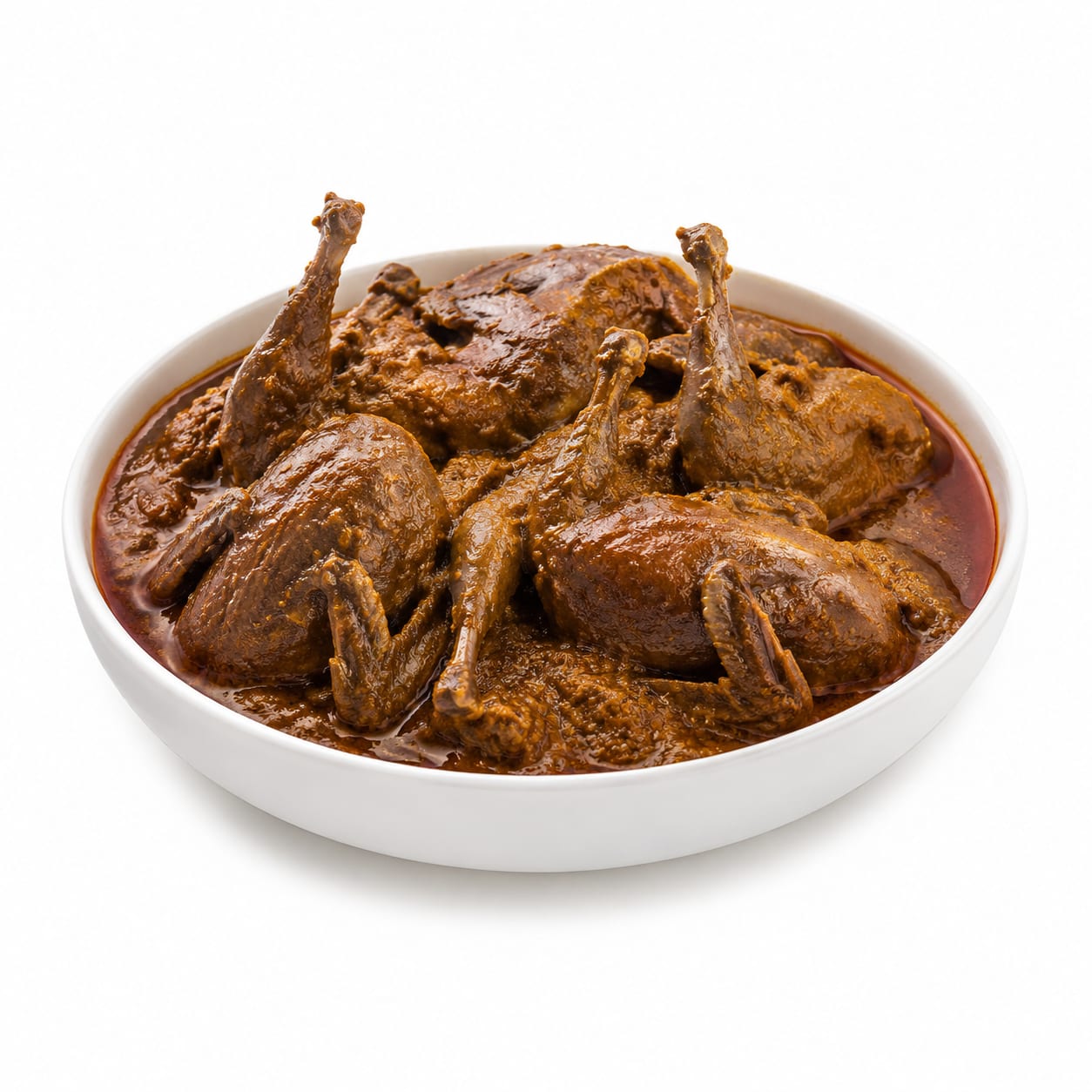
Pigeon
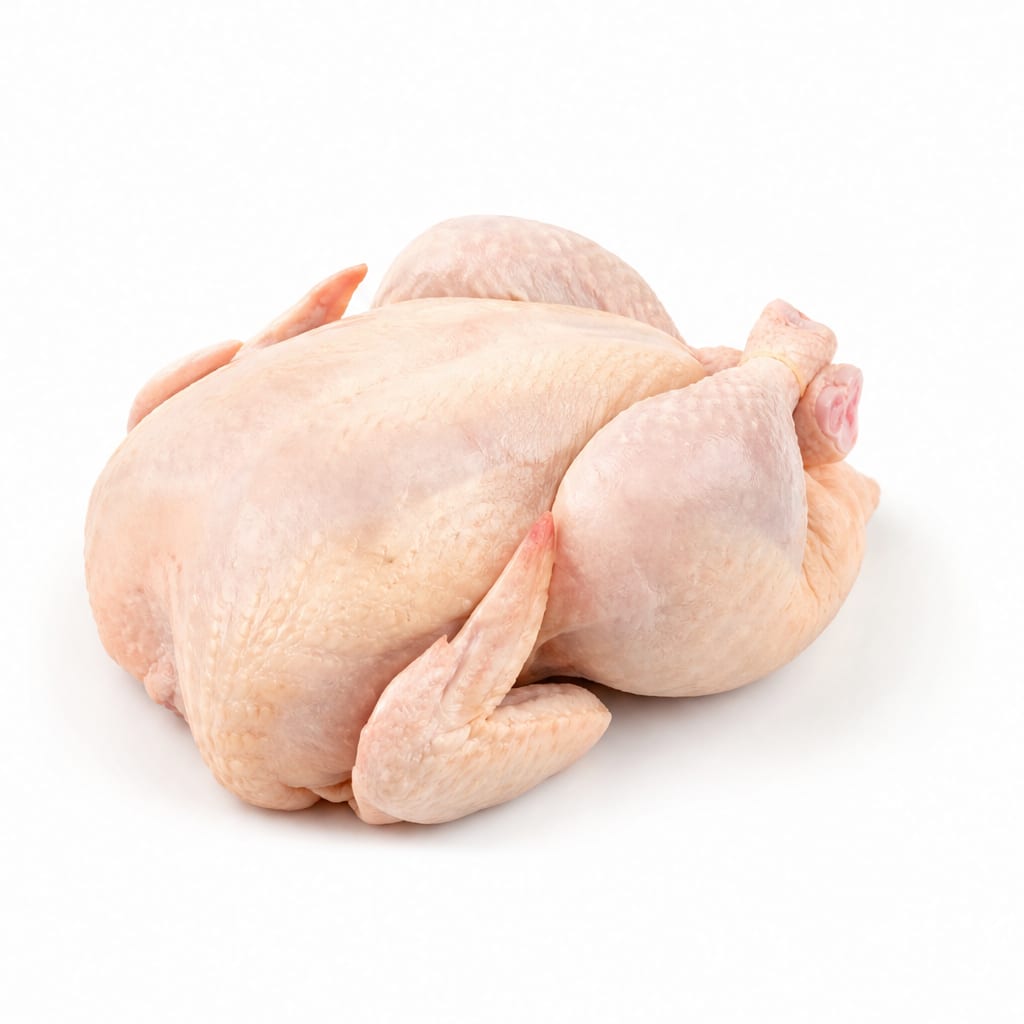
Cornish Hen
Pigeon offers a leaner, iron-rich game experience, while Cornish Hen provides milder, more accessible everyday poultry.
Cornish Hen scores slightly higher due to better accessibility and safer, more regulated sourcing, though Pigeon wins on leanness and iron content.
Intense gamey flavor and leanness of Pigeon versus the tender, mild, and easy-to-find nature of Cornish Hen.
At a glance
Executive summary
Overall
It depends
Healthier
Pigeon
More practical
Cornish Hen
Daily use
Cornish Hen
Key comparison lenses
Game vs Farmed Poultry Nutrition
Pigeon is typically a wild game bird with dense dark meat, while Cornish Hen is a farmed, younger chicken with lighter, tender meat.
Food Safety and Sourcing
Wild game carries different contamination risks compared to regulated farm-raised poultry.
Leanness and Calorie Density
Pigeon is exceptionally lean, impacting both cooking methods and dietary fit.
Flavor Profile and Culinary Use
The strong, earthy flavor of Pigeon contrasts sharply with the mild, versatile profile of Cornish Hen.
Best choice for
Pigeon
- Adventurous eaters seeking bold flavor
- Low-fat high-protein diets
- Iron-deficient individuals
Cornish Hen
- Family dinners
- Mild flavor preferences
- Easy weeknight roasting
Least suitable for
Pigeon
- Picky eaters
- People wary of game meat sourcing
- Quick weeknight meals
Cornish Hen
- Wild game enthusiasts
- Very low-fat dietary needs if eating the skin
Deep comparison
Dimension by dimension
Each lens scores both foods and breaks down who each option suits.
- Dimension 1 · Priority 90Pigeon
Protein & Micronutrients
Pigeon · 88Cornish Hen · 82Pigeon packs more protein and iron per bite due to its dark, active muscle tissue.
Tradeoff
Pigeon's nutrient density comes with a much stronger, earthy flavor that isn't for everyone.
Why it matters
Higher iron helps with energy levels, especially for those prone to fatigue.
Real-world impact
Eating Pigeon can give you a bigger nutritional boost in a smaller portion.
Pigeon
- Boosting iron intake
- Maximizing protein per calorie
Better for
- Those who dislike strong flavors
Worse for
Cornish Hen
- Milder tasting protein source
- Easier to consume in larger quantities
Better for
- Maximizing micronutrient density
Worse for
- Dimension 2 · Priority 85Pigeon
Fat Content & Leanness
Pigeon · 90Cornish Hen · 75Pigeon is exceptionally lean with very little fat, while Cornish Hen carries more fat, especially under the skin.
Tradeoff
Pigeon can easily dry out if overcooked, whereas Cornish Hen stays juicier thanks to its fat content.
Why it matters
Lower fat means fewer calories, but fat also carries flavor and keeps meat moist.
Real-world impact
Pigeon requires careful cooking to avoid a tough, dry meal; Cornish Hen is more forgiving.
Pigeon
- Strict calorie counting
- Low-fat diets
Better for
- Those who struggle with dry meat
Worse for
Cornish Hen
- Keto diets if eating skin
- Juicier, more forgiving cooking
Better for
- Strict low-fat protocols
Worse for
- Dimension 3 · Priority 88Cornish Hen
Food Safety & Sourcing
Pigeon · 60Cornish Hen · 85Cornish Hen comes from regulated farms with strict safety standards, while Pigeon often involves wild sourcing with variable risks.
Tradeoff
Wild Pigeon may carry environmental contaminants or lead shot, whereas Cornish Hen may have antibiotic concerns typical of farmed poultry.
Why it matters
Long-term exposure to heavy metals or unregulated game can pose serious health risks.
Real-world impact
You can eat Cornish Hen with peace of mind regularly; Pigeon requires trusting your source.
Pigeon
- Avoiding farmed poultry antibiotics
Better for
- Frequent consumption if wild-caught
Worse for
Cornish Hen
- Consistent safety standards
- Avoiding heavy metal risks
Better for
- Avoiding concentrated animal feeding operations
Worse for
- Dimension 4 · Priority 70Cornish Hen
Culinary Versatility & Convenience
Pigeon · 55Cornish Hen · 90Cornish Hen is widely available and adapts to countless recipes, while Pigeon is a specialty item best suited for specific preparations.
Tradeoff
Pigeon's unique flavor limits its use in everyday cooking, whereas Cornish Hen is a blank canvas.
Why it matters
Convenience often dictates what you actually cook on a busy Tuesday.
Real-world impact
Cornish Hen is an easy grocery store grab; Pigeon requires a specialty butcher or hunter connection.
Pigeon
- Gourmet dinner parties
- Showcasing culinary skill
Better for
- Quick meal prep
- Finding ingredients easily
Worse for
Cornish Hen
- Weeknight roasting
- Family-friendly meals
Better for
- Creating a unique, memorable culinary experience
Worse for
Timeline
Health impact over time
Short-term
Hours to days
Pigeon
- High satiety from dense protein
- Potential digestive heaviness if cooked in rich sauces
Cornish Hen
- Comforting and easy to digest
- Satisfying due to slightly higher fat content
Long-term
Months to years
Pigeon
- Excellent for maintaining lean muscle mass
- Risk of heavy metal accumulation if consuming wild birds frequently
Cornish Hen
- Good steady protein source for daily diets
- Possible exposure to farming antibiotics if not sourcing organic
Risk profile
Safety & processing
Both are whole, unprocessed meats. Pigeon is as natural as it gets if wild, while Cornish Hen is a farmed whole bird with minimal intervention before purchase.
Pigeon
Lead shot contamination
highWild-hunted Pigeon may contain lead fragments, which are toxic if ingested.
Environmental pollutants
mediumUrban or agricultural area Pigeons may accumulate pesticides or heavy metals in their tissue.
Parasites and disease
mediumWild game must be cooked thoroughly to avoid foodborne illness from natural pathogens.
Cornish Hen
Antibiotic residues
mediumConventionally farmed Cornish Hens may have antibiotic exposure, though regulations limit residues.
Salmonella
lowStandard poultry handling and cooking eliminates the risk of salmonella.
Who wins for whom
Audience fit
Same foods, different winners depending on your goal.
children
Cornish HenCornish Hen has a mild flavor and tender texture that kids accept easily, plus it lacks the safety concerns of wild game.
daily consumption
Cornish HenCornish Hen is far more accessible, affordable, and safer to eat on a regular basis.
diabetes
PigeonPigeon has virtually zero carbs and less fat, preventing insulin spikes and keeping meals light.
elderly
Cornish HenThe tender meat and reliable safety standards of Cornish Hen make it a safer, easier-to-chew option for older adults.
muscle gain
It dependsBoth offer excellent protein. Cornish Hen is easier to eat in larger quantities, but Pigeon offers slightly more protein per ounce.
weight loss
PigeonPigeon is extremely lean and nutrient-dense, making it easier to keep calories low while staying full.
Your move
Decision guide
Choose Pigeon
- You crave bold, gamey flavors and want a culinary adventure.
- You are strictly monitoring fat and calorie intake.
- You have a trusted, safe source for wild or farmed Pigeon.
Choose Cornish Hen
- You want a reliable, family-friendly poultry option.
- You prefer mild, tender meat that is hard to mess up.
- You need something easy to find at the local grocery store.
Either works if
- You simply need a high-quality, zero-carb protein source for dinner.
- You are roasting a bird for a special occasion.
Avoid both if
- You follow a vegetarian or vegan diet.
- You have severe poultry allergies.
Final recommendation
Choose Cornish Hen for a practical, safe, and family-friendly weeknight roast. Opt for Pigeon when you want a lean, iron-rich delicacy and have a trusted source for quality game meat.
Practical
Consumer tips
- 1
If cooking Pigeon, keep it medium-rare to medium to prevent the lean meat from drying out.
- 2
Always check wild Pigeon carefully for lead shot before cooking and eating.
- 3
Spatchcocking a Cornish Hen helps it cook faster and more evenly for busy weeknights.
- 4
Marinate Pigeon in acidic mixtures to help tenderize the dense muscle fibers.