
Nutrition comparison
Pigeon vs Rabbit: Which Lean Game Meat Is Healthier and Safer?
Compare pigeon and rabbit nutrition, safety, and taste. Rabbit wins on safety and availability while pigeon offers more iron. Learn which lean game meat fits your diet.
Overall winner · Rabbit
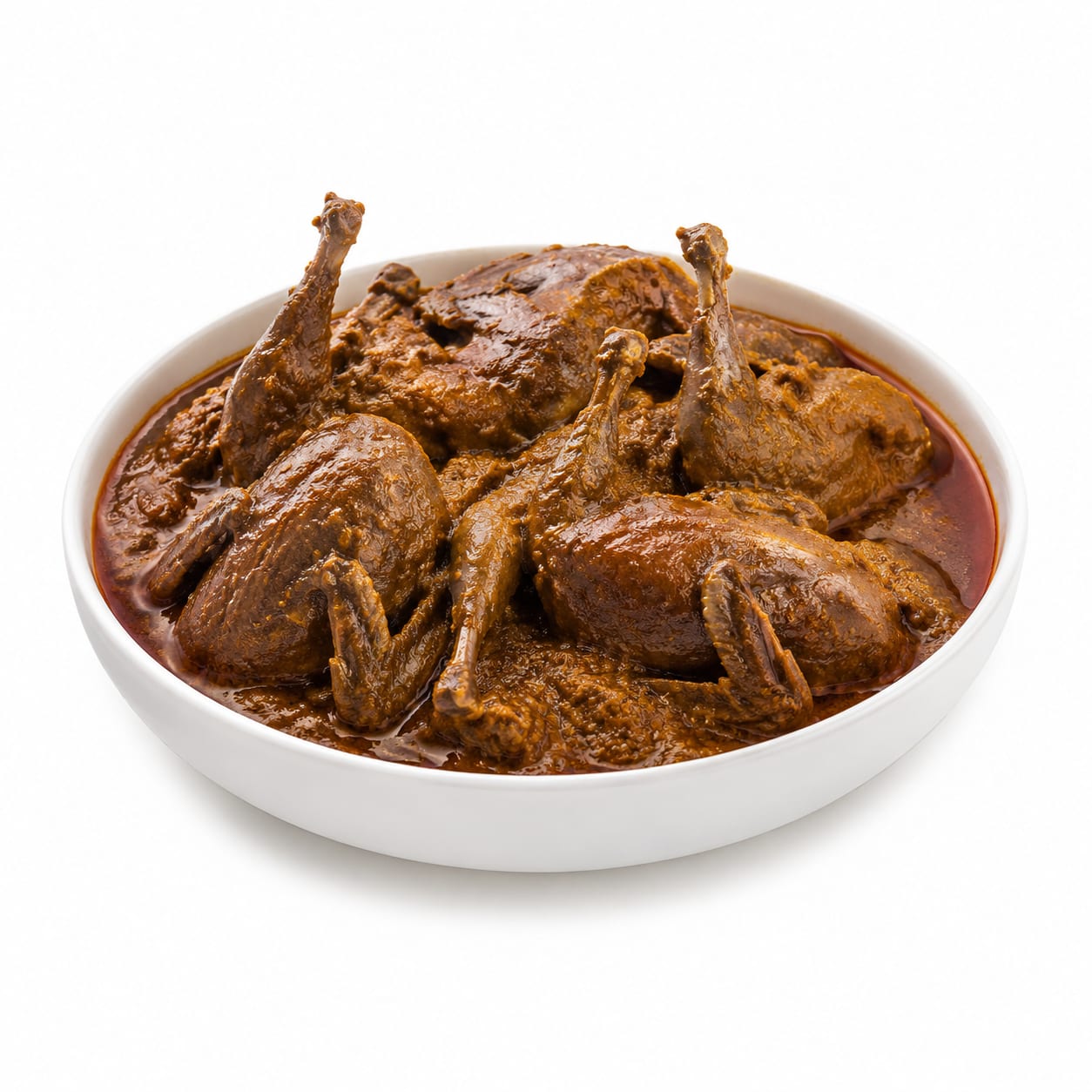
Pigeon
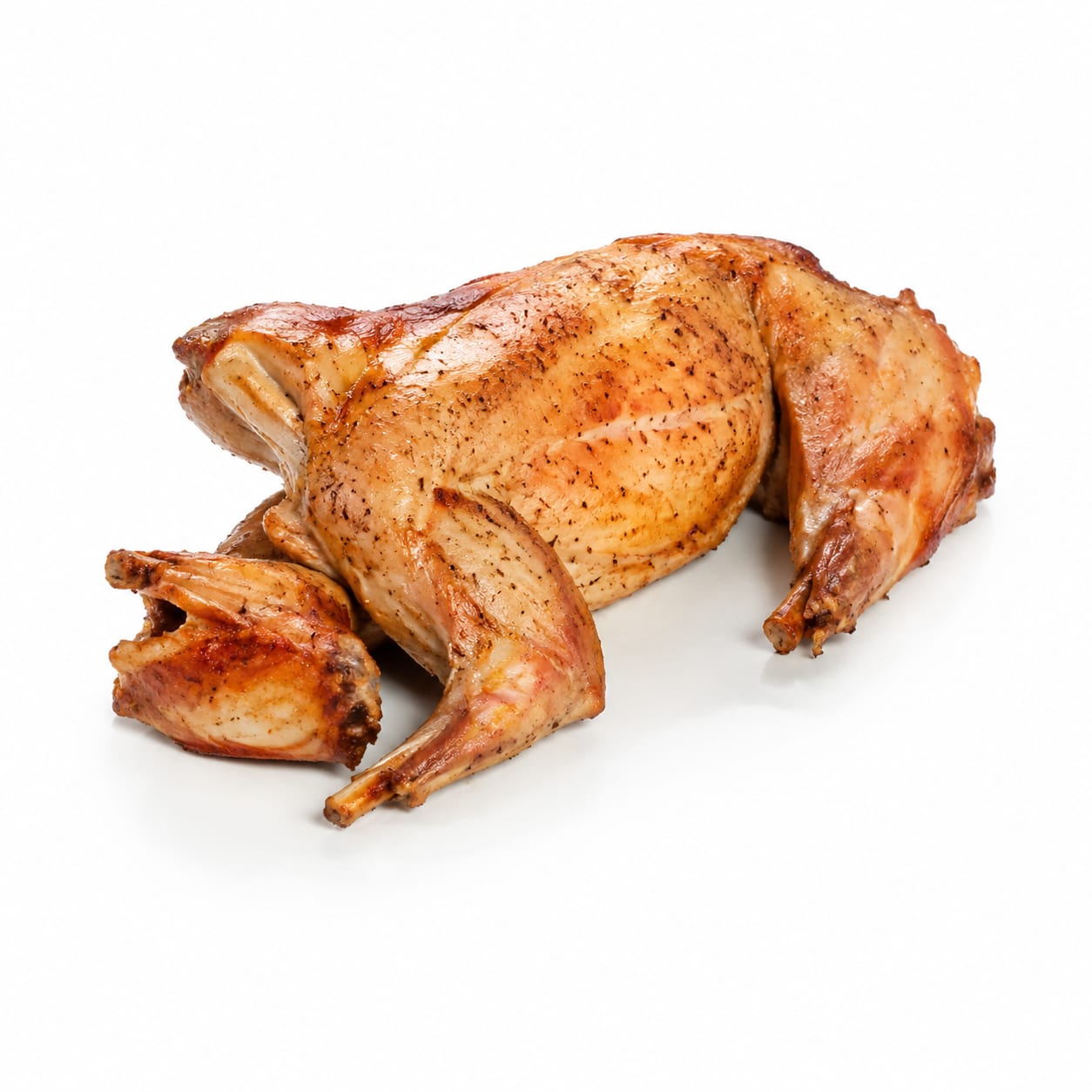
Rabbit
Rabbit wins for safer, more practical lean protein with better availability. Pigeon offers richer iron and a deeper flavor but carries higher contamination risk.
Rabbit scores higher due to stronger safety profile, wider availability, and more established farming practices. Pigeon loses ground on contamination risk and accessibility but remains nutritionally competitive.
Pigeon delivers more iron and bolder taste versus Rabbit's safer profile and easier access. Both are so lean that relying on either without added fat risks nutrient deficiencies.
At a glance
Executive summary
Overall
Rabbit
Healthier
Rabbit
More practical
Rabbit
Daily use
Rabbit
Key comparison lenses
lean protein source comparison
Both are exceptionally lean game meats sought for high protein, low fat profiles
food safety and contamination risk
Wild-caught pigeon carries unique disease risks that rabbit does not share at the same level
satiety and fat adequacy
Both meats are so lean that fat deficiency becomes a real concern with regular consumption
practical availability and cooking ease
Rabbit is far more commercially available and has more established culinary traditions in Western cooking
micronutrient density comparison
Both offer strong B-vitamin and mineral profiles but with meaningful differences in iron and selenium
Best choice for
Pigeon
- Iron-deficient individuals needing a heme iron boost
- Culinary adventurers seeking rich, gamey flavor
- Traditional cuisine enthusiasts in cultures where pigeon is standard
Rabbit
- Weight-loss dieters wanting maximum protein with minimal fat
- Families needing a safe, mild-flavored lean meat
- Anyone meal-prepping lean protein for the week
Least suitable for
Pigeon
- Immune-compromised individuals due to disease risk
- People squeamish about eating birds commonly seen as urban pests
- Budget-conscious shoppers given limited availability and higher cost
Rabbit
- Those exclusively eating very lean meat without added fats (rabbit starvation risk)
- Diners wanting bold, distinctive flavor profiles
Deep comparison
Dimension by dimension
Each lens scores both foods and breaks down who each option suits.
- Dimension 1 · Priority 95It depends
Protein Quality and Density
Pigeon · 82Rabbit · 85Both deliver excellent complete protein. Rabbit edges ahead slightly with a higher protein-to-calorie ratio.
Tradeoff
Pigeon protein comes with slightly more fat and iron, while rabbit is purer lean protein but less interesting culinarily.
Why it matters
For muscle maintenance and satiety, both are top-tier. The difference only matters at extreme dietary margins.
Real-world impact
After a plate of either meat, you feel full and satisfied. Rabbit just gets you there with fewer calories.
Pigeon
- Meals where you want protein with more flavor depth
- Diets needing a bit of natural fat alongside protein
Better for
- Very low-calorie diets where every calorie needs maximum protein return
Worse for
Rabbit
- Strict calorie-counting phases
- Post-workout meals prioritizing pure protein intake
Better for
- Meals where extremely lean meat feels dry or unappealing without added sauces
Worse for
- Dimension 2 · Priority 88It depends
Fat Profile and Leanness
Pigeon · 72Rabbit · 68Pigeon carries slightly more natural fat, making it more forgiving to cook. Rabbit is so lean it can cause 'rabbit starvation' if eaten exclusively without fat sources.
Tradeoff
Rabbit's extreme leanness is great for calorie control but dangerous for long-term exclusive consumption. Pigeon's slightly higher fat content is actually protective.
Why it matters
Humans need dietary fat. Eating only ultra-lean meat without added fats leads to fatigue, cold intolerance, and nutrient malabsorption.
Real-world impact
Cook rabbit without oil or butter and it dries out and leaves you hungry an hour later. Pigeon holds up better on its own.
Pigeon
- Minimal-prep cooking where you want the meat to stay moist
- Diets that intentionally avoid added cooking fats
Better for
- Strict low-fat medical diets
Worse for
Rabbit
- Controlled calorie deficits where every gram of fat matters
- Keto dieters who get fat from other sources and want lean protein base
Better for
- Survival or subsistence scenarios with no other fat sources
- People who find dry meat unappealing and skip meals as a result
Worse for
- Dimension 3 · Priority 82Pigeon
Iron and Micronutrient Density
Pigeon · 88Rabbit · 72Pigeon is significantly richer in heme iron and B12, making it superior for blood health and energy metabolism.
Tradeoff
Rabbit offers more selenium and a solid B-vitamin profile but cannot match pigeon's iron density.
Why it matters
Iron deficiency is the world's most common nutrient deficiency. Heme iron from meat is absorbed far better than plant iron.
Real-world impact
If you're borderline anemic or menstruating, pigeon could meaningfully move your lab numbers. Rabbit helps but less dramatically.
Pigeon
- Women with heavy menstrual cycles
- Diagnosed iron-deficiency anemia
- Endurance athletes at risk of exercise-induced anemia
Better for
- Hemochromatosis carriers who must limit iron
Worse for
Rabbit
- Thyroid health optimization through selenium intake
- General maintenance without specific deficiency concerns
Better for
- Anyone actively trying to correct iron deficiency
Worse for
- Dimension 4 · Priority 90Rabbit
Food Safety and Contamination Risk
Pigeon · 48Rabbit · 78Pigeon carries notably higher risks of disease transmission and environmental contamination, especially from wild-caught birds. Farmed rabbit has a much cleaner safety profile.
Tradeoff
Pigeon's richer nutrient profile comes with real pathogen exposure. Rabbit's safety advantage is significant for vulnerable populations.
Why it matters
Psittacosis, histoplasmosis, and urban contaminant accumulation in pigeon tissue are documented risks that don't apply to commercially farmed rabbit.
Real-world impact
A healthy adult might eat wild pigeon without issues. An elderly person or child should avoid it entirely and choose rabbit instead.
Pigeon
- Healthy adults eating from trusted farmed pigeon sources
Better for
- Anyone with compromised immunity
- People sourcing from unknown wild populations
Worse for
Rabbit
- Pregnant women, children, elderly, and immunocompromised individuals
- Anyone sourcing meat from unfamiliar or wild suppliers
Better for
- Cases where only wild-caught rabbit is available, which carries tularemia risk
Worse for
- Dimension 5 · Priority 75Rabbit
Availability and Practical Convenience
Pigeon · 38Rabbit · 68Rabbit is far easier to find commercially, has more recipes and cooking guidance available, and is more affordable in most markets.
Tradeoff
Pigeon is a specialty item requiring effort to source, often at premium prices, limiting it to occasional use.
Why it matters
The healthiest food is the one you can actually buy and cook regularly. Accessibility determines real-world dietary impact.
Real-world impact
You can order rabbit from most specialty butchers online. Finding pigeon often requires ethnic markets or direct hunter connections.
Pigeon
- Special occasion meals where uniqueness is the point
- Cooking within cultural traditions that already feature pigeon
Better for
- Anyone without access to specialty butchers or ethnic markets
- Budget-limited households
Worse for
Rabbit
- Weekly meal prep and routine cooking
- Suburban and rural areas with limited specialty market access
Better for
- Regions where rabbit farming is uncommon or culturally restricted
Worse for
- Dimension 6 · Priority 78Rabbit
Long-Term Dietary Sustainability
Pigeon · 55Rabbit · 70Rabbit is more sustainable as a regular protein source due to lower contamination risk, better availability, and established farming infrastructure.
Tradeoff
Neither meat should be your sole protein source. Both are too lean for exclusive long-term consumption without added dietary fat.
Why it matters
Sustainable eating means you can maintain the habit for years without health complications, boredom, or logistical frustration.
Real-world impact
You can eat rabbit twice a week for years with minimal risk. Pigeon twice a week raises cumulative contamination concerns and tests your patience sourcing it.
Pigeon
- Rotational protein inclusion every few weeks for variety
- Cultural contexts where pigeon is normalized and supply chains exist
Better for
- Anyone trying to build a simple, repeatable meal system
Worse for
Rabbit
- Consistent weekly lean protein planning
- Households wanting one reliable lean meat staple
Better for
- Dieters prone to meat fatigue from eating the same protein repeatedly
Worse for
Timeline
Health impact over time
Short-term
Hours to days
Pigeon
- High satiety from dense protein with enough fat to feel satisfied
- Quick iron boost noticeable in energy levels within days for deficient individuals
- Potential digestive discomfort if undercooked due to parasite risk
Rabbit
- Very filling but may leave you hungry sooner without added fat or carbs
- Mild, easy-to-digest protein that sits light in the stomach
- Risk of feeling unsatisfied if eaten alone without fat accompaniment
Long-term
Months to years
Pigeon
- Improved iron status and B12 levels supporting energy and cognitive function
- Accumulated heavy metal exposure risk if consuming urban wild-caught pigeon regularly
- Potential zoonotic disease exposure with frequent wild-sourced consumption
Rabbit
- Sustained lean muscle maintenance with minimal cardiovascular risk from fat
- Excellent selenium intake supporting thyroid and immune function long-term
- Fat-soluble vitamin deficiency risk if rabbit is the primary protein without dietary fat supplementation
Risk profile
Safety & processing
Both pigeon and rabbit are whole, minimally processed meats typically sold fresh or frozen without additives. The naturalness advantage is equal. The real difference lies in what the animals were exposed to before slaughter, not what happens after.
Pigeon
Psittacosis (Chlamydia psittaci)
highBacterial infection transmissible from infected pigeons to humans, causing pneumonia-like illness. Primarily a concern with wild-caught birds.
Environmental contaminant accumulation
mediumUrban pigeons accumulate lead, cadmium, and other pollutants from their environment. Tissue contamination levels vary by habitat.
Salmonella and Campylobacter
mediumStandard poultry contamination risks apply. Proper cooking eliminates this but cross-contamination during prep is a common failure point.
Histoplasmosis exposure during handling
lowFungal risk from dried droppings during butchering. Primarily affects hunters processing their own birds.
Rabbit
Tularemia (Francisella tularensis)
highSerious bacterial disease from wild rabbits. Farmed rabbit virtually eliminates this risk. Only relevant for hunted game.
Salmonella and Campylobacter
lowLower baseline contamination than poultry. Standard safe handling practices are sufficient.
Residual antibiotic concerns in farmed rabbit
lowSome farmed rabbit operations use antibiotics. Reputable sources and organic certification minimize this.
Who wins for whom
Audience fit
Same foods, different winners depending on your goal.
children
RabbitRabbit's milder flavor, safer contamination profile, and tender texture when properly cooked make it more appropriate for developing palates and immune systems.
daily consumption
RabbitRabbit's safety consistency, availability, and established farming practices make it viable as a regular protein. Pigeon is better reserved for occasional variety.
diabetes
It dependsBoth are essentially zero-carb protein sources with no blood sugar impact. Pigeon's extra iron may benefit diabetics with common comorbid anemia.
elderly
RabbitOlder adults face higher vulnerability to foodborne illness and need reliable, safe protein. Farmed rabbit delivers this with minimal risk.
muscle gain
It dependsBoth provide excellent complete protein. Pigeon's slight fat content aids hormone production for muscle building, while rabbit's pure protein suits cutting phases.
weight loss
RabbitRabbit's extreme leanness and lower calorie density make it the most efficient protein for calorie-controlled diets, provided you add healthy fats separately.
Your move
Decision guide
Choose Pigeon
- You have a trusted farmed pigeon source and want an iron-rich protein boost
- You're cooking a special meal where bold, gamey flavor is the star
- You're from a culinary tradition where pigeon is familiar and comforting
Choose Rabbit
- You want a safe, reliable lean protein you can eat weekly without worry
- You're feeding children, elderly parents, or anyone with health vulnerabilities
- You're meal-prepping and need something accessible, affordable, and consistent
- You're on a calorie deficit and need maximum protein per calorie
Either works if
- You're simply rotating lean proteins and both are available
- You eat a varied diet with plenty of other fat sources so leanness isn't a concern
- You're cooking for adventurous eaters who enjoy game meats
Avoid both if
- You have gout and need to limit purine-rich meats
- You cannot source either from reputable suppliers with verified safety practices
- You eat an exclusively lean meat diet without any added fats, risking protein poisoning
Final recommendation
Choose rabbit as your default lean game meat for its safety, availability, and consistency. Add pigeon occasionally when you can source it from trusted farms and want an iron-rich, flavorful change. Always cook both thoroughly and pair with healthy fats to avoid the pitfalls of extreme leanness.
Practical
Consumer tips
- 1
Always verify your pigeon comes from farmed sources, not urban wild populations, to dramatically reduce contamination risk
- 2
If buying wild rabbit, ensure the hunter followed proper field dressing protocols to minimize tularemia exposure
- 3
Cook both meats to at least 165°F (74°C) internal temperature to eliminate bacterial and parasitic risks
- 4
Pair either meat with olive oil, avocado, or nuts to compensate for their extremely low fat content
- 5
Braise rabbit rather than roasting it to keep the lean meat moist and palatable
- 6
Freeze wild-caught game for at least 30 days before cooking to kill trichinella and other parasites
- 7
If you have iron overload conditions like hemochromatosis, favor rabbit over pigeon to limit heme iron intake