
Nutrition comparison
Quail vs Pigeon: Nutrition, Safety, and Taste Comparison
Quail offers leaner, safer protein while pigeon delivers more iron and richer flavor. Learn which game bird fits your health goals and kitchen best.
Overall winner · Quail
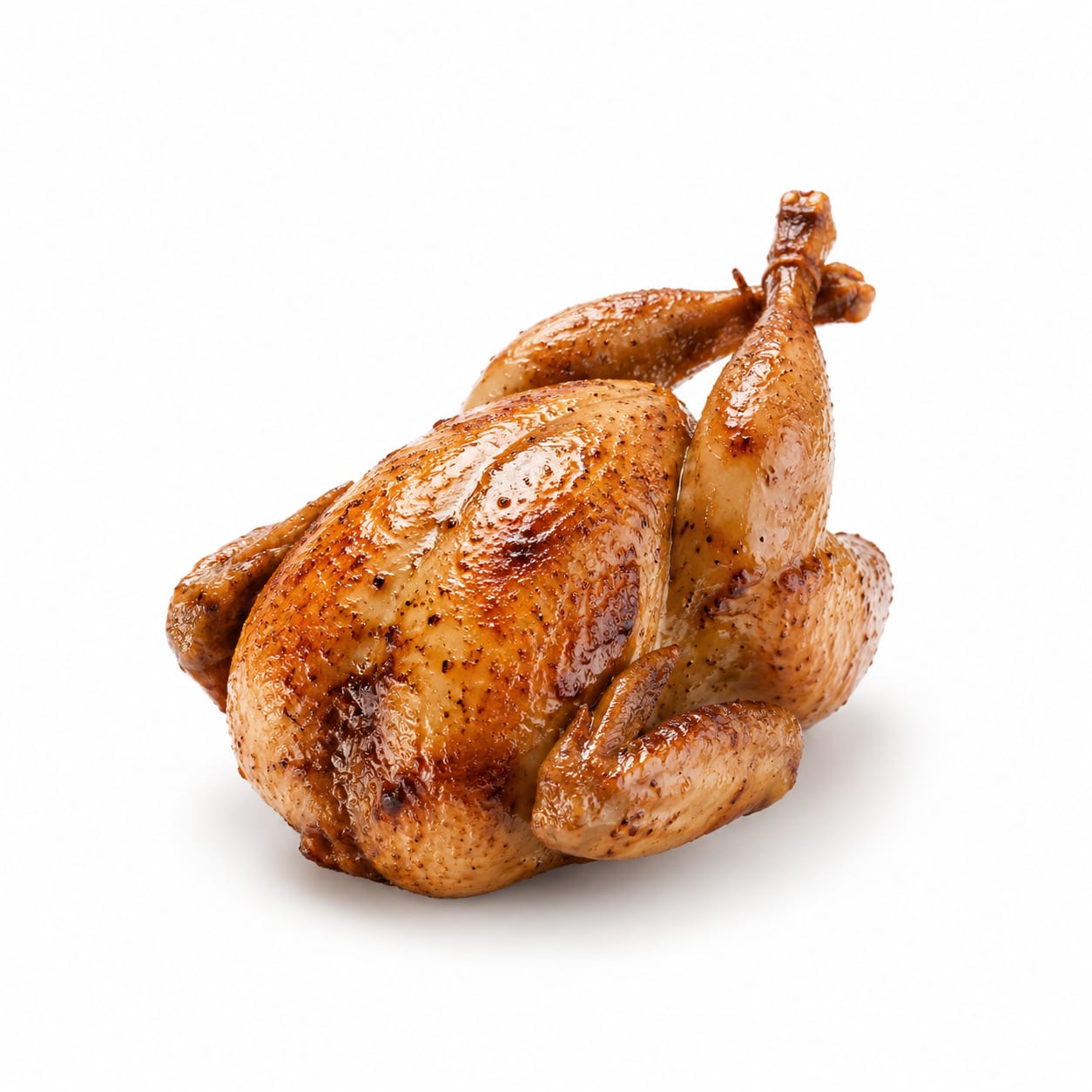
Quail
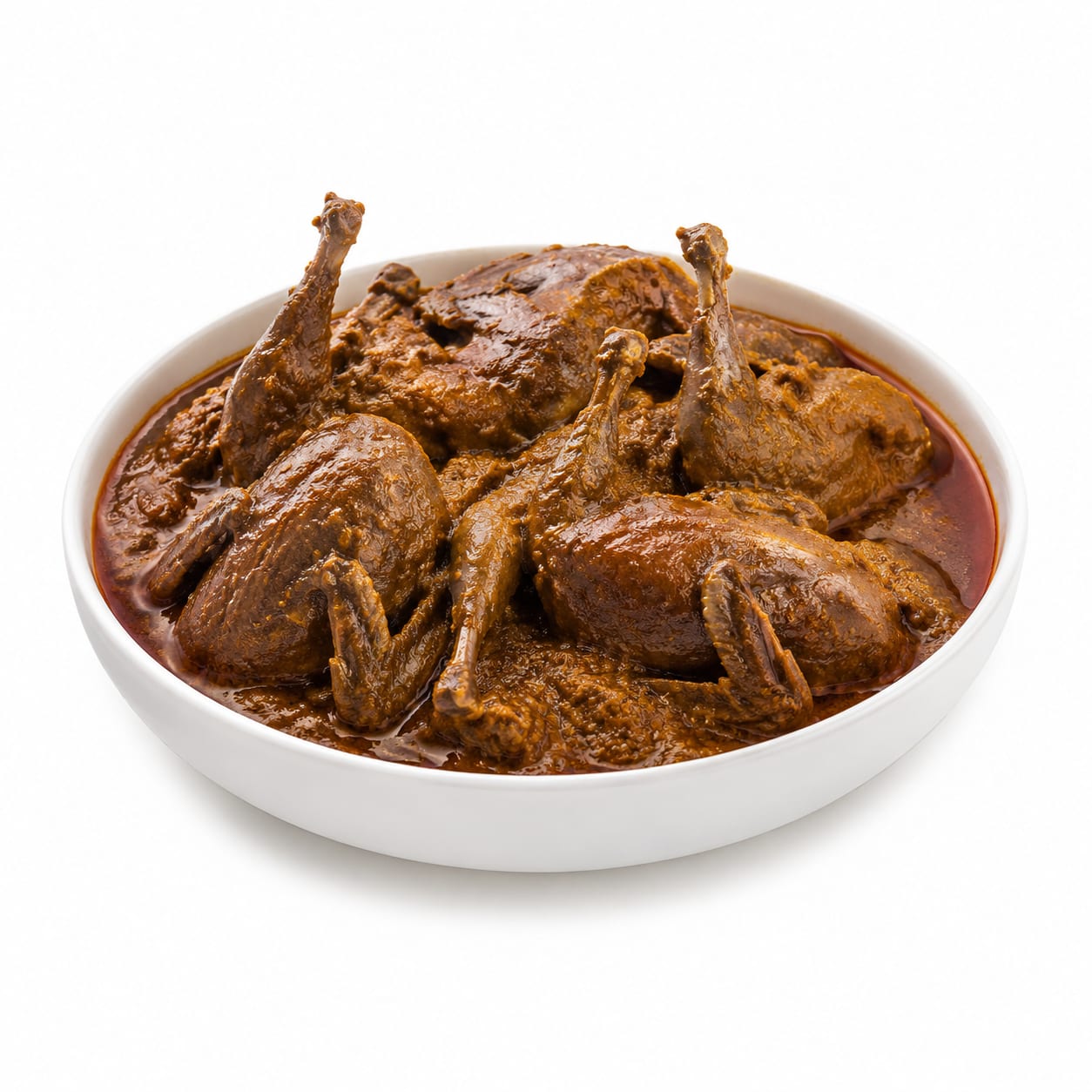
Pigeon
Quail wins on safety, leanness, and accessibility, while pigeon delivers richer iron and more satisfying flavor at the cost of higher contamination risk.
Quail scores higher due to safer sourcing, wider availability, and leaner nutritional profile. Pigeon loses ground primarily on food safety and accessibility, though it wins on iron density and satiety.
Quail offers cleaner, leaner protein with reliable sourcing; pigeon provides deeper nutrition and flavor but carries real safety concerns if wild-caught.
At a glance
Executive summary
Overall
Quail
Healthier
Quail
More practical
Quail
Daily use
Quail
Key comparison lenses
Protein quality and leanness comparison between game birds
Both are lean game birds, so protein density and fat content are the primary differentiators
Food safety and contamination risk from wild vs farmed sourcing
Pigeon is frequently wild-caught, raising contamination and disease concerns that quail largely avoids through commercial farming
Iron and mineral density for anemia-prone individuals
Pigeon's darker meat carries significantly more iron, making this a key health differentiator
Practical availability and cooking accessibility
Quail is far more available in grocery stores and restaurants, while pigeon requires specialty sourcing
Satiety and caloric value per serving
Pigeon is fattier and more calorie-dense, which affects fullness and portion sizing differently
Best choice for
Quail
- People wanting lean, low-risk protein
- Home cooks seeking accessible game bird
- Those monitoring fat and calorie intake
- Anyone concerned about food safety and contamination
Pigeon
- Individuals with iron deficiency or anemia
- Adventurous eaters wanting richer, deeper flavor
- Those following traditional cuisines that feature pigeon
- People needing higher calorie density from protein sources
Least suitable for
Quail
- People needing high iron intake from food
- Those wanting rich, fatty flavor profiles
- Budget-conscious shoppers (quail can be expensive)
Pigeon
- Anyone immunocompromised due to contamination risk
- People avoiding wild game due to safety concerns
- Those who want readily available protein at regular stores
Deep comparison
Dimension by dimension
Each lens scores both foods and breaks down who each option suits.
- Dimension 1 · Priority 92Quail
Protein Quality and Leanness
Quail · 82Pigeon · 71Quail delivers slightly leaner protein with less saturated fat per serving, making it the cleaner choice for muscle maintenance and heart-conscious diets.
Tradeoff
Pigeon's higher fat content makes it more filling and flavorful, but adds calories and saturated fat that quail avoids.
Why it matters
Leaner protein supports cardiovascular health and makes portion control easier without sacrificing satiety entirely.
Real-world impact
A quail dinner leaves you satisfied without the heaviness that pigeon's richer meat can bring, especially if you eat multiple birds.
Quail
- Heart-conscious eaters
- Calorie counters
- Post-workout meals needing clean protein
Better for
- Very active people needing calorie density
- Those who find lean meat unfilling
Worse for
Pigeon
- Those wanting longer-lasting fullness
- Cold-weather meals needing richness
- People who find lean meat unsatisfying
Better for
- Anyone watching saturated fat intake
- People prone to overeating rich foods
Worse for
- Dimension 2 · Priority 85Pigeon
Iron and Mineral Density
Quail · 62Pigeon · 84Pigeon's dark meat contains substantially more iron and zinc than quail, making it a stronger choice for preventing or addressing deficiencies.
Tradeoff
You gain mineral density with pigeon but accept the safety risks of its typical sourcing; quail gives you safer but less mineral-rich meat.
Why it matters
Iron deficiency is common, especially in women, and dark game meat is one of the most efficient dietary sources.
Real-world impact
Eating pigeon regularly could meaningfully move the needle on iron levels, while quail would require supplementation or additional iron-rich foods.
Quail
- People who get iron from other sources
- Those taking iron supplements already
Better for
- People relying solely on food for iron intake
Worse for
Pigeon
- Women with heavy menstrual cycles
- Vegetarians transitioning back to meat for iron
- Anyone diagnosed with iron deficiency
Better for
- Those with hemochromatosis or iron overload
Worse for
- Dimension 3 · Priority 88Quail
Food Safety and Contamination Risk
Quail · 85Pigeon · 48Quail is predominantly farm-raised with regulated safety standards, while pigeon is often wild-caught and carries higher risks of disease, parasites, and environmental contaminants.
Tradeoff
Pigeon's wild diet creates richer flavor and nutrition but exposes you to pathogens and pollutants that farmed quail largely avoids.
Why it matters
Wild game carries real foodborne illness risk that can be serious, especially for vulnerable people.
Real-world impact
A poorly sourced pigeon meal can lead to food poisoning or parasite exposure; quail from a reputable supplier carries minimal such risk.
Quail
- Immunocompromised individuals
- Pregnant women
- Children and elderly
- Anyone without trusted game sourcing
Better for
- No significant safety downside
Worse for
Pigeon
- Those with access to certified farmed squab
- Experienced wild game handlers who cook thoroughly
Better for
- Anyone eating wild-caught pigeon from urban areas
- People who prefer rare or medium-cooked meat
Worse for
- Dimension 4 · Priority 75Quail
Availability and Practical Convenience
Quail · 70Pigeon · 40Quail appears in specialty grocers and many restaurant menus; pigeon is genuinely hard to find outside specific cultural markets or specialty suppliers.
Tradeoff
Quail is more accessible but still requires specialty shopping compared to chicken; pigeon demands serious effort to source safely.
Why it matters
The healthiest protein only matters if you can actually buy and cook it regularly.
Real-world impact
You can order quail online or find it at upscale markets; finding safe pigeon often means knowing a specialty butcher or ordering squab from specific farms.
Quail
- Urban dwellers with specialty grocery access
- Home cooks wanting to try game bird
- People who value convenience in protein sourcing
Better for
- Budget shoppers (quail is still expensive)
Worse for
Pigeon
- Those connected to traditional pigeon-keeping communities
- Chefs with specialty supplier relationships
Better for
- Anyone without specialty food access
- People who need quick weeknight protein solutions
Worse for
- Dimension 5 · Priority 72Pigeon
Flavor and Culinary Satisfaction
Quail · 68Pigeon · 80Pigeon offers deeper, gamier, more complex flavor that experienced eaters prize; quail is milder and more approachable but less memorable.
Tradeoff
Pigeon rewards adventurous palates with richer taste; quail is safer for introducing game bird to cautious eaters.
Why it matters
Enjoyment drives dietary sustainability — food you love eating is food you'll keep cooking.
Real-world impact
Pigeon makes a dinner feel special and indulgent; quail feels elegant but lighter, almost like a transition bird from chicken to game.
Quail
- Game bird beginners
- Those who prefer milder flavors
- People cooking for picky eaters
Better for
- Experienced game eaters who find quail too mild
Worse for
Pigeon
- Adventurous eaters seeking bold flavor
- Those who find most poultry bland
- People cooking traditional recipes featuring pigeon
Better for
- Anyone put off by strong gamey flavors
- People unfamiliar with cooking dark game meat
Worse for
- Dimension 6 · Priority 70Pigeon
Satiety and Caloric Density
Quail · 60Pigeon · 76Pigeon's higher fat content provides more calories and longer-lasting fullness per bird; quail is so lean you may need multiple birds to feel satisfied.
Tradeoff
More satiety comes with more calories; quail keeps meals light but may leave you hungry sooner.
Why it matters
Feeling full after eating prevents snacking and overeating later in the day.
Real-world impact
One pigeon portion can feel like a complete meal; with quail, you often need two or three birds plus sides to reach the same satisfaction.
Quail
- Those wanting lighter meals
- People controlling portion sizes
- Multi-course dining where quail is one course
Better for
- People who feel unsatisfied after small lean portions
Worse for
Pigeon
- People eating one-dish meals
- Those with high caloric needs
- Anyone tired of feeling hungry after lean protein
Better for
- Those trying to reduce calorie intake
Worse for
Timeline
Health impact over time
Short-term
Hours to days
Quail
- Clean, light energy without digestive heaviness
- Quick protein absorption for post-exercise recovery
- Minimal risk of foodborne illness when properly cooked
Pigeon
- Longer-lasting fullness from higher fat content
- Risk of digestive discomfort if undercooked due to parasite potential
- More satisfying meal experience that reduces post-meal snacking
Long-term
Months to years
Quail
- Consistent lean protein supports cardiovascular health
- Lower saturated fat intake reduces long-term heart disease risk
- Reliable sourcing reduces cumulative contaminant exposure
Pigeon
- Superior iron intake supports prevention of anemia over time
- Higher saturated fat consumption could impact heart health if eaten frequently
- Wild-sourced pigeon may accumulate environmental toxins with regular consumption
Risk profile
Safety & processing
Both quail and pigeon are whole, minimally processed game birds with negligible additive concerns. The key difference lies in sourcing — farmed quail has controlled feed and conditions, while wild pigeon's naturalness comes with uncontrolled environmental exposure.
Quail
Bacterial contamination from improper handling
lowFarmed quail follows regulated processing standards, making bacterial risk similar to other commercially raised poultry when cooked properly.
Small bone choking hazard
mediumQuail bones are small and numerous, requiring careful eating especially for children or when served whole.
Pigeon
Parasitic infection from wild-caught birds
highWild pigeon can carry Trichinella and other parasites that require thorough cooking to neutralize. Farmed squab reduces this risk significantly.
Environmental contaminant accumulation
highUrban pigeons accumulate heavy metals, pesticides, and pollutants from their environment. This is a serious concern for birds sourced from cities.
Zoonotic disease exposure
mediumPigeons can carry psittacosis and other zoonotic diseases that pose real risks during handling and preparation, especially wild birds.
Small bone choking hazard
mediumLike quail, pigeon bones require careful eating, though pigeon bones are slightly larger and easier to manage.
Who wins for whom
Audience fit
Same foods, different winners depending on your goal.
children
QuailFarmed quail is safer from contamination, and its milder flavor is more kid-friendly, though bone hazards require supervision with both birds.
daily consumption
QuailQuail's safety profile, leanness, and availability make it more sustainable as a regular protein; pigeon is better reserved for occasional meals due to safety and access concerns.
diabetes
QuailQuail's leaner profile has less saturated fat, which is better for insulin sensitivity and cardiovascular health in diabetic diets.
elderly
QuailOlder adults are more vulnerable to foodborne illness, making quail's regulated sourcing significantly safer than typical pigeon sourcing.
muscle gain
QuailQuail provides cleaner lean protein with less fat, supporting muscle growth without unnecessary calories, though both work well.
weight loss
QuailQuail's lower calorie and fat content make it easier to fit into a calorie-controlled eating plan without sacrificing protein intake.
Your move
Decision guide
Choose Quail
- You want a lean, safe protein you can eat regularly
- Food safety is a top priority, especially for vulnerable household members
- You prefer milder flavor or are new to game birds
- You need something you can actually find at a store without special ordering
Choose Pigeon
- You have iron deficiency and want a food-first approach to increasing intake
- You have access to farmed squab from a trusted supplier
- You crave rich, gamey flavor and find most poultry boring
- You are cooking a traditional recipe that specifically calls for pigeon
Either works if
- You want to rotate game birds into your protein routine for variety
- You are comfortable cooking whole birds and handling small bones
- You are serving a special occasion meal where either bird would impress
Avoid both if
- You have gout and need to limit purine-rich meats
- You are uncomfortable cooking and eating birds with small bones
- You need an affordable everyday protein source (both are expensive compared to chicken)
Final recommendation
Choose quail as your default game bird for its safer sourcing, leaner profile, and broader availability. Opt for pigeon only when you specifically need its iron density, have access to farmed squab from a trusted source, or are cooking a traditional dish that demands it. If you ever eat wild-caught pigeon, cook it thoroughly and source it from clean rural environments — never eat urban pigeon.
Practical
Consumer tips
- 1
If buying pigeon, specifically look for 'squab' from farmed sources — it carries far less contamination risk than wild-caught
- 2
Always cook both quail and pigeon to at least 165°F (74°C) internal temperature to neutralize potential parasites and bacteria
- 3
Quail pairs well with robust sides like roasted root vegetables since its flavor is mild; pigeon can stand alone with simpler accompaniments
- 4
Buy quail frozen from reputable game suppliers if fresh is unavailable — it freezes exceptionally well
- 5
Never harvest or eat urban pigeons — they accumulate dangerous levels of heavy metals and environmental toxins
- 6
For iron-seeking eaters who want quail's safety, pair it with iron-rich sides like lentils or spinach to close the nutritional gap