
Nutrition comparison
Pigeon vs Duck: Nutrition, Taste, and Health Comparison
Compare Pigeon and Duck to see which bird is healthier. Learn about the fat content, protein density, and best uses for Pigeon vs Duck in your diet.
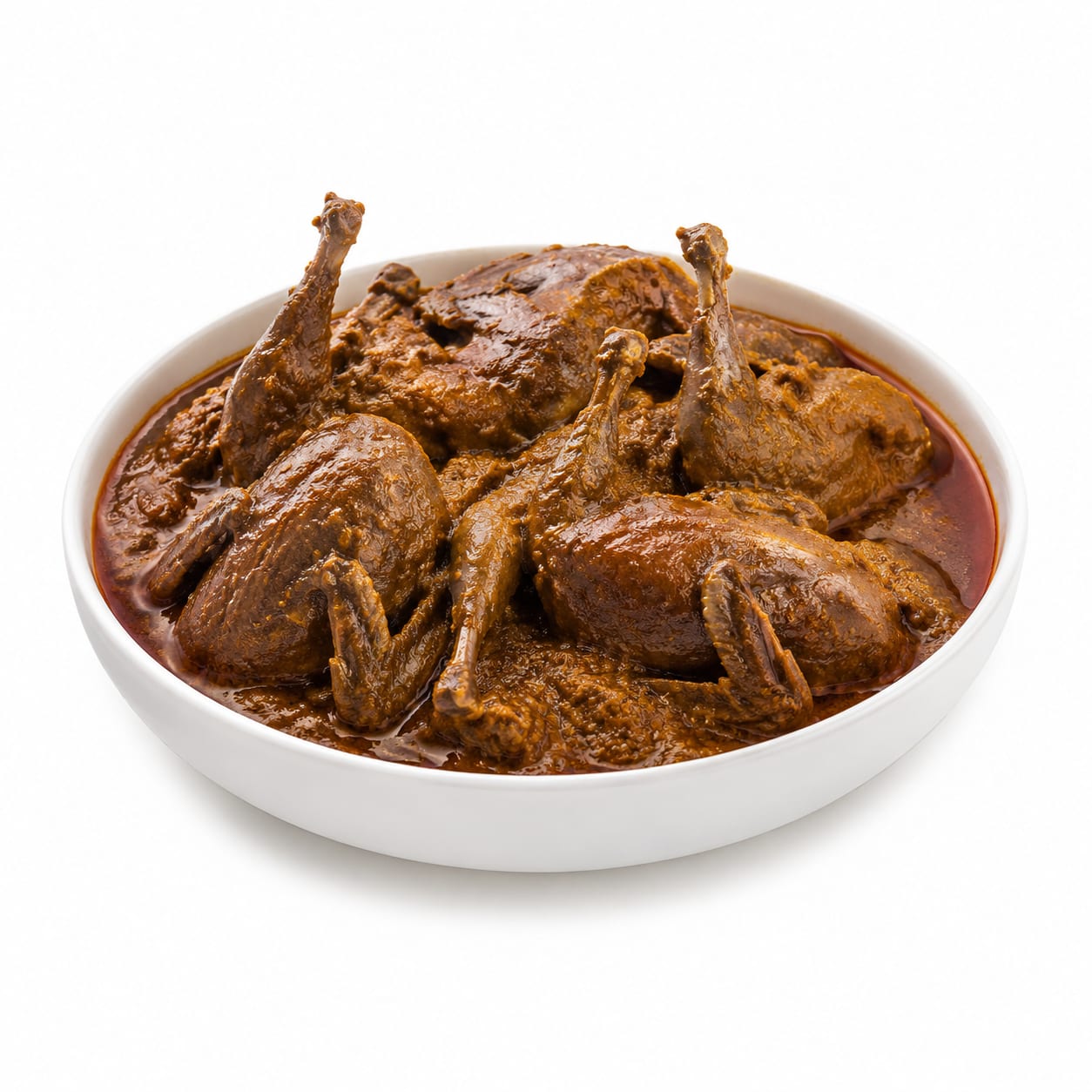
Pigeon
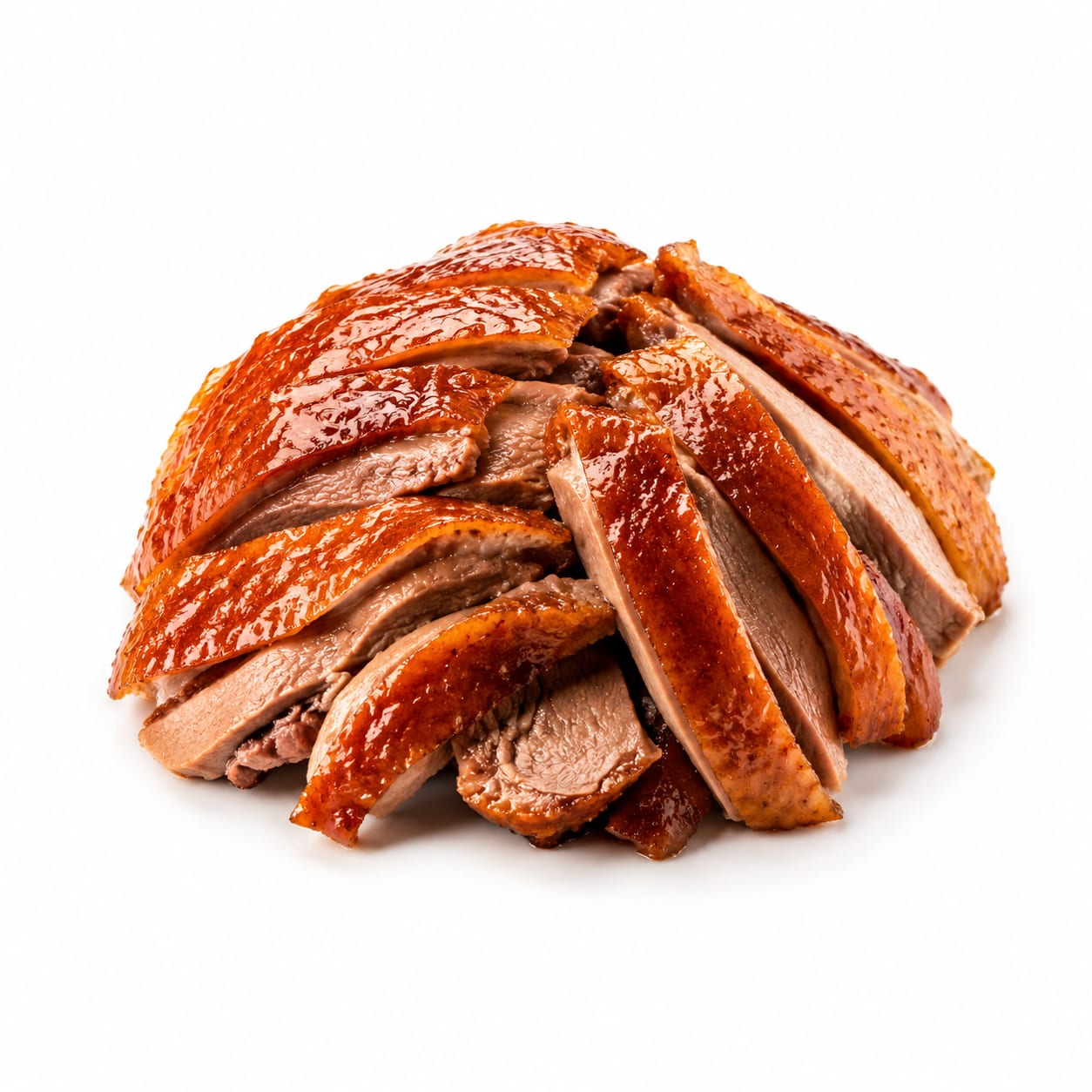
Duck
Pigeon is the lean, protein-dense choice, while Duck is the rich, calorie-dense option with more culinary accessibility.
Pigeon scores slightly higher due to its superior lean protein profile and lower saturated fat, though Duck remains a highly nutritious option for those not restricting fat.
You trade the low-calorie leanness of Pigeon for the satisfying fat content and easy availability of Duck.
At a glance
Executive summary
Overall
It depends
Healthier
Pigeon
More practical
Duck
Daily use
Pigeon
Key comparison lenses
Fat content and calorie density
Duck is notoriously high in fat while Pigeon is exceptionally lean, making this the primary nutritional tradeoff.
Protein quality and density
Both are dark meat birds with highly bioavailable protein, but Pigeon offers more protein per calorie.
Culinary availability and practicality
Duck is widely available in grocery stores, whereas Pigeon is a specialty item requiring effort to source.
Best choice for
Pigeon
- Strict calorie counters
- High-protein, low-fat diets
- Adventurous eaters seeking lean game meats
Duck
- Keto and low-carb dieters
- Those needing high caloric intake
- Home cooks wanting accessible, rich poultry
Least suitable for
Pigeon
- People on a tight grocery budget
- Those who prefer mild, conventional poultry flavors
Duck
- People managing heart disease or high cholesterol
- Strict low-fat dieters
Deep comparison
Dimension by dimension
Each lens scores both foods and breaks down who each option suits.
- Dimension 1 · Priority 90Pigeon
Protein Density & Satiety
Pigeon · 92Duck · 75Pigeon delivers far more protein per calorie, keeping you full without the heavy fat load.
Tradeoff
Duck provides more calories overall which can be useful for bulk eating, but Pigeon is far more efficient for lean muscle maintenance.
Why it matters
If you want to stay full without overshooting your calorie budget, leaner meats make the job much easier.
Real-world impact
A Pigeon breast feels light yet satisfying post-workout, whereas Duck can feel heavy and sluggish if you are not used to the fat content.
Pigeon
- Lean muscle retention
- Weight management
Better for
- Those needing calorie surplus easily
Worse for
Duck
- Extended energy release in cold weather
Better for
- Portion control and cutting phases
Worse for
- Dimension 2 · Priority 88Pigeon
Fat Profile & Calorie Density
Pigeon · 85Duck · 60Pigeon is very lean with minimal saturated fat, while Duck is heavily fat-dense, especially under the skin.
Tradeoff
Duck fat is prized for flavor and cooking, but it drastically increases the calorie count compared to Pigeon.
Why it matters
High saturated fat intake from Duck skin can impact heart health if eaten frequently, whereas Pigeon poses almost no fat-related risks.
Real-world impact
Eating Duck regularly requires careful budgeting of your daily fat allowance, while Pigeon can be eaten more freely.
Pigeon
- Heart-healthy diets
- Low-calorie meals
Better for
- Those who struggle to eat enough calories
Worse for
Duck
- Keto and carnivore diets
- High-flavor roasting and confit
Better for
- Cardiovascular risk management
Worse for
- Dimension 3 · Priority 80It depends
Micronutrient Density
Pigeon · 82Duck · 84Both are excellent sources of iron and B vitamins, but Duck edges ahead slightly due to higher concentrations of certain fat-soluble vitamins.
Tradeoff
Pigeon offers great iron and B12 for its low calorie count, while Duck provides more Vitamin A and selenium alongside its fat.
Why it matters
Iron and B12 are critical for energy, and both birds deliver heavily in this area compared to standard chicken.
Real-world impact
Either choice will effectively combat fatigue and support red blood cell production, though Duck offers a broader vitamin profile if you tolerate the fat.
Pigeon
- Maximizing iron per calorie
Better for
- Those needing Vitamin A from animal fats
Worse for
Duck
- Boosting fat-soluble vitamin intake
Better for
- Micronutrient purists watching fat intake
Worse for
- Dimension 4 · Priority 75Duck
Practicality & Availability
Pigeon · 40Duck · 85Duck is widely available in supermarkets and restaurants, while Pigeon is a niche specialty item.
Tradeoff
You gain nutritional leanness with Pigeon, but you lose the convenience of grabbing it at any local grocery store.
Why it matters
The healthiest food is the one you can actually consistently find and prepare.
Real-world impact
Finding Pigeon usually requires a specialty butcher or online order, whereas Duck breasts are ready at most major stores.
Pigeon
- Unique dinner parties and fine dining
Better for
- Spontaneous weeknight dinners
Worse for
Duck
- Weekly meal prep
- Easy grocery shopping
Better for
- Those seeking rare culinary experiences
Worse for
Timeline
Health impact over time
Short-term
Hours to days
Pigeon
- Light but satisfying feeling after eating
- Quick protein absorption for muscle repair
Duck
- Heavy, comforting fullness due to high fat content
- Slower digestion providing long-lasting satiety
Long-term
Months to years
Pigeon
- Easier weight maintenance due to low calorie density
- Support for cardiovascular health via low saturated fat
Duck
- Potential weight gain if portions are not controlled
- Risk of elevated cholesterol if consumed too frequently with skin
Risk profile
Safety & processing
Both Pigeon and Duck are typically sold as whole, unprocessed meats, making them clean, whole-food protein sources.
Pigeon
Parasites and disease from wild hunting
highWild Pigeon can carry diseases and parasites; always ensure it is sourced from reputable farmed squab providers and cooked thoroughly.
Lead shot contamination
mediumIf hunted, wild Pigeon may contain lead fragments, which poses a serious toxicity risk.
Duck
Bacterial contamination
mediumLike all poultry, Duck carries a Salmonella risk and must be cooked to safe internal temperatures.
High fat oxidation
lowIf cooked at extremely high temperatures, the high fat content in Duck can oxidize, creating less healthy compounds.
Who wins for whom
Audience fit
Same foods, different winners depending on your goal.
children
DuckDuck is more palatable, easier to find, and its fat content supports growing children's caloric and developmental needs.
daily consumption
PigeonThe low fat and calorie profile of Pigeon makes it a safer daily staple than the heavy fat load of Duck.
diabetes
PigeonPigeon has zero carbs and very low saturated fat, reducing insulin resistance risks better than fatty Duck.
elderly
PigeonPigeon is easier to digest and lower in saturated fat, which is important for aging cardiovascular systems.
muscle gain
DuckDuck provides a higher overall calorie and protein load, which is beneficial when trying to build mass in a caloric surplus.
weight loss
PigeonPigeon is extremely lean and high in protein, making it far easier to fit into a calorie deficit.
Your move
Decision guide
Choose Pigeon
- You are tracking calories or trying to lose weight
- You want a dense protein source without the fat
- You are cooking a special gourmet meal and can source it safely
Choose Duck
- You are on a keto or low-carb diet
- You want rich, satisfying poultry that is easy to find
- You need high-calorie meals for athletic performance or weight gain
Either works if
- You simply want a high-quality dark meat alternative to chicken
- You are focused on boosting iron and B12 intake
Avoid both if
- You follow a plant-based or vegetarian diet
- You have severe gout triggered by high-purine meats
Final recommendation
Choose Pigeon if your priority is lean protein and heart health, but opt for Duck if you need accessible, calorie-dense energy and rich flavor.
Practical
Consumer tips
- 1
If buying Pigeon, look for farmed squab to avoid the lead shot and disease risks associated with wild birds.
- 2
To drastically reduce the fat content of Duck, remove the skin before eating and pierce the skin before cooking to render out the fat.
- 3
Both meats pair well with acidic fruits like cherries or oranges, which help balance their rich, earthy flavors.