
Nutrition comparison
Pigeon vs Turkey: Nutrition, Taste, and Value Compared
Pigeon delivers more iron and B12 per bite but costs far more. Turkey offers affordable lean protein for daily meals. See which poultry is right for your goals.
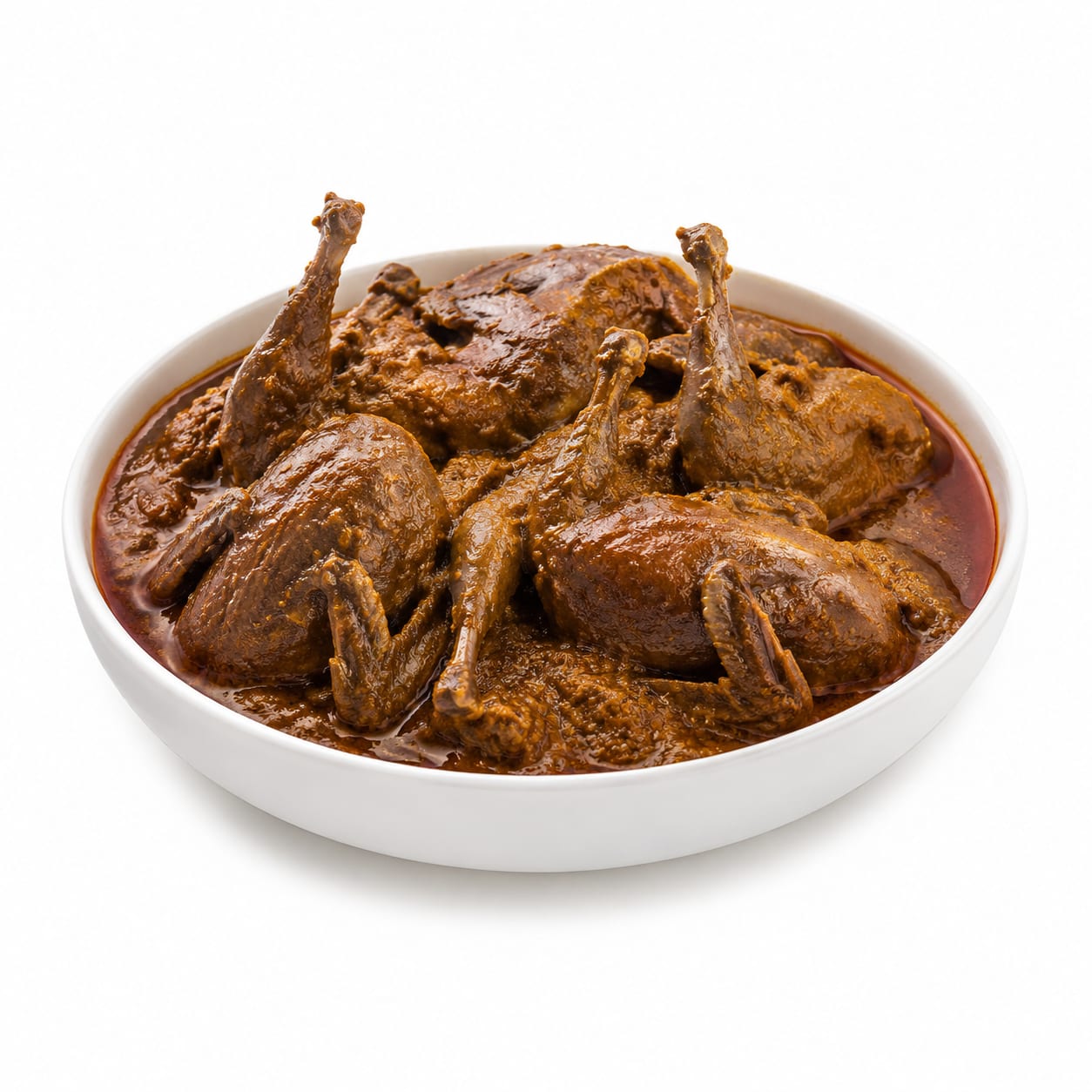
Pigeon
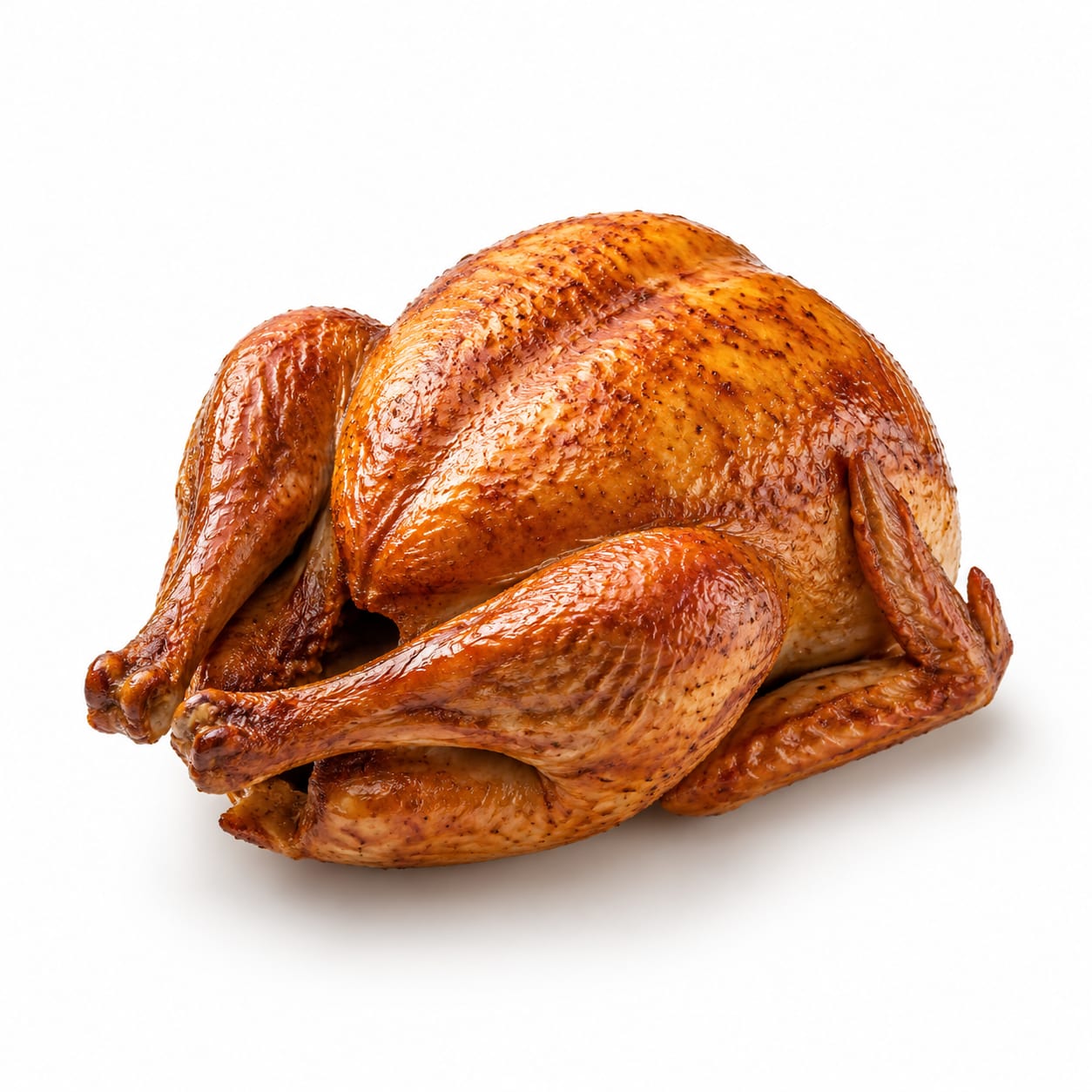
Turkey
Turkey wins on practicality and everyday value; pigeon delivers richer micronutrients and more intense flavor for special occasions.
Turkey scores higher overall due to accessibility, affordability, and versatility. Pigeon earns strong micronutrient marks but loses ground on practicality, portion size, and consistent availability.
Pigeon offers denser nutrition per calorie but costs more and is harder to find; turkey is affordable, versatile, and easy to build meals around.
At a glance
Executive summary
Overall
It depends
Healthier
It depends
More practical
Turkey
Daily use
Turkey
Key comparison lenses
Protein quality and satiety for meal planning
Both are lean poultry proteins, so users likely want to know which keeps them fuller and supports muscle better
Practicality and everyday accessibility
Turkey is a supermarket staple while pigeon is specialty fare, making convenience a major decision factor
Micronutrient density comparison
Game meats like pigeon often pack more iron and B vitamins per bite than conventional poultry
Food safety and contamination risk
Pigeon sourcing varies widely from farm-raised to wild-caught, raising different safety questions than regulated turkey
Cost-effectiveness for regular consumption
Price gap between these two is enormous and directly affects sustainability of either choice
Best choice for
Pigeon
- Adventurous eaters seeking iron-rich game meat
- Those wanting higher B12 and zinc per serving
- Special occasion meals where flavor intensity matters
- Anemia-prone individuals needing heme iron
Turkey
- Families needing affordable weekly protein
- Meal preppers who want versatile lean meat
- People managing cholesterol who want leaner options
- Anyone building a sustainable long-term diet
Least suitable for
Pigeon
- Budget-conscious households
- People uncomfortable with game meats or unfamiliar proteins
- Those who need large portion sizes for satiety
- Anyone concerned about unregulated sourcing
Turkey
- Culinary traditionalists seeking bold game flavor
- Those wanting maximum micronutrient density per calorie
- Diners looking for premium or novelty experiences
Deep comparison
Dimension by dimension
Each lens scores both foods and breaks down who each option suits.
- Dimension 1 · Priority 92Turkey
Protein Quality and Satiety
Pigeon · 74Turkey · 85Turkey provides more protein per typical serving due to larger portion sizes, while pigeon offers slightly more protein per gram but in tiny portions.
Tradeoff
Pigeon is denser per gram but you eat far less of it; turkey fills your plate and your stomach more reliably.
Why it matters
Satiety drives whether you snack later. A proper turkey breast portion keeps hunger away longer than a small pigeon serving.
Real-world impact
After a turkey breast dinner you are likely full for hours. After pigeon, you may still be looking for sides.
Pigeon
- Concentrated protein in small volumes
- Higher protein density per calorie
Better for
- Small portions limit total protein intake
- Hard to eat enough to feel satisfied
Worse for
Turkey
- Total protein per realistic meal
- More filling overall eating experience
- Easier to hit daily protein targets
Better for
- Breast meat can feel dry without preparation skill
Worse for
- Dimension 2 · Priority 88Pigeon
Micronutrient Density
Pigeon · 86Turkey · 72Pigeon delivers significantly more iron, zinc, and B12 per serving than turkey, making it a micronutrient powerhouse.
Tradeoff
You get more vitamins and minerals from pigeon but in a much smaller and pricier package.
Why it matters
Iron and B12 deficiencies are common, especially among women. Pigeon addresses these more efficiently per bite.
Real-world impact
Eating pigeon once a week could meaningfully boost iron stores faster than turkey, but cost makes this unrealistic for most.
Pigeon
- Heme iron for blood health
- B12 for energy and nerve function
- Zinc for immune support
- Niacin density per calorie
Better for
- High cholesterol per serving may offset some benefits for at-risk individuals
Worse for
Turkey
- Selenium content for thyroid health
- More total micronutrients from larger portions
Better for
- Lower iron density means you need more volume or complementary foods
Worse for
- Dimension 3 · Priority 82Turkey
Fat Profile and Cholesterol
Pigeon · 62Turkey · 80Turkey breast is one of the leanest meats available. Pigeon has more cholesterol and slightly more fat per gram.
Tradeoff
Pigeon's richer flavor comes with more cholesterol; turkey breast is leaner but less flavorful without seasoning.
Why it matters
For anyone watching heart health markers, turkey breast is the safer regular choice.
Real-world impact
If your doctor said lower your cholesterol, turkey breast becomes your friend. Pigeon is an occasional indulgence.
Pigeon
- More flavor from natural fat content
- Fat-soluble vitamin absorption benefit
Better for
- Higher cholesterol limits frequency for at-risk groups
- Dark game meat fat is less studied for long-term effects
Worse for
Turkey
- Lower cholesterol per serving
- Leaner option for heart-conscious diets
- Easier to fit into low-fat meal plans
Better for
- Very lean cuts can feel dry and unsatisfying without added fats
Worse for
- Dimension 4 · Priority 90Turkey
Availability and Practicality
Pigeon · 35Turkey · 95Turkey is available everywhere year-round. Pigeon requires specialty butchers, ethnic markets, or online ordering.
Tradeoff
You can grab turkey any day of the week; pigeon requires planning, searching, and often paying premium prices.
Why it matters
The best protein source is the one you can actually buy and cook consistently.
Real-world impact
Tuesday dinner: turkey takes 10 minutes at any grocery store. Pigeon might take a weekend hunt across three shops.
Pigeon
- Unique culinary experience when you find it
- Supports specialty and local producers
Better for
- Very limited availability in most regions
- Inconsistent supply chains
- Often frozen only, not fresh
Worse for
Turkey
- Available in every supermarket
- Multiple cuts and products year-round
- Easy to substitute in any recipe
- Frozen options extend shelf life
Better for
- Ubiquity can feel boring culinarily
Worse for
- Dimension 5 · Priority 78Turkey
Food Safety and Sourcing
Pigeon · 55Turkey · 78Turkey production is heavily regulated with consistent safety standards. Pigeon sourcing varies from controlled farms to wild-caught with minimal oversight.
Tradeoff
Turkey gives you predictable safety; pigeon quality depends entirely on your supplier.
Why it matters
Wild-caught pigeon can carry parasites, environmental contaminants, and diseases that farmed turkey is screened for.
Real-world impact
With turkey you cook and eat with confidence. With pigeon you need to trust your source completely.
Pigeon
- Farm-raised squab from reputable sources can be very clean
- Less antibiotic use in small-scale pigeon farming
Better for
- Wild pigeon may carry lead shot residue
- Variable parasite exposure
- Limited regulatory oversight in many regions
- Potential environmental toxin accumulation in urban birds
Worse for
Turkey
- USDA inspection on all commercial products
- Consistent handling and cold chain standards
- Lower parasite risk overall
Better for
- Conventional farming may use antibiotics
- Processing plant outbreaks do occur
Worse for
- Dimension 6 · Priority 85Turkey
Cost-Effectiveness
Pigeon · 30Turkey · 88Turkey is one of the cheapest protein sources per gram. Pigeon is a luxury meat costing several times more.
Tradeoff
Pigeon delivers premium nutrition at a premium price; turkey delivers solid nutrition at budget-friendly rates.
Why it matters
Sustainable eating means affording your food long-term. Turkey fits almost any budget; pigeon does not.
Real-world impact
Feeding a family of four with turkey costs maybe $10. The same meal with pigeon could cost $40-60.
Pigeon
- Premium dining experience justifies cost for special occasions
- Higher nutrient density per gram partially offsets price
Better for
- Prohibitively expensive for regular meals
- Cost limits portion sizes further
Worse for
Turkey
- Excellent protein per dollar
- Affordable for daily consumption
- Leftovers stretch meals further
- Competitive pricing during holidays
Better for
- Cheap pricing can reflect industrial farming compromises
Worse for
Timeline
Health impact over time
Short-term
Hours to days
Pigeon
- High protein content supports immediate satiety despite small portions
- Iron-rich composition may boost energy if you are slightly anemic
- Rich flavor can feel more satisfying emotionally than bland lean meats
- Higher cholesterol load matters if eating large amounts at once
Turkey
- Lean protein stabilizes blood sugar without heavy fat load
- Large portion sizes promote genuine fullness for hours
- Tryptophan content may promote relaxation and better sleep
- Very low fat versions can leave you hungry sooner if eaten alone
Long-term
Months to years
Pigeon
- Consistent iron and B12 intake supports blood health over time
- Higher cholesterol intake may impact heart health markers if eaten frequently
- Variable sourcing could expose you to inconsistent contaminant levels
- Occasional consumption as part of a varied diet poses minimal risk
Turkey
- Regular lean protein intake supports weight management and muscle maintenance
- Selenium contributes to thyroid and immune function long-term
- Conventional farming antibiotics may affect gut microbiome with frequent consumption
- Choosing organic or heritage turkey reduces most long-term concerns
Risk profile
Safety & processing
Both pigeon and whole turkey are minimally processed when purchased as raw meat. Pigeon almost always comes whole and unprocessed. Turkey has more processed forms available like deli meat and ground turkey, which carry additive concerns, but whole turkey breast is as clean as pigeon.
Pigeon
Parasite exposure in wild-caught birds
mediumWild pigeon can carry parasites like Trichinella. Proper cooking to 165°F eliminates this risk, but undercooking game birds is more dangerous than undercooking farmed poultry.
Environmental contaminant accumulation
mediumUrban pigeons may accumulate heavy metals and toxins from their environment. Sourcing from clean rural farms or trusted suppliers is essential.
Lead shot residue
lowHunted pigeon may contain lead fragments. Farm-raised squab avoids this entirely.
Turkey
Salmonella contamination
mediumStandard poultry risk. Proper handling and cooking eliminate danger, but cross-contamination in kitchens is common.
Antibiotic residues in conventional farming
lowRegulations limit antibiotic use before slaughter, but trace residues may persist. Organic turkey eliminates this concern.
Processing plant contamination in ground turkey
mediumGround turkey has more surface area exposed during processing, increasing contamination risk compared to whole cuts.
Who wins for whom
Audience fit
Same foods, different winners depending on your goal.
children
TurkeyTurkey is familiar, mild-flavored, easy to chew, and widely accepted by kids. Pigeon's gamey taste and small bones make it less kid-friendly.
daily consumption
TurkeyAffordability, availability, and consistent safety make turkey sustainable as a daily protein. Pigeon is better reserved for weekly or monthly variety.
diabetes
TurkeyTurkey breast has virtually zero carbs and very low fat, causing minimal blood sugar disruption. Pigeon works too but its higher fat content slightly slows digestion.
elderly
TurkeyTurkey's soft texture when cooked properly is easier on aging digestive systems. Pigeon's denser meat and higher cholesterol are less ideal for older adults managing heart health.
muscle gain
TurkeyLarger portion sizes and higher total protein per meal make turkey more practical for hitting daily protein targets for muscle building.
weight loss
TurkeyTurkey breast provides more filling protein with fewer calories per realistic serving, making it easier to maintain a calorie deficit without hunger.
Your move
Decision guide
Choose Pigeon
- You want to explore bold game flavors and culinary traditions
- Iron or B12 deficiency is a personal health concern
- You have access to a trusted farm-raised squab supplier
- Budget is not a constraint and you eat for experience
Choose Turkey
- You need affordable protein you can eat multiple times per week
- Meal prep and batch cooking are part of your routine
- Heart health or cholesterol management is a priority
- Feeding a family with varying taste preferences
Either works if
- You want high-quality complete protein without carbs
- Both are available and you are rotating protein sources for variety
- Neither food is a dietary staple but an occasional meal
Avoid both if
- You follow a plant-based or vegetarian diet
- You have poultry allergies or sensitivities
- You cannot verify safe sourcing for either meat
Final recommendation
Make turkey your everyday poultry staple for its practicality, leanness, and value. Treat pigeon as an occasional nutritional boost and culinary adventure when you can source it from trusted suppliers. The best diet includes both reliability and variety.
Practical
Consumer tips
- 1
Ask your butcher about farm-raised squab versus wild pigeon to avoid contamination concerns
- 2
Choose organic or heritage turkey when budget allows to reduce antibiotic exposure
- 3
Cook both meats to 165°F internal temperature for safety, especially with game birds
- 4
Pair pigeon with iron-absorbing sides like vitamin C-rich vegetables to maximize its micronutrient advantage
- 5
Buy whole turkey during holiday sales and freeze portions for months of affordable meals
- 6
If trying pigeon for the first time, start at a restaurant before cooking it at home to understand the flavor profile