
Nutrition comparison
Pigeon vs Pheasant: Nutrition, Taste, and Health Comparison
Compare pigeon and pheasant nutrition including protein, fat, iron, and calories. Discover which game bird is better for weight loss, heart health, and daily eating.
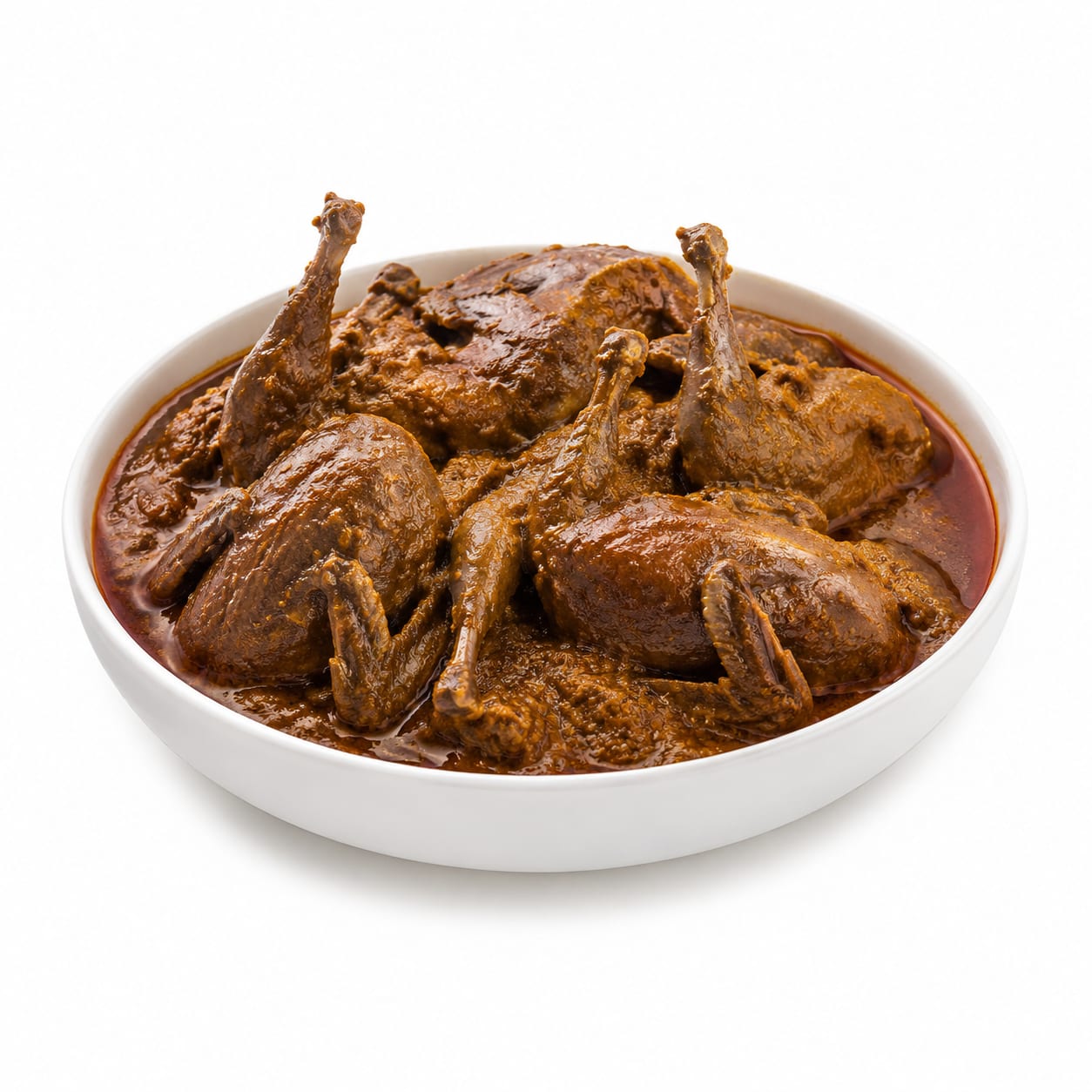
Pigeon
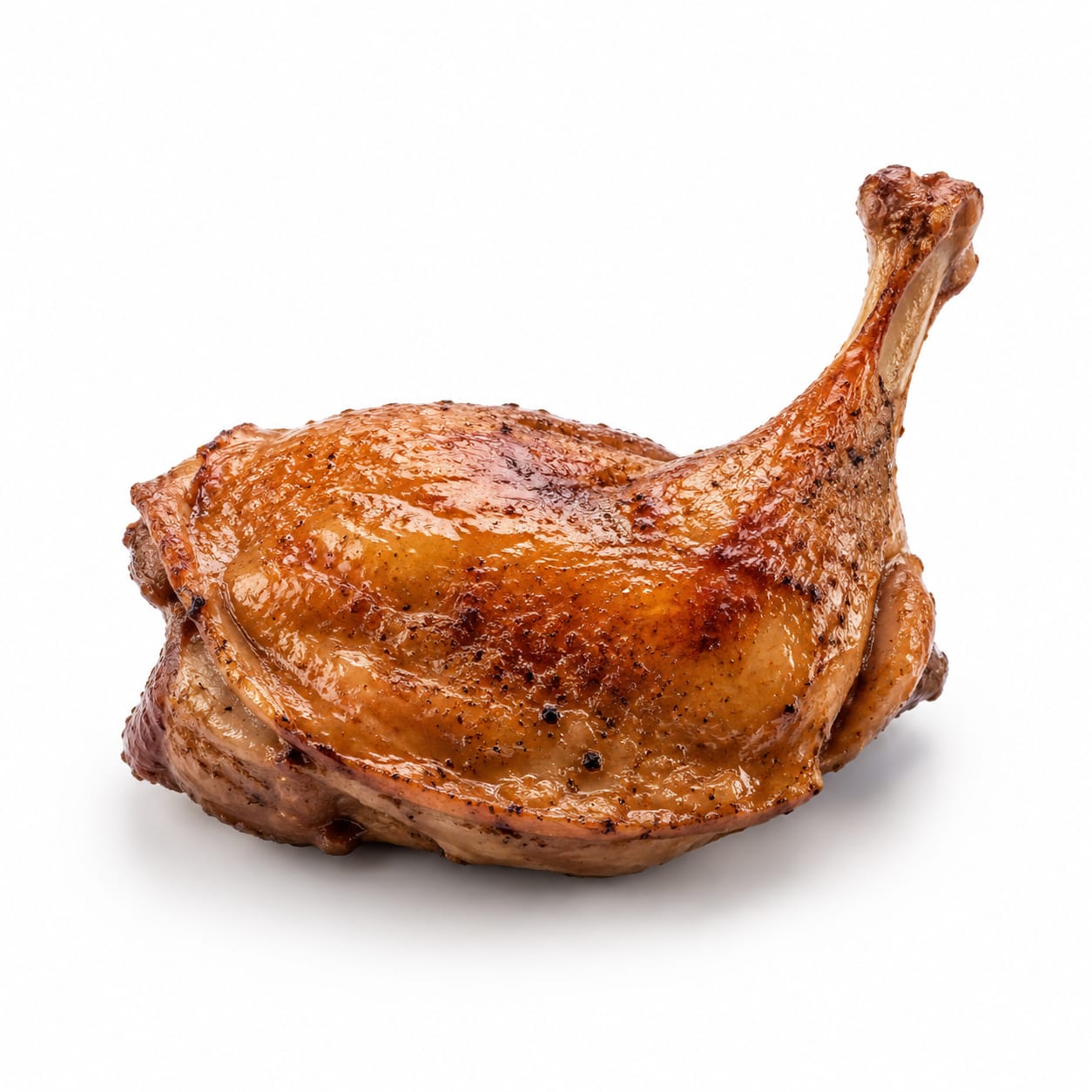
Pheasant
Pigeon delivers richer nutrition with more iron and flavor, while pheasant offers leaner protein with wider availability and easier cooking.
Pheasant edges ahead due to superior leanness, wider availability, and broader everyday suitability, but pigeon's micronutrient advantage keeps it competitive for specific needs.
Nutritional density and taste depth versus leanness and practical accessibility
At a glance
Executive summary
Overall
It depends
Healthier
Pheasant
More practical
Pheasant
Daily use
Pheasant
Key comparison lenses
lean protein comparison for game birds
Both are game birds primarily valued for their protein content, but they differ significantly in leanness and calorie density
culinary accessibility and preparation difficulty
Game birds require specific cooking skills and have very different availability, which heavily influences real-world choice
micronutrient density, especially iron and B vitamins
Dark-meated pigeon offers notably more iron and B12 than pheasant, which matters for anemia-prone individuals
food safety and contamination risk from wild game
Both carry lead shot risk and wild-harvest contamination concerns that differ from conventional poultry
Best choice for
Pigeon
- Iron-deficient individuals needing a natural iron boost
- Culinary enthusiasts seeking deep, gamey flavor
- Those wanting higher B12 and zinc from whole food sources
- People following nutrient-dense, lower-volume eating approaches
Pheasant
- Weight-conscious eaters wanting maximum protein with minimal fat
- Heart-health-focused individuals limiting saturated fat
- Home cooks wanting a more forgiving game bird to prepare
- Athletes tracking macros who need lean protein variety
Least suitable for
Pigeon
- People uncomfortable with strong gamey flavors
- Those seeking widely available, easy-to-source protein
- Diners put off by eating small birds with visible bones
- Very low-calorie dieters who need larger portion volumes
Pheasant
- Those needing iron supplementation through food
- People who find very lean meats unsatisfying or dry
- Diners wanting rich, indulgent flavor without added fats
- Anyone seeking high-calorie density for weight gain
Deep comparison
Dimension by dimension
Each lens scores both foods and breaks down who each option suits.
- Dimension 1 · Priority 90Pheasant
Protein Quality and Density
Pigeon · 78Pheasant · 86Pheasant provides slightly more protein per calorie thanks to its extremely low fat content, making it more protein-efficient.
Tradeoff
Pigeon's protein comes packaged with more fat and flavor, while pheasant's protein is leaner but less satisfying on its own.
Why it matters
For anyone tracking protein per calorie, pheasant gets more muscle-building amino acids onto your plate with fewer calories.
Real-world impact
A pheasant portion delivers protein density closer to chicken breast, while pigeon sits somewhere between chicken thigh and duck.
Pigeon
- Meals where fat contributes to satiety and satisfaction
- Diners who prefer not adding cooking fat to lean meat
Better for
- Strict macro-counting during fat-loss phases
- Those wanting maximum protein volume per meal
Worse for
Pheasant
- Post-workout meals prioritizing pure protein intake
- Cutting phases where every calorie must earn its place
Better for
- People who find lean meat unsatisfying without added sauces
- Meals where natural fat carries flavor and fullness
Worse for
- Dimension 2 · Priority 85Pigeon
Iron and Micronutrient Density
Pigeon · 88Pheasant · 62Pigeon's dark meat delivers substantially more iron, B12, and zinc than pheasant's lighter flesh, making it a micronutrient powerhouse.
Tradeoff
You gain measurable nutritional depth with pigeon but sacrifice the leanness that makes pheasant appealing for heart-conscious diets.
Why it matters
Iron deficiency is the world's most common nutrient shortfall. Pigeon offers heme iron in quantities that genuinely move the needle.
Real-world impact
Eating pigeon regularly can meaningfully support ferritin levels in a way pheasant simply cannot match without supplementation.
Pigeon
- Women of reproductive age with higher iron needs
- Vegetarians transitioning back to meat who need efficient iron repletion
- Anyone with diagnosed iron deficiency seeking food-first solutions
Better for
- Individuals who need to limit iron intake for medical reasons
Worse for
Pheasant
- People with hemochromatosis or iron overload concerns
- Those already meeting iron needs through other sources
Better for
- Anyone relying on a single meat source to meet iron requirements
Worse for
- Dimension 3 · Priority 82Pheasant
Fat Profile and Heart Health
Pigeon · 58Pheasant · 84Pheasant is dramatically leaner with less saturated fat, making it the clear cardiovascular-friendly choice between the two.
Tradeoff
Pigeon's higher fat content creates richer flavor and better mouthfeel but adds saturated fat that heart-conscious eaters may want to limit.
Why it matters
For anyone managing cholesterol or cardiovascular risk, the fat difference between these birds is not trivial.
Real-world impact
A pheasant breast can be enjoyed with minimal fat guilt, while pigeon feels more like an occasional indulgence for heart patients.
Pigeon
- Active individuals burning through dietary fat without concern
- Keto or low-carb eaters who welcome natural animal fat
Better for
- Cardiovascular patients on fat-restricted diets
Worse for
Pheasant
- Anyone with elevated LDL cholesterol
- Heart disease patients following lean-protein protocols
- Mediterranean-style diet adherents
Better for
- Very active people or underweight individuals needing calorie density
Worse for
- Dimension 4 · Priority 78Pigeon
Flavor, Satiety, and Eating Experience
Pigeon · 82Pheasant · 68Pigeon offers a deeper, more complex gamey flavor and richer mouthfeel that naturally satisfies with smaller portions.
Tradeoff
Pigeon's intensity is polarizing—some find it delicious, others overwhelming. Pheasant's milder flavor is safer but can feel bland without help.
Why it matters
Flavor satisfaction determines whether you actually stick with a protein source or abandon it after one try.
Real-world impact
Pigeon feels like a restaurant experience; pheasant feels like healthy meal prep. Both have their place depending on your mood and goals.
Pigeon
- Special occasion meals where flavor matters more than macros
- Adventurous eaters who enjoy intense, earthy flavors
- Small-plate dining where richness replaces volume
Better for
- Picky eaters or anyone sensitive to strong flavors
- Casual weeknight cooking where simplicity wins
Worse for
Pheasant
- Weekly meal prep where neutral flavor adapts to many recipes
- Families with varying taste preferences
- People who dislike gamey flavors
Better for
- Dining experiences where the protein should be the star
- People who find lean meat boring and unsatisfying
Worse for
- Dimension 5 · Priority 75Pheasant
Availability and Practical Convenience
Pigeon · 42Pheasant · 64Pheasant is far easier to find at specialty butchers and online, while pigeon requires dedicated sourcing in most regions.
Tradeoff
Neither bird is as convenient as chicken, but pheasant is at least accessible with moderate effort; pigeon often requires special ordering.
Why it matters
The healthiest protein in the world is useless if you cannot reliably buy and cook it.
Real-world impact
Most people can find pheasant within a week of wanting it. Pigeon may require finding a specialty supplier or visiting specific restaurants.
Pigeon
- Urban dwellers near diverse butcher shops or Asian markets
- People connected to hunting communities
Better for
- Anyone without access to specialty game suppliers
- Time-pressed shoppers who need protein available on demand
Worse for
Pheasant
- Suburban and rural home cooks with limited specialty access
- Online meat delivery customers wanting reliable stock
Better for
- Those in regions where even pheasant is unavailable
Worse for
- Dimension 6 · Priority 70It depends
Food Safety and Contamination Risk
Pigeon · 65Pheasant · 68Both carry typical game bird risks including lead shot contamination and wild-harvest pathogens, but farmed availability differs meaningfully.
Tradeoff
Farmed pigeon (squab) is more commonly available than farmed pheasant, which means less lead exposure risk for pigeon in practice.
Why it matters
Lead exposure from game shot is a real, cumulative health concern that particularly affects children and pregnant women.
Real-world impact
If you source both from wild-hunted birds, lead risk is similar. If you buy farmed squab versus wild pheasant, pigeon may actually be safer.
Pigeon
- Consumers buying farmed squab from reputable sources
Better for
- Anyone eating wild-hunted pigeon without lead verification
Worse for
Pheasant
- Those who can verify farmed or lead-free pheasant sources
Better for
- Consumers sourcing from hunters using lead ammunition
Worse for
Timeline
Health impact over time
Short-term
Hours to days
Pigeon
- High satiety from fat and protein combination keeps hunger away for hours
- Rich flavor can trigger overconsumption if portion control is not intentional
- Heme iron provides noticeable energy support for deficient individuals within days
Pheasant
- Very lean profile may leave you hungry sooner without side dishes or added fats
- Lighter digestion makes it comfortable for post-workout or late-evening meals
- Milder flavor requires less palate adjustment for non-game eaters
Long-term
Months to years
Pigeon
- Consistent iron and B12 intake supports sustained energy and cognitive function
- Higher saturated fat intake may impact cardiovascular markers if consumed frequently
- Nutrient density supports maintaining healthy ferritin levels without supplementation
Pheasant
- Lean protein habit supports healthy body composition and cardiovascular markers
- Low fat intake may require intentional addition of healthy fats for hormone health
- Sustained use as a primary protein supports heart-healthy eating patterns
Risk profile
Safety & processing
Both pigeon and pheasant are whole-food proteins with minimal processing. Farmed squab and farmed pheasant may have feed-related considerations, but neither typically contains artificial additives, preservatives, or emulsifiers. These are among the cleanest protein sources available.
Pigeon
Lead shot contamination
mediumWild-hunted pigeon frequently contains lead fragments. Farmed squab avoids this. Always ask about sourcing and cut away meat near shot wounds.
Pathogen exposure from wild harvest
mediumWild pigeon can carry Salmonella and other pathogens. Proper cooking to 165°F eliminates risk. Farmed squab has lower pathogen concern.
Environmental contaminant accumulation
lowUrban pigeons may accumulate environmental toxins. Culinary pigeon is typically farmed or rural-harvested, minimizing this concern significantly.
Pheasant
Lead shot contamination
mediumMost pheasant available commercially is wild-hunted with lead shot. Fragments can be microscopic and widely distributed in the meat.
Dryness leading to undercooking temptation
lowPheasant's extreme leanness tempts cooks to undercook for moisture, but proper cooking with added fat is safer than risking foodborne illness.
Game handling hygiene
lowField-dressed pheasant requires proper cold chain management. Buy from reputable sources and refrigerate or freeze promptly.
Who wins for whom
Audience fit
Same foods, different winners depending on your goal.
children
PheasantMilder flavor is more child-friendly, and lower lead exposure risk from commercially farmed sources makes pheasant the safer regular choice for developing bodies.
daily consumption
PheasantLower saturated fat, milder flavor that pairs with varied recipes, and better availability make pheasant more sustainable as a regular protein staple.
diabetes
PheasantBoth have negligible carbohydrate impact, but pheasant's lower saturated fat content aligns better with cardiovascular risk management in diabetic populations.
elderly
PigeonPigeon's superior iron and B12 content addresses common elderly deficiencies, and its softer texture when braised is easier to chew than lean pheasant.
muscle gain
PheasantMore protein per calorie and per gram makes pheasant slightly more efficient for muscle building, though both are excellent whole-food protein sources.
weight loss
PheasantPheasant's dramatically lower fat content means fewer calories per serving while maintaining high protein, making it easier to sustain a caloric deficit.
Your move
Decision guide
Choose Pigeon
- You need to boost iron or B12 levels through food rather than supplements
- You value deep, complex flavor and find lean meats unsatisfying
- You have access to quality farmed squab and want a nutrient-dense protein
- You are eating keto or low-carb and welcome natural dietary fat
Choose Pheasant
- Heart health or cholesterol management is a priority for you
- You want lean protein that fits seamlessly into a weight-loss plan
- You prefer milder flavors that work with many different seasonings and cuisines
- You need a game bird you can actually find at the store without special ordering
Either works if
- You simply want a high-quality whole-food protein and can source both
- You rotate proteins regularly and neither will be your daily staple
- You are comfortable cooking game birds and enjoy variety
Avoid both if
- You have gout and are sensitive to purine-rich meats
- You cannot verify lead-free sourcing and are pregnant or feeding young children
- You dislike gamey flavors and prefer conventional poultry
- You need a convenient, affordable everyday protein that requires no special sourcing
Final recommendation
For most people seeking a healthy, practical game bird, pheasant is the better starting point—it is leaner, easier to find, and more versatile in the kitchen. Choose pigeon when you specifically need its iron and B12 advantage, or when you want a richer, more indulgent eating experience. Both are excellent whole-food proteins that far surpass processed meat options, but neither is as convenient or affordable as conventional poultry for daily use.
Practical
Consumer tips
- 1
Always ask whether game birds were harvested with lead shot—this is the single most important safety question for wild game
- 2
If buying wild-hunted birds, cut away a generous margin around any visible shot wounds to reduce lead fragment exposure
- 3
Braise pigeon legs and thighs for tender, fall-apart results; the breast is best seared quickly and served medium
- 4
Pheasant breast benefits from wrapping in prosciutto or bacon before roasting to compensate for its natural dryness
- 5
Both birds pair beautifully with fruit-based sauces—think cherry, plum, or blackberry—which complement gamey flavors without masking them
- 6
Freeze game birds within two days of purchase and use within six months for best quality
- 7
If new to game birds, start with pheasant—its milder flavor is an easier entry point before graduating to pigeon's intensity