
Nutrition comparison
Pigeon vs Venison: Nutrition, Safety, and Taste Comparison
Compare pigeon and venison nutrition, protein content, iron levels, food safety risks, and culinary uses. Find out which game meat is better for your health goals.
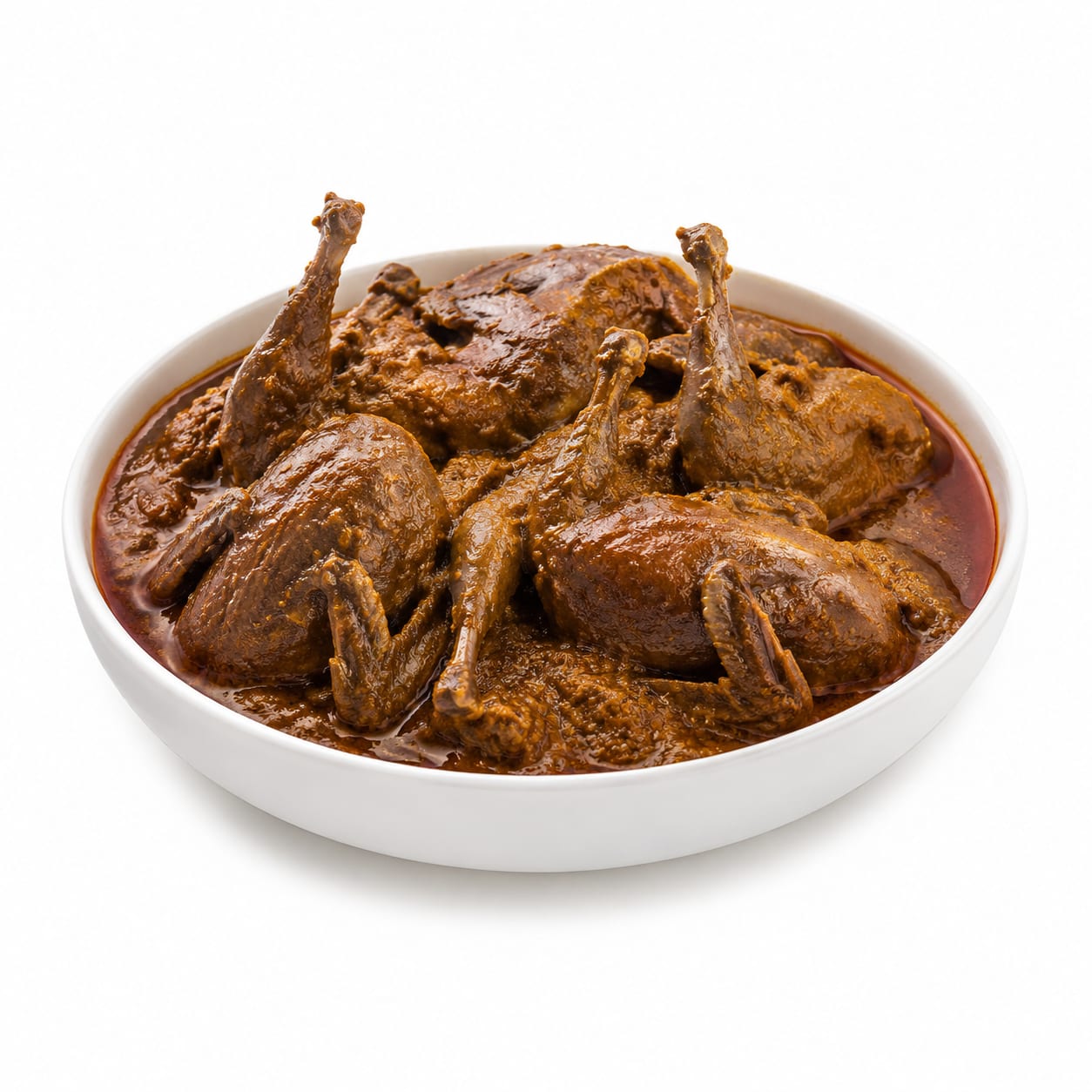
Pigeon
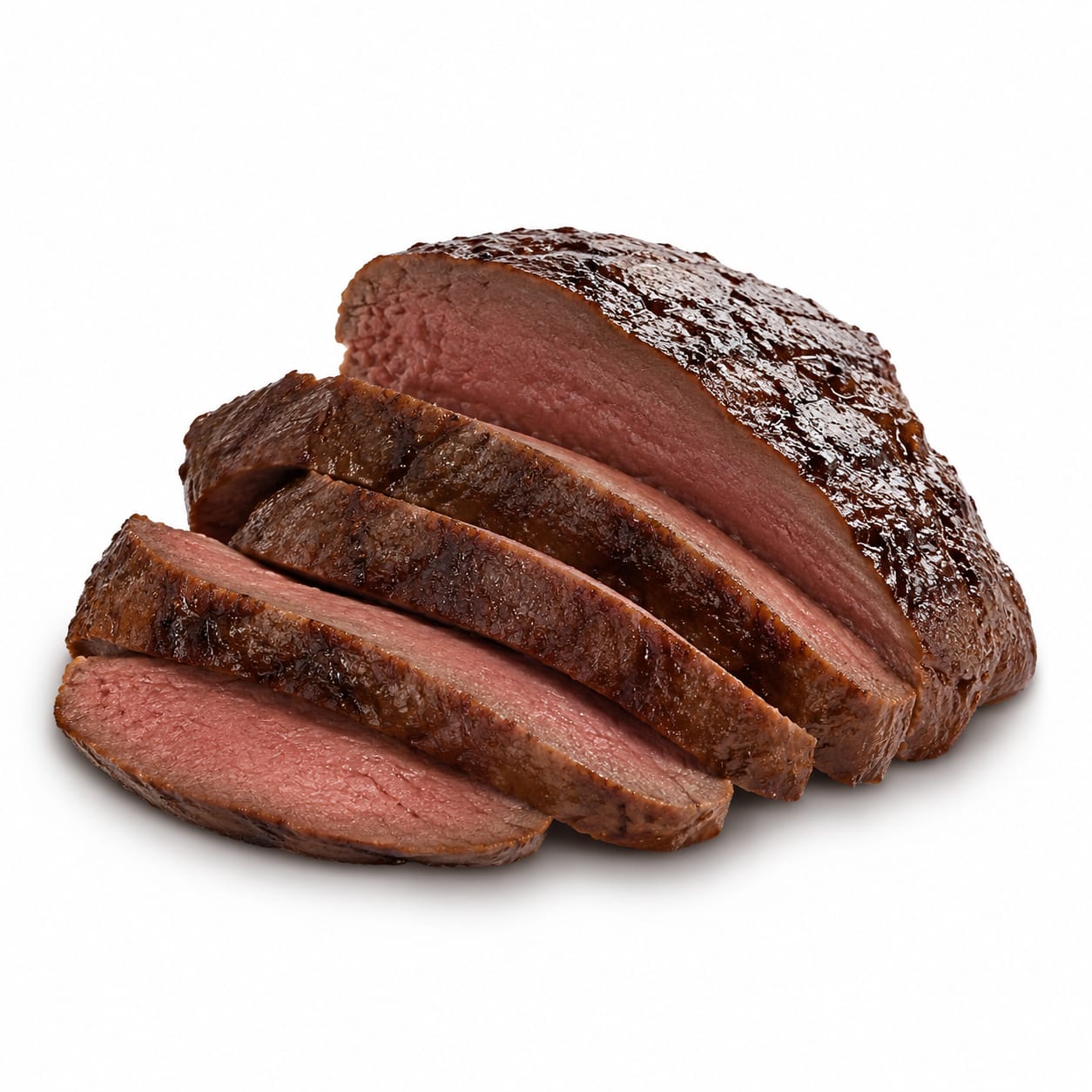
Venison
Venison delivers more protein per bite, far more iron, and better satiety, while pigeon offers a richer flavor experience in a smaller package.
Venison scores higher due to superior protein density, iron content, and practical versatility. Pigeon remains nutritionally strong but loses points on portion size limitations, availability, and lead contamination risk in wild-caught birds.
Venison wins on raw nutritional firepower and practicality, but pigeon provides a more concentrated, indulgent flavor with less commitment to a large portion.
At a glance
Executive summary
Overall
venison
Healthier
venison
More practical
venison
Daily use
venison
Key comparison lenses
protein quality and leanness
Both are exceptionally lean game meats prized for high-quality protein, making this the core nutritional comparison
food safety and contamination
Wild game carries unique risks including lead shot, parasites, and disease that differ significantly between birds and mammals
micronutrient density
Iron, B12, and zinc content vary substantially between avian and mammalian game meats
practical availability
Both are specialty meats with limited mainstream access, but availability differs notably
satiety and meal satisfaction
Portion size and eating experience differ greatly between a small bird and a large cut of red meat
Best choice for
Pigeon
- Adventurous eaters seeking rich, concentrated flavor
- Small-portion gourmet meals and dinner parties
- Those wanting iron without eating a large quantity of meat
- Culinary tradition exploration (French, Middle Eastern, Chinese cuisines)
Venison
- Athletes and muscle-builders needing high protein intake
- People managing iron deficiency or anemia
- Those following lean meat diets for weight loss
- Meal preppers wanting versatile, freezable protein
Least suitable for
Pigeon
- Those uncomfortable with eating small birds whole or partially intact
- People needing large protein portions in a single meal
- Diners concerned about lead shot exposure from wild birds
- Budget-conscious shoppers
Venison
- Those who find gamey flavors off-putting
- People with gout flares triggered by purine-rich red meat
- Diners wanting a quick-cooking protein (venison needs careful cooking)
- Those in regions with chronic wasting disease concerns
Deep comparison
Dimension by dimension
Each lens scores both foods and breaks down who each option suits.
- Dimension 1 · Priority 95venison
protein_density_and_quality
Pigeon · 72Venison · 92Venison packs roughly 30g protein per 100g versus pigeon's 22-24g, making it significantly more protein-dense per bite.
Tradeoff
Pigeon protein is still high-quality and complete, but you'd need nearly 50% more pigeon by weight to match venison's protein content.
Why it matters
For anyone tracking protein intake, venison gets you there faster with less food volume.
Real-world impact
A single venison steak easily covers half your daily protein needs. A pigeon breast covers about a quarter.
Pigeon
- Smaller appetites who want adequate protein without feeling stuffed
Better for
- Bodybuilders needing 40g+ protein per sitting
Worse for
Venison
- Athletes hitting higher protein targets
- Anyone trying to maximize protein per meal
Better for
- Those who prefer eating smaller amounts across more meals
Worse for
- Dimension 2 · Priority 88venison
fat_profile_and_leanness
Pigeon · 75Venison · 88Both are exceptionally lean, but venison typically contains less fat per serving with a slightly more favorable saturated-to-unsaturated ratio.
Tradeoff
Pigeon's marginally higher fat content contributes to its richer taste but adds a few extra calories per serving.
Why it matters
For heart-health conscious eaters, both are excellent choices compared to conventional meats, but venison edges ahead.
Real-world impact
Choosing either over beef or pork meaningfully reduces your saturated fat intake. The difference between them is small.
Pigeon
- Those who find very lean meats unpalatable and prefer some natural richness
Better for
- Those strictly limiting all dietary fat
Worse for
Venison
- Strict low-fat diet followers
- Calorie counters wanting maximum protein for minimum fat
Better for
- People who find ultra-lean meats dry and unsatisfying
Worse for
- Dimension 3 · Priority 85venison
micronutrient_density
Pigeon · 70Venison · 90Venison is an iron and B12 powerhouse, delivering roughly double the iron of pigeon and significantly more zinc.
Tradeoff
Pigeon still provides solid micronutrients, especially B vitamins, but cannot match the mineral density of a large mammal's muscle tissue.
Why it matters
Iron deficiency is common, and venison is one of the most efficient dietary sources available.
Real-world impact
A single venison serving can provide over 30% of daily iron needs. Pigeon covers about 15-18%.
Pigeon
- Those wanting B vitamins without heavy iron intake
Better for
- Those specifically targeting iron deficiency correction
Worse for
Venison
- Women with heavy menstrual cycles needing iron
- Anyone diagnosed with or at risk for iron deficiency
- Older adults needing B12 support
Better for
- People with hemochromatosis or iron overload conditions
Worse for
- Dimension 4 · Priority 90venison
food_safety_and_contamination
Pigeon · 55Venison · 65Both carry game-specific risks, but lead shot contamination in wild pigeon is a more established and harder-to-mitigate hazard than venison's concerns.
Tradeoff
Venison carries chronic wasting disease and parasite risks, but proper cooking and sourcing reduce these substantially. Lead fragments in pigeon are harder to detect and avoid.
Why it matters
Lead exposure even in small amounts affects neurological health, especially concerning for children and pregnant women.
Real-world impact
Farm-raised squab avoids the lead issue entirely but is expensive and harder to find. Wild venison from reputable sources with CWD testing is increasingly available.
Pigeon
- Diners who can source farm-raised squab consistently
Better for
- Families with young children eating wild-caught pigeon
- Pregnant women concerned about lead exposure
Worse for
Venison
- Those who can verify CWD-tested sources
- Hunters who properly process and freeze their own meat
Better for
- Anyone in CWD-endemic regions eating untested wild venison
Worse for
- Dimension 5 · Priority 75venison
satiety_and_meal_satisfaction
Pigeon · 60Venison · 82Venison provides a substantial, filling meal experience. Pigeon is more of an appetizer or delicacy that rarely satisfies alone.
Tradeoff
Pigeon's intensity makes it memorable in small amounts, but you'll likely need sides or additional courses to feel full.
Why it matters
Meals that actually fill you up reduce snacking and overeating later in the day.
Real-world impact
A venison steak dinner keeps you satisfied for hours. A pigeon dish often leaves you reaching for something else within two hours.
Pigeon
- Multi-course dining where small portions are intentional
- Those who prefer grazing over large meals
Better for
- Anyone eating a single-plate dinner
Worse for
Venison
- People who need one meal to carry them for hours
- Those trying to reduce between-meal snacking
Better for
- Light eaters who feel uncomfortable after large meat portions
Worse for
- Dimension 6 · Priority 72venison
practical_availability_and_cost
Pigeon · 40Venison · 60Neither is a supermarket staple, but venison has broader availability through specialty butchers, online retailers, and farm-raised options.
Tradeoff
Pigeon is genuinely difficult to find outside specialty markets and high-end restaurants, and when available, it commands premium pricing.
Why it matters
The healthiest food only matters if you can actually obtain and afford it regularly.
Real-world impact
Most people can find venison online or at a specialty butcher within reasonable effort. Finding pigeon often requires mail order or ethnic markets.
Pigeon
- Urban dwellers near well-stocked ethnic markets or French butchers
Better for
- Suburban shoppers with limited specialty market access
- Budget-conscious families
Worse for
Venison
- Rural residents near hunting communities
- Online shoppers wanting direct-to-door game meat delivery
- Those who want to buy in bulk and freeze
Better for
- Those who cannot afford the upfront cost of bulk game meat purchases
Worse for
- Dimension 7 · Priority 68venison
culinary_versatility
Pigeon · 50Venison · 75Venison works in stews, steaks, burgers, jerky, roasts, and stir-fries. Pigeon is mostly roasted or braised whole with limited applications.
Tradeoff
Pigeon's concentrated flavor is extraordinary in its few preparations, but venison adapts to nearly any cooking method or cuisine.
Why it matters
Versatility determines how often you'll actually cook with something rather than treating it as a one-time experience.
Real-world impact
Venison can replace beef in most recipes. Pigeon requires specific recipes and techniques to shine.
Pigeon
- Experienced cooks wanting to master a specific traditional preparation
- Those who value depth over breadth in cooking
Better for
- Beginner cooks unfamiliar with game bird preparation
- Anyone wanting quick, simple meal solutions
Worse for
Venison
- Home cooks wanting flexible weeknight protein options
- Meal preppers who want one meat for multiple recipes
- Those who enjoy experimenting with different cooking methods
Better for
- Those who only enjoy red meat in specific preparations
Worse for
Timeline
Health impact over time
Short-term
Hours to days
Pigeon
- High-quality protein supports muscle repair after exercise
- Rich flavor in small portions may satisfy cravings without overeating
- Iron and B vitamins provide a noticeable energy boost
- Small portion size may leave you hungry if eaten alone
Venison
- Substantial protein load promotes strong satiety for hours
- Significant iron intake can boost energy in deficient individuals
- Very low fat content may feel unsatisfying without added cooking fats
- High purine content can trigger gout symptoms in susceptible individuals
Long-term
Months to years
Pigeon
- Consistent lean protein intake supports healthy body composition
- Lead exposure from wild-caught birds may accumulate with frequent consumption
- B vitamin support benefits cardiovascular and nervous system health
- Limited availability makes consistent long-term consumption impractical for most
Venison
- Excellent for maintaining lean muscle mass during aging
- Superior iron intake supports prevention of anemia over time
- Very low saturated fat intake benefits heart health long-term
- CWD risk remains theoretical but warrants ongoing attention with wild-sourced meat
Risk profile
Safety & processing
Both pigeon and venison are among the most natural meats you can eat. Wild-caught versions live on natural diets with no antibiotics or hormones. Farm-raised squab and farmed venison may have slightly more controlled diets but still avoid the heavy processing of conventional livestock operations.
Pigeon
Lead shot contamination
highWild pigeon is commonly hunted with lead ammunition. Fragments can disperse throughout the meat and are difficult to detect or remove completely. Even small amounts of lead are harmful, especially to children and pregnant women.
Zoonotic disease from wild birds
mediumWild pigeons can carry pathogens including Salmonella and Campylobacter. Proper cooking eliminates most risk, but handling raw wild birds requires careful hygiene.
Environmental toxin accumulation
mediumUrban pigeons may accumulate heavy metals and environmental pollutants from their habitat and diet. Sourcing from clean rural environments significantly reduces this concern.
Venison
Chronic wasting disease
mediumCWD affects deer populations in parts of North America. While no human cases have been confirmed, health authorities recommend avoiding consumption of CWD-positive animals. Testing is available in many regions.
Parasites and tapeworm
mediumWild venison can carry Toxoplasma and tapeworm larvae. Freezing meat for at least 30 days at -4°F or cooking to 160°F effectively kills parasites.
Improper field dressing contamination
lowIf venison is not field-dressed properly, intestinal bacteria can contaminate the meat. Professional processing or experienced hunters minimize this risk substantially.
Who wins for whom
Audience fit
Same foods, different winners depending on your goal.
children
venisonLower contamination risk and higher iron content make venison more appropriate for growing children. Lead exposure risk from wild pigeon is especially concerning for pediatric neurological development.
daily consumption
venisonBetter availability, more cooking options, and larger portion flexibility make venison more realistic as a regular protein source.
diabetes
venisonBoth have zero carbohydrates and minimal impact on blood sugar, but venison's higher protein content provides steadier, longer-lasting satiety.
elderly
venisonSuperior B12 and iron content supports aging-related deficiencies, and the larger portion can be slow-cooked to tender texture for easier chewing.
muscle gain
venisonSignificantly more protein per serving and higher creatine content support muscle building more effectively.
weight loss
venisonHigher protein and lower fat per calorie make venison more satiating per serving, reducing the urge to overeat later.
Your move
Decision guide
Choose Pigeon
- You want an unforgettable dining experience with deep, concentrated flavor
- You're cooking a multi-course meal and need an impressive starter
- You can source farm-raised squab to avoid lead contamination concerns
- You enjoy exploring traditional French, Middle Eastern, or Chinese game bird cuisine
Choose Venison
- You need a practical, high-protein meat for regular meals
- Iron deficiency or anemia is a personal health concern
- You want versatile meat that works in dozens of recipes
- You can access CWD-tested venison from reputable sources
- You're meal prepping or cooking for a family
Either works if
- You're bored with conventional meats and want something more interesting
- You value extremely lean protein with no antibiotics or hormones
- You enjoy the connection to hunting and wild food traditions
- You want to reduce your environmental footprint from conventional livestock
Avoid both if
- You have severe gout and are sensitive to purine-rich meats
- You cannot verify safe sourcing for wild game in your area
- You are uncomfortable cooking or handling raw game meat
- You have alpha-gal syndrome and react to mammalian meat (avoid venison specifically)
Final recommendation
Venison is the stronger everyday choice for nutrition, safety, and practicality. Choose pigeon when the occasion calls for something special and you can source it safely. Both are outstanding alternatives to conventional meat that reward adventurous eating.
Practical
Consumer tips
- 1
If buying wild pigeon, ask your supplier about hunting methods. Steel shot eliminates lead concerns entirely.
- 2
Freeze wild venison for at least 30 days at -4°F or below to kill potential parasites before cooking.
- 3
Venison benefits from marinades and slow cooking to tenderize the very lean muscle. Overcooking makes it tough and dry.
- 4
Farm-raised squab (young pigeon) is the safest way to enjoy pigeon without lead contamination, though it costs significantly more.
- 5
Check your state or provincial wildlife agency for CWD testing information before consuming wild venison.
- 6
Both meats pair well with bold flavors like juniper, rosemary, and red wine, which complement their natural gaminess.
- 7
If new to game meats, start with venison loin or tenderloin cuts, which are the mildest and most approachable.