
Nutrition comparison
Pigeon vs Beef Sirloin: Nutrition, Health, and Taste Comparison
Compare Pigeon and Beef Sirloin side by side — protein, fat, heart health, environmental impact, and practicality. Find out which lean meat wins for your goals.
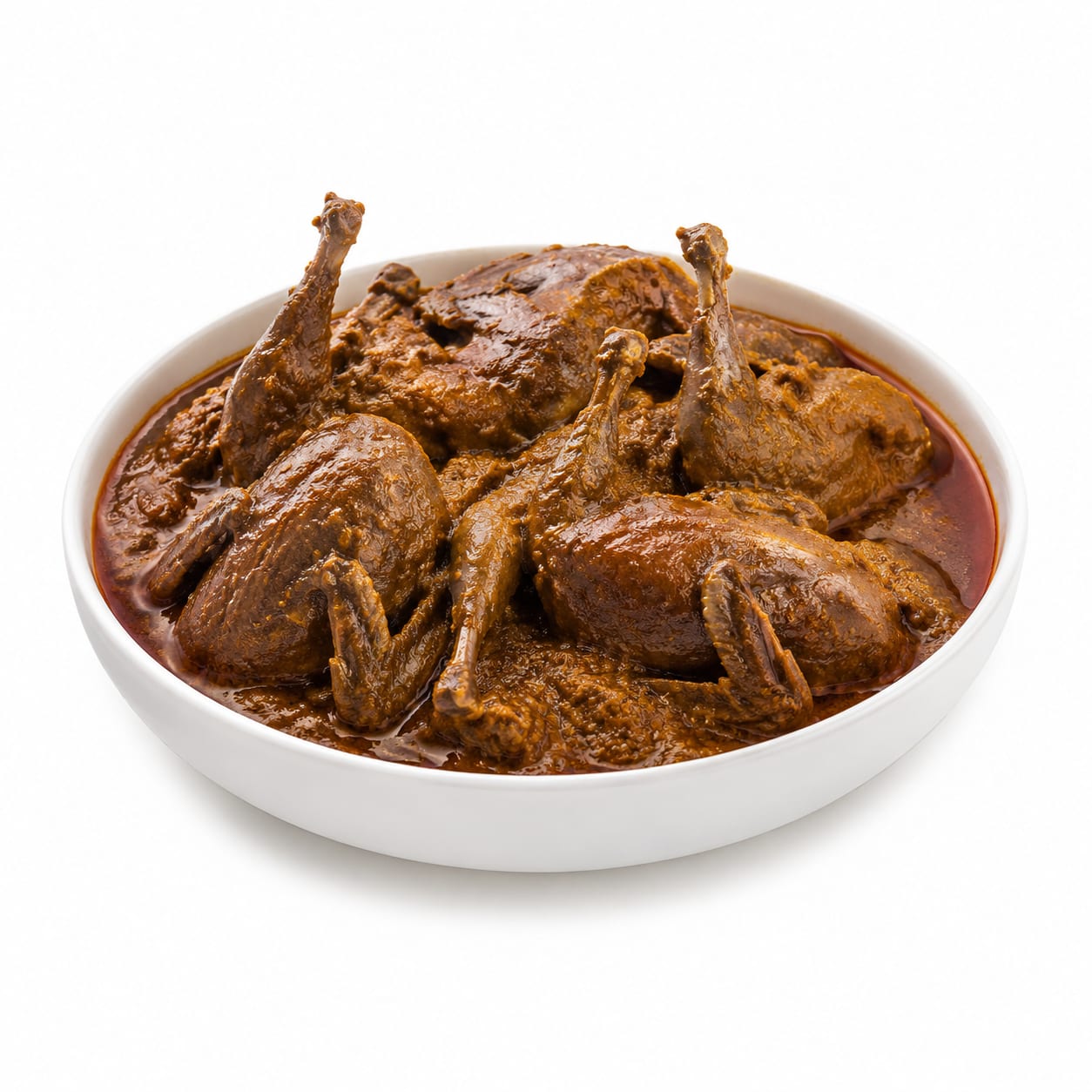
Pigeon
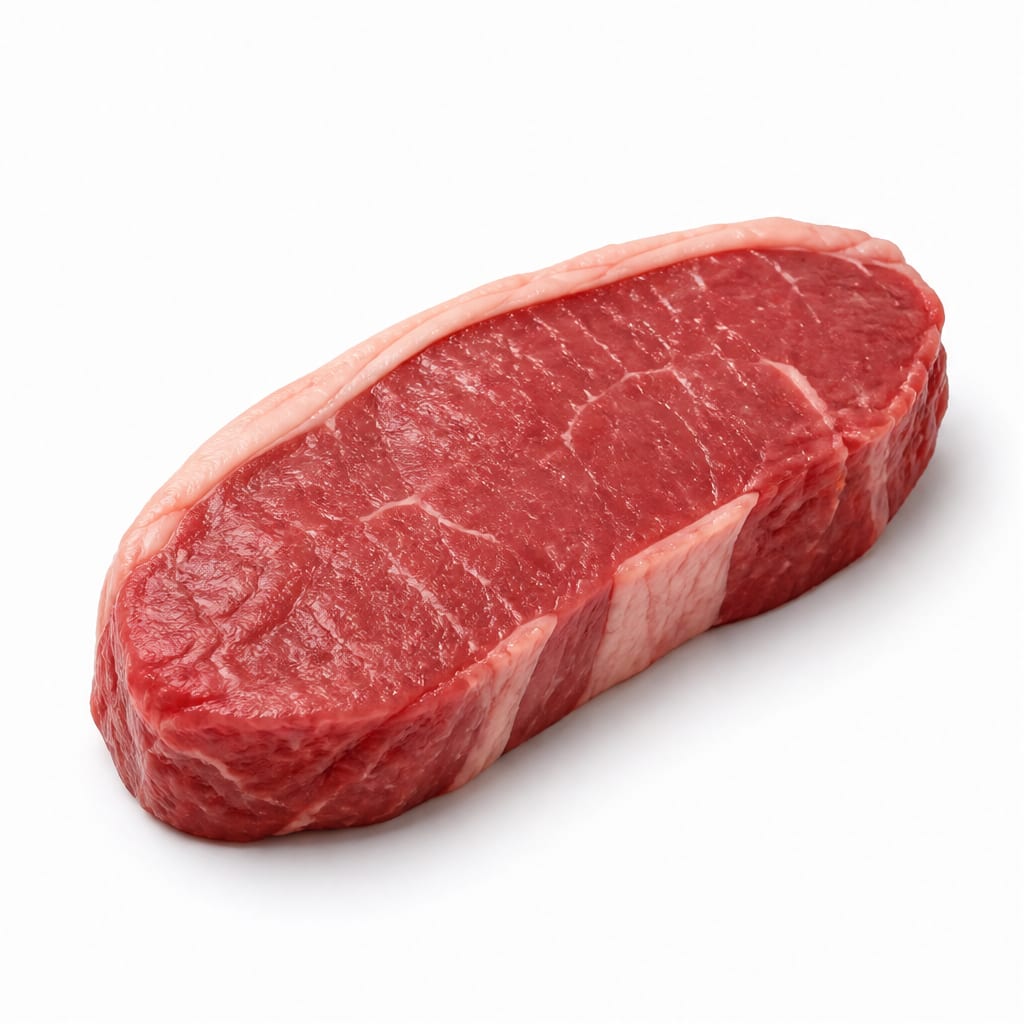
Beef Sirloin
Pigeon is leaner and more sustainable but hard to find; Beef Sirloin is convenient and nutrient-dense but higher in saturated fat
Pigeon scores higher on health and environmental dimensions but loses significantly on practicality and availability, making Beef Sirloin the more realistic daily choice despite its higher saturated fat content
You trade accessibility and cooking ease for a leaner, more environmentally friendly protein when you choose Pigeon over Beef Sirloin
At a glance
Executive summary
Overall
It depends
Healthier
Pigeon
More practical
Beef Sirloin
Daily use
Beef Sirloin
Key comparison lenses
lean protein vs accessible red meat
Users comparing these two are likely weighing a leaner, less common game bird against a familiar, widely available red meat staple
heart health and fat profile tradeoffs
Saturated fat and cholesterol differences are significant between lean game meat and standard beef cuts
environmental and sustainability concerns
Pigeon has a dramatically lower carbon footprint than beef, which matters to environmentally conscious eaters
practical availability and cooking familiarity
Beef sirloin is available everywhere; pigeon requires specialty sourcing and unfamiliar preparation
micronutrient density comparison
Both are rich in iron and B vitamins, but the specific profiles differ meaningfully
Best choice for
Pigeon
- People prioritizing heart health and low saturated fat intake
- Environmentally conscious eaters wanting lower carbon protein
- Adventurous cooks seeking lean game meat with rich flavor
- Those managing cholesterol who still want red meat satisfaction
Beef Sirloin
- Everyday home cooks needing reliable, available protein
- Athletes needing high heme iron and creatine for performance
- Families wanting familiar, kid-friendly meal options
- Budget-conscious shoppers comparing cost per gram of protein
Least suitable for
Pigeon
- People who need quick, easy weeknight meals
- Anyone uncomfortable cooking or handling game birds
- Those living where specialty meats are unavailable
- Children who are picky about unfamiliar foods
Beef Sirloin
- People strictly limiting saturated fat for heart conditions
- Those concerned about red meat and colorectal cancer risk
- Environmentally motivated eaters avoiding high-carbon foods
- Anyone tracking cholesterol closely
Deep comparison
Dimension by dimension
Each lens scores both foods and breaks down who each option suits.
- Dimension 1 · Priority 95Pigeon
Fat Profile and Heart Health
Pigeon · 85Beef Sirloin · 58Pigeon is significantly leaner with far less saturated fat, making it easier on your cardiovascular system
Tradeoff
Beef Sirloin provides more satisfying mouthfeel from fat but carries more heart health risk with regular consumption
Why it matters
Saturated fat directly impacts LDL cholesterol, and replacing high-sat-fat meats with leaner options is one of the most impactful dietary changes for heart health
Real-world impact
Choosing Pigeon over Beef Sirloin a few times a week could meaningfully lower your saturated fat intake without sacrificing protein
Pigeon
- Heart health conscious eaters
- People with elevated LDL cholesterol
- Anyone reducing saturated fat without going vegetarian
Better for
- Those who find very lean meat dry and unappealing
Worse for
Beef Sirloin
- Those who find lean meats unsatisfying and end up overeating
- People who need calorie-dense meals for weight maintenance
Better for
- Anyone with existing heart disease risk factors
- People whose doctor recommended reducing red meat
Worse for
- Dimension 2 · Priority 90Beef Sirloin
Protein Quality and Muscle Support
Pigeon · 80Beef Sirloin · 88Beef Sirloin edges ahead with slightly higher protein density, more creatine, and a well-studied amino acid profile for muscle building
Tradeoff
Pigeon still delivers excellent protein but has less creatine and slightly lower total protein per serving
Why it matters
For active people and athletes, the difference in creatine and leucine content can affect recovery and muscle growth over time
Real-world impact
After a heavy workout, Beef Sirloin gives you a slightly more anabolic protein hit, though both are solid choices
Pigeon
- Lean muscle seekers who also want heart benefits
- Older adults needing protein without excess saturated fat
Better for
- Competitive bodybuilders chasing maximum creatine intake
Worse for
Beef Sirloin
- Strength athletes optimizing for muscle gain
- Anyone in a bulk phase prioritizing protein density
Better for
- Those who need high protein but must limit saturated fat
Worse for
- Dimension 3 · Priority 85Beef Sirloin
Iron and Micronutrient Density
Pigeon · 74Beef Sirloin · 86Beef Sirloin delivers more heme iron and substantially more B12 per serving, making it a stronger choice for preventing deficiencies
Tradeoff
Pigeon still provides good iron and B vitamins but not at the same concentrated levels as beef
Why it matters
Heme iron from red meat is absorbed 2-3x better than plant iron, and B12 deficiency is common especially in older adults
Real-world impact
If you are prone to low iron or B12, Beef Sirloin is one of the most efficient ways to replenish stores through food
Pigeon
- People getting enough iron from other sources who want leaner protein
Better for
- Those relying on a single meat source to fix iron deficiency
Worse for
Beef Sirloin
- Women with heavy periods needing iron replenishment
- Older adults at risk for B12 deficiency
- Anyone recovering from anemia
Better for
- People with hemochromatosis or iron overload concerns
Worse for
- Dimension 4 · Priority 82Pigeon
Environmental Sustainability
Pigeon · 88Beef Sirloin · 38Pigeon has a dramatically lower carbon footprint, requiring far less land, water, and feed than beef production
Tradeoff
Beef Sirloin is produced at industrial scale making it cheap and available, but the environmental cost is substantial
Why it matters
Beef is among the most carbon-intensive foods you can eat; even occasional substitution with lower-impact meats makes a real difference
Real-world impact
Swapping one Beef Sirloin meal per week for Pigeon could reduce your dietary carbon footprint noticeably over a year
Pigeon
- Climate-conscious eaters
- Anyone trying to reduce their food-related emissions
Better for
- Anyone where pigeon farming is not established locally
Worse for
Beef Sirloin
- Those without access to alternative proteins
- People prioritizing personal nutrition over environmental impact
Better for
- Environmentally motivated consumers tracking their carbon footprint
Worse for
- Dimension 5 · Priority 80Beef Sirloin
Practicality and Availability
Pigeon · 30Beef Sirloin · 92Beef Sirloin is available in every grocery store and familiar to every cook; Pigeon requires specialty sourcing and unfamiliar preparation
Tradeoff
You pay for convenience with higher saturated fat, but most people simply cannot access Pigeon regularly
Why it matters
The healthiest food is the one you can actually buy, cook, and eat consistently — availability often trumps nutritional superiority
Real-world impact
On a busy Tuesday night, Beef Sirloin is a realistic dinner; Pigeon requires planning, sourcing, and recipe research most people will not do
Pigeon
- Home cooks who enjoy sourcing specialty ingredients
- People with access to game butchers or farmers markets
Better for
- Anyone living in areas without game meat availability
- People who need to meal prep on Sundays from one grocery trip
Worse for
Beef Sirloin
- Busy families needing reliable weeknight protein
- Anyone without specialty butcher access
- Meal preppers who buy in bulk at standard grocery stores
Better for
- Those who want to explore more sustainable and diverse protein sources
Worse for
- Dimension 6 · Priority 75Beef Sirloin
Satiety and Meal Satisfaction
Pigeon · 68Beef Sirloin · 82Beef Sirloin keeps you fuller longer thanks to its higher fat content and denser calorie profile
Tradeoff
Pigeon is satisfying in flavor but its leanness means you may feel hungry sooner after eating it
Why it matters
Meals that keep you full reduce snacking and overeating later, which matters more than most people realize for weight management
Real-world impact
A Beef Sirloin dinner likely carries you to breakfast; a Pigeon dinner may leave you reaching for a snack by 10pm
Pigeon
- Those who prefer lighter evening meals
- People controlling portions who want rich flavor without heaviness
Better for
- Those who find lean meats leave them unsatisfied
Worse for
Beef Sirloin
- Anyone doing physical labor who needs lasting energy
- People who struggle with late-night hunger
Better for
- People who feel sluggish after heavy, fatty meals
Worse for
- Dimension 7 · Priority 72Pigeon
Inflammatory Potential
Pigeon · 76Beef Sirloin · 55Pigeon's lower saturated fat and game-meat profile makes it less likely to promote systemic inflammation compared to regular beef consumption
Tradeoff
Beef Sirloin is not inherently inflammatory in moderation, but frequent red meat consumption is linked to higher inflammatory markers
Why it matters
Chronic low-grade inflammation underlies many diseases and is influenced by dietary fat quality more than most people account for
Real-world impact
If you have joint pain, autoimmune tendencies, or just feel sluggish after heavy meals, Pigeon may sit lighter in your body
Pigeon
- People with inflammatory conditions like arthritis
- Those who notice they feel better on leaner meats
Better for
- Those who do not notice any difference in how meats make them feel
Worse for
Beef Sirloin
- Healthy active people without inflammation concerns
Better for
- People managing chronic inflammation through diet
Worse for
Timeline
Health impact over time
Short-term
Hours to days
Pigeon
- Lighter post-meal feeling with less digestive heaviness
- Quick protein satisfaction without the sluggishness fatty meats can cause
- Rich umami flavor that feels indulgent despite being lean
Beef Sirloin
- Longer-lasting fullness that reduces between-meal snacking
- More sustained energy from higher fat content
- Possible heavier feeling if portions are large or fat content is high
Long-term
Months to years
Pigeon
- Lower cumulative saturated fat intake supports heart health over decades
- Reduced exposure to compounds formed in well-done red meat cooking
- More dietary diversity from incorporating game meats into rotation
Beef Sirloin
- Consistent high heme iron intake may increase oxidative stress if overconsumed
- Regular red meat consumption linked to elevated colorectal cancer risk in large studies
- Excellent B12 and iron status prevents deficiency-related fatigue and cognitive decline
Risk profile
Safety & processing
Both Pigeon and Beef Sirloin are whole, minimally processed meats when purchased as raw cuts, though Beef Sirloin from conventional supply chains may carry more antibiotic and hormone residues
Pigeon
Wild game contamination
mediumPigeon, especially wild-caught, may carry environmental contaminants, lead shot residues, or parasites that require thorough cooking
Limited regulatory oversight
mediumGame meats face less standardized inspection than USDA-regulated beef, so sourcing from reputable suppliers matters more
Beef Sirloin
Antibiotic and hormone residues
mediumConventionally raised beef may contain residual antibiotics and growth hormones; choosing grass-fed or organic reduces this concern
Heme iron overexposure
lowWhile beneficial in moderation, consistently high heme iron intake from frequent beef consumption may promote oxidative damage over time
Cooking-derived carcinogens
mediumHigh-heat cooking of Beef Sirloin can produce heterocyclic amines and polycyclic aromatic hydrocarbons linked to cancer risk
Who wins for whom
Audience fit
Same foods, different winners depending on your goal.
children
Beef SirloinBeef Sirloin's familiar taste, widespread availability, and high iron and B12 content make it more practical and palatable for kids
daily consumption
Beef SirloinDespite higher saturated fat, Beef Sirloin's availability and familiarity make it the more realistic daily protein source for most people
diabetes
PigeonBoth are zero-carb, but Pigeon's lower saturated fat content is better for the cardiovascular risks that accompany diabetes
elderly
PigeonOlder adults benefit from Pigeon's lean profile for heart health while still getting quality protein to prevent sarcopenia
muscle gain
Beef SirloinBeef Sirloin provides more total protein, creatine, and calories per serving, supporting muscle growth more effectively
weight loss
PigeonPigeon's lower calorie density and fat content make it easier to maintain a caloric deficit while still enjoying satisfying meat
Your move
Decision guide
Choose Pigeon
- You want lean protein with lower heart health risk
- Environmental impact matters in your food choices
- You enjoy cooking and exploring less common meats
- Your doctor recommended reducing saturated fat intake
- You have access to a reliable game meat supplier
Choose Beef Sirloin
- You need convenient, available protein for regular meals
- Athletic performance and muscle gain are top priorities
- You are managing iron or B12 deficiency
- You cook for a family that prefers familiar foods
- Budget and accessibility are primary concerns
Either works if
- You simply want high-quality complete protein from animal sources
- You rotate between multiple protein sources throughout the week
- Both fit within your saturated fat and calorie budget
Avoid both if
- You are following a plant-based or vegetarian diet
- You have gout and need to limit purine-rich meats
- Your doctor has advised eliminating red meat entirely due to cardiovascular risk
Final recommendation
Use Pigeon as an occasional lean alternative when you can source it, and rely on Beef Sirloin for everyday meals — but keep portions moderate and trim visible fat to balance heart health with practicality
Practical
Consumer tips
- 1
If choosing Beef Sirloin, opt for grass-fed when possible to get a better omega-3 to omega-6 ratio and avoid antibiotic residues
- 2
If cooking Pigeon, avoid overcooking — its leanness makes it dry out quickly; medium-rare to medium is ideal
- 3
Marinate Beef Sirloin before high-heat cooking to reduce carcinogen formation by up to 90 percent
- 4
Rotate between Pigeon, Beef Sirloin, fish, and poultry to get diverse nutrient profiles without overloading on any single meat's downsides
- 5
If Pigeon is unavailable, other lean game birds like quail or cornish hen offer similar nutritional benefits with slightly better availability