
Poultry Egg
Pheasant Egg
A small, protein-rich game bird egg with a large yolk and rich flavor.
A small, nutrient-dense egg with a larger yolk-to-white ratio than chicken eggs, offering a rich flavor and high-quality protein.
protein-dense animal food
Typical serving · 30g
Common varieties · common pheasant, ring-necked pheasant, melanistic pheasant, golden pheasant
Overall context score across nutrition, safety, and diet fit
At a glance
Quick facts
Simple indicators based on nutrition, processing, and diet fit.
The story
What makes it unique
Pheasant eggs contain a complete amino acid profile and a high lipid fraction concentrated in the yolk, providing fat-soluble vitamins. Digestion is moderate due to the protein and fat matrix, resulting in strong satiety. They are minimally processed whole foods with negligible carbohydrates.
Varieties: common pheasant · ring-necked pheasant · melanistic pheasant · golden pheasant
Per 100g
Nutrition breakdown
Macro balance and key metrics at a glance.
Energy
Density 1.45 kcal/g
Protein
Carbs
Fat
Fiber
Sugar
0 g
Sodium
140 mg
Potassium
140 mg
Glycemic index
0
Glycemic load
0
Water content
75%
Standout compounds
Nutrient highlights
Protein
highSupports muscle growth and cellular repair
Vitamin B12
highEssential for nerve function and red blood cell formation
Choline
highCrucial for brain health and cell membrane integrity
Selenium
moderateActs as an antioxidant and supports thyroid function
Wellness map
Health scores & processing
NOVA processing scale
unprocessed · Whole food
Whole food in its natural state, requiring only basic cooking to be consumed safely.
Diet compatibility
- Weight loss
- Muscle gain
- Diabetes
- Gut health
- Low carb
- High protein
- Heart health
Relative standing
Food rankings
Qualitative ranks compared to similar whole foods.
- Satietygood
- Blood sugarexcellent
- Nutrient densityexcellent
- Fitness fuelgood
- Processing qualityexcellent
Eat with confidence
Food safety profile
Primary risk is bacterial contamination like Salmonella. Cooking thoroughly eliminates this risk. Farmed pheasant eggs follow similar safety profiles to chicken eggs.
Evidence confidence 85%
- Pesticideslow
- Antibioticslow
- Heavy metalslow
- Contaminationmoderate
Watch for
- Salmonella
- Campylobacter
Safer choices
Farm-raised pheasant eggs from reputable sources with strict biosecurity.
Prep tips
Wash shells before cracking and cook until both the yolk and white are firm to kill potential bacteria.
Less regulated than commercial chicken eggs; wild-foraged eggs may have environmental contaminant exposure.
Deep dive
Health analysis
How this food may fit different goals and preparation choices.
Weight loss
High protein and fat content promotes satiety, but caloric density requires portion awareness.
Blood sugar
Virtually zero carbohydrates result in no glycemic spike, making it highly blood sugar friendly.
Fitness & energy
Excellent source of complete protein for muscle repair, though low in carbohydrates for immediate glycogen replenishment.
Gut health
Easily digestible protein but lacks dietary fiber, so it does not directly support gut microbiome diversity.
Processing quality
A whole, unprocessed food with no added ingredients.
Food safety
Must be cooked thoroughly to mitigate bacterial contamination risk, similar to standard poultry eggs.
Common mistakes
Overcooking the delicate yolk, which can diminish the bioavailability of fat-soluble vitamins.
Best preparation
Soft-boiling or poaching preserves the nutrient density of the yolk while ensuring the white is cooked.
Practical guide
Best use cases
When and how this food fits real eating patterns.
Keto breakfast
High fat and protein with zero carbs fits ketogenic macros perfectly.
Gourmet cooking
Unique presentation and rich flavor elevate dishes like salads or appetizers.
Post-workout recovery
Complete amino acid profile supports muscle repair and satiety.
Balance sheet
Pros & cons
Upsides
- Rich, concentrated flavor from large yolk
- Complete, high-quality protein source
- Zero carbohydrates, no glycemic impact
- Rich in B-vitamins and choline
- Unprocessed whole food
Trade-offs
- Higher cholesterol per gram than chicken eggs
- More expensive and harder to find
- Risk of bacterial contamination if undercooked
- Small size makes prep tedious for large meals
Fit check
Who is it for?
Great match
- low-carb and ketogenic diets
- high-protein meal prep
- gourmet and decorative cooking
Consider alternatives
- strict low-cholesterol diets
- vegan or plant-based lifestyles
- budget-friendly bulk eating
Side by side
How it compares
Open the full head-to-head analysis for nutrition, safety, and practical tradeoffs.
This food
Pheasant Egg
VS95% alike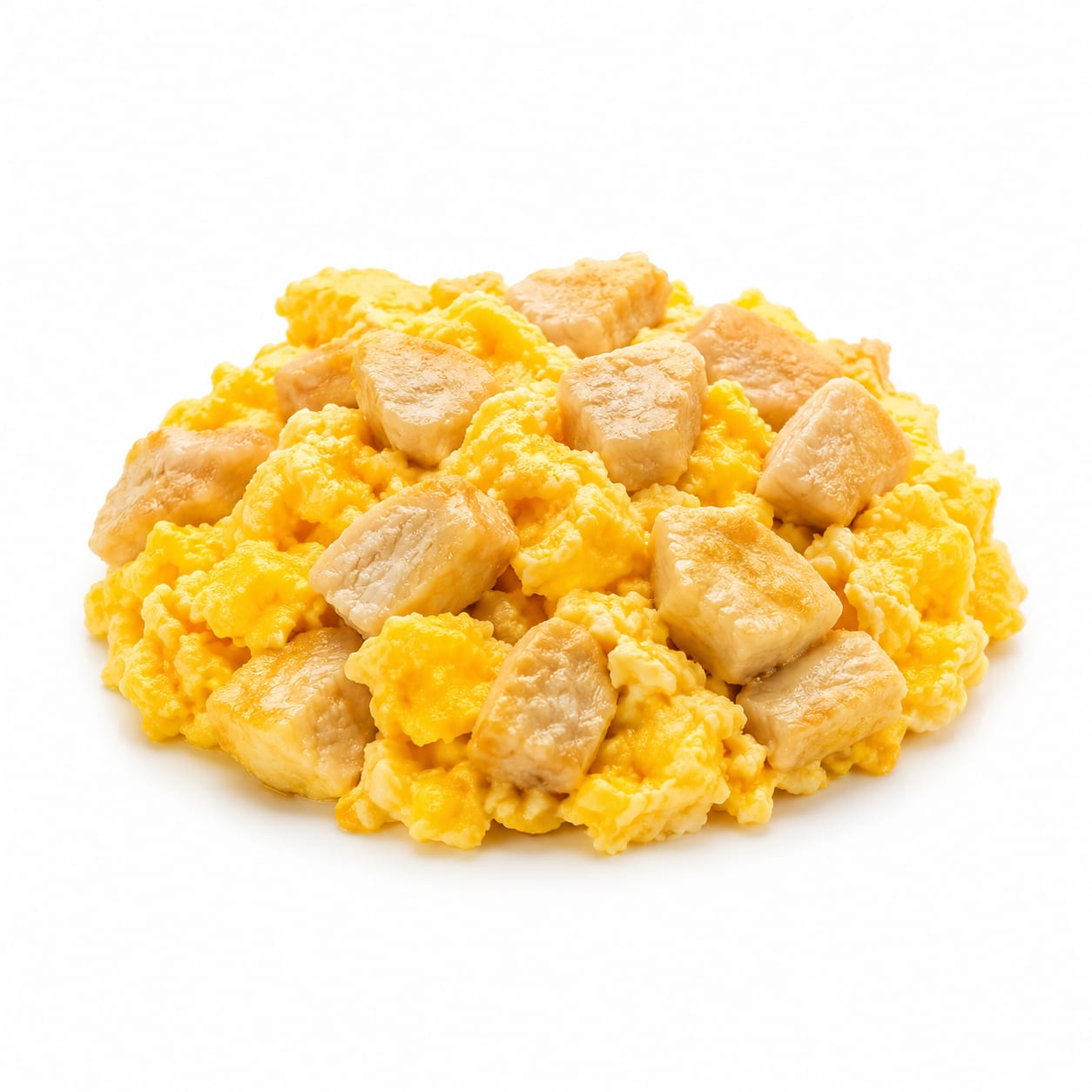
Compare with
Chicken Egg
Pheasant eggs have a larger yolk ratio, making them richer and higher in fat and cholesterol per gram than chicken eggs.
Pheasant eggs offer a richer flavor and more fat-soluble vitamins due to a larger yolk, while chicken eggs are lower in cholesterol and easier to portion for weight loss.
This food
Pheasant Egg
VS90% alike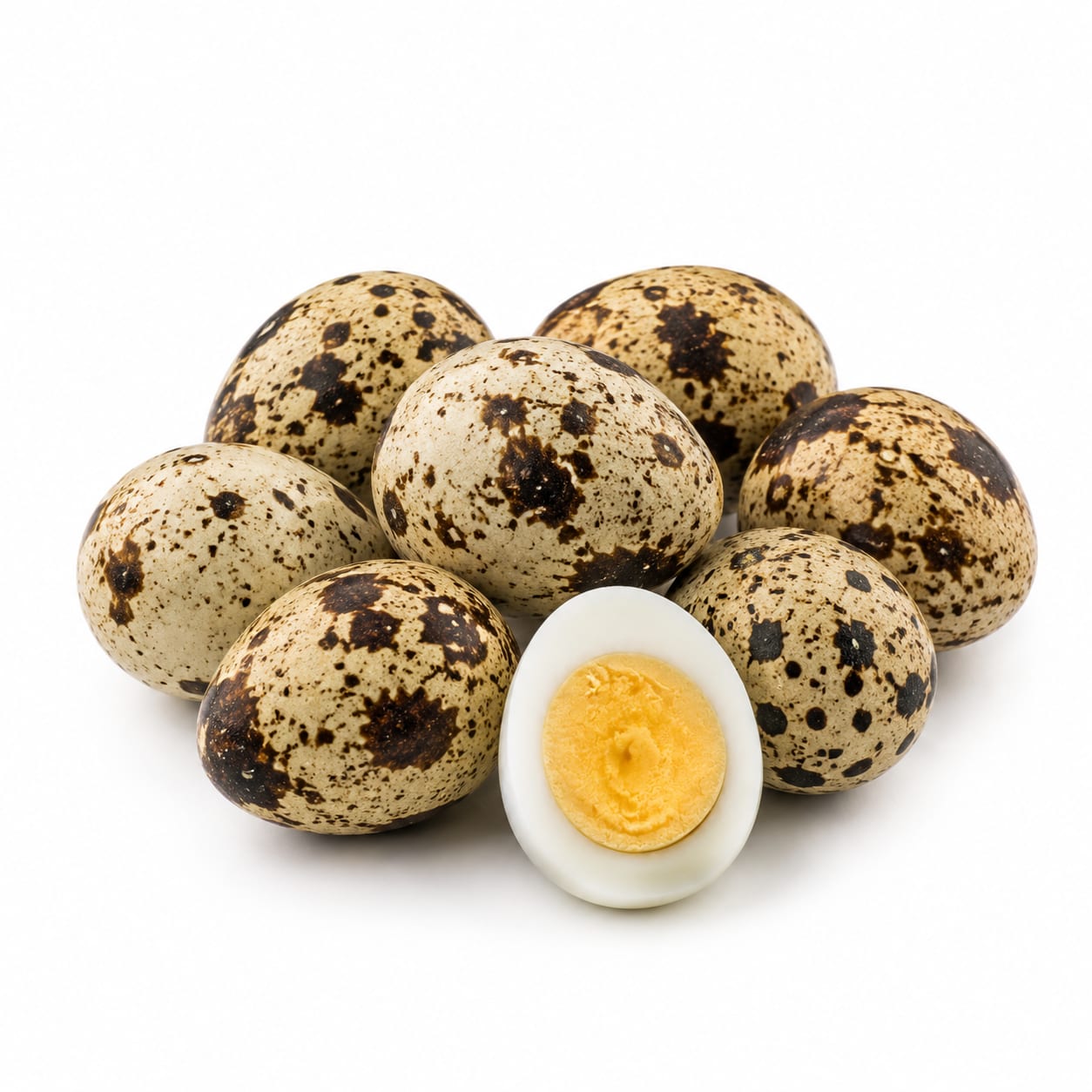
Compare with
Quail Egg
Quail eggs are even smaller and slightly lower in fat per gram compared to pheasant eggs.
Pheasant eggs provide more fat and satiety per egg, while quail eggs are slightly lighter and lower in calories per gram.
This food
Pheasant Egg
VS85% alike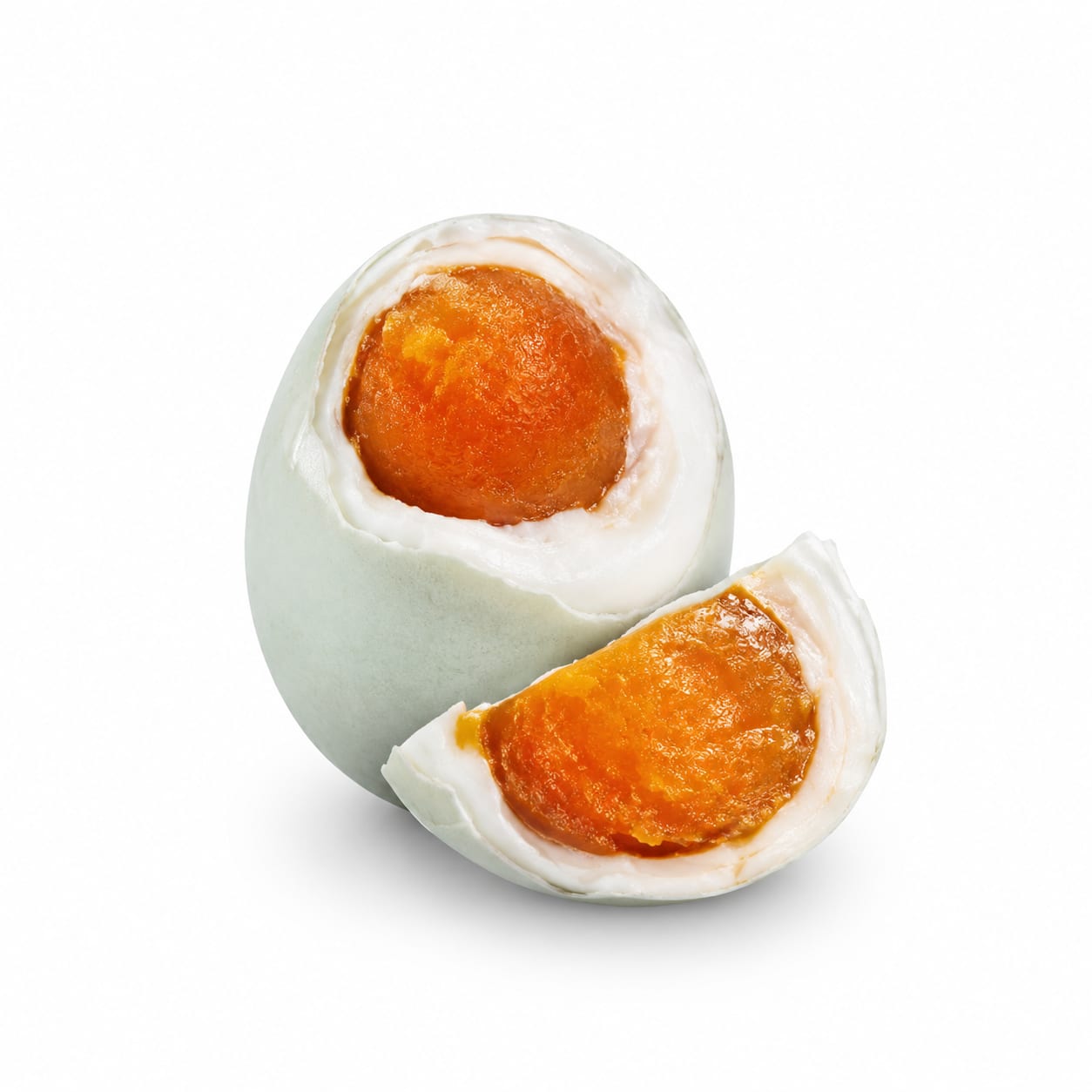
Compare with
Duck Egg
Duck eggs are much larger and higher in overall calories, fat, and protein compared to pheasant eggs.
Duck eggs are larger and higher in protein and fat for serious muscle gain, while pheasant eggs are lower in calories for weight management.
This food
Pheasant Egg
VS80% alike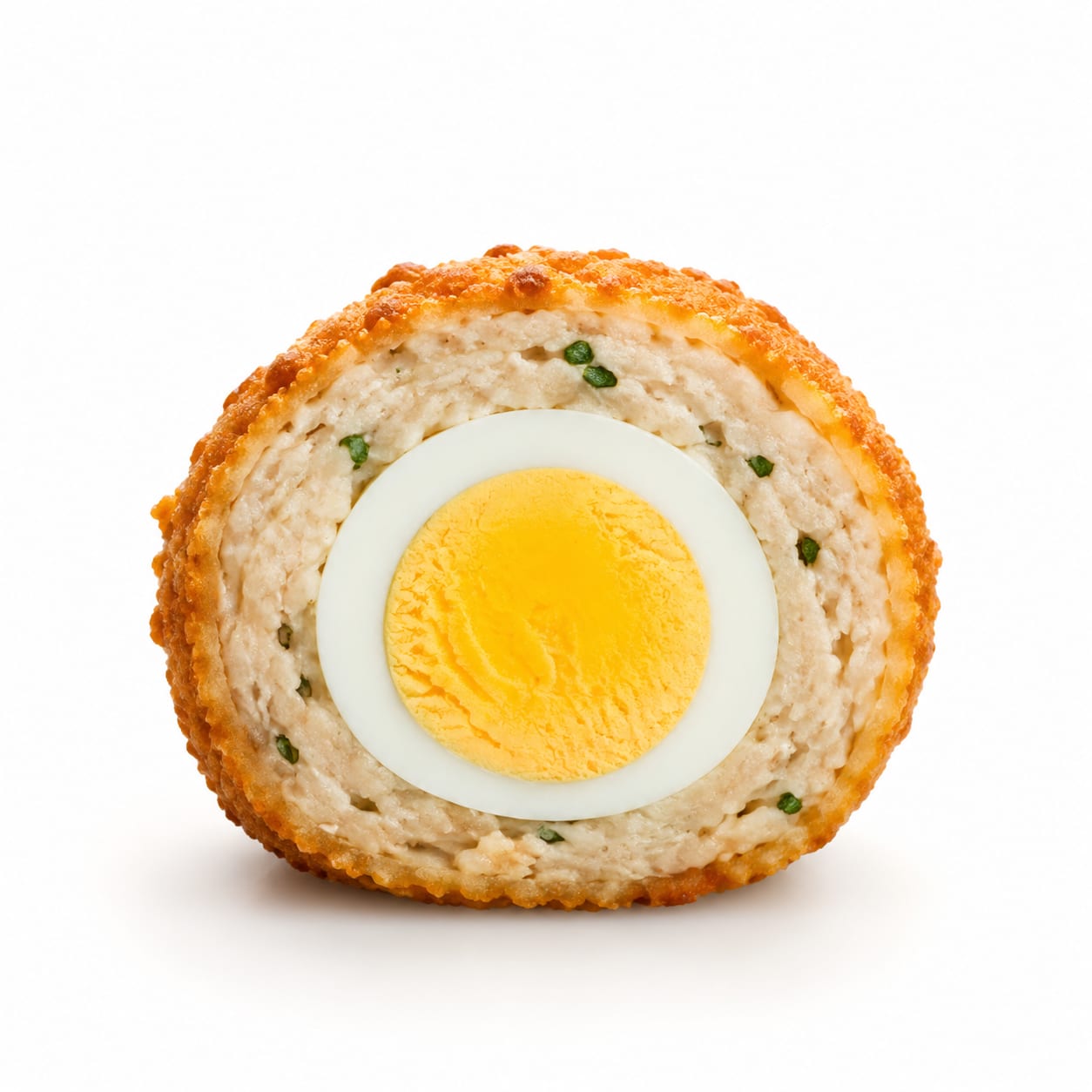
Compare with
Turkey Egg
Turkey eggs are larger with a similar macronutrient profile but are much rarer in retail markets.
Turkey eggs offer more protein per egg due to size, but pheasant eggs are easier to find and offer better portion control for low-carb diets.
This food
Pheasant Egg
VS75% alike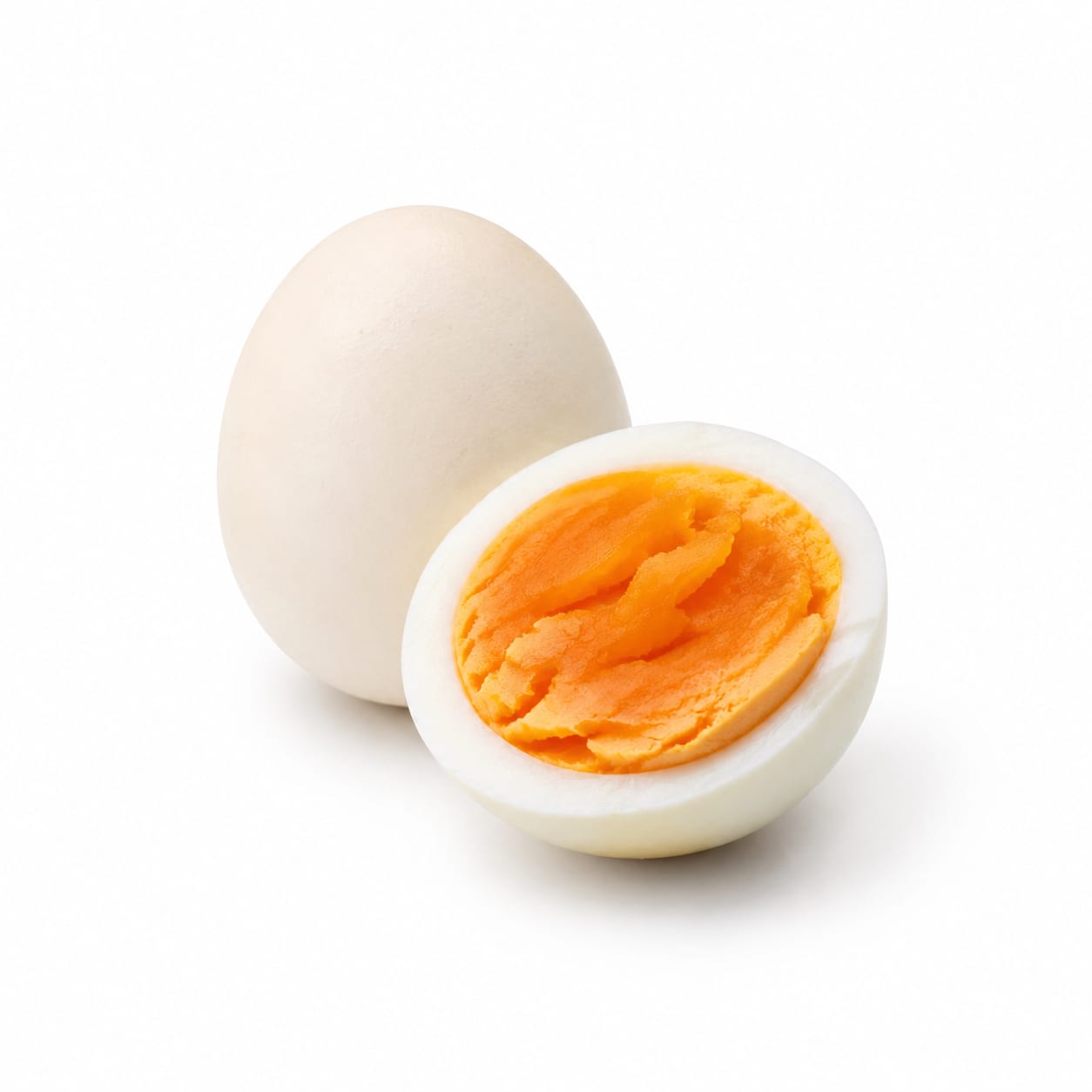
Compare with
Goose Egg
Goose eggs are massive, containing about three times the calories and fat of a chicken egg, far exceeding pheasant eggs.
Goose eggs provide massive protein and fat content for heavy bulking, while pheasant eggs are a lighter, portion-friendly alternative.
This food
Pheasant Egg
VS65% alike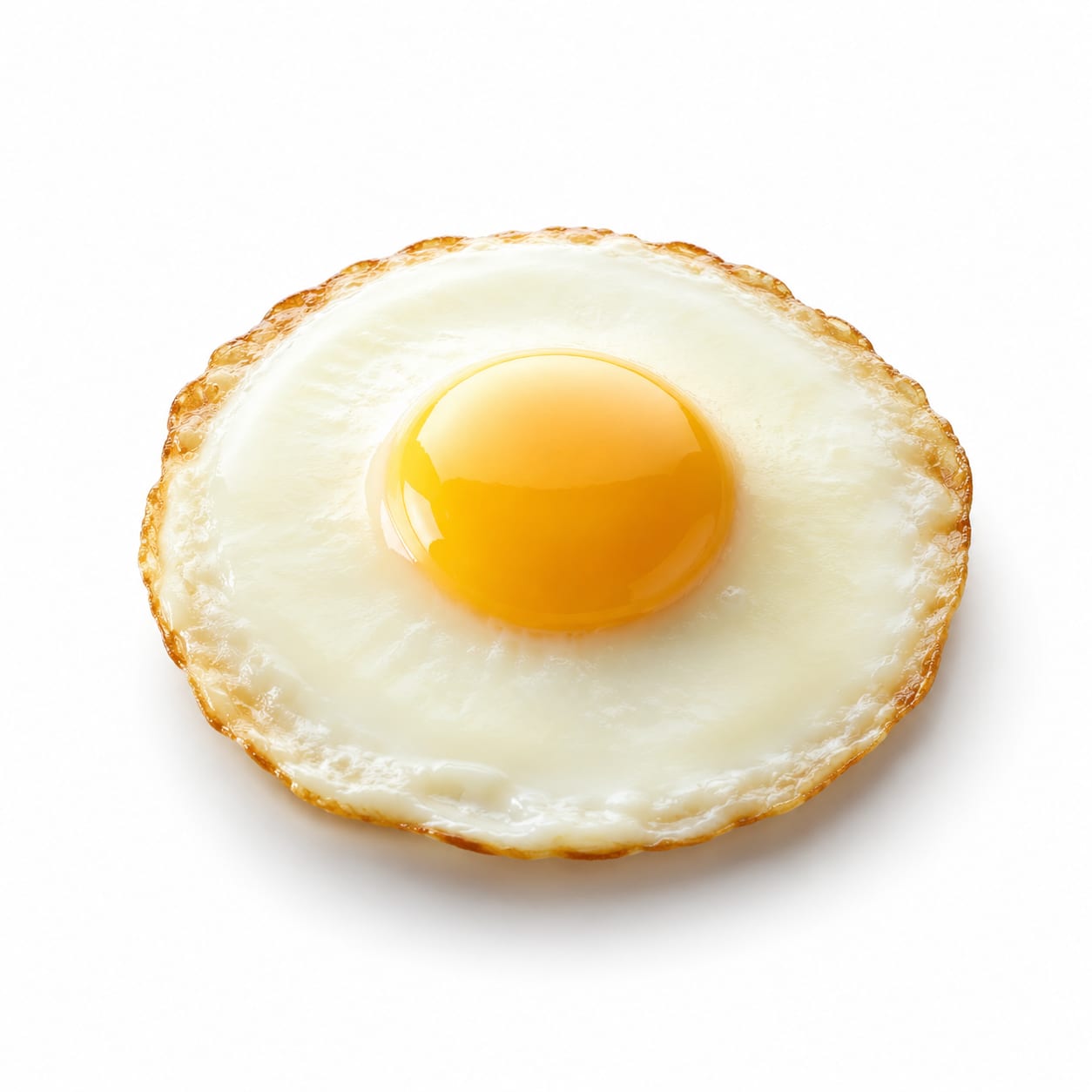
Compare with
Ostrich Egg
A single ostrich egg equals roughly two dozen chicken eggs, making it impractical for single servings unlike pheasant eggs.
Ostrich eggs are an extreme protein source equivalent to 24 chicken eggs, whereas pheasant eggs are perfect for single-serve low-carb meals.
This food
Pheasant Egg
VS50% alike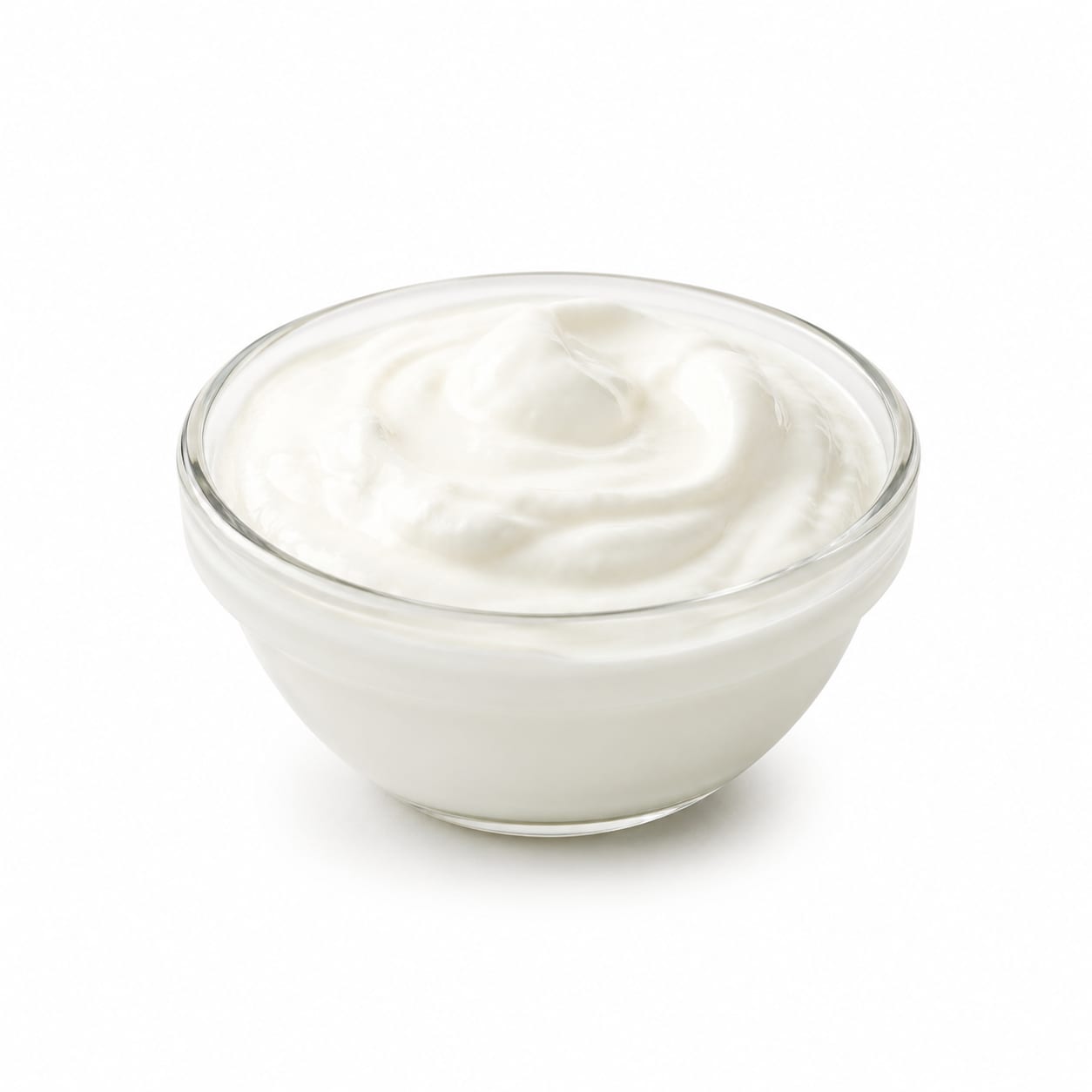
Compare with
Greek Yogurt
Greek yogurt provides faster-digesting protein and probiotics, while pheasant eggs offer zero carbs and higher fat-soluble vitamins.
Greek yogurt is lower in calories and better for quick post-workout digestion, while pheasant eggs are zero-carb and better for strict keto diets.
This food
Pheasant Egg
VS50% alike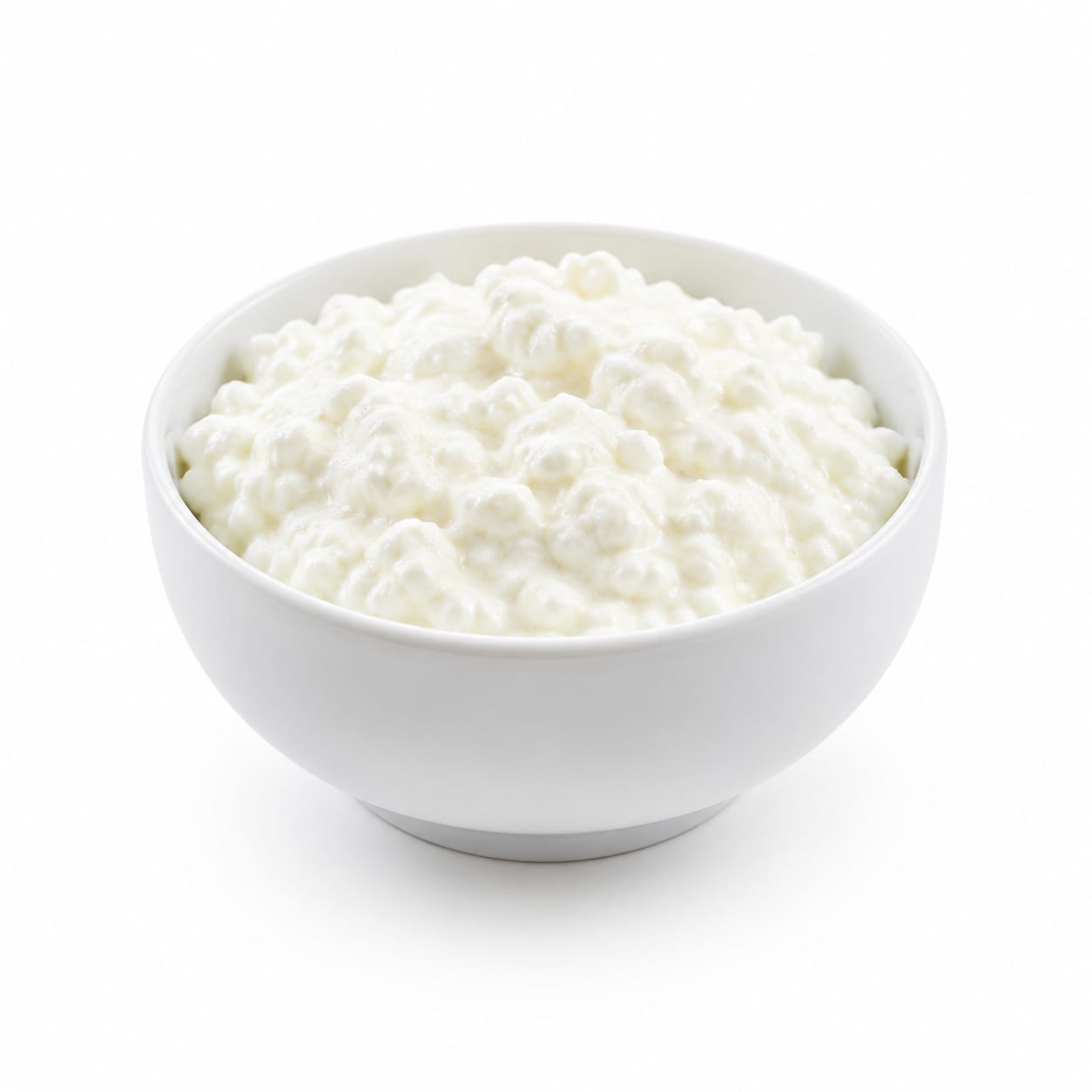
Compare with
Cottage Cheese
Cottage cheese provides casein protein for slow digestion, whereas pheasant eggs offer a balanced fat-to-protein ratio.
Cottage cheese is lower in calories and high in slow-digesting casein, while pheasant eggs are zero-carb and richer in vitamins.
This food
Pheasant Egg
VS40% alike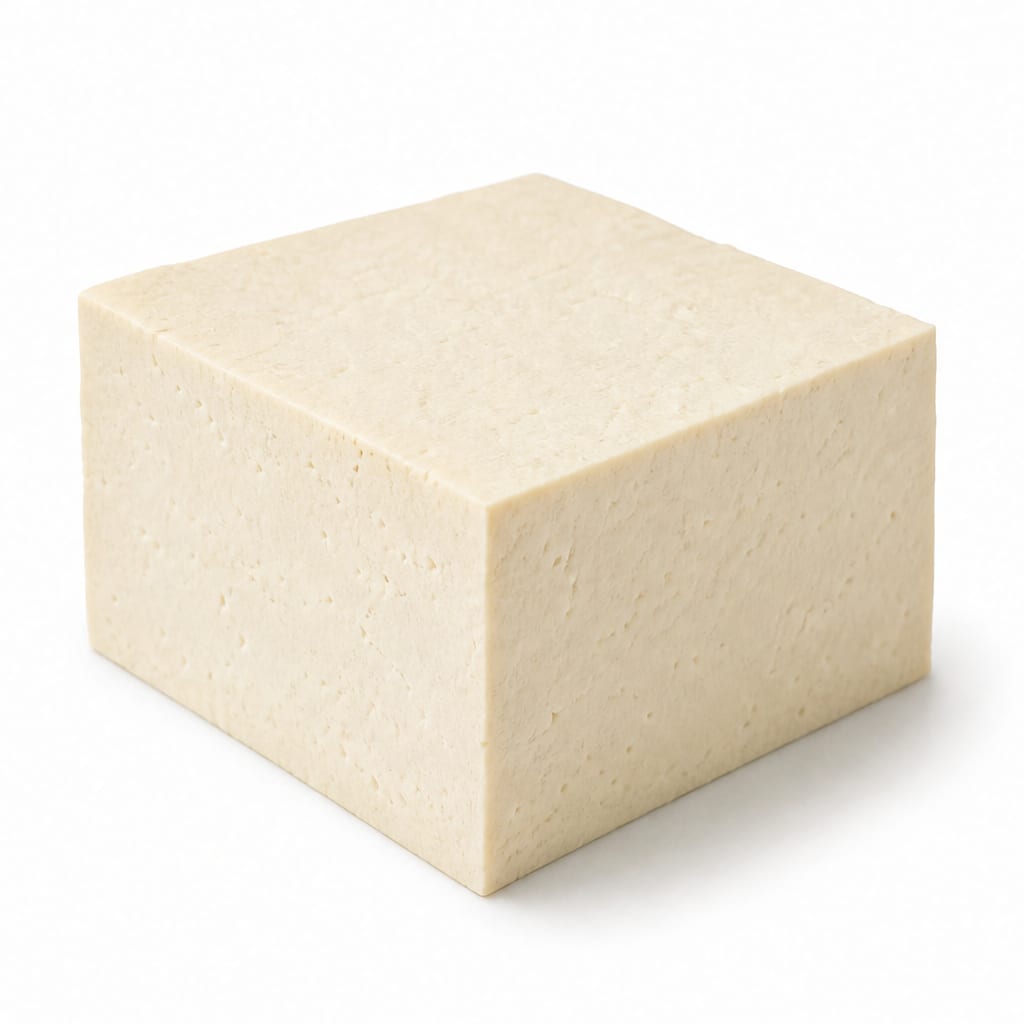
Compare with
Tofu
Tofu is a low-calorie plant protein with no cholesterol, while pheasant eggs are a calorie-dense animal protein with no fiber.
Tofu is a low-calorie, plant-based protein with zero cholesterol, while pheasant eggs offer a complete animal protein profile with more fat-soluble vitamins.
This food
Pheasant Egg
VS35% alike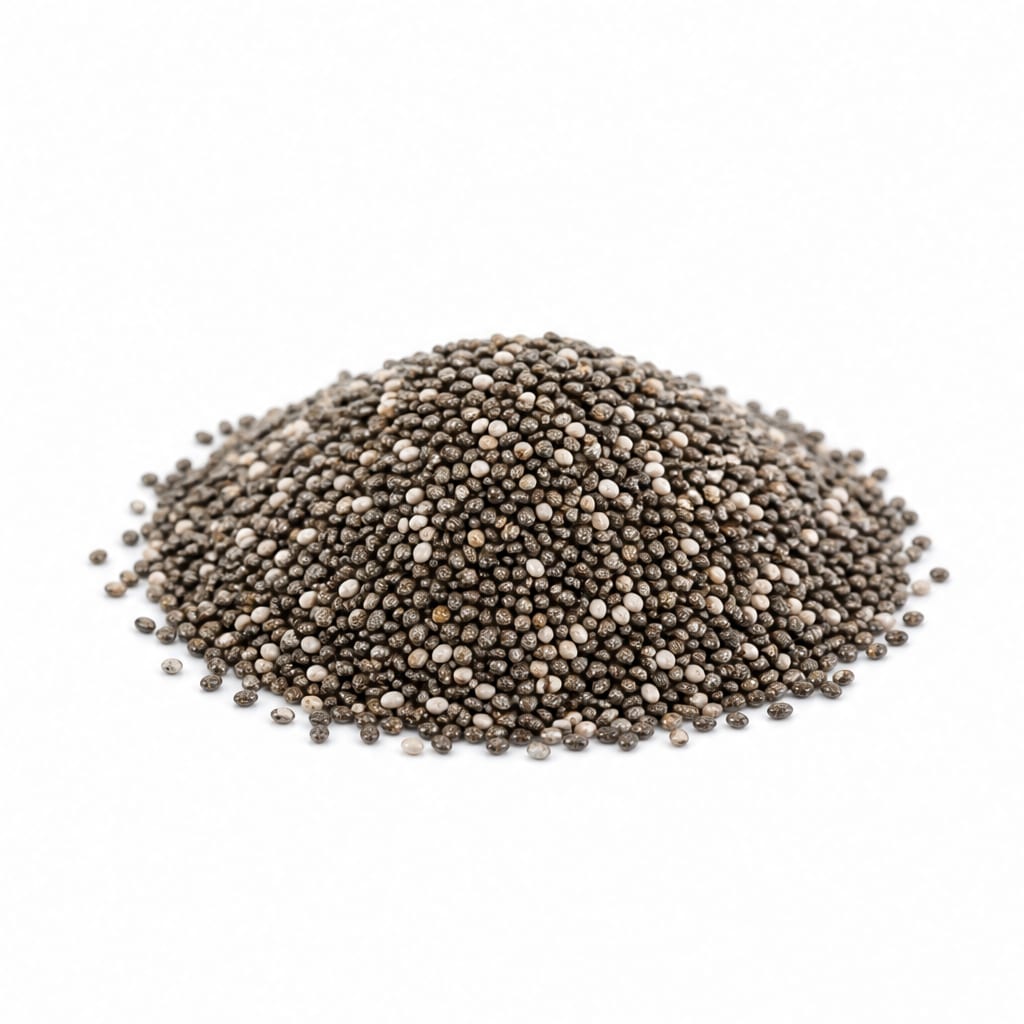
Compare with
Chia Seeds
Chia seeds are high in fiber and plant-based omega-3s, while pheasant eggs are high in protein and animal fats with zero fiber.
Chia seeds provide high fiber for gut health, while pheasant eggs deliver zero-carb protein and fats ideal for ketogenic diets.
Common questions
FAQ
Answers aligned with how people search for this food.
Are pheasant eggs good to eat?
Yes, pheasant eggs are highly nutritious, offering a rich flavor and a dense source of protein, healthy fats, and essential vitamins.
How do pheasant eggs taste compared to chicken eggs?
They taste similar to chicken eggs but are often described as richer and slightly more gamey due to the larger yolk-to-white ratio.
Can you eat pheasant eggs raw?
It is not recommended due to the risk of Salmonella and other bacteria; they should be cooked until the whites are firm.
Are pheasant eggs high in cholesterol?
Yes, because of the large yolk-to-white ratio, they contain more cholesterol per gram than chicken eggs, which may be a concern for sensitive individuals.
How many pheasant eggs equal one chicken egg?
Approximately three to four pheasant eggs equal one standard large chicken egg in volume.
Are pheasant eggs good for keto?
Yes, they are excellent for keto diets due to their high fat, high protein, and near-zero carbohydrate content.
Do pheasant eggs have more protein than chicken eggs?
Per 100 grams, the protein content is very similar, though pheasant eggs have a slightly higher fat and calorie density due to the larger yolk.
Where can I buy pheasant eggs?
They can often be found at farmers markets, specialty grocers, or ordered online from game bird farms during their laying season.
Transparency
Data confidence
Estimated confidence for nutrition data, interpretation, safety notes, and comparisons.
Nutrition data
Health analysis
Food safety
Comparisons