
Nutrition comparison
Pheasant Egg vs Duck Egg: Nutrition, Cholesterol, and Which to Choose
Compare pheasant eggs and duck eggs side by side. Learn which has less cholesterol, more omega-3s, better protein, and which egg fits your diet and cooking style best.
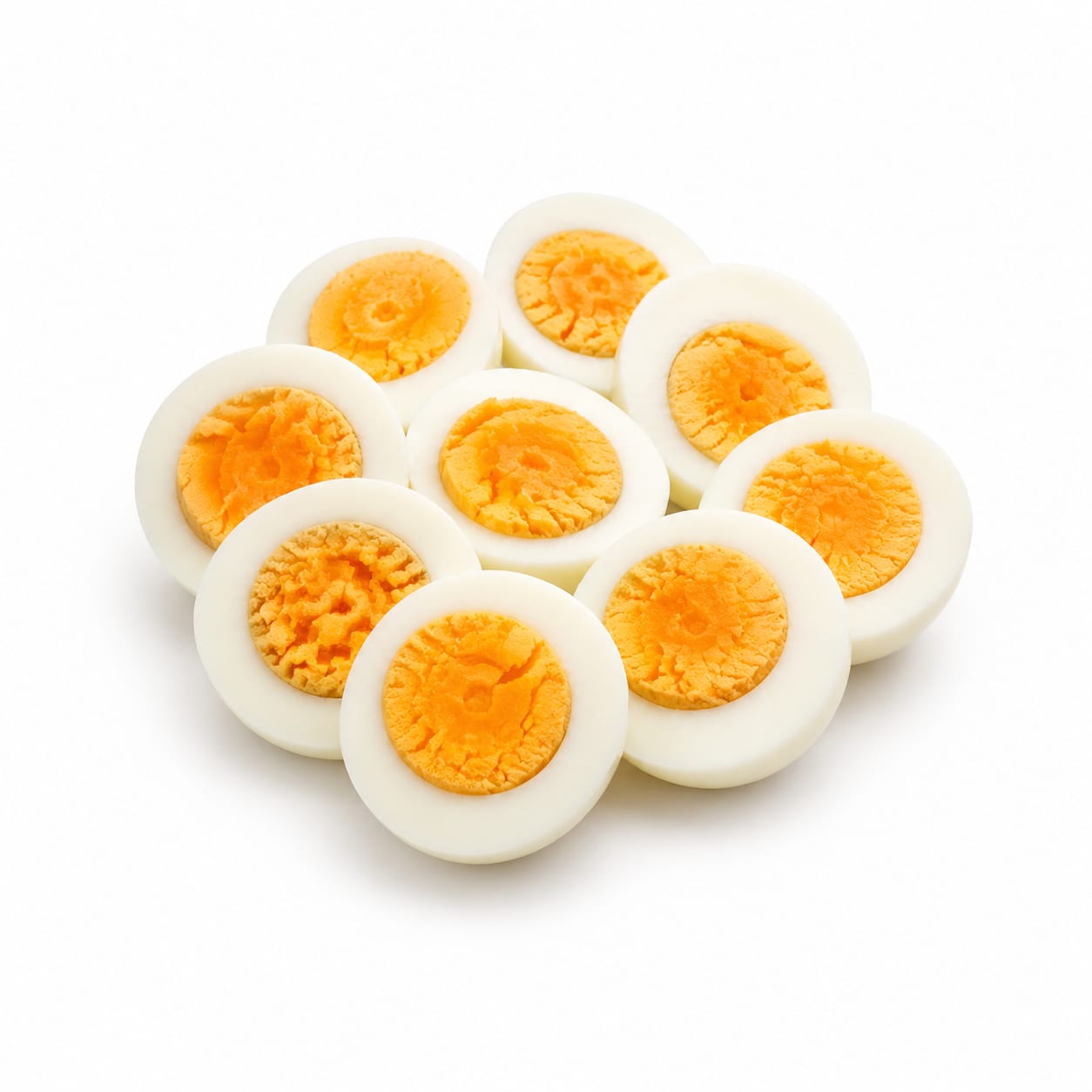
Pheasant Egg
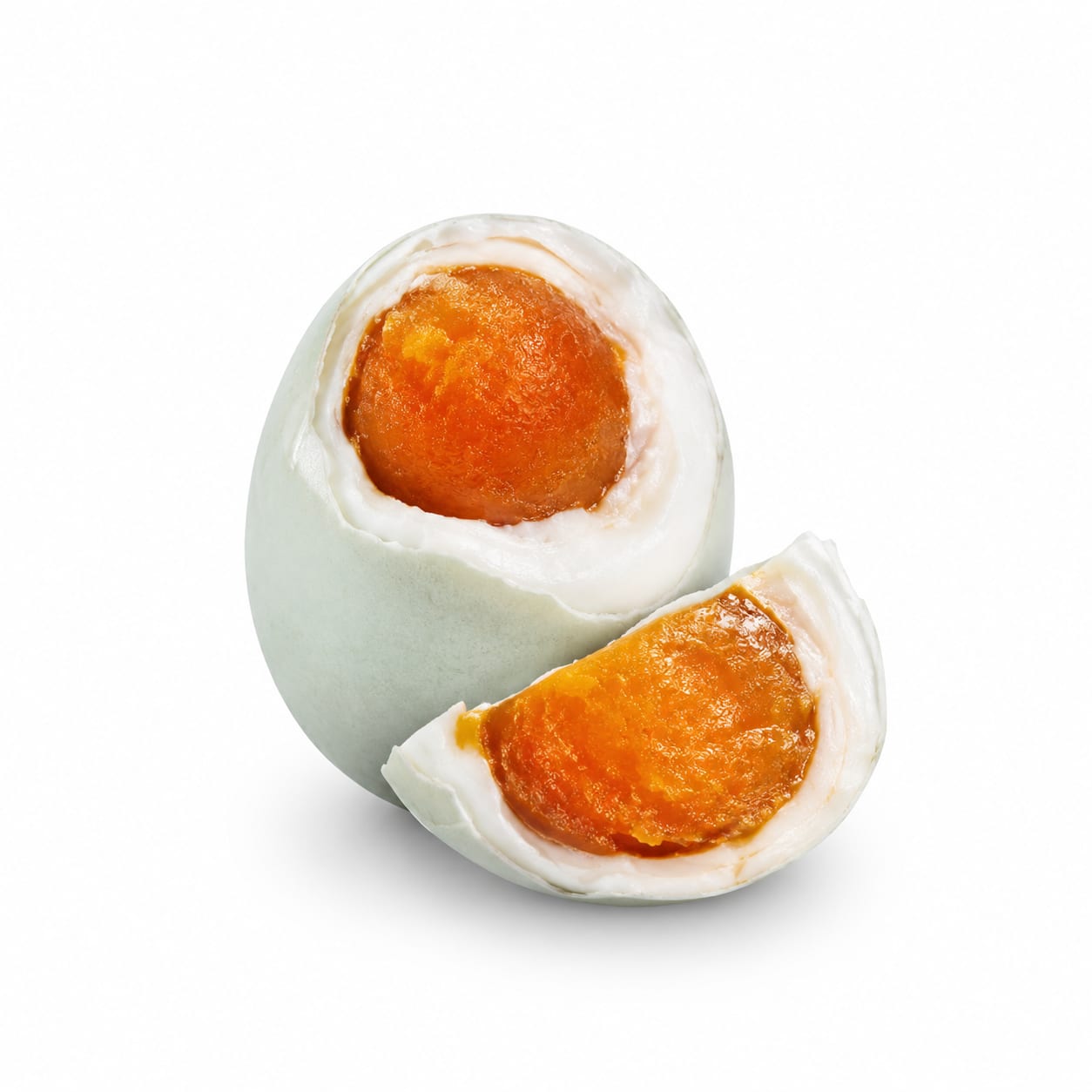
Duck Egg
Pheasant eggs offer a leaner, lighter option with less cholesterol, while duck eggs deliver richer nutrition and more omega-3s at the cost of significantly higher fat and cholesterol.
Pheasant eggs score slightly higher due to their leaner profile and lower cholesterol burden, making them safer for regular consumption. Duck eggs are nutritionally impressive but their high cholesterol and fat content penalizes them for everyday use by the average consumer.
Duck eggs are more nutrient-dense and satisfying but pack nearly double the cholesterol per gram; pheasant eggs are gentler on your lipid profile but harder to find and less filling individually.
At a glance
Executive summary
Overall
It depends
Healthier
Pheasant Egg
More practical
Duck Egg
Daily use
Pheasant Egg
Key comparison lenses
cholesterol and heart health impact
Duck eggs contain dramatically more cholesterol than pheasant eggs, making this the primary health concern for most users
protein quality and satiety per calorie
Both eggs are protein-dense but differ significantly in fat-to-protein ratio, affecting how filling they feel relative to calories
culinary practicality and availability
Pheasant eggs are specialty items while duck eggs are increasingly available at farmers markets and Asian grocery stores
omega-3 and healthy fat intake
Duck eggs provide substantially more omega-3 fatty acids, which matters for brain and heart health
portion control and calorie management
Duck eggs are roughly twice the size of pheasant eggs, making accidental overconsumption easier
Best choice for
Pheasant Egg
- People monitoring cholesterol intake
- Those preferring lighter, less rich eggs
- Anyone counting calories who still wants whole egg nutrition
- Gourmet presentation and delicate flavor enthusiasts
Duck Egg
- Bakers wanting richer, creamier results
- Athletes needing calorie-dense protein sources
- People seeking higher omega-3 intake from eggs
- Those following keto or low-carb high-fat diets
Least suitable for
Pheasant Egg
- Those needing high-calorie nutrition on a budget
- People who find specialty shopping inconvenient
- Anyone wanting a single large egg as a meal component
Duck Egg
- People with high cholesterol or familial hypercholesterolemia
- Those watching fat intake closely
- Anyone sensitive to rich, heavy foods in the morning
Deep comparison
Dimension by dimension
Each lens scores both foods and breaks down who each option suits.
- Dimension 1 · Priority 92Pheasant Egg
cholesterol and lipid impact
Pheasant Egg · 78Duck Egg · 38Pheasant eggs contain roughly half the cholesterol per gram compared to duck eggs, making them significantly gentler on blood lipid profiles.
Tradeoff
You sacrifice the richer yolk experience and higher omega-3 content of duck eggs for a lighter cardiovascular load.
Why it matters
For anyone with elevated cholesterol or a family history of heart disease, this difference compounds quickly with regular consumption.
Real-world impact
Eating two duck eggs for breakfast delivers over 1,200mg of cholesterol—four times the amount in two pheasant eggs. That matters if your doctor has flagged your numbers.
Pheasant Egg
- People with borderline high cholesterol
- Those who eat eggs daily and want to minimize cumulative intake
- Anyone with a family history of heart disease
Better for
- Situations where maximum nutrient density per egg matters more than lipid load
Worse for
Duck Egg
- Healthy individuals with no cholesterol concerns
- Those on keto who prioritize fat intake over cholesterol avoidance
Better for
- Anyone already struggling to keep cholesterol within healthy range
Worse for
- Dimension 2 · Priority 85Duck Egg
protein quality and satiety
Pheasant Egg · 65Duck Egg · 82Duck eggs provide more protein and fat per egg, creating longer-lasting fullness. Pheasant eggs offer solid protein but in a smaller, less satisfying package.
Tradeoff
Duck eggs keep you fuller for longer but at nearly triple the calories per egg. Pheasant eggs require eating more to match the satiety.
Why it matters
If you rely on eggs to carry a meal, one duck egg does the work of roughly two pheasant eggs in terms of staying power.
Real-world impact
A single duck egg at breakfast can hold you until lunch. A single pheasant egg leaves most people reaching for a snack by mid-morning.
Pheasant Egg
- Light eaters who prefer smaller portions
- Those who pair eggs with other protein sources anyway
Better for
- Situations where the egg is the main protein source for a meal
Worse for
Duck Egg
- Athletes needing sustained energy
- People who skip lunch and need breakfast to last
- Anyone doing intermittent fasting and eating fewer, larger meals
Better for
- People who feel sluggish after heavy, fat-rich meals
Worse for
- Dimension 3 · Priority 74Duck Egg
omega-3 and micronutrient density
Pheasant Egg · 58Duck Egg · 80Duck eggs deliver substantially more omega-3 fatty acids, B vitamins, and iron per serving due to their larger yolk size and richer composition.
Tradeoff
The micronutrient advantage comes packaged with significantly more saturated fat and cholesterol.
Why it matters
Omega-3 intake is a real gap in many diets, and duck eggs are one of the richer egg sources available.
Real-world impact
If you do not eat fatty fish regularly, duck eggs can meaningfully contribute to your omega-3 intake in a way pheasant eggs simply cannot match.
Pheasant Egg
- Those already getting omega-3s from fish or supplements
- People who prioritize lean protein over nutrient density
Better for
- Those relying on eggs as a primary micronutrient source
Worse for
Duck Egg
- People who do not eat fish and need dietary omega-3 sources
- Pregnant women needing iron and B-vitamin support (with doctor approval)
- Anyone recovering from illness who needs nutrient-dense food
Better for
- Situations where the extra fat and calories outweigh the micronutrient benefit
Worse for
- Dimension 4 · Priority 78Duck Egg
availability and practical convenience
Pheasant Egg · 35Duck Egg · 72Duck eggs are increasingly available at specialty grocers, farmers markets, and Asian supermarkets. Pheasant eggs remain a niche product requiring dedicated sourcing.
Tradeoff
Pheasant eggs offer a unique culinary experience but demand effort to find. Duck eggs are exotic enough to be interesting but accessible enough to buy regularly.
Why it matters
The healthiest food is the one you can actually obtain and eat consistently.
Real-world impact
Most people can find duck eggs within a 20-minute drive. Pheasant eggs often require online ordering, specialty butchers, or direct farm contact.
Pheasant Egg
- Home cooks who enjoy sourcing unique ingredients
- Those who value novelty and are willing to plan ahead
Better for
- Last-minute meal planning
- Rural areas without specialty food access
Worse for
Duck Egg
- Anyone who wants to actually buy and eat the eggs this week
- People who shop at Asian grocery stores regularly
- Those who dislike specialty shopping
Better for
- Conventional grocery-only shoppers in some regions
Worse for
- Dimension 5 · Priority 70Duck Egg
culinary versatility and cooking performance
Pheasant Egg · 60Duck Egg · 85Duck eggs excel in baking and dishes where richness matters. Their higher fat content creates creamier custards, taller cakes, and more luxurious sauces.
Tradeoff
Pheasant eggs offer a delicate, refined flavor but their small size makes them fussy for recipes calling for standard egg measurements.
Why it matters
If you cook with eggs regularly, the wrong egg can ruin a recipe's texture or require annoying math to substitute.
Real-world impact
One duck egg replaces one large chicken egg in most baking with superior results. Three pheasant eggs roughly equal one chicken egg, which complicates recipes.
Pheasant Egg
- Elegant appetizers and deviled egg presentations
- Garnishing dishes with visually striking miniature eggs
- Light scrambling where delicacy is the goal
Better for
- Baking where precise egg-to-dry-ingredient ratios matter
- Any dish requiring a single substantial egg portion
Worse for
Duck Egg
- Baking cakes, pastries, and custards
- Making rich pasta dishes like carbonara
- Any recipe where egg richness elevates the result
Better for
- Dishes where a lighter touch is preferred
- Poaching or soft-boiling where the large yolk size affects timing
Worse for
- Dimension 6 · Priority 70Pheasant Egg
calorie efficiency and weight management
Pheasant Egg · 76Duck Egg · 52Pheasant eggs deliver solid protein with fewer calories per gram, making them more efficient for weight-conscious eating.
Tradeoff
You get less satiety per egg with pheasant eggs, which may lead to eating more overall if you are not careful.
Why it matters
Calorie density determines how much food you can eat while staying within your target. Lower density means more flexibility.
Real-world impact
Three pheasant eggs provide similar protein to one duck egg but with fewer total calories, giving you more plate room for vegetables and fiber.
Pheasant Egg
- Calorie counters who want volume and protein
- Those who eat eggs alongside other foods and want balance
Better for
- Situations where you need maximum calories from minimal food volume
Worse for
Duck Egg
- People trying to gain weight healthily
- Those who need concentrated calories in small portions
Better for
- Anyone tracking calories who finds it easy to overshoot with rich foods
Worse for
Timeline
Health impact over time
Short-term
Hours to days
Pheasant Egg
- Light, clean energy without the heavy feeling that rich eggs can cause
- Less post-meal sluggishness due to lower fat content
- Smaller portion size may leave you wanting more if eaten alone
Duck Egg
- Strong satiety that can carry you through a long morning
- Rich mouthfeel that feels indulgent and satisfying
- Potential for feeling overly full if you eat more than one, especially alongside other rich foods
Long-term
Months to years
Pheasant Egg
- Lower cumulative cholesterol intake supports healthier lipid panels over years
- Leaner protein source fits more easily into heart-healthy eating patterns
- Limited availability may naturally cap consumption frequency, which is not necessarily bad
Duck Egg
- Higher omega-3 intake supports brain health and inflammatory balance when eaten regularly
- Sustained high cholesterol intake may impact cardiovascular markers in susceptible individuals
- Rich nutrient profile supports recovery and maintenance during physically demanding periods
Risk profile
Safety & processing
Both pheasant eggs and duck eggs are whole, unprocessed foods with no additives. Any processing concern comes from farm practices rather than the eggs themselves. Always opt for pasture-raised or free-range sources when possible, as feed quality directly affects egg nutrient content.
Pheasant Egg
Salmonella contamination
mediumLike all eggs, pheasant eggs carry salmonella risk. Smaller production scale means less standardized washing and inspection compared to commercial chicken eggs.
Inconsistent storage and handling
mediumSpecialty eggs often pass through fewer quality checkpoints. Buy from reputable sources and refrigerate promptly.
Duck Egg
Salmonella contamination
mediumDuck eggs have a slightly higher salmonella risk than chicken eggs due to different farming conditions and thicker shells that can harbor bacteria longer.
Allergic cross-reactivity
lowSome people with chicken egg allergies tolerate duck eggs, but cross-reactivity is possible. Test cautiously if you have known egg allergy.
Thicker shell trapping contaminants
lowDuck egg shells are more porous and thicker, which can trap surface bacteria. Wash thoroughly before cracking.
Who wins for whom
Audience fit
Same foods, different winners depending on your goal.
children
Duck EggDuck eggs provide more iron, B12, and omega-3s per serving, which are critical for growing bodies. The larger size is also more practical for standard kid-friendly preparations.
daily consumption
Pheasant EggLower cholesterol and fat make pheasant eggs more sustainable as a daily staple without accumulating cardiovascular risk over time.
diabetes
Pheasant EggBoth eggs have minimal impact on blood sugar, but pheasant eggs' lower fat content makes them easier to pair with carbohydrates without creating an excessively calorie-dense meal.
elderly
Pheasant EggOlder adults often need to manage cholesterol carefully, and pheasant eggs offer nutrition with a lighter cardiovascular burden. The smaller portion size is also easier to finish.
muscle gain
Duck EggDuck eggs deliver more protein and calories per egg, supporting the higher energy demands of muscle building without needing to eat as many eggs.
weight loss
Pheasant EggPheasant eggs provide satisfying protein with fewer calories and less fat, making it easier to stay within a calorie target while still enjoying whole eggs.
Your move
Decision guide
Choose Pheasant Egg
- You are watching your cholesterol or have been told to reduce dietary fat
- You prefer lighter meals that do not sit heavy in your stomach
- You enjoy the novelty and presentation of small, delicate eggs
- You eat eggs daily and want the leanest whole-egg option available
Choose Duck Egg
- You are healthy with no cholesterol concerns and want maximum nutrition per egg
- You bake frequently and want richer, more professional results
- You follow a high-fat or ketogenic eating approach
- You need calorie-dense, satisfying meals that keep you full for hours
Either works if
- You are simply looking for an alternative to chicken eggs and both are available
- You eat eggs only occasionally, making the cholesterol difference less impactful
- You want to rotate between leaner and richer options depending on the meal
Avoid both if
- You have a diagnosed egg allergy, as cross-reactivity exists across egg types
- You are following a strict vegan diet
- You have severe cholesterol issues and your doctor has recommended avoiding egg yolks entirely
Final recommendation
For most people eating eggs regularly, pheasant eggs are the safer long-term choice due to their leaner profile. Reserve duck eggs for occasional use when their richness and omega-3 content truly shine—like weekend baking or post-workout meals. If cholesterol is not a concern for you, duck eggs offer more nutritional upside per egg, but their heaviness makes them better suited as a specialty ingredient than a daily staple.
Practical
Consumer tips
- 1
If substituting in recipes, use three pheasant eggs per one large chicken egg, and one duck egg per one large chicken egg.
- 2
Always cook both egg types thoroughly. The richer composition of duck eggs makes runny yolks slightly riskier than with chicken eggs.
- 3
Store both egg types in the refrigerator and use within two weeks for best quality.
- 4
Look for pasture-raised options for both varieties. Diet quality for the bird directly impacts the omega-3 and nutrient content of the egg.
- 5
Duck egg whites whip up fluffier than chicken egg whites, making them exceptional for meringues and soufflés.
- 6
Pheasant eggs make stunning deviled eggs for appetizer platters—their small size is a natural portion advantage.
- 7
If you are new to duck eggs, start with one before committing to a full carton. Their richness surprises some people.
- 8
Freeze extra duck eggs by cracking them into ice cube trays if you cannot finish them before expiration.