
Nutrition comparison
Pheasant Egg vs Turkey Egg: Nutrition, Cholesterol, and Taste
Compare pheasant eggs and turkey eggs to see which specialty egg is healthier. Learn about cholesterol, protein, and the best culinary uses for each.
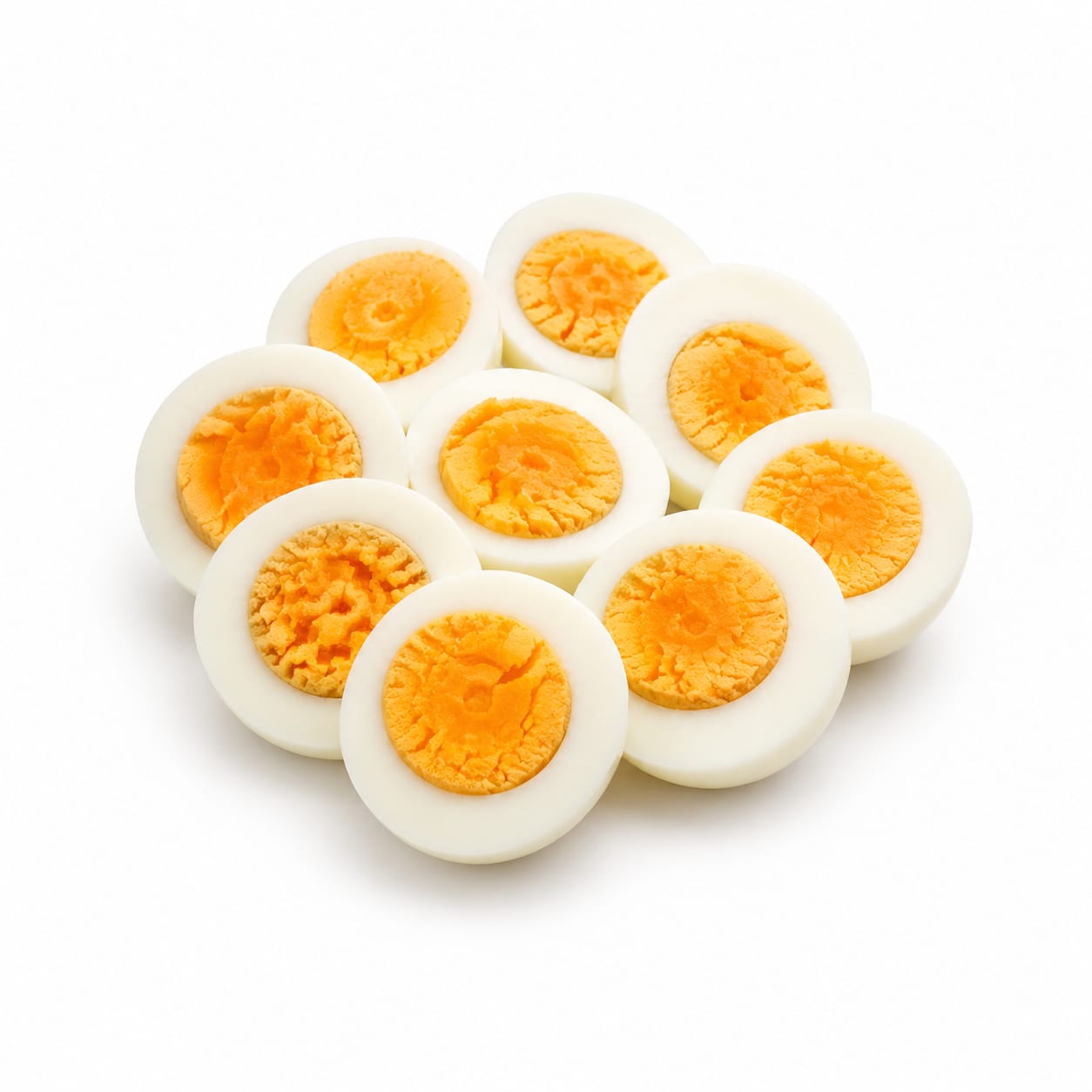
Pheasant Egg
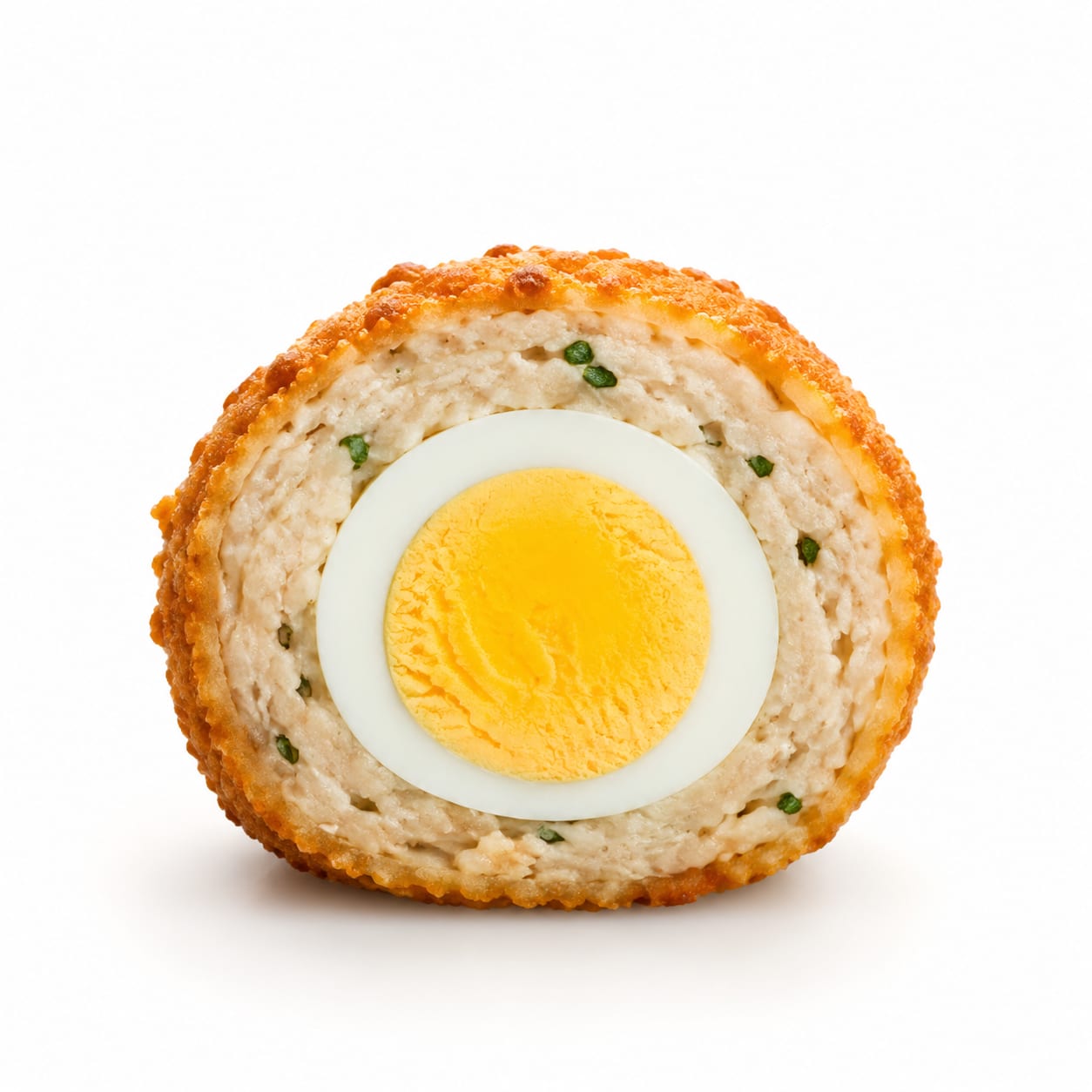
Turkey Egg
Turkey eggs offer a massive protein punch but come with very high cholesterol, while pheasant eggs provide a lighter, more portion-controlled experience.
Pheasant eggs edge out turkey eggs for regular health due to significantly lower cholesterol, but turkey eggs win for sheer protein and satiety, making them close in overall utility.
Satiety and protein volume versus cholesterol load and lightness.
At a glance
Executive summary
Overall
It depends
Healthier
Pheasant Egg
More practical
Turkey Egg
Daily use
Pheasant Egg
Key comparison lenses
Cholesterol and cardiovascular impact
Turkey eggs contain an exceptionally high amount of cholesterol per serving, which is the most critical health differentiator between the two.
Satiety and protein volume
Turkey eggs are massive and provide a heavy protein hit, while pheasant eggs are dainty and light, leading to very different fullness outcomes.
Culinary substitution and practicality
Users comparing specialty eggs often want to know how to swap them for chicken eggs in recipes or daily meals.
Best choice for
Pheasant Egg
- Light breakfasts
- Cholesterol-conscious diets
- Appetizers and garnishes
Turkey Egg
- High-protein diets
- Heavy physical labor days
- Baking substitutions for chicken eggs
Least suitable for
Pheasant Egg
- People needing high calorie intake
- Large appetites
- Bodybuilders in a bulk phase
Turkey Egg
- Cholesterol-sensitive individuals
- Small children needing smaller portions
- Light eaters
Deep comparison
Dimension by dimension
Each lens scores both foods and breaks down who each option suits.
- Dimension 1 · Priority 95Pheasant Egg
Cholesterol & Heart Health
Pheasant Egg · 85Turkey Egg · 30Pheasant eggs contain around 160mg of cholesterol per egg, whereas a single turkey egg packs over 700mg.
Tradeoff
Eating one turkey egg maxes out your daily cholesterol limit, while pheasant eggs leave room for other foods.
Why it matters
For anyone watching heart health or lipid panels, turkey eggs are a massive dose of dietary cholesterol.
Real-world impact
A single turkey egg breakfast can push your daily cholesterol over the recommended 300mg limit, while pheasant eggs stay well within bounds.
Pheasant Egg
- Heart-conscious diets
- Light breakfasts
- Cardiovascular health management
Better for
- Situations requiring high fat intake
Worse for
Turkey Egg
- Diets without cholesterol restrictions
- Keto or very low-carb high-fat diets
Better for
- Daily breakfast consumption
- People with familial hypercholesterolemia
Worse for
- Dimension 2 · Priority 85Turkey Egg
Satiety & Protein Volume
Pheasant Egg · 40Turkey Egg · 95A turkey egg delivers about 10-11g of protein and 135 calories, compared to a pheasant egg's 3.5g and 45 calories.
Tradeoff
Turkey eggs are a meal in themselves, while you would need multiple pheasant eggs to feel full.
Why it matters
If you need lasting fullness or a post-workout recovery meal, turkey eggs do the job much faster.
Real-world impact
One turkey egg keeps you full until lunch; three pheasant eggs might leave you snacking by mid-morning.
Pheasant Egg
- Small appetite days
- Light snacking
Better for
- Recovering from intense exercise
- Long gaps between meals
Worse for
Turkey Egg
- Post-workout meals
- Heavy work days
- Mass gaining phases
Better for
- Eating before a light activity
- Combating afternoon sluggishness
Worse for
- Dimension 3 · Priority 70It depends
Culinary Versatility & Use
Pheasant Egg · 70Turkey Egg · 80Turkey eggs easily replace two chicken eggs in baking or omelets, while pheasant eggs are best for delicate appetizers.
Tradeoff
Turkey eggs are more practical for standard cooking, but pheasant eggs offer a unique, elegant presentation.
Why it matters
Substituting turkey eggs in recipes is straightforward, but pheasant eggs shine in specific gourmet contexts.
Real-world impact
Use turkey eggs for Saturday morning omelets or baking; save pheasant eggs for fancy brunch platters or salads.
Pheasant Egg
- Gourmet presentations
- Appetizer recipes
- Salad garnishes
Better for
- Baking large cakes
- Feeding a crowd
Worse for
Turkey Egg
- Standard baking recipes
- Large omelets
- Family breakfasts
Better for
- Dainty appetizer platters
- Portion-controlled meal prep
Worse for
- Dimension 4 · Priority 60Turkey Egg
Availability & Practicality
Pheasant Egg · 35Turkey Egg · 50Both are specialty items, but turkey eggs are slightly more commonly found from local poultry farms.
Tradeoff
Neither is as convenient as a chicken egg, but turkey eggs have a slight edge in farm-stand availability.
Why it matters
Sourcing either requires effort, but finding turkey eggs is generally a bit easier than tracking down pheasant.
Real-world impact
You might find turkey eggs at a local farmer's market in spring, while pheasant eggs often require specialty suppliers.
Pheasant Egg
- Decorative food styling
Better for
- Quick grocery runs
Worse for
Turkey Egg
- Local farm shopping
- Substituting for chicken eggs
Better for
- Year-round consistent availability
Worse for
Timeline
Health impact over time
Short-term
Hours to days
Pheasant Egg
- Light, easily digestible meal
- Quick energy without feeling heavy
Turkey Egg
- Highly filling, can feel heavy if eaten alone
- Sustained energy for hours
Long-term
Months to years
Pheasant Egg
- Easier on cardiovascular system due to lower cholesterol
- Safe for regular moderate consumption
Turkey Egg
- Risk of elevated cholesterol if eaten frequently
- Excellent muscle maintenance from high protein
Risk profile
Safety & processing
Both pheasant and turkey eggs are whole, unprocessed foods straight from the bird, making them equally natural choices.
Pheasant Egg
Salmonella
lowStandard egg handling and cooking eliminates risk, but pheasant eggs from wild game may have slightly less regulated oversight.
Allergenicity
lowEgg allergies apply across all bird eggs, though some people tolerate different fowl better than chicken.
Turkey Egg
Salmonella
lowSimilar to chicken eggs, proper cooking mitigates risk.
Cholesterol Overload
mediumA single egg exceeds daily recommended limits, which is a dietary risk rather than a pathogen.
Who wins for whom
Audience fit
Same foods, different winners depending on your goal.
children
Pheasant EggSmaller size is more appropriate for little appetites and introduces them to new foods without overwhelming portions.
daily consumption
Pheasant EggFits safely into daily nutritional limits without pushing cholesterol or calorie boundaries.
diabetes
Pheasant EggLower calorie and fat load; both have minimal carbs so blood sugar impact is negligible, but lighter is better.
elderly
Pheasant EggLower cholesterol is crucial for aging cardiovascular systems, and the lighter portion is easier to digest.
muscle gain
Turkey Egg10+ grams of protein per egg supports muscle repair efficiently without needing to eat a large volume of food.
weight loss
Pheasant EggPortion control is easier with 45-calorie pheasant eggs, allowing for meal flexibility without overconsuming fats.
Your move
Decision guide
Choose Pheasant Egg
- You are watching your cholesterol
- You want a light, elegant breakfast
- You prefer smaller, portion-controlled meals
Choose Turkey Egg
- You need a high-protein, filling meal
- You are baking and want to replace chicken eggs
- You have no cholesterol concerns and want maximum satiety
Either works if
- You are looking for a chicken egg alternative
- You value whole, natural foods
Avoid both if
- You have a severe egg allergy
- You need a cheap, everyday protein source
Final recommendation
Choose pheasant eggs for a lighter, heart-friendlier meal, or turkey eggs when you need serious protein and satiety; both are excellent specialty alternatives to chicken eggs, but pheasant eggs are safer for regular eating.
Practical
Consumer tips
- 1
Cook both thoroughly to eliminate any salmonella risk.
- 2
One turkey egg equals about two chicken eggs in baking.
- 3
Pheasant eggs take slightly less time to boil due to their size—try 4-5 minutes for soft boiled.
- 4
Source from reputable farms to ensure freshness and safety.