
Nutrition comparison
Pheasant Egg vs Chicken Egg: Nutrition, Taste, and Which to Choose
Compare pheasant eggs and chicken eggs on nutrition, taste, cost, and safety. Learn which egg is better for daily eating, muscle gain, and special occasions.
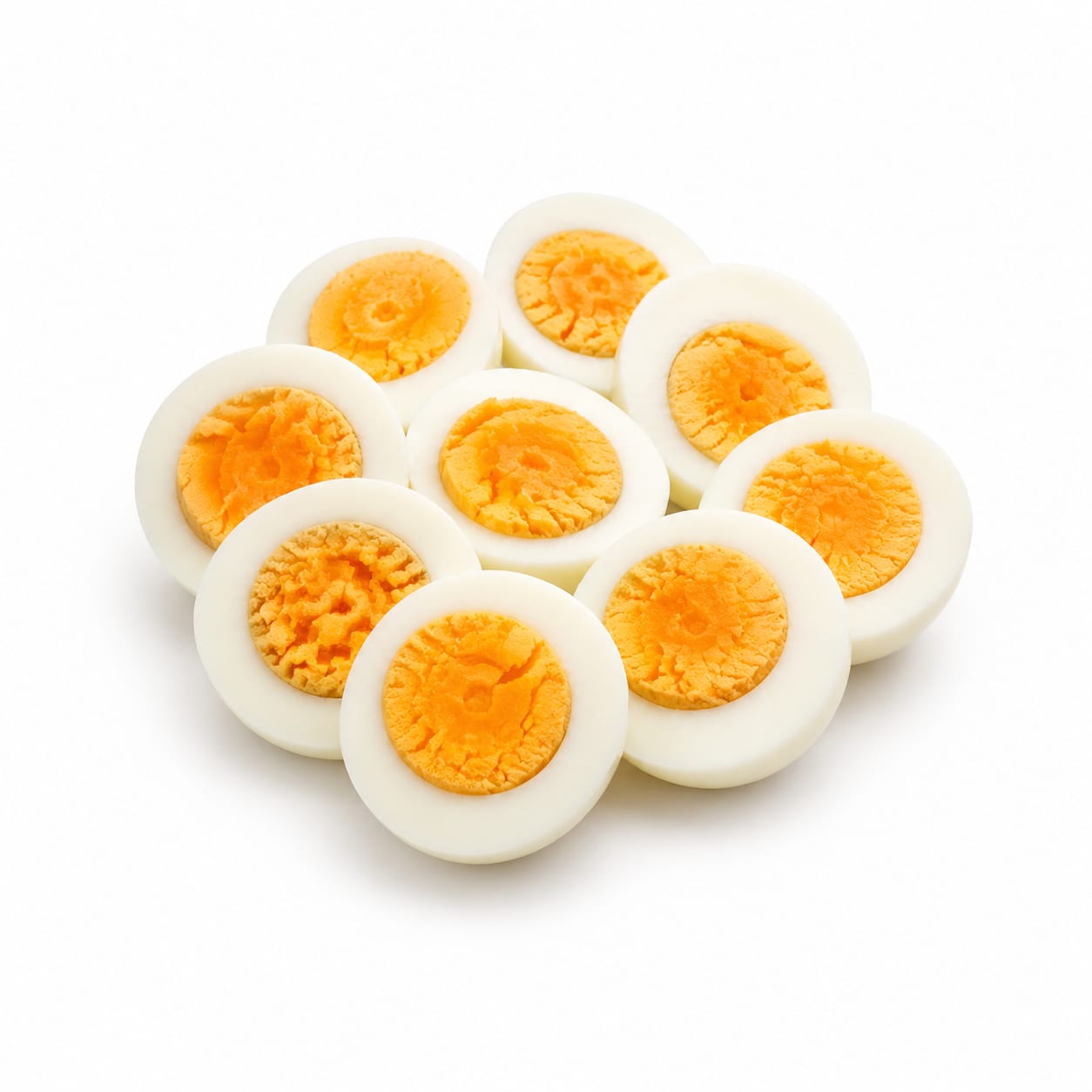
Pheasant Egg
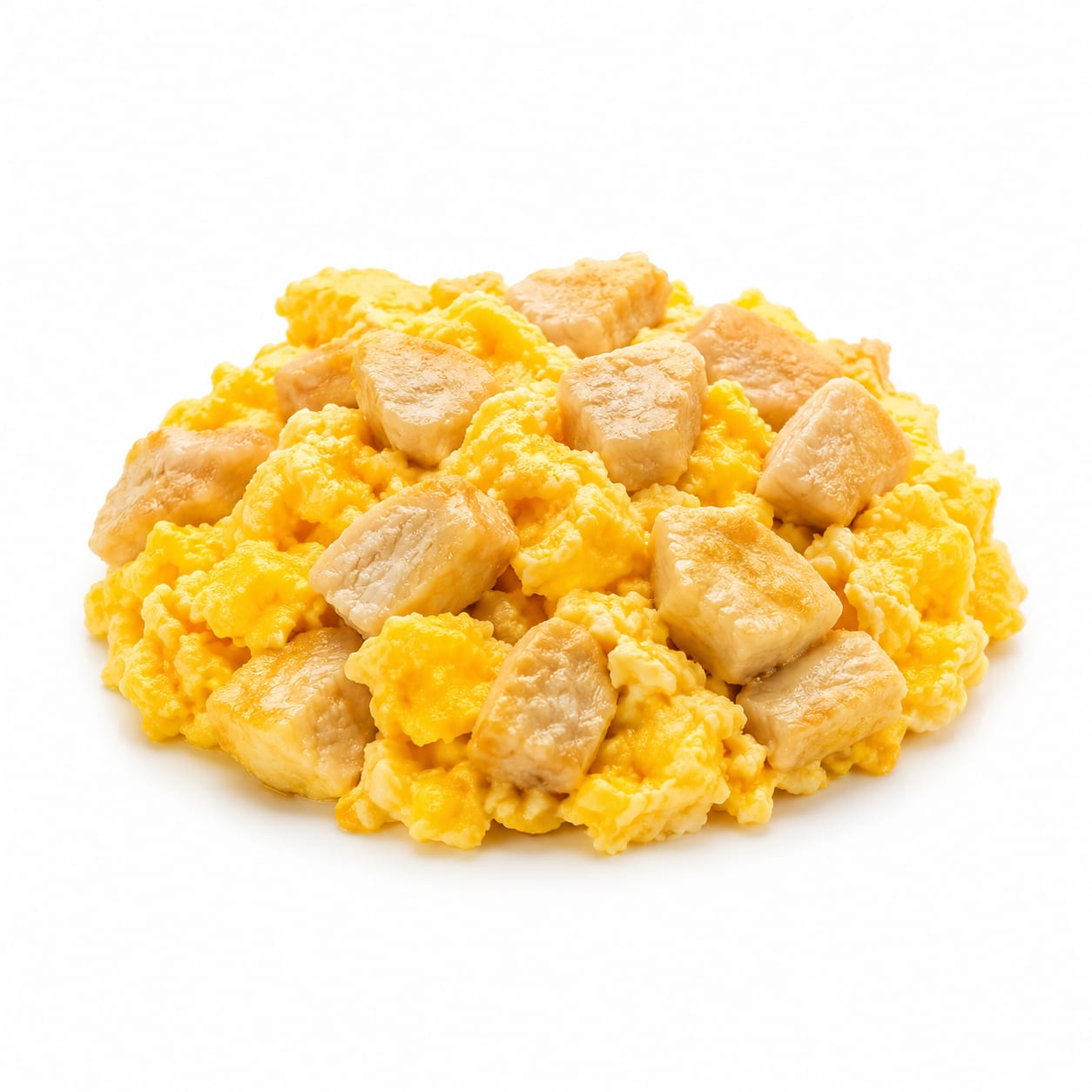
Chicken Egg
Chicken eggs win on practicality and value; pheasant eggs edge ahead on micronutrient density per calorie but require effort to source and cost significantly more.
Chicken eggs score higher overall due to overwhelming advantages in availability, cost, safety regulation, and portion practicality. Pheasant eggs offer modest nutritional edges per gram but cannot overcome the real-world barriers of price and access for most users.
You gain richer nutrition per bite with pheasant eggs but sacrifice convenience, affordability, and consistent safety oversight that chicken eggs provide reliably.
At a glance
Executive summary
Overall
It depends
Healthier
It depends
More practical
Chicken Egg
Daily use
Chicken Egg
Key comparison lenses
everyday practicality and affordability
Chicken eggs are ubiquitous and cheap while pheasant eggs are specialty items with limited availability, making this the most impactful real-world factor
nutritional superiority per calorie
Pheasant eggs have a higher yolk ratio, concentrating fat-soluble vitamins and minerals per gram, making micronutrient density a key differentiator
protein efficiency for meals
Users comparing eggs often care about protein per serving for breakfast or post-workout, where portion size matters significantly
cholesterol and heart health concerns
Pheasant eggs carry more cholesterol per gram due to their higher yolk proportion, raising legitimate dietary questions for some users
food safety and regulatory oversight
Pheasant egg production is less regulated than commercial chicken egg farming, creating potential safety differences worth examining
Best choice for
Pheasant Egg
- Culinary enthusiasts seeking richer flavor and novelty
- Those wanting higher vitamin B12 and selenium per calorie
- People eating smaller portions who prefer nutrient-dense foods
- Anyone avoiding mass-produced agriculture
Chicken Egg
- Budget-conscious households needing affordable protein
- Athletes requiring larger, consistent protein servings
- Families wanting reliable, regulated food safety
- Anyone meal-prepping or batch cooking
Least suitable for
Pheasant Egg
- Large families needing affordable bulk protein
- People with cholesterol concerns who eat eggs daily
- Anyone without access to specialty grocers or farms
- Those who need consistent portion tracking
Chicken Egg
- People seeking novelty or variety in their diet
- Those specifically wanting higher yolk-to-white ratio
- Consumers avoiding industrial farming systems
Deep comparison
Dimension by dimension
Each lens scores both foods and breaks down who each option suits.
- Dimension 1 · Priority 88Pheasant Egg
Micronutrient Density Per Calorie
Pheasant Egg · 82Chicken Egg · 72Pheasant eggs pack more vitamins and minerals per calorie thanks to their higher yolk proportion, which concentrates fat-soluble nutrients like vitamin A, D, E, and K.
Tradeoff
That same yolk concentration also means more cholesterol per calorie, which matters if you eat eggs frequently.
Why it matters
If you eat small portions or want maximum nutrition per bite, pheasant eggs deliver slightly more per calorie.
Real-world impact
Two pheasant eggs give you roughly the same micronutrients as one chicken egg but with a richer, more concentrated yolk experience.
Pheasant Egg
- Maximizing vitamin B12 intake in small portions
- Boosting selenium without extra calories
- Getting more choline per gram consumed
Better for
- Daily eaters watching cholesterol closely
Worse for
Chicken Egg
- Getting a balanced white-to-yolk nutrient spread
- Eating larger portions without excessive cholesterol
Better for
- Those wanting the most nutrients per single bite
Worse for
- Dimension 2 · Priority 85Chicken Egg
Protein Content and Practicality
Pheasant Egg · 60Chicken Egg · 88One chicken egg delivers about 6g protein in a convenient single-serving package. You would need roughly two pheasant eggs to match that, making portioning less straightforward.
Tradeoff
Pheasant eggs offer similar protein quality but require more eggs to hit the same target, increasing cost and prep effort.
Why it matters
For breakfast or post-workout meals, hitting your protein target easily matters more than slight quality differences.
Real-world impact
A two-egg chicken breakfast gives you 12g protein. To match that with pheasant eggs, you need four eggs and roughly triple the cost.
Pheasant Egg
- Small, rich appetizers or garnishes
- Delicate dishes where visual appeal matters
Better for
- Anyone tracking protein per serving precisely
Worse for
Chicken Egg
- Post-workout protein needs
- Meal prep with consistent macros
- Making egg-based dishes like frittatas efficiently
Better for
- Dishes requiring tiny, delicate eggs
Worse for
- Dimension 3 · Priority 92Chicken Egg
Cost and Accessibility
Pheasant Egg · 25Chicken Egg · 90Chicken eggs are one of the cheapest protein sources available worldwide. Pheasant eggs cost 3-5 times more and require specialty stores or direct farm contacts.
Tradeoff
Pheasant eggs are a luxury ingredient; chicken eggs are a staple. This alone determines which most people should reach for daily.
Why it matters
Nutrition only works if you can consistently access and afford the food. Chicken eggs win decisively here.
Real-world impact
A dozen chicken eggs costs $2-4. A dozen pheasant eggs costs $8-20 and may require a special trip or online order.
Pheasant Egg
- Special occasion cooking
- Gourmet restaurant menus
Better for
- Anyone on a tight food budget
- People without specialty grocers nearby
Worse for
Chicken Egg
- Weekly grocery budgets
- Bulk cooking and meal prep
- Families eating eggs daily
Better for
- Dimension 4 · Priority 75Chicken Egg
Cholesterol and Heart Health Impact
Pheasant Egg · 55Chicken Egg · 70Pheasant eggs contain more cholesterol per gram due to their higher yolk ratio. For most people, dietary cholesterol has modest impact on blood cholesterol, but frequent egg eaters should take note.
Tradeoff
If you eat eggs occasionally, the difference is negligible. If you eat them daily, the lower cholesterol density of chicken eggs gives more dietary flexibility.
Why it matters
People with heart disease risk factors or familial hypercholesterolemia need to consider cumulative cholesterol intake.
Real-world impact
Eating three chicken eggs gives about 560mg cholesterol. Matching that protein with pheasant eggs could push you past 700mg.
Pheasant Egg
- People eating eggs only a few times per month
Better for
- Anyone with doctor-advised cholesterol limits
Worse for
Chicken Egg
- Daily egg consumers monitoring heart health
- Those with elevated LDL cholesterol
Better for
- Dimension 5 · Priority 70Chicken Egg
Food Safety and Regulation
Pheasant Egg · 50Chicken Egg · 82Chicken egg production is heavily regulated with salmonella testing, grading standards, and refrigeration requirements. Pheasant egg farming operates with far less oversight.
Tradeoff
Chicken eggs carry a predictable safety profile. Pheasant eggs from reputable sources are likely fine, but verification is harder.
Why it matters
Vulnerable populations—pregnant women, elderly, children—benefit from the consistent safety standards of commercial chicken eggs.
Real-world impact
Store-bought chicken eggs come with expiration dates, grading, and recall systems. Pheasant eggs often come from small farms with variable practices.
Pheasant Egg
- Trusted local farm sources with known practices
Better for
- People with compromised immune systems
- Those unfamiliar with the source farm
Worse for
Chicken Egg
- Pregnant women needing reliable pasteurization
- Anyone immunocompromised
- Consumers who value standardized safety
Better for
- Dimension 6 · Priority 65Pheasant Egg
Flavor and Culinary Experience
Pheasant Egg · 85Chicken Egg · 70Pheasant eggs taste richer and more concentrated, with a creamier yolk that elevates dishes. Chicken eggs have a milder, more neutral flavor that works universally.
Tradeoff
Richness is wonderful for some dishes but overwhelming in others. Chicken eggs' neutrality makes them more versatile across cuisines.
Why it matters
If you eat eggs for enjoyment and variety, pheasant eggs offer a genuinely different experience worth trying.
Real-world impact
A soft-boiled pheasant egg on toast feels like a treat. A chicken egg doing the same feels like Tuesday.
Pheasant Egg
- Elevating simple dishes with richer flavor
- Special brunch presentations
- Adventurous home cooks
Better for
- Recipes needing subtle egg flavor
Worse for
Chicken Egg
- Baking where neutral flavor is preferred
- Everyday cooking across multiple cuisines
- Dishes where eggs play a supporting role
Better for
- Dishes where richness and novelty are the point
Worse for
Timeline
Health impact over time
Short-term
Hours to days
Pheasant Egg
- Higher satiety per calorie due to richer yolk content
- More concentrated energy in smaller portions, which can feel satisfying or heavy depending on quantity
Chicken Egg
- Steady, familiar energy from balanced white-to-yolk ratio
- Easier to moderate intake since portion sizes are standardized
Long-term
Months to years
Pheasant Egg
- Potential for higher cholesterol intake if eaten frequently, though individual responses vary significantly
- Excellent micronutrient support if consumed moderately as part of a varied diet
Chicken Egg
- Well-documented long-term safety profile from decades of population research
- Consistent, affordable protein source that supports sustainable healthy eating habits
Risk profile
Safety & processing
Both eggs are whole, unprocessed foods. Neither contains additives. Pheasant eggs may come from less industrialized farming, which some consumers prefer, though this also means less standardized oversight.
Pheasant Egg
Salmonella exposure
mediumLess regulated testing and handling protocols compared to commercial chicken egg operations. Always cook thoroughly.
Inconsistent storage and handling
mediumSpecialty eggs may sit longer at farmers markets or in transit without temperature-controlled supply chains.
Unknown antibiotic or feed practices
lowSmall pheasant farms are not required to report antibiotic use or feed composition the way commercial operations are.
Chicken Egg
Salmonella from raw or undercooked eggs
lowRegulated testing and pasteurization options make this manageable. Proper cooking eliminates risk.
Antibiotic residue in conventional farming
lowRegulated with withdrawal periods, but organic or pasture-raised options eliminate this concern entirely.
Who wins for whom
Audience fit
Same foods, different winners depending on your goal.
children
Chicken EggStandardized safety, consistent sizing for recipes, and lower cost make chicken eggs the practical choice for families.
daily consumption
Chicken EggAffordability, access, safety consistency, and balanced nutrition make chicken eggs sustainable as a daily staple without practical or financial friction.
diabetes
Chicken EggBoth eggs have minimal impact on blood sugar, but chicken eggs offer more predictable portioning and lower cholesterol load for frequent consumption.
elderly
Chicken EggFood safety regulation and easier availability matter more for vulnerable populations, and the lower cholesterol density supports heart health concerns common in older adults.
muscle gain
Chicken EggLarger, more affordable protein servings make chicken eggs far more practical for hitting daily protein targets consistently.
weight loss
Chicken EggChicken eggs provide clear portion control and lower calorie density per serving, making it easier to stay within daily targets without overconsumption.
Your move
Decision guide
Choose Pheasant Egg
- You want a richer, more indulgent egg experience for special meals
- You have access to a trusted local source and cost is not a barrier
- You prefer smaller, nutrient-dense portions over larger servings
- You are curious about diverse protein sources beyond conventional options
Choose Chicken Egg
- You need affordable, reliable protein for daily meals
- You meal prep or cook for a family on a budget
- You want consistent food safety standards and easy availability
- You eat eggs frequently and want to manage cholesterol intake
Either works if
- You eat eggs only occasionally and enjoy variety
- You have no cholesterol concerns or budget constraints
- You simply want a whole-food protein source and both are available
Avoid both if
- You have a confirmed egg allergy
- Your doctor has advised strict dietary cholesterol limits due to familial hypercholesterolemia
- You follow a strict vegan diet
Final recommendation
Make chicken eggs your everyday staple—they are affordable, safe, and nutritionally solid. Treat pheasant eggs as an occasional luxury when you want something richer and more special. The nutritional differences are modest, but the practical differences are enormous.
Practical
Consumer tips
- 1
If trying pheasant eggs, buy from farms with verifiable hygiene practices and ask about their salmonella testing
- 2
Use three pheasant eggs to roughly replace two chicken eggs in most recipes
- 3
Soft-boil pheasant eggs for the best experience—their rich yolk shines when barely set
- 4
For daily egg eaters, stick with chicken eggs and choose pasture-raised when possible for better omega-3 content
- 5
If cholesterol is a concern, mixing one whole egg with egg whites gives you protein with less cholesterol than either option alone