
Nutrition comparison
Pheasant Egg vs Quail Egg: Nutrition, Taste, and Which to Choose
Compare pheasant eggs and quail eggs on protein, cholesterol, availability, and culinary use. Find out which specialty egg is better for your diet and lifestyle.
Overall winner · Quail Egg
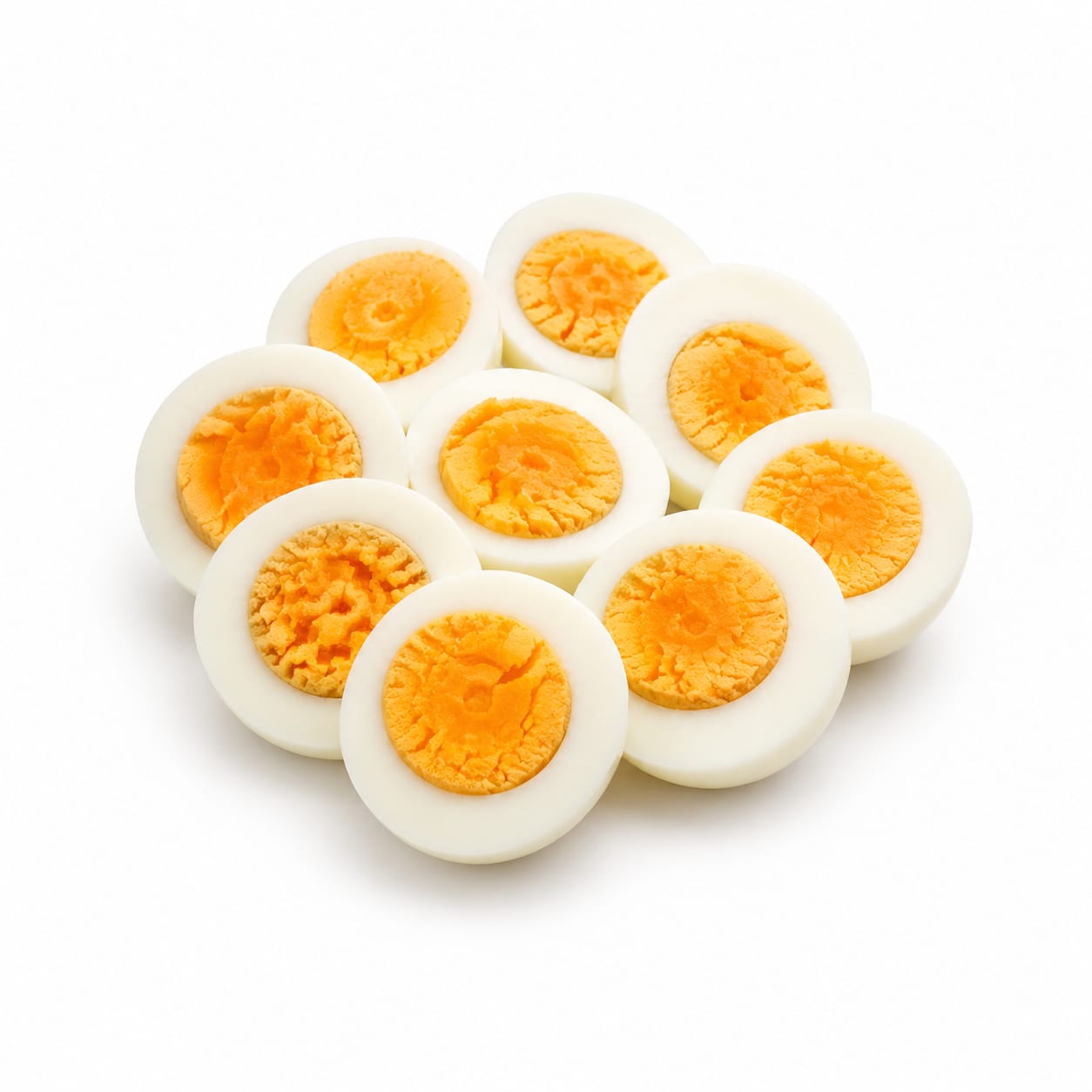
Pheasant Egg
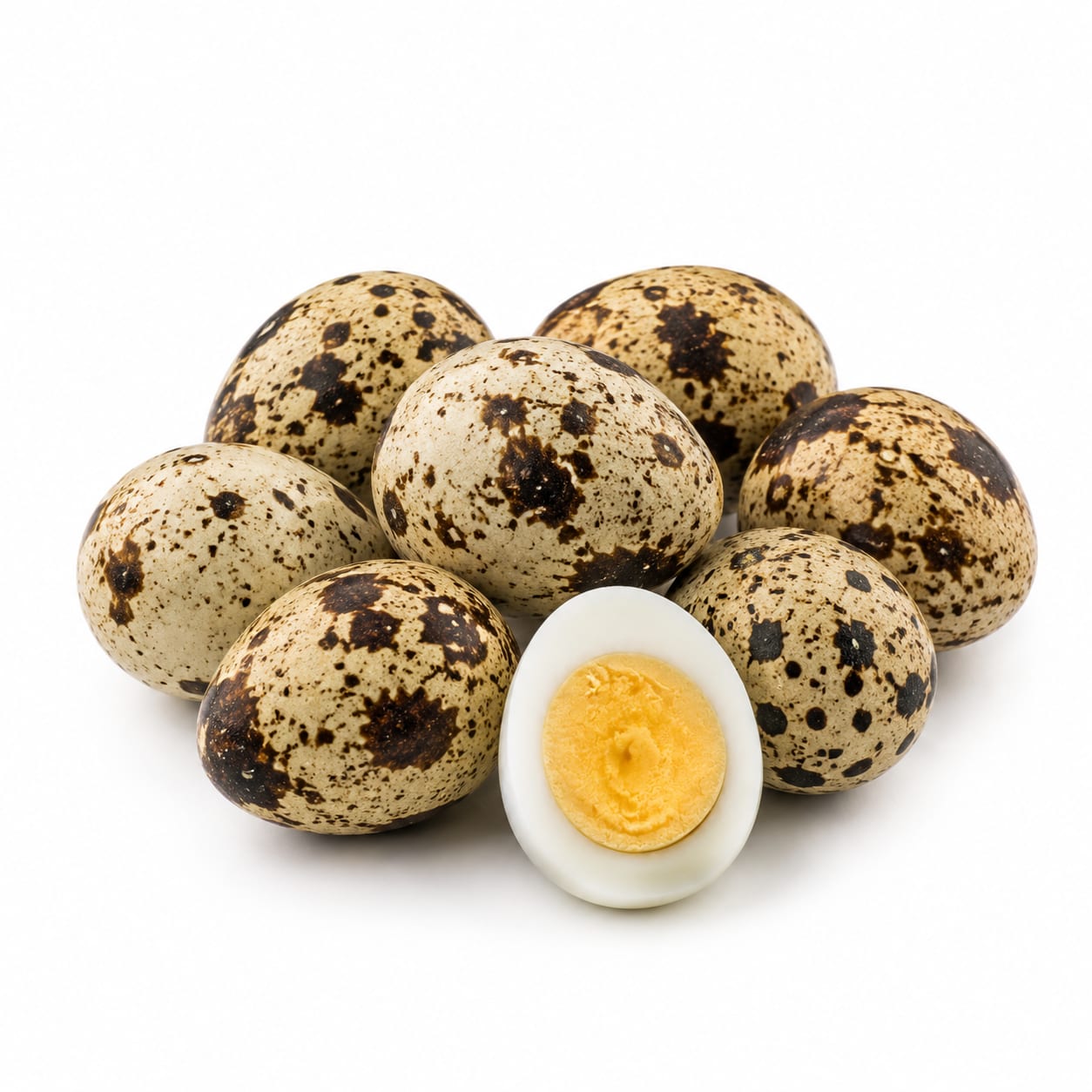
Quail Egg
Quail eggs edge out pheasant eggs mainly on availability, cost-effectiveness, and consistent nutritional research, though pheasant eggs offer slightly more protein per egg.
Quail eggs win on practicality and availability, while pheasant eggs have a slight nutritional edge per egg. Confidence is moderate because nutritional data for pheasant eggs is less extensively studied.
Pheasant eggs give you more protein and nutrients per egg, but quail eggs are far easier to find, cheaper, and better supported by nutritional data.
At a glance
Executive summary
Overall
Quail Egg
Healthier
It depends
More practical
Quail Egg
Daily use
Quail Egg
Key comparison lenses
nutritional density per serving
Both eggs are small specialty eggs often chosen for their perceived superior nutrition, so density matters
practicality and availability
Quail eggs are far easier to find in stores and restaurants, making daily use more realistic
cholesterol and heart health impact
Both eggs have high cholesterol per gram compared to chicken eggs, a common concern for consumers
protein efficiency for portion size
Users often swap these eggs into diets for protein, so understanding how much you actually get matters
culinary versatility and eating experience
Quail eggs are bite-sized and used differently than pheasant eggs, affecting how people actually eat them
Best choice for
Pheasant Egg
- People who have access to specialty game farms or hunters
- Those wanting maximum protein per single egg rather than eating multiple
- Home cooks preparing upscale or rustic game-inspired dishes
Quail Egg
- Anyone wanting a specialty egg they can actually find at a grocery store
- People who enjoy bite-sized eggs as garnishes or appetizers
- Those eating multiple eggs at once for a protein-rich mini meal
Least suitable for
Pheasant Egg
- People watching cholesterol who want precise tracking from reliable data
- Anyone on a budget or without specialty food access
- Those needing consistent supply for daily consumption
Quail Egg
- People who find peeling tiny eggs frustrating
- Those wanting a single egg as a substantial protein source
- Anyone allergic to eggs hoping quail eggs are a safe alternative
Deep comparison
Dimension by dimension
Each lens scores both foods and breaks down who each option suits.
- Dimension 1 · Priority 90Pheasant Egg
protein content and quality
Pheasant Egg · 78Quail Egg · 72A single pheasant egg delivers roughly 9g of protein versus about 1.2g per quail egg, making pheasant eggs more efficient per egg eaten.
Tradeoff
You would need about 7-8 quail eggs to match one pheasant egg for protein, which changes the eating experience entirely.
Why it matters
If you are eating eggs primarily for protein, the number of eggs you need to consume changes your meal planning significantly.
Real-world impact
One pheasant egg feels like a small but real protein serving. With quail eggs, you are eating a handful to get the same benefit.
Pheasant Egg
- Post-workout protein in a single serving
- Minimalist breakfast eaters who want one egg
Better for
- Portion control if you tend to overeat eggs
- Anyone who finds one egg unsatisfying
Worse for
Quail Egg
- Grazing-style eating across the day
- Adding protein to dishes as a garnish rather than a main
Better for
- Getting enough protein without eating many eggs
- Feeling like you ate a real meal
Worse for
- Dimension 2 · Priority 85It depends
vitamin and mineral density
Pheasant Egg · 76Quail Egg · 78Both eggs are nutrient-dense, but quail eggs have slightly more iron and B12 per gram, while pheasant eggs offer more selenium and vitamin D per egg.
Tradeoff
Quail eggs win on iron and certain B vitamins per calorie, but pheasant eggs give you more total micronutrients per egg simply because they are larger.
Why it matters
If you are eating these for micronutrient benefits, the per-egg versus per-gram distinction changes which one looks better.
Real-world impact
For anemia concerns, quail eggs per calorie are slightly better. For overall micronutrient intake in fewer bites, pheasant eggs win.
Pheasant Egg
- Getting more total nutrients in a single serving
- Selenium and vitamin D intake
Better for
- Iron-specific supplementation needs
- Anyone tracking nutrients per calorie rather than per serving
Worse for
Quail Egg
- Iron deficiency concerns
- B12 density per calorie consumed
Better for
- Total nutrient volume if you only eat a few eggs
- Selenium intake specifically
Worse for
- Dimension 3 · Priority 78Quail Egg
cholesterol and heart health
Pheasant Egg · 62Quail Egg · 70Both eggs are high in cholesterol per gram, but quail eggs have been more studied and their cholesterol impact appears moderate for most people when eaten in reasonable quantities.
Tradeoff
Pheasant eggs pack more cholesterol into a single serving, which matters if you are monitoring intake. Quail eggs spread the same concern across many tiny eggs you might eat fewer of.
Why it matters
For people with heart health concerns, understanding the cholesterol load per actual meal matters more than per-gram comparisons.
Real-world impact
Eating two pheasant eggs gives you a substantial cholesterol dose quickly. With quail eggs, you might stop at 3-4 and naturally limit intake.
Pheasant Egg
- Active people who process dietary cholesterol efficiently
- Those not concerned about cholesterol
Better for
- People with familial hypercholesterolemia
- Anyone already eating other high-cholesterol foods that day
Worse for
Quail Egg
- Anyone watching cholesterol numbers
- People who naturally eat smaller portions
Better for
- Those who eat large quantities of quail eggs at once
- People who assume small eggs mean low cholesterol
Worse for
- Dimension 4 · Priority 88Quail Egg
availability and cost
Pheasant Egg · 35Quail Egg · 80Quail eggs are available at many Asian markets, specialty grocers, and even some mainstream stores. Pheasant eggs are genuinely hard to find unless you have a game farm connection.
Tradeoff
You might pay more per egg for quail eggs than chicken eggs, but at least you can find them. Pheasant eggs can be impossible to source consistently.
Why it matters
The healthiest food in the world is useless if you cannot buy it. Daily nutrition depends on reliable access.
Real-world impact
Most people can get quail eggs within a week if they try. Pheasant eggs might require mail order, farm visits, or hunting connections.
Pheasant Egg
- Rural areas near game farms
- People who raise pheasants themselves
Better for
- Practically everyone without specialty food access
- Consistent meal planning
Worse for
Quail Egg
- Urban and suburban shoppers
- Anyone who wants to buy eggs this week, not next month
Better for
- Areas without Asian or specialty markets
- People on very tight budgets
Worse for
- Dimension 5 · Priority 72Quail Egg
culinary experience and versatility
Pheasant Egg · 65Quail Egg · 82Quail eggs are beloved as garnishes, in ramen, pickled, or as elegant appetizers. Pheasant eggs work like small chicken eggs but lack the same culinary tradition.
Tradeoff
Quail eggs have a charming, versatile role in many cuisines. Pheasant eggs are more of a novelty that substitutes for chicken eggs.
Why it matters
Food you enjoy eating consistently beats food that sits in your fridge because you are not sure what to do with it.
Real-world impact
Quail eggs make meals feel special easily. Pheasant eggs feel like a chicken egg alternative without the convenience.
Pheasant Egg
- Hearty breakfast scrambles
- Anyone wanting a richer, gamier flavor
Better for
- Delicate dishes where a large egg overwhelms
- Quick garnish applications
Worse for
Quail Egg
- Beautiful plating and presentation
- Ramen, tapas, and appetizer recipes
- Pickled egg preparations
Better for
- Substantial egg-based dishes like frittatas
- Anyone who finds tiny eggs fiddly to work with
Worse for
Timeline
Health impact over time
Short-term
Hours to days
Pheasant Egg
- High satiety from a single egg due to larger size and protein content
- Rich, gamey flavor that feels more filling than chicken eggs
Quail Egg
- Light, clean-tasting egg experience that does not feel heavy
- Easy to eat a few as a snack without feeling stuffed
Long-term
Months to years
Pheasant Egg
- Good protein and micronutrient support if you can source them regularly
- Cholesterol intake adds up if eating multiple pheasant eggs daily
Quail Egg
- Consistent B12 and iron support from regular consumption
- Cholesterol remains manageable if keeping portions to 4-6 eggs per serving
Risk profile
Safety & processing
Both pheasant eggs and quail eggs are whole, unprocessed foods with no additives. Any processing concern comes from how they are farmed or stored, not the eggs themselves.
Pheasant Egg
Inconsistent farming standards
mediumPheasant eggs often come from smaller or wild operations with less regulatory oversight than commercial poultry, increasing contamination risk.
Limited food safety data
lowBecause pheasant eggs are uncommon, there is less surveillance data on salmonella and other pathogens specific to pheasant farming.
Quail Egg
Salmonella from raw or undercooked eggs
mediumLike all eggs, quail eggs can carry salmonella. Some people eat them raw in certain cuisines, which increases risk.
Misleading safety reputation
lowSome believe quail eggs are salmonella-free due to higher body temperature of quails, but this is not reliably proven.
Who wins for whom
Audience fit
Same foods, different winners depending on your goal.
children
Quail EggQuail eggs are bite-sized and less intimidating for kids, and their smaller cholesterol per egg makes portion management easier for parents.
daily consumption
Quail EggQuail eggs are available enough to actually eat daily, and their smaller size makes it easier to incorporate a few into meals without overdoing cholesterol.
diabetes
It dependsNeither egg contains carbohydrates, so both are blood sugar neutral. The choice depends on what you eat them with and your cholesterol concerns.
elderly
Quail EggQuail eggs are softer, easier to eat in small portions, and their iron and B12 content supports common elderly deficiencies without large cholesterol doses.
muscle gain
Pheasant EggA single pheasant egg delivers substantially more protein than a quail egg, making it easier to hit protein targets without eating a dozen tiny eggs.
weight loss
Quail EggQuail eggs are easier to portion control since each egg is tiny, and you can eat just 2-3 for a light protein snack without overconsuming calories or cholesterol.
Your move
Decision guide
Choose Pheasant Egg
- You have reliable access to pheasant eggs from a trusted farm or hunting source
- You want maximum protein and nutrients per egg rather than per calorie
- You enjoy richer, gamier egg flavors and do not mind the novelty factor
Choose Quail Egg
- You want a specialty egg you can actually find at a store
- You prefer bite-sized eggs for garnishes, ramen, or appetizers
- You want better portion control and more moderate cholesterol per serving
- You are feeding kids or elderly family members who prefer smaller portions
Either works if
- You are simply looking for an alternative to chicken eggs and both are available
- You want a nutrient-dense whole food with no additives
- You enjoy trying different egg varieties for culinary variety
Avoid both if
- You have severe egg allergies, as both carry the same allergen risks
- You are on a strict cholesterol restriction and already eat eggs daily
- You cannot verify the sourcing and food safety of the supplier
Final recommendation
Go with quail eggs unless you have a specific reason to choose pheasant eggs. They are easier to find, more versatile in the kitchen, and offer excellent nutrition in a portion-controlled package. Pheasant eggs are a fine choice if you have access and want a heartier single-egg protein serving, but their scarcity makes them impractical for most people's daily routines.
Practical
Consumer tips
- 1
Look for quail eggs at Asian markets, where they are often fresher and cheaper than at specialty grocers
- 2
If buying pheasant eggs online, check that the seller follows commercial poultry safety standards
- 3
Quail eggs peel much more easily if you shock them in ice water immediately after boiling
- 4
Four to six quail eggs roughly equal one large chicken egg in volume for recipe substitution
- 5
Pheasant eggs can be used 1:1 as a richer substitute for chicken eggs in most baking recipes
- 6
Both eggs should be refrigerated and used within 3-4 weeks of purchase for best quality