
Nutrition comparison
Pheasant Egg vs Goose Egg: Nutrition, Cholesterol, and Which to Choose
Compare pheasant eggs and goose eggs on protein, cholesterol, calories, and practicality. Find out which specialty egg fits your health goals and lifestyle.
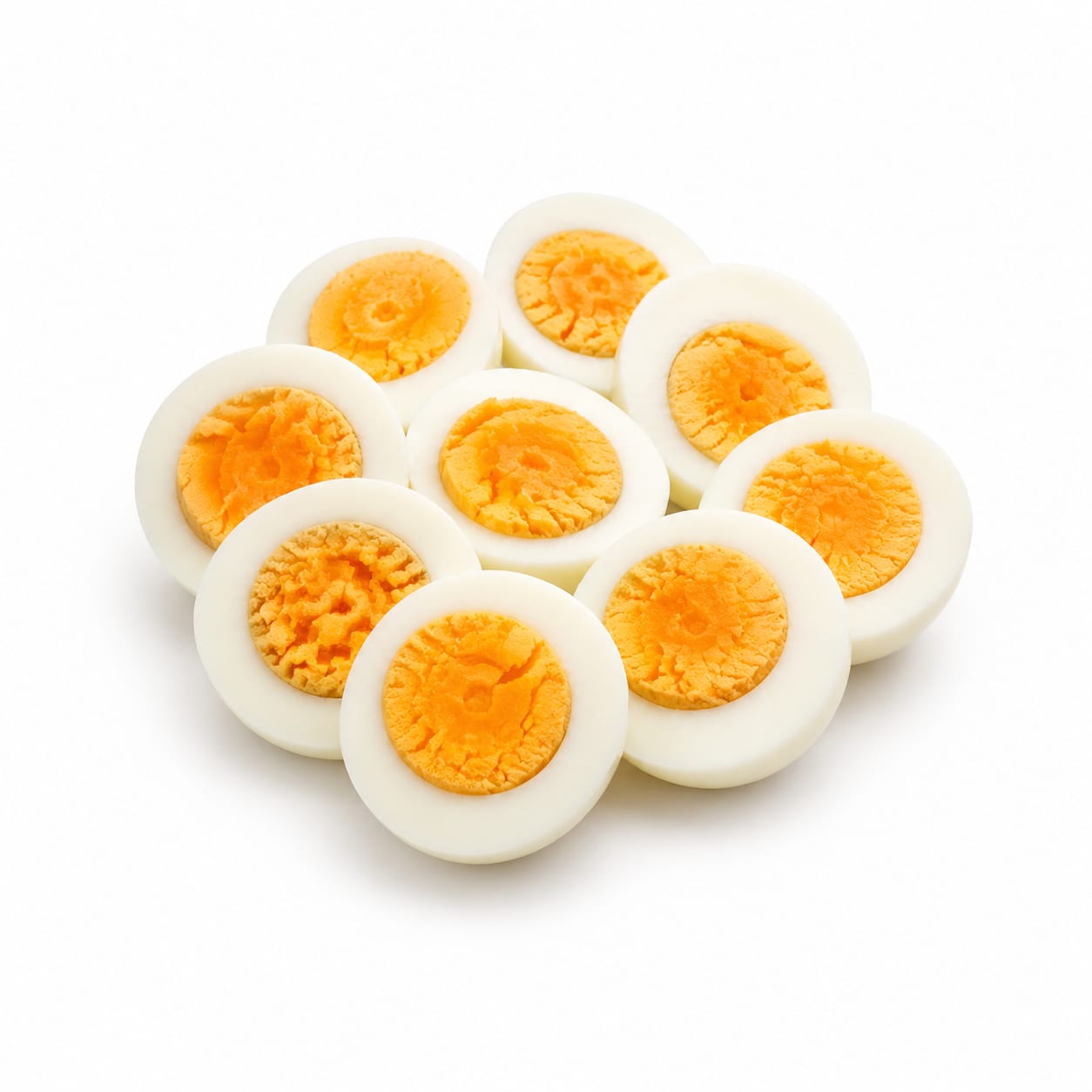
Pheasant Egg
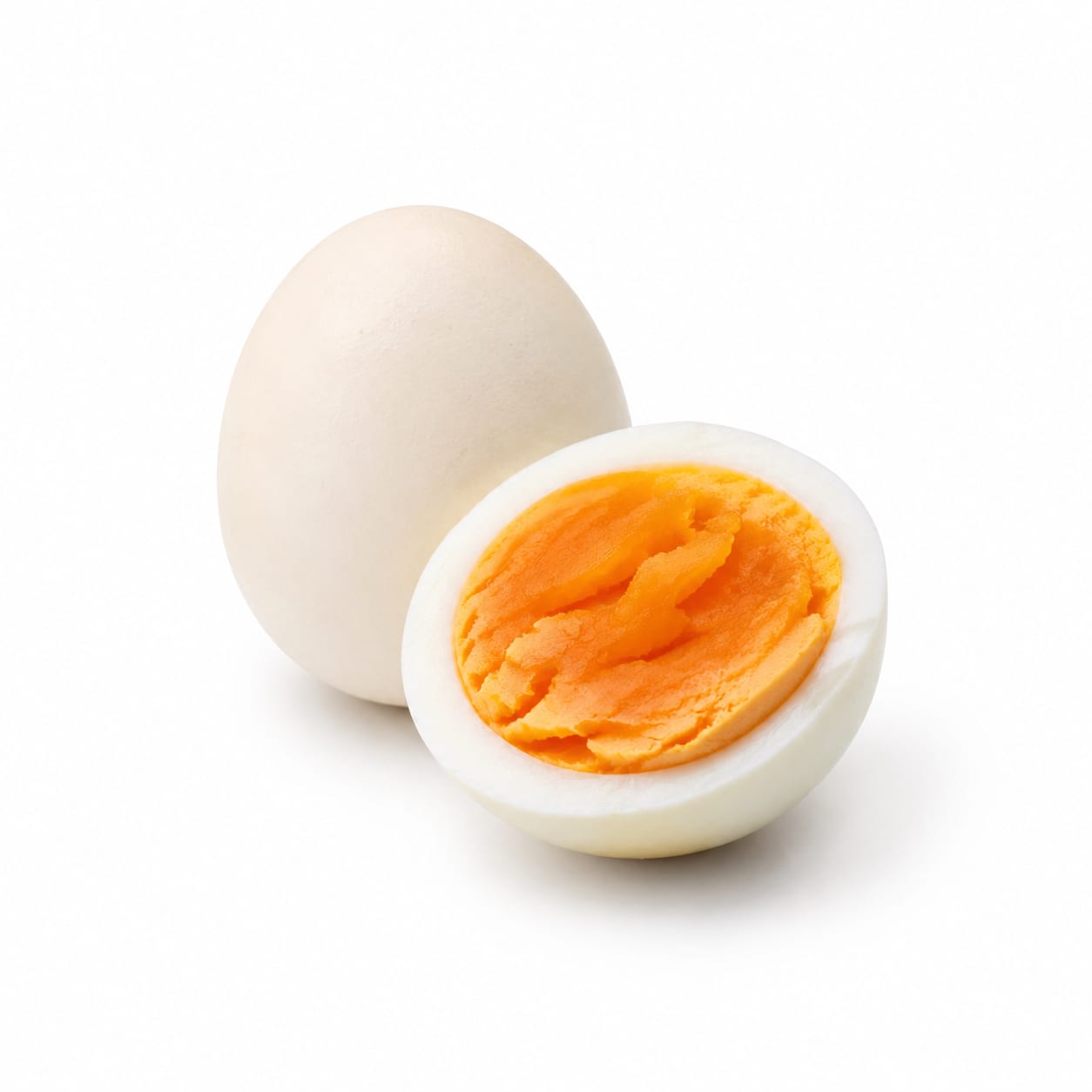
Goose Egg
Pheasant eggs win for portion control and lighter meals, while goose eggs deliver far more protein and nutrients in a single serving but with a heavy cholesterol load.
Pheasant eggs score higher due to better portion flexibility, lower cholesterol per serving, and easier daily integration. Goose eggs are nutritionally impressive but their extreme size and cholesterol content limit regular use for most people.
Goose eggs pack massive nutrition into one serving but come with very high cholesterol and calories; pheasant eggs offer gentler, more flexible portions with less dietary commitment.
At a glance
Executive summary
Overall
It depends
Healthier
Pheasant Egg
More practical
Pheasant Egg
Daily use
Pheasant Egg
Key comparison lenses
protein quality and quantity per serving
Both eggs are premium protein sources but differ dramatically in serving size and total protein delivered
cholesterol impact and heart health considerations
Goose eggs contain extremely high cholesterol per egg, making this a critical differentiator for health-conscious users
portion control and caloric management
A single goose egg equals roughly 3-4 pheasant eggs in volume, creating very different eating experiences and calorie loads
vitamin and mineral density comparison
Both offer strong micronutrient profiles but with different concentrations due to yolk-to-white ratios
practicality and everyday usability
Availability, cost, and cooking versatility differ significantly between these specialty eggs
Best choice for
Pheasant Egg
- Light breakfast eaters who want protein without heaviness
- People watching cholesterol intake
- Those who prefer smaller, more controllable portions
- Anyone meal-prepping with precise calorie tracking
Goose Egg
- Athletes needing high protein in a single sitting
- Very active individuals with high caloric needs
- Those seeking maximum nutrient density per cooking effort
- People who enjoy rich, substantial meals
Least suitable for
Pheasant Egg
- People needing high protein intake from few servings
- Those who find small portions unsatisfying
- Budget-conscious shoppers (pheasant eggs are expensive per gram)
Goose Egg
- Anyone with cholesterol concerns
- People trying to limit calorie intake
- Light eaters who find large portions uncomfortable
- Those on sodium-restricted diets
Deep comparison
Dimension by dimension
Each lens scores both foods and breaks down who each option suits.
- Dimension 1 · Priority 92Goose Egg
Protein Delivery
Pheasant Egg · 55Goose Egg · 90A single goose egg delivers roughly 20g of protein compared to about 9g per pheasant egg, making goose eggs far more efficient for muscle building and satiety.
Tradeoff
That protein comes bundled with significantly more calories and fat, so goose eggs are less efficient per calorie.
Why it matters
If you need protein quickly after a workout or want to stay full for hours, one goose egg does the job of several pheasant eggs.
Real-world impact
After a goose egg breakfast, you will likely feel full well into the afternoon. A pheasant egg breakfast may leave you reaching for a snack by mid-morning.
Pheasant Egg
- Controlled protein intake without excess calories
- Spreading protein across multiple meals
Better for
- Not enough protein per egg for serious athletes
- Requires eating multiple eggs to match goose egg protein
Worse for
Goose Egg
- Post-workout recovery when you need protein fast
- Busy people who want one big meal instead of several small ones
Better for
- Protein comes with a heavy calorie and fat price tag
- Harder to distribute protein evenly across the day
Worse for
- Dimension 2 · Priority 88Pheasant Egg
Cholesterol and Heart Health
Pheasant Egg · 68Goose Egg · 35Pheasant eggs contain roughly 240mg cholesterol per egg, while a single goose egg can contain over 1200mg, exceeding the daily recommended limit in one serving.
Tradeoff
Goose eggs offer more nutrients overall but force a significant cholesterol tradeoff that may not be worth it for heart-conscious eaters.
Why it matters
For anyone with cardiovascular risk factors, a single goose egg represents an entire day's worth of cholesterol or more.
Real-world impact
Eating goose eggs regularly could push your daily cholesterol intake well beyond clinical guidelines, while pheasant eggs stay within reasonable bounds.
Pheasant Egg
- People with family history of heart disease
- Anyone monitoring blood lipid levels
- Those who eat eggs daily and need to manage cumulative cholesterol
Better for
- Still contains meaningful cholesterol per egg
- Not a free pass for unlimited consumption
Worse for
Goose Egg
- Healthy active people with no cholesterol concerns
- Those who eat eggs only occasionally
Better for
- One egg exceeds daily cholesterol recommendations
- Regular consumption is risky for cardiovascular health
- Combines high cholesterol with high saturated fat
Worse for
- Dimension 3 · Priority 85Pheasant Egg
Caloric Density and Portion Control
Pheasant Egg · 82Goose Egg · 40A pheasant egg runs about 70-80 calories, while a goose egg packs 260-300 calories, making portion management far easier with pheasant eggs.
Tradeoff
Goose eggs are more filling per egg, but you lose the ability to fine-tune your calorie intake.
Why it matters
If you are tracking calories or trying to lose weight, the granularity of pheasant eggs gives you much more control.
Real-world impact
You can eat 2-3 pheasant eggs for the same calories as one goose egg, giving you more flexibility on your plate for vegetables or other foods.
Pheasant Egg
- Weight management and calorie counting
- Building balanced plates with multiple components
- People who prefer lighter meals
Better for
- May feel insubstantial as a standalone meal
- Requires more eggs to feel satisfied
Worse for
Goose Egg
- Those needing high-calorie meals for energy or gain
- One-and-done meal preparers
Better for
- One egg is a major calorie commitment
- Difficult to adjust portions without waste
Worse for
- Dimension 4 · Priority 78Goose Egg
Micronutrient Density
Pheasant Egg · 70Goose Egg · 85Goose eggs deliver substantially more vitamin B12, selenium, iron, and vitamin A per serving due to their larger yolk volume and higher yolk-to-white ratio.
Tradeoff
You get more vitamins and minerals per egg with goose eggs, but also more of everything including fat and cholesterol.
Why it matters
For people who eat eggs as a primary nutrient source, goose eggs are more efficient at delivering essential micronutrients.
Real-world impact
A single goose egg can cover most of your daily B12 needs, while you would need several pheasant eggs to match that.
Pheasant Egg
- Getting micronutrients without overconsuming fat
- More even nutrient distribution across meals
Better for
- Lower total micronutrient delivery per egg
- Need multiple eggs to hit the same nutrient targets
Worse for
Goose Egg
- Maximum vitamin and mineral delivery per cooking effort
- People with B12 or iron deficiency who need efficient sources
Better for
- Nutrient density comes with high fat and calorie baggage
- Excess fat-soluble vitamins are not a bonus if fat intake is already high
Worse for
- Dimension 5 · Priority 80Goose Egg
Satiety and Fullness
Pheasant Egg · 55Goose Egg · 88Goose eggs are extremely filling due to their high protein and fat content, while pheasant eggs provide moderate satiety that may require pairing with other foods.
Tradeoff
The same heaviness that makes goose eggs satisfying can also make them feel sluggish or overly rich for some eaters.
Why it matters
If staying full until your next meal matters, goose eggs are hard to beat. But that fullness can feel uncomfortable if you prefer eating light.
Real-world impact
A goose egg omelet at breakfast can easily carry you to lunch without hunger. A pheasant egg breakfast will likely need toast, fruit, or avocado to feel complete.
Pheasant Egg
- People who graze or eat multiple small meals
- Those who dislike feeling overly full
Better for
- Unlikely to satisfy alone as a full meal
- May trigger hunger-driven snacking
Worse for
Goose Egg
- Long work shifts without meal breaks
- Anyone trying to reduce between-meal snacking
Better for
- Can feel heavy and sluggish after eating
- Not suitable before physical activity
Worse for
- Dimension 6 · Priority 75Pheasant Egg
Practicality and Availability
Pheasant Egg · 60Goose Egg · 45Both are specialty eggs with limited availability, but pheasant eggs are slightly easier to find and more versatile in recipes due to their manageable size.
Tradeoff
Neither egg is as convenient as chicken eggs, but pheasant eggs integrate more easily into standard recipes and meal plans.
Why it matters
If you cannot find or afford these eggs regularly, the nutritional comparison becomes academic rather than practical.
Real-world impact
Substituting pheasant eggs in a chicken egg recipe is straightforward. Goose eggs require recipe adjustments because one egg replaces three to four chicken eggs.
Pheasant Egg
- Easier substitution in standard recipes
- Less recipe adjustment needed
- More manageable storage and handling
Better for
- Still a specialty item with limited availability
- More expensive per gram than chicken eggs
Worse for
Goose Egg
- One egg does the work of several, saving prep time
- Impressive presentation for special meals
Better for
- Hard to find outside specialty markets or farms
- Seasonal availability in many regions
- Requires recipe recalibration for most dishes
Worse for
Timeline
Health impact over time
Short-term
Hours to days
Pheasant Egg
- Light, comfortable energy without heaviness
- Moderate satiety that may require complementary foods
- Easy digestion for most people
Goose Egg
- Strong feeling of fullness lasting several hours
- Possible sluggishness after eating due to high fat content
- Very rich taste that can feel heavy in the stomach
Long-term
Months to years
Pheasant Egg
- Sustainable for regular consumption without excessive cholesterol accumulation
- Supports consistent protein intake with manageable fat load
- Lower risk of contributing to elevated blood lipid levels
Goose Egg
- Regular consumption could significantly raise dietary cholesterol intake
- High saturated fat intake may impact cardiovascular markers over time
- Excellent nutrient delivery if consumed in moderation, such as weekly rather than daily
Risk profile
Safety & processing
Both pheasant eggs and goose eggs are whole, unprocessed foods with no additives. Any quality differences come from farming practices rather than processing. Free-range and organic options are worth seeking for both.
Pheasant Egg
Salmonella contamination
mediumLike all eggs, pheasant eggs carry salmonella risk. Cook thoroughly and avoid raw consumption, especially for vulnerable populations.
Source and farming practice variability
lowLess regulated than commercial chicken egg production. Buy from reputable sources with known farming standards.
Goose Egg
Salmonella contamination
mediumGoose eggs carry similar salmonella risks as other eggs. Their larger size means longer cooking times to ensure safety throughout.
High cholesterol load per serving
highA single goose egg can contain over 1200mg of cholesterol, far exceeding daily recommended limits. Regular consumption poses cardiovascular risk for susceptible individuals.
Longer cooking time for food safety
mediumThe large volume of goose eggs requires extended cooking to reach safe internal temperatures, increasing the risk of undercooking.
Who wins for whom
Audience fit
Same foods, different winners depending on your goal.
children
Pheasant EggPheasant eggs are closer to chicken eggs in size and richness, making them more appropriate for smaller appetites and less overwhelming on the palate.
daily consumption
Pheasant EggThe lower cholesterol and calorie content of pheasant eggs makes them more sustainable as a daily protein source without accumulating dietary risk.
diabetes
Pheasant EggBoth eggs have minimal impact on blood sugar, but pheasant eggs allow better portion and calorie management, which supports weight control for diabetes management.
elderly
Pheasant EggOlder adults often need to manage cholesterol and calorie intake carefully. Pheasant eggs provide nutrition without the excessive fat and cholesterol load of goose eggs.
muscle gain
Goose EggGoose eggs deliver substantially more protein per serving, which is more efficient for muscle recovery and growth when caloric surplus is acceptable.
weight loss
Pheasant EggPheasant eggs offer better portion control and lower calorie density, making it easier to stay within daily limits while still getting quality protein.
Your move
Decision guide
Choose Pheasant Egg
- You want a lighter egg experience similar to chicken eggs with a gourmet twist
- You are watching your cholesterol or have cardiovascular concerns
- You prefer flexible portions you can adjust throughout the day
- You eat eggs daily and need a sustainable long-term option
- You want to pair eggs with other foods on your plate without overloading calories
Choose Goose Egg
- You are highly active and need concentrated protein and calories
- You eat eggs occasionally and want maximum impact per serving
- You have no cholesterol concerns and enjoy rich, substantial meals
- You want one egg to serve as an entire meal
- You are cooking for someone with high caloric needs
Either works if
- You are simply looking for a specialty egg experience and have no specific health constraints
- You want to rotate between lighter and richer options depending on the day
Avoid both if
- You have an egg allergy
- You are on a strict vegan diet
- You have severe cholesterol restrictions and should limit all egg consumption
Final recommendation
For most people, pheasant eggs are the smarter regular choice due to better portion control, lower cholesterol, and easier daily integration. Goose eggs are best treated as an occasional indulgence or performance food for high-calorie needs. If you try both, let your energy needs and how your body feels afterward guide which one earns a regular spot in your kitchen.
Practical
Consumer tips
- 1
Start with one pheasant egg before committing to a dozen, as the flavor is slightly gamier than chicken eggs
- 2
If cooking goose eggs, reduce the number of eggs in any recipe by roughly a 1-to-3 or 1-to-4 ratio compared to chicken eggs
- 3
Both eggs benefit from gentle cooking methods like soft scrambling or poaching to preserve their richer yolk flavor
- 4
Source from reputable farms whenever possible, as specialty eggs have less regulatory oversight than commercial chicken eggs
- 5
Store both egg types the same way you would chicken eggs, refrigerated and used within a few weeks
- 6
If cholesterol is a concern, consider using fewer yolks and supplementing with egg whites from either variety