
Nutrition comparison
Pheasant Egg vs Tofu: Nutrition, Health Tradeoffs, and Which to Choose
Compare pheasant eggs and tofu on protein quality, cholesterol, heart health, cost, and daily practicality. Find out which fits your diet and lifestyle better.
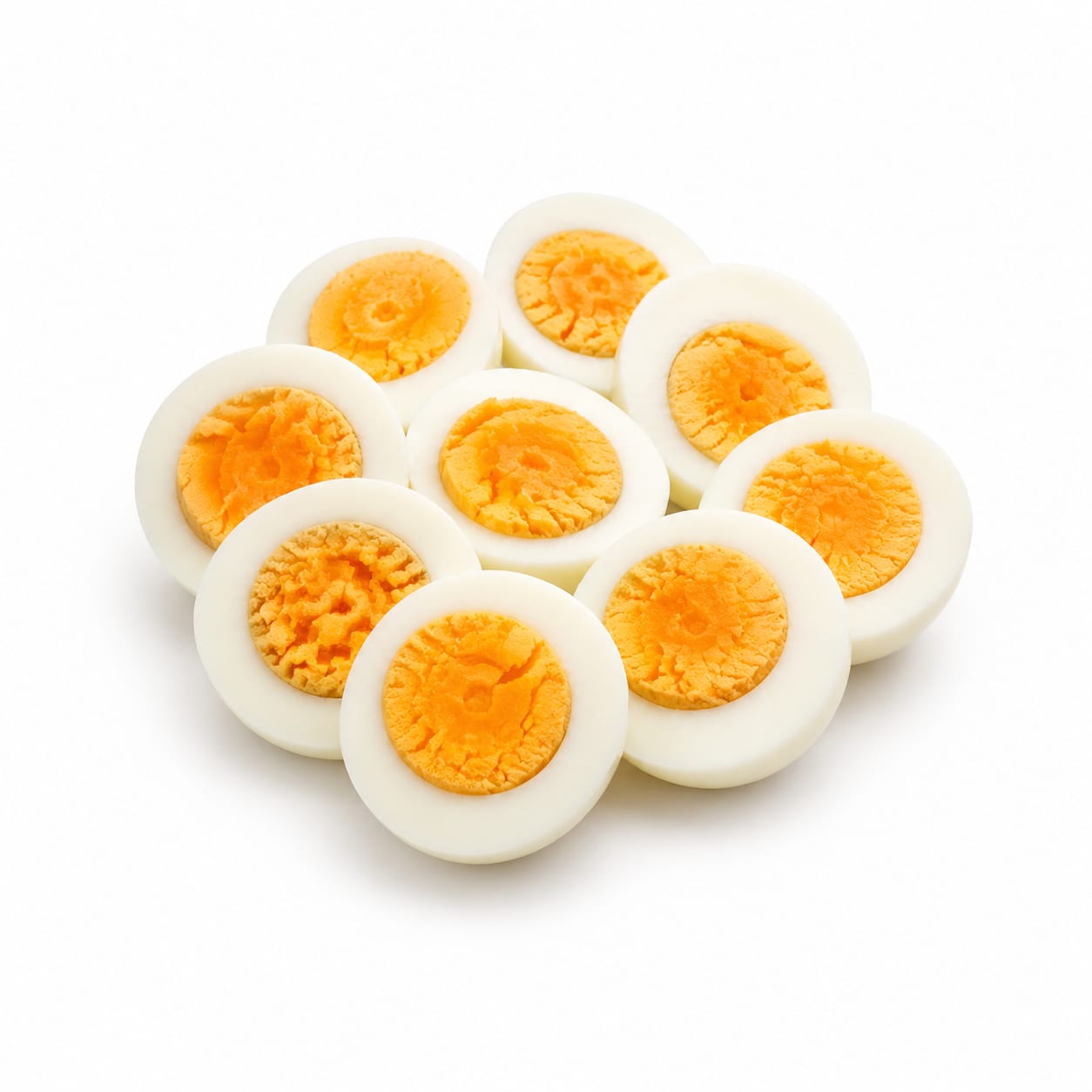
Pheasant Egg
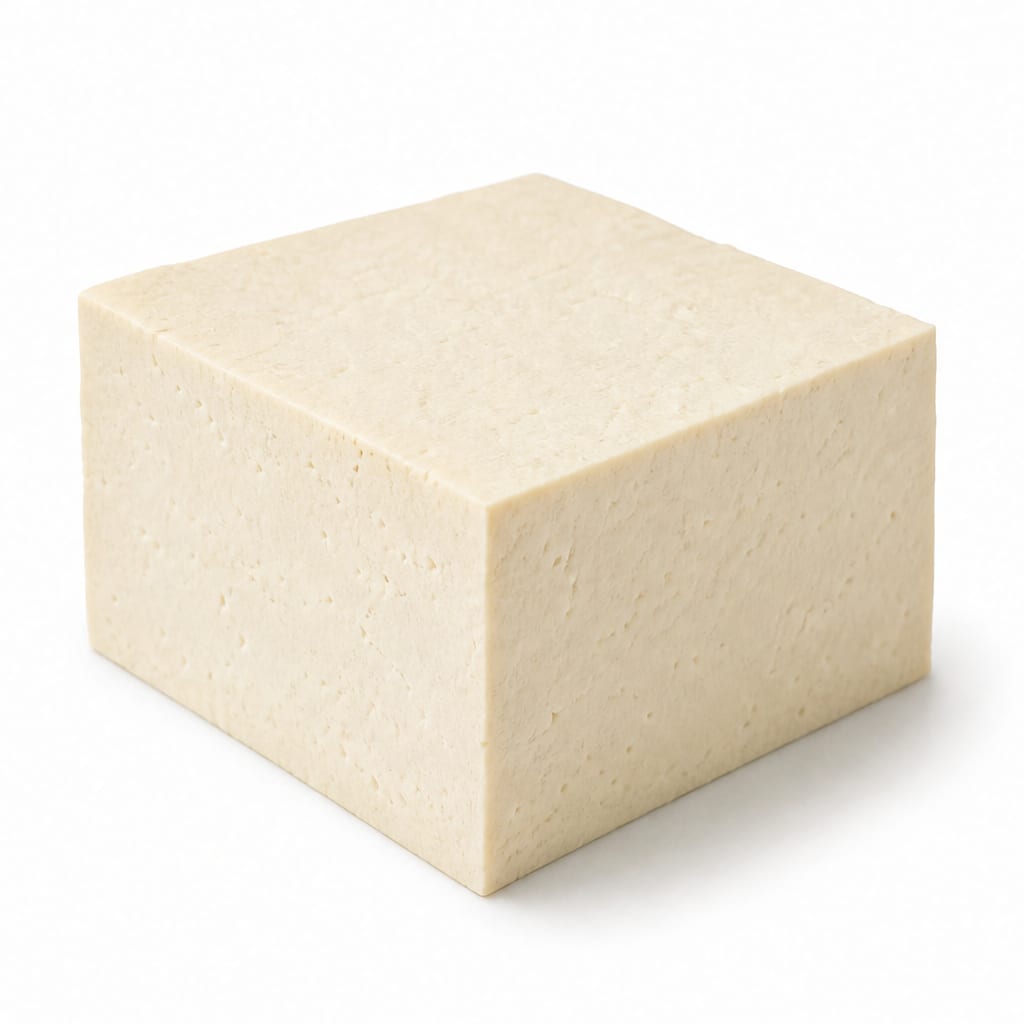
Tofu
Tofu wins on practicality, heart health, and daily sustainability. Pheasant eggs offer richer micronutrition and more satisfying flavor but come with cholesterol and availability tradeoffs.
Tofu scores higher due to everyday practicality, cardiovascular safety, and affordability. Pheasant eggs are nutritionally impressive but limited by availability, cost, and cholesterol content for regular consumption.
Nutrient density and culinary richness versus affordability, convenience, and cardiovascular safety
At a glance
Executive summary
Overall
It depends
Healthier
Tofu
More practical
Tofu
Daily use
Tofu
Key comparison lenses
animal vs plant protein quality
Users comparing eggs and tofu are usually deciding between animal and plant protein sources for daily nutrition
cholesterol and heart health tradeoffs
Pheasant eggs contain dietary cholesterol while tofu is cholesterol-free, a major decision factor for cardiovascular health
everyday practicality and affordability
Pheasant eggs are specialty items with limited availability, while tofu is cheap and accessible everywhere
hormonal and thyroid considerations
Tofu contains soy isoflavones that concern some users, while eggs provide choline with different hormonal implications
sustainability and ethical eating
Plant-based tofu generally has lower environmental impact than animal products like pheasant eggs
Best choice for
Pheasant Egg
- People wanting nutrient-dense animal protein with superior B12 and choline
- Culinary enthusiasts seeking rich, flavorful ingredients
- Those avoiding soy due to allergy or thyroid concerns
- Low-carb and keto dieters needing satisfying fat-protein combinations
Tofu
- People managing cholesterol or heart disease risk
- Budget-conscious eaters needing affordable daily protein
- Vegans and vegetarians seeking versatile plant protein
- Anyone prioritizing convenient, widely available nutrition
Least suitable for
Pheasant Egg
- People with egg allergies
- Those strictly managing dietary cholesterol
- Budget-limited households
- Anyone needing quick, everyday meal solutions
Tofu
- People with soy allergies
- Those avoiding soy for thyroid medication interactions
- Consumers seeking high-B12 food sources
- Individuals who dislike soft or bland textures without seasoning
Deep comparison
Dimension by dimension
Each lens scores both foods and breaks down who each option suits.
- Dimension 1 · Priority 95Pheasant Egg
Protein Quality and Completeness
Pheasant Egg · 88Tofu · 78Pheasant eggs provide slightly higher biological value protein with all essential amino acids in optimal ratios, while tofu offers solid but somewhat lower methionine content.
Tradeoff
Animal protein absorbs more efficiently, but tofu still delivers complete protein at a fraction of the cost per gram.
Why it matters
Better protein quality means your body uses more of what you eat, which matters for muscle maintenance, especially as you age.
Real-world impact
After a workout, pheasant eggs might edge out tofu for recovery, but the difference is modest enough that pairing tofu with grains closes the gap entirely.
Pheasant Egg
- Post-workout muscle recovery
- Older adults preventing muscle loss
- Anyone needing highly bioavailable protein in small portions
Better for
- People who need large protein amounts without excess fat
- Anyone watching cholesterol alongside protein intake
Worse for
Tofu
- Large-volume protein intake without excess calories
- Budget-friendly daily protein needs
- Combining with grains for complete amino acid profiles
Better for
- Those needing maximum protein efficiency per bite
- People who cannot pair tofu with complementary foods
Worse for
- Dimension 2 · Priority 90Tofu
Heart Health and Cholesterol Impact
Pheasant Egg · 42Tofu · 92Tofu is cholesterol-free and contains heart-protective isoflavones. Pheasant eggs carry dietary cholesterol and saturated fat that raise cardiovascular concerns with frequent consumption.
Tradeoff
Eggs offer choline and B vitamins that support brain health, but the cholesterol load makes them riskier for daily use if heart disease runs in your family.
Why it matters
Cardiovascular disease remains the leading cause of death globally. Daily food choices around cholesterol and saturated fat accumulate real risk over decades.
Real-world impact
Eating tofu most days supports healthy cholesterol numbers. Eating pheasant eggs daily could push LDL higher, especially if you are genetically cholesterol-sensitive.
Pheasant Egg
- People with no cholesterol concerns and excellent lipid panels
- Those prioritizing brain nutrients like choline over heart markers
Better for
- Daily consumption for cholesterol-sensitive individuals
- Anyone already eating other animal fats regularly
Worse for
Tofu
- Anyone with family history of heart disease
- People managing high LDL cholesterol
- Those wanting cardio-protective daily eating patterns
Better for
- People on thyroid medication who need to limit soy intake timing
Worse for
- Dimension 3 · Priority 85Pheasant Egg
Micronutrient Density
Pheasant Egg · 86Tofu · 68Pheasant eggs pack B12, choline, selenium, vitamin A, and riboflavin into a tiny package. Tofu provides calcium and iron but lacks B12 entirely and has lower choline.
Tradeoff
Eggs deliver nutrients that are genuinely hard to get from plants, but tofu offers minerals that many people are also deficient in.
Why it matters
B12 deficiency causes fatigue and nerve damage over time. Choline supports memory and liver function. These are not optional nutrients.
Real-world impact
If you eat mostly plant-based, pheasant eggs fill nutritional gaps that tofu cannot. But if you already eat animal products, tofu adds mineral diversity without redundancy.
Pheasant Egg
- Plant-curious eaters needing B12 insurance
- Pregnant women requiring choline and B12
- Anyone wanting maximum nutrition per calorie
Better for
- People already getting ample B12 from other animal foods
- Those who need mineral variety over vitamin density
Worse for
Tofu
- People needing calcium without dairy
- Those wanting iron from a non-meat source
- Vegans who supplement B12 separately
Better for
- Unsupplemented vegans who assume tofu covers all micronutrient needs
- Pregnant women needing reliable choline sources
Worse for
- Dimension 4 · Priority 82Tofu
Convenience and Accessibility
Pheasant Egg · 28Tofu · 90Tofu is available in every grocery store, costs very little, and keeps for weeks. Pheasant eggs are specialty items requiring specialty shops or online orders at premium prices.
Tradeoff
Pheasant eggs offer a unique eating experience but demand effort and money to source. Tofu is always there when you need it.
Why it matters
The healthiest food is the one you actually eat regularly. Exotic ingredients that sit unused in your fridge do not improve your nutrition.
Real-world impact
On a busy Tuesday night, tofu is a 10-minute meal. Pheasant eggs require planning, sourcing, and higher spending before you even start cooking.
Pheasant Egg
- Weekend cooking projects and special occasion meals
- People who enjoy sourcing artisanal ingredients
Better for
- Spontaneous cooking without advance planning
- Rural areas with limited specialty food access
Worse for
Tofu
- Weeknight dinners when time is short
- Meal prep for the week ahead
- Anyone living far from specialty food shops
Better for
- Culinary experiences where uniqueness matters more than convenience
Worse for
- Dimension 5 · Priority 78Pheasant Egg
Satiety and Eating Satisfaction
Pheasant Egg · 82Tofu · 65Pheasant eggs feel richer and more satisfying per bite due to their fat content and creamy yolk. Tofu is filling but requires seasoning and cooking technique to feel satisfying.
Tradeoff
The fat that makes eggs satisfying also adds calories. Tofu is lighter but can feel bland without effort.
Why it matters
Foods that leave you satisfied prevent snacking and overeating later. Satisfaction is not just hedonic, it is a real metabolic signal.
Real-world impact
Two pheasant eggs at breakfast can keep you full until lunch. The same calories in tofu might leave you hunting for a snack by 10 AM.
Pheasant Egg
- Breakfast eaters needing lasting morning fullness
- People who struggle with between-meal hunger
- Low-carb dieters relying on fat for satiety
Better for
- Those who find rich foods triggering for overeating
- People wanting to eat larger food volumes with fewer calories
Worse for
Tofu
- People preferring lighter meals that do not feel heavy
- Hot weather eating when rich foods feel unappealing
Better for
- Anyone finding plain tofu unsatisfying without added fats and sauces
Worse for
- Dimension 6 · Priority 75Tofu
Environmental Sustainability
Pheasant Egg · 35Tofu · 85Tofu has a significantly lower carbon footprint, uses less water, and requires less land than any animal product. Pheasant eggs carry the full environmental cost of animal agriculture.
Tradeoff
Pheasant farming may be less intensive than industrial chicken operations, but it still cannot match the resource efficiency of soybean production.
Why it matters
Daily food choices are the single biggest personal lever for environmental impact. This matters increasingly for younger consumers.
Real-world impact
Choosing tofu over animal protein a few times a week meaningfully reduces your personal carbon footprint over a year.
Pheasant Egg
- Small-scale local pheasant farms with regenerative practices
Better for
- Environmentally-focused eaters avoiding animal products
- Those concerned about agricultural land use
Worse for
Tofu
- Anyone trying to eat more sustainably
- Climate-conscious consumers making daily choices
- People wanting affordable protein with low environmental cost
Better for
- People worried about soy monoculture farming practices
- Those who prioritize organic and non-GMO but find organic tofu expensive
Worse for
Timeline
Health impact over time
Short-term
Hours to days
Pheasant Egg
- Quick, sustained energy from fat-protein balance
- Possible digestive heaviness if eating multiple eggs at once
- Immediate B12 and choline boost for brain function
Tofu
- Light, clean feeling after eating without heaviness
- May feel unsatisfied if eaten plain without seasoning or fats
- Gentle on digestion for most people, though soy can cause bloating in sensitive individuals
Long-term
Months to years
Pheasant Egg
- Potential LDL cholesterol increase with frequent consumption
- Excellent choline intake supporting liver and brain health over decades
- Risk of cumulative saturated fat exposure if eaten daily alongside other animal fats
Tofu
- Cardiovascular protection from isoflavones and zero cholesterol
- Possible modest thyroid hormone interaction at very high intakes, though unlikely at normal portions
- Consistent calcium intake supporting bone density, especially for dairy-free eaters
Risk profile
Safety & processing
Pheasant eggs are essentially unprocessed whole foods. Tofu undergoes coagulation and pressing but remains a traditional, minimally processed product with simple ingredients: soybeans, water, and a coagulant like calcium sulfate.
Pheasant Egg
Salmonella contamination
mediumLike all eggs, pheasant eggs carry salmonella risk if undercooked or improperly stored. Cooking thoroughly eliminates this concern.
Allergic reactions
mediumEgg allergies are among the most common food allergies, particularly in children. Reactions can range from hives to anaphylaxis.
Tofu
Soy allergy
mediumSoy is a top 8 allergen. Reactions vary but can be serious for affected individuals.
GMO exposure
lowMost conventional soy in the US is genetically modified. Choosing organic tofu eliminates this concern entirely.
Thyroid medication interference
lowSoy can reduce absorption of thyroid hormone replacement medication. Spacing consumption 4 hours from medication resolves this.
Who wins for whom
Audience fit
Same foods, different winners depending on your goal.
children
It dependsPheasant eggs provide critical B12 and choline for developing brains, but tofu offers gentle calcium and iron. Both are valuable; neither should be the sole protein source.
daily consumption
TofuTofu is affordable, accessible, heart-safe, and versatile enough to eat daily without accumulating health risks.
diabetes
TofuTofu has virtually zero carbohydrates and no cholesterol, making it safer for blood sugar management and the cardiovascular risks that accompany diabetes.
elderly
TofuOlder adults face rising cardiovascular risk and need easy-to-digest, affordable protein. Tofu supports heart health and is gentler on aging digestion.
muscle gain
Pheasant EggPheasant eggs offer slightly higher biological value protein and leucine content per serving, giving a modest edge for muscle protein synthesis.
weight loss
TofuTofu provides more food volume and protein per calorie, making it easier to stay in a deficit while feeling satisfied.
Your move
Decision guide
Choose Pheasant Egg
- You want nutrient-dense animal protein and have no cholesterol concerns
- You are eating mostly plant-based and need B12 and choline from whole food
- You value culinary richness and are willing to source specialty ingredients
- You eat eggs occasionally rather than daily, making cholesterol less concerning
Choose Tofu
- You need affordable, accessible protein you can eat every day
- Heart health and cholesterol management are priorities for you
- You want a versatile ingredient that works across many cuisines and meals
- Environmental sustainability influences your food choices
Either works if
- You rotate protein sources throughout the week and want variety
- You have no specific health conditions that favor one over the other
- You enjoy cooking and can prepare both in satisfying ways
Avoid both if
- You have both egg and soy allergies
- You are on a strict elimination diet that excludes both animal products and soy
Final recommendation
Make tofu your daily protein staple and enjoy pheasant eggs as an occasional nutrient-dense treat. This gives you the cardiovascular safety and practicality of tofu with the micronutrient richness and culinary pleasure of eggs, without overloading on cholesterol or missing out on B12.
Practical
Consumer tips
- 1
Choose organic tofu to avoid GMO soy and pesticide residue concerns
- 2
If eating pheasant eggs regularly, limit to 3-4 per week and monitor your cholesterol
- 3
Press tofu before cooking for better texture and flavor absorption
- 4
Pair tofu with nutritional yeast for a B12 boost that makes it more nutritionally competitive with eggs
- 5
Store pheasant eggs in the refrigerator and use within 2-3 weeks for best quality
- 6
Freeze tofu before thawing for a chewier, meatier texture that absorbs marinades better
- 7
If cholesterol runs high in your family, treat pheasant eggs as a weekly luxury rather than a daily staple