
Nutrition comparison
Pheasant Egg vs Chia Seeds: Nutrition Comparison and Health Tradeoffs
Compare pheasant eggs and chia seeds side by side. Discover which is better for protein, fiber, omega-3s, weight loss, and daily nutrition. Expert analysis of real tradeoffs.
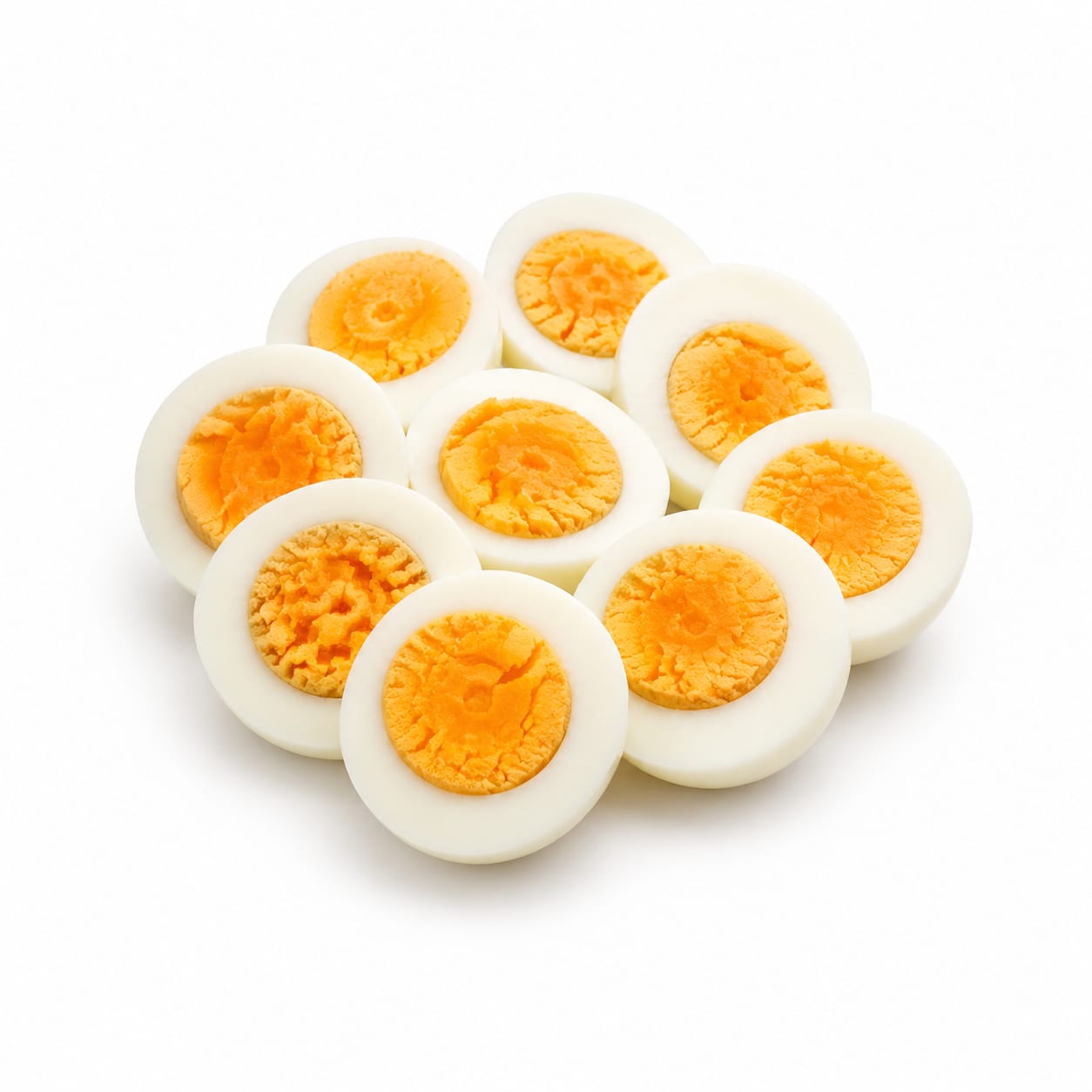
Pheasant Egg
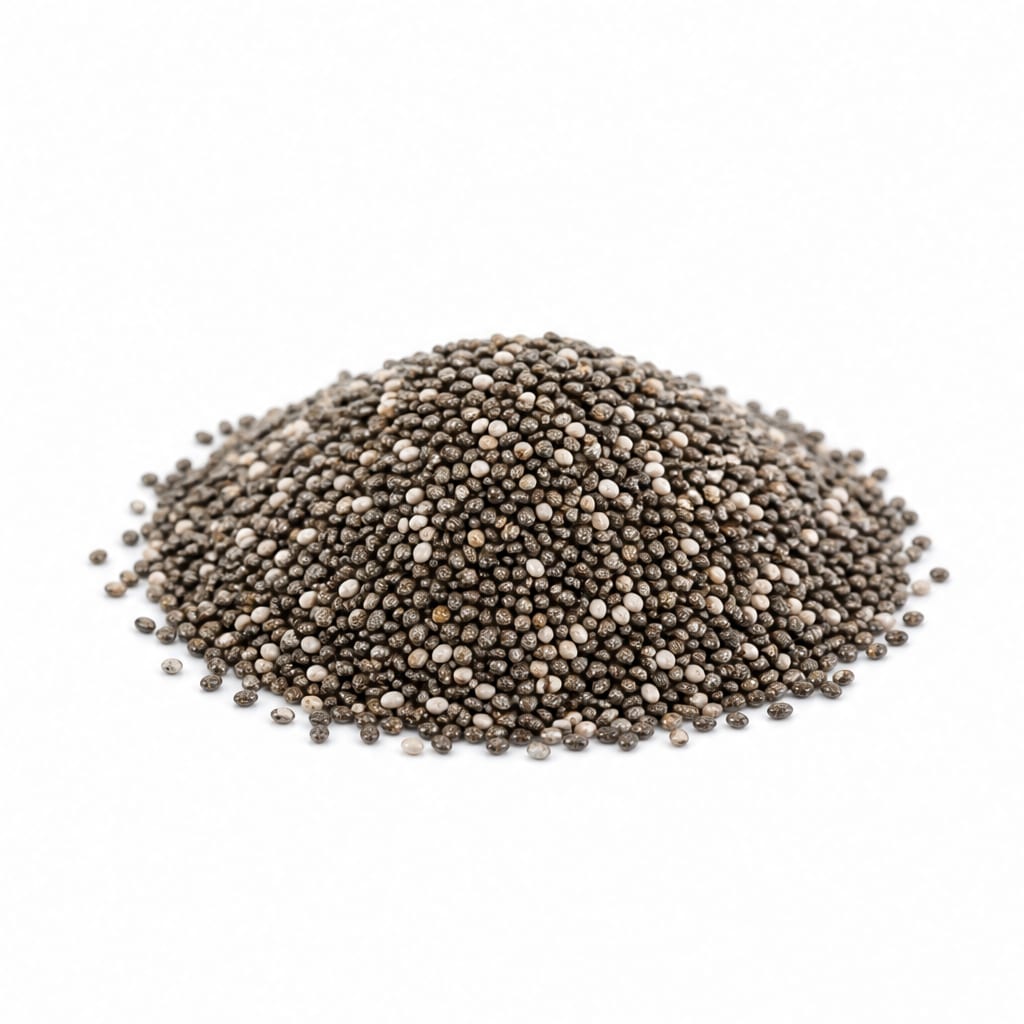
Chia Seeds
Pheasant eggs deliver concentrated complete protein and brain-supporting choline, while chia seeds provide massive fiber, plant omega-3s, and mineral density. They solve completely different nutritional problems.
Chia seeds score slightly higher due to fiber density, mineral content, and broader daily usability. Pheasant eggs excel in protein quality and bioavailable nutrients but have a narrower use case and cholesterol considerations.
Protein and bioavailable nutrients versus fiber and sustained energy. You gain satiety through different mechanisms that are not interchangeable.
At a glance
Executive summary
Overall
It depends
Healthier
It depends
More practical
Chia Seeds
Daily use
Chia Seeds
Key comparison lenses
animal vs plant protein source
Users comparing these foods are likely deciding between an animal-based protein and a plant-based functional food
omega3 source comparison
Both foods are valued for omega-3 content but deliver fundamentally different types (DHA vs ALA)
satiety mechanism difference
Pheasant eggs satisfy through protein and fat while chia seeds create physical fullness through fiber gel formation
digestive health impact
Chia seeds offer dramatic fiber benefits while eggs provide essentially zero fiber
breakfast or morning routine fit
Both foods are commonly used in morning meals but serve very different roles
Best choice for
Pheasant Egg
- People needing high-quality complete protein
- Those following low-carb or ketogenic diets
- Anyone seeking bioavailable B12 and choline
- Individuals with fiber sensitivity or FODMAP restrictions
- Post-workout recovery meals
Chia Seeds
- People prioritizing digestive regularity
- Those seeking plant-based omega-3 intake
- Anyone managing blood sugar stability
- Individuals needing sustained energy without crashes
- Vegan and plant-forward eaters
Least suitable for
Pheasant Egg
- People with egg allergies or cholesterol concerns
- Vegans and strict plant-based dieters
- Those needing fiber supplementation
- Individuals watching saturated fat intake
Chia Seeds
- People with difficulty swallowing or esophageal issues
- Those on low-fiber diets for digestive conditions
- Individuals who need dense protein in small volume
- People allergic to sesame or mustard seeds
Deep comparison
Dimension by dimension
Each lens scores both foods and breaks down who each option suits.
- Dimension 1 · Priority 95Pheasant Egg
protein_quality_and_quantity
Pheasant Egg · 88Chia Seeds · 52Pheasant eggs provide complete protein with all essential amino acids in highly bioavailable forms. Chia seeds offer modest protein that is incomplete without complementary foods.
Tradeoff
You get more usable protein per calorie from pheasant eggs, but chia seeds contribute protein alongside massive fiber benefits that eggs cannot match.
Why it matters
Complete animal protein supports muscle repair, immune function, and satiety more efficiently than plant protein alone.
Real-world impact
After a workout, two pheasant eggs deliver protein your body can immediately use. Chia seeds would need to be paired with other protein sources to achieve the same effect.
Pheasant Egg
- Muscle recovery and growth
- Meeting protein needs in small volume
- Bioavailable amino acid intake
Better for
- Zero fiber contribution
- Cholesterol content may concern some users
Worse for
Chia Seeds
- Adding protein to fiber-rich meals
- Plant-based protein supplementation
Better for
- Incomplete amino acid profile alone
- Lower protein density per serving
Worse for
- Dimension 2 · Priority 92Chia Seeds
fiber_and_digestive_health
Pheasant Egg · 5Chia Seeds · 97Chia seeds are a fiber powerhouse with roughly 10 grams per ounce. Pheasant eggs contain zero fiber.
Tradeoff
Chia seeds transform digestion and regularity. Pheasant eggs offer nothing for gut health but are gentle on sensitive digestive systems that cannot tolerate high fiber.
Why it matters
Most people fall far short of daily fiber recommendations. Chia seeds close that gap dramatically in a single serving.
Real-world impact
A morning chia pudding can keep you regular and comfortable all day. Pheasant eggs will not help or hinder digestion either way.
Pheasant Egg
- Easy digestion for sensitive stomachs
- Low-residue diet compatibility
Better for
- Zero fiber contribution to daily needs
- No prebiotic benefit
Worse for
Chia Seeds
- Daily digestive regularity
- Gut microbiome feeding
- Preventing constipation
- Satiety through physical fullness
Better for
- Can cause bloating if introduced too quickly
- Requires adequate water intake
Worse for
- Dimension 3 · Priority 88It depends
omega3_fatty_acids
Pheasant Egg · 72Chia Seeds · 80Chia seeds provide abundant ALA omega-3s while pheasant eggs offer DHA in smaller amounts. ALA must be converted to DHA/EPA in the body, which is inefficient.
Tradeoff
Chia seeds give you more total omega-3 by volume but in a form your body uses poorly. Pheasant eggs give you less omega-3 but in the directly usable DHA form.
Why it matters
DHA supports brain and heart health directly. ALA from chia requires conversion that only operates at roughly 5-10% efficiency in most people.
Real-world impact
Eating pheasant eggs gives your brain DHA it can use immediately. Chia seeds provide omega-3s that mostly serve as background anti-inflammatory support rather than direct brain fuel.
Pheasant Egg
- Direct DHA availability for brain function
- No conversion inefficiency
Better for
- Lower total omega-3 volume
- Comes with saturated fat and cholesterol
Worse for
Chia Seeds
- Higher total omega-3 per serving
- Anti-inflammatory ALA benefits
- No cholesterol tradeoff
Better for
- Poor ALA-to-DHA conversion rate
- Cannot replace direct DHA sources
Worse for
- Dimension 4 · Priority 85Chia Seeds
blood_sugar_stability
Pheasant Egg · 65Chia Seeds · 90Chia seeds form a gel that slows digestion and creates remarkably steady blood sugar. Pheasant eggs have minimal impact but lack the active stabilizing effect of soluble fiber.
Tradeoff
Chia seeds actively flatten blood sugar spikes when paired with carbs. Pheasant eggs simply add protein and fat without the glucose-modulating gel effect.
Why it matters
Steady blood sugar means fewer energy crashes, reduced cravings, and better metabolic health over time.
Real-world impact
Adding chia seeds to a smoothie or oatmeal prevents the afternoon crash. Pheasant eggs provide steady energy but cannot rescue a carb-heavy meal the way chia can.
Pheasant Egg
- Zero carbs so no blood sugar spike risk
- Protein helps moderate hunger
Better for
- No fiber to slow carbohydrate absorption
- Cannot buffer other high-glycemic foods
Worse for
Chia Seeds
- Active blood sugar flattening effect
- Reduces glycemic impact of other foods
- Sustained energy release over hours
Better for
- Contains some carbs that require insulin response
Worse for
- Dimension 5 · Priority 80Chia Seeds
mineral_density
Pheasant Egg · 68Chia Seeds · 88Chia seeds are exceptionally rich in calcium, magnesium, phosphorus, and manganese. Pheasant eggs provide iron, selenium, and zinc in bioavailable forms but less total mineral diversity.
Tradeoff
Chia seeds win on mineral volume and diversity per calorie. Pheasant eggs win on mineral absorption efficiency for the minerals they do contain.
Why it matters
Mineral deficiencies affect energy, bone health, and immune function. Both foods help but through different pathways.
Real-world impact
Chia seeds can meaningfully contribute to your daily calcium and magnesium needs, especially for dairy-free diets. Pheasant eggs provide iron that is more easily absorbed than plant iron.
Pheasant Egg
- Highly bioavailable iron and zinc
- Selenium for thyroid and immune support
Better for
- Lower total mineral content per calorie
- Minimal calcium contribution
Worse for
Chia Seeds
- Calcium for bone health
- Magnesium for muscle and nerve function
- Manganese for metabolism
- Broader mineral coverage per serving
Better for
- Plant mineral absorption inhibited by phytic acid
- Iron less bioavailable than egg iron
Worse for
- Dimension 6 · Priority 75Chia Seeds
convenience_and_versatility
Pheasant Egg · 55Chia Seeds · 82Chia seeds are shelf-stable for years, require no cooking, and can be added to almost anything. Pheasant eggs require refrigeration, cooking, and careful handling.
Tradeoff
Chia seeds are dramatically easier to keep and use on demand. Pheasant eggs offer a hot, satisfying meal experience that chia cannot replicate.
Why it matters
The food you can actually use consistently will always outperform the theoretically superior option that sits unused.
Real-world impact
You can keep chia seeds at your desk, in your car, or while traveling. Pheasant eggs require a kitchen, heat source, and immediate consumption.
Pheasant Egg
- Hot satisfying meal experience
- Culinary versatility in cooking and baking
Better for
- Requires refrigeration and cooking
- Short shelf life
- Less portable
Worse for
Chia Seeds
- Shelf-stable for years
- No cooking required
- Easy to add to smoothies, yogurt, and oatmeal
- Travel-friendly and portable
Better for
- Requires soaking for best results
- Texture not appealing to everyone
Worse for
- Dimension 7 · Priority 82It depends
satiety_and_fullness
Pheasant Egg · 78Chia Seeds · 80Both foods are highly satiating but through completely different mechanisms. Pheasant eggs satisfy through protein and fat signaling. Chia seeds satisfy through physical expansion and fiber gel.
Tradeoff
Eggs give you a satisfying meal feeling quickly. Chia seeds create a prolonged fullness that lasts longer but feels different.
Why it matters
Understanding which satiety mechanism works for your body helps you eat less overall without feeling deprived.
Real-world impact
A pheasant egg breakfast feels like a real meal that satisfies immediately. Chia pudding keeps you from snacking for hours but may not feel as emotionally satisfying.
Pheasant Egg
- Immediate hunger satisfaction
- Warm meal experience
- Protein-driven appetite suppression
Better for
- Hunger returns sooner than with high-fiber foods
Worse for
Chia Seeds
- Longer-lasting fullness
- Prevents between-meal snacking
- Physical stomach expansion effect
Better for
- Fullness feels different from a traditional meal
- May not satisfy emotional eating urges
Worse for
Timeline
Health impact over time
Short-term
Hours to days
Pheasant Egg
- Quick protein satisfaction within 20-30 minutes
- Sustained energy from fat and protein without crashes
- Possible digestive comfort for sensitive stomachs
- Warm meal satisfaction that reduces cravings
Chia Seeds
- Gradual fullness building over 30-60 minutes as fiber absorbs water
- Steady energy without spikes or crashes
- Possible initial bloating if not accustomed to high fiber
- Improved hydration attraction as seeds absorb fluid
Long-term
Months to years
Pheasant Egg
- Consistent high-quality protein intake supports muscle maintenance
- Choline supports brain health and cognitive function over decades
- Cholesterol intake may be a concern for genetically susceptible individuals
- Zero fiber contribution means eggs alone will not support gut health
Chia Seeds
- Dramatically improved digestive regularity and gut microbiome diversity
- Better blood sugar management reduces metabolic disease risk
- Plant omega-3s provide anti-inflammatory baseline support
- Mineral density supports bone health especially in dairy-free diets
Risk profile
Safety & processing
Both foods are remarkably close to their natural state. Pheasant eggs come straight from the bird with minimal intervention. Chia seeds are simply harvested and dried with no additives needed.
Pheasant Egg
Salmonella and bacterial contamination
mediumLike all eggs, pheasant eggs carry risk of Salmonella if undercooked or improperly handled. Cooking thoroughly eliminates this risk.
Allergic reactions
mediumEgg allergies are among the most common food allergies, particularly in children. Reactions can range from mild hives to severe anaphylaxis.
Antibiotic and hormone exposure
lowDepends entirely on farming practices. Wild or well-raised pheasant eggs carry minimal risk, but commercial operations may use antibiotics.
Chia Seeds
Choking hazard when consumed dry
highChia seeds expand rapidly when wet. Eating them dry can cause them to swell in the throat, creating a serious choking risk. Always consume with adequate liquid.
Gastrointestinal blockage
mediumIn rare cases, particularly with insufficient water intake or pre-existing digestive conditions, chia seeds can contribute to esophageal or intestinal blockage.
Pesticide residue
lowConventional chia seeds may carry pesticide residues. Choosing organic reduces this concern significantly.
Who wins for whom
Audience fit
Same foods, different winners depending on your goal.
children
Pheasant EggPheasant eggs offer bioavailable nutrients for growth and brain development without the choking risk that dry chia seeds present to young children.
daily consumption
Chia SeedsChia seeds are easier to incorporate daily due to shelf stability, no cooking requirement, and broader compatibility with various meals and snacks.
diabetes
Chia SeedsChia seeds actively stabilize blood sugar and reduce glycemic spikes from other foods, making them a powerful tool for glucose management.
elderly
It dependsChia seeds support digestive regularity and bone density which elderly people often need, but pheasant eggs provide easily absorbed protein and B12 that aging bodies struggle to extract from plant sources.
muscle gain
Pheasant EggPheasant eggs provide complete, bioavailable protein that directly supports muscle protein synthesis without needing complementary foods.
weight loss
Chia SeedsChia seeds create prolonged fullness with fewer calories per gram of satiety, making it easier to eat less throughout the day.
Your move
Decision guide
Choose Pheasant Egg
- You need concentrated complete protein without bulk
- You follow a low-carb or ketogenic approach
- You want brain-supporting choline and DHA
- You enjoy cooking and want a satisfying hot meal
- You have difficulty meeting protein needs from plant sources
Choose Chia Seeds
- You need to dramatically increase your fiber intake
- You want steady energy without blood sugar swings
- You prefer plant-based nutrition
- You need a shelf-stable, portable food for busy days
- You want to support digestive health and regularity
Either works if
- You want nutrient-dense additions to a balanced diet
- You are looking for omega-3 sources beyond fish
- You need satiety support between meals
- You want minimally processed whole foods
Avoid both if
- You have severe digestive conditions requiring low-fiber and low-fat restrictions simultaneously
- You are seeking a single food to meet all nutritional needs
Final recommendation
Use both foods for different purposes rather than choosing one. Start your day with chia seeds in overnight oats or a smoothie for fiber and steady energy, then add a pheasant egg for protein and choline. If you must choose one, chia seeds offer more daily utility and broader health benefits for most people, while pheasant eggs are the better targeted choice for protein and brain nutrients.
Practical
Consumer tips
- 1
Always soak chia seeds for at least 10-15 minutes before eating to prevent choking and improve digestibility
- 2
Pair chia seeds with a protein source like Greek yogurt to compensate for their incomplete amino acid profile
- 3
Cook pheasant eggs thoroughly to eliminate Salmonella risk, especially for vulnerable populations
- 4
Introduce chia seeds gradually starting with one teaspoon daily to avoid sudden fiber increases that cause bloating
- 5
Drink extra water when consuming chia seeds as they absorb significant fluid in your digestive tract
- 6
Store chia seeds in a cool dry place and they will remain fresh for up to two years
- 7
Refrigerate pheasant eggs and use within three weeks for best quality and safety
- 8
Combine both foods in a meal like a chia seed pudding topped with a soft-boiled pheasant egg for complementary nutrition