
Nutrition comparison
Pheasant Egg vs Cottage Cheese: Nutrition, Protein, and Health Comparison
Compare pheasant eggs and cottage cheese side by side. Discover which is better for protein, weight loss, muscle gain, and daily nutrition — with real-world tradeoffs explained.
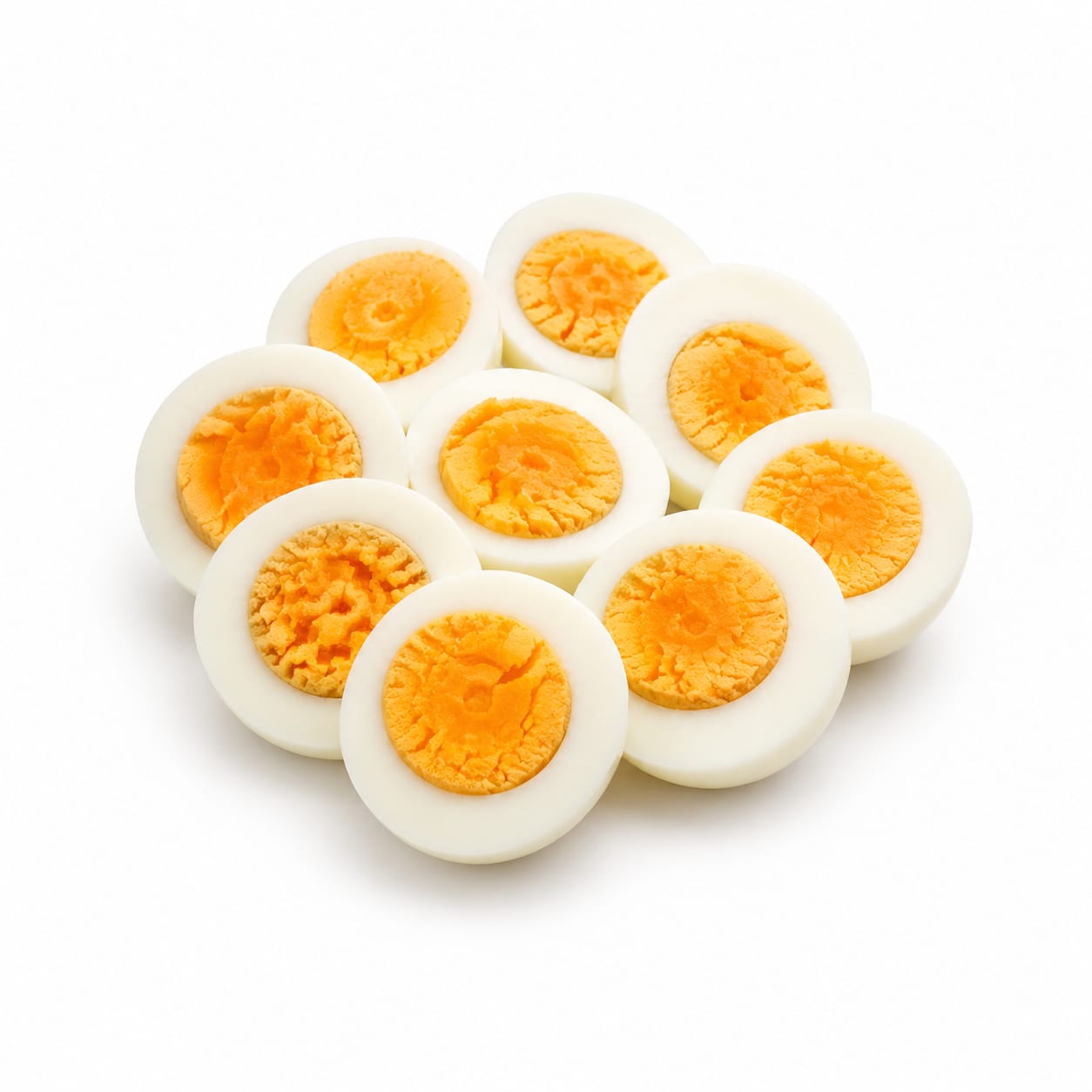
Pheasant Egg
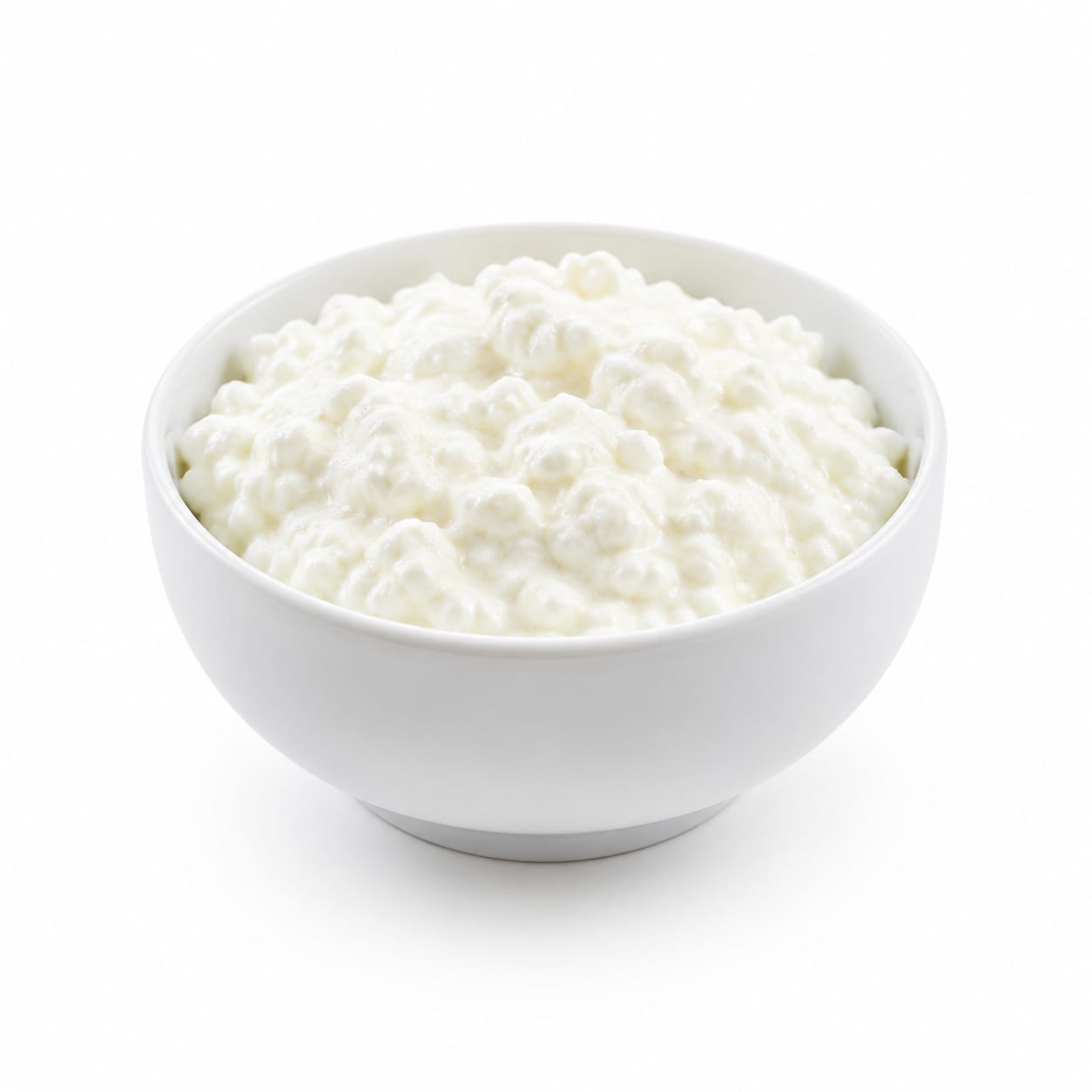
Cottage Cheese
Cottage cheese wins on practicality and sustained protein delivery; pheasant eggs win on nutrient density and naturalness. Your choice depends on what you value more.
Cottage cheese scores higher mainly due to accessibility, protein per calorie, and daily practicality. Pheasant eggs are nutritionally excellent but limited by cost, availability, and lower total protein per serving. The gap reflects real-world usability more than nutritional inferiority.
Whole-food completeness versus convenient slow-release protein — pheasant eggs give you nature's multivitamin in a tiny package, while cottage cheese delivers more protein per dollar with easier daily access.
At a glance
Executive summary
Overall
It depends
Healthier
It depends
More practical
Cottage Cheese
Daily use
Cottage Cheese
Key comparison lenses
protein source comparison for daily eating
Both foods are primarily valued as high-protein options, but deliver protein very differently — whole food vs dairy
satiety and weight management
Cottage cheese is famous for keeping people full; pheasant eggs offer a different satiety profile through fat and protein balance
naturalness and processing concerns
Pheasant eggs are a whole unprocessed food; cottage cheese varies widely in additives and processing level
practicality and everyday accessibility
Cottage cheese is available everywhere; pheasant eggs are specialty items with limited availability
cholesterol and heart health considerations
Eggs raise cholesterol questions for some users; cottage cheese offers a dairy-based alternative with different lipid concerns
Best choice for
Pheasant Egg
- People prioritizing whole, unprocessed foods
- Those wanting choline and brain-supportive nutrients
- Anyone avoiding dairy or lactose
- Home cooks wanting a gourmet or specialty ingredient
- Those seeking fat-soluble vitamins in natural form
Cottage Cheese
- People needing high protein on a budget
- Anyone focused on muscle recovery and satiety
- Those wanting an easy no-cook meal or snack
- People tracking macros consistently
- Late-night snackers wanting slow-digesting casein
Least suitable for
Pheasant Egg
- People with egg allergies or cholesterol concerns
- Anyone needing affordable daily protein
- Those wanting quick no-prep options
- People unfamiliar with cooking specialty eggs
Cottage Cheese
- People with lactose intolerance or dairy sensitivity
- Those avoiding sodium-heavy foods
- Anyone concerned about dairy processing additives
- Vegans or dairy-avoidant eaters
Deep comparison
Dimension by dimension
Each lens scores both foods and breaks down who each option suits.
- Dimension 1 · Priority 95Cottage Cheese
Protein Quality and Quantity
Pheasant Egg · 62Cottage Cheese · 88Cottage cheese delivers significantly more protein per serving with slow-digesting casein that keeps you full longer. Pheasant eggs have excellent protein quality but less total protein per calorie.
Tradeoff
You get more sustained protein from cottage cheese, but pheasant eggs offer a more complete micronutrient package alongside their protein.
Why it matters
If you are eating primarily for protein — post-workout or during weight loss — cottage cheese simply gives you more of what you need per bite.
Real-world impact
A cup of cottage cheese delivers roughly 25g of slow-release protein. You would need about 8 pheasant eggs to match that, which is impractical and expensive.
Pheasant Egg
- Complete amino acid profile with accompanying micronutrients
- Bioavailable protein paired with healthy fats for hormone support
Better for
- Low total protein per egg — you need many to match cottage cheese
- Higher fat-to-protein ratio may not suit lean-bulking goals
Worse for
Cottage Cheese
- Much higher protein per serving and per dollar
- Casein protein provides sustained amino acid delivery over hours
- Easier to hit daily protein targets without overeating calories from fat
Better for
- Missing the choline and fat-soluble vitamins that eggs provide alongside protein
Worse for
- Dimension 2 · Priority 90Pheasant Egg
Nutrient Density and Micronutrients
Pheasant Egg · 89Cottage Cheese · 68Pheasant eggs are remarkably nutrient-dense, packing choline, B12, selenium, vitamin A, and iron into a tiny serving. Cottage cheese offers calcium and B vitamins but lacks the breadth of micronutrients.
Tradeoff
Pheasant eggs are nature's multivitamin; cottage cheese is nature's protein shake. One covers more nutritional bases, the other delivers more of one macronutrient.
Why it matters
If your diet has micronutrient gaps, pheasant eggs help close them. If you already eat varied foods, cottage cheese fills the protein gap more efficiently.
Real-world impact
Eating a few pheasant eggs gives you meaningful choline for brain health and B12 for energy — nutrients many people under-consume. Cottage cheese mainly moves the needle on calcium and protein.
Pheasant Egg
- Rich in choline, critical for brain and liver health
- Strong B12 and selenium content per calorie
- Contains vitamin A and iron in bioavailable forms
- Yolk provides lutein and zeaxanthin for eye health
Better for
- Cholesterol content may concern some users despite updated dietary guidelines
Worse for
Cottage Cheese
- Excellent calcium source for bone health
- Contains phosphorus and B2 in useful amounts
- Fortified versions can add vitamin D
Better for
- Missing choline entirely, a nutrient most people lack
- No vitamin A or iron to speak of
Worse for
- Dimension 3 · Priority 88Cottage Cheese
Satiety and Fullness
Pheasant Egg · 70Cottage Cheese · 86Cottage cheese keeps you full for hours thanks to casein protein and its thick texture. Pheasant eggs satisfy through fat and protein but a typical serving is small and digests faster.
Tradeoff
Cottage cheese is the long-burning fuel; pheasant eggs are a satisfying but quicker-burning energy source.
Why it matters
If you snack between meals or struggle with hunger, cottage cheese is one of the most effective foods for staying full without overeating.
Real-world impact
A bowl of cottage cheese at 3pm can carry you to dinner. Two pheasant eggs as a snack taste great but you will likely be hungry again within 90 minutes.
Pheasant Egg
- Fat content provides immediate satisfaction and flavor
- Whole food format feels like a real meal rather than a diet food
Better for
- Small serving size means less physical stomach filling
- Higher calorie density per gram of protein
Worse for
Cottage Cheese
- Casein protein digests slowly over 5-7 hours
- Thick creamy texture enhances perceived fullness
- Higher protein-to-calorie ratio supports weight management satiety
Better for
- Some people find it unsatisfying as a standalone food without additions
Worse for
- Dimension 4 · Priority 85Pheasant Egg
Processing and Naturalness
Pheasant Egg · 95Cottage Cheese · 55Pheasant eggs are a completely unprocessed whole food. Cottage cheese is minimally processed at best, but many commercial brands include gums, stabilizers, and added sodium.
Tradeoff
You get purity with pheasant eggs but convenience with cottage cheese — and that convenience often comes with additives.
Why it matters
If you are trying to eat clean and avoid ultra-processed foods, pheasant eggs are clearly superior. But not all cottage cheese is heavily processed — quality varies by brand.
Real-world impact
A pheasant egg is exactly what nature produced. A tub of cottage cheese might contain carrageenan, guar gum, and 400mg of sodium per serving — or it might contain just milk, cream, and salt if you choose wisely.
Pheasant Egg
- Zero additives, preservatives, or artificial ingredients
- Complete whole food as nature intended
- No hidden sodium or stabilizers
Better for
- No downside on processing — it is a whole food
Worse for
Cottage Cheese
- Simple brands with few ingredients exist if you read labels
- Still closer to whole food than protein bars or shakes
Better for
- Many brands contain gums, thickeners, and preservatives
- Sodium levels can be surprisingly high
- Low-fat versions often compensate with more additives
Worse for
- Dimension 5 · Priority 82Cottage Cheese
Convenience and Accessibility
Pheasant Egg · 30Cottage Cheese · 90Cottage cheese is available at any grocery store, needs no cooking, and is ready to eat. Pheasant eggs are specialty items requiring sourcing effort and cooking.
Tradeoff
Cottage cheese is grab-and-go; pheasant eggs are a deliberate choice requiring planning and preparation.
Why it matters
The best food for you is the one you will actually eat consistently. Convenience often determines long-term adherence more than nutritional perfection.
Real-world impact
You can find cottage cheese at any corner store at midnight. Pheasant eggs might require a farmers market, specialty shop, or online order — and they need refrigeration and cooking.
Pheasant Egg
- Long shelf life when refrigerated and uncracked
- Compact and portable before cooking
Better for
- Hard to find outside specialty or farmers markets
- Requires cooking — not a grab-and-go food
- Expensive per serving compared to chicken eggs or cottage cheese
- Seasonal availability in some regions
Worse for
Cottage Cheese
- Available at every grocery store nationwide
- Ready to eat with zero preparation
- Easy to portion and track for macros
- Consistent product regardless of season
Better for
- Shorter shelf life once opened
- Requires refrigeration at all times
Worse for
- Dimension 6 · Priority 75Pheasant Egg
Digestive Tolerance
Pheasant Egg · 80Cottage Cheese · 55Pheasant eggs are generally well-tolerated and suitable for dairy-sensitive individuals. Cottage cheese causes issues for anyone with lactose intolerance or dairy sensitivity.
Tradeoff
Pheasant eggs are gentler on the digestive system for most people; cottage cheese can cause bloating and discomfort in the lactose-intolerant population.
Why it matters
Roughly 65% of the global population has some degree of lactose malabsorption. For them, cottage cheese is not a comfortable daily option.
Real-world impact
If dairy leaves you bloated or gassy, pheasant eggs give you high-quality protein without the digestive aftermath. Cottage cheese is fine if you tolerate dairy well.
Pheasant Egg
- Naturally dairy-free and lactose-free
- Well-tolerated by most people without sensitivities
- Small serving size is gentle on the stomach
Better for
- Egg allergies are one of the most common food allergies
- Some people experience sulfur sensitivity from egg yolks
Worse for
Cottage Cheese
- Some lactose-intolerant individuals tolerate it in small amounts due to lower lactose than milk
Better for
- Lactose content causes bloating, gas, and discomfort for many
- Dairy proteins can trigger inflammation in sensitive individuals
- High sodium versions may cause water retention
Worse for
- Dimension 7 · Priority 78Cottage Cheese
Cost and Value
Pheasant Egg · 35Cottage Cheese · 85Cottage cheese is one of the most affordable protein sources available. Pheasant eggs are a luxury item with a price per protein that makes daily consumption impractical for most budgets.
Tradeoff
Cottage cheese delivers protein at a fraction of the cost. Pheasant eggs are an investment in nutrient density and culinary experience, not budget protein.
Why it matters
If you are feeding a family or eating on a budget, cost per gram of protein matters more than marginal micronutrient advantages.
Real-world impact
Cottage cheese costs roughly $0.50-1.00 per 25g protein serving. Pheasant eggs can cost $1-3 per egg, and you need 8+ eggs to match that protein — making it 10-20x more expensive per gram of protein.
Pheasant Egg
- High nutrient density per calorie if cost is not a concern
- Specialty food experience justifies cost for occasional use
Better for
- Extremely expensive per gram of protein
- Impractical as a daily protein source on most budgets
Worse for
Cottage Cheese
- One of the cheapest protein sources available
- Widely available at consistent prices
- Often on sale at grocery stores
Better for
- Budget brands may sacrifice quality with additives
Worse for
Timeline
Health impact over time
Short-term
Hours to days
Pheasant Egg
- Quick energy from fat and protein combination
- Satiety from yolk fat content, but shorter duration than casein
- Immediate B-vitamin boost supporting energy metabolism
- Potential for mild digestive comfort due to small portion size
Cottage Cheese
- Prolonged fullness from slow-digesting casein protein
- Steady amino acid delivery over several hours
- Possible bloating or gas if lactose intolerant
- Quick calcium intake for bone and muscle function
Long-term
Months to years
Pheasant Egg
- Choline intake supports brain health and cognitive function over time
- Sustained B12 intake benefits nerve health and energy
- Cholesterol from eggs has minimal impact on blood cholesterol for most people, but those with genetic hypercholesterolemia should monitor intake
- Antioxidants from yolk support eye health with aging
Cottage Cheese
- Consistent high protein intake preserves muscle mass during aging
- Calcium supports bone density and reduces osteoporosis risk
- Regular sodium exposure from commercial brands may affect blood pressure over time
- Dairy consumption associated with mixed health outcomes — beneficial for some, inflammatory for others
Risk profile
Safety & processing
Pheasant eggs are a completely unprocessed whole food with zero additives. Cottage cheese sits in a gray zone — traditional versions contain just cultured milk and salt, but mass-market brands frequently add gums, stabilizers, and preservatives. Reading labels is essential for cottage cheese; for pheasant eggs, what you see is what you get.
Pheasant Egg
Salmonella contamination
mediumLike all eggs, pheasant eggs carry a salmonella risk if undercooked or improperly stored. Cooking thoroughly eliminates this risk.
Allergenicity
mediumEgg allergies are common, especially in children. Pheasant eggs can trigger the same allergic reactions as chicken eggs.
Source and handling uncertainty
lowBecause pheasant eggs are often from smaller producers, quality control and refrigeration practices may vary more than commercial eggs.
Cottage Cheese
Lactose intolerance reactions
mediumCottage cheese contains moderate lactose. Many intolerant individuals experience bloating, cramping, or diarrhea after eating it.
High sodium content
mediumCommercial cottage cheese often contains 350-500mg sodium per serving. This adds up quickly for sodium-sensitive individuals or those with hypertension.
Dairy sensitivity and inflammation
lowSome individuals experience systemic inflammation from dairy proteins, even without lactose intolerance. This is individual and not universal.
Additive exposure in commercial brands
lowGums, carrageenan, and preservatives in some brands may cause digestive irritation in sensitive people. Choosing simple-ingredient brands avoids this.
Who wins for whom
Audience fit
Same foods, different winners depending on your goal.
children
Pheasant EggPheasant eggs provide a broader range of micronutrients critical for development, including choline for brain growth. Cottage cheese is also good but offers less nutritional variety per serving.
daily consumption
Cottage CheeseAffordability, availability, and ease of preparation make cottage cheese far more sustainable as a daily staple. Pheasant eggs work better as an occasional nutrient boost.
diabetes
Cottage CheeseCottage cheese has minimal carbohydrates and does not spike blood sugar. Pheasant eggs are also fine, but cottage cheese offers more sustained energy without glucose fluctuation.
elderly
Cottage CheeseOlder adults need easily digestible, high-protein foods to prevent sarcopenia. Cottage cheese is soft, requires no chewing, and delivers more protein per bite.
muscle gain
Cottage CheeseHigher total protein content and slow-digesting casein make cottage cheese more effective for muscle protein synthesis, especially as a bedtime snack.
weight loss
Cottage CheeseCottage cheese provides more protein per calorie and longer-lasting satiety, making it easier to stay in a calorie deficit without feeling deprived.
Your move
Decision guide
Choose Pheasant Egg
- You prioritize whole, unprocessed foods in your diet
- You are dairy-free or lactose intolerant and need a non-dairy protein source
- You want maximum micronutrient density per calorie
- You enjoy cooking and want a specialty ingredient for gourmet meals
- You are concerned about additives in commercial dairy products
Choose Cottage Cheese
- You need affordable, accessible daily protein
- Muscle gain or weight loss is your primary goal
- You want a no-prep snack that keeps you full for hours
- You tolerate dairy well and enjoy the taste
- You track macros and need consistent, easy-to-measure protein
Either works if
- You want high-quality protein from whole-food sources
- You are building a varied diet with multiple protein sources
- Neither food is your sole protein source for the day
Avoid both if
- You have both egg allergy and dairy intolerance
- You are following a strict vegan diet
- You have severe kidney disease requiring protein restriction without medical guidance
Final recommendation
Use cottage cheese as your everyday protein workhorse — it is affordable, accessible, and keeps you full. Treat pheasant eggs as a nutritional bonus: add them occasionally for their exceptional micronutrient profile, choline, and culinary interest. The best approach is not choosing one forever, but knowing when each serves you better.
Practical
Consumer tips
- 1
For cottage cheese, check the ingredient list — choose brands with only milk, cream, culture, and salt. Avoid products with gums, carrageenan, or preservatives if you want a cleaner option.
- 2
If sodium is a concern, look for low-sodium cottage cheese or rinse regular cottage cheese briefly to reduce salt content by roughly 30%.
- 3
Pheasant eggs cook similarly to chicken eggs but are smaller — reduce cooking times slightly to avoid overcooking the yolk.
- 4
If you cannot find pheasant eggs locally, duck eggs or quail eggs offer similar nutritional advantages with better availability.
- 5
Pair cottage cheese with fruit or nuts for a more complete snack — the added fiber and healthy fats improve satiety and nutritional balance.
- 6
For the best of both worlds, eat cottage cheese daily for protein and enjoy pheasant eggs once or twice a week as a nutrient-dense whole food.